
Winter slush does more than make a vehicle look neglected; a salty film across the lamps can scatter light and weaken visibility when darkness arrives early. Headlight washers attack that buildup before a normal windshield stop is convenient. Here are eight vehicles that pair their lighting with dedicated cleaning hardware for messy roads and cold-weather travel.
1. Volvo XC90: Jets Clear a Salt-Coated Nose

The Volvo XC90 can pair its safety-focused lighting with washer jets that spray the lamp lenses when road salt and dirty meltwater coat the front end. The XC90 model line has spanned multiple generations, so the washer design and its operating logic vary with year, market, and lighting package rather than following one universal arrangement.
On a winter highway, the practical gain is steady light output without a driver having to stop and wipe each lens by hand. The system is especially useful on taller vehicles, where the lamps collect spray from traffic ahead. A build sheet or owner manual remains the best confirmation because not every XC90 configuration carries identical cold-weather equipment.
2. Subaru Outback: Winter Equipment Changes by Market

Some Subaru Outback versions include headlight washers as part of market-specific lighting or winter equipment, giving the lenses a quick rinse when snow and grime build up. The Outback model history covers several regional specifications, which matters because equipment offered in one country may be absent from an otherwise similar vehicle sold elsewhere.
That regional split makes careful identification more important than the badge alone. When fitted, the washers complement the Outback’s all-weather role by cleaning the forward lighting while the vehicle remains on the road. Buyers comparing used examples need the original equipment list, since photographs of the bumper or a generic trim description may not settle whether the washer hardware is present.
3. Toyota Land Cruiser: Dedicated Jets for Muddy Routes
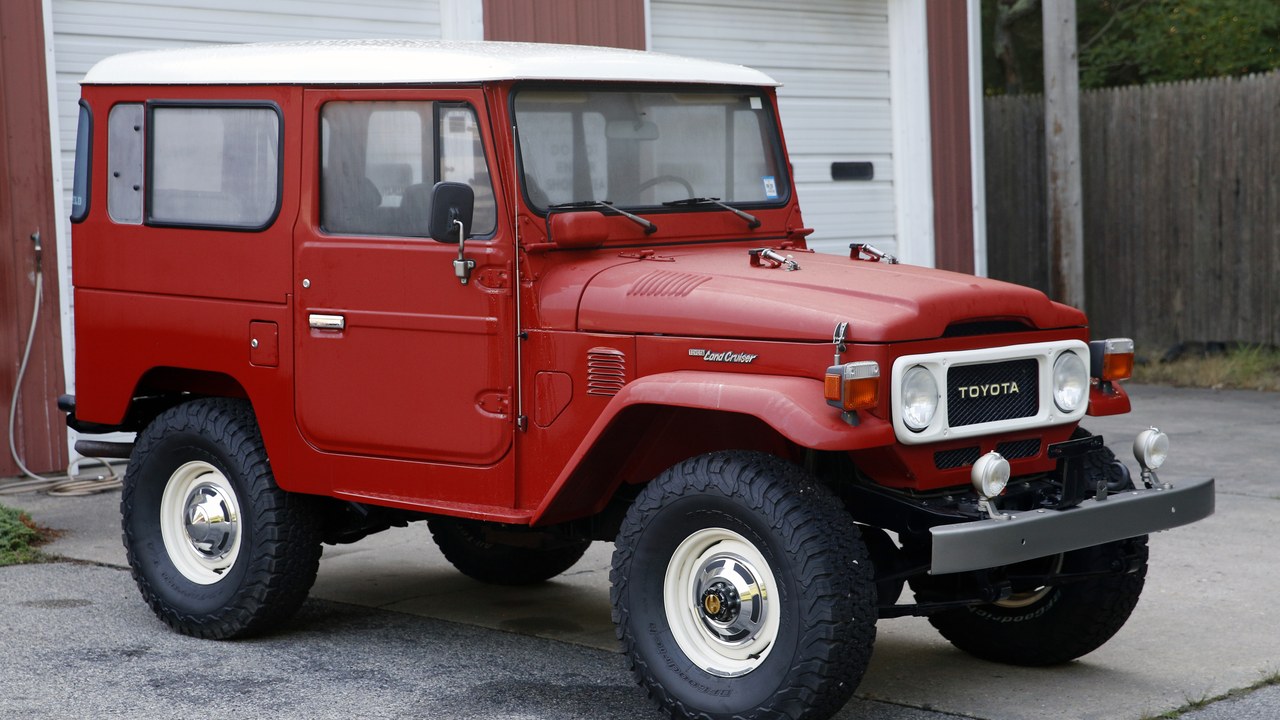
The Toyota Land Cruiser has offered dedicated headlight washers on equipped versions, an especially useful feature when mud, dust, or salted spray settles across the lamps. The Land Cruiser lineage includes very different generations and regional trims, so the visible hardware and the controls are not identical across every vehicle carrying the familiar name.
On an unpaved route, cleaning the lenses can preserve usable illumination without requiring contact with a gritty surface that could scratch it. The same hardware earns its keep on winter pavement, where wet salt forms an opaque film. Confirmation still belongs at the individual-vehicle level because a classic Land Cruiser and a later luxury-equipped model can share a badge while carrying very different systems.
4. Lexus LX: Luxury Hardware With Off-Road Purpose

The Lexus LX carries the capability of a full-size off-roader beneath its luxury finish, and equipped versions use high-pressure washers to clean the headlamp lenses. The Lexus LX range has evolved through several generations, making the exact nozzle style and activation sequence dependent on the model year and market rather than the nameplate by itself.
That cleaning system is not merely cosmetic. Bright modern lamps can lose useful reach when a thin layer of road film diffuses their beam, while an SUV’s broad nose catches spray readily. Keeping the lenses rinsed supports the LX’s long-distance and poor-weather roles, although a buyer still needs to verify the equipment on the specific vehicle instead of treating it as universal.
5. Mercedes-Benz G-Class: Round Lamps Get Their Own Rinse

Equipped Mercedes-Benz G-Class models place washer hardware around the vehicle’s signature round headlights, helping clear slush after a snowy commute or dirt after a trail. The G-Class image record documents the boxy model line, whose exterior has remained recognizable even as lighting systems and bumper details changed substantially between generations.
A rinse matters because the upright front end meets spray directly instead of letting it flow over a low, sloped nose. The system can restore a cleaner beam before the buildup hardens, but availability depends on specification. Different markets, lamp packages, and model years may use different controls or omit the feature, so the individual vehicle’s equipment record remains decisive.
6. Audi Q7: Cold-Weather Spray for the Lenses

The Audi Q7 can be equipped with a headlamp-cleaning system that sprays the lenses when winter residue begins to dull the light. The Audi Q7 collection distinguishes the large SUV from related Audi models, while its changing front fascia shows why nozzle placement and washer operation need to be checked against the precise generation and package.
This feature is most valuable in the dirty interval between a storm and a fully dry road, when every passing vehicle throws a fine mist of brine. Clearing the lenses helps the lighting system perform as intended without a roadside cleaning stop. Since cold-weather and lighting packages vary, an owner manual or build specification offers firmer confirmation than an exterior glance.
7. BMW X5: Telescoping Nozzles Hide in the Bumper

On equipped BMW X5 models, telescoping nozzles emerge from the bumper to wash road film from the headlight covers, then retract for a cleaner appearance. The BMW X5 media gallery follows the SUV through several generations, each with different fascia details that can make the small washer covers easier or harder to identify.
Retractable hardware protects the nozzles when they are idle and preserves the sculpted front-end design. In use, the high-pressure spray targets residue that windshield wipers cannot reach. The feature is tied to particular markets and lighting packages, however, so a prospective buyer should rely on factory equipment data rather than assuming every X5 with similar headlights received the same system.
8. Range Rover: High-Pressure Cleaning for LED Lamps
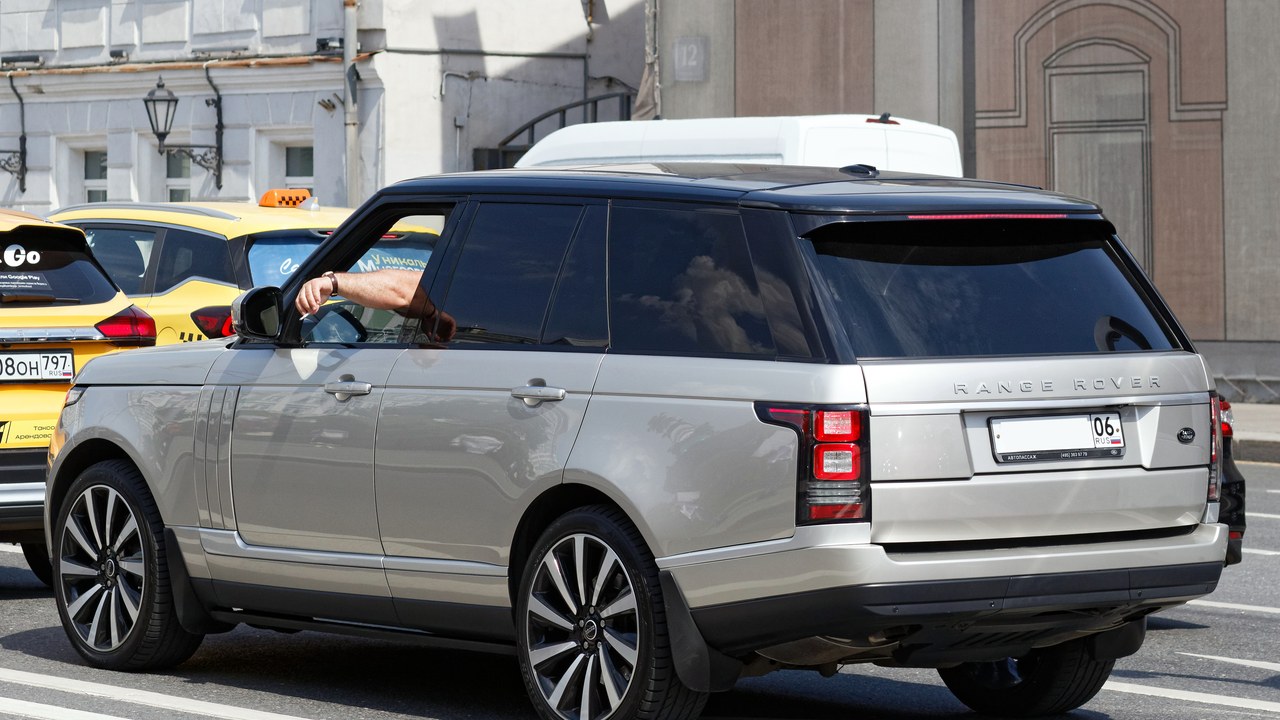
Range Rover models with the appropriate lighting equipment use high-pressure washers to strip grime from the headlamp lenses before it compromises the beam. The Range Rover archive spans multiple generations, so the smooth bumper caps, exposed jets, and activation behavior differ according to the vehicle’s age and specification.
The system suits a vehicle expected to cover both wet highways and unsealed tracks, where the same lamps may face salt spray, mud, and fine dust in one season. A brief wash can recover a clearer lens without abrasive hand wiping. Equipment remains configuration-dependent, making the original build record more reliable than the model badge when verifying a particular Range Rover.
More from Morning Overview
- The NSA is again telling phone owners to switch off one location setting
- Four U.S. startups fired up their first small nuclear reactors, aiming to power AI data centers on-site
- 11 engines built to run well past 200,000 miles
- A handful of car transmissions are so tough that mechanics say they almost never die
