
Traditional console shifters consume some of the most useful space inside a vehicle, competing with cupholders, bins and charging pads. Automakers have answered with compact joysticks, buttons, rotary dials and column controls that move gear selection upward or out of the way. These eight vehicles show how relocating one familiar control can make the center console far more useful.
1. Toyota Prius: A Tiny Joystick Opens the Floor
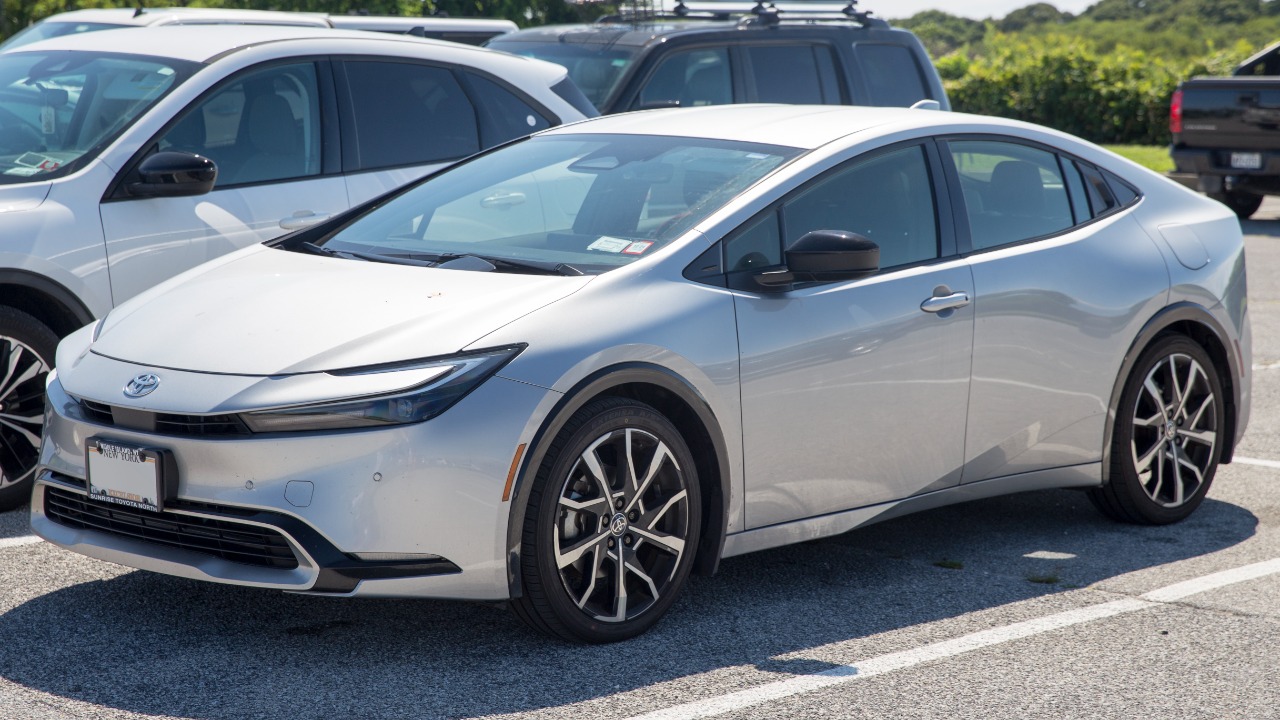
The Toyota Prius layout replaces a long console lever with a small electronic joystick mounted high on the dashboard. Gear selection remains close to the driver’s hand, but the mechanism no longer occupies a bulky tunnel between the front seats. That leaves the lower center area available for open storage and smaller everyday items.
The unusual selector can require a brief adjustment because it returns to its resting position after each input rather than staying in a traditional gear gate. Its packaging benefit is straightforward, however: the transmission control takes up little cabin real estate. The Prius turns that saved space into a more open, practical front-seat environment instead of surrounding a mechanical lever with trim.
2. Honda CR-V: Buttons Flatten the Center Console
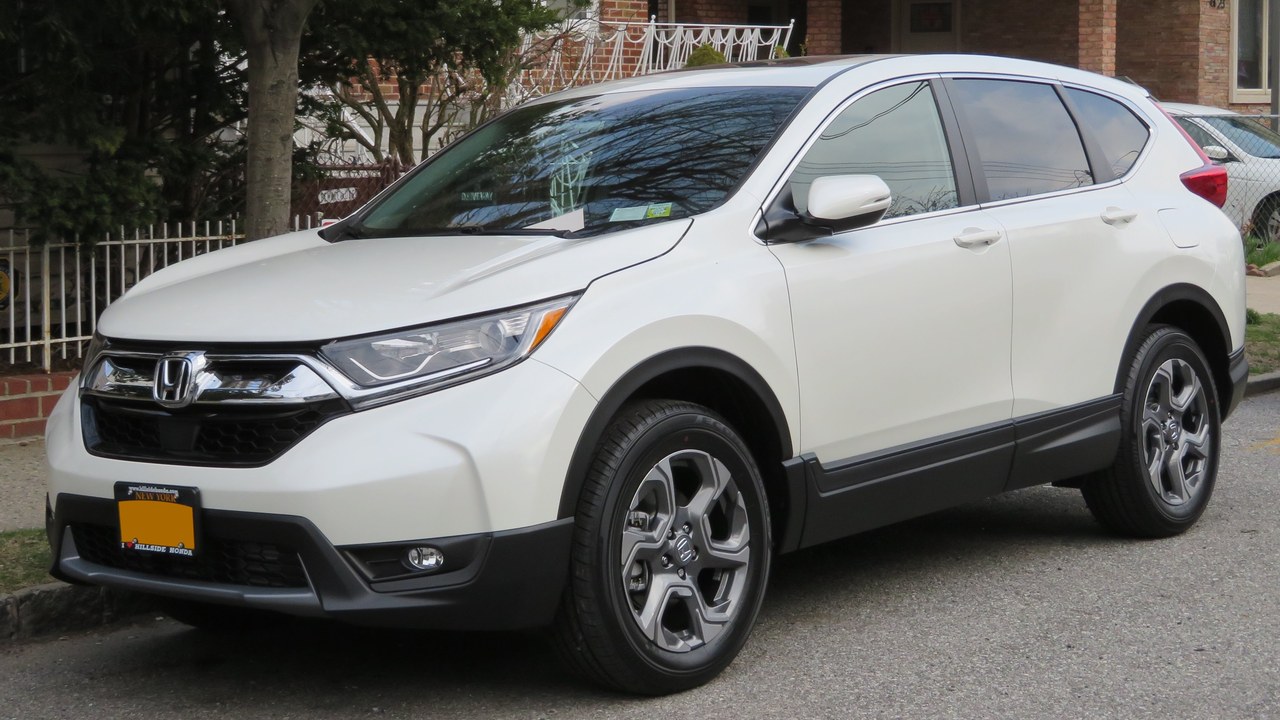
The Honda CR-V has used electronic push-button transmission controls in versions that move the shifting task away from a conventional floor lever. Arranging drive, neutral and reverse as separate controls on the forward portion of the cabin reduces the tall hardware that would otherwise rise from the console and divide its usable surfaces.
That flatter arrangement makes more room for trays, charging space and the small objects that accumulate during family travel. The controls also create clear tactile differences between some selections, helping distinguish them without copying a traditional gate. Because CR-V interiors and powertrains vary by model year and market, the button layout is version-specific rather than a feature of every example bearing the name.
3. Lincoln Navigator: Piano Keys Replace the Lever
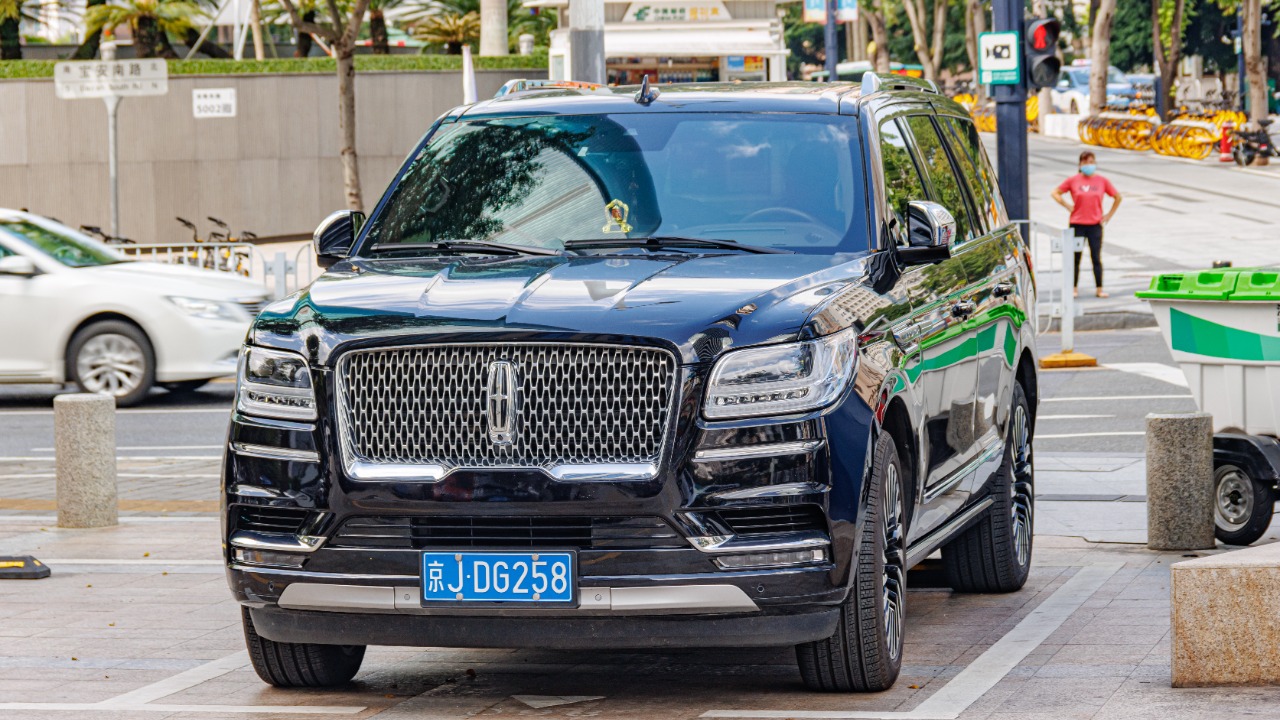
The Lincoln Navigator cabin uses a horizontal row of transmission buttons that resemble piano keys. Placing them beneath the dashboard separates gear selection from the broad center console, where a conventional lever would interrupt the surface and consume space that can instead support storage, cupholders and other controls.
The design also reinforces the Navigator’s luxury presentation by turning an ordinary mechanical action into a slim bank of switches. Each gear remains individually labeled, while the large console can focus on comfort and organization. Drivers accustomed to reaching down for a lever may need time to build a new habit, but the packaging gain is immediately visible in the uncluttered space between the seats.
4. Ram 1500: A Rotary Dial Clears the Tunnel
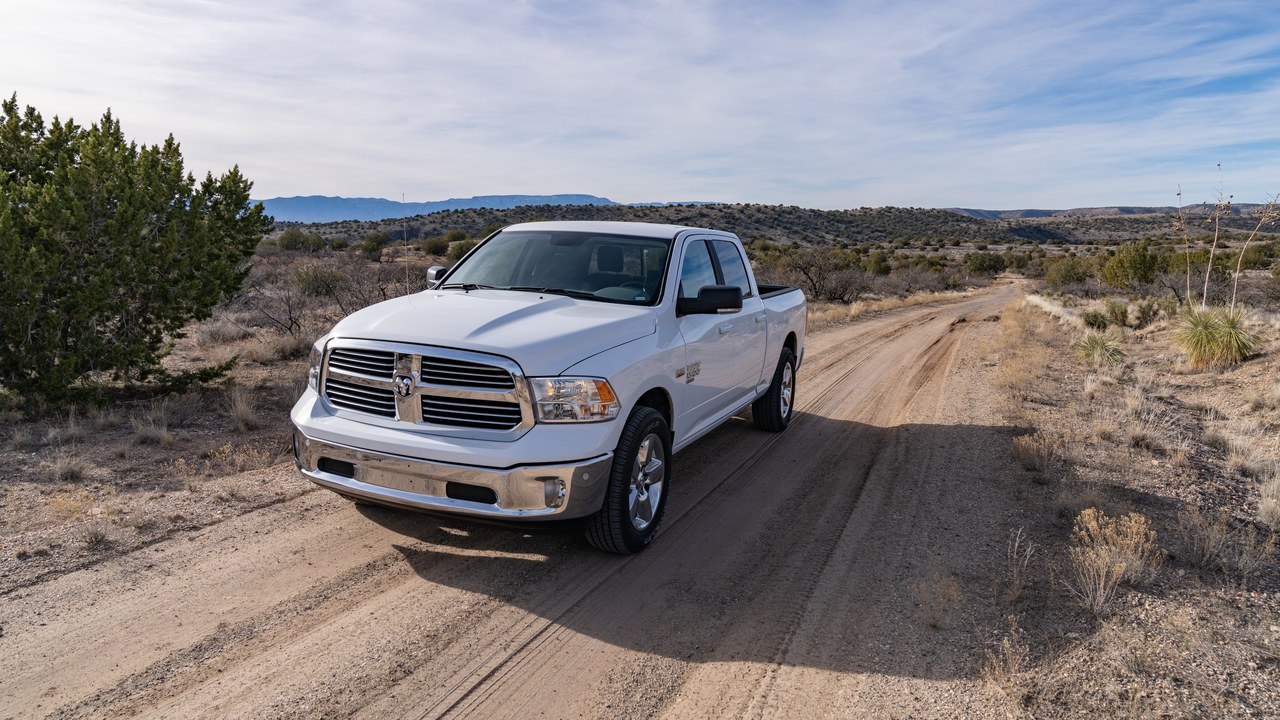
The Ram pickup design moved transmission selection to a rotary dial on the dashboard in many Ram 1500 configurations. The compact knob handles park, reverse, neutral and drive without demanding the long travel or surrounding gate of a floor shifter, leaving the center area open for the truck’s larger storage solutions.
That trade is particularly useful in a full-size pickup, where the cabin often doubles as a mobile office and general-purpose gear locker. More console volume can accommodate paperwork, devices and workday clutter while the dial stays within easy reach. The selector’s position and shape differ sharply from nearby climate controls, but familiarity still matters because rotary interfaces replace the physical position cues of a conventional lever.
5. Chrysler Pacifica: The Knob Moves Up the Stack
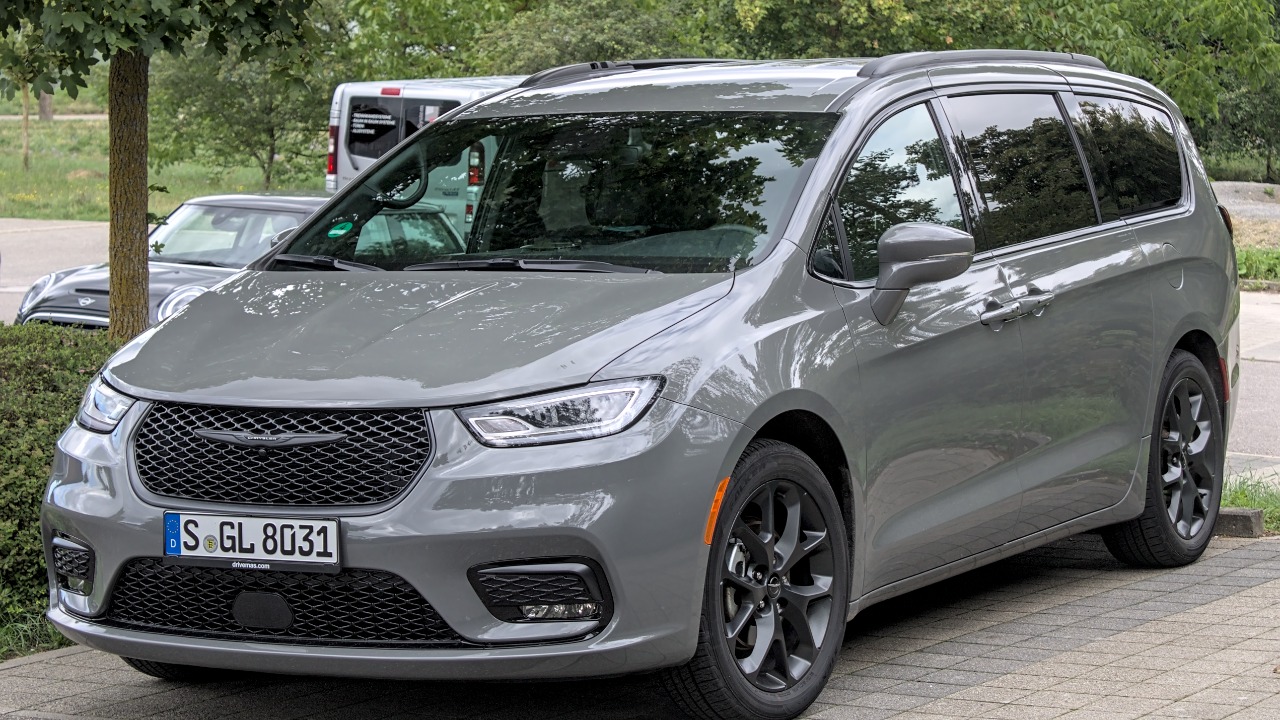
The Chrysler Pacifica places a rotary transmission selector high on the center stack. That location keeps the control visible and accessible while removing the need for a lever between the front seats, an especially useful choice in a minivan whose cabin is expected to hold drinks, bags, devices and family travel supplies.
Moving the selector upward allows the lower console area to serve storage rather than transmission hardware. The dial also takes little space beside the infotainment and climate controls, supporting a cleaner path through the front cabin. Its circular motion is different from a familiar PRND lever, yet the clear markings preserve the essential sequence and the compact package returns valuable room to the occupants.
6. Mercedes-Benz S-Class: A Column Stalk Preserves the Console

The Mercedes-Benz S-Class uses an electronic selector stalk on the steering column instead of a transmission lever on the center console. The driver can choose gears near the steering wheel, while the space between the seats remains available for storage, touch controls and the broad surfaces expected in the brand’s flagship sedan.
This arrangement borrows the space efficiency of a traditional column shifter without bringing back a large mechanical linkage. The compact stalk leaves the console visually calm and gives designers more freedom to arrange comfort functions. It also places gear selection close to other steering-column controls, so clear operation and learned muscle memory matter when several stalks share the same general area.
7. GMC Yukon: Dash Controls Replace the Shifter
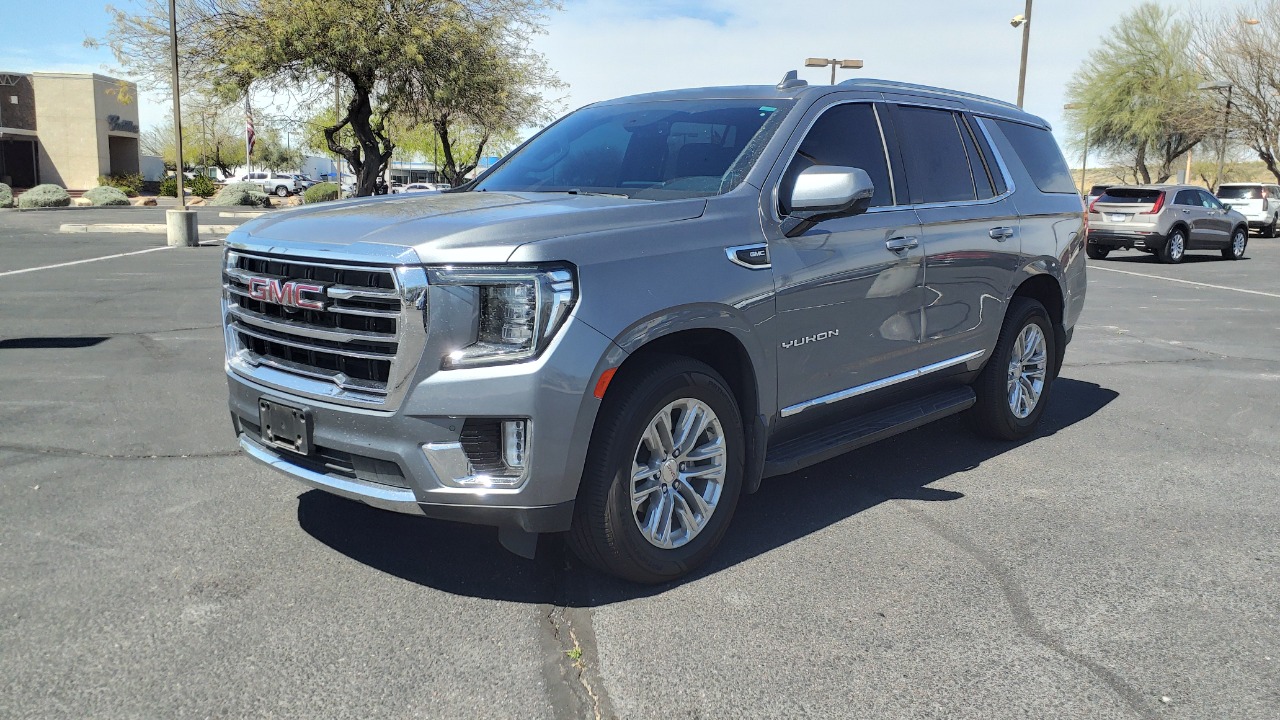
The GMC Yukon has used electronic transmission controls mounted on the dashboard, shifting the familiar PRND functions away from the center tunnel. Buttons and switches require far less console space than a conventional lever, allowing the large SUV to devote more of the area between its front seats to bins, cupholders and device storage.
The benefit fits the Yukon’s mission because a three-row family vehicle routinely carries small objects alongside passengers and cargo. Removing a tall shifter creates a broader, less obstructed zone for that daily clutter. The interface can feel unconventional at first, particularly when different gears use different motions, but its physical layout provides separation while the reclaimed console space delivers a practical payoff on every trip.
8. Tesla Model S: Drive Selection Reaches the Screen
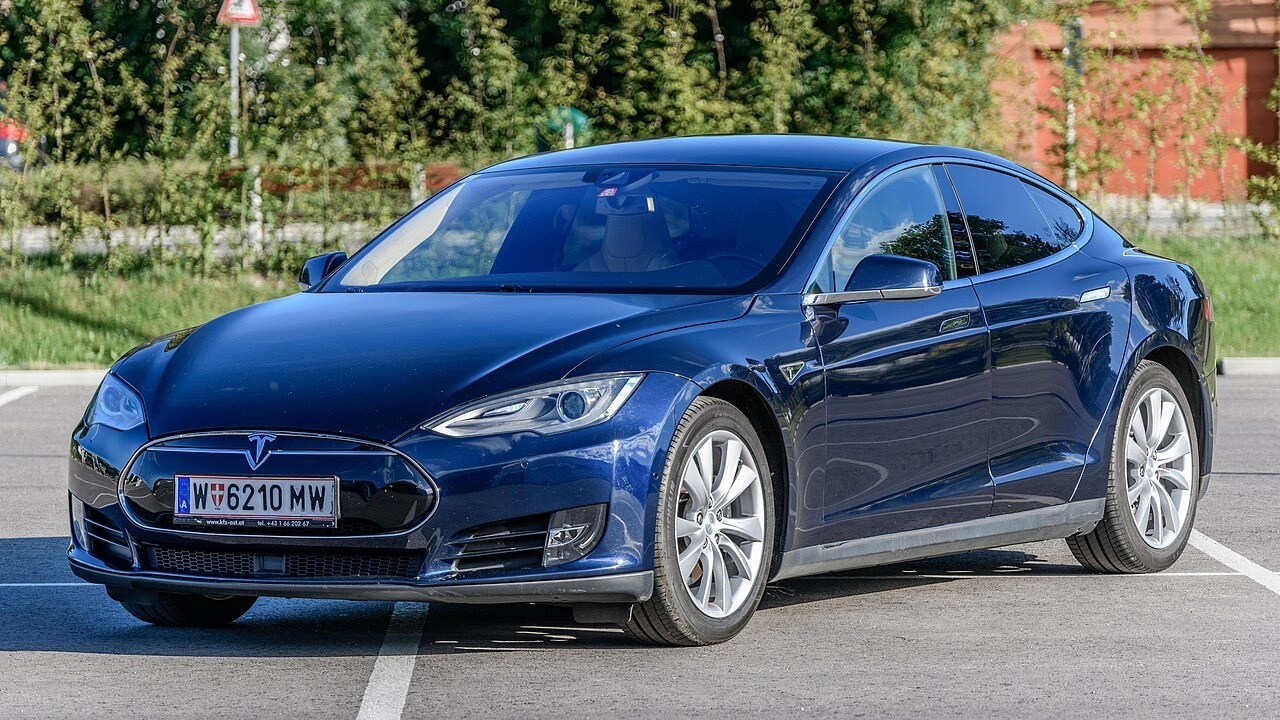
The Tesla Model S moved gear selection onto the touchscreen in newer versions, replacing a dedicated console lever with a digital control. That decision keeps the center area clear and aligns shifting with a cabin philosophy that concentrates many vehicle functions in the central display rather than distributing them across physical switches.
A screen-based selector offers maximum packaging freedom because it needs no permanent mechanical footprint between the seats. It also removes familiar tactile feedback, making the interface dependent on display logic and deliberate touch input. Backup physical controls provide another path when needed, but the primary design still illustrates the furthest step in this group: the shifter becomes software while the console becomes usable space.
More from Morning Overview
- A granite sarcophagus surfaced in Egypt with its original lid still sealed
- The FBI tells phone owners to delete these toll-payment texts draining accounts nationwide
- Herbal supplements are landing Americans in the hospital with liver damage, doctors warn
- Long-term use of common heartburn pills is linked to kidney and dementia risk
