
Electricity is not only something animals sense; some species generate fields of their own. Strong discharges can stun prey or discourage an attacker, while weaker signals reveal nearby objects and carry information through dark water. The examples here range from specialized electric organs to exquisitely sensitive receptors that turn hidden motion into a usable map.
1. Electric eel: A High Voltage Strike
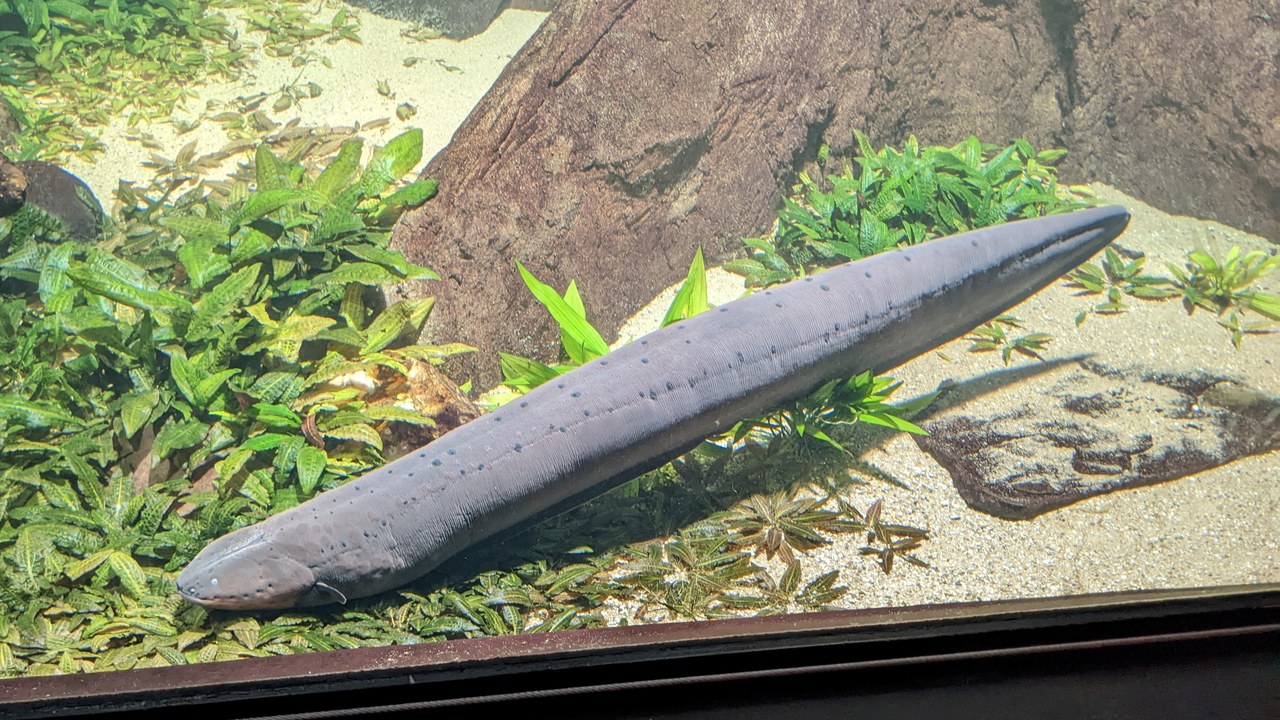
The Electric eel is a natural place to begin. High-voltage pulses stun prey and deter attackers. This is the documented feature that connects the example to the gallery’s central idea.
Bioelectric systems occupy a spectrum from forceful shocks to faint sensing fields, showing that the same physical phenomenon can serve offense, defense, navigation and communication. That makes the feature easy to notice, but its lasting importance comes from how consistently it addresses the underlying problem. In short, the bioelectric ability does real work even when the machinery or biology behind it stays out of sight.
2. Electric ray: Paired Shock Organs
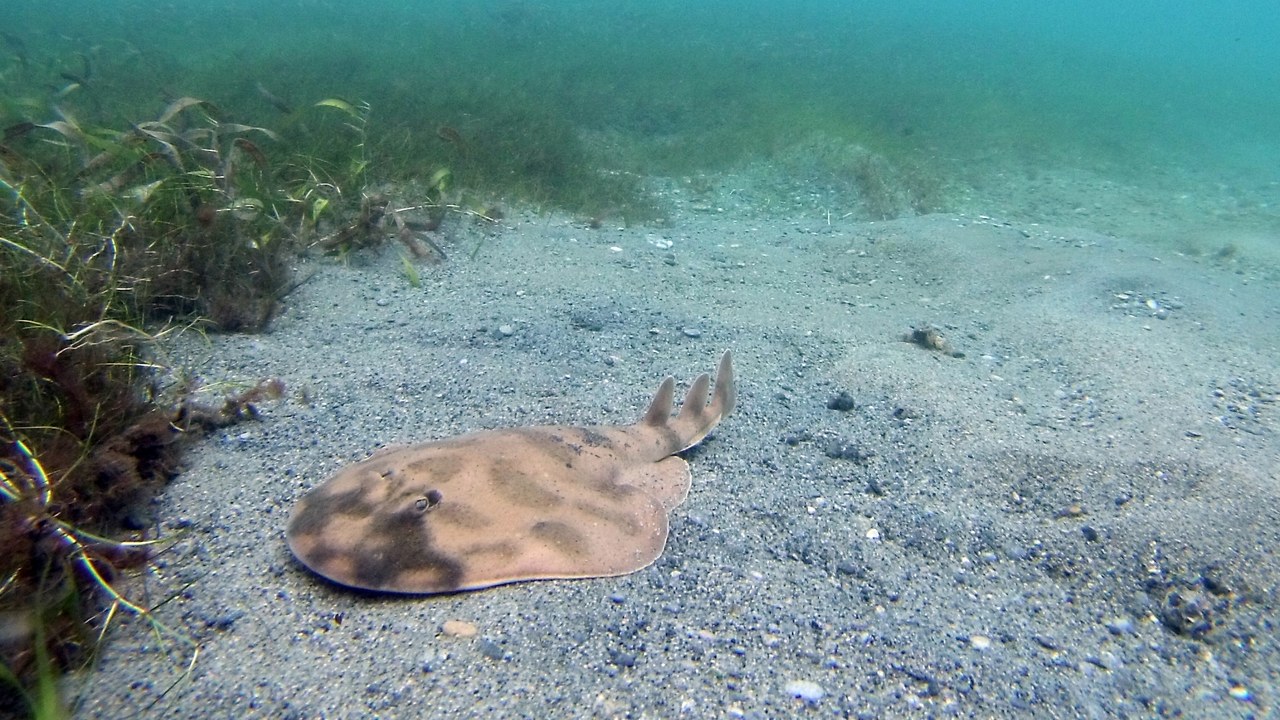
In the Electric ray, the unusual idea is central rather than incidental. Paired electric organs deliver a defensive shock. This is the documented feature that connects the example to the gallery’s central idea.
Bioelectric systems occupy a spectrum from forceful shocks to faint sensing fields, showing that the same physical phenomenon can serve offense, defense, navigation and communication. The benefit is inseparable from the compromise, which is why the layout deserves more attention than a novelty or styling flourish. In short, the bioelectric ability does real work even when the machinery or biology behind it stays out of sight.
3. Electric catfish: Defense And Prey Capture
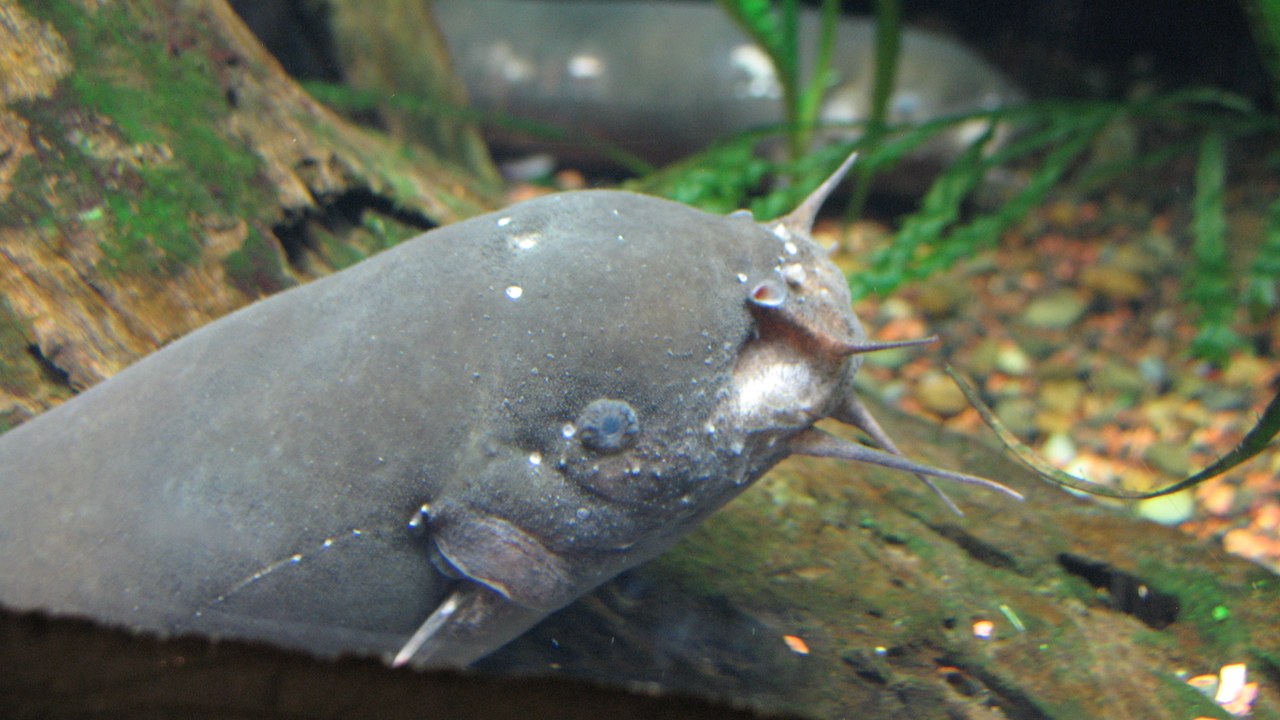
The case for including the Electric catfish starts with one defining detail. A powerful discharge protects the fish and disables prey. This is the documented feature that connects the example to the gallery’s central idea.
Bioelectric systems occupy a spectrum from forceful shocks to faint sensing fields, showing that the same physical phenomenon can serve offense, defense, navigation and communication. Seen in context, the choice is a practical response to packaging and use, not an isolated fact from a specification sheet. In short, the bioelectric ability does real work even when the machinery or biology behind it stays out of sight.
4. Northern stargazer: Electricity Behind The Eyes
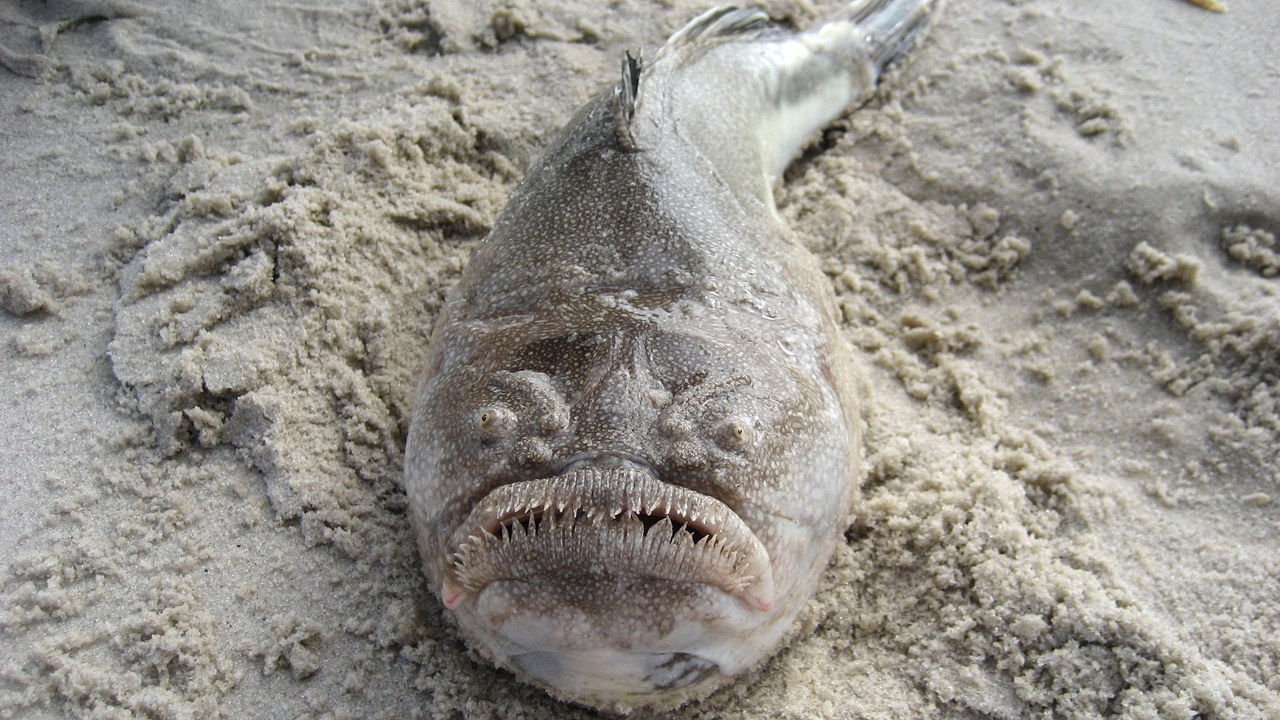
Look past the familiar outline of the Northern stargazer and the engineering choice becomes clear. Electric organs behind the eyes can shock approaching threats. This is the documented feature that connects the example to the gallery’s central idea.
Bioelectric systems occupy a spectrum from forceful shocks to faint sensing fields, showing that the same physical phenomenon can serve offense, defense, navigation and communication. Its value appears in ordinary operation, where the design changes what the user, operator or observer can do and perceive. In short, the bioelectric ability does real work even when the machinery or biology behind it stays out of sight.
5. Black ghost knifefish: A Field For Mapping
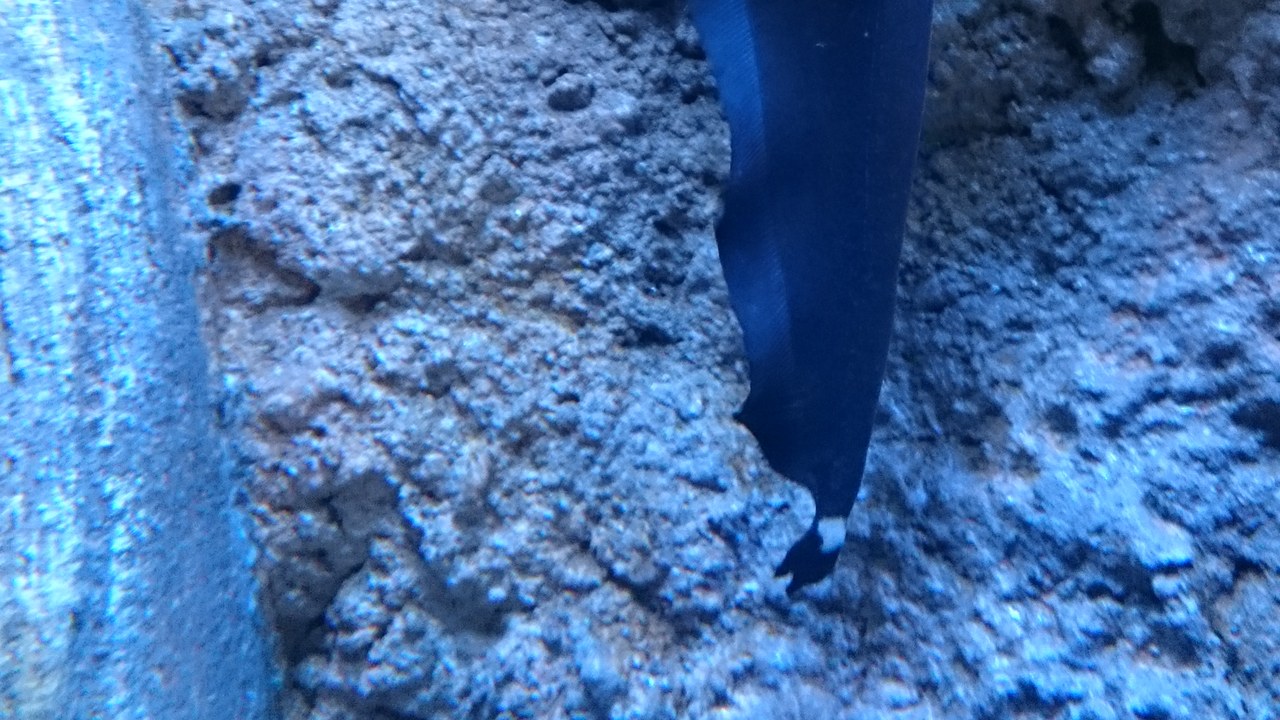
The Black ghost knifefish approaches the same challenge from a distinctive direction. A weak electric field maps its surroundings and communicates. This is the documented feature that connects the example to the gallery’s central idea.
Bioelectric systems occupy a spectrum from forceful shocks to faint sensing fields, showing that the same physical phenomenon can serve offense, defense, navigation and communication. The result is memorable because the visible feature and the less obvious functional consequence are tightly connected. In short, the bioelectric ability does real work even when the machinery or biology behind it stays out of sight.
6. Elephantnose fish: Pulses Through Muddy Water
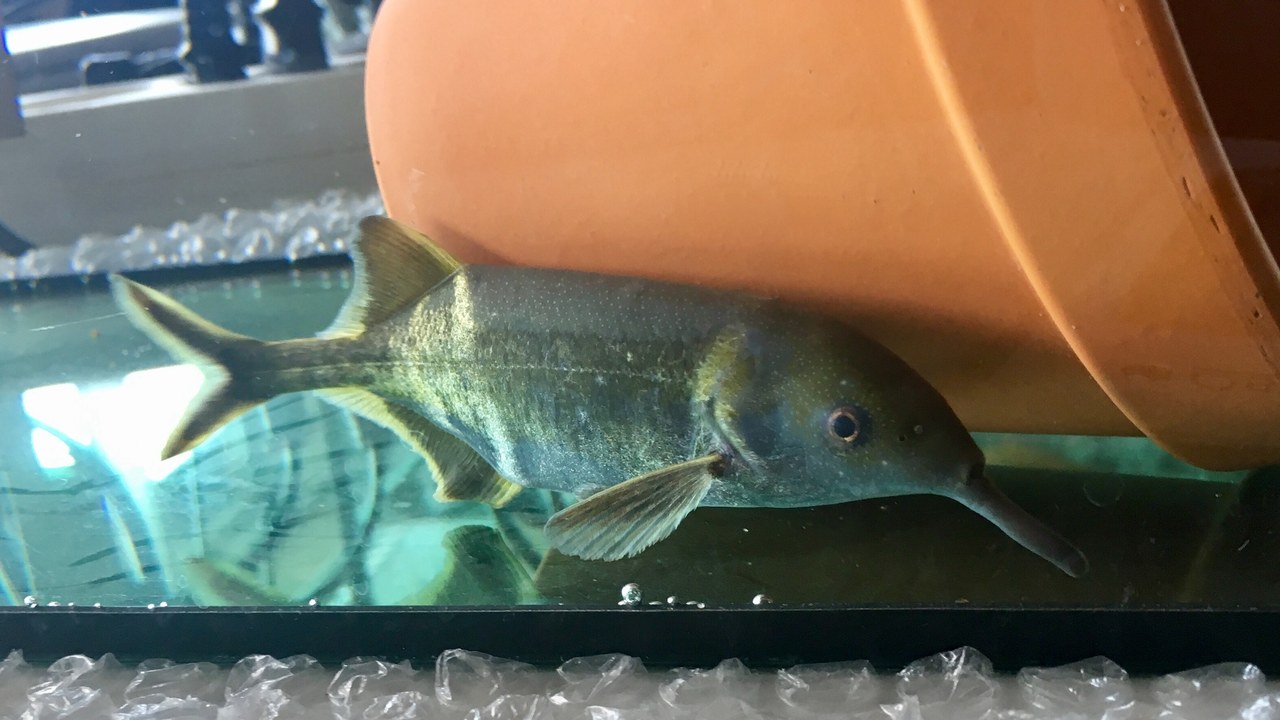
With the Elephantnose fish, the feature is part of the underlying package. A pulsed field helps the fish navigate dark, muddy water. This is the documented feature that connects the example to the gallery’s central idea.
Bioelectric systems occupy a spectrum from forceful shocks to faint sensing fields, showing that the same physical phenomenon can serve offense, defense, navigation and communication. It also shows why similar goals can produce different hardware: the surrounding vehicle, habitat or mission sets the constraints. In short, the bioelectric ability does real work even when the machinery or biology behind it stays out of sight.
7. Little skate: Weak Signals, Extra Information
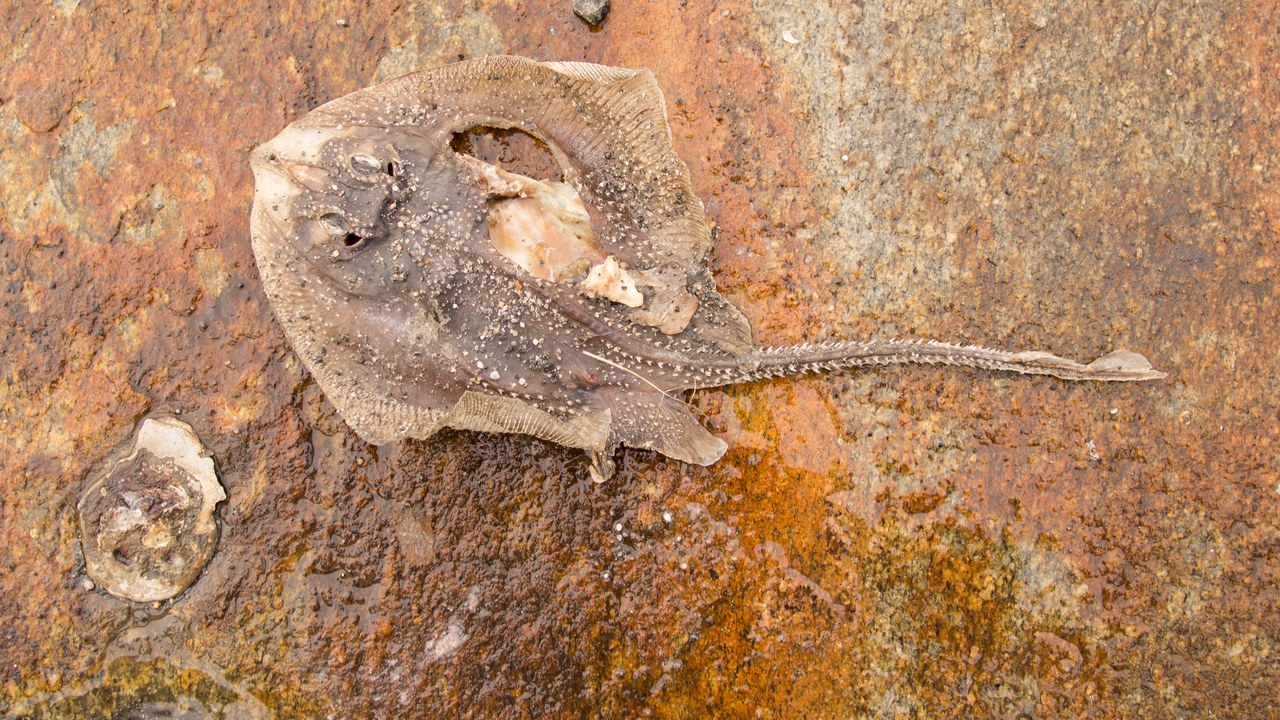
The Little skate earns its spot through a particularly direct version of the idea. Weak bioelectric signals support detection and communication. This is the documented feature that connects the example to the gallery’s central idea.
Bioelectric systems occupy a spectrum from forceful shocks to faint sensing fields, showing that the same physical phenomenon can serve offense, defense, navigation and communication. That distinction keeps the example precise; it belongs here for a working capability, not merely a resemblance to the others. In short, the bioelectric ability does real work even when the machinery or biology behind it stays out of sight.
8. Platypus: A Bill That Detects Prey
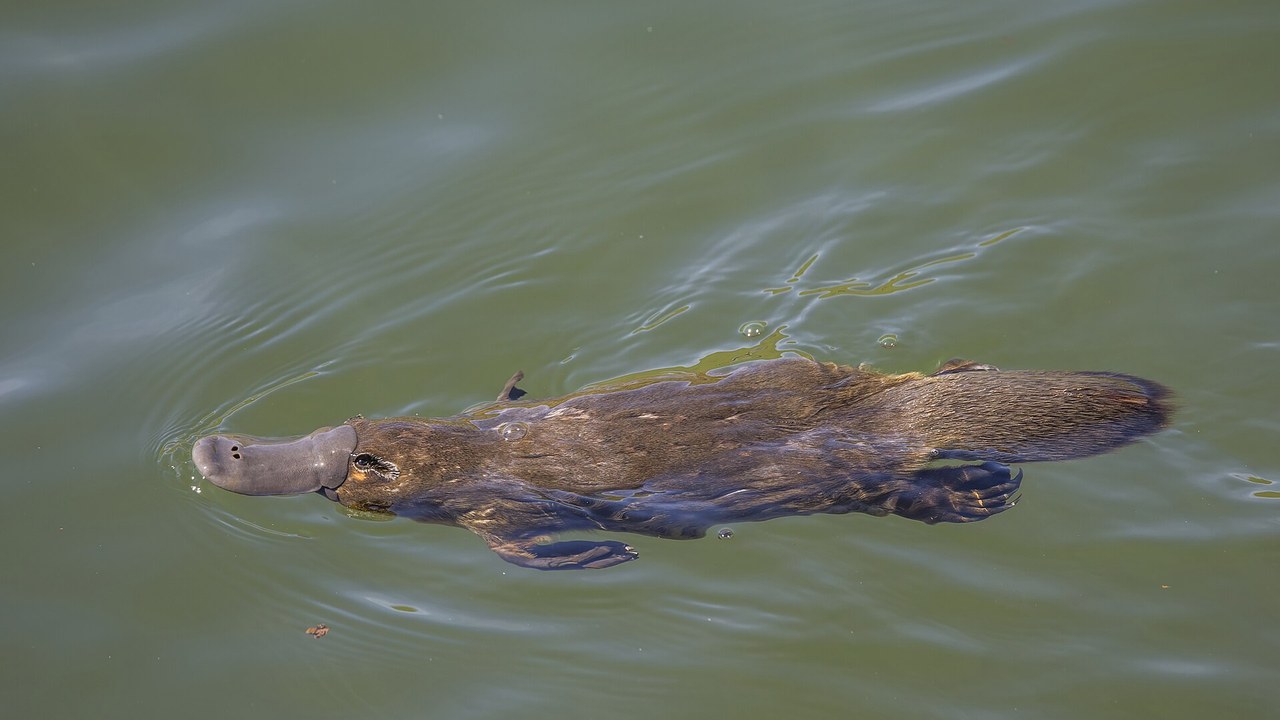
The final example, the Platypus, broadens the pattern. Electroreceptors in the bill find hidden prey with eyes shut. This is the documented feature that connects the example to the gallery’s central idea.
Bioelectric systems occupy a spectrum from forceful shocks to faint sensing fields, showing that the same physical phenomenon can serve offense, defense, navigation and communication. Together with the earlier examples, it shows a coherent principle expressed through very different forms and operating conditions. In short, the bioelectric ability does real work even when the machinery or biology behind it stays out of sight.
More from Morning Overview
