
Freezing is normally catastrophic because expanding ice and concentrated salts can rupture cells and disrupt circulation. A small group of animals survives by controlling where ice forms, protecting tissues or entering a nearly suspended state. Their recoveries are not magic resurrections, but tightly evolved responses to cold, dehydration and seasonal scarcity.
1. Wood frog: Glucose Shields Frozen Cells
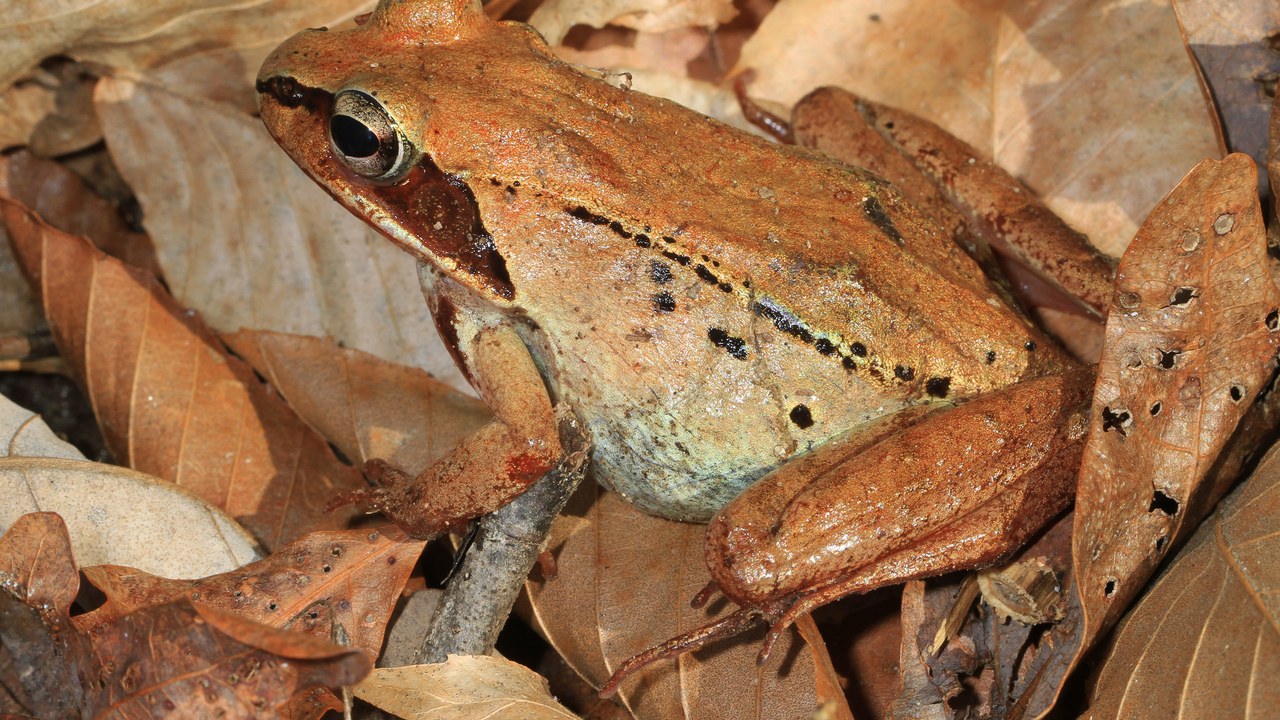
The Wood frog is a natural place to begin. Its body can freeze for weeks while glucose protects the cells. This is the documented feature that connects the example to the gallery’s central idea.
Freeze tolerance depends on limiting cellular damage rather than merely enduring a low thermometer reading, and each species uses a different mix of protective chemistry, dehydration and dormancy. That makes the feature easy to notice, but its lasting importance comes from how consistently it addresses the underlying problem. In short, the cold-survival strategy does real work even when the machinery or biology behind it stays out of sight.
2. Antarctic midge: A Flightless Polar Survivor
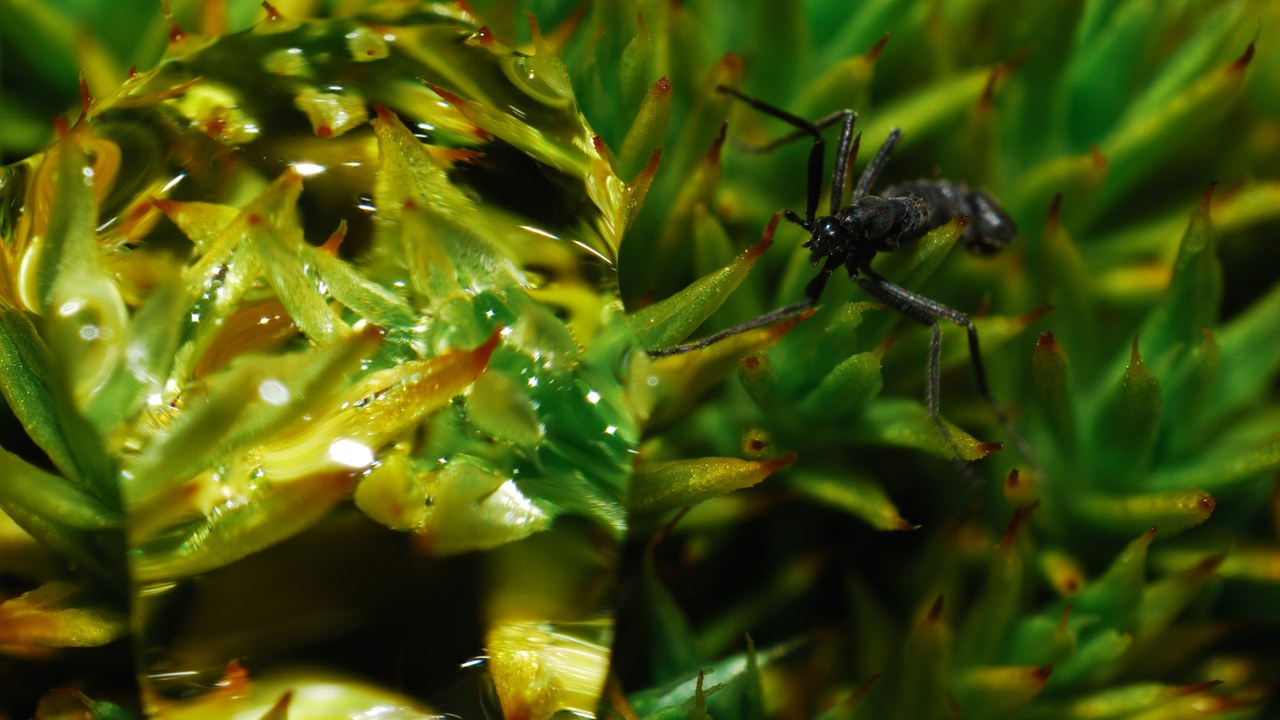
In the Antarctic midge, the unusual idea is central rather than incidental. The flightless insect survives its body fluids freezing. This is the documented feature that connects the example to the gallery’s central idea.
Freeze tolerance depends on limiting cellular damage rather than merely enduring a low thermometer reading, and each species uses a different mix of protective chemistry, dehydration and dormancy. The benefit is inseparable from the compromise, which is why the layout deserves more attention than a novelty or styling flourish. In short, the cold-survival strategy does real work even when the machinery or biology behind it stays out of sight.
3. Painted turtle: Frozen Beneath The Nest
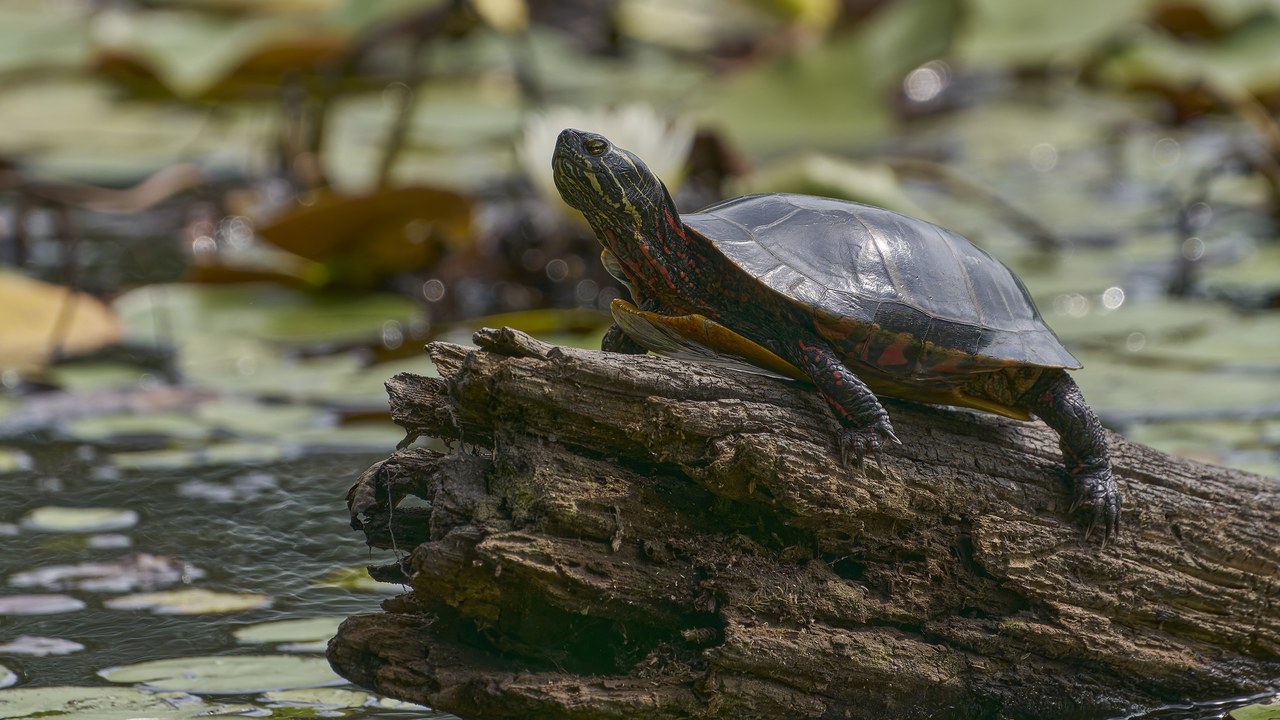
The case for including the Painted turtle starts with one defining detail. Hatchlings tolerate freezing temperatures in shallow nests. This is the documented feature that connects the example to the gallery’s central idea.
Freeze tolerance depends on limiting cellular damage rather than merely enduring a low thermometer reading, and each species uses a different mix of protective chemistry, dehydration and dormancy. Seen in context, the choice is a practical response to packaging and use, not an isolated fact from a specification sheet. In short, the cold-survival strategy does real work even when the machinery or biology behind it stays out of sight.
4. Arctic woolly bear moth: Many Winters In One Life
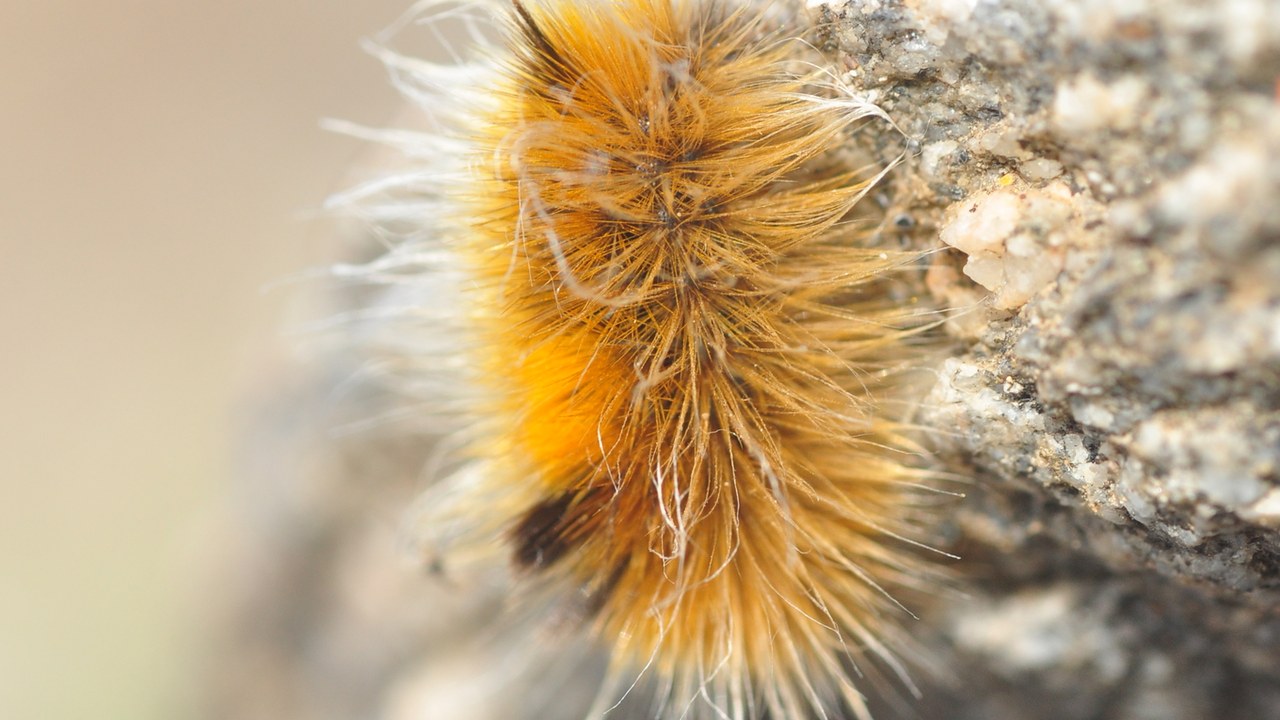
Look past the familiar outline of the Arctic woolly bear moth and the engineering choice becomes clear. The caterpillar repeatedly freezes through long Arctic winters. This is the documented feature that connects the example to the gallery’s central idea.
Freeze tolerance depends on limiting cellular damage rather than merely enduring a low thermometer reading, and each species uses a different mix of protective chemistry, dehydration and dormancy. Its value appears in ordinary operation, where the design changes what the user, operator or observer can do and perceive. In short, the cold-survival strategy does real work even when the machinery or biology behind it stays out of sight.
5. Alaska beetle: Beetle Chemistry Beats Cold
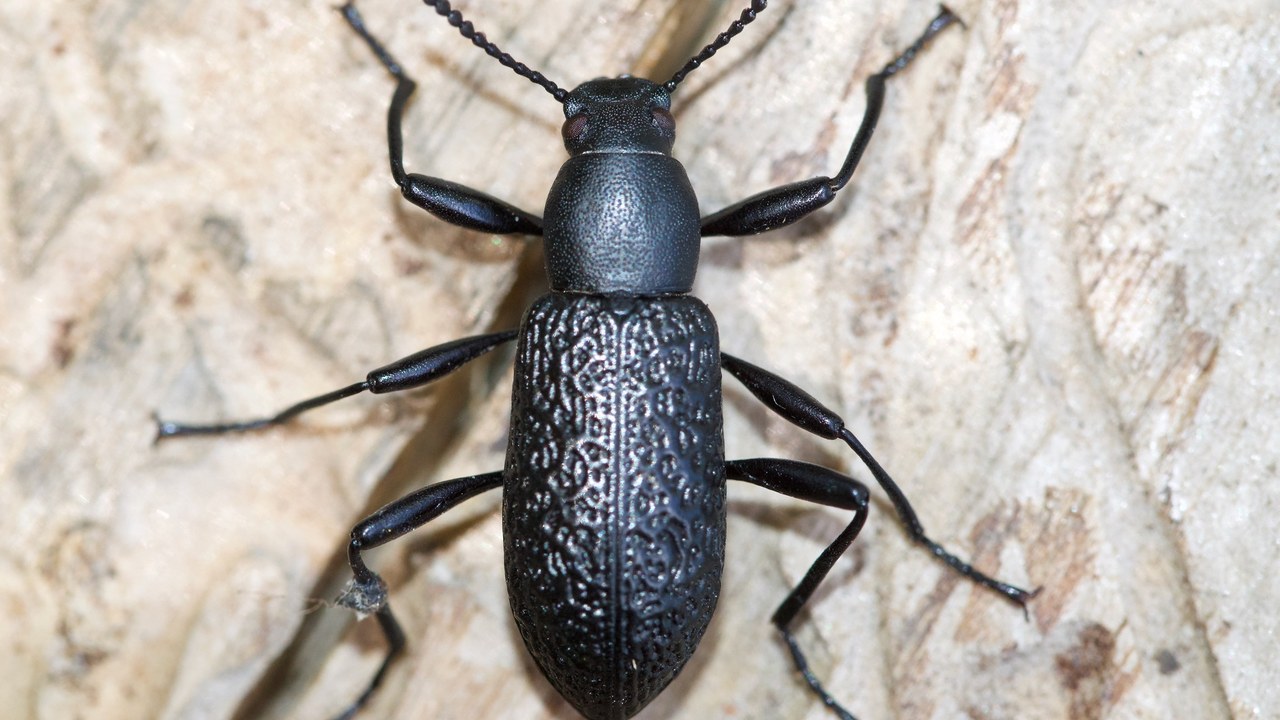
The Alaska beetle approaches the same challenge from a distinctive direction. Cryoprotectants let Upis ceramboides survive extreme cold. This is the documented feature that connects the example to the gallery’s central idea.
Freeze tolerance depends on limiting cellular damage rather than merely enduring a low thermometer reading, and each species uses a different mix of protective chemistry, dehydration and dormancy. The result is memorable because the visible feature and the less obvious functional consequence are tightly connected. In short, the cold-survival strategy does real work even when the machinery or biology behind it stays out of sight.
6. Siberian salamander: Permafrost Country Survivor
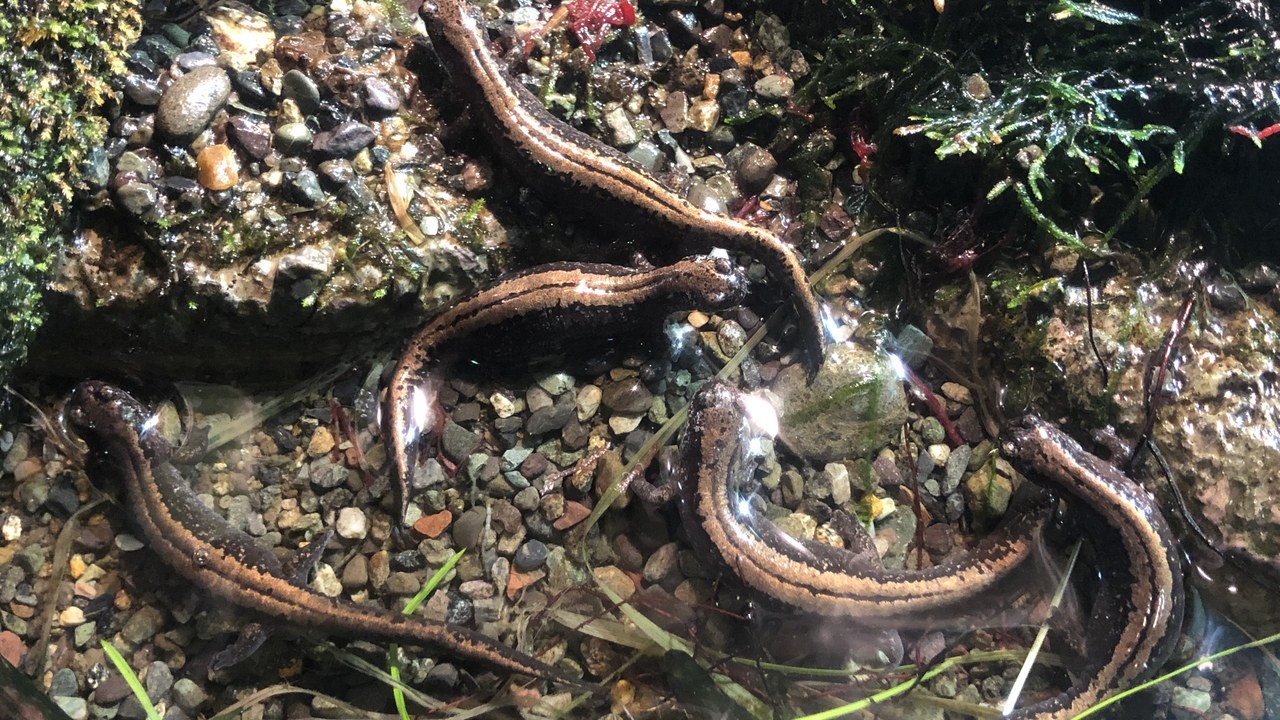
With the Siberian salamander, the feature is part of the underlying package. Some individuals survive prolonged freezing in permafrost country. This is the documented feature that connects the example to the gallery’s central idea.
Freeze tolerance depends on limiting cellular damage rather than merely enduring a low thermometer reading, and each species uses a different mix of protective chemistry, dehydration and dormancy. It also shows why similar goals can produce different hardware: the surrounding vehicle, habitat or mission sets the constraints. In short, the cold-survival strategy does real work even when the machinery or biology behind it stays out of sight.
7. Tardigrade: Cryptobiosis Pauses The Body
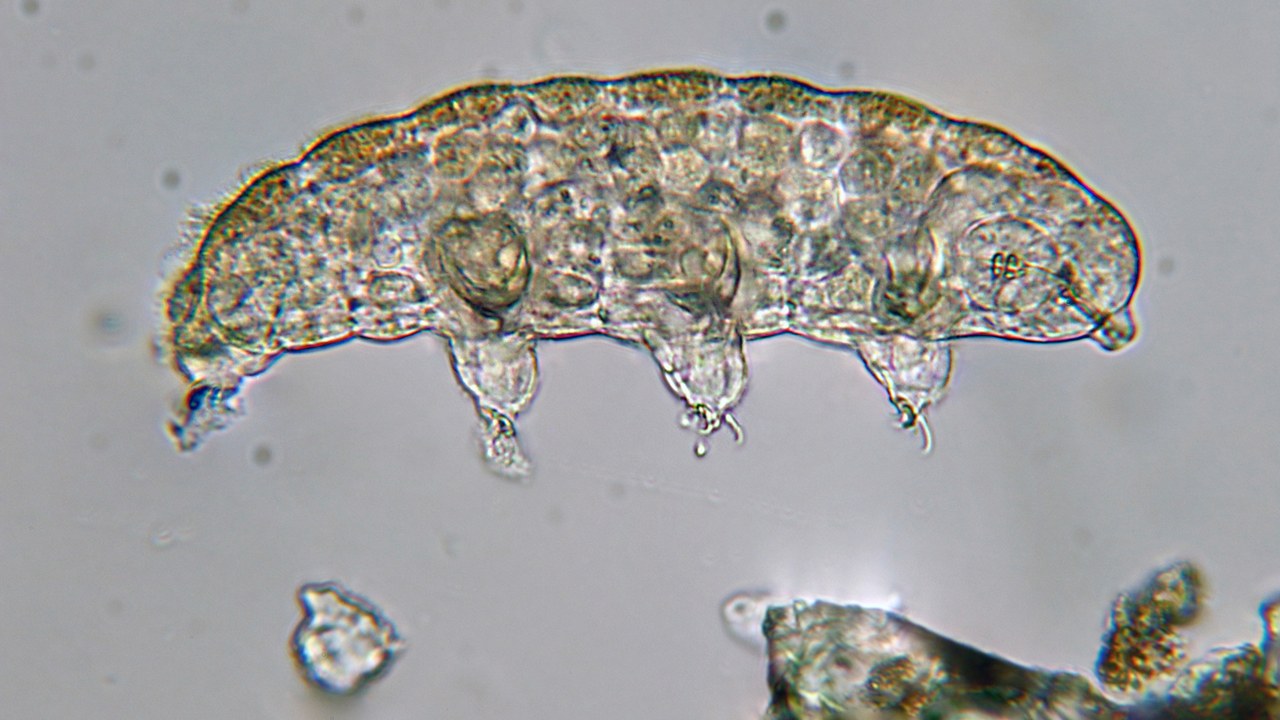
The Tardigrade earns its spot through a particularly direct version of the idea. Cryptobiosis protects the animal through freezing and dehydration. This is the documented feature that connects the example to the gallery’s central idea.
Freeze tolerance depends on limiting cellular damage rather than merely enduring a low thermometer reading, and each species uses a different mix of protective chemistry, dehydration and dormancy. That distinction keeps the example precise; it belongs here for a working capability, not merely a resemblance to the others. In short, the cold-survival strategy does real work even when the machinery or biology behind it stays out of sight.
8. Bdelloid rotifer: Microscopic Life Restarts
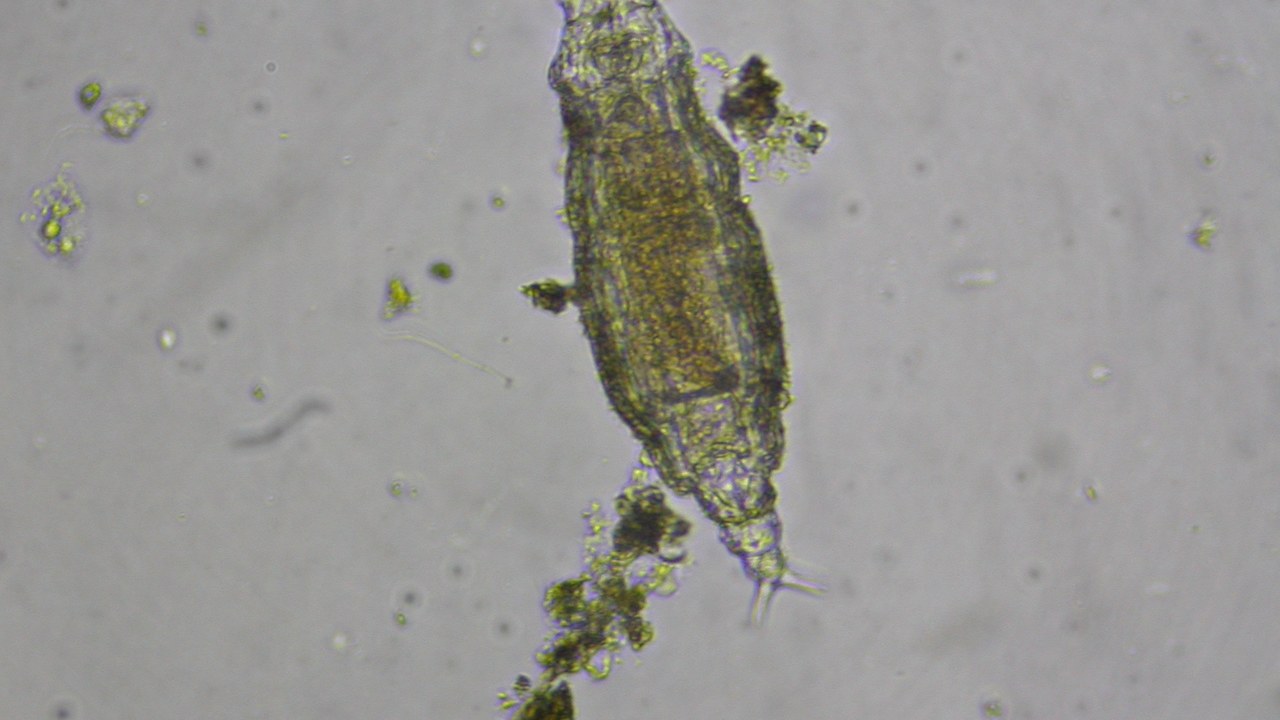
The final example, the Bdelloid rotifer, broadens the pattern. Dormant microscopic animals can resume activity after deep freezing. This is the documented feature that connects the example to the gallery’s central idea.
Freeze tolerance depends on limiting cellular damage rather than merely enduring a low thermometer reading, and each species uses a different mix of protective chemistry, dehydration and dormancy. Together with the earlier examples, it shows a coherent principle expressed through very different forms and operating conditions. In short, the cold-survival strategy does real work even when the machinery or biology behind it stays out of sight.
More from Morning Overview
- Four U.S. startups fired up their first small nuclear reactors, aiming to power AI data centers on-site
- 11 engines built to run well past 200,000 miles
- A handful of car transmissions are so tough that mechanics say they almost never die
- Card skimmers hidden on gas pumps are draining accounts, and there’s a quick way to spot them
