
A prominent handbrake lever still communicates purpose in a performance car, even as electronic parking switches spread through ordinary cabins. The familiar hardware gives drivers a direct control surface and preserves an old-school connection between the cockpit and the chassis. These eight performance cars show why the lever-versus-button divide still matters.
1. Mazda MX-5 Miata: A Simple Lever Suits the Roadster
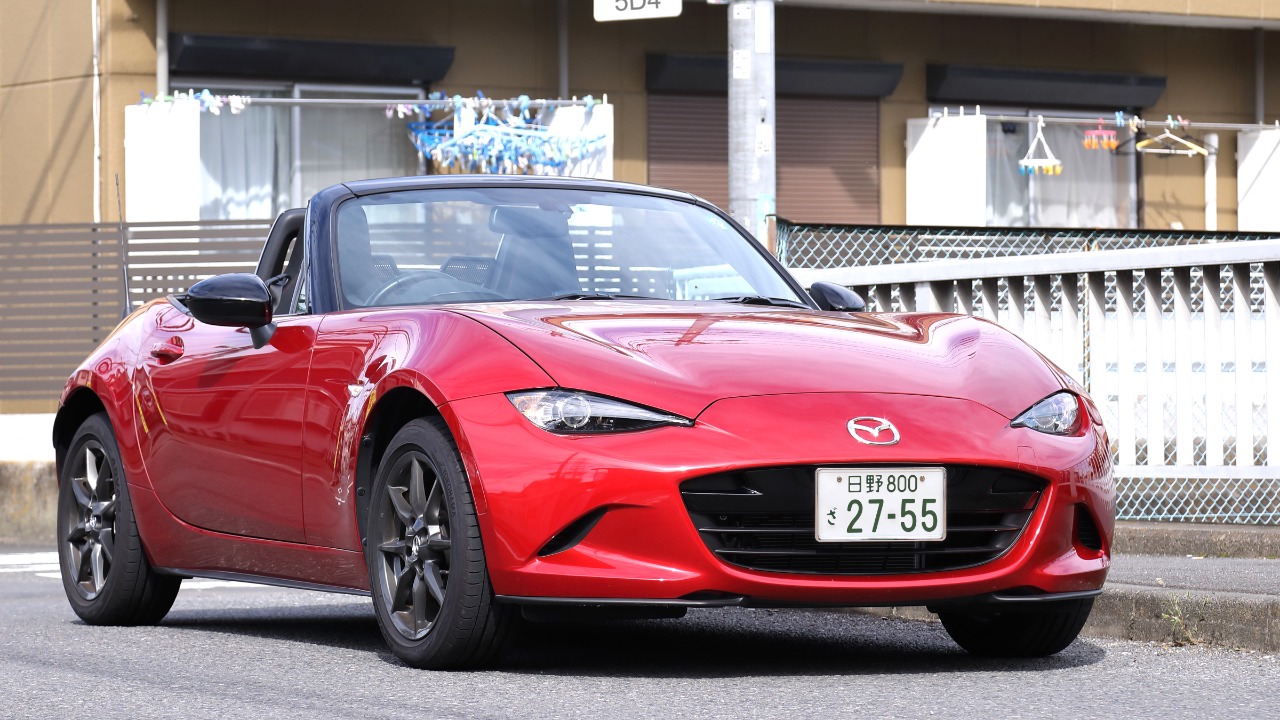
The Mazda MX-5 lineage has always emphasized light weight, rear-wheel drive, and straightforward controls, so a conventional handbrake lever belongs naturally beside the shifter. The lever keeps a basic mechanical interaction in a cabin designed around immediate responses rather than layers of automation. Its presence feels consistent with a roadster whose appeal rests on clarity and manageable limits.
That layout matters beyond nostalgia. A substantial lever is easy to locate without studying the console, and its travel gives the control a physical character that a small switch cannot reproduce. The MX-5 does not need an elaborate parking-brake interface to reinforce its sporting identity. Retaining the familiar hardware supports the same approachable, low-complication philosophy that makes the car distinctive among modern performance choices.
2. Toyota GR86: The Center Lever Fits Track-Day Priorities
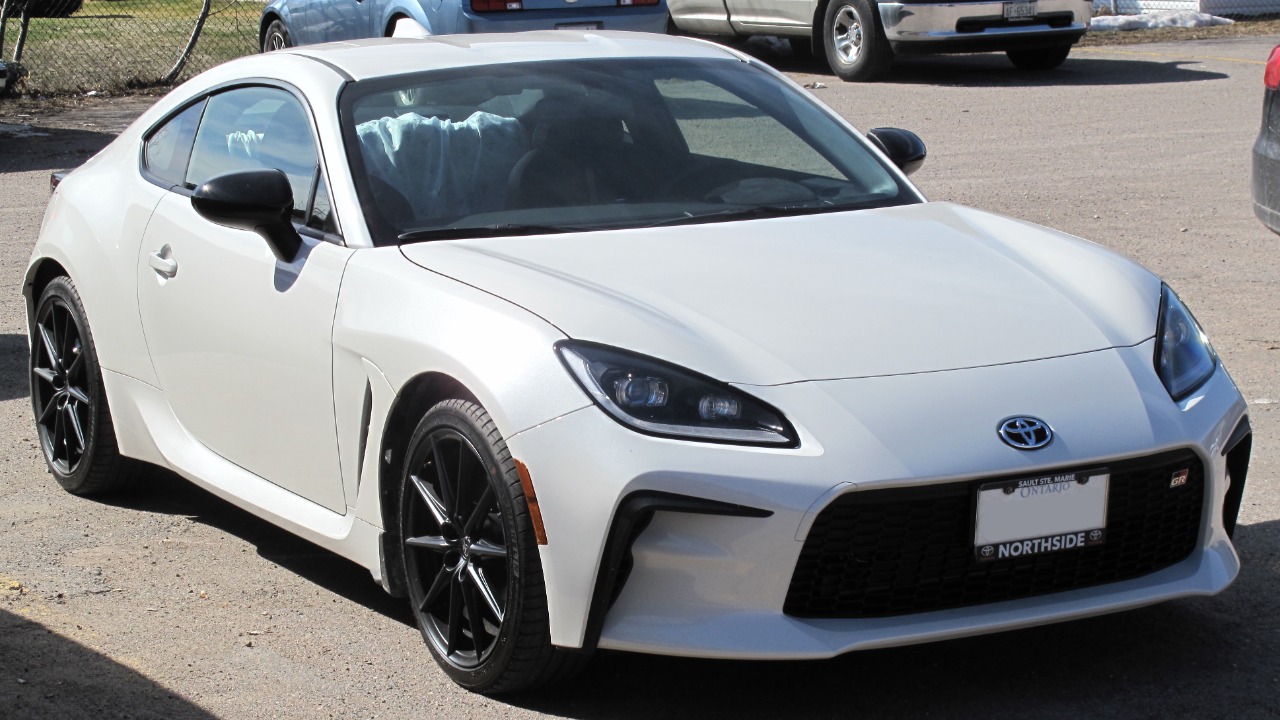
The Toyota 86 family was conceived as a compact rear-drive sports coupe, and the GR86 retains the center-mounted handbrake lever expected in that formula. The control sits close to the manual shifter, matching a cabin organized around driver inputs rather than decorative technology. Its placement suits the car’s use in track-day and low-speed car-control settings.
A lever does not create performance by itself, but it supports the GR86’s larger argument for simplicity. The coupe gives drivers familiar hardware whose operation is visually obvious and physically distinct from neighboring switches. That reduces the sense that every function has been absorbed into an electronic interface. In a relatively affordable sports car, preserving recognizable controls helps keep the experience focused, learnable, and connected to traditional rear-drive technique.
3. Subaru BRZ: Shared Hardware Keeps the Formula Honest
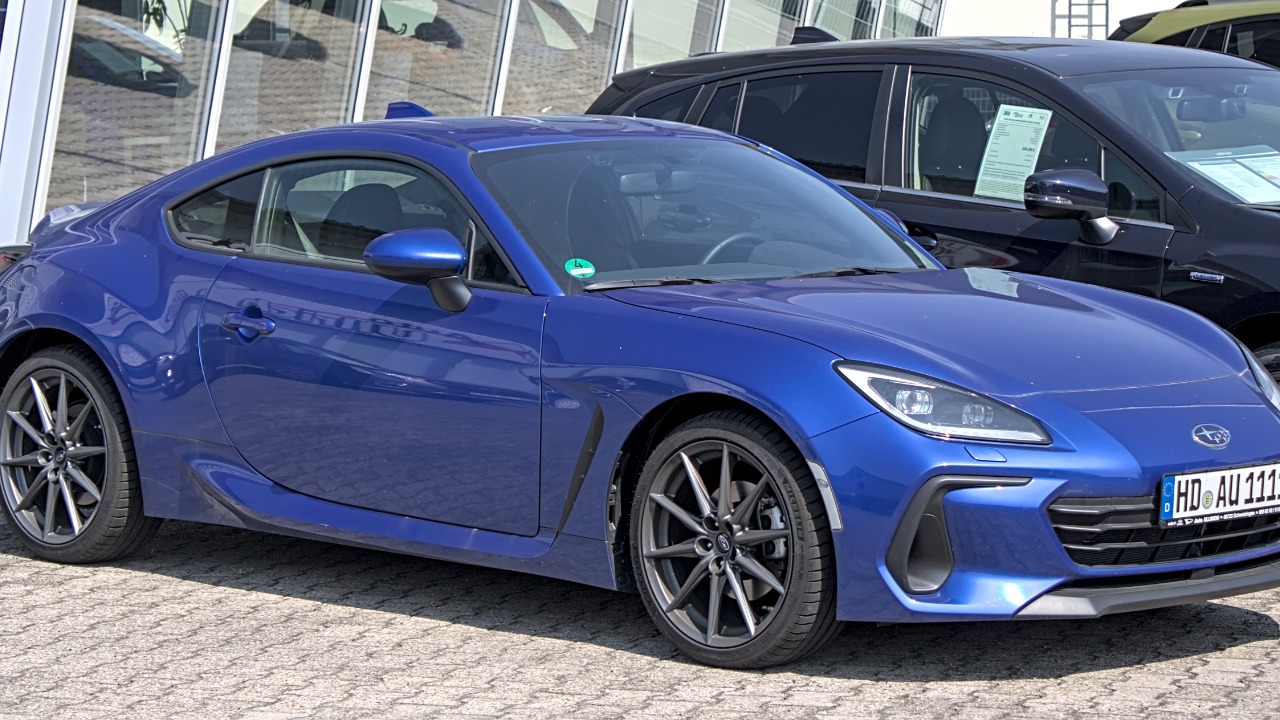
The Subaru BRZ mirrors the GR86’s rear-drive architecture and retains the same kind of mechanical handbrake lever beside the transmission controls. That shared hardware reinforces the coupe’s traditional mission: modest size, balanced responses, and driver-operated controls remain central to the package. The lever looks appropriate in a cockpit built around participation instead of effortless isolation.
Subaru could have treated an electronic parking switch as a modernizing detail, yet the conventional lever avoids adding distance between driver and mechanism. Its visible position makes the cabin’s priorities easy to understand before the engine starts. The component supports the BRZ’s identity as a focused sports car developed for accessible control. The choice is small in isolation, but it belongs to a coherent collection of analog cues.
4. Ford Mustang: A Lever Survives Through the Drift Brake
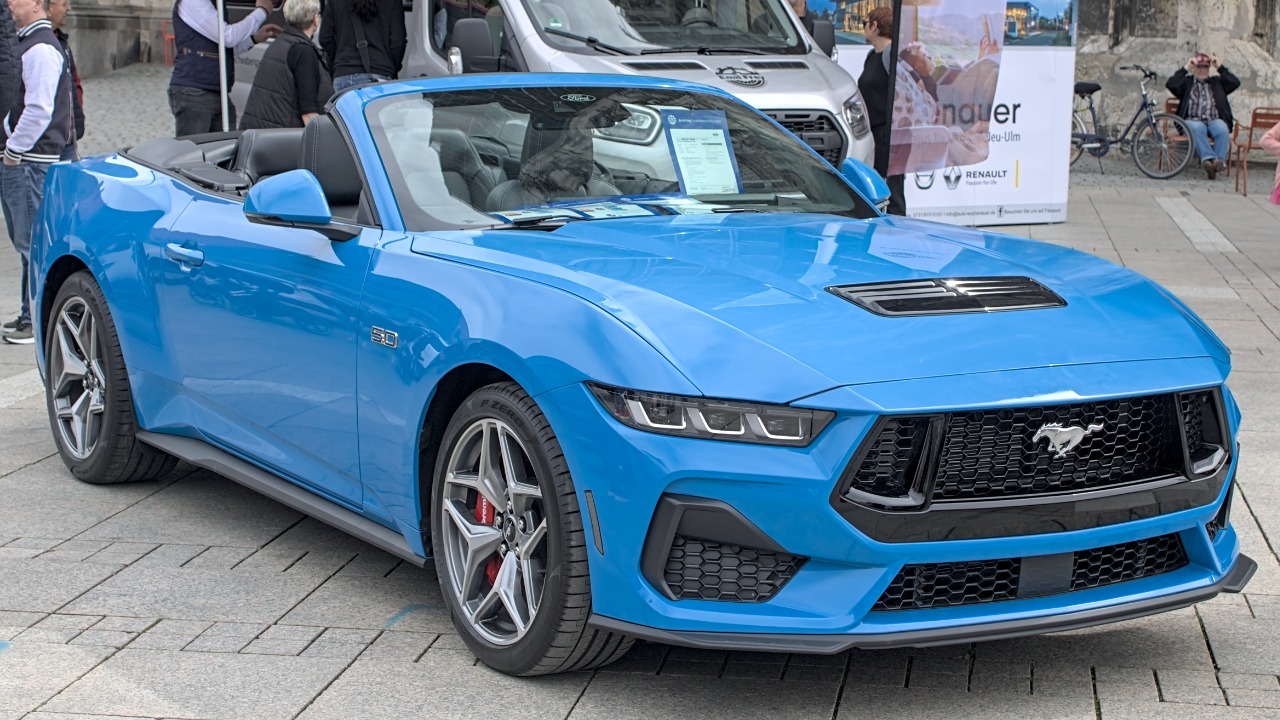
The current Ford Mustang generation offers a lever-shaped electronic drift brake, preserving a physical control while changing what happens underneath. The driver grabs and pulls a familiar handle, but the system uses electronics to command the rear brakes for controlled slides. That makes the Mustang a bridge between a traditional handbrake gesture and modern chassis management.
The distinction matters because the lever is not merely a parking control carried forward unchanged. Ford turned the recognizable form into a performance feature aimed at making drift initiation repeatable. The result keeps the theater and ergonomics of a hand-operated brake without pretending the mechanism is purely mechanical. Among cars migrating toward tiny switches, the Mustang shows that electronics do not require eliminating a satisfying physical interface.
5. Toyota GR Yaris: Toyota Makes the Lever More Purposeful
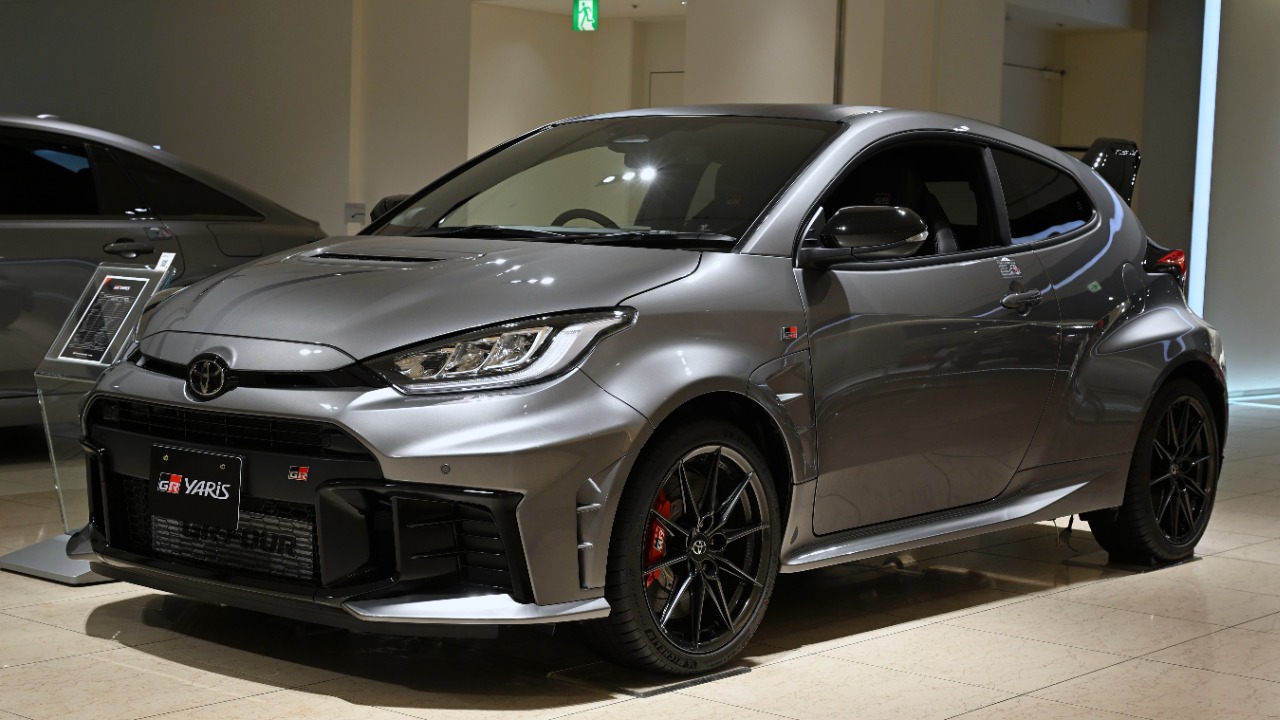
The current Toyota GR Yaris enhancements include a vertical handbrake option, turning a mechanical control into a more deliberate part of the performance package. The upright placement brings the handle higher and closer to the driver, where it is easier to reach during demanding car-control maneuvers. Toyota therefore preserves the lever while refining its position for a clear purpose.
That option separates the GR Yaris from cars that treat the parking brake as a minor electronic convenience. The lever remains prominent, distinct, and consistent with a rally-influenced hatchback built around direct inputs. Its unusual orientation demonstrates that traditional hardware can continue evolving instead of disappearing. Toyota’s approach makes the handbrake part of the car’s driving-focused character rather than a leftover component occupying console space.
6. Toyota GR Corolla: Rally Character Extends to the Console
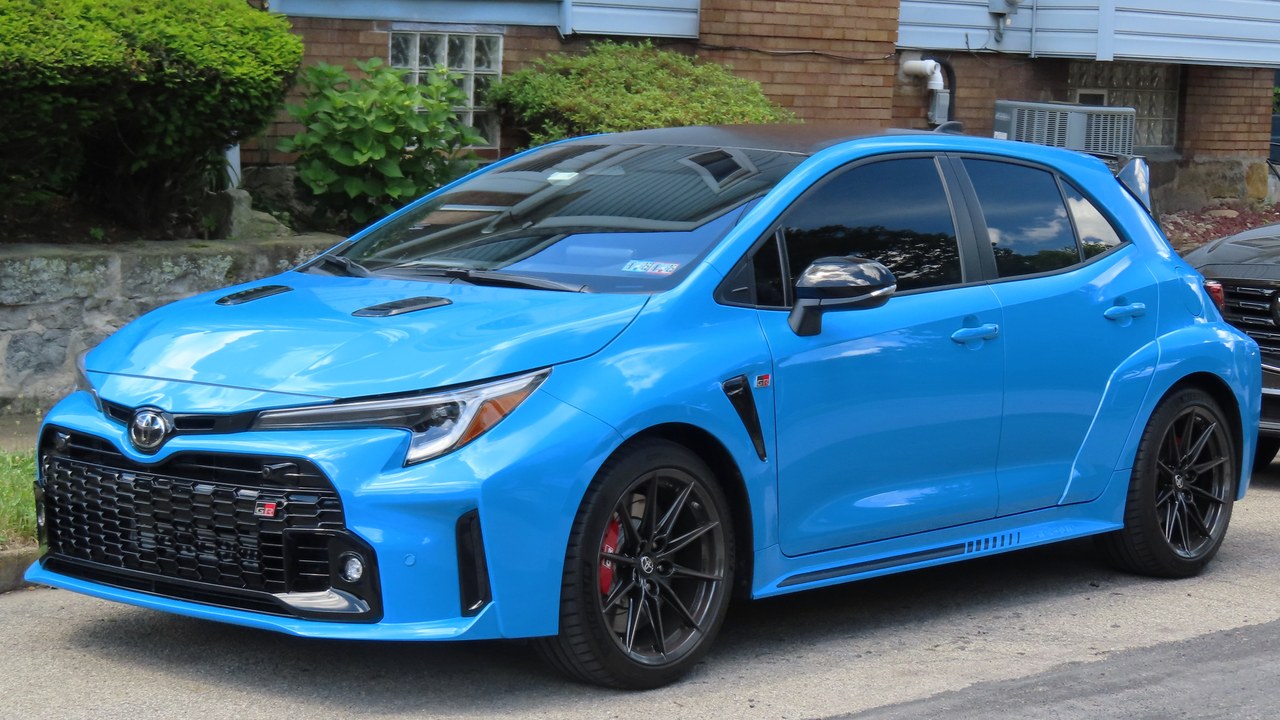
The Toyota GR Corolla keeps a tall manual parking-brake lever beside its shifter, a fitting choice for a hatchback shaped by rally-inspired priorities. The handle is obvious and falls naturally into a cockpit full of purposeful controls. It distinguishes the GR model from compacts that reduce the parking brake to a small console switch.
The lever reinforces the car’s identity even when used only for parking. A conventional mechanism provides clear travel, familiar feedback, and a control recognized at a glance. Those qualities match a performance hatch marketed around active involvement rather than quiet automation. In the GR Corolla, the hardware helps the cabin feel like an extension of the drivetrain and chassis instead of a generic electronic command center.
7. Hyundai Elantra N: A Familiar Handle Supports the Manual
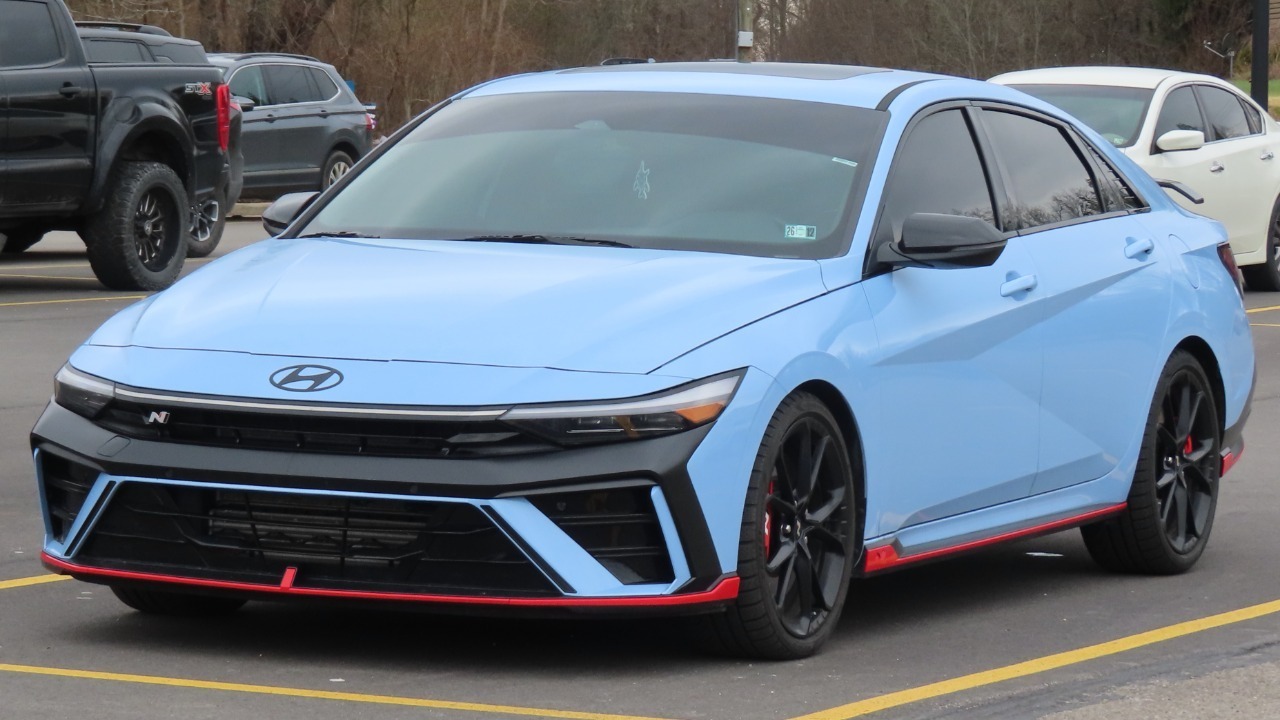
The Hyundai Elantra N places a conventional handbrake lever next to the manual shifter, keeping two driver controls within the same area. That arrangement gives the performance sedan a more traditional cockpit than its digital displays suggest. The lever’s shape and location make the parking brake feel like operating hardware rather than a hidden convenience function.
Hyundai’s decision complements the Elantra N’s effort to make an affordable sedan feel playful and adjustable. A switch could perform the parking task, but it would remove a tactile element from a cabin built to emphasize engagement. The familiar handle also creates a visual boundary between the performance model and ordinary commuter versions. Its presence signals that practicality has not displaced every old-school control.
8. Nissan Z: The Coupe Retains a Mechanical Touchpoint
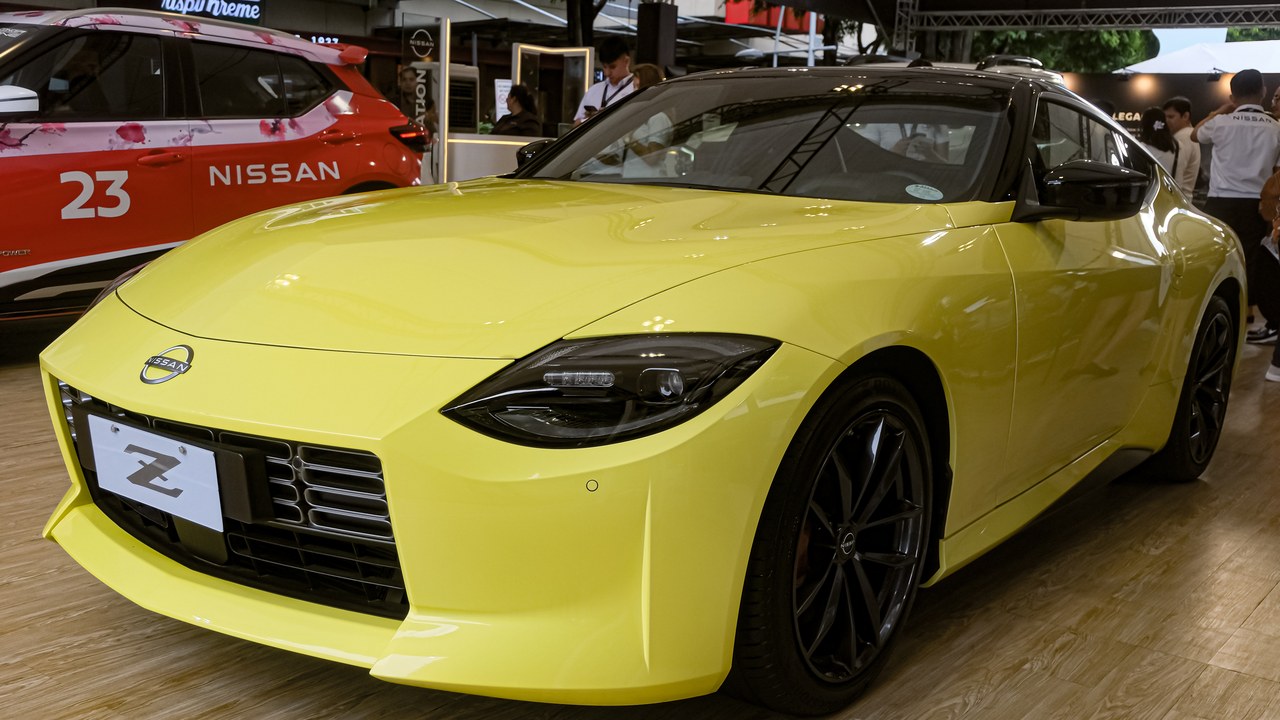
The RZ34 Nissan Z retains a mechanical handbrake lever in a sports-coupe cabin that blends heritage cues with current technology. Its location beside the transmission controls preserves the layout Z drivers expect. The component is unambiguous, easy to reach, and consistent with a car that offers a manual gearbox alongside its modern powertrain and screens.
Keeping the lever helps the newest Z feel evolutionary rather than disconnected from the nameplate’s past. The car gains electronic interfaces where they add information, yet the parking brake remains a physical mechanism with visible travel. That balance matters in a model sold on continuity and driver involvement. The lever does not dominate the experience, but it contributes to a cockpit that recognizes the value of direct, familiar controls.
More from Morning Overview
- Automakers are quietly dropping the stop-start feature many drivers love to hate
- A granite sarcophagus surfaced in Egypt with its original lid still sealed
- The FBI tells phone owners to delete these toll-payment texts draining accounts nationwide
- Herbal supplements are landing Americans in the hospital with liver damage, doctors warn
