
Rear-seat luxury no longer stops at soft leather, quiet glass and generous legroom. At the top of the market, elaborate chairs lean back, raise calves, support feet and create a cabin experience closer to premium air travel than an ordinary sedan. These eight luxury cars turn the chauffeured side of the cabin into a deeply relaxing private lounge.
1. Mercedes-Maybach S-Class: Executive Seats Stretch Out in Back
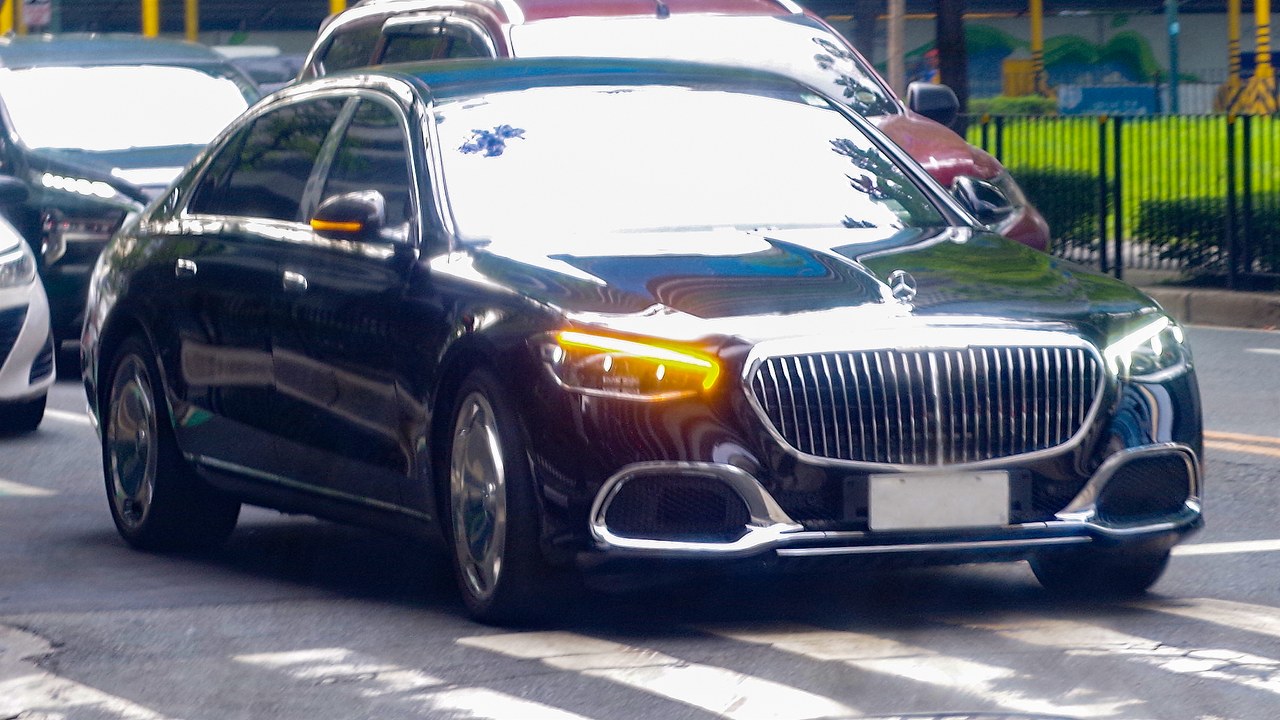
The Mercedes-Maybach S-Class treats the rear compartment as the main event. Its executive seating arrangement allows the chair behind the front passenger to recline deeply while an extending leg rest supports the lower body. With the front passenger seat moved forward, the rear occupant gains the long, open posture associated with a premium airline bed rather than a conventional upright car seat.
The appeal is not merely extra cushioning. Coordinated movement between the backrest, leg support and front-seat position creates a continuous relaxation space, while the long-wheelbase cabin supplies room for the mechanism to work. Availability and functions vary by equipment package, but the Maybach formula remains clear: the most desirable position is intended to be behind the front passenger, not behind the steering wheel.
2. BMW 7 Series: Executive Lounge Makes Room for Feet
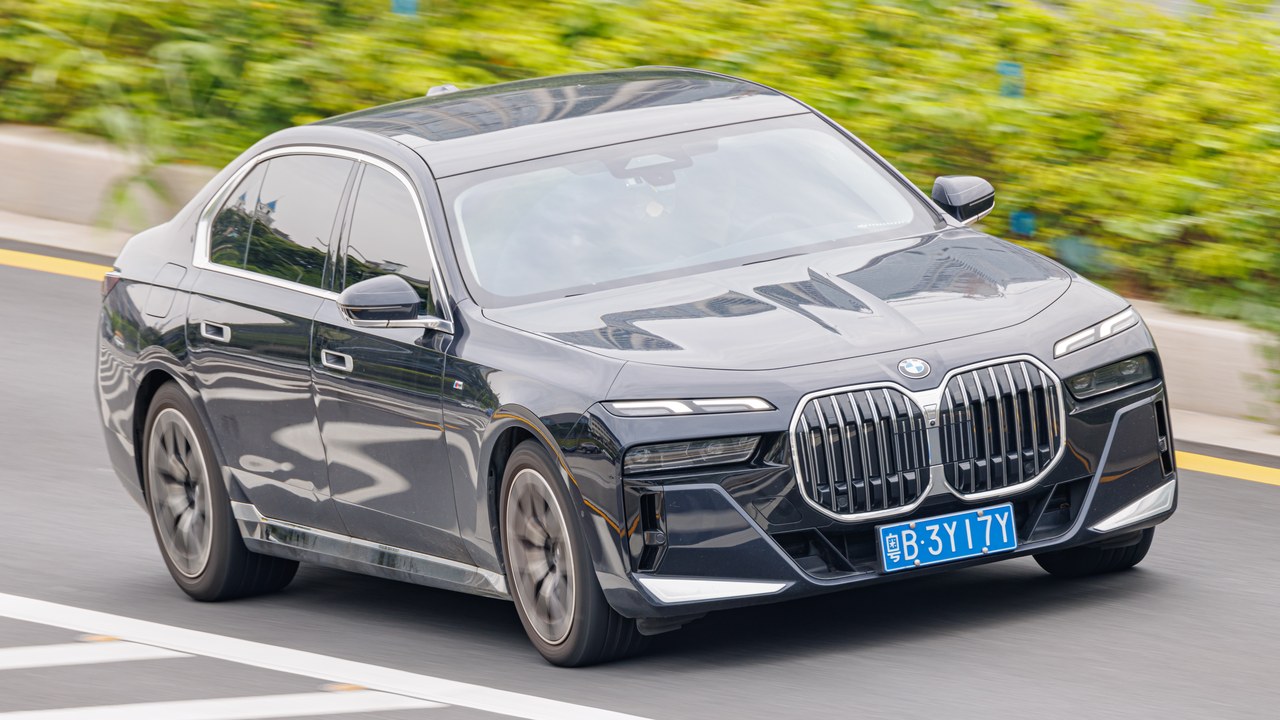
The BMW 7 Series uses its Executive Lounge setup to transform the rear passenger-side chair. The front passenger seat can move forward and lower, opening space for an extended footrest while the rear backrest leans into a relaxed position. That coordinated sequence matters because a reclining seat alone cannot feel bedlike when the occupant’s legs still meet a conventional front seat.
BMW’s solution turns the cabin into a continuous comfort zone. The arrangement suits chauffeured travel, where the rear passenger can work upright, then change position for a long motorway journey without leaving the seat. Equipment varies by trim and market, yet the central idea stays consistent: the front chair yields space so the rear chair can function more like a first-class pod.
3. Audi A8 L: A Heated Footrest Completes the Recline
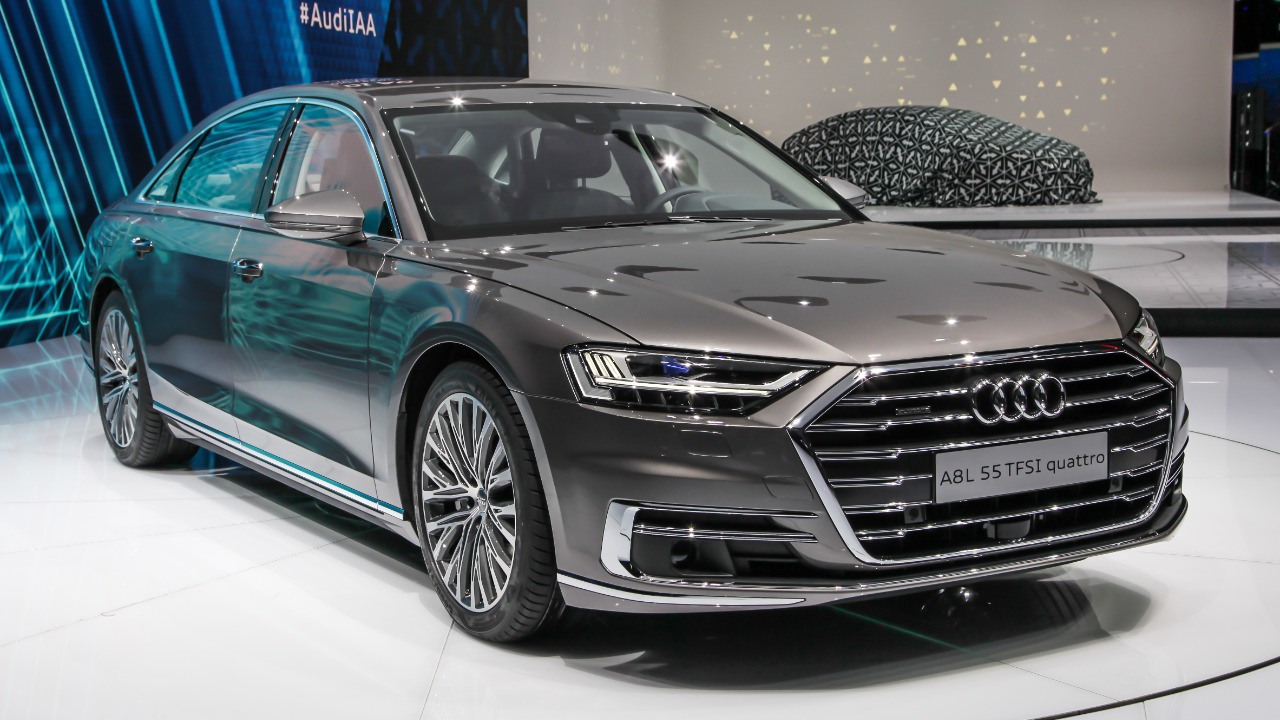
The long-wheelbase Audi A8 L adds a relaxation seat behind the front passenger. Its backrest reclines while a footrest gives the occupant somewhere to extend rather than simply adding more empty legroom. The standout flourish is heat and massage for the feet, a detail that pushes the experience beyond an ordinary power seat and toward the pampering expected in a premium airport lounge.
That combination makes the A8 L convincing during trips. Recline reduces upright posture, the extended support carries the legs, and the foot treatment addresses a part of the body most car seats ignore. The feature belongs to an equipped configuration rather than every A8, so buyers need to verify the rear-seat package instead of assuming the badge alone brings the relaxation hardware.
4. Lexus LS: The Ottoman Builds a Quiet Lounge
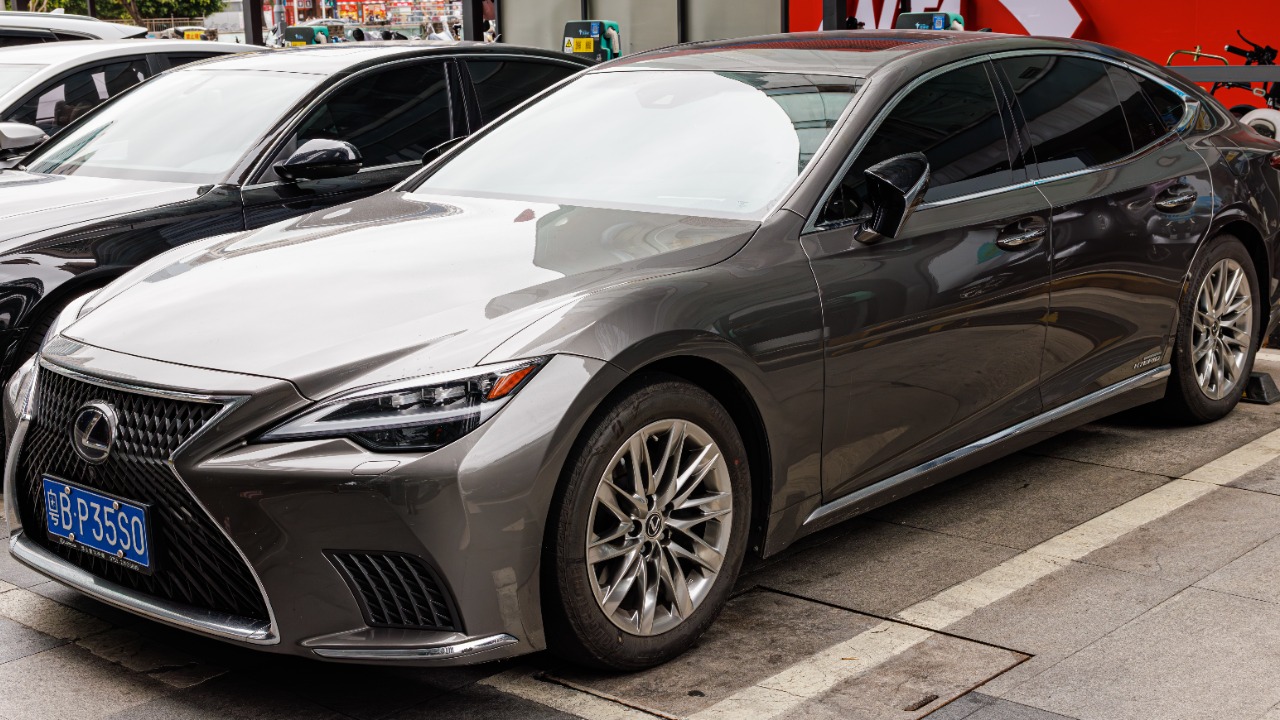
The Lexus LS offers a rear-seat arrangement that pairs deep backrest recline with an extending ottoman. Instead of leaving the occupant’s legs unsupported as the seat leans away, the ottoman lifts the lower body into a more settled resting posture. That turns the flagship sedan’s generous rear compartment into a genuine lounge rather than simply a spacious bench with expensive upholstery.
Lexus surrounds the seating hardware with quieter virtues expected from the LS: isolation, measured motion and controls intended for a passenger who may spend substantial time in back. The result is less theatrical than some rivals but no less purposeful. Because the ottoman and deepest recline depend on specification, the relevant option package matters more than a quick exterior identification when comparing individual cars.
5. Genesis G90: VIP Chairs Add Massage and Leg Rests
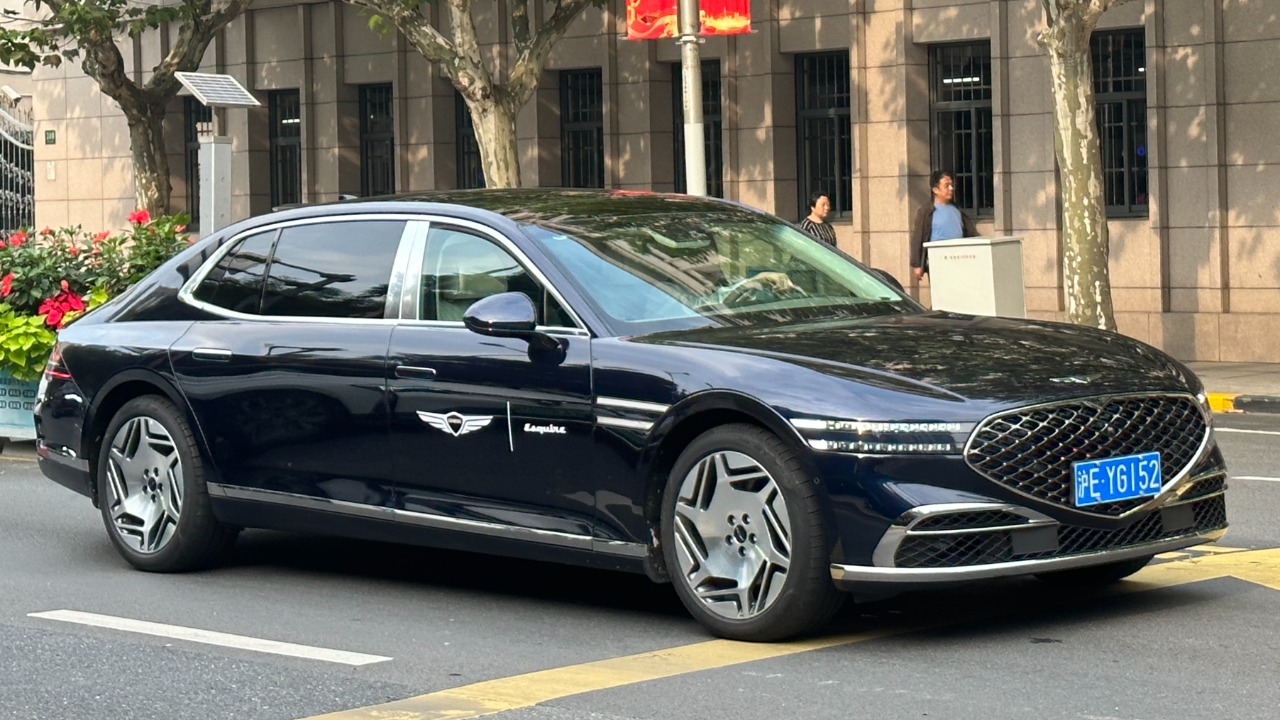
The Genesis G90 equips its rear VIP seats with powered recline, extending leg rests and massage programs. Those elements work together: the backrest changes the upper-body angle, the support beneath the legs reduces the dangling-chair sensation, and massage adds active comfort during a long journey. The package gives the Korean flagship the essential ingredients of a lie-back airline seat without requiring an ultra-exclusive badge.
Its strongest argument is completeness. A broad cushion or long wheelbase can create room, but the G90 uses hardware to make that room useful. Rear passengers can remain formal and upright for a meeting arrival, then select a more relaxed posture between stops. Functions depend on market and trim, making the equipment list important when evaluating a specific example.
6. Rolls-Royce Phantom: Individual Chairs Recline in Near Silence
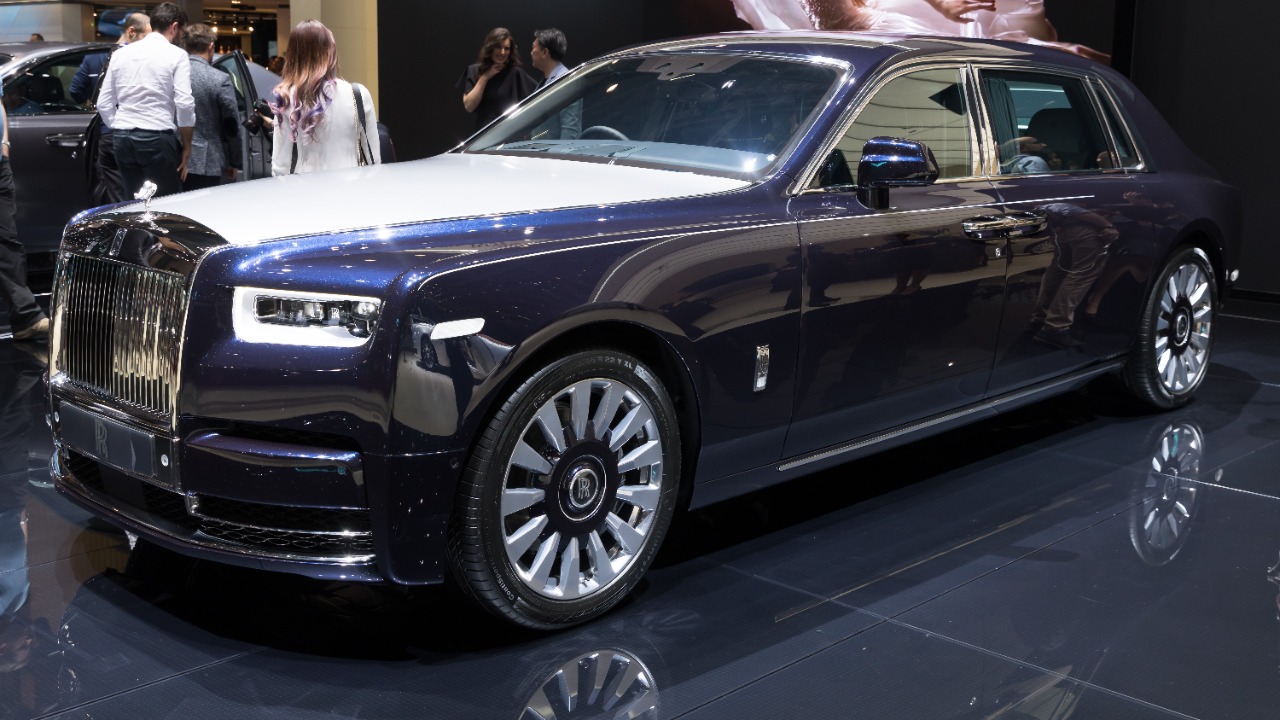
The Rolls-Royce Phantom can replace the feel of a conventional rear bench with individually tailored chairs that angle back for relaxation. The posture is only part of the effect. A cabin engineered around exceptional quiet and separation from the road makes the recline feel more like a private suite, because the passenger is not fighting the vibration and noise that usually accompany travel.
The Phantom’s interpretation favors calm over gadget spectacle. Space lets each chair establish its zone, while the car’s isolation preserves conversation, reading or rest at speed. Seat layouts and personalization differ across commissioned cars, so examples need not be identical. What remains consistent is the priority: rear occupants receive a deliberate resting environment rather than merely extra inches behind the front seats.
7. Volvo S90 Excellence: The Front Seat Gives Up Its Place
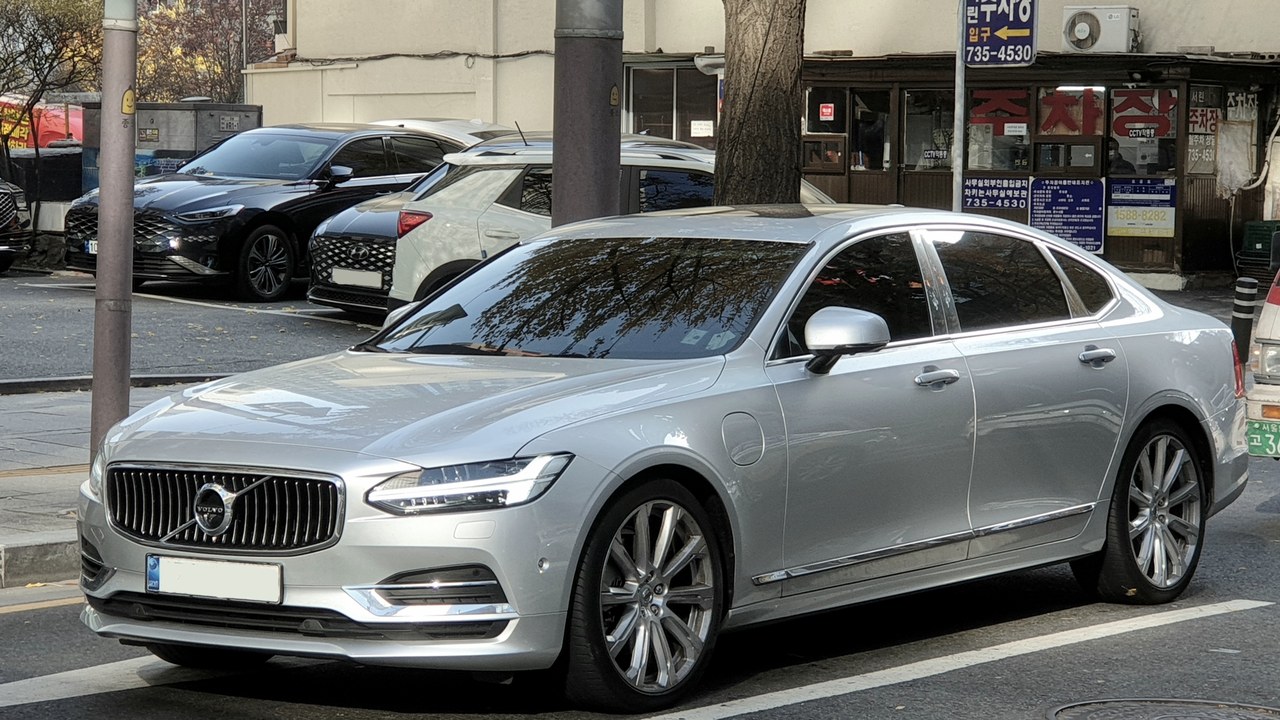
The Volvo S90 Excellence takes an unusually literal approach to rear-passenger priority: the conventional front passenger seat can give way to a support surface for the person sitting behind it. That opens a clear stretch-out zone and creates room for feet, work materials and personal items, allowing the rear chair to recline without confronting the normal barrier of another full-size seat.
This layout makes the cabin asymmetric. It sacrifices front-passenger capacity to give one rear occupant space, a trade that makes sense in a car expected to carry an owner with a driver. The setup resembles an airline suite because furniture ahead of the passenger becomes part of the experience instead of an obstacle. It is a specialized configuration, not a standard S90 layout.
8. Toyota Century: Japan’s Flagship Favors the Chauffeured Seat
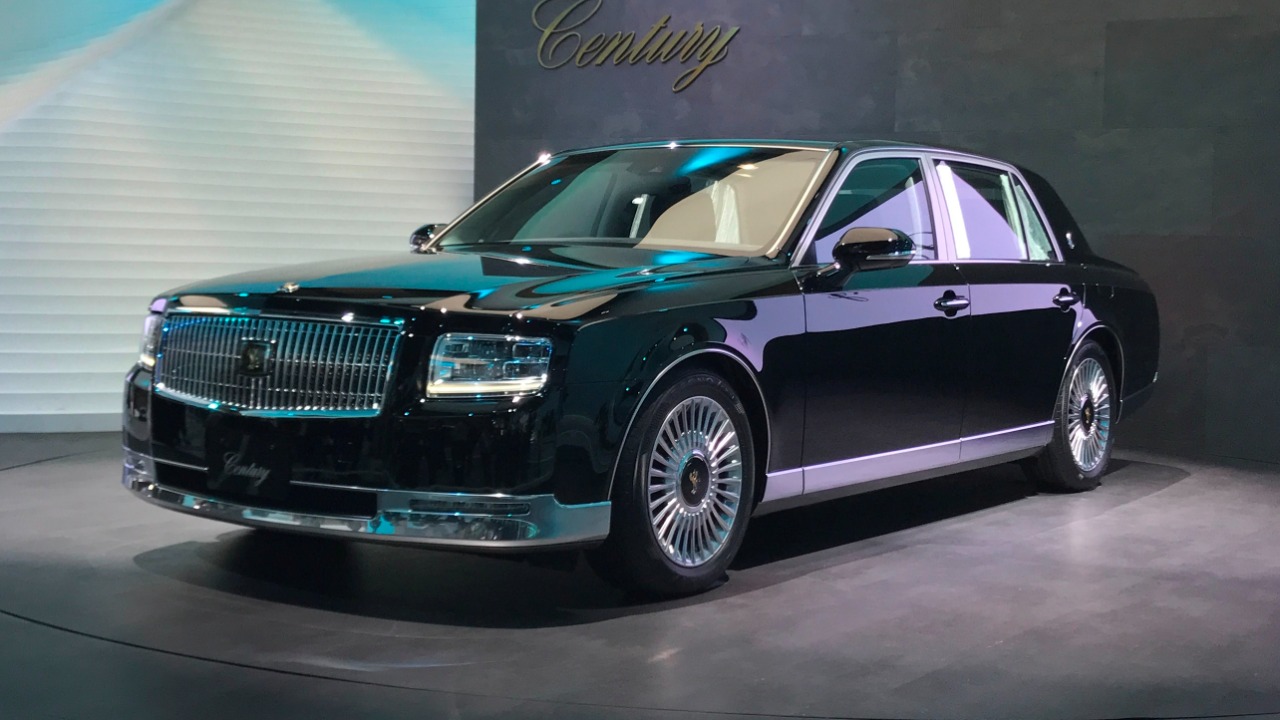
The Toyota Century is conceived around chauffeured travel, so its deeply reclining rear seat is central rather than incidental. The broad chair lets the occupant lean away from a formal upright position while the cabin’s generous dimensions preserve usable legroom. That emphasis distinguishes the Century from luxury sedans whose most elaborate controls and strongest visual drama remain concentrated around the driver.
Its bedlike quality comes from restraint as much as movement. The rear area supports quiet travel, making a relaxed seating angle feel natural rather than like a party trick. Equipment differs across generations and specifications, but the flagship’s priorities remain consistent: the person in back receives comfort, space and isolation, while the driver operates the car as part of a formal service role.
More from Morning Overview
- Supplements now rank as the fifth-leading cause of death from liver disease.
- The NSA is again telling phone owners to switch off one location setting
- Four U.S. startups fired up their first small nuclear reactors, aiming to power AI data centers on-site
- 11 engines built to run well past 200,000 miles
