
Passenger-side screens are turning the front cabin into a divided digital space, letting a co-pilot handle navigation, entertainment, and vehicle information without taking over the driver’s display. The layouts vary from optional add-on panels to dashboards built around multiple screens. Here are eight vehicles that give the passenger a display while the driver keeps moving.
1. Jeep Grand Cherokee: A Co-Pilot Display Beside the Dash
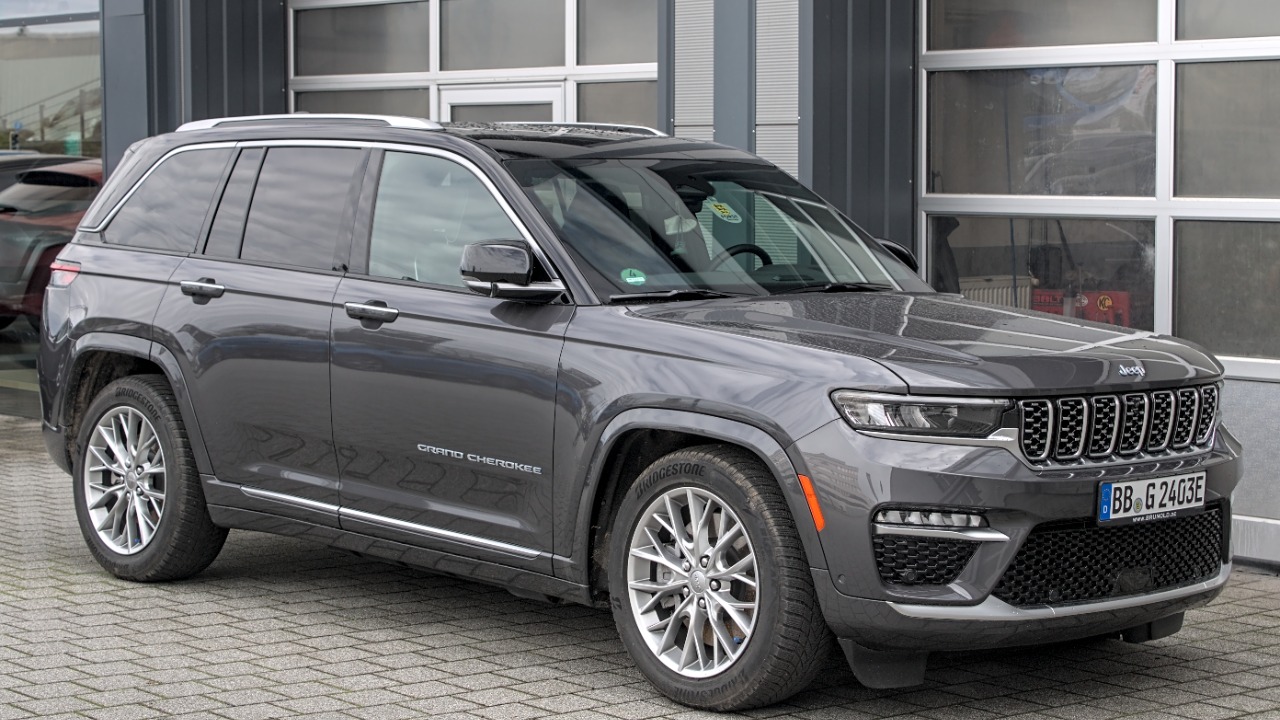
The Jeep Grand Cherokee offers an available front-passenger display that gives the right seat its own interface for navigation and entertainment. The current Grand Cherokee places that screen ahead of the passenger, keeping those tasks off the central display that the driver may need for vehicle information.
That separation makes the passenger a more active co-pilot, particularly on trips where route changes or media choices are frequent. Because the display is optional rather than universal, shoppers need to verify the exact trim, package, and equipment list instead of assuming every Grand Cherokee includes the feature.
2. Jeep Wagoneer: Entertainment Behind a Privacy Filter
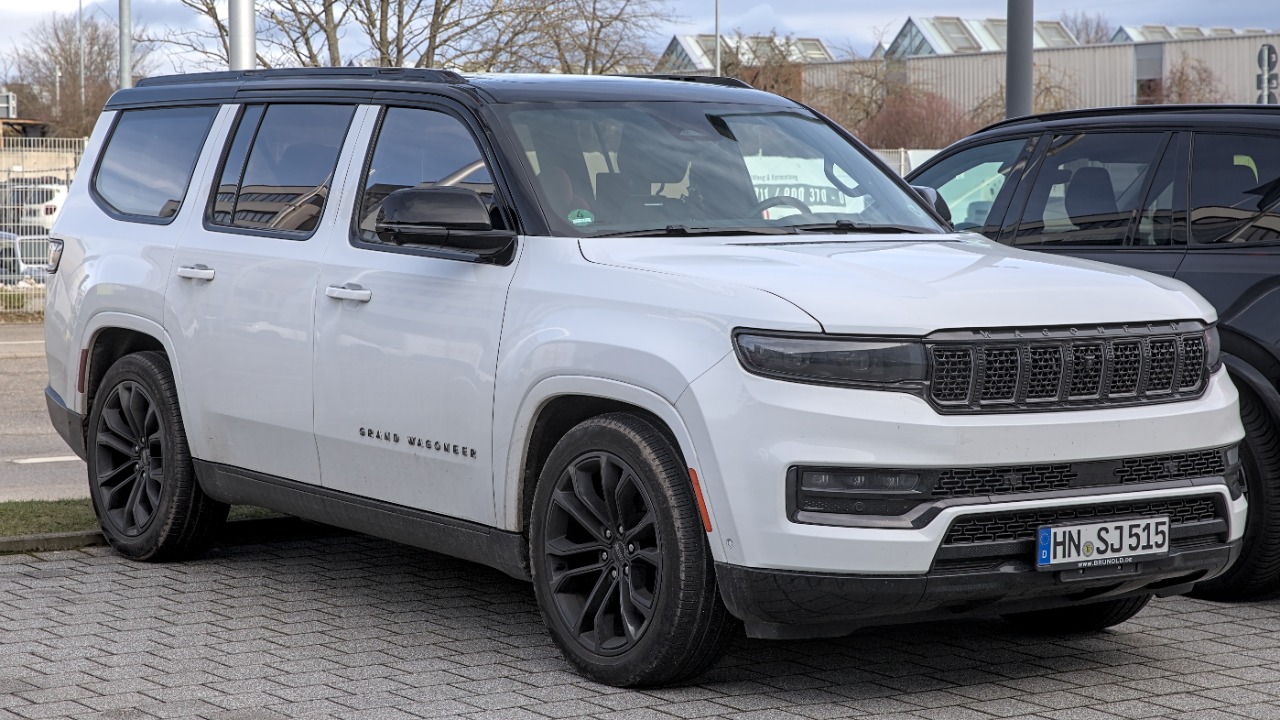
A dedicated passenger screen gives the Jeep Wagoneer a separate place for streaming content and handling selected cabin functions. The modern Wagoneer line uses a privacy filter so moving video is directed toward the passenger instead of becoming a bright distraction in the driver’s forward field of view.
The arrangement turns the front passenger into a media and navigation operator without forcing every choice onto the shared center screen. Equipment varies across the Wagoneer range, however, and the closely related Grand Wagoneer carries its own feature combinations. The vehicle’s build sheet remains the clearest way to confirm that the passenger display is present.
3. Porsche Taycan: A Second Screen Across the Cockpit
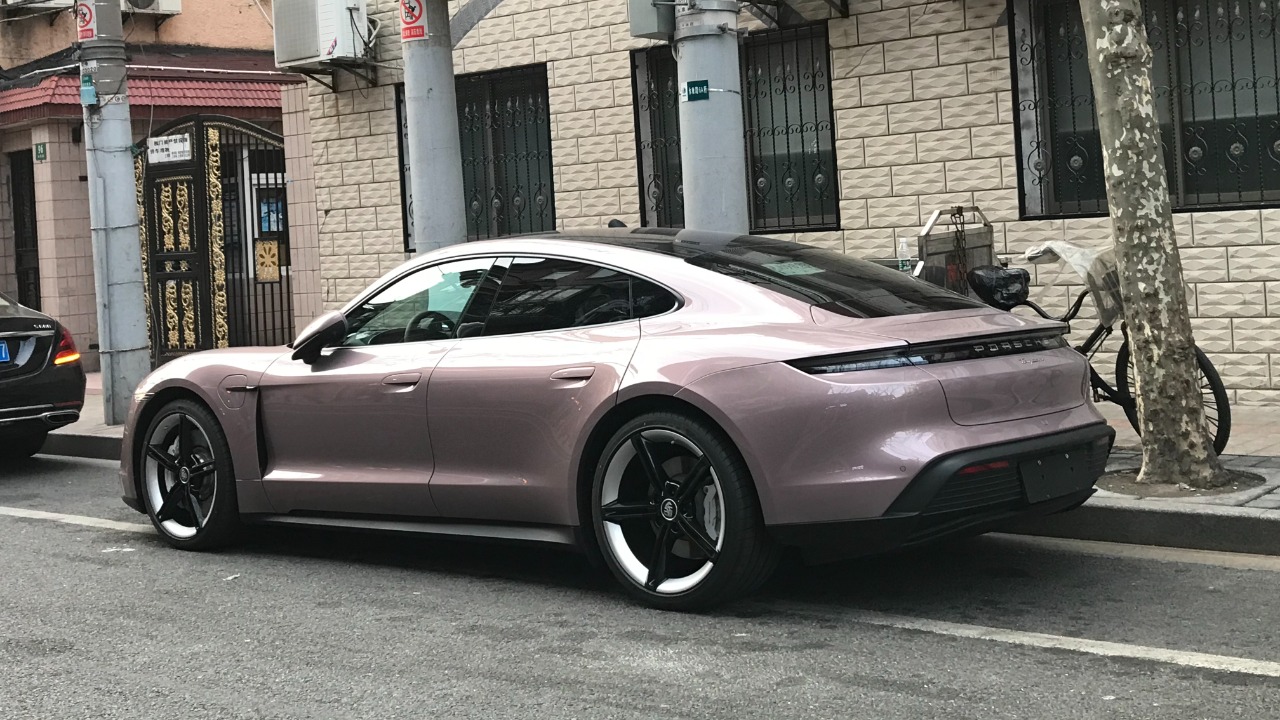
The Porsche Taycan can extend its screen-heavy cockpit with an optional display directly in front of the passenger. In the electric Taycan, that panel continues the dashboard’s digital look and gives the right seat a dedicated surface for entertainment and selected controls while the car remains underway.
This approach preserves the driver’s curved instrument display and central controls while giving the passenger a distinct digital zone. The extra panel is not standard across every configuration, so its presence depends on the original specification. Used-car listings also need careful checking because photographs of a screen-filled dashboard do not necessarily prove the optional passenger unit was fitted.
4. Mercedes-Benz EQS: Hyperscreen Gives the Passenger a Panel
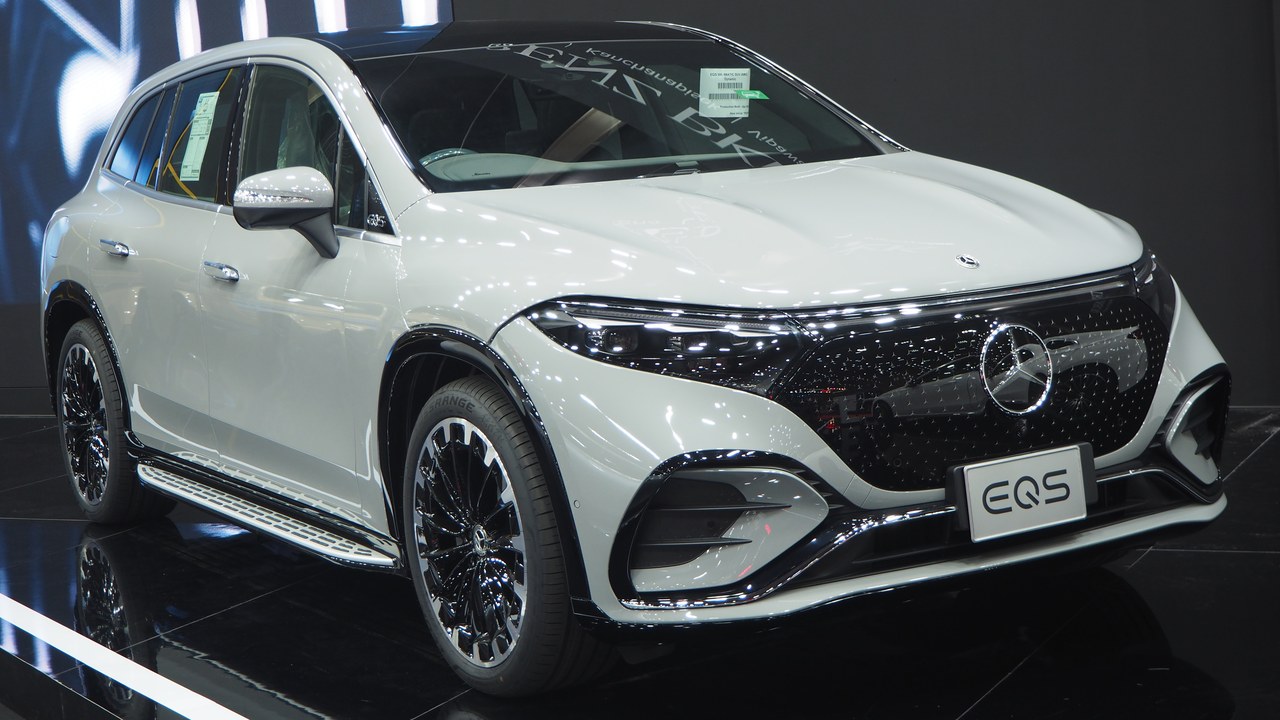
The Mercedes-Benz EQS uses its available Hyperscreen to place several display areas beneath one broad glass surface, including a dedicated panel ahead of the passenger. The EQS model family therefore gives the right seat its own interaction point instead of routing every request through the central screen.
Visually, the system reads as a single sweeping dashboard, but its passenger area functions as a separate digital space. That distinction matters when media or vehicle information is being handled on the move. Hyperscreen availability depends on version and equipment, so a standard digital cockpit should not be mistaken for the full passenger-display arrangement.
5. Lincoln Nautilus: A Panoramic Display Across the Cabin
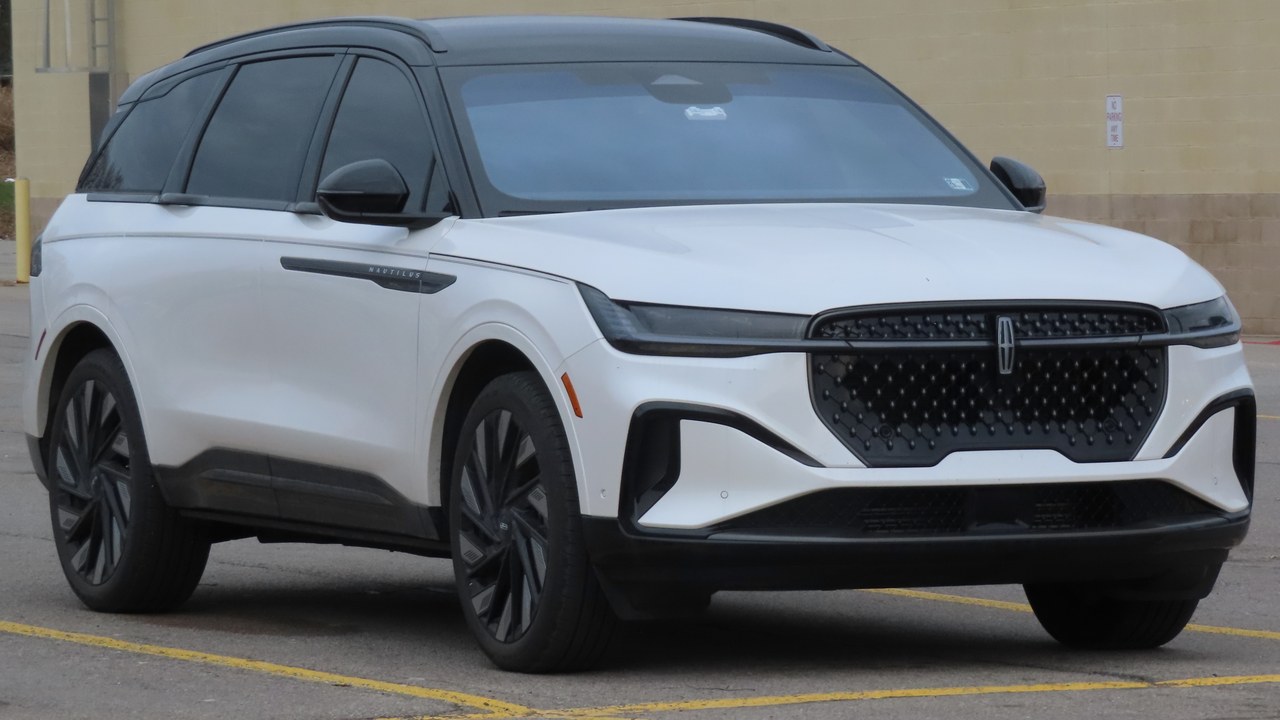
The current Lincoln Nautilus centers its cabin around a panoramic display stretching from pillar to pillar, giving the passenger a clear share of the digital dashboard. The Nautilus image record distinguishes the newer shape associated with that layout from the earlier generation, which used a much more conventional instrument panel.
Its wide presentation allows information and media to sit in front of more than one occupant while the driver retains the primary controls. That feature is generation-specific, making exterior identification important when evaluating a used example. A first-generation Nautilus may carry the same name, but it should not be assumed to include the panoramic passenger-facing display described here.
6. Audi Q6 e-tron: Video Kept Outside the Driver’s View
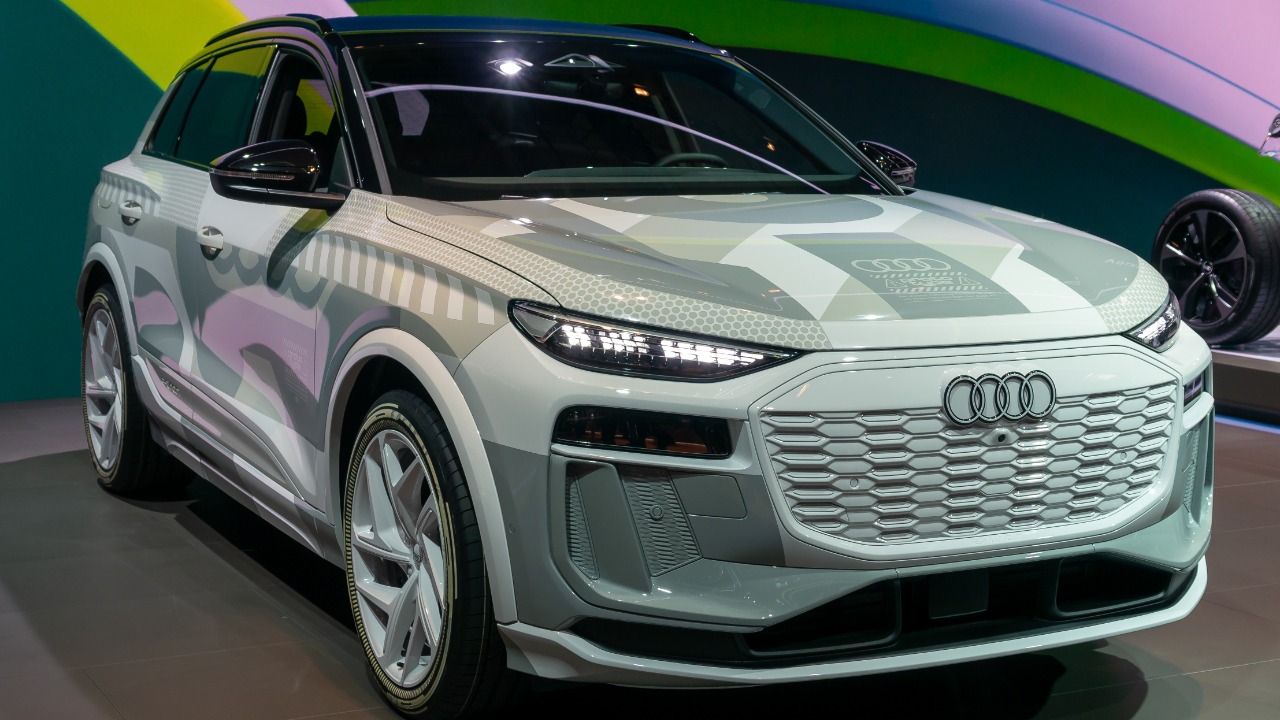
The Audi Q6 e-tron can add a passenger display beside its main curved digital cockpit, creating a distinct surface for video and other content. The Q6 e-tron gallery documents the named model, whose passenger panel is designed so its moving images stay outside the driver’s direct sightline.
That viewing control addresses the central tension behind passenger entertainment in a moving vehicle: useful access for one occupant without putting motion in front of another. The separate panel also reduces competition for the center display. As an optional feature, it still requires confirmation on the precise vehicle rather than an assumption based on the Q6 e-tron badge alone.
7. Ferrari Purosangue: Performance Data for the Right Seat
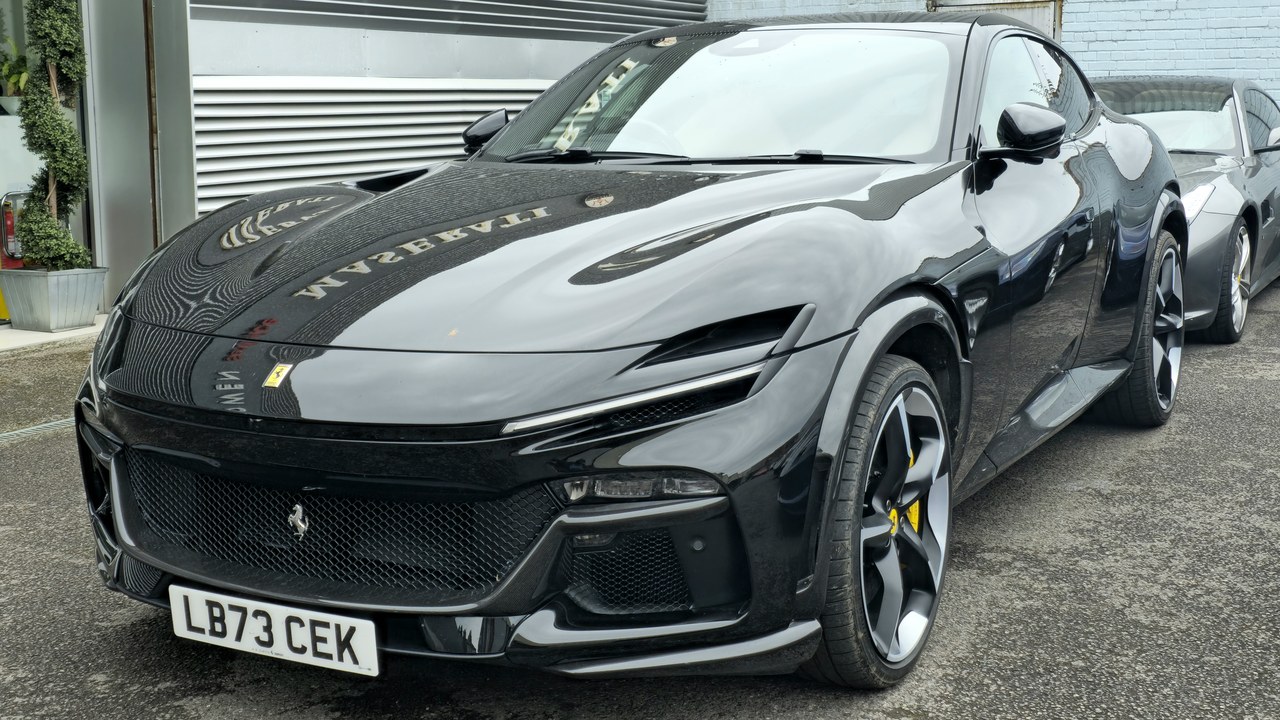
Ferrari gives the Purosangue’s front passenger a dedicated display for performance readouts and vehicle information, fitting the screen to the car’s shared-cockpit character. The Purosangue media collection identifies the four-door Ferrari whose right-seat interface makes the passenger part of the driving experience without taking over the driver’s instruments.
The emphasis differs from a conventional entertainment-first passenger screen. Its value lies in presenting the car’s status and performance information to the other front occupant as the trip unfolds. That makes the display more participatory than distracting, although the exact functions and presentation can depend on the vehicle’s configuration and software rather than the exterior model badge by itself.
8. Lucid Air: A Right-Side Screen for Cabin Tasks
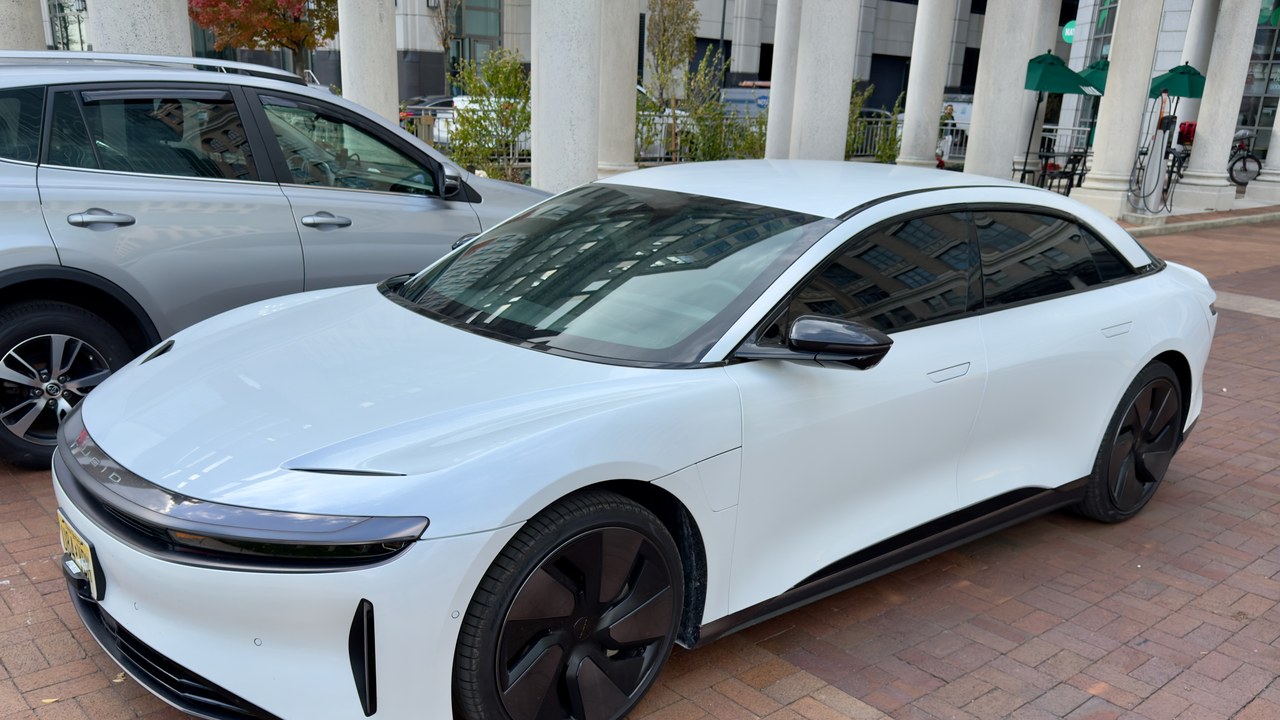
The Lucid Air divides its broad digital cockpit into multiple areas, including a right-side screen that can handle media and vehicle controls. The Lucid Air images show the low electric sedan whose passenger-side interface sits apart from the driver’s main instrument area and the central lower display.
That separation gives the front passenger a practical place to manage cabin tasks without constantly reaching across the driver’s information zone. The layout also helps distribute a large number of digital functions across the dashboard instead of crowding a single center screen. Interface details may change with software and equipment, so the presence of the model alone does not guarantee identical functions.
More from Morning Overview
