
A grid must balance supply and demand continuously, even when wind, sunlight and customer use change quickly. Storage can meet that need without lithium-ion cells by banking energy as elevated water, retained heat or a spinning mass. These plants illustrate the scale, speed and site constraints of older and newer physical storage methods.
1. Bath County Pumped Storage Station: Three Gigawatts Uphill
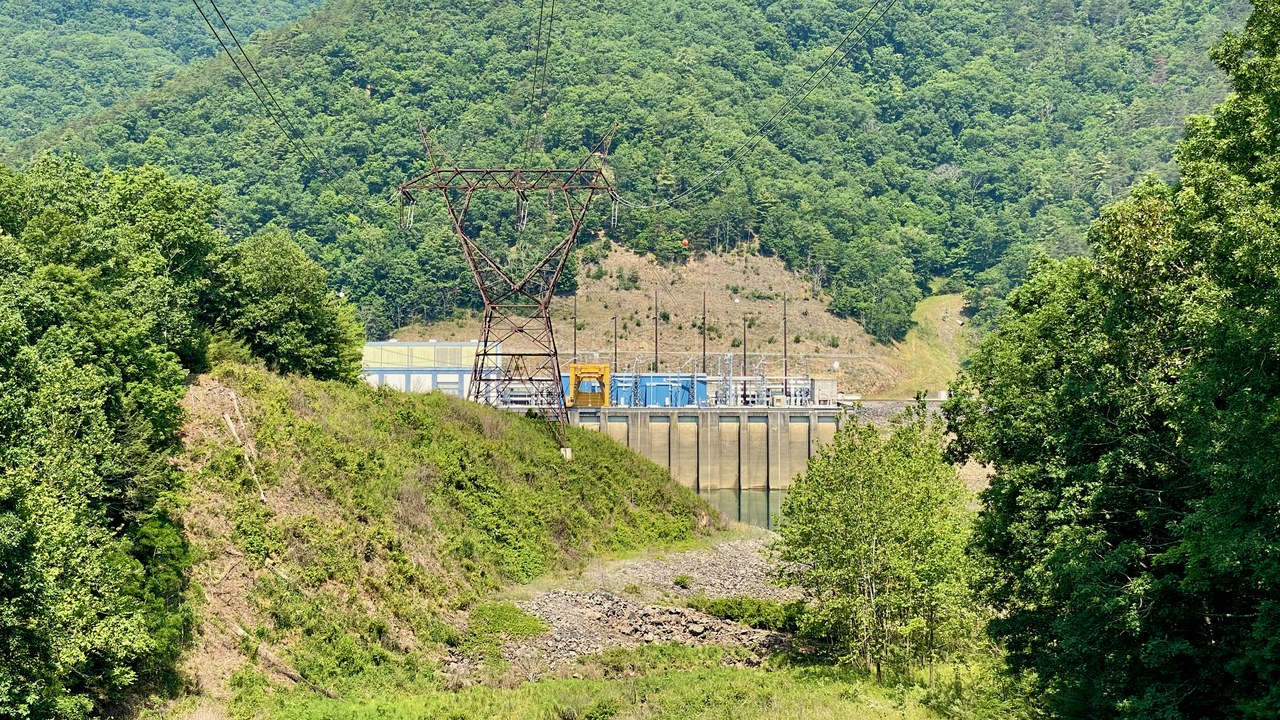
The Bath County Pumped Storage Station is a natural place to begin. Water pumped uphill becomes 3,003 megawatts of dispatchable storage. This is the documented feature that connects the example to the gallery’s central idea.
Physical storage moves electricity into another form and later converts it back, so value depends on capacity, response speed, round-trip losses, operating duration and the geography or infrastructure available. That makes the feature easy to notice, but its lasting importance comes from how consistently it addresses the underlying problem. In short, the grid-storage method does real work even when the machinery or biology behind it stays out of sight.
2. Dinorwig Power Station: Seconds To Grid Power
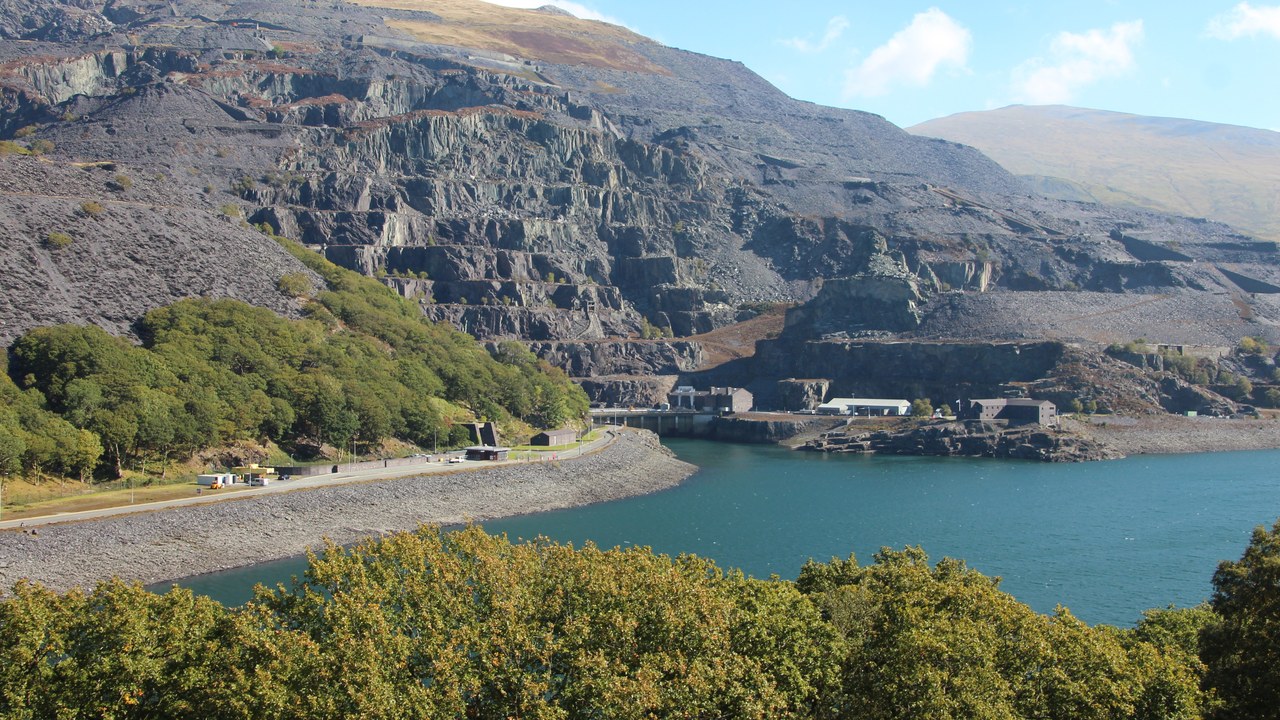
In the Dinorwig Power Station, the unusual idea is central rather than incidental. Welsh reservoirs can answer a grid surge within seconds. This is the documented feature that connects the example to the gallery’s central idea.
Physical storage moves electricity into another form and later converts it back, so value depends on capacity, response speed, round-trip losses, operating duration and the geography or infrastructure available. The benefit is inseparable from the compromise, which is why the layout deserves more attention than a novelty or styling flourish. In short, the grid-storage method does real work even when the machinery or biology behind it stays out of sight.
3. Ludington Pumped Storage Plant: Lake Water Becomes Storage
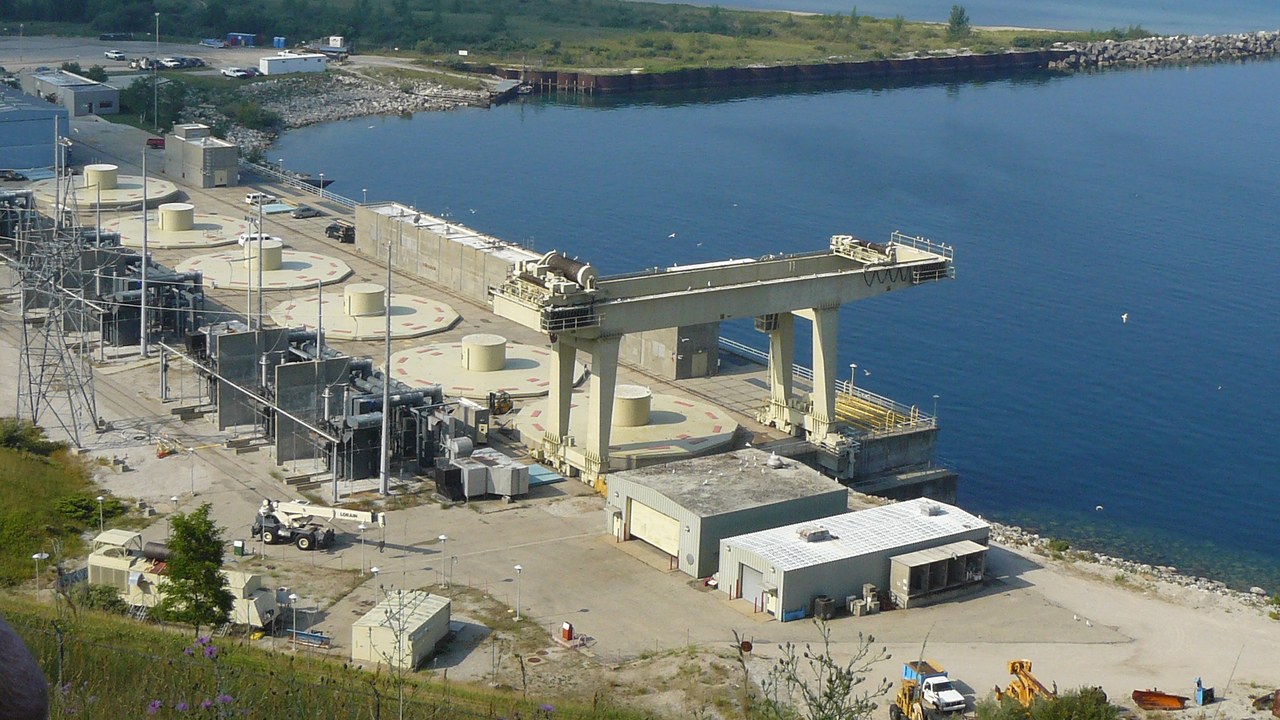
The case for including the Ludington Pumped Storage Plant starts with one defining detail. Lake Michigan water is pumped uphill and released when demand rises. This is the documented feature that connects the example to the gallery’s central idea.
Physical storage moves electricity into another form and later converts it back, so value depends on capacity, response speed, round-trip losses, operating duration and the geography or infrastructure available. Seen in context, the choice is a practical response to packaging and use, not an isolated fact from a specification sheet. In short, the grid-storage method does real work even when the machinery or biology behind it stays out of sight.
4. Ffestiniog Power Station: Welsh Mountains Answer Demand
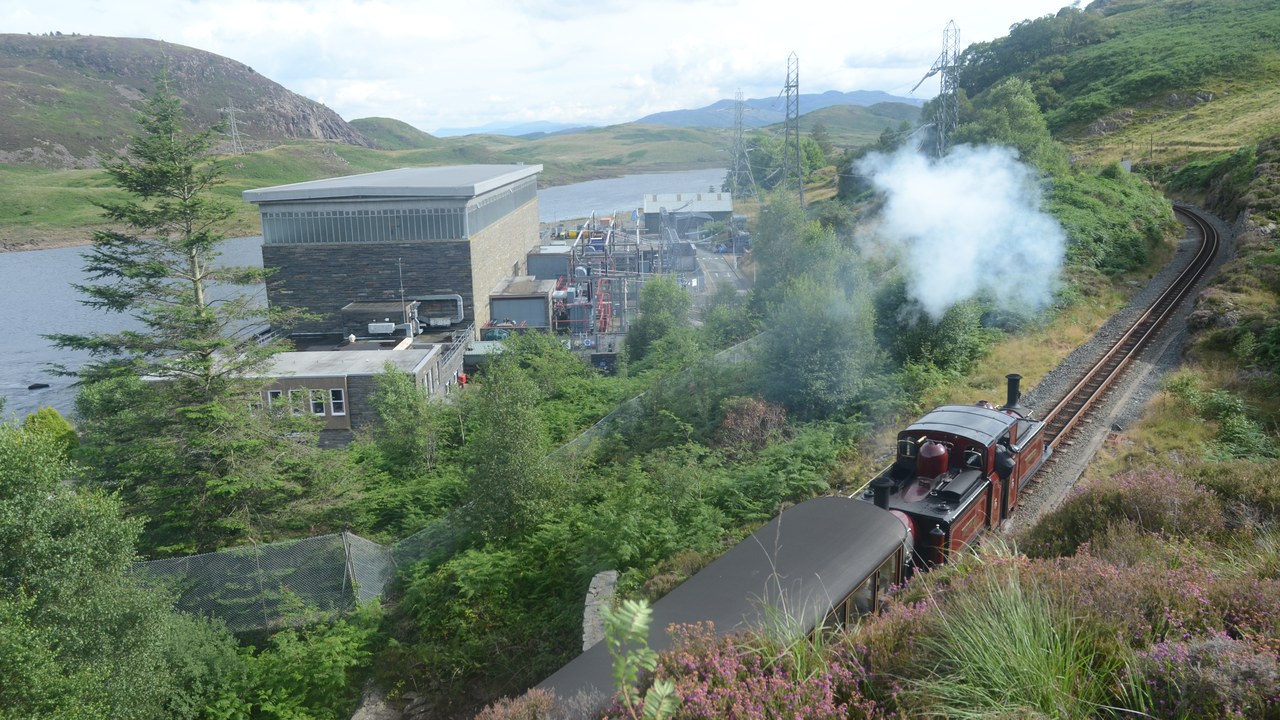
Look past the familiar outline of the Ffestiniog Power Station and the engineering choice becomes clear. Welsh mountain reservoirs turn stored water into fast grid power. This is the documented feature that connects the example to the gallery’s central idea.
Physical storage moves electricity into another form and later converts it back, so value depends on capacity, response speed, round-trip losses, operating duration and the geography or infrastructure available. Its value appears in ordinary operation, where the design changes what the user, operator or observer can do and perceive. In short, the grid-storage method does real work even when the machinery or biology behind it stays out of sight.
5. Crescent Dunes Solar Energy Project: Molten Salt After Sunset
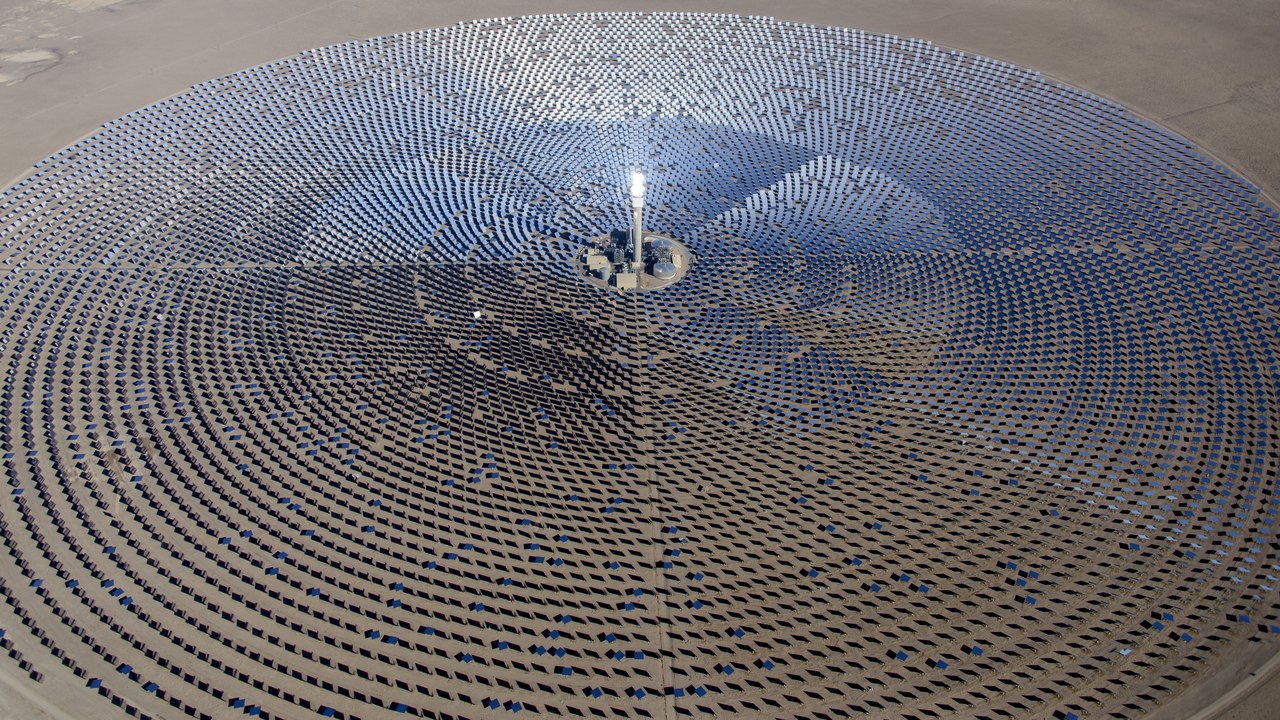
The Crescent Dunes Solar Energy Project approaches the same challenge from a distinctive direction. Molten salt stores concentrated solar heat after sunset. This is the documented feature that connects the example to the gallery’s central idea.
Physical storage moves electricity into another form and later converts it back, so value depends on capacity, response speed, round-trip losses, operating duration and the geography or infrastructure available. The result is memorable because the visible feature and the less obvious functional consequence are tightly connected. In short, the grid-storage method does real work even when the machinery or biology behind it stays out of sight.
6. Noor Ouarzazate Solar Complex: Solar Heat Through Darkness

With the Noor Ouarzazate Solar Complex, the feature is part of the underlying package. Thermal salt storage keeps solar generation running after dark. This is the documented feature that connects the example to the gallery’s central idea.
Physical storage moves electricity into another form and later converts it back, so value depends on capacity, response speed, round-trip losses, operating duration and the geography or infrastructure available. It also shows why similar goals can produce different hardware: the surrounding vehicle, habitat or mission sets the constraints. In short, the grid-storage method does real work even when the machinery or biology behind it stays out of sight.
7. Raccoon Mountain Pumped-Storage Plant: A Mountaintop Gravity Battery
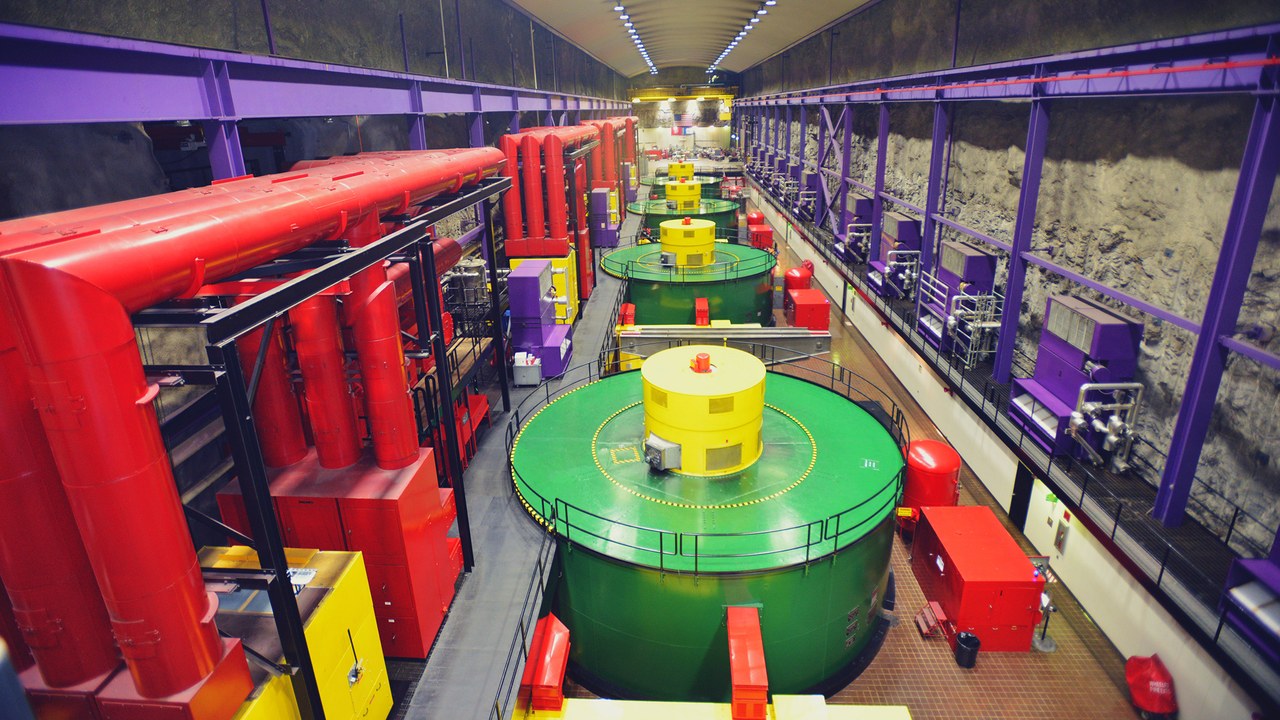
The Raccoon Mountain Pumped-Storage Plant earns its spot through a particularly direct version of the idea. A mountaintop reservoir becomes a giant gravitational battery. This is the documented feature that connects the example to the gallery’s central idea.
Physical storage moves electricity into another form and later converts it back, so value depends on capacity, response speed, round-trip losses, operating duration and the geography or infrastructure available. That distinction keeps the example precise; it belongs here for a working capability, not merely a resemblance to the others. In short, the grid-storage method does real work even when the machinery or biology behind it stays out of sight.
8. Beacon Power flywheel plant: Flywheels Hold Frequency
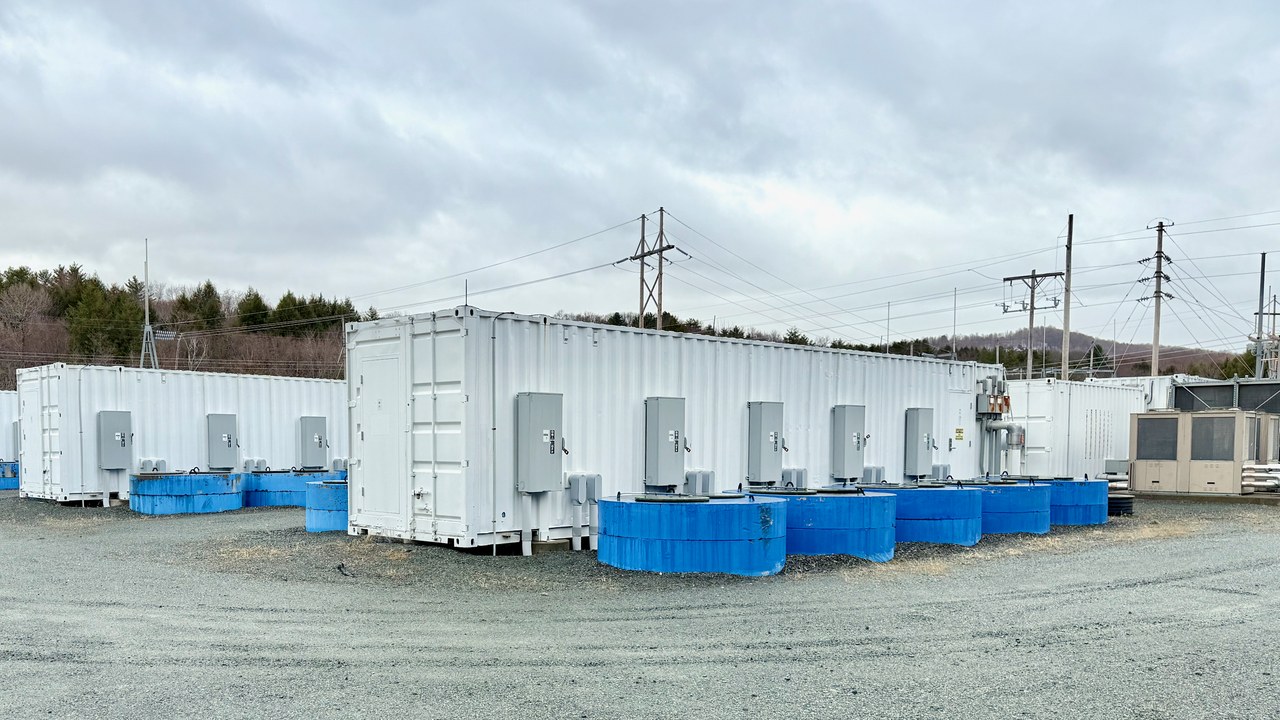
The final example, the Beacon Power flywheel plant, broadens the pattern. Spinning flywheels stabilize grid frequency without electrochemical cells. This is the documented feature that connects the example to the gallery’s central idea.
Physical storage moves electricity into another form and later converts it back, so value depends on capacity, response speed, round-trip losses, operating duration and the geography or infrastructure available. Together with the earlier examples, it shows a coherent principle expressed through very different forms and operating conditions. In short, the grid-storage method does real work even when the machinery or biology behind it stays out of sight.
More from Morning Overview
- Card skimmers hidden on gas pumps are draining accounts, and there’s a quick way to spot them
- The NSA warns one messaging setting can clone your texts to a stranger
- Security experts still urge phone owners to switch off one location-tracking setting
- Automakers are quietly dropping the stop-start feature many drivers love to hate
