
Putting an engine behind the passenger compartment rewrites the usual family-sedan floor plan. The arrangement can shorten the path to the driven wheels and release useful space at the nose, but it also concentrates heat and weight at the tail. These eight four-doors made that unusual compromise part of everyday transportation.
1. Chevrolet Corvair: Flat Six Behind
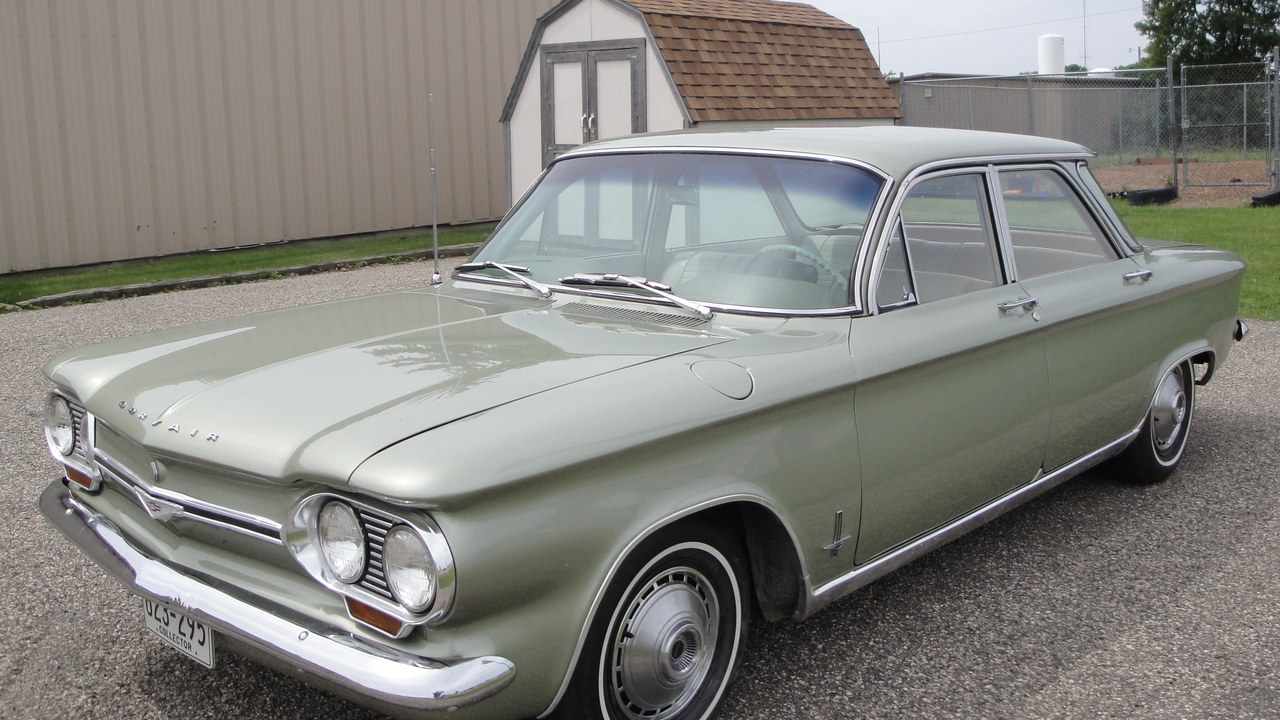
The Chevrolet Corvair is a natural place to begin. An air-cooled flat-six sat behind the rear wheels. This is the documented feature that connects the example to the gallery’s central idea.
A rear engine combines the powertrain near the driven wheels and can free the nose for luggage, while demanding careful solutions for cooling, cabin isolation and handling as loads change. That makes the feature easy to notice, but its lasting importance comes from how consistently it addresses the underlying problem. In short, the rear-engine package does real work even when the machinery or biology behind it stays out of sight.
2. Tatra 603: A Rear Mounted V8
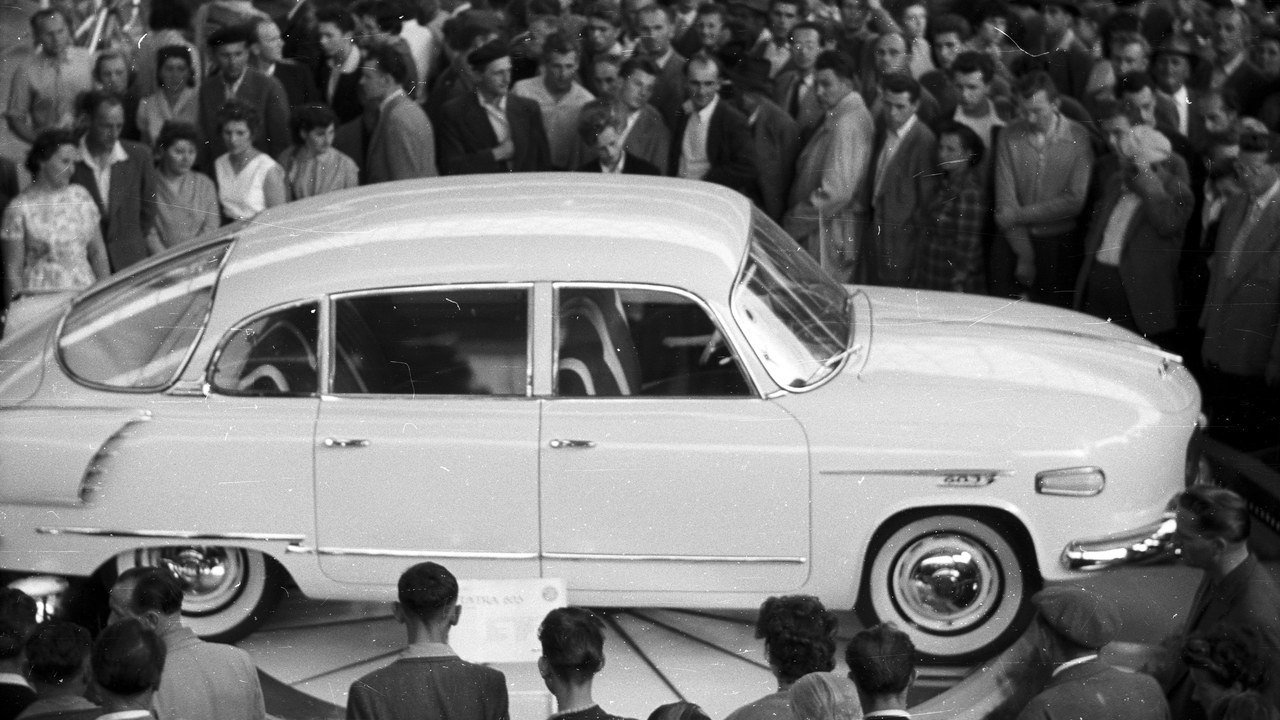
In the Tatra 603, the unusual idea is central rather than incidental. The streamlined Czech sedan carried an air-cooled V8 in back. This is the documented feature that connects the example to the gallery’s central idea.
A rear engine combines the powertrain near the driven wheels and can free the nose for luggage, while demanding careful solutions for cooling, cabin isolation and handling as loads change. The benefit is inseparable from the compromise, which is why the layout deserves more attention than a novelty or styling flourish. In short, the rear-engine package does real work even when the machinery or biology behind it stays out of sight.
3. Renault Dauphine: Compact Four In Back
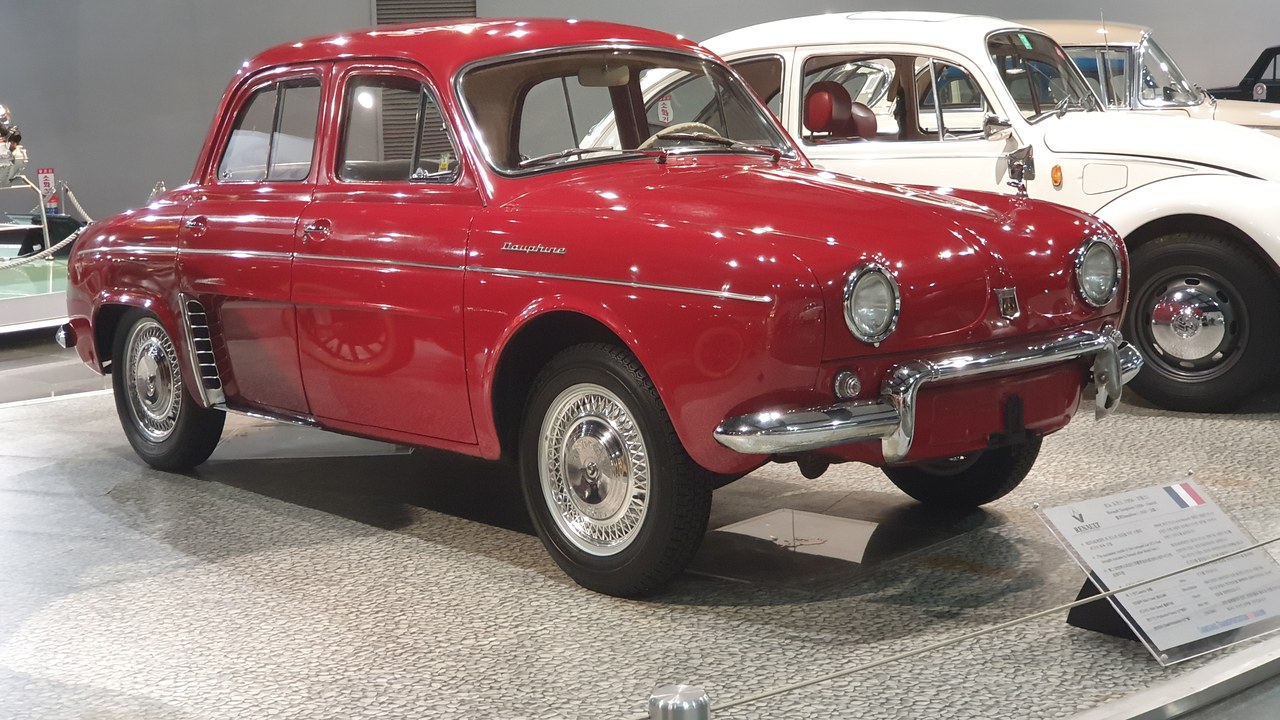
The case for including the Renault Dauphine starts with one defining detail. Its compact four-cylinder engine lived behind the rear axle. This is the documented feature that connects the example to the gallery’s central idea.
A rear engine combines the powertrain near the driven wheels and can free the nose for luggage, while demanding careful solutions for cooling, cabin isolation and handling as loads change. Seen in context, the choice is a practical response to packaging and use, not an isolated fact from a specification sheet. In short, the rear-engine package does real work even when the machinery or biology behind it stays out of sight.
4. Simca 1000: Boxy And Rear Engined
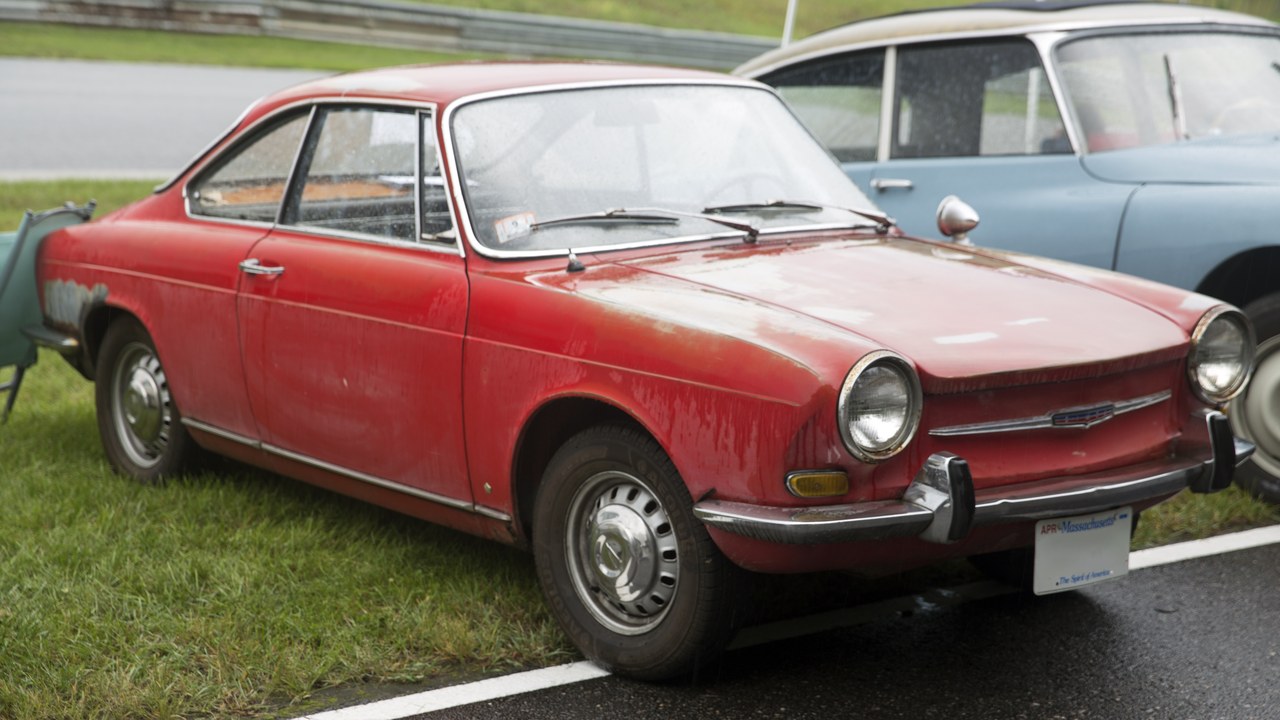
Look past the familiar outline of the Simca 1000 and the engineering choice becomes clear. A rear-mounted four powered the boxy French four-door. This is the documented feature that connects the example to the gallery’s central idea.
A rear engine combines the powertrain near the driven wheels and can free the nose for luggage, while demanding careful solutions for cooling, cabin isolation and handling as loads change. Its value appears in ordinary operation, where the design changes what the user, operator or observer can do and perceive. In short, the rear-engine package does real work even when the machinery or biology behind it stays out of sight.
5. Hillman Imp: Light Alloy At The Tail
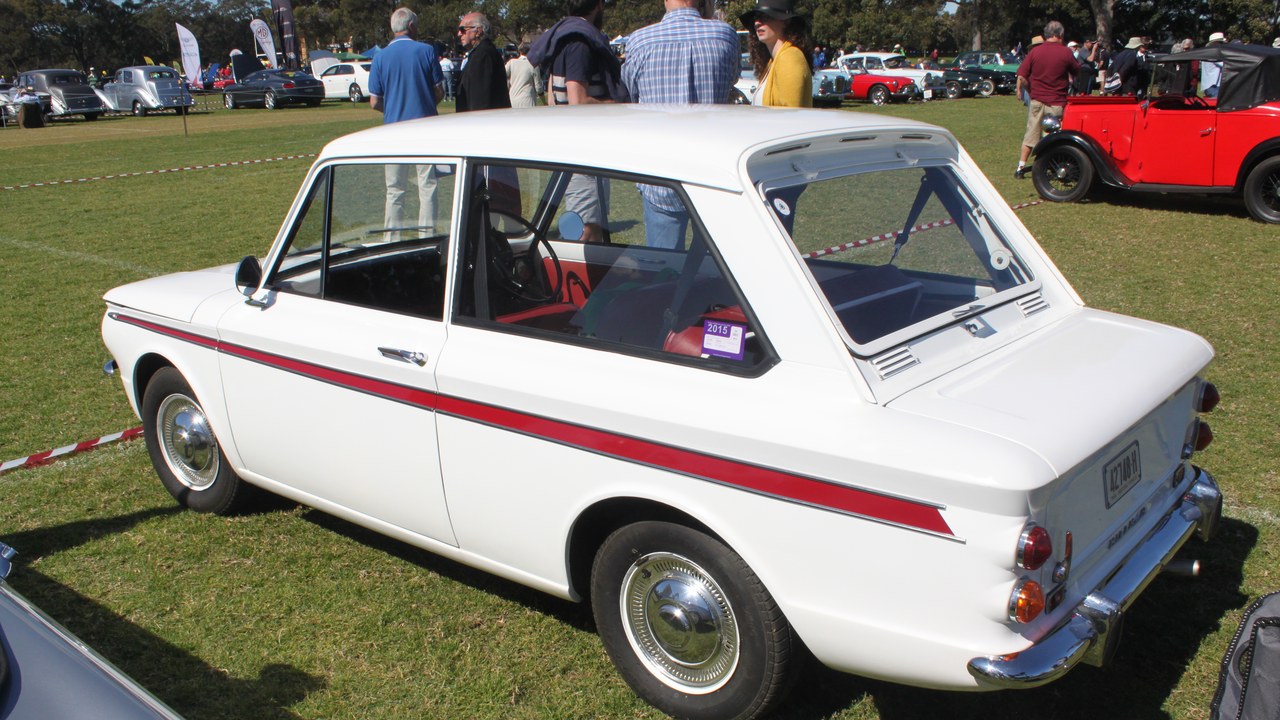
The Hillman Imp approaches the same challenge from a distinctive direction. A lightweight aluminum engine occupied the tail. This is the documented feature that connects the example to the gallery’s central idea.
A rear engine combines the powertrain near the driven wheels and can free the nose for luggage, while demanding careful solutions for cooling, cabin isolation and handling as loads change. The result is memorable because the visible feature and the less obvious functional consequence are tightly connected. In short, the rear-engine package does real work even when the machinery or biology behind it stays out of sight.
6. Volkswagen Type 3: Luggage Above The Engine
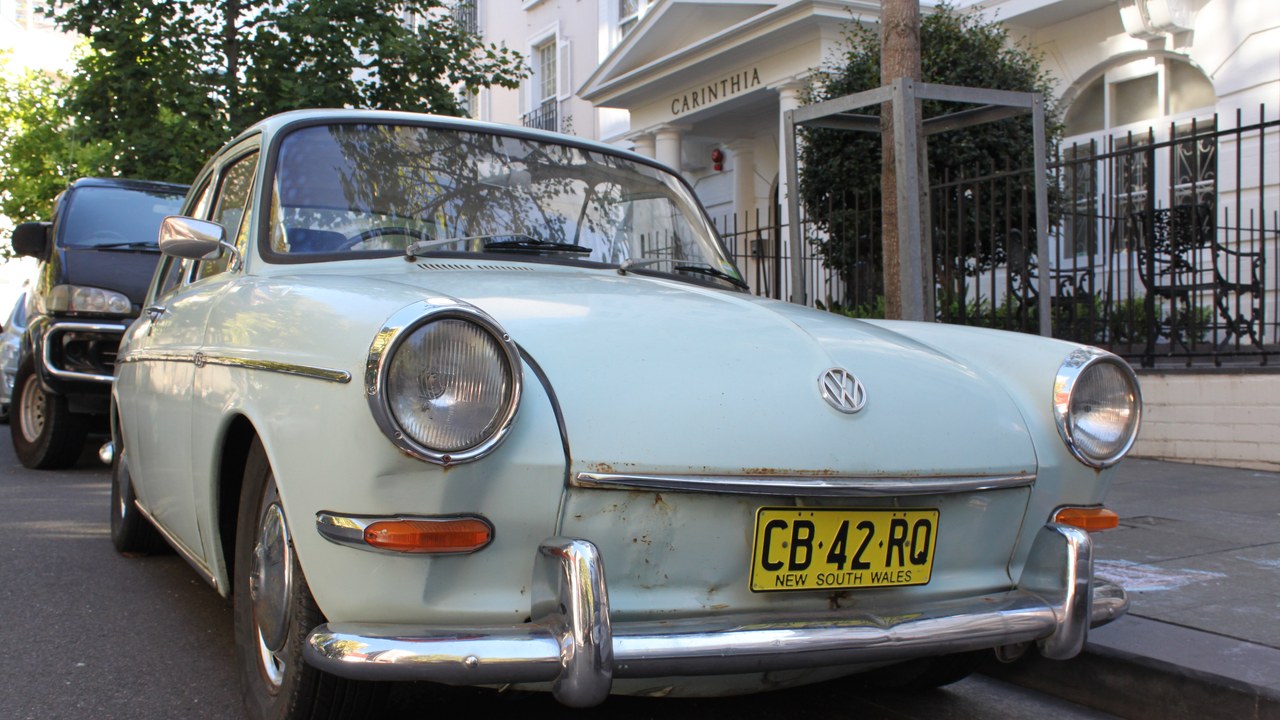
With the Volkswagen Type 3, the feature is part of the underlying package. The low-profile flat-four preserved luggage space above it. This is the documented feature that connects the example to the gallery’s central idea.
A rear engine combines the powertrain near the driven wheels and can free the nose for luggage, while demanding careful solutions for cooling, cabin isolation and handling as loads change. It also shows why similar goals can produce different hardware: the surrounding vehicle, habitat or mission sets the constraints. In short, the rear-engine package does real work even when the machinery or biology behind it stays out of sight.
7. Škoda 100: Under The Rear Deck
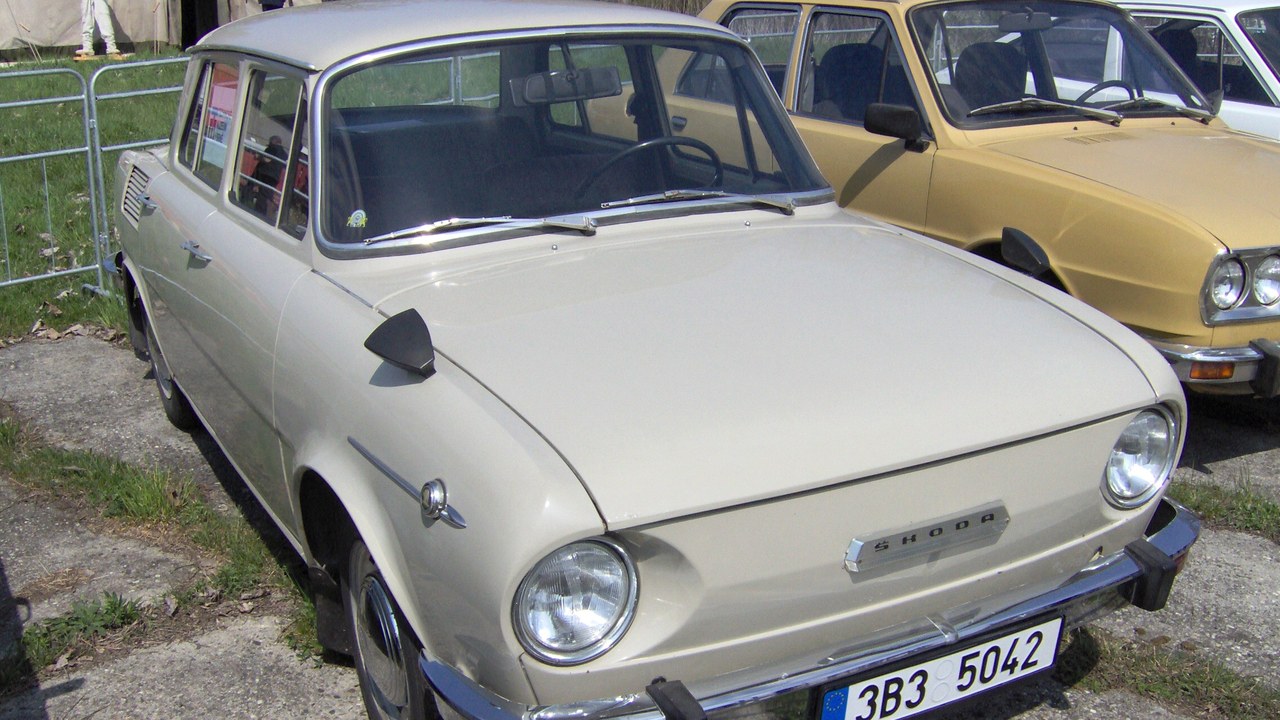
The Škoda 100 earns its spot through a particularly direct version of the idea. The Czech family sedan kept its engine under the rear deck. This is the documented feature that connects the example to the gallery’s central idea.
A rear engine combines the powertrain near the driven wheels and can free the nose for luggage, while demanding careful solutions for cooling, cabin isolation and handling as loads change. That distinction keeps the example precise; it belongs here for a working capability, not merely a resemblance to the others. In short, the rear-engine package does real work even when the machinery or biology behind it stays out of sight.
8. Fiat 850: A Family Four Behind
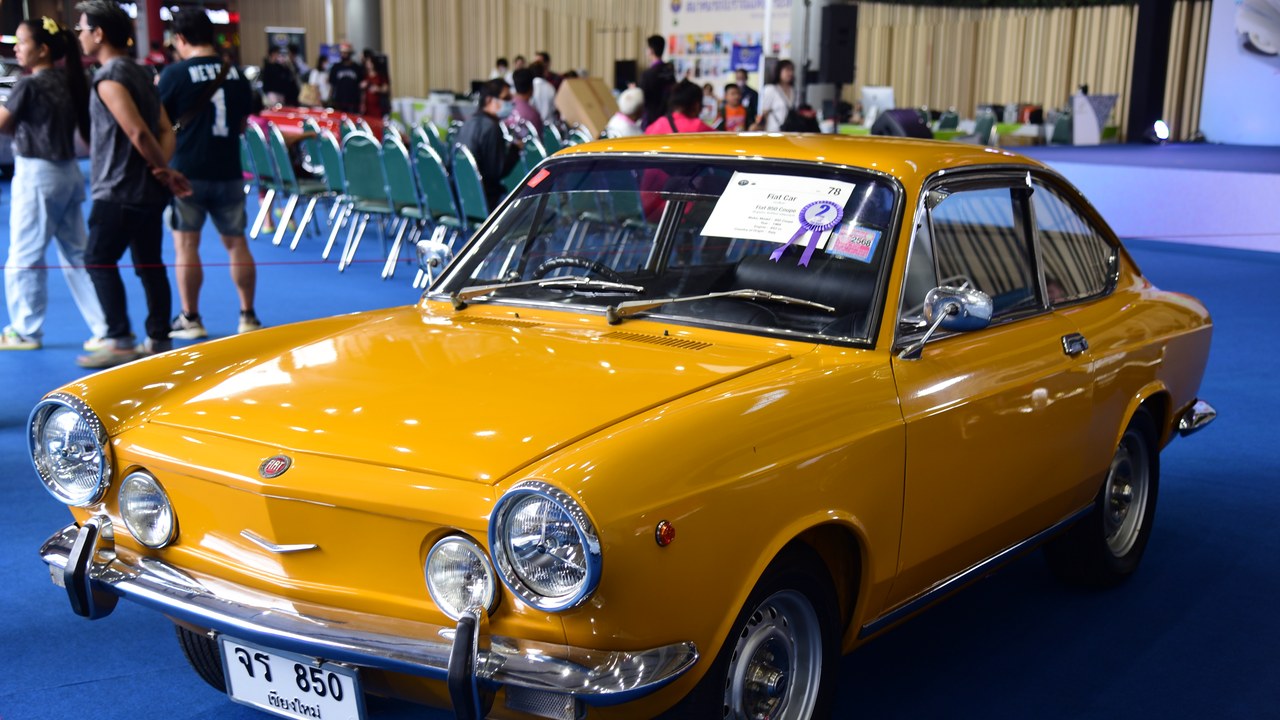
The final example, the Fiat 850, broadens the pattern. Fiat’s small four-door family put the engine at the back. This is the documented feature that connects the example to the gallery’s central idea.
A rear engine combines the powertrain near the driven wheels and can free the nose for luggage, while demanding careful solutions for cooling, cabin isolation and handling as loads change. Together with the earlier examples, it shows a coherent principle expressed through very different forms and operating conditions. In short, the rear-engine package does real work even when the machinery or biology behind it stays out of sight.
More from Morning Overview
- Four U.S. startups fired up their first small nuclear reactors, aiming to power AI data centers on-site
- 11 engines built to run well past 200,000 miles
- A handful of car transmissions are so tough that mechanics say they almost never die
- Card skimmers hidden on gas pumps are draining accounts, and there’s a quick way to spot them
