
A compass is useful even when an animal cannot see landmarks, stars or the Sun. Evidence suggests that many species extract directional or positional information from Earth’s magnetic field and combine it with other cues. The mechanisms remain clearer in some animals than others, making magnetoreception both a practical navigation tool and an active scientific puzzle.
1. Loggerhead sea turtle: An Inherited Atlantic Map
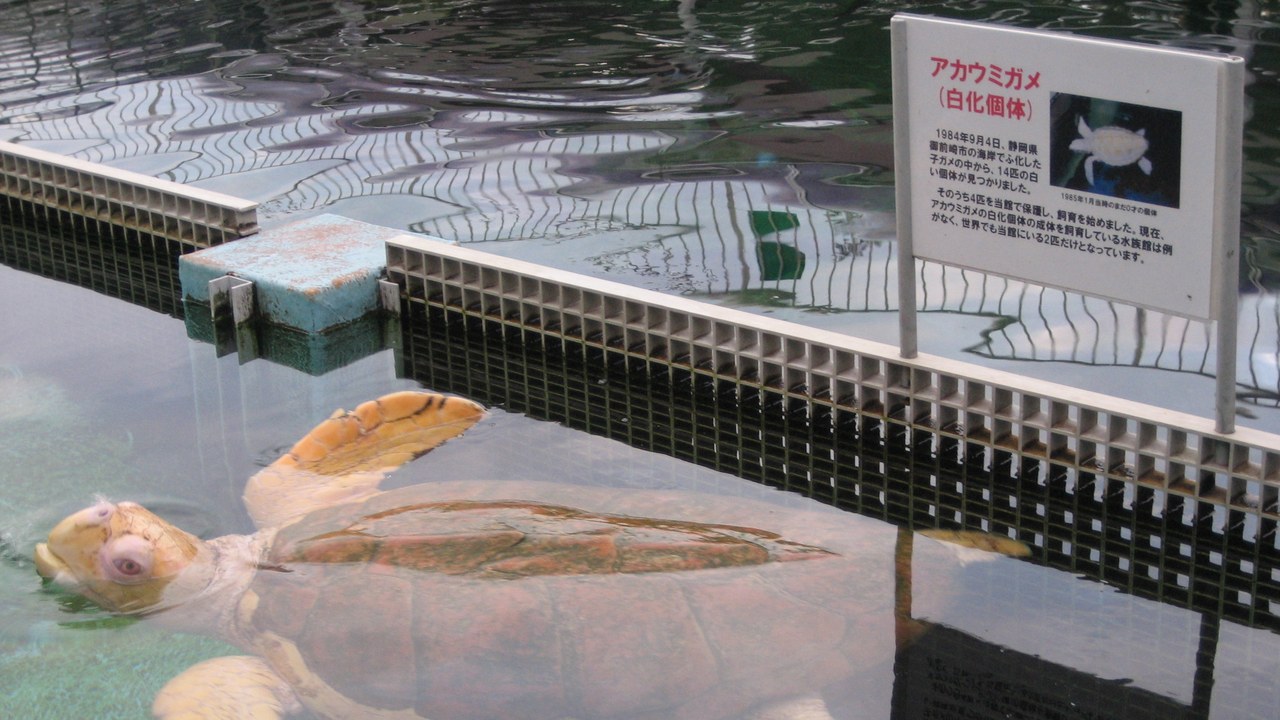
The Loggerhead sea turtle is a natural place to begin. Hatchlings inherit a magnetic map for crossing the Atlantic. This is the documented feature that connects the example to the gallery’s central idea.
Magnetic information usually complements rather than replaces vision, smell, currents or celestial cues, and the strength of experimental evidence differs across species and proposed sensing mechanisms. That makes the feature easy to notice, but its lasting importance comes from how consistently it addresses the underlying problem. In short, the magnetic-navigation ability does real work even when the machinery or biology behind it stays out of sight.
2. Atlantic salmon: Homeward Magnetic Cues
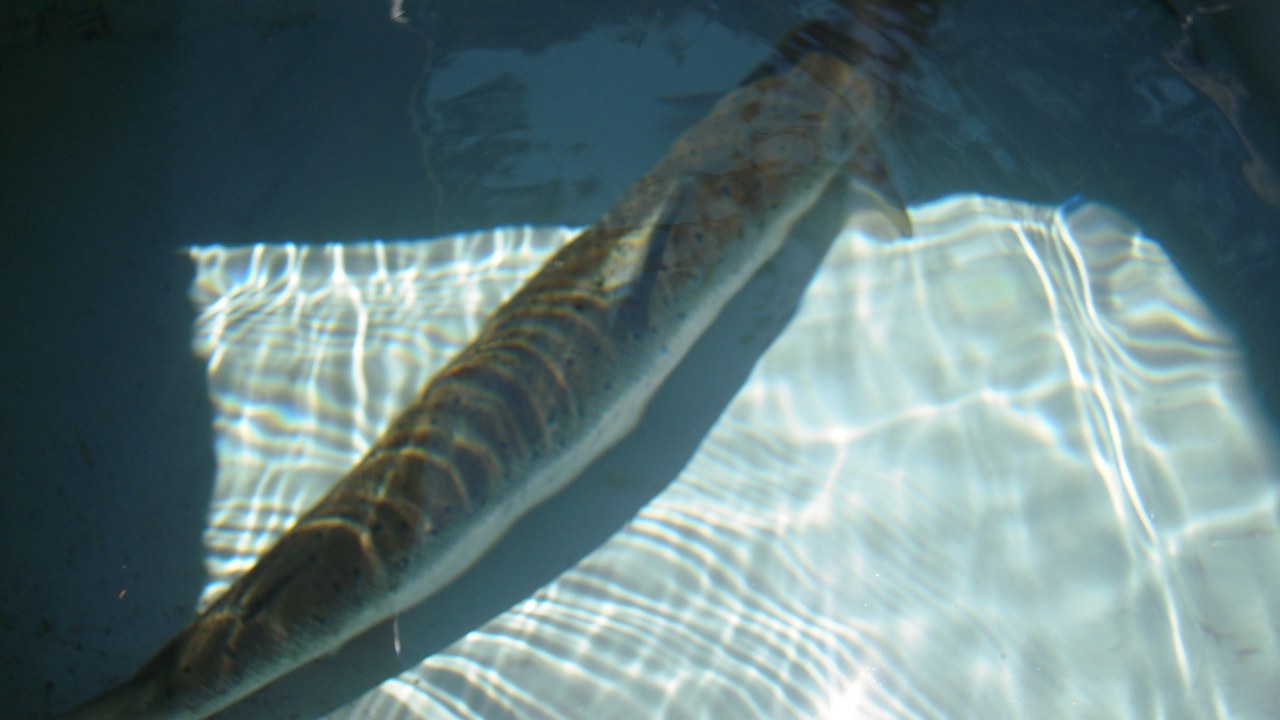
In the Atlantic salmon, the unusual idea is central rather than incidental. Magnetic cues help adults return toward their natal rivers. This is the documented feature that connects the example to the gallery’s central idea.
Magnetic information usually complements rather than replaces vision, smell, currents or celestial cues, and the strength of experimental evidence differs across species and proposed sensing mechanisms. The benefit is inseparable from the compromise, which is why the layout deserves more attention than a novelty or styling flourish. In short, the magnetic-navigation ability does real work even when the machinery or biology behind it stays out of sight.
3. European robin: A Light Sensitive Compass
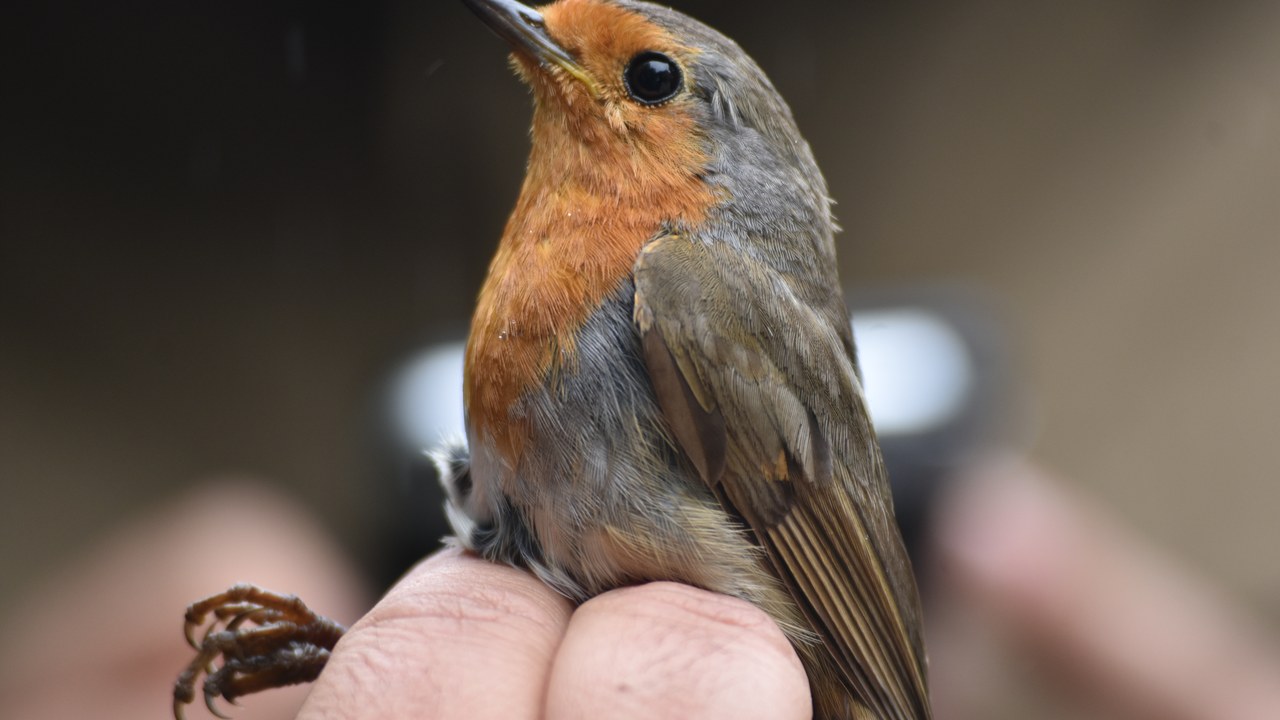
The case for including the European robin starts with one defining detail. A light-sensitive compass helps guide nighttime migration. This is the documented feature that connects the example to the gallery’s central idea.
Magnetic information usually complements rather than replaces vision, smell, currents or celestial cues, and the strength of experimental evidence differs across species and proposed sensing mechanisms. Seen in context, the choice is a practical response to packaging and use, not an isolated fact from a specification sheet. In short, the magnetic-navigation ability does real work even when the machinery or biology behind it stays out of sight.
4. Monarch butterfly: Backup When Clouds Arrive
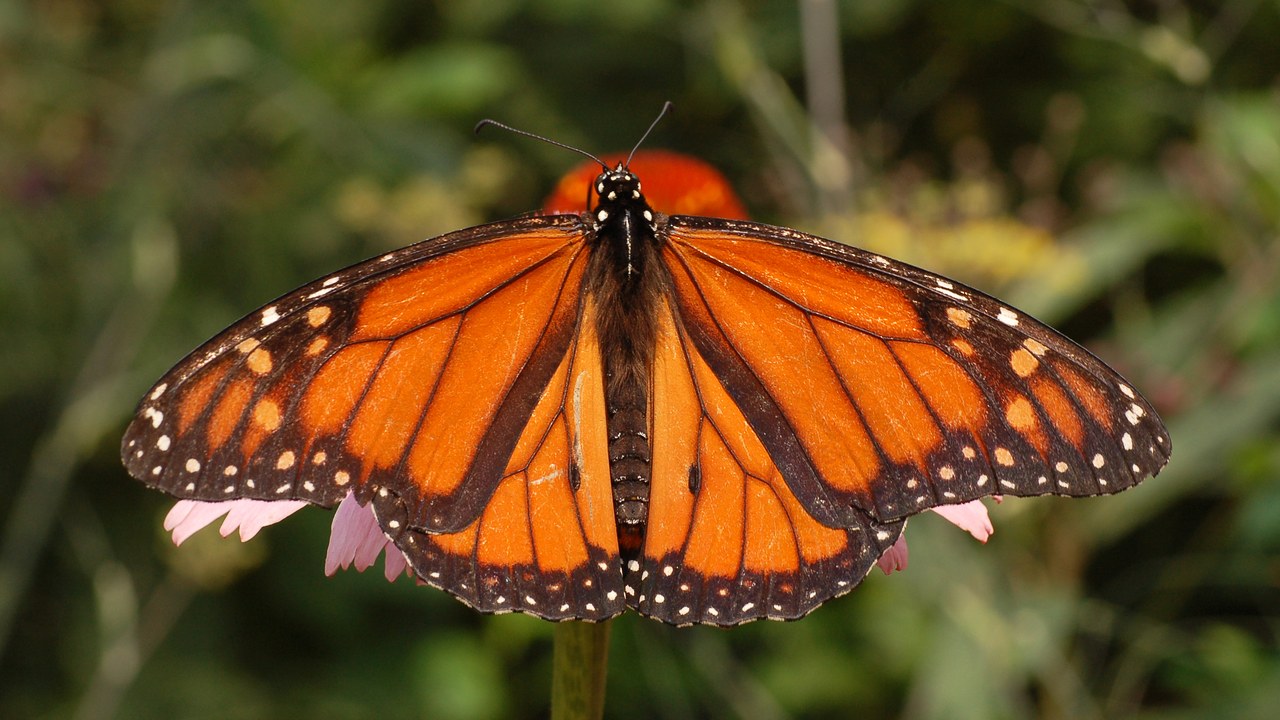
Look past the familiar outline of the Monarch butterfly and the engineering choice becomes clear. A magnetic compass can back up the Sun on cloudy days. This is the documented feature that connects the example to the gallery’s central idea.
Magnetic information usually complements rather than replaces vision, smell, currents or celestial cues, and the strength of experimental evidence differs across species and proposed sensing mechanisms. Its value appears in ordinary operation, where the design changes what the user, operator or observer can do and perceive. In short, the magnetic-navigation ability does real work even when the machinery or biology behind it stays out of sight.
5. Spiny lobster: Position Across The Seafloor
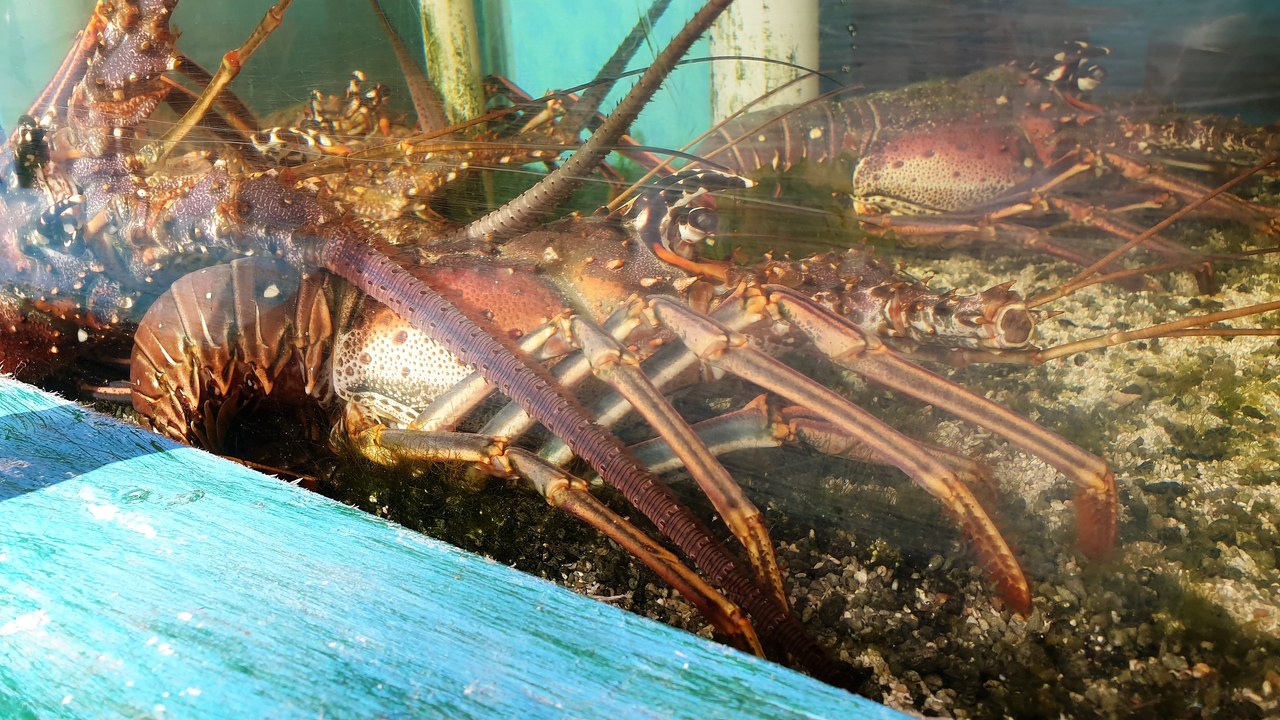
The Spiny lobster approaches the same challenge from a distinctive direction. The crustacean reads magnetic position while marching across the seafloor. This is the documented feature that connects the example to the gallery’s central idea.
Magnetic information usually complements rather than replaces vision, smell, currents or celestial cues, and the strength of experimental evidence differs across species and proposed sensing mechanisms. The result is memorable because the visible feature and the less obvious functional consequence are tightly connected. In short, the magnetic-navigation ability does real work even when the machinery or biology behind it stays out of sight.
6. Naked mole-rat: Tunnels Aligned Underground
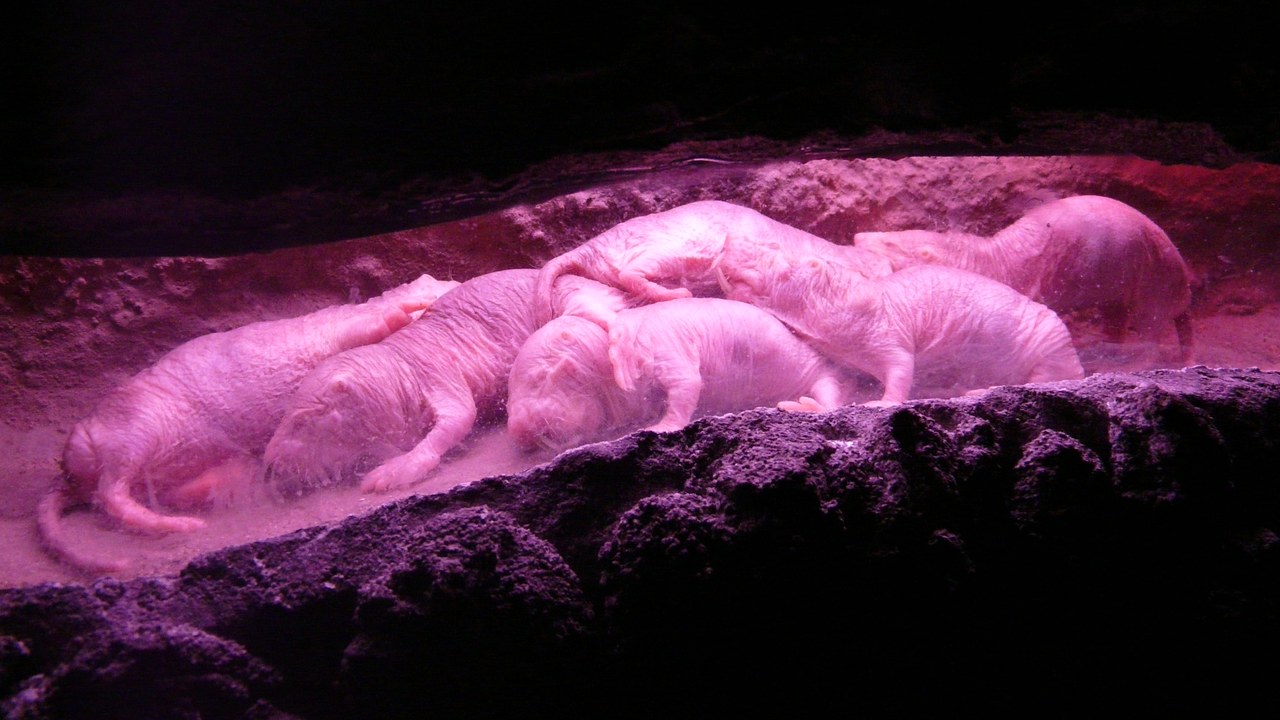
With the Naked mole-rat, the feature is part of the underlying package. Underground colonies orient tunnels using a magnetic compass. This is the documented feature that connects the example to the gallery’s central idea.
Magnetic information usually complements rather than replaces vision, smell, currents or celestial cues, and the strength of experimental evidence differs across species and proposed sensing mechanisms. It also shows why similar goals can produce different hardware: the surrounding vehicle, habitat or mission sets the constraints. In short, the magnetic-navigation ability does real work even when the machinery or biology behind it stays out of sight.
7. Honey bee: Possible Cues Near Home
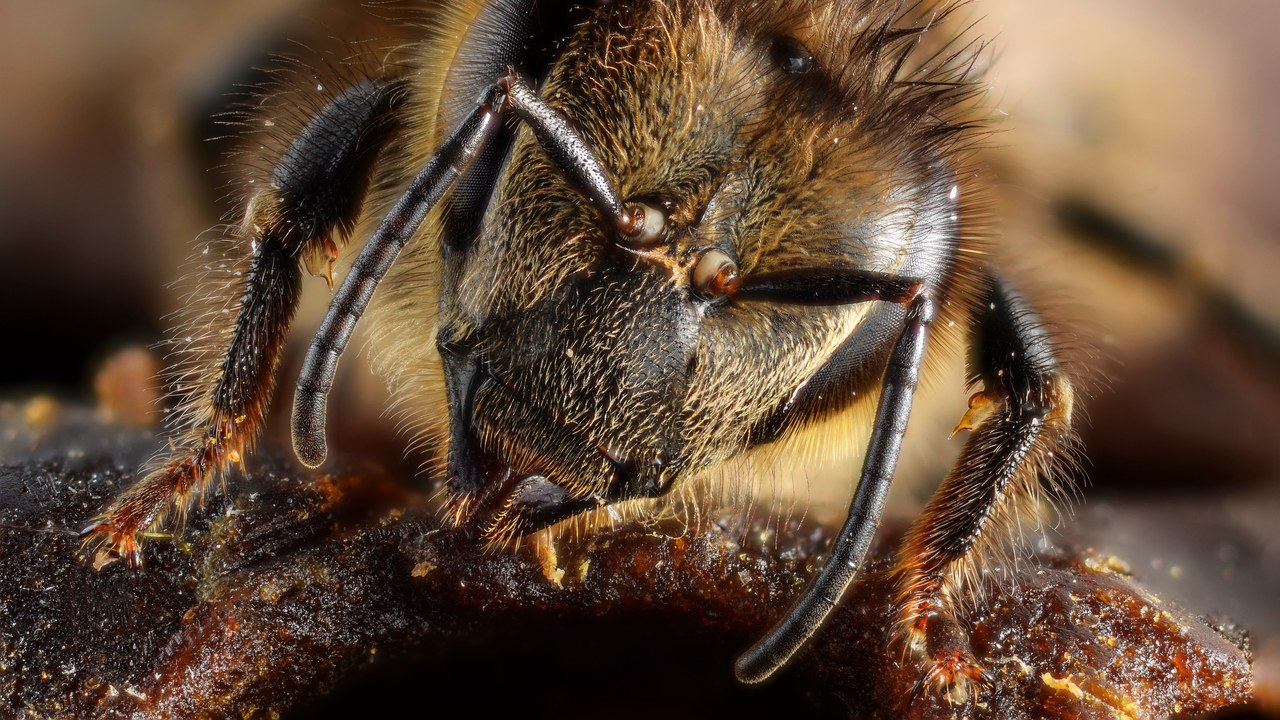
The Honey bee earns its spot through a particularly direct version of the idea. Magnetic particles and sensory cues may aid navigation near the hive. This is the documented feature that connects the example to the gallery’s central idea.
Magnetic information usually complements rather than replaces vision, smell, currents or celestial cues, and the strength of experimental evidence differs across species and proposed sensing mechanisms. That distinction keeps the example precise; it belongs here for a working capability, not merely a resemblance to the others. In short, the magnetic-navigation ability does real work even when the machinery or biology behind it stays out of sight.
8. Gray whale: Disruption And Strandings
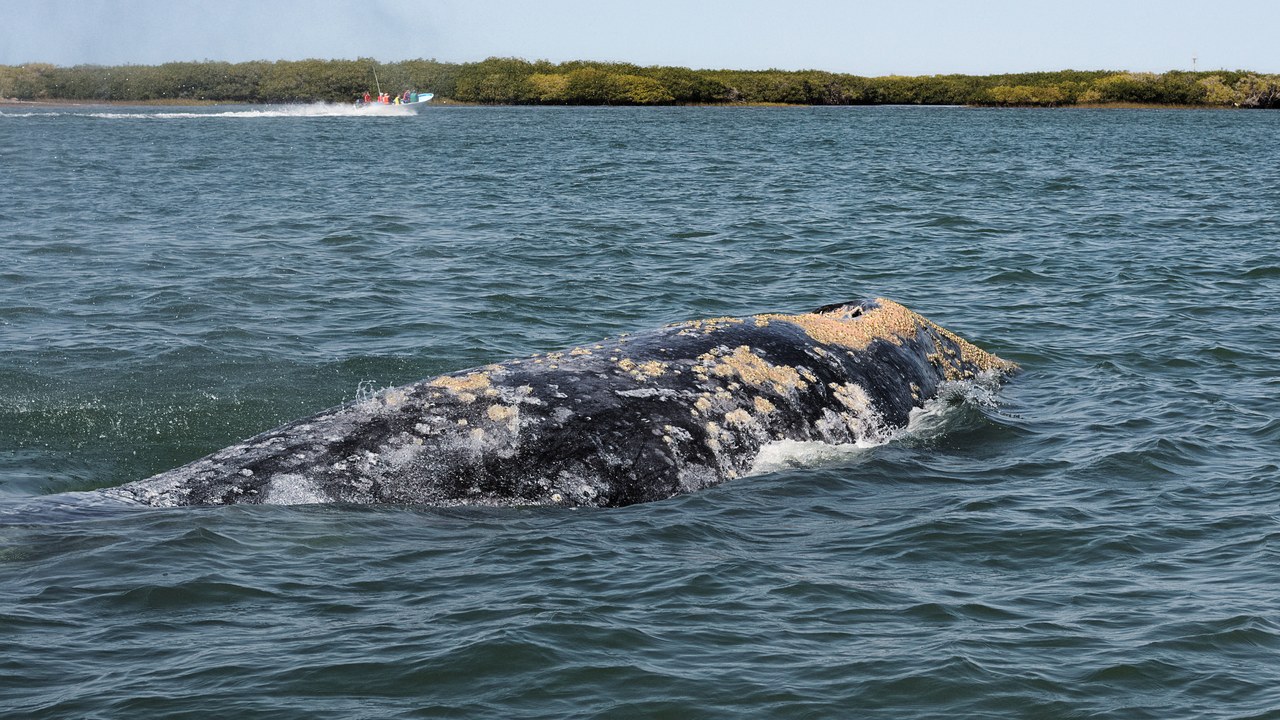
The final example, the Gray whale, broadens the pattern. Strandings correlate with geomagnetic disruption, suggesting magnetic navigation. This is the documented feature that connects the example to the gallery’s central idea.
Magnetic information usually complements rather than replaces vision, smell, currents or celestial cues, and the strength of experimental evidence differs across species and proposed sensing mechanisms. Together with the earlier examples, it shows a coherent principle expressed through very different forms and operating conditions. In short, the magnetic-navigation ability does real work even when the machinery or biology behind it stays out of sight.
More from Morning Overview
- The NSA warns one messaging setting can clone your texts to a stranger
- Security experts still urge phone owners to switch off one location-tracking setting
- Automakers are quietly dropping the stop-start feature many drivers love to hate
- A granite sarcophagus surfaced in Egypt with its original lid still sealed
