
Sports cars have a reputation for being punishing companions once the weekend ends, with stiff suspensions, cramped cabins, and trunks too small for a grocery run. A handful of models manage to blend genuine performance with everyday comfort, offering usable storage, smooth ride quality, and reasonable running costs alongside their driving thrills. Here are eight sports cars built to handle a daily commute as easily as a canyon road.
1. Porsche 911: Everyday Supercar
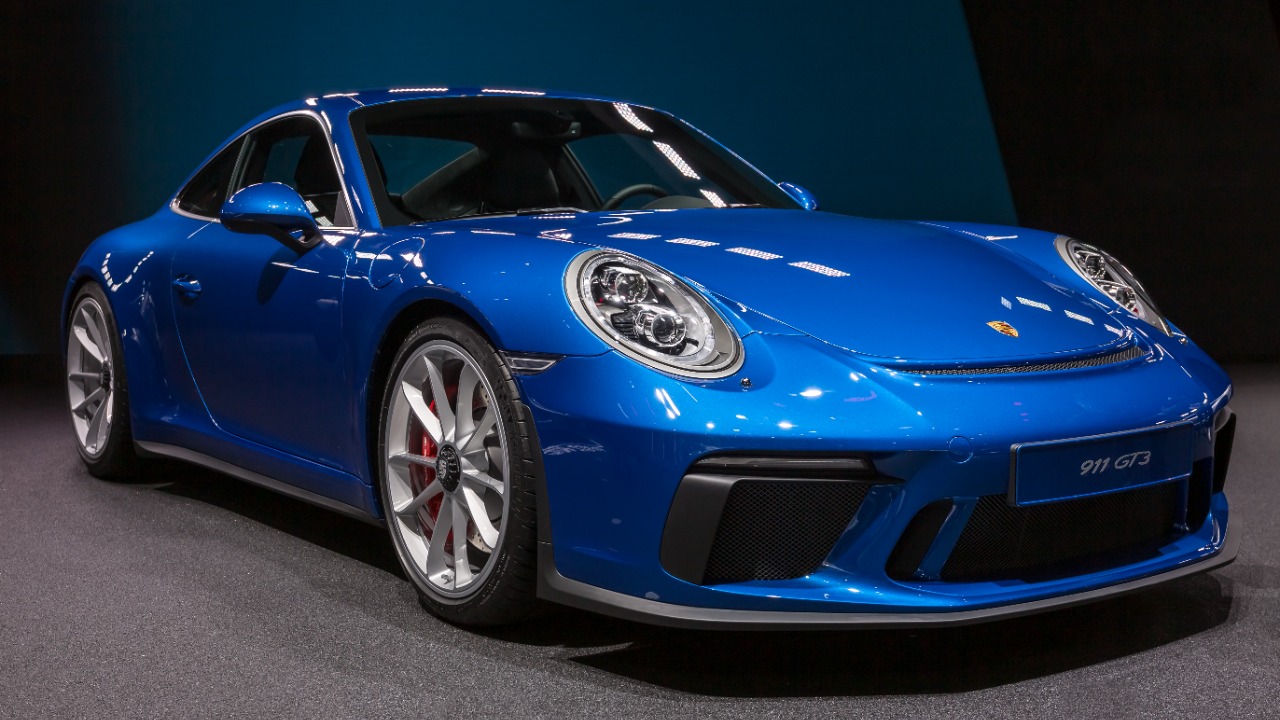
The Porsche 911 has spent six decades proving that a car built for the track can also start every morning without complaint, wrapping its flat-six power and precise steering around a cabin that treats occasional passengers as an afterthought rather than an impossibility. Its rear-engine layout keeps the front trunk usable for soft bags even as the rear seats fold flat for extra cargo.
Ride quality on the standard suspension stays composed over broken pavement, and dual-clutch models shift smoothly enough for stop-and-go traffic without wearing out a driver’s patience. Fuel economy and parts costs run higher than an ordinary commuter car, but reliability scores for the 911 consistently beat rival sports coupes.
2. Chevrolet Corvette (C8): Mid-Engine Comfort
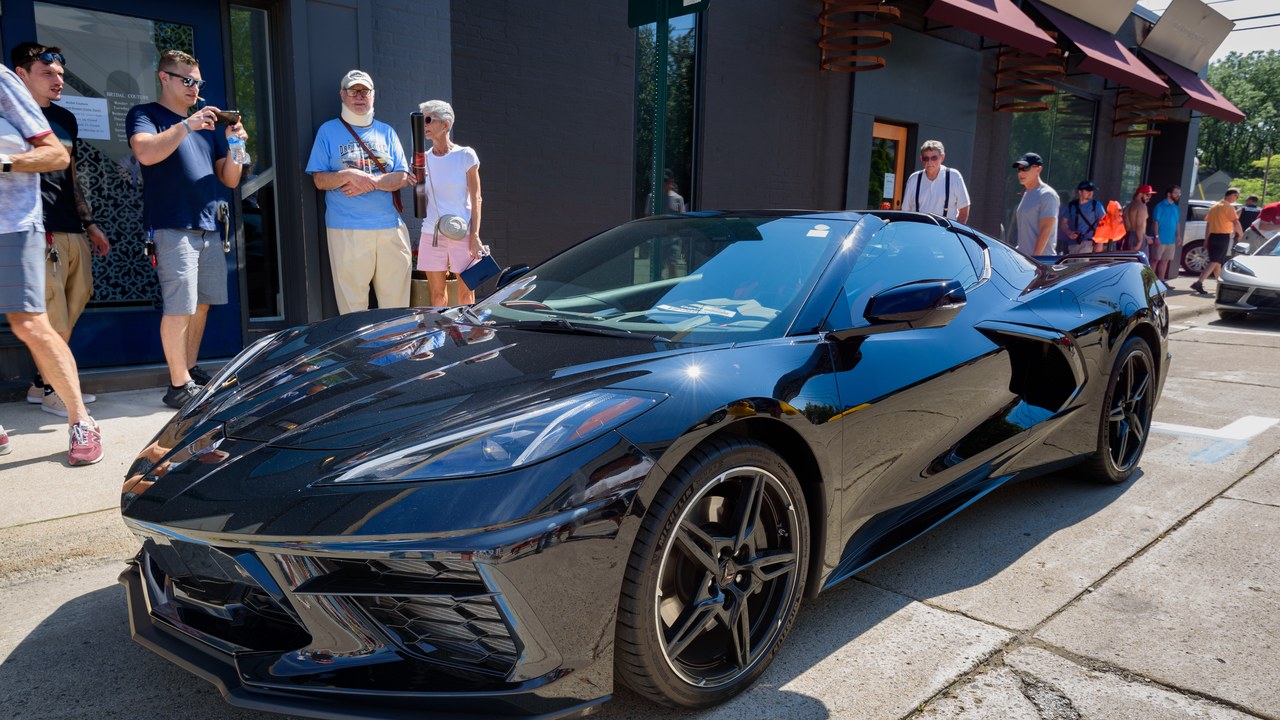
The Chevrolet Corvette’s move to a mid-engine layout for the C8 generation reshuffled the car’s proportions without sacrificing storage, giving it a front trunk and a rear cargo shelf that together swallow more luggage than most two-seat sports cars manage. Its naturally aspirated V8 delivers immediate throttle response, and the standard eight-speed dual-clutch transmission shifts smoothly around town.
Interior materials and seat comfort improved sharply over prior generations, and the low, wide stance still leaves enough visibility and ground clearance for daily driveways and speed bumps. Insurance and tire costs run above average, but routine maintenance stays inexpensive thanks to Chevrolet’s wide parts network.
3. Mazda MX-5 Miata: Lightweight Commuter
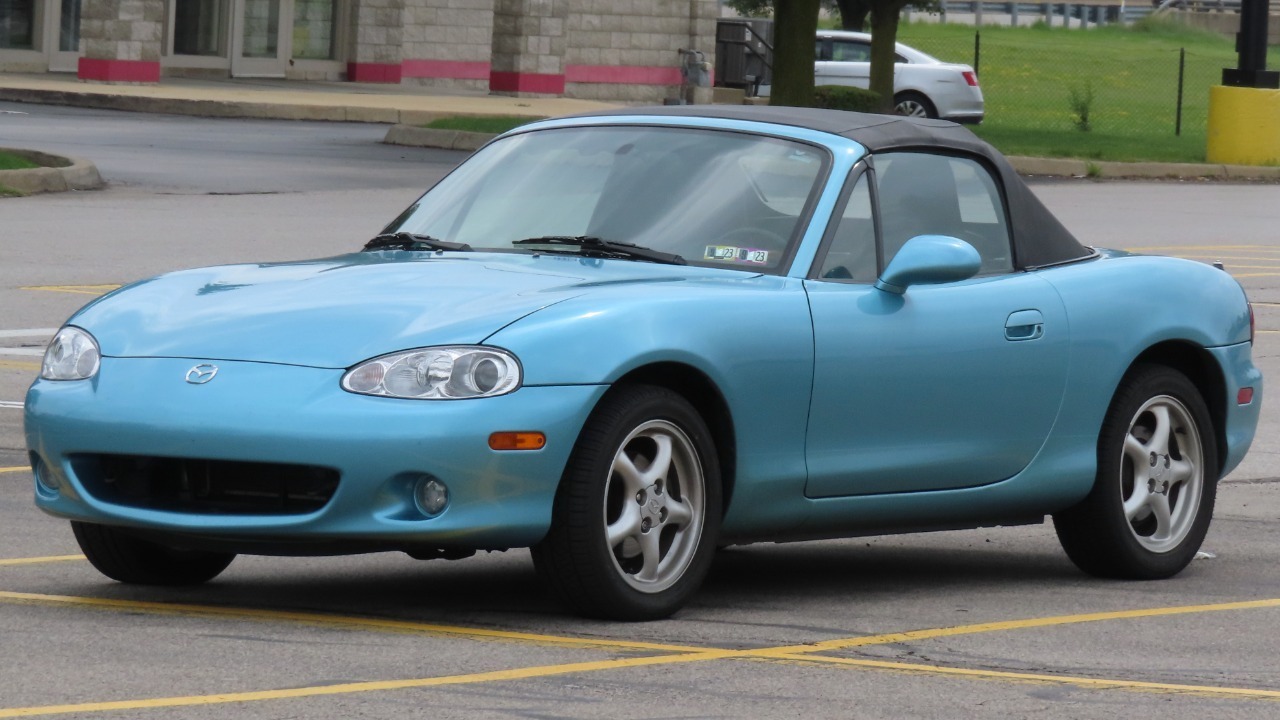
The Mazda MX-5 Miata keeps its curb weight under roughly 2,400 pounds, a figure that gives it sharp handling without demanding a stiff, jarring ride on ordinary roads. Its manual top folds by hand in seconds, and the small four-cylinder engine sips fuel even under enthusiastic driving.
Reliability surveys consistently rank the Miata near the top of its class, and parts availability keeps repair bills modest compared with pricier sports cars. Cargo space stays limited to a small trunk, so the car suits solo commutes and light errands better than a family’s weekend grocery run.
4. Toyota GR86: Budget Rear-Drive Fun
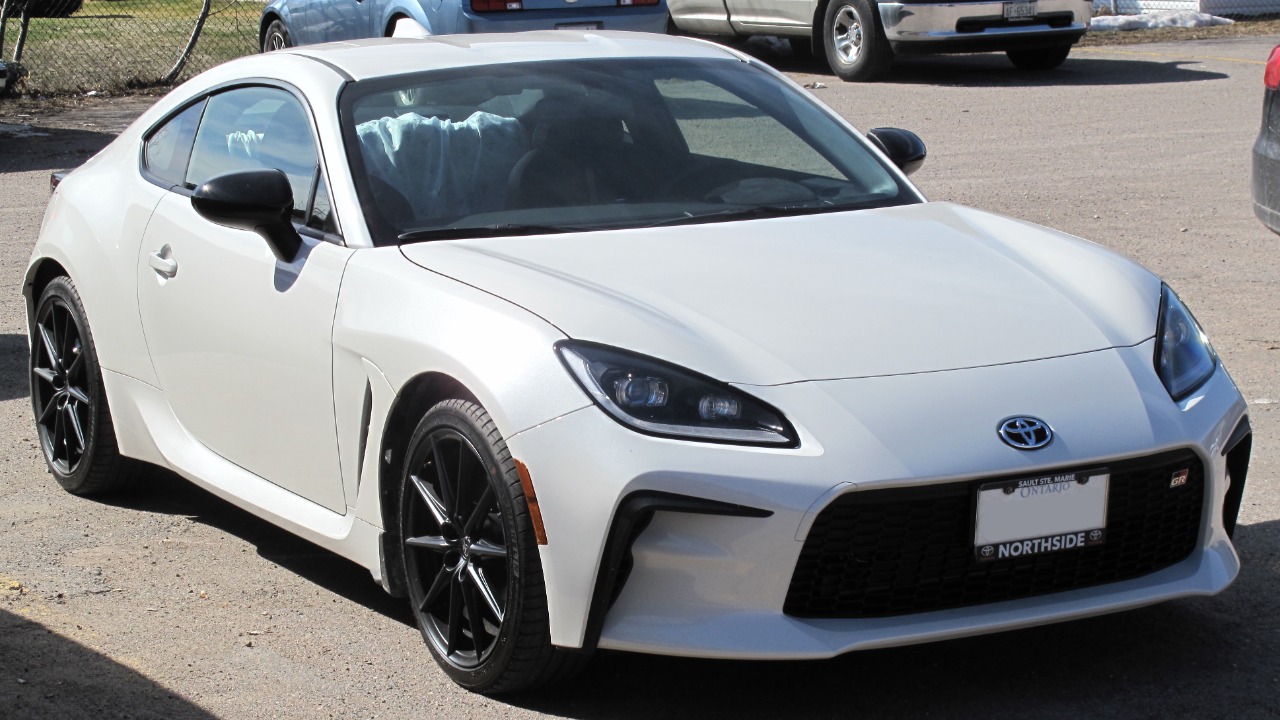
The Toyota GR86 pairs a low base price with a naturally aspirated flat-four engine, giving new drivers access to genuine rear-wheel-drive handling without the insurance premiums that come with faster, more powerful machines. Rear seats are tight but usable for short trips, and the hatchback-style trunk opening accepts a set of golf clubs or a small suitcase.
Toyota’s reliability reputation carries over to the GR86, and routine maintenance costs stay close to those of an ordinary Corolla rather than a specialty sports car. The ride is firm but not punishing, making the coupe a realistic daily driver for commuters who still want a stick shift and a rev-happy engine.
5. BMW M2: Compact M-Car Practicality
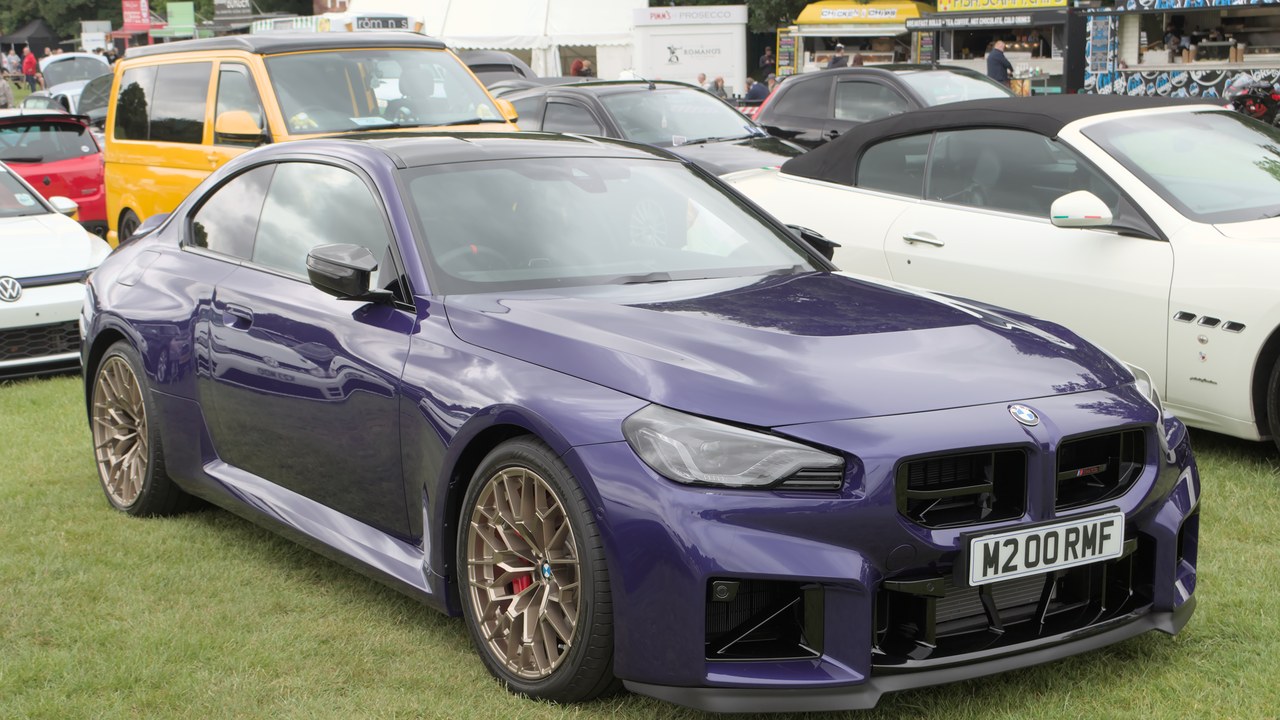
The BMW M2 packs the brand’s high-performance engineering into a compact two-door body, giving it a turning circle and outward visibility that larger M-cars cannot match in city traffic. Its twin-turbo inline-six produces strong low-end torque, and the adaptive suspension setting can soften the ride for a highway commute.
Rear seats fit adults for short rides, and the trunk holds enough luggage for a weekend trip without folding the seatbacks down. Fuel economy trails smaller four-cylinder rivals, and premium fuel is required, but the M2’s reliability record has improved compared with earlier M-badged coupes.
6. Ford Mustang: Muscle Car, Usable Trunk
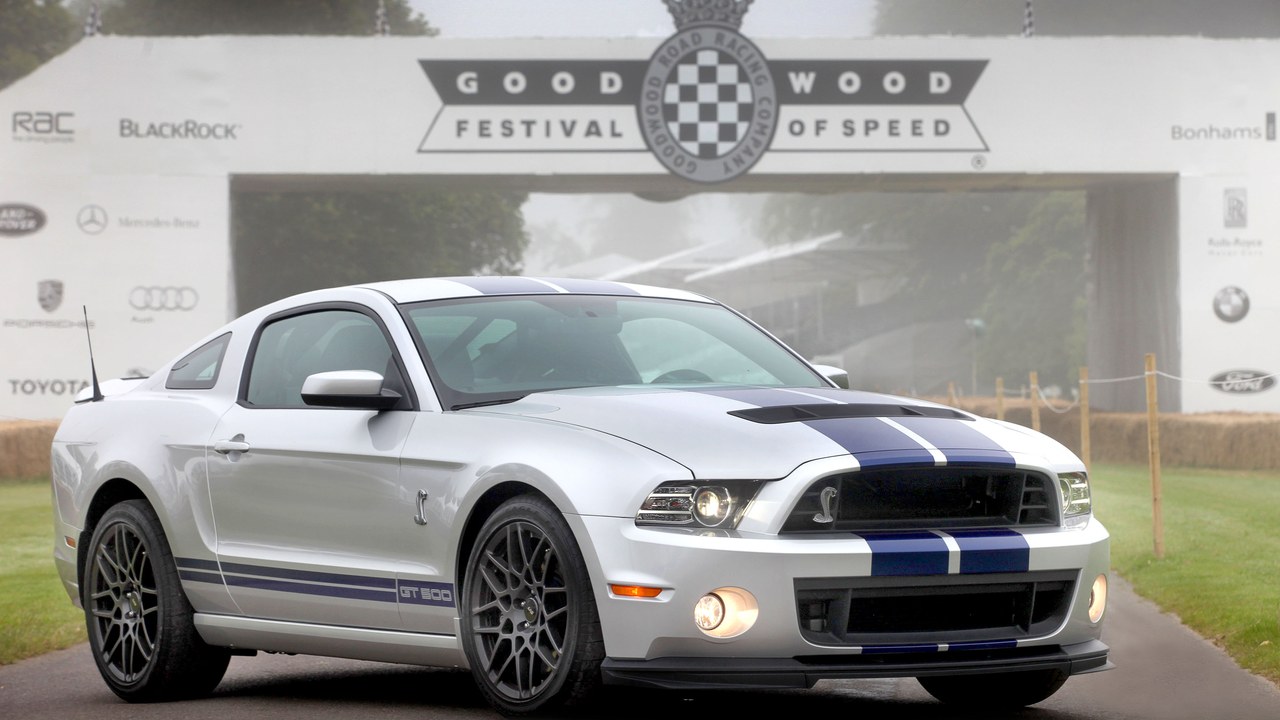
The Ford Mustang keeps a full back seat and a trunk large enough for a set of suitcases, a rarity among cars built around a powerful V8 and rear-wheel-drive dynamics. The four-cylinder EcoBoost version trims weight over the front axle and improves everyday fuel economy, while the independent rear suspension smooths out the ride compared with older solid-axle Mustangs.
Parts and service costs stay reasonable thanks to Ford’s dealer network, and V8 models remain relatively affordable to insure compared with imported rivals. The cabin’s infotainment and driver-assist features bring the Mustang closer to a modern commuter car than its muscle-car image suggests.
7. Nissan Z: Roomy Turbo Coupe
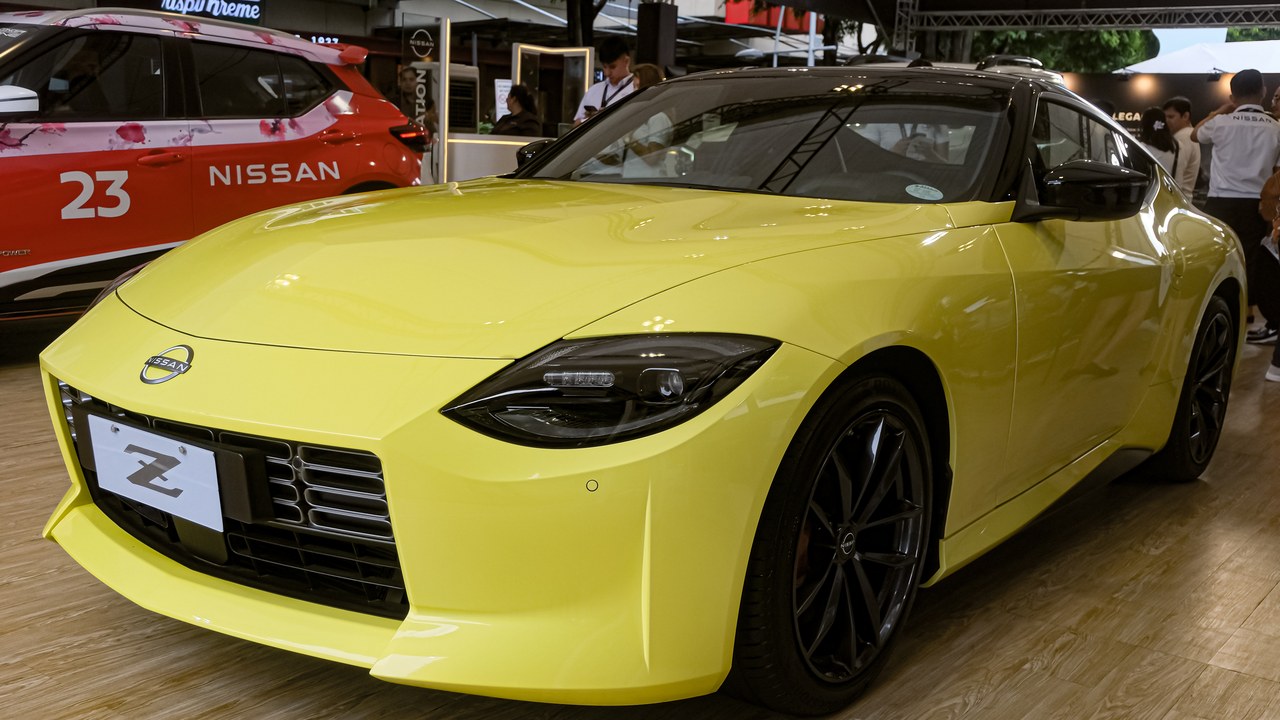
The Nissan Z carries over a twin-turbo V6 from Infiniti’s lineup, giving it strong low-rpm power that makes stop-and-go traffic less of a chore than in a peakier, high-revving rival. Its cabin borrows heavily from the outgoing 370Z’s dimensions, so headroom and legroom stay generous for taller drivers, and the available automatic transmission makes daily commuting less demanding than a manual-only lineup.
Trunk space is modest but accepts a couple of soft bags, and outward visibility benefits from the coupe’s relatively upright windshield compared with lower, more extreme rivals. Fuel economy lags behind four-cylinder competitors, though Nissan’s dealer network keeps routine service straightforward.
8. Audi TT: Refined Hatchback Coupe
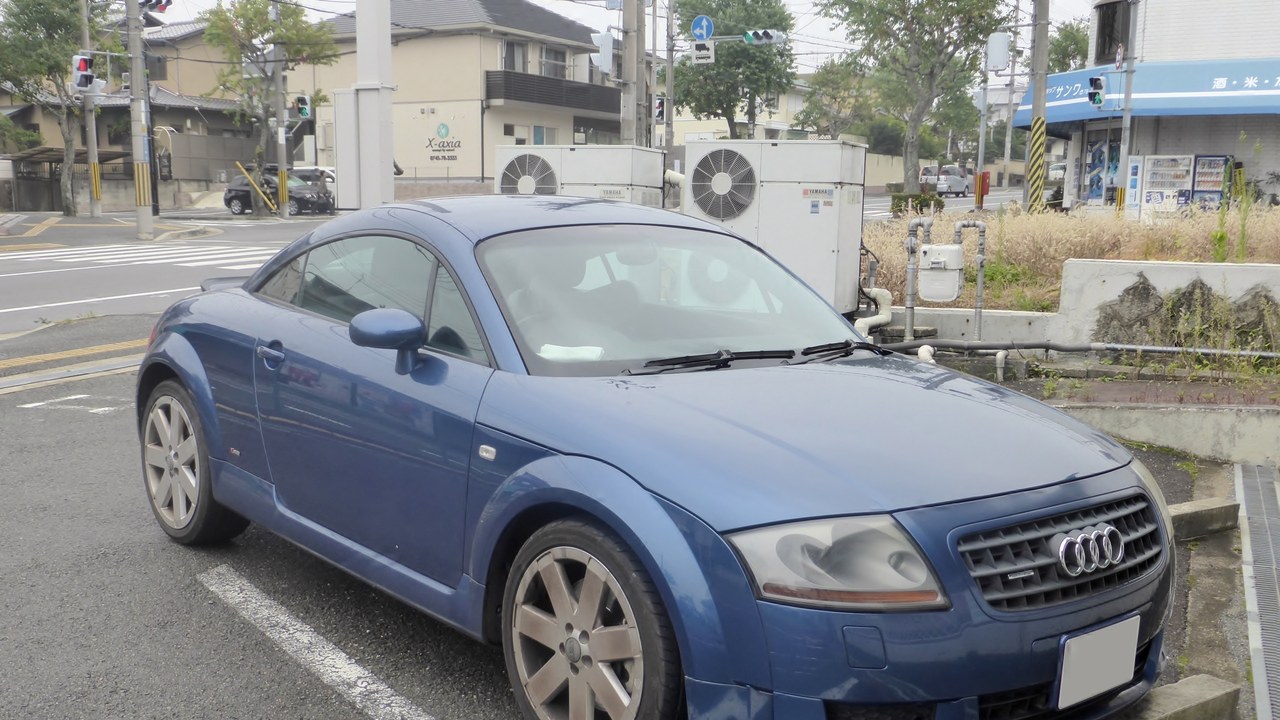
The Audi TT wraps its turbocharged four-cylinder engine and standard all-wheel-drive quattro system inside a compact hatchback body, giving it foul-weather grip and a cargo hatch that swallows more gear than a typical two-door coupe. Cabin materials lean upscale, and the digital instrument cluster keeps navigation and climate controls within easy reach on a commute.
Rear seats function mainly as extra cargo space rather than for passengers, but the ride stays composed on rough pavement thanks to a relatively long wheelbase for the car’s size. Production ended in the mid-2020s, so buyers now shop the used market, where reliability has generally held up well for the model.
More from Morning Overview
- More than 60,000 people flee the Spokane area as complex fires overrun 600 structures
- 11 engines built to run well past 200,000 miles
- Card skimmers hidden on gas pumps and ATMs are draining accounts, and here’s the tell
- The FBI says hackers are hijacking outdated home routers, and it named the models to check
