
A new car’s showroom shine can hide how quickly its value, reliability or running costs turn sour within the first two years. Steep depreciation, fragile batteries and pricey repairs push some models onto owners’ regret lists faster than most. The following eight vehicles draw the most buyer’s remorse soon after purchase.
1. Tesla Cybertruck: Hype Meets Hard Depreciation
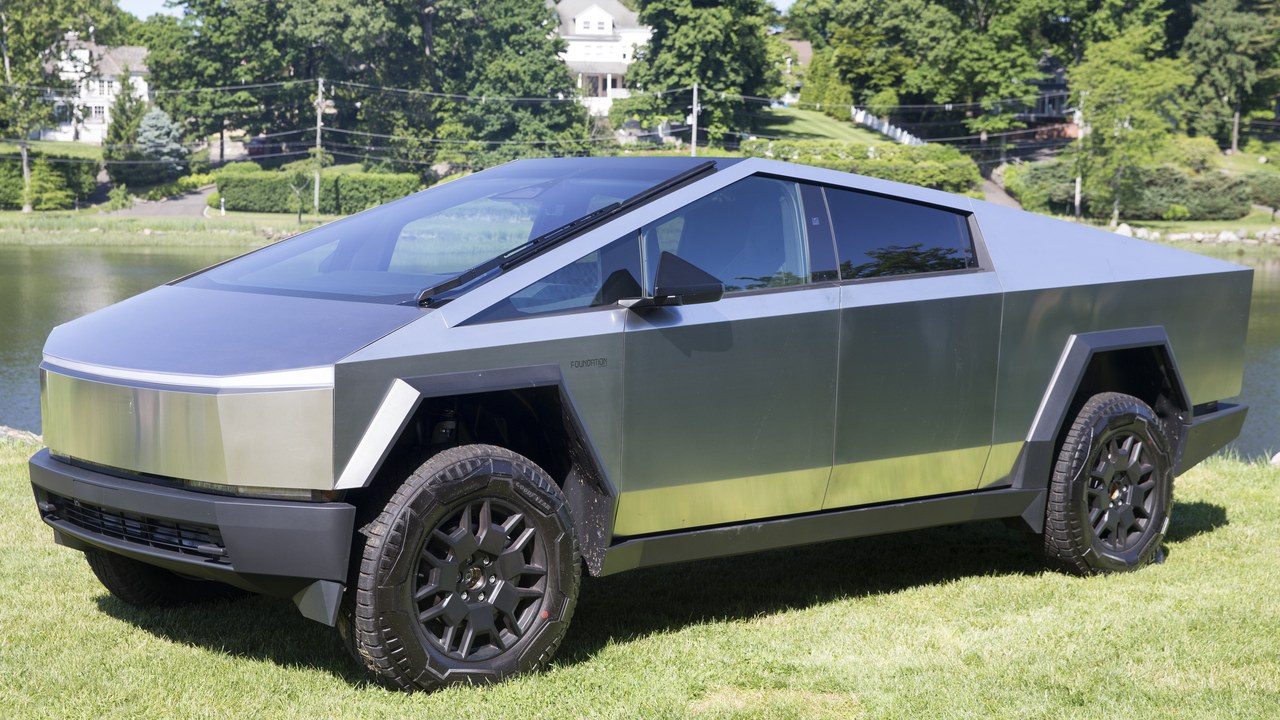
The Tesla Cybertruck arrived with enormous hype and long waitlists, yet early buyers have watched its numbers slide. Its steep sticker price, well-documented panel-gap complaints and questions about long-term durability have combined to soften demand on the used market, where resale figures tracked by a value-retention study point to faster depreciation than the launch frenzy suggested.
That gap between expectation and reality is what fuels the regret. Owners who paid a premium for scarcity find the truck worth noticeably less once newer supply and discounts reach the secondary market, and repair uncertainty around its stainless body adds another reason some wish they had waited.
2. Nissan Leaf: Battery Fade Bites Resale
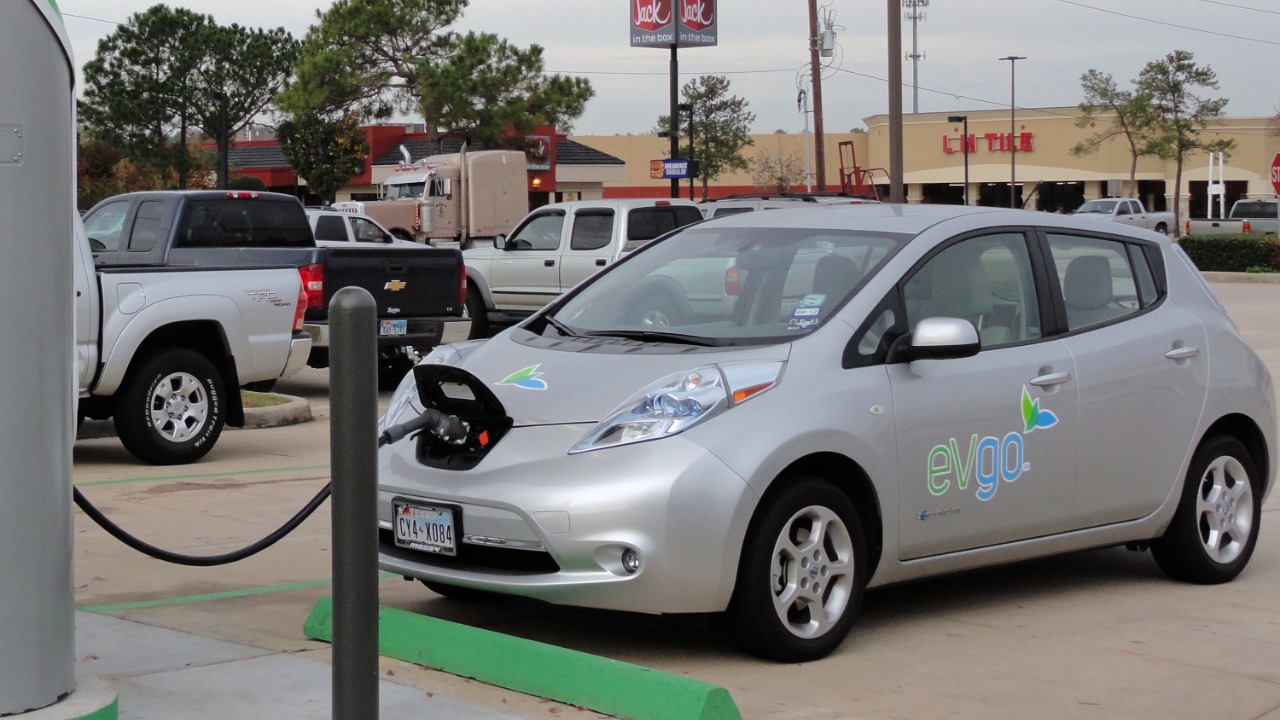
Early Nissan Leaf models pioneered affordable electric driving, but their air-cooled battery packs did not age gracefully. Without active thermal management, capacity fades measurably over the first years, especially in hot climates, shrinking range and cutting deep into resale value that once looked competitive against gas rivals, a tradeoff visible in federal fuel-economy data on aging electric cars.
Buyers drawn in by low upfront prices often discover the catch later. A used Leaf with a degraded pack may deliver far fewer miles per charge than advertised when new, and replacement batteries can cost more than the car is worth, leaving owners feeling stranded by a vehicle that depreciated harder than they expected.
3. BMW 7 Series: Flagship Tech, Fast Fall
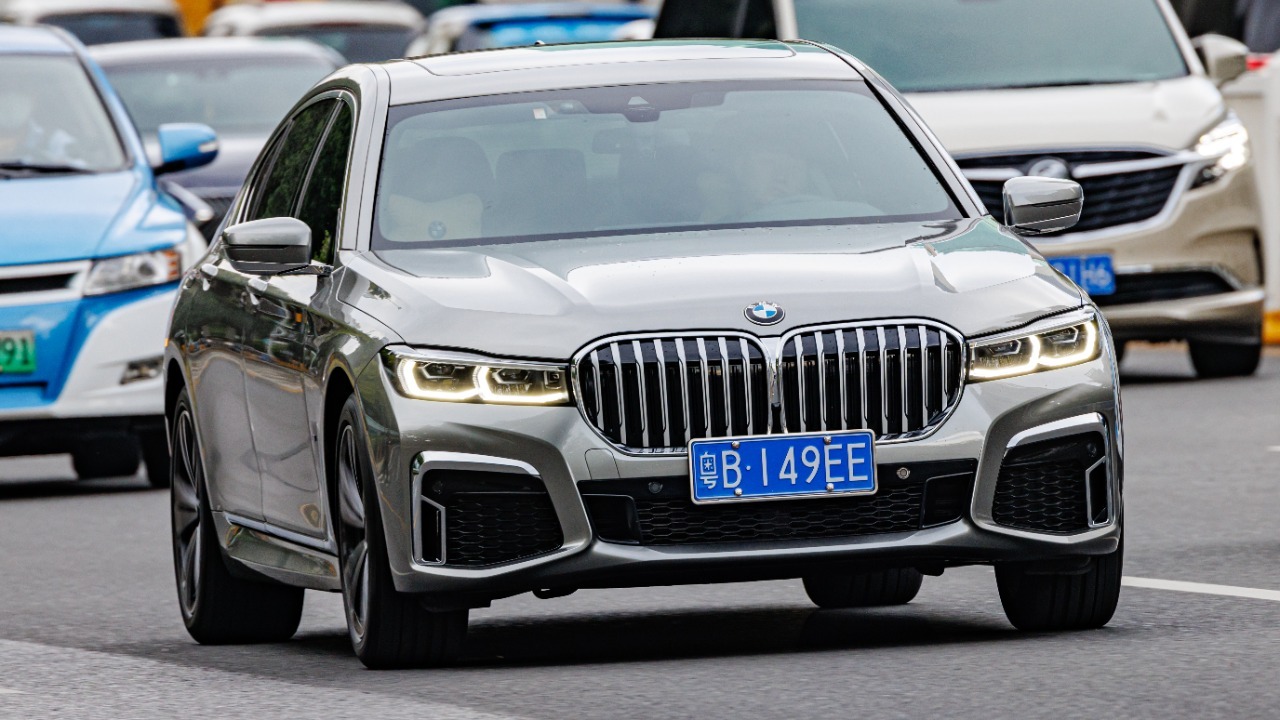
The BMW 7 Series flagship dazzles with cutting-edge technology, a plush cabin and a commanding presence when new, yet those same features drive brutal depreciation. As the flagship sedan ages, its complex electronics and luxury systems become expensive liabilities, and resale-value rankings place it among the fastest-falling models in its segment.
The problem compounds for second owners facing repair bills that rival a modest car’s price. A high-mileage 7 Series can trade for a fraction of its original cost while air suspension, iDrive modules and turbocharged engines threaten large outlays, a combination that turns an aspirational purchase into a cautionary tale within a couple of years.
4. Maserati Ghibli: Italian Glamour, Steep Cost
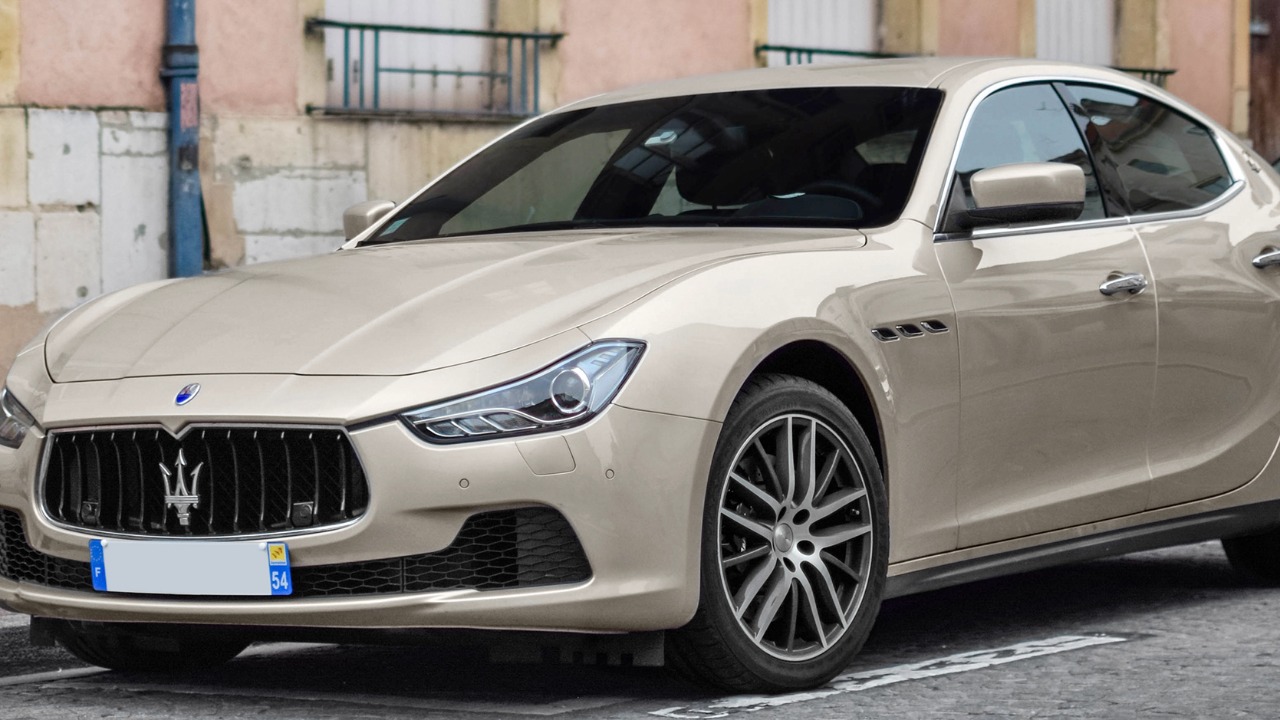
The Maserati Ghibli offers exotic badge appeal and Italian styling at a price that undercuts pricier exotics, but that bargain is an illusion. Buyers who read the model’s history find a sedan that sheds value with startling speed, often losing a large share of its sticker within the first two years on the road.
Beyond depreciation, ownership costs magnify the regret. Maserati servicing, specialized parts and shorter maintenance intervals push running expenses well above mainstream luxury sedans, so an owner drawn in by the trident emblem can face steep upkeep bills at the same time the resale value is collapsing beneath the car.
5. Jaguar XF: Elegance That Loses Value
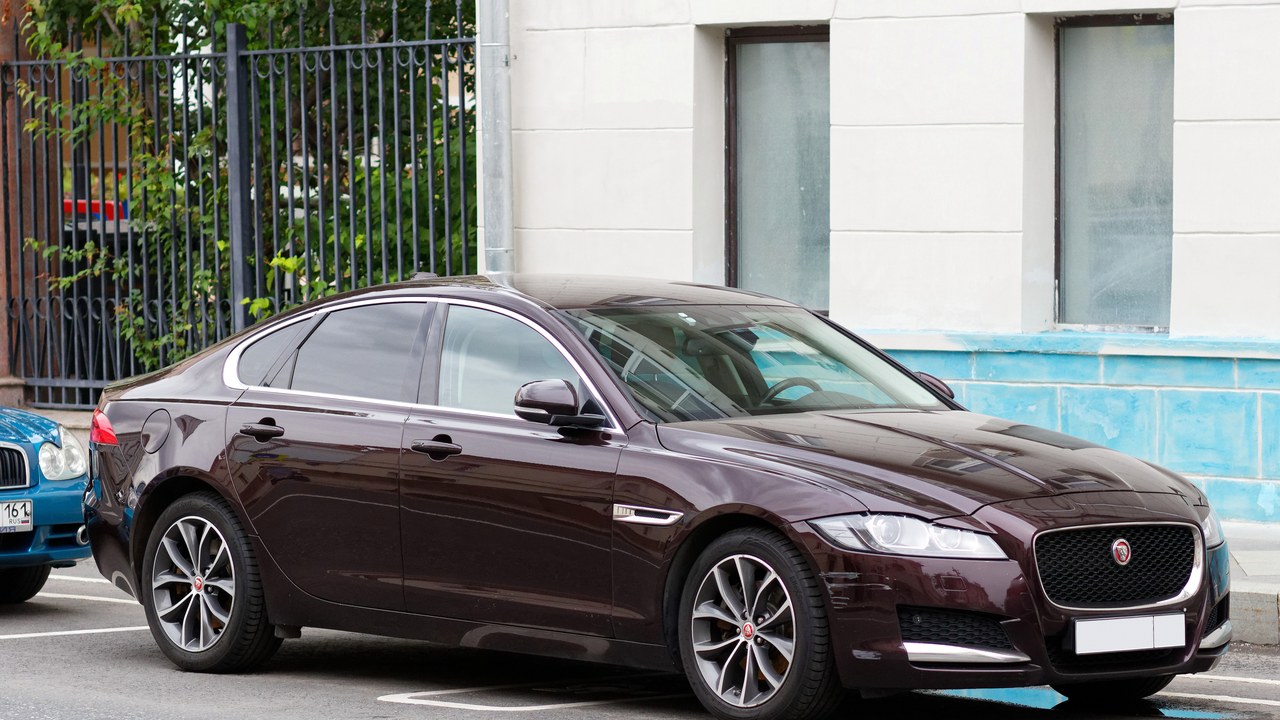
The Jaguar XF pairs elegant British design with a supple ride, winning admirers in the showroom, yet it slides in value faster than most rivals in the executive class. Reviewing the sedan’s specifications shows a capable car, but weak brand-wide resale and limited demand on the used market accelerate its decline soon after purchase.
For owners, the sting comes at trade-in time. An XF that felt like a savvy alternative to German sedans can be worth far less than a comparable BMW or Mercedes after two years, and lingering questions about reliability and repair costs give buyers one more reason to hesitate before signing.
6. Fiat 500e: Small Range, Big Frustration
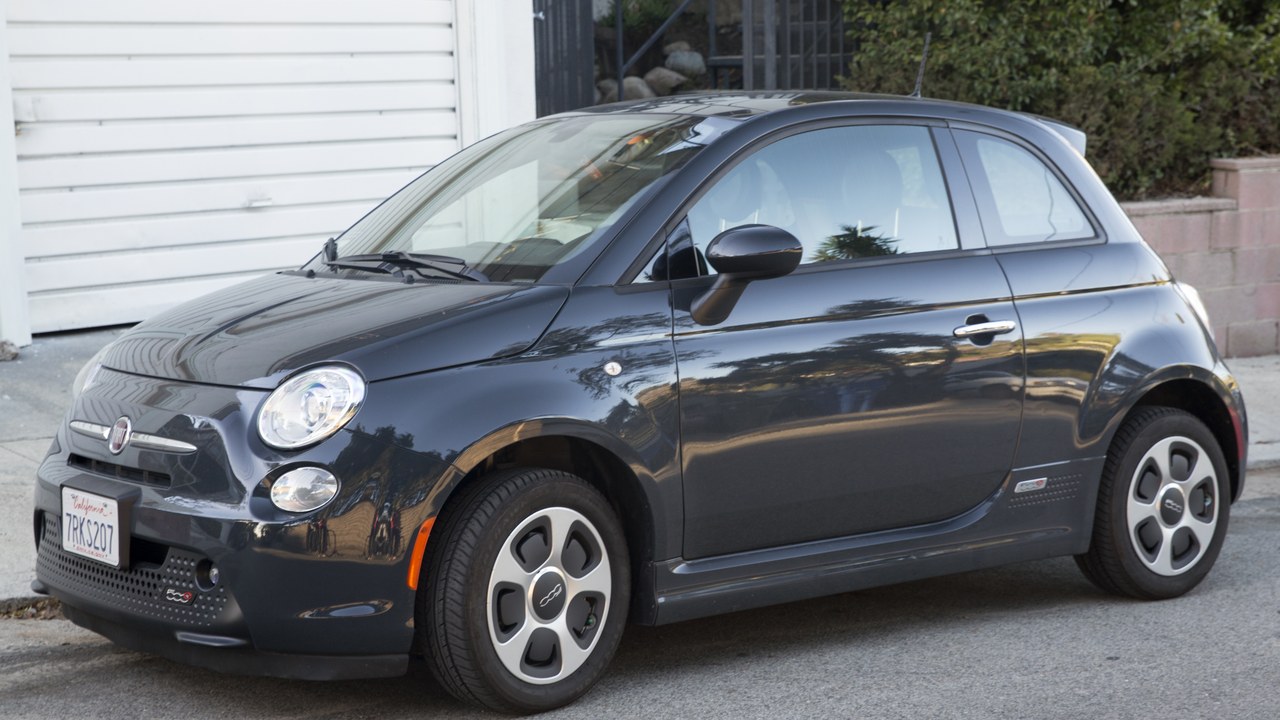
The Fiat 500e charms with retro looks and city-friendly dimensions, but its shortcomings surface quickly for daily drivers. Early versions paired a tiny battery with modest range, and thin dealer support in many regions made service and parts a headache, details that the electric hatchback’s profile helps explain for prospective buyers.
Those limits translate into fast depreciation and buyer frustration. A 500e that struggles to cover a long commute on one charge, backed by a sparse service network, loses appeal on the resale market, and owners who wanted an easy urban runabout often find the ownership experience more limiting than the cheerful styling implied.
7. Land Rover Discovery: Capable But Unreliable
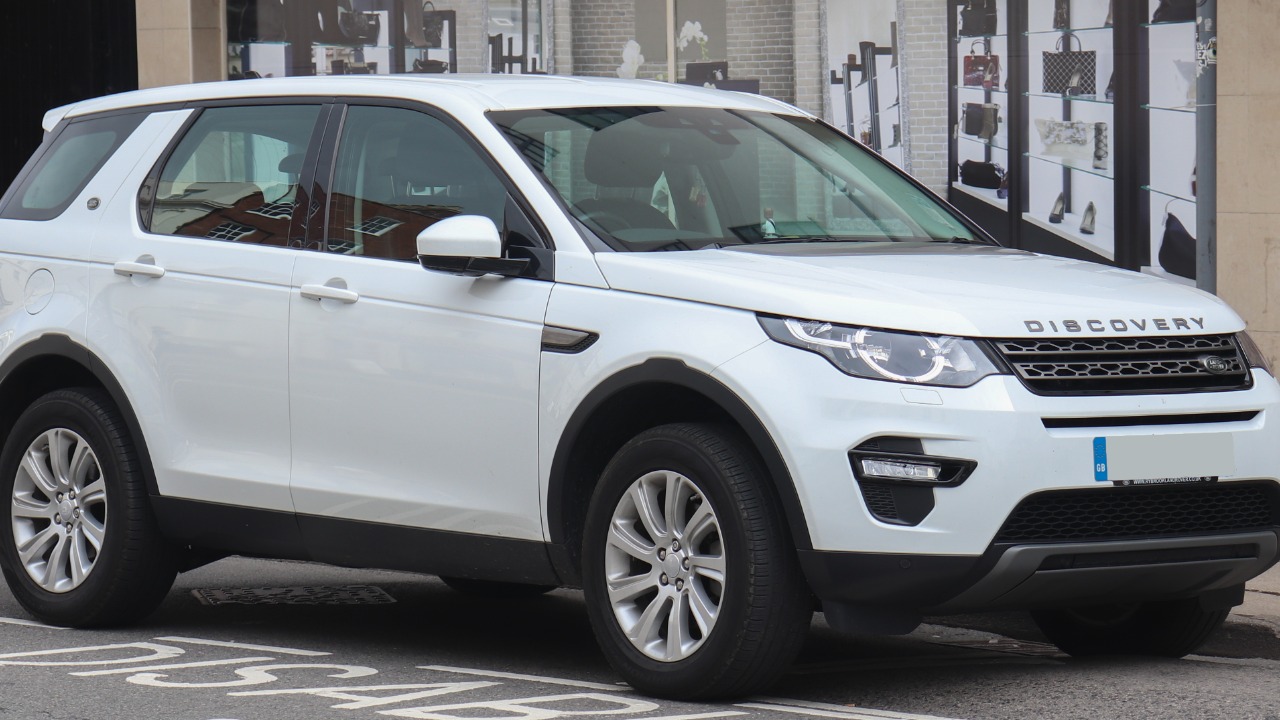
The Land Rover Discovery blends genuine off-road capability with a premium, tech-laden cabin, a combination that appeals strongly at the dealership. Its weakness is dependability: the model carries a reputation for electrical gremlins and costly mechanical issues, and it lands low in reliability rankings that many shoppers consult before committing to a large SUV.
Reliability worries chase the Discovery through the first years of ownership and drag down its resale value. Buyers who love the badge and the capability can face frequent repairs and rapid depreciation, a pairing that leaves some regretting the purchase once warranty coverage lapses and out-of-pocket service bills begin to arrive.
8. Infiniti QX80: Thirsty And Quick To Drop
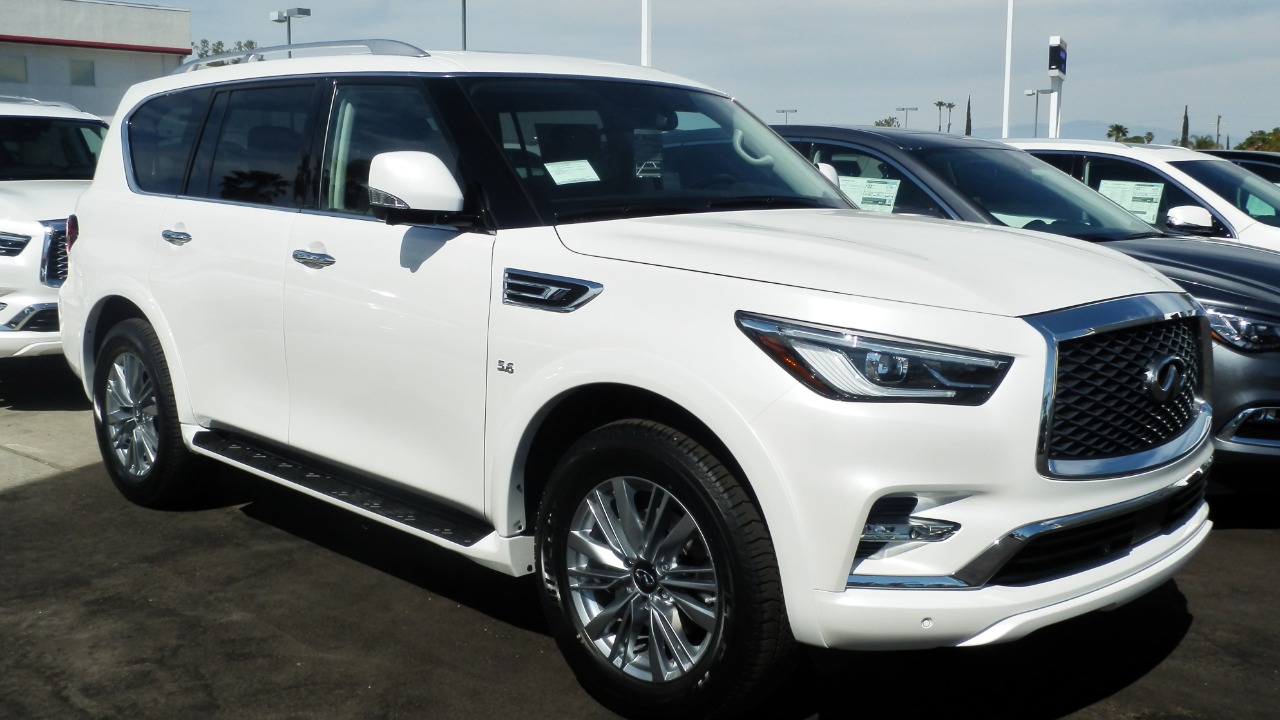
The Infiniti QX80 delivers three-row space, a cushy ride and a bold road presence, but its appetite for fuel undermines the value proposition. The big luxury SUV posts thirsty economy figures, and its resale trajectory disappoints, with the full-size SUV’s record showing steep depreciation compared with better-known rivals from Cadillac and Lincoln.
That combination of high running costs and weak retained value defines the regret. Owners pay repeatedly at the pump while watching the truck’s worth fall faster than expected, and a dated design in earlier years gave shoppers little reason to pay strong used prices, deepening the gap between purchase cost and eventual return.
More from Morning Overview
