
New-car prices have climbed far enough that the genuinely affordable end of the market now fits on a single page. What is left there are small sedans, hatchbacks and subcompact crossovers built to a budget, most of them assembled in Mexico or South Korea. Here are ten of the cheapest new cars still on sale.
1. Nissan Versa: The Bottom of the Price Ladder
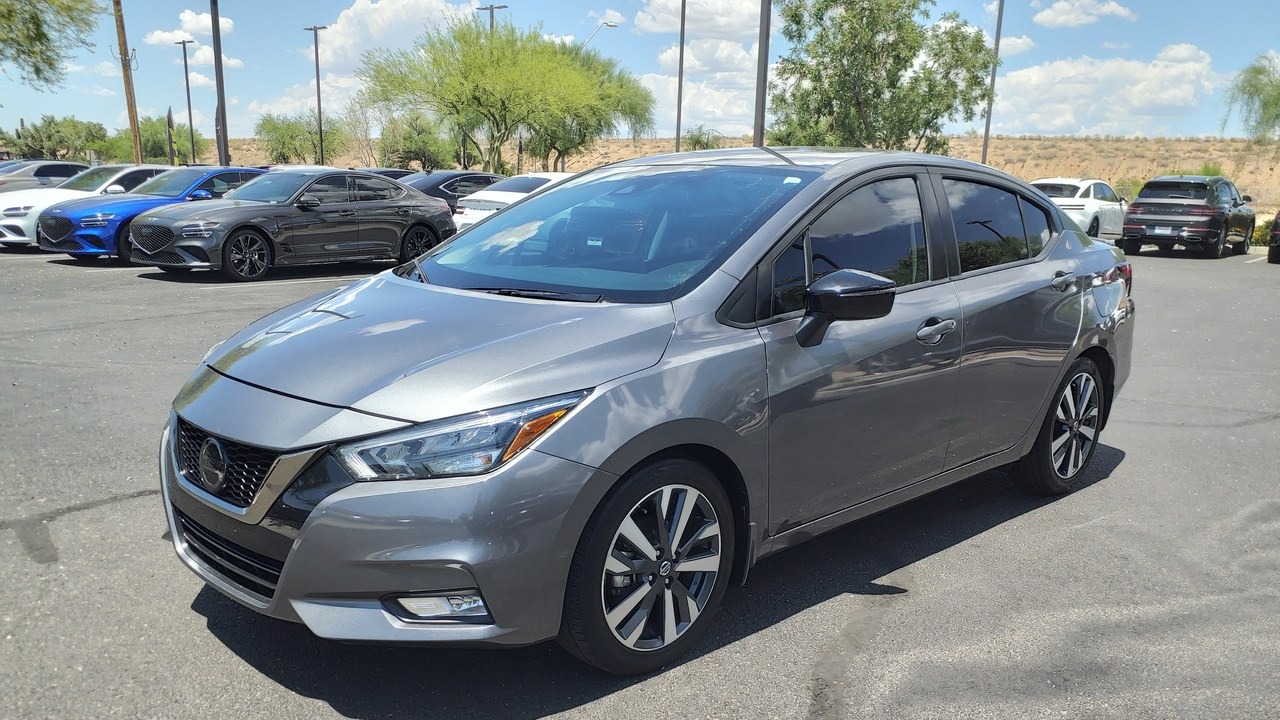
The Versa has spent most of the past decade anchoring the bottom of the American new-car market, and the current third-generation car keeps that role. Nissan’s subcompact sedan is built in Aguascalientes, Mexico, and runs a 1.6-liter four-cylinder driving the front wheels through a continuously variable transmission on most trims. It sits a full size below the Sentra, which is the entire point of it.
That positioning brings the obvious trade-offs: modest power, a plain cabin and a short equipment list on the base trim. Shoppers who want transportation rather than features tend to find the compromise tolerable, and the mechanical simplicity is a large part of why the price stays low.
2. Hyundai Venue: The Smallest Crossover in the Lineup
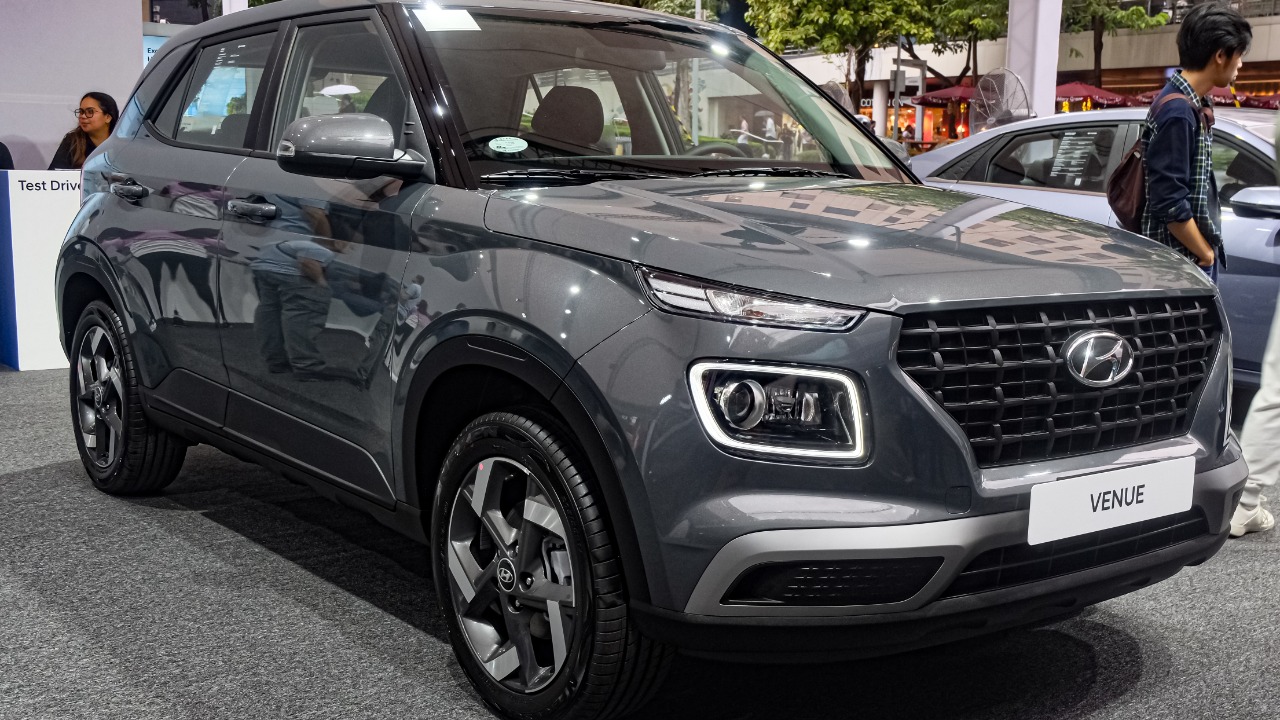
Hyundai’s cheapest model is not a car at all. The Venue is a subcompact crossover introduced for the 2020 model year and slotted beneath the Kona, powered by a 1.6-liter four-cylinder sent to the front wheels through an automatic. Unlike most vehicles wearing crossover bodywork, Hyundai’s smallest crossover has never been offered with all-wheel drive.
Leaving out a driven rear axle strips weight, complexity and cost from the package, which is precisely why the Venue undercuts machines that look similar from ten feet away. Anyone counting on traction in deep snow should read the specification sheet closely before signing anything.
3. Kia Soul: Cheap Space in a Box
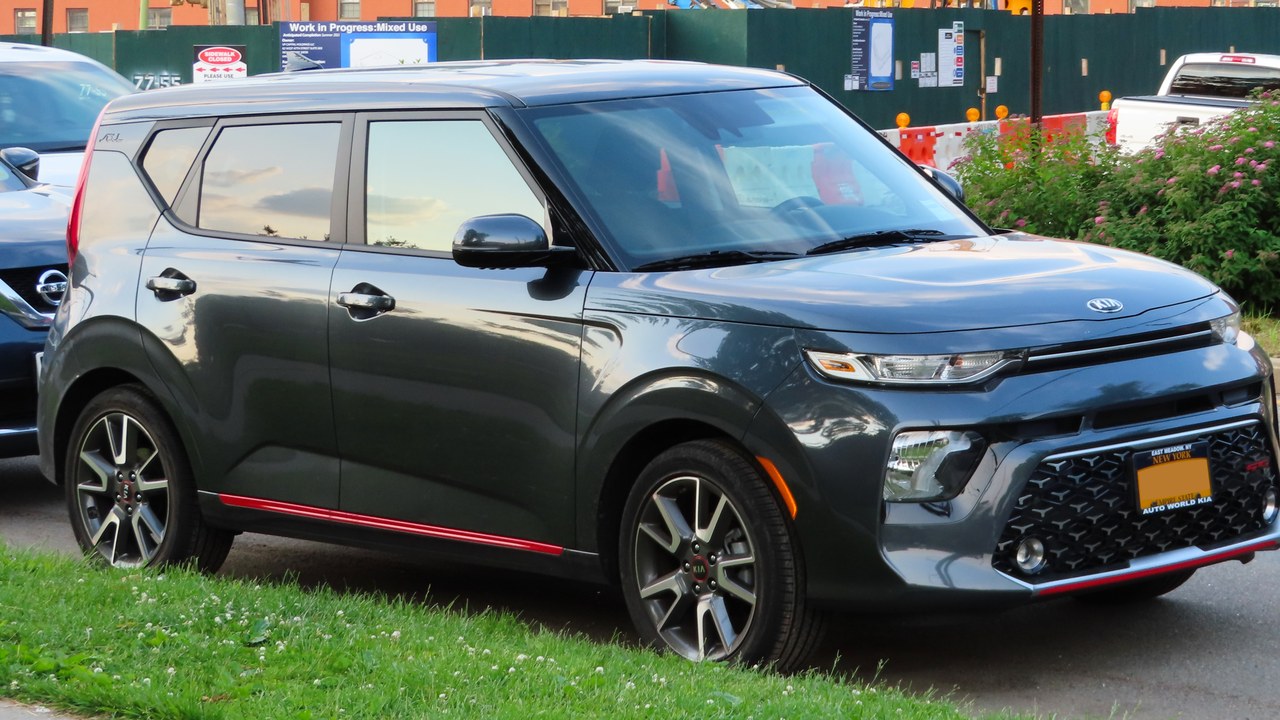
Boxy proportions do more for the Soul than styling. An upright roof and flat sides turn a small footprint into genuinely usable cargo and head room, and the third-generation car pairs that shape with a 2.0-liter four-cylinder. In the United States Kia’s boxy hatchback drives its front wheels only; all-wheel drive has never appeared on the American version.
Against the subcompact crossovers it is cross-shopped with, the Soul is a rare case of paying for interior volume instead of ride height. Ground clearance and any pretense of rough-road capability are what get surrendered, and few owners ever miss either one.
4. Chevrolet Trax: A Bigger Small SUV
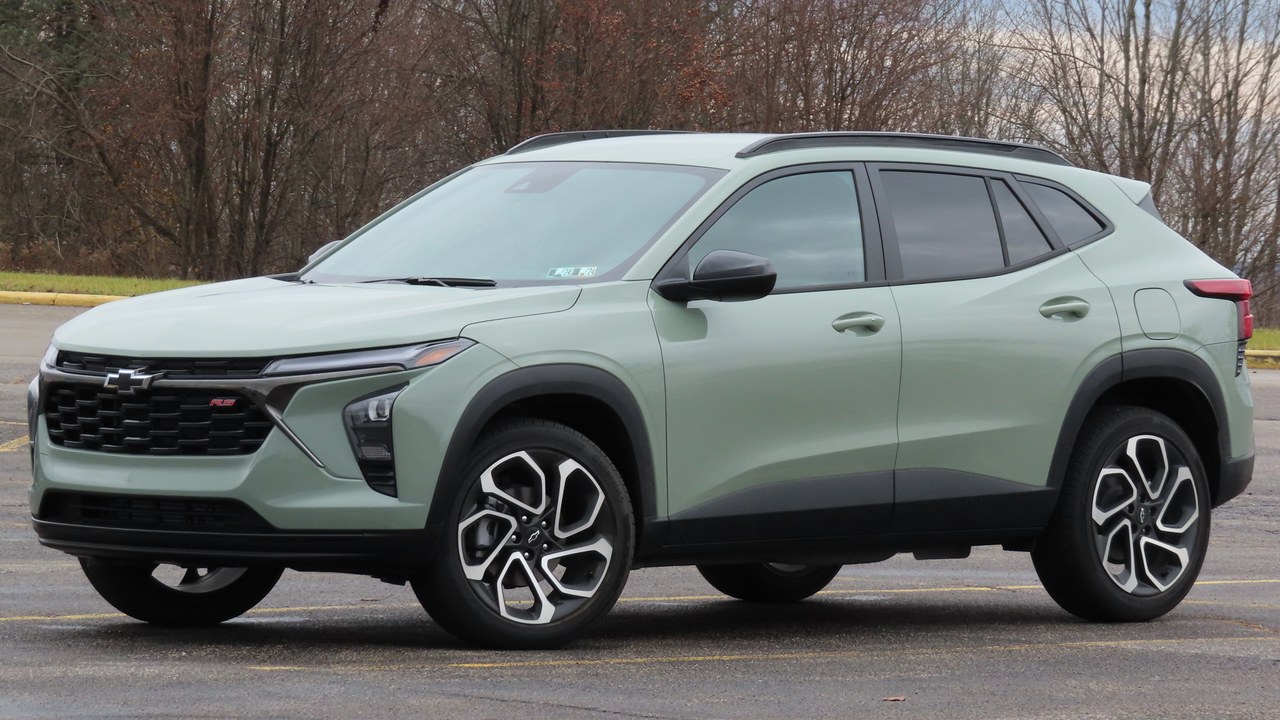
Chevrolet redesigned the Trax for the 2024 model year on a larger platform, stretching it well past the vehicle it replaced while holding it at the cheap end of the range. A turbocharged 1.2-liter three-cylinder does the work, and the second-generation Trax is sold with front-wheel drive alone. Its length and cabin space now overlap with vehicles a class above.
Near-compact dimensions at a subcompact price explain why the model became one of Chevrolet’s volume sellers almost immediately. The absent all-wheel-drive option is the concession, and it steers snow-belt shoppers toward the closely related Trailblazer instead.
5. Nissan Sentra: One Size Up, Still Affordable
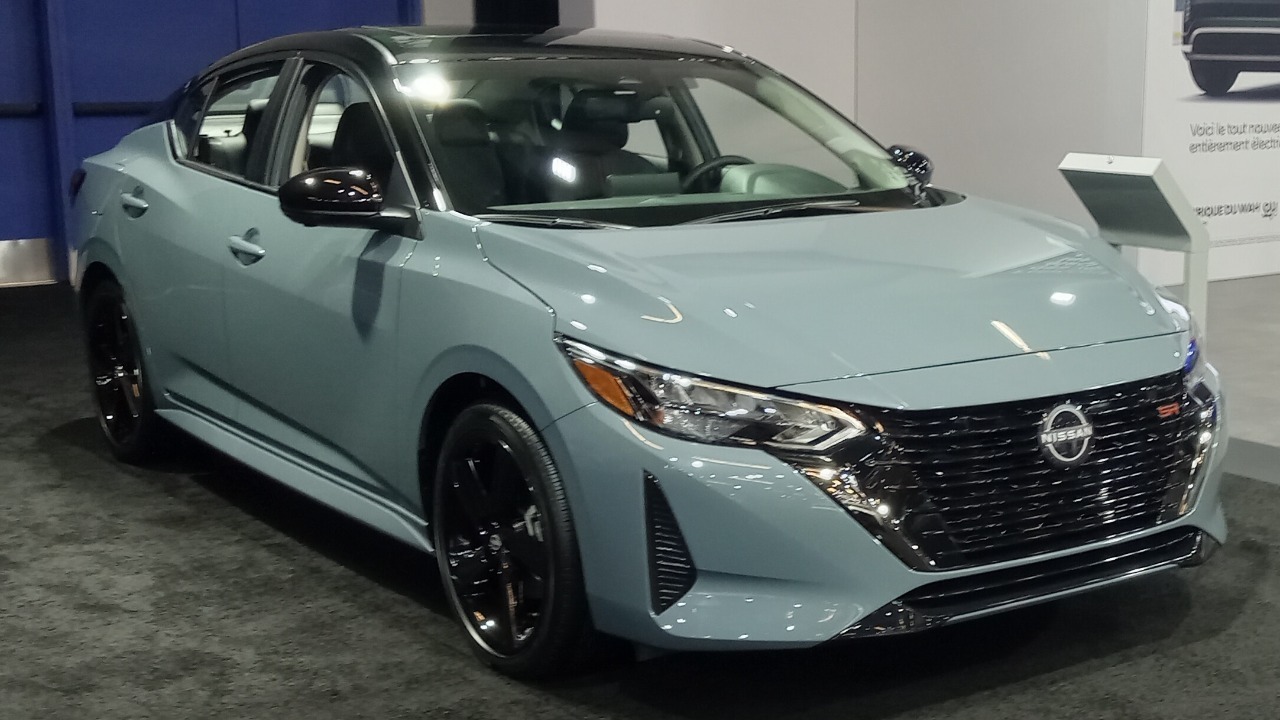
One step above the Versa sits the Sentra, which trades part of the price advantage for a longer wheelbase and a more finished cabin. The eighth-generation car matches a 2.0-liter four-cylinder to a continuously variable transmission, a combination tuned around fuel economy rather than acceleration, and Nissan’s compact sedan has carried the Safety Shield 360 driver-assistance package as standard equipment in recent years.
What emerges is a car that reads a size larger than its sticker suggests, which is the argument for spending slightly more than the subcompact option demands. Enthusiasm is not included; the transmission makes that plain the moment the throttle is opened.
6. Kia K4: The Forte’s Replacement
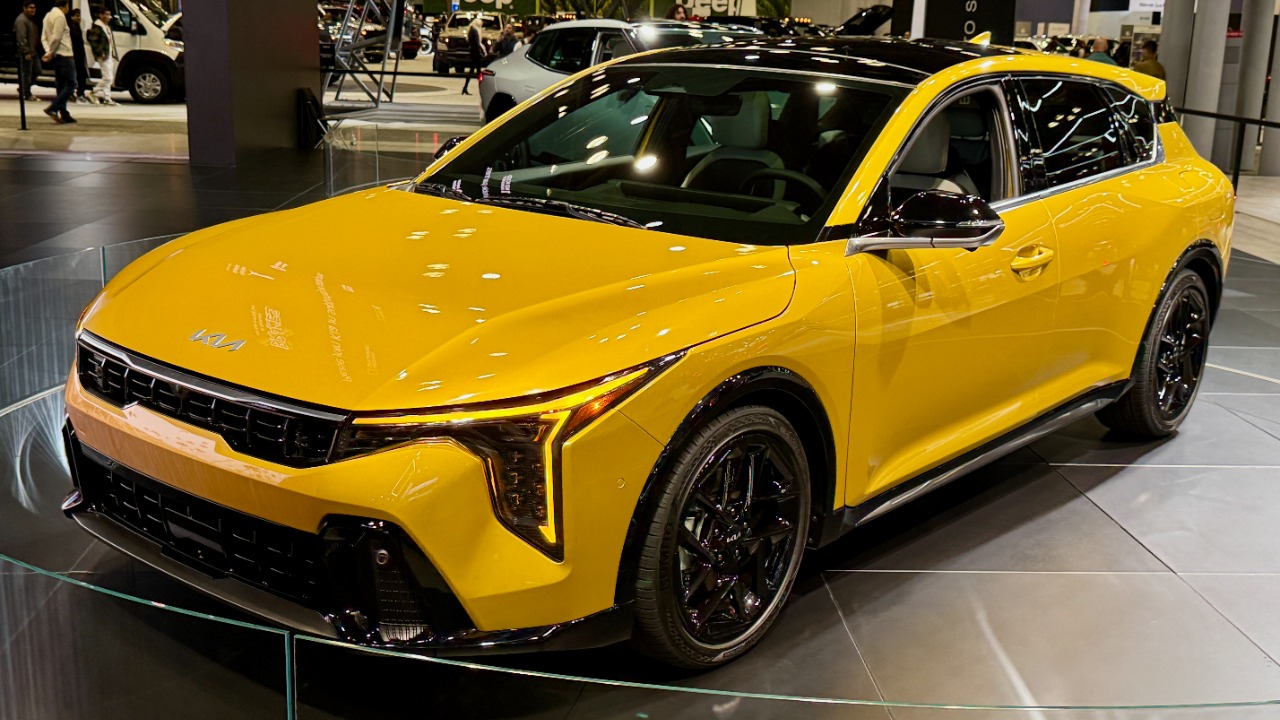
Kia retired the Forte and replaced it with the K4, a compact sedan that arrived for the 2025 model year with sharper styling and more length between the axles. A 2.0-liter four-cylinder is the base engine, a 1.6-liter turbocharged unit is offered higher up the range, and Kia’s compact sedan is also sold in hatchback form.
Retiring a familiar nameplate is a gamble, yet the K4 inherited the Forte’s job as the least expensive sedan Kia sells. The longer body buys rear-seat room the outgoing car never had, which matters more at this price than the new badge does.
7. Toyota Corolla: The Default Budget Car
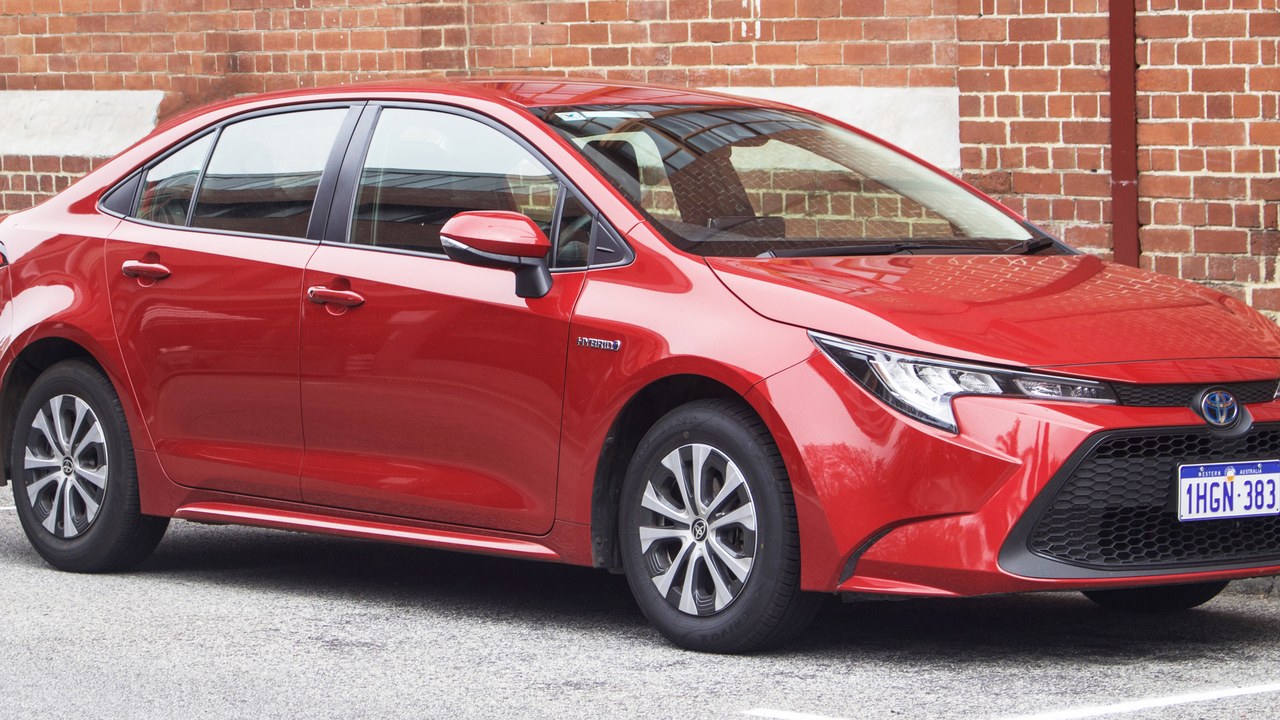
No nameplate has sold more. Toyota has moved well over 50 million Corollas since 1966, and the twelfth-generation Corolla remains the cheapest passenger car the company sells in the United States. Hybrid powertrains are offered alongside the conventional gasoline four-cylinder, and the same generation is built in hatchback form as well as the familiar sedan.
Resale value and repair costs are the quiet half of the case: a cheap car that holds its price and rarely needs unscheduled work costs less across a decade than the window sticker implies. Very little about the driving experience is memorable, which is not an accident.
8. Hyundai Elantra: Equipment at an Entry Price
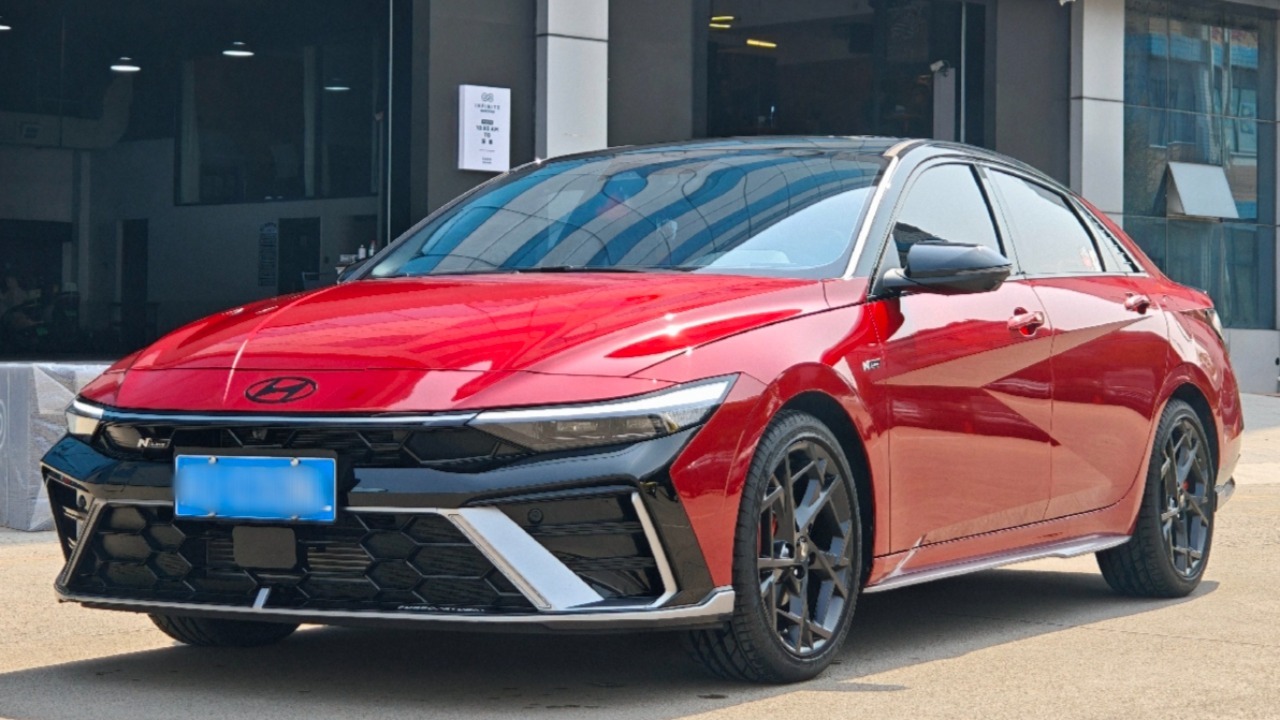
Content rather than austerity is the Elantra’s argument. The seventh-generation car arrived for 2021 with a sharply creased body, a broad standard-feature list and a hybrid option, then took a substantial facelift two years later. A 2.0-liter four-cylinder serves as the base engine, and Hyundai’s compact sedan also underpins the sportier N Line and the full Elantra N.
Few rivals at this price come with a powertrain warranty as long as Hyundai’s, which blunts the usual worry about inexpensive cars aging badly. The styling divides opinion sharply enough that seeing one in person is worth the trip before committing.
9. Subaru Impreza: All-Wheel Drive as Standard
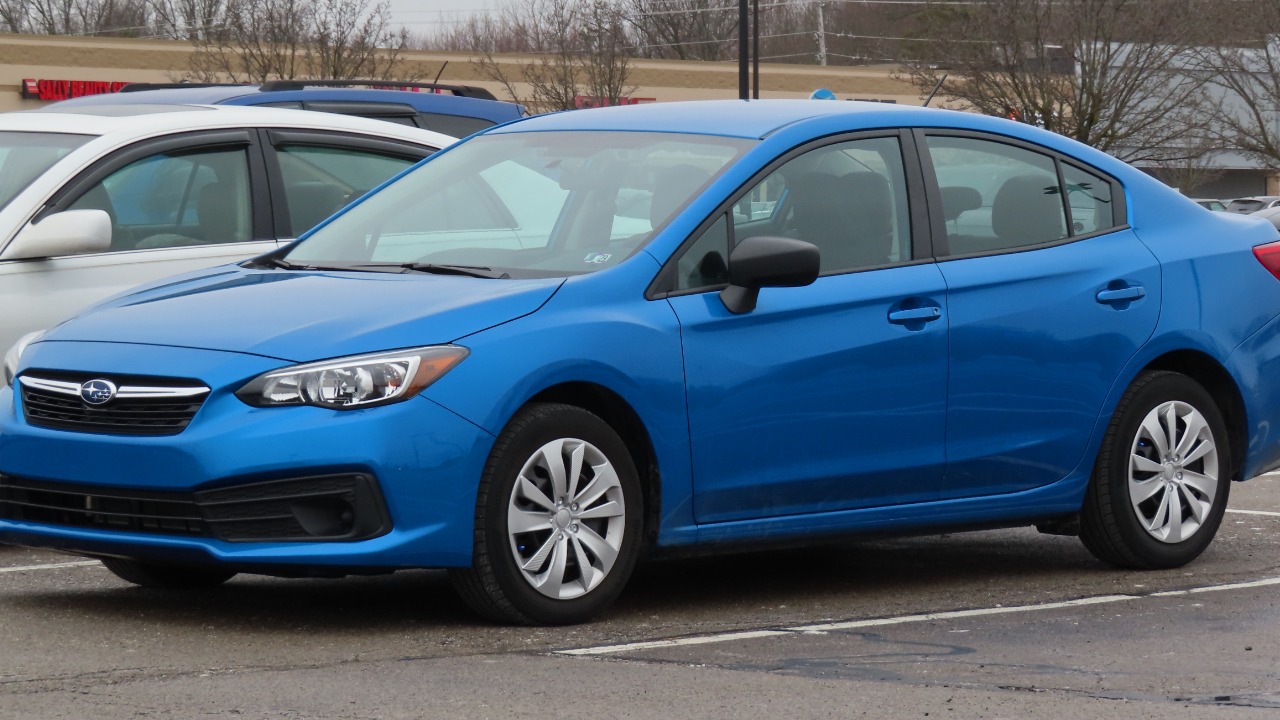
Almost nothing else this cheap includes all-wheel drive as standard equipment, and that is the Impreza’s whole pitch. A 2.0-liter flat-four drives every wheel through Subaru’s symmetrical layout, while the sixth-generation car, launched for 2024, is sold in North America only as a hatchback. It stays Subaru’s entry-level model on price.
In a snow belt the arithmetic shifts, because adding all-wheel drive to a front-drive rival usually costs more than the gap between the two cars. Fuel economy is what gets paid in exchange, since turning four wheels instead of two is never free.
10. Volkswagen Jetta: A Bigger Cabin for the Money
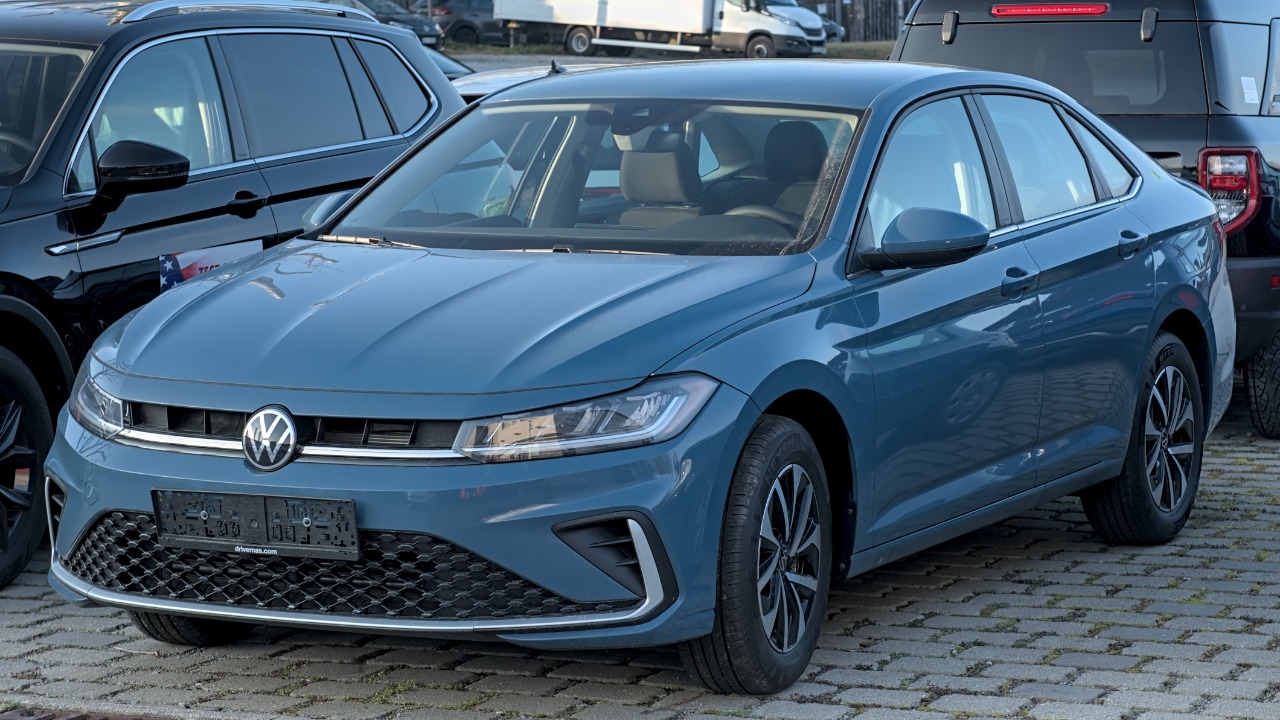
Volkswagen sells the Jetta as the roomy choice among cheap compacts, and the seventh-generation car, assembled in Puebla, Mexico, has the wheelbase to support the claim. A turbocharged 1.5-liter four-cylinder is standard equipment, while the performance-oriented GLI uses a 2.0-liter turbocharged engine shared with hotter Volkswagens. Trunk volume is unusually generous for the segment.
Ride composure is the second selling point, and the Jetta settles at highway speed in a way several cheaper rivals do not manage. Maintenance costs later in the car’s life are the standing counterargument, and they belong in the calculation.
More from Morning Overview
