Image Credit: MercurySable99 - CC BY-SA 4.0/Wiki Commons
The manual transmission has become a niche order-sheet option rather than the default, squeezed out by dual-clutch boxes and torque-converter automatics that shift faster than any human. A handful of automakers still build cars around a clutch pedal, and several of them are ordinary showroom purchases rather than exotica. Here are twelve 2026 models that still offer three pedals.
1. Toyota GR Corolla: Three Pedals From The Factory
<p>Image Credit: Alexander Migl – CC BY-SA 4.0/Wiki Commons</p>
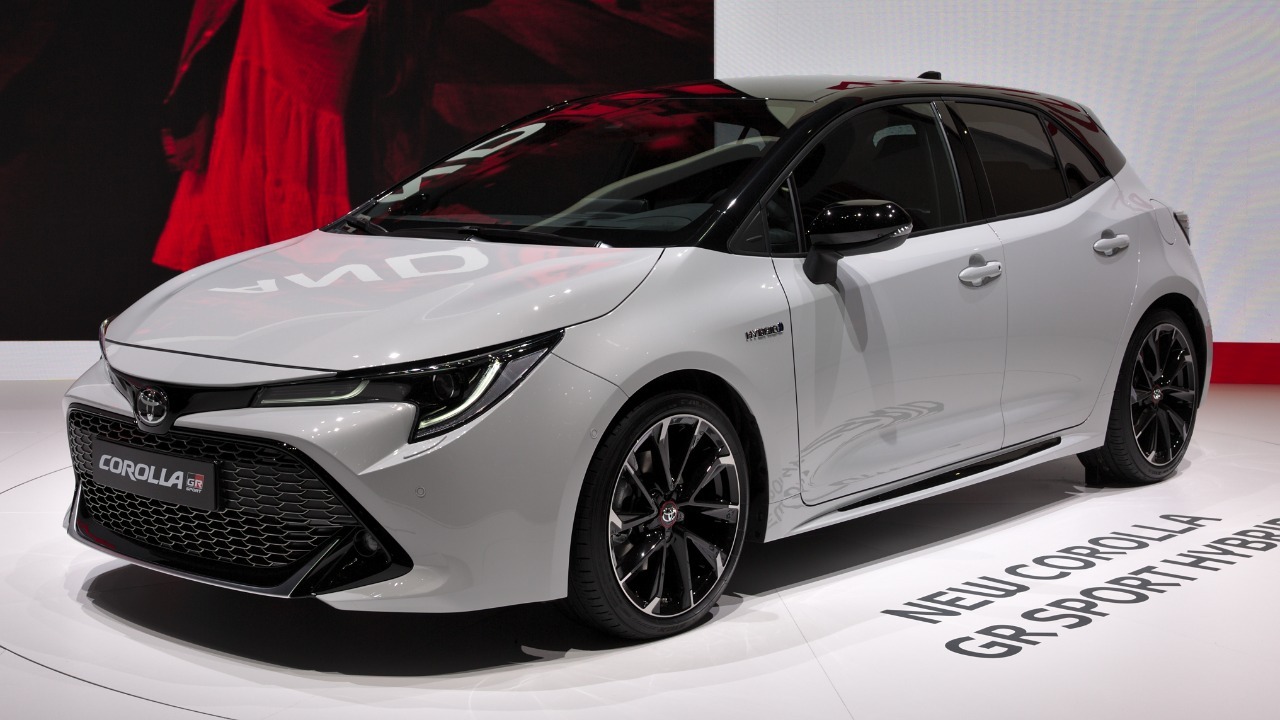
Toyota built the GR Corolla around a 1.6-liter turbocharged three-cylinder rated near 300 horsepower, feeding a rally-derived all-wheel-drive system whose front-to-rear torque split the driver selects. A six-speed manual with rev-matching software is the transmission the car launched with, according to the GR Corolla’s drivetrain details.
An automatic has since joined the range, so the clutch pedal is now a choice rather than the only way in. Production runs and trim availability move around, which makes manual cars harder to find on a dealer lot than the order books suggest.
2. Toyota GR86: A Coupe Designed Around The Clutch
Image Credit: Elise240SX – CC BY-SA 4.0/Wiki Commons
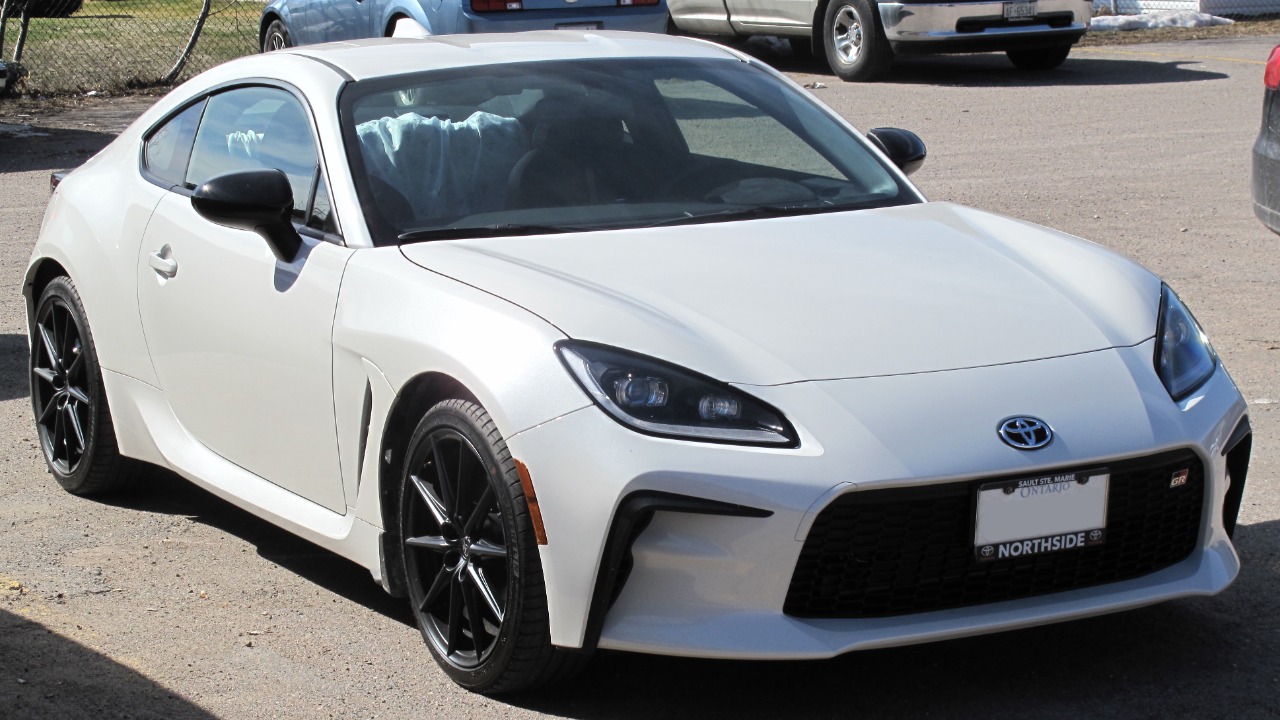
Rear-wheel drive, a curb weight under 2,900 pounds and a naturally aspirated 2.4-liter flat-four making 228 horsepower define the GR86, a combination that rewards gear selection over outright power. The six-speed manual is standard equipment and an automatic is the alternative, as the coupe’s technical listing sets out.
Little about the package is quick in a straight line by modern standards. Appeal comes from a low-inertia engine and a short shift throw that make an ordinary back road interesting, which is a different proposition from a horsepower figure.
3. Subaru BRZ: The Same Recipe, A Different Badge
Image Credit: Alexander-93 – CC BY-SA 4.0/Wiki Commons
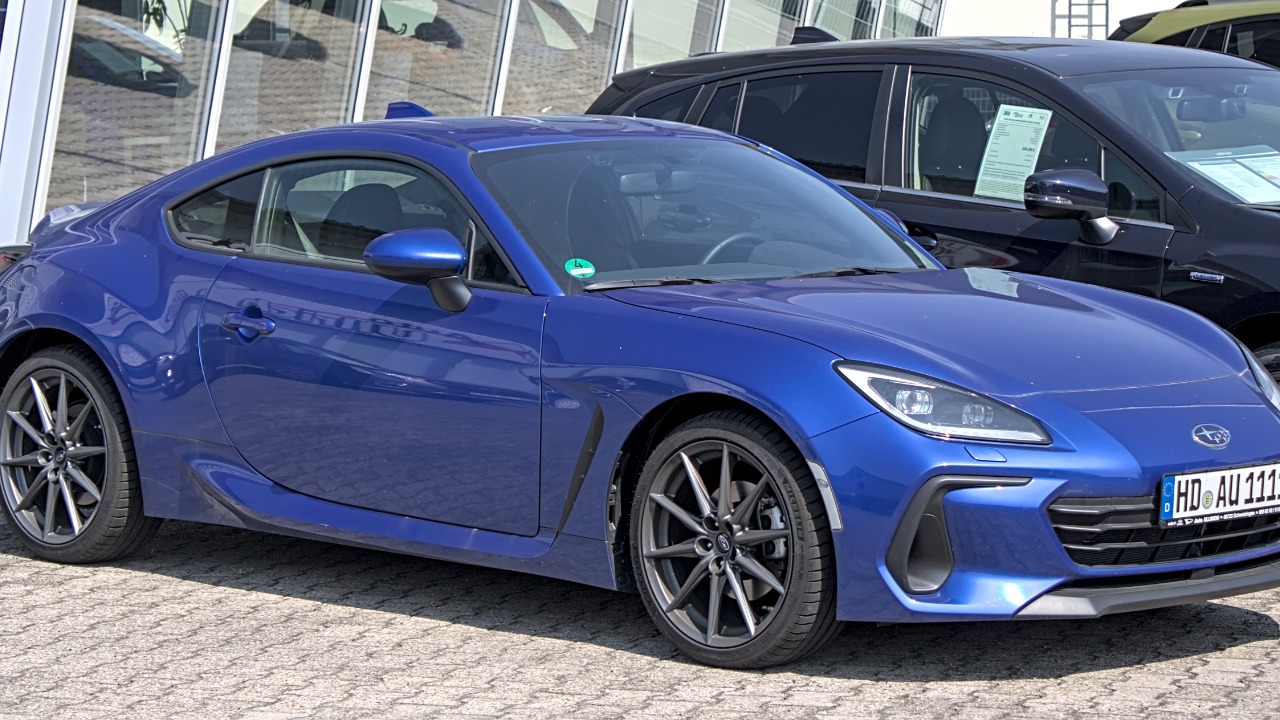
Subaru’s BRZ shares its platform and its 2.4-liter flat-four with the GR86, and the six-speed manual remains the standard gearbox rather than a special order. Suspension tuning, damper calibration and steering weight are where the two cars diverge, a split recorded in the BRZ’s development history.
Anyone comparing the pair usually decides on dealer network, warranty terms and trim packaging rather than mechanical substance. The manual is the common thread: both cars were engineered with a clutch pedal as the default rather than a nostalgic option.
4. Mazda MX-5 Miata: Two Seats And A Short Shifter
Image Credit: 根川大橋 (Negawa Ohashi) – CC BY-SA 4.0/Wiki Commons
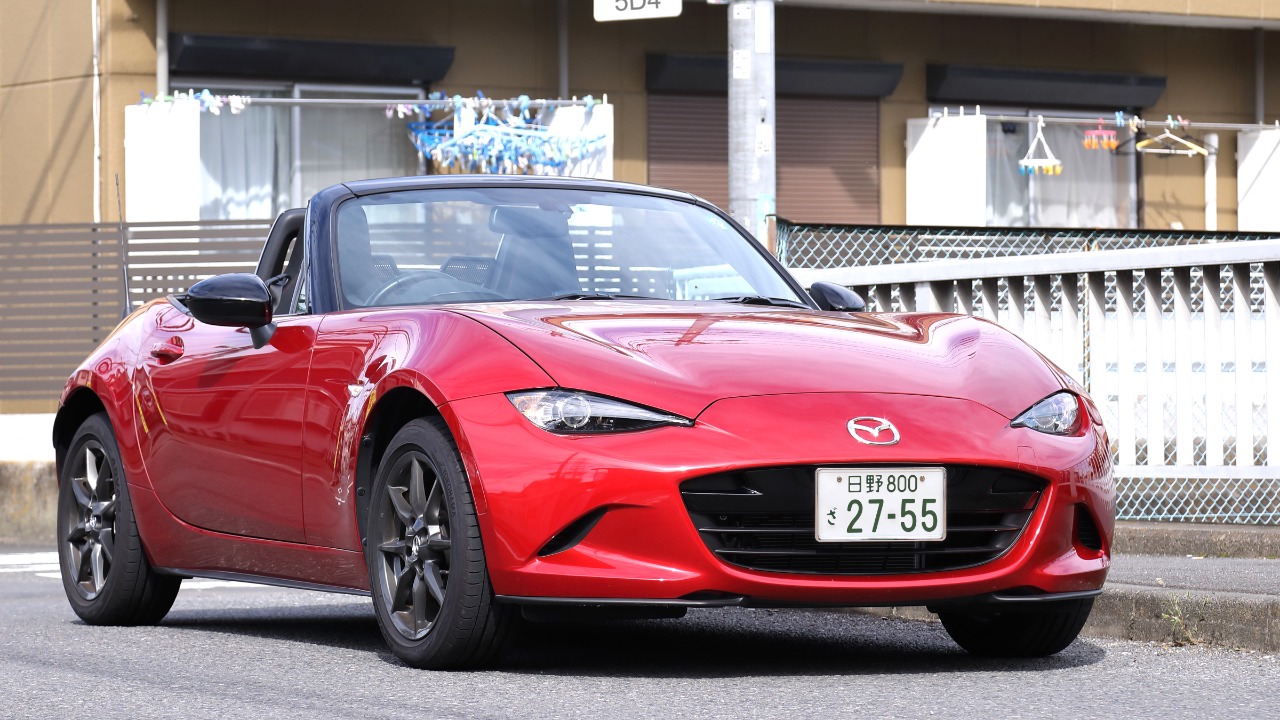
Mazda has offered a manual in the MX-5 since 1989, and the current ND generation pairs a 2.0-liter four rated at 181 horsepower with a six-speed stick and rear-wheel drive. Curb weight sits near 2,350 pounds, which keeps the roadster’s power-to-weight balance usable without large output.
An automatic exists but has never defined the car. With a shift throw measured in centimeters and a roof that folds with one hand, the MX-5 remains among the least expensive routes into a modern rear-drive manual.
5. Honda Civic Type R: Manual Only, No Alternative
Image Credit: Dinkun Chen – CC BY-SA 4.0/Wiki Commons
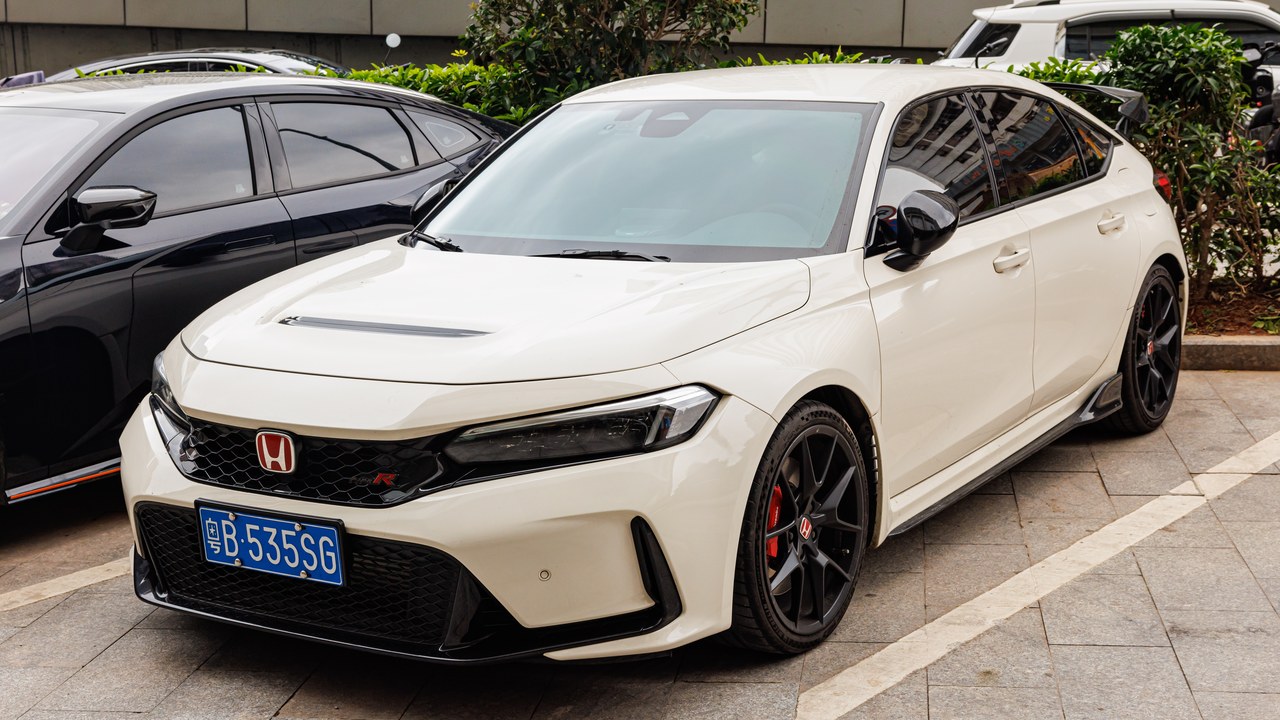
Honda sells the Civic Type R with a six-speed manual and nothing else, removing the automatic from the order sheet entirely. A turbocharged 2.0-liter engine produces 315 horsepower and drives the front wheels through a limited-slip differential, with rev-match control built into the Type R’s transmission.
A single-transmission policy is rare among performance cars still on sale. It also means used listings never split by gearbox, and every example on the market carries the same driveline it left the factory with.
6. Ford Mustang: The V8 Keeps Its Clutch
Image Credit: Oleg Yunakov – CC BY-SA 4.0/Wiki Commons
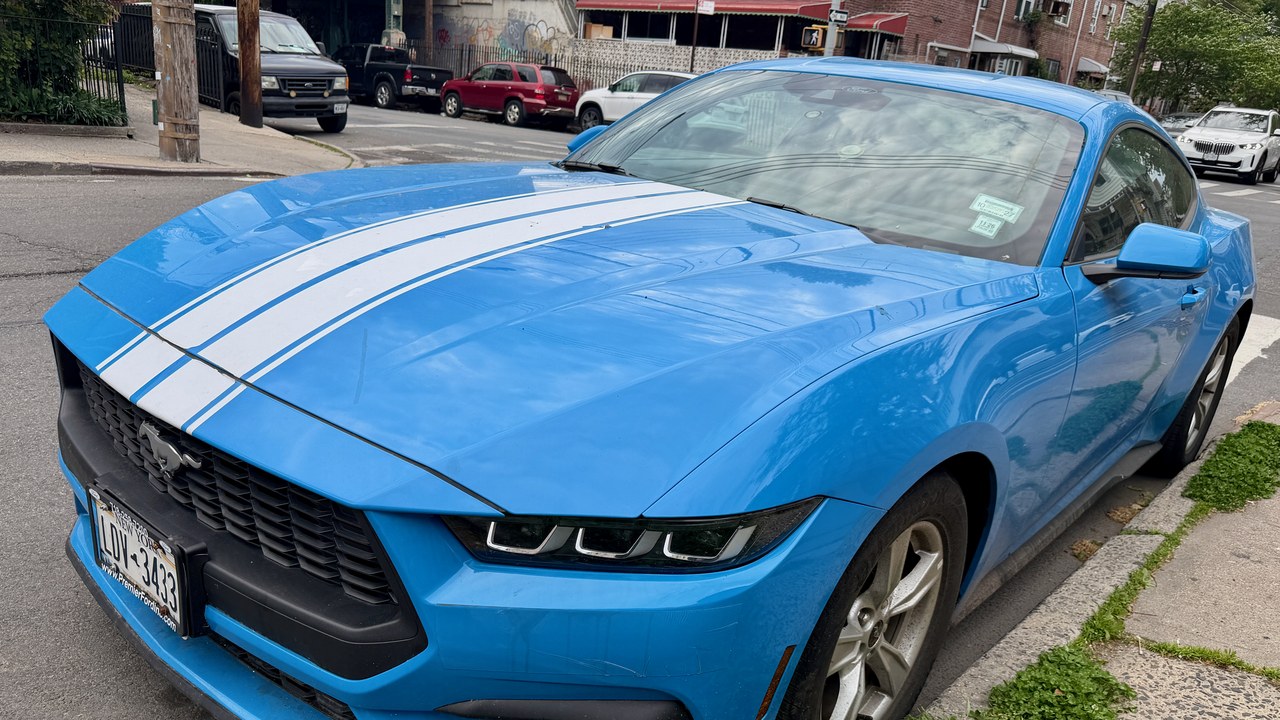
A six-speed manual is still bolted behind the Mustang GT’s 5.0-liter V8, while the turbocharged four-cylinder versions are automatic only. Engine choice and transmission choice are therefore the same decision, a constraint spelled out by the Mustang’s current lineup.
With the Camaro and the Challenger out of production, the Mustang is the last American pony car sold new in any form. The surviving clutch pedal is a large part of why it remains the reference point for the segment.
7. Nissan Z: Six Speeds Behind A Twin-Turbo Six
Image Credit: Ethan Llamas – CC BY-SA 4.0/Wiki Commons
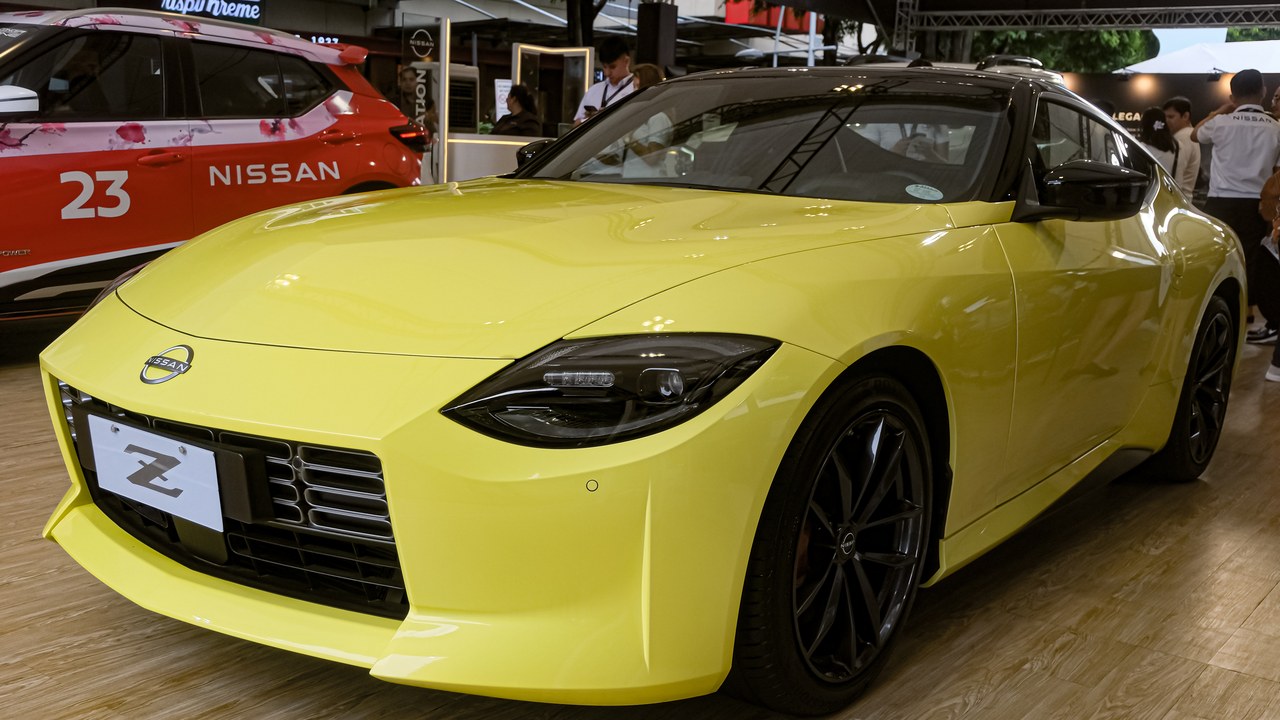
Nissan’s Z uses a 3.0-liter twin-turbocharged V6 rated at 400 horsepower, offered with a six-speed manual alongside a nine-speed automatic. Manual cars add a high-performance clutch and downshift rev matching that the driver can switch off, according to the Z’s transmission specifications.
Keeping three pedals matters more here than the power figure. Nearly every rival at the price has moved to dual-clutch or torque-converter automatics, which leaves the Z as one of very few turbocharged coupes still sold with a lever.
8. Porsche 911: A Manual Hidden In The Option Sheet
Image Credit: Matti Blume – CC BY-SA 4.0/Wiki Commons
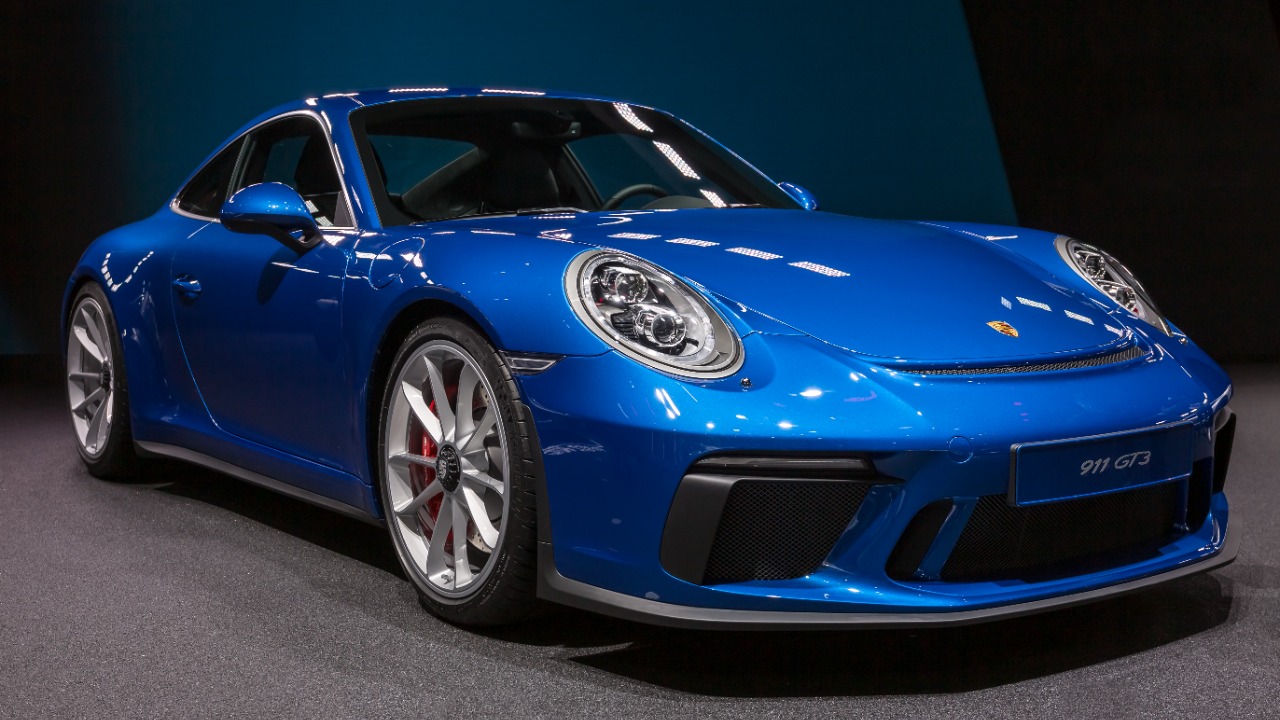
Most 911s leave Stuttgart with a dual-clutch PDK gearbox, yet Porsche continues to list manual transmissions on selected variants, among them the Carrera T and the GT3. Those cars use a seven-speed or six-speed lever depending on the model, an arrangement documented across the 911’s transmission history.
A manual 911 is usually slower against the clock than the automatic, which frames the choice as a preference rather than an upgrade. Specifying one generally means committing to a particular trim instead of ticking a single box.
9. BMW M2: A Clutch Pedal In A Luxury Coupe
Image Credit: Aethonatic – CC0/Wiki Commons
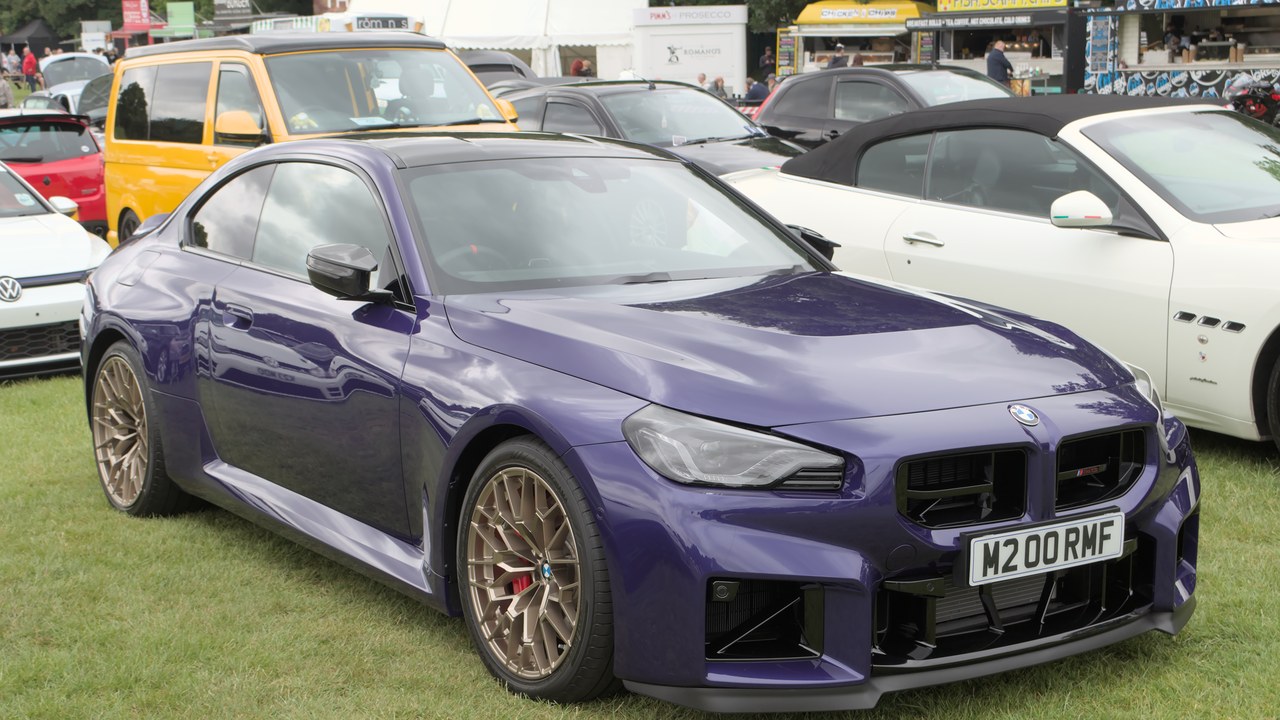
BMW pairs the M2’s twin-turbocharged 3.0-liter inline-six, rated above 450 horsepower, with a six-speed manual that sends drive exclusively to the rear wheels. The lever sits on the order sheet beside an eight-speed automatic, as the M2’s powertrain options record.
Manual availability has narrowed sharply across BMW’s performance range as automatics took over on speed and emissions grounds. Electrification plans across the lineup give no assurance that a successor repeats the arrangement.
10. Subaru WRX: All-Wheel Drive With Three Pedals
Image Credit: OWS Photography – CC BY 4.0/Wiki Commons
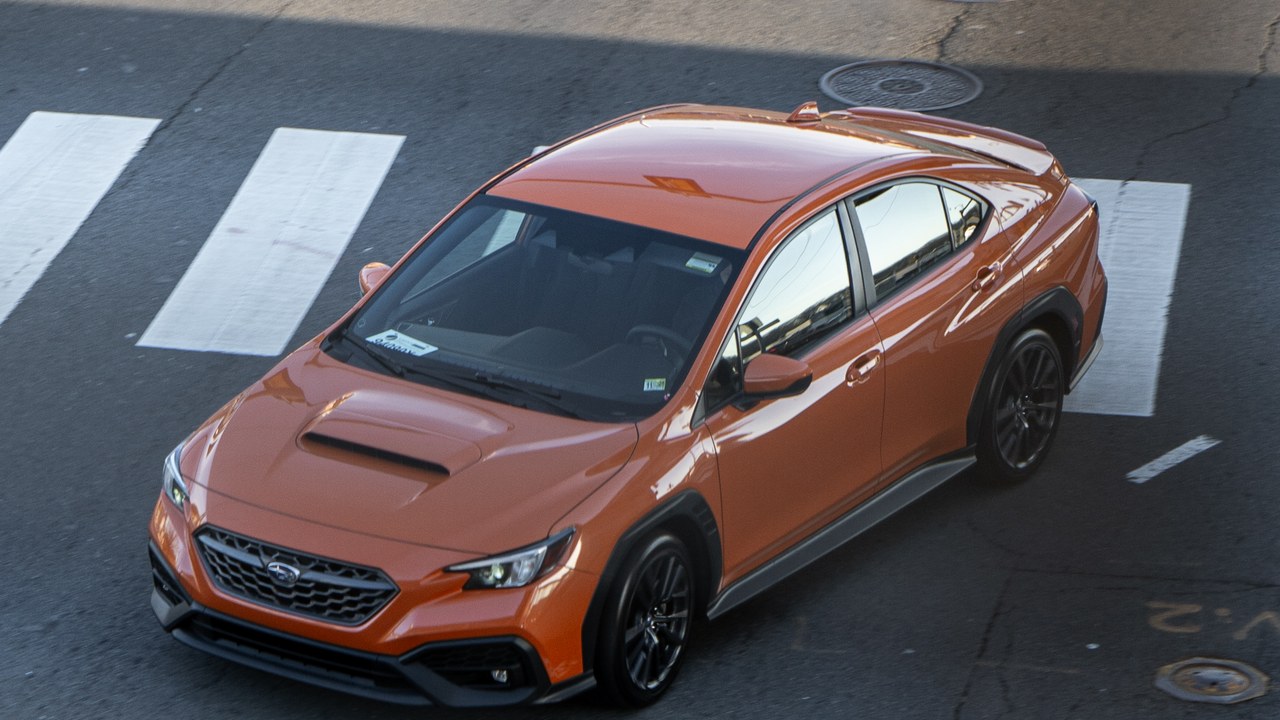
A six-speed manual is the WRX’s base transmission, driving all four wheels through Subaru’s symmetrical all-wheel-drive layout. The 2.4-liter turbocharged flat-four produces 271 horsepower, and the automatic alternative is a continuously variable unit rather than a conventional gearbox, per the WRX’s drivetrain summary.
That combination is close to unique: a four-door sedan at an attainable price with all-wheel drive and a clutch pedal. Rally heritage explains the packaging, and it is why the WRX gets cross-shopped against coupes rather than other sedans.
11. Cadillac CT4-V Blackwing: 472 Horsepower Through A Lever
Image Credit: Ee2mba – CC BY-SA 4.0/Wiki Commons
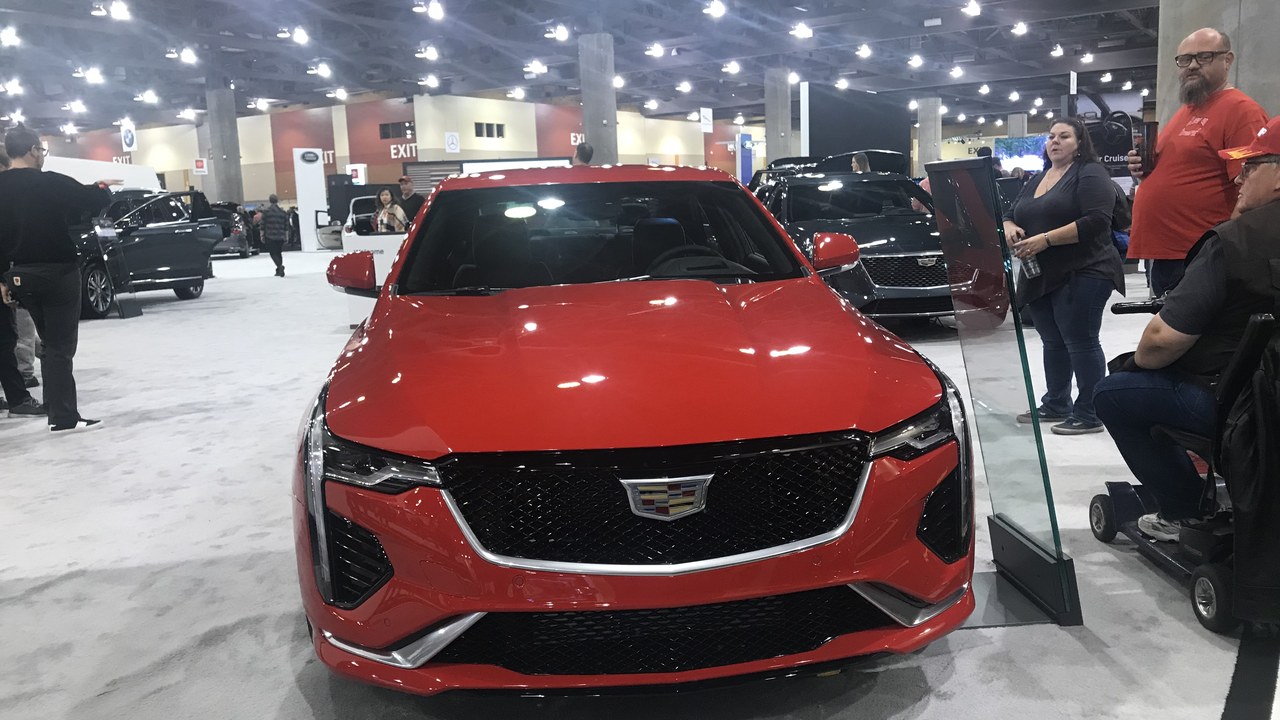
Cadillac fits the CT4-V Blackwing with a twin-turbocharged 3.6-liter V6 rated at 472 horsepower and makes the six-speed manual its standard transmission, with a ten-speed automatic available instead. No-lift shifting and automatic rev matching come with the manual, features listed among the CT4’s performance variants.
American luxury sedans abandoned the manual years ago, which makes the Blackwing an outlier inside its own segment. The gearbox is not offered further down the range, so the clutch pedal arrives only at the V-series price of entry.
12. Toyota GR Supra: The Manual Arrived Late
Image Credit: トライトーン – CC0/Wiki Commons
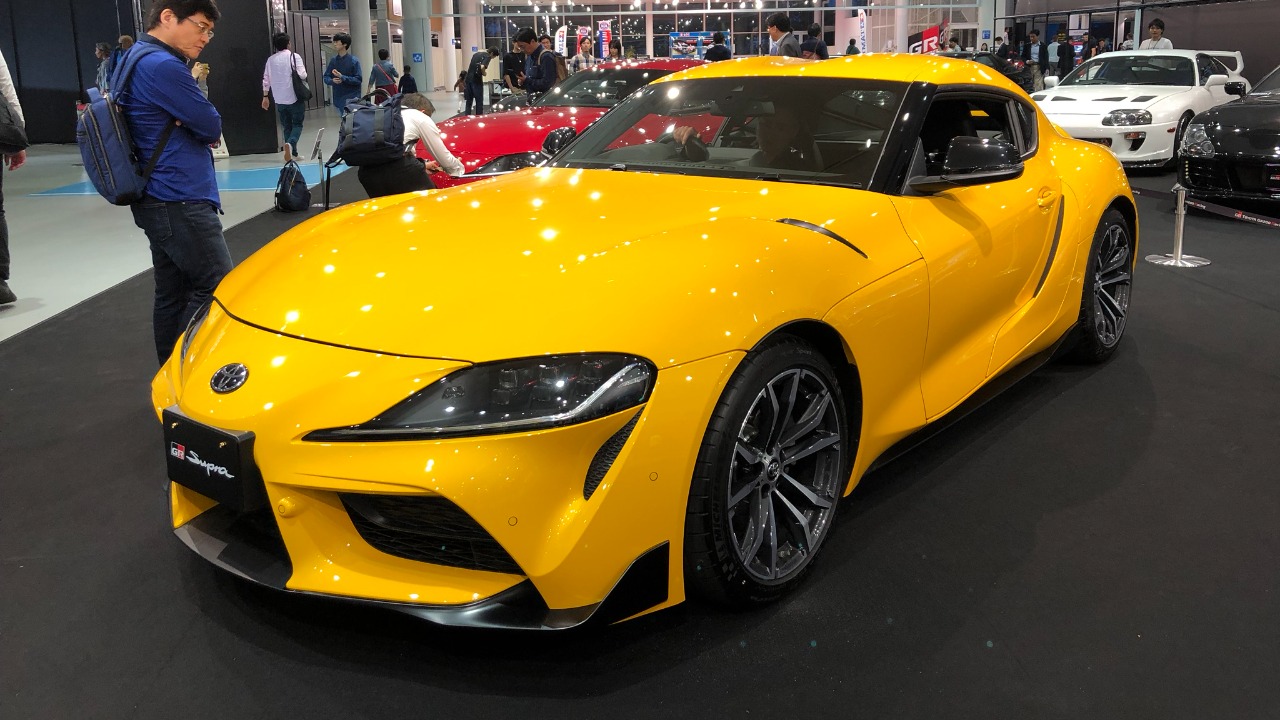
Toyota added a six-speed manual to the GR Supra’s 3.0-liter turbocharged inline-six in 2023, four years after the car reached showrooms with an automatic only. Steering, differential and damper tuning were revised for the manual cars rather than left alone, a change traced in the GR Supra’s model history.
The four-cylinder version remains automatic only, so the clutch pedal is tied to the larger engine and the higher trim. Engineering a manual into a car already in production is unusual, and it answered the loudest complaint about the model’s launch.
More from Morning Overview
Morning Overview is reader-supported. Some links in our articles are affiliate links, and we may earn a commission at no extra cost to you. As an Amazon Associate I earn from qualifying purchases. Full disclosure.