
Hybrids dominate fuel-economy conversations, but a handful of conventional gasoline cars still post highway numbers that make the extra battery hardware look optional. Their advantage comes from low weight, small displacement and tall gearing rather than electrification, and it shows up most clearly at a steady cruise. Here are ten gas-only cars with the strongest highway ratings.
1. Mitsubishi Mirage: The Featherweight Fuel Miser
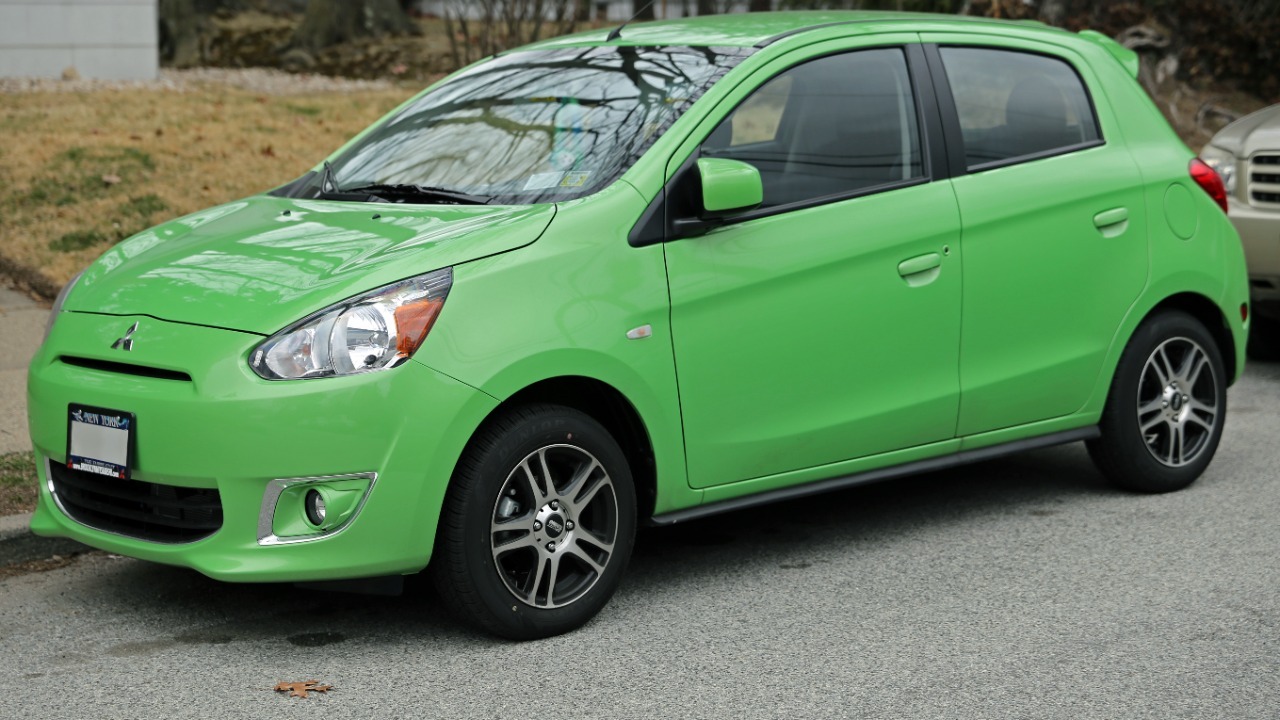
Mitsubishi’s smallest American offering combined a 1.2-liter three-cylinder engine with a curb weight near 2,100 pounds, and the EPA rated the continuously variable transmission version at 43 mpg on the highway, the highest figure of any gasoline-only car then sold in the country. The subcompact Mirage hatchback got there by subtraction rather than technology: fewer cylinders, less mass, modest output.
Mitsubishi ended production after the 2024 model year, so the Mirage now exists only on the used market. The tradeoff arrives in full at 78 horsepower, which demands patience on merge ramps and long uphill grades.
2. Nissan Versa: Forty Highway Miles Per Gallon
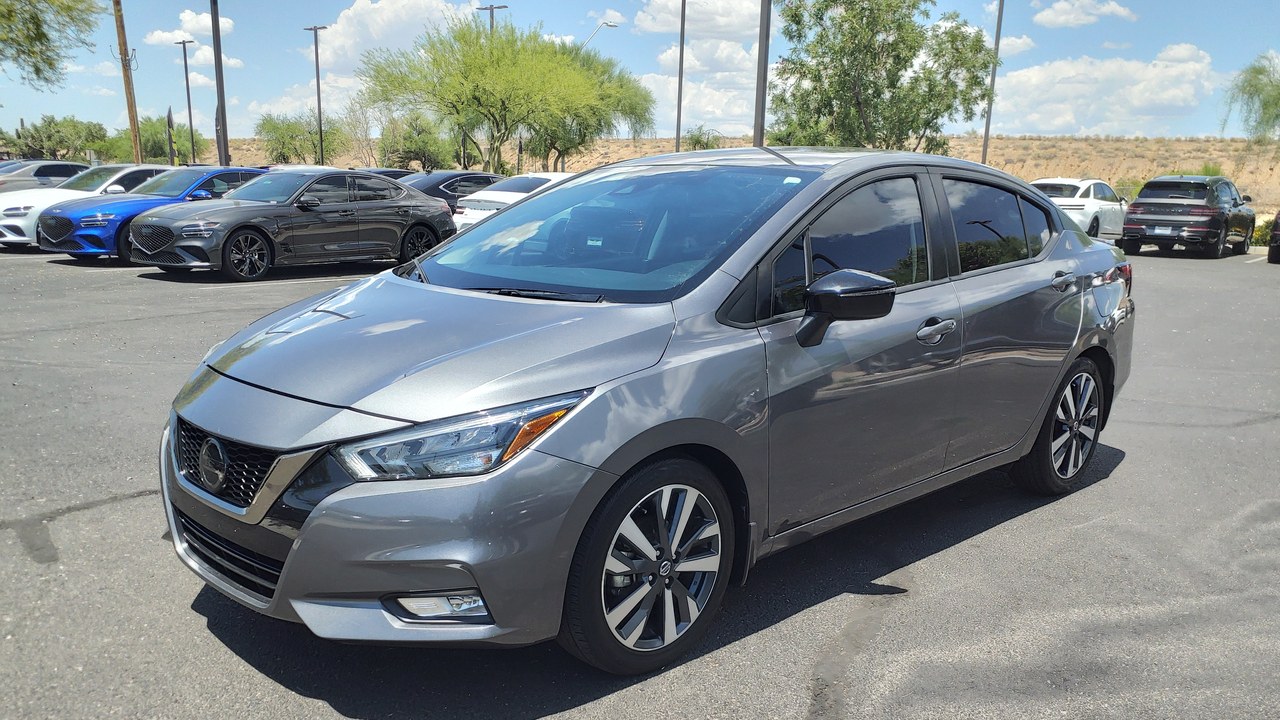
A 1.6-liter four-cylinder and Xtronic continuously variable transmission give the Versa an EPA highway rating of 40 mpg, and Nissan’s entry-level Versa sedan is one of the last gasoline-only cars in the United States still touching that mark. The five-speed manual gives back roughly a mile per gallon on the highway.
That economy arrives with 122 horsepower, adequate for commuting and unremarkable elsewhere. As one of the cheapest new cars on sale, the Versa competes on running cost rather than refinement, which makes the highway number the central argument for buying one.
3. Hyundai Elantra: Forty-Two On The Base Trim
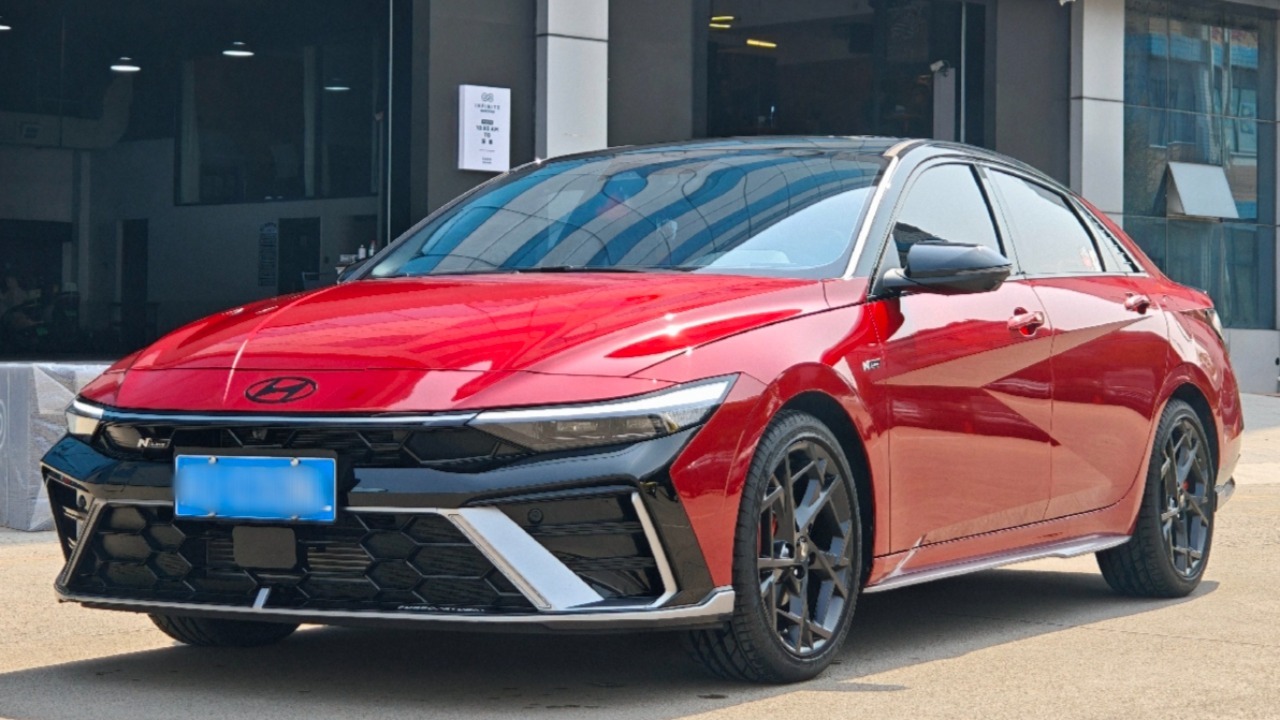
Hyundai rates the Elantra SE, with its 2.0-liter Atkinson-cycle four and continuously variable transmission, at 42 mpg on the highway, a figure the compact Elantra sedan surrenders as trims add weight and wheel diameter. The sportier N Line, with a turbocharged engine and larger alloys, sits several miles per gallon below it.
That pattern inverts the usual dealership assumption that spending more buys better numbers, because the cheapest Elantra is also the most efficient one. Shoppers chasing the advertised rating need to read the window sticker for the exact trim and wheel combination in front of them.
4. Kia Rio: Forty-One Without A Battery

A 1.6-liter Smartstream engine and intelligent variable transmission earned the Kia Rio subcompact an EPA highway rating of 41 mpg without hybrid hardware, a turbocharger or cylinder deactivation. Combining direct and port injection raised combustion efficiency over the previous generation while keeping the engine simple and inexpensive to service.
Kia withdrew the Rio from the American market after the 2023 model year as buyers migrated to crossovers. Used examples remain among the cheapest routes into a 40-mpg highway car, provided the tight rear seat and 120 horsepower suit the intended use.
5. Honda Civic: Turbocharged And Still Frugal
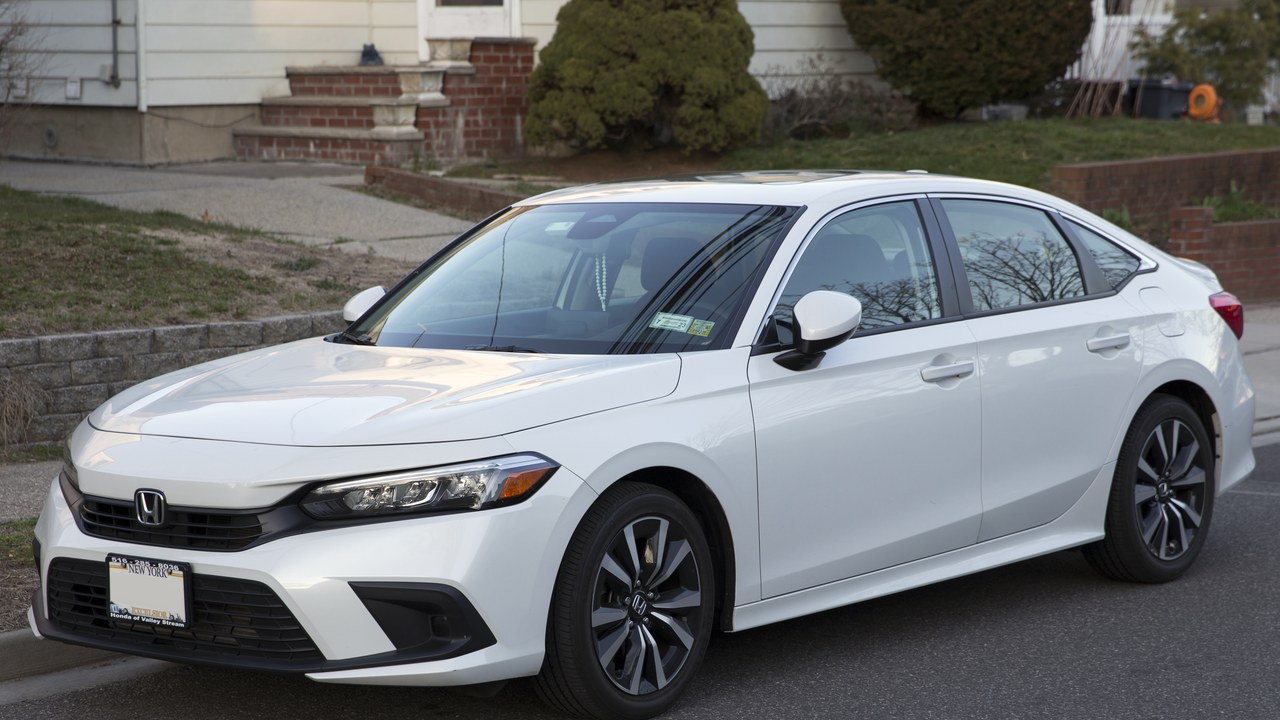
Honda’s 1.5-liter turbocharged four returns 42 mpg on the highway in the Civic sedan, matching numbers that once required a substantially smaller and slower car. The eleventh-generation Civic combines direct injection with a continuously variable transmission that holds engine speed low at cruise, where aerodynamic drag rather than displacement governs consumption.
The outcome is a compact with near-midsize interior space that concedes little to the segment’s dedicated economy specialists. Hatchback trims on larger wheels rate lower, and the Si and Type R, tuned for output, sit far below the sedan’s figure.
6. Toyota Corolla: Forty-One From The Standard Engine
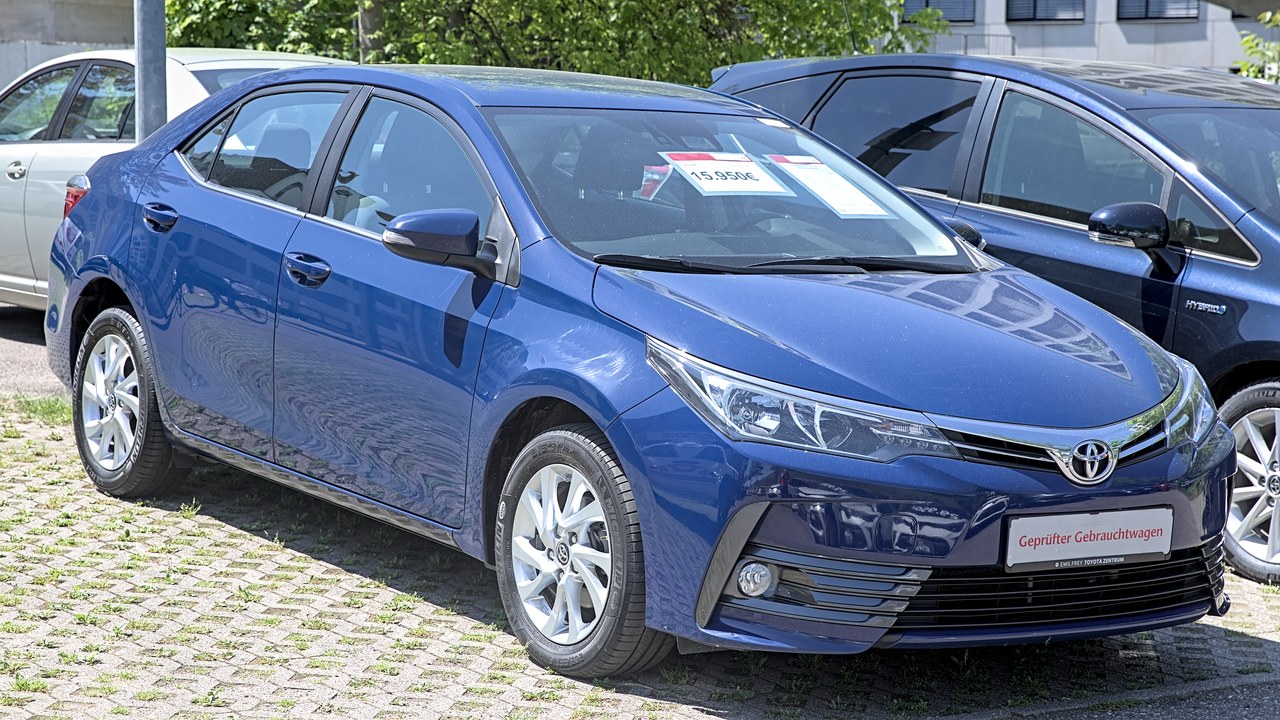
The 2.0-liter Dynamic Force engine in the gasoline Corolla is rated at 41 mpg on the highway in LE and SE form, a figure it reaches through a 13:1 compression ratio and a combined direct and port injection system. The gasoline-powered Corolla sedan pairs that engine with a continuously variable transmission tuned to hold low engine speed at a cruise.
Toyota also sells a Corolla Hybrid rated far higher in town, but the gap narrows at a steady cruise, where a hybrid system has few braking events to harvest. For drivers whose mileage is mostly interstate, the cheaper gasoline car can be the rational purchase.
7. Mazda 3: Efficiency Without Downsizing
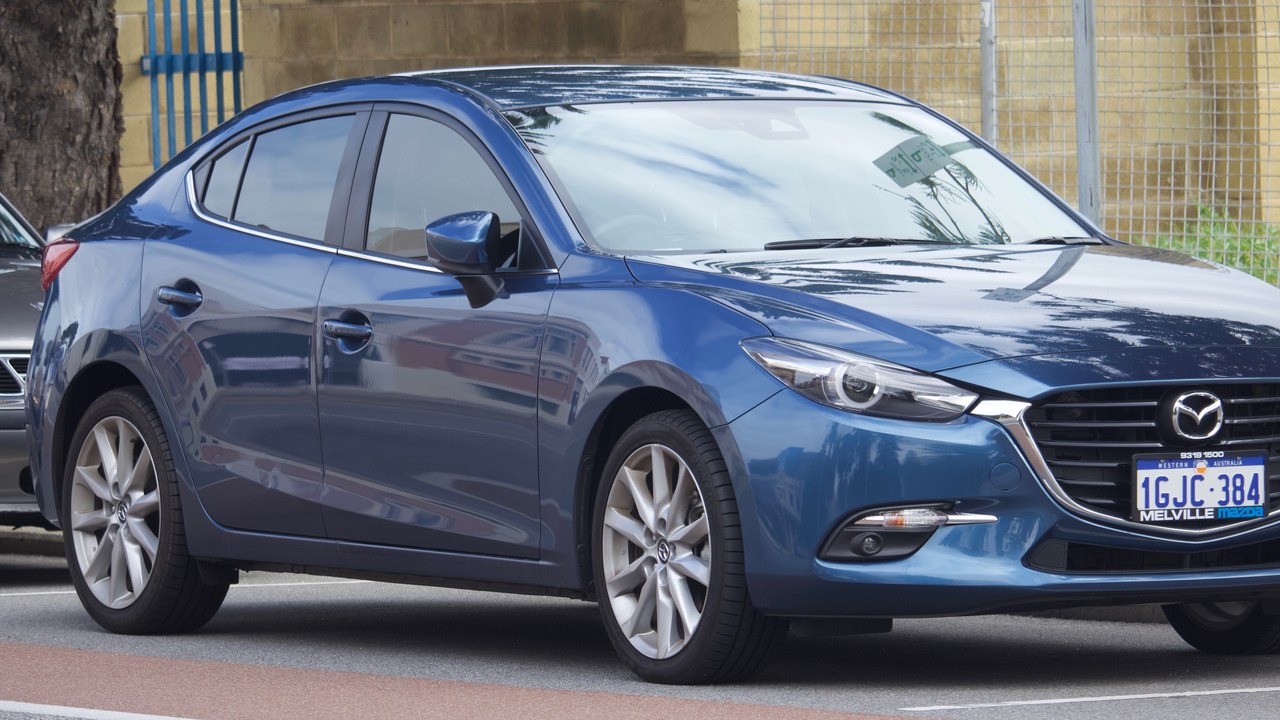
Mazda declined the industry shift to small turbocharged engines, and the naturally aspirated 2.5-liter four in the Mazda3 compact returns 37 mpg on the highway in front-wheel-drive form. A high compression ratio and cylinder deactivation under light load perform the work rivals extract from smaller displacement and boost pressure.
All-wheel-drive and turbocharged versions give back several miles per gallon, so the efficient Mazda3 is the plainest one on the lot. In return, the engine delivers torque without waiting on a turbocharger, an argument Mazda has made consistently while competitors moved the other way.
8. Kia K4: The Forte’s Frugal Replacement
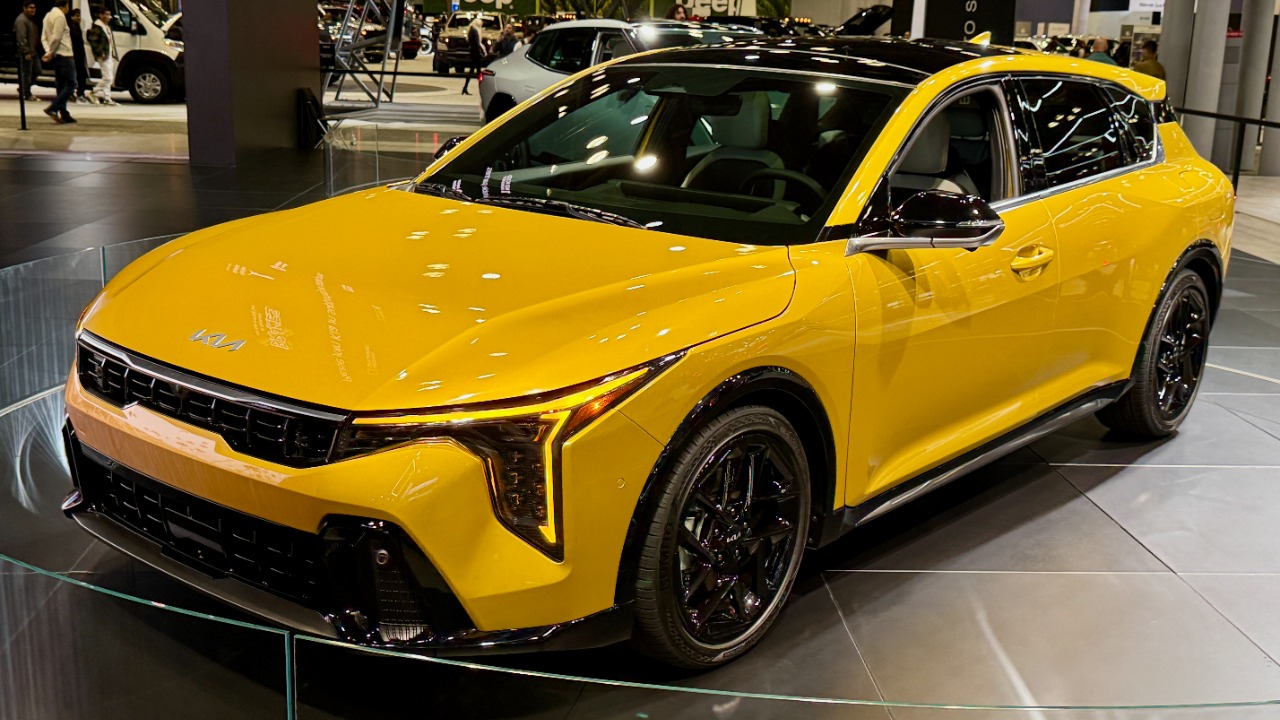
Kia replaced the Forte with the K4 for 2025, carrying over a 2.0-liter four-cylinder and intelligent variable transmission that put the Kia K4 sedan near the 40-mpg mark on the highway. A 1.6-liter turbocharged engine sits higher in the range, trading part of that economy for acceleration.
The K4 is longer and wider than the Forte, dimensions that normally cost fuel economy, yet the base powertrain’s rating held close to its predecessor’s. Drivers who spend most of their miles on the interstate should therefore choose the naturally aspirated version rather than the turbocharged one.
9. Hyundai Accent: The Discontinued Mileage Champion

Before Hyundai withdrew it after the 2022 model year, the Accent’s 1.6-liter four and intelligent variable transmission carried a 41-mpg highway rating, placing the Hyundai Accent subcompact among the most efficient gasoline-only cars then on sale. Replacing the earlier six-speed automatic with the belt-driven transmission accounted for much of that gain.
Used Accents consequently offer late-model efficiency at used-car prices, with 120 horsepower and a plain interior attached. Hyundai steered those shoppers toward the Venue crossover, which is taller and easier to climb into but notably less efficient once the speed limit rises.
10. Chevrolet Malibu: Midsize Space, Compact Thirst
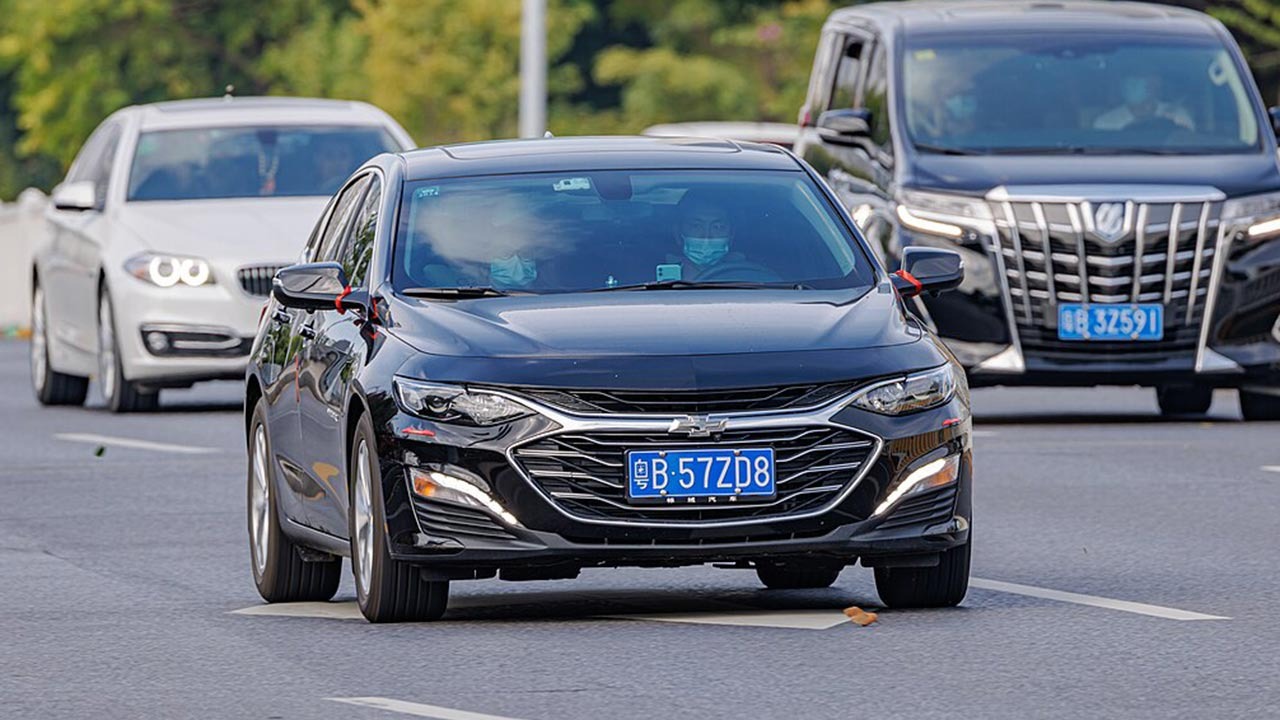
A 1.5-liter turbocharged four and continuously variable transmission produced a 35-mpg highway rating in a sedan with midsize interior room, and the Chevrolet Malibu sedan managed it with one of the smallest engines in its class. Automatic stop-start trims idle consumption and the transmission holds revolutions low at highway speed.
Chevrolet built the last Malibus in late 2024, ending the nameplate and leaving the brand without a sedan in the United States. On the used market it offers a different bargain from the subcompacts here: less outright economy in exchange for considerably more room.
More from Morning Overview
