
The muscle car boom of the 1960s produced cars that dealers once discounted to move off the lot. Six decades later, scarcity, documentation and racing pedigree have pushed the best survivors far beyond their original stickers. Here are eleven muscle cars from that era whose finest examples now trade in six-figure territory.
1. Pontiac GTO: The Car That Started The Era
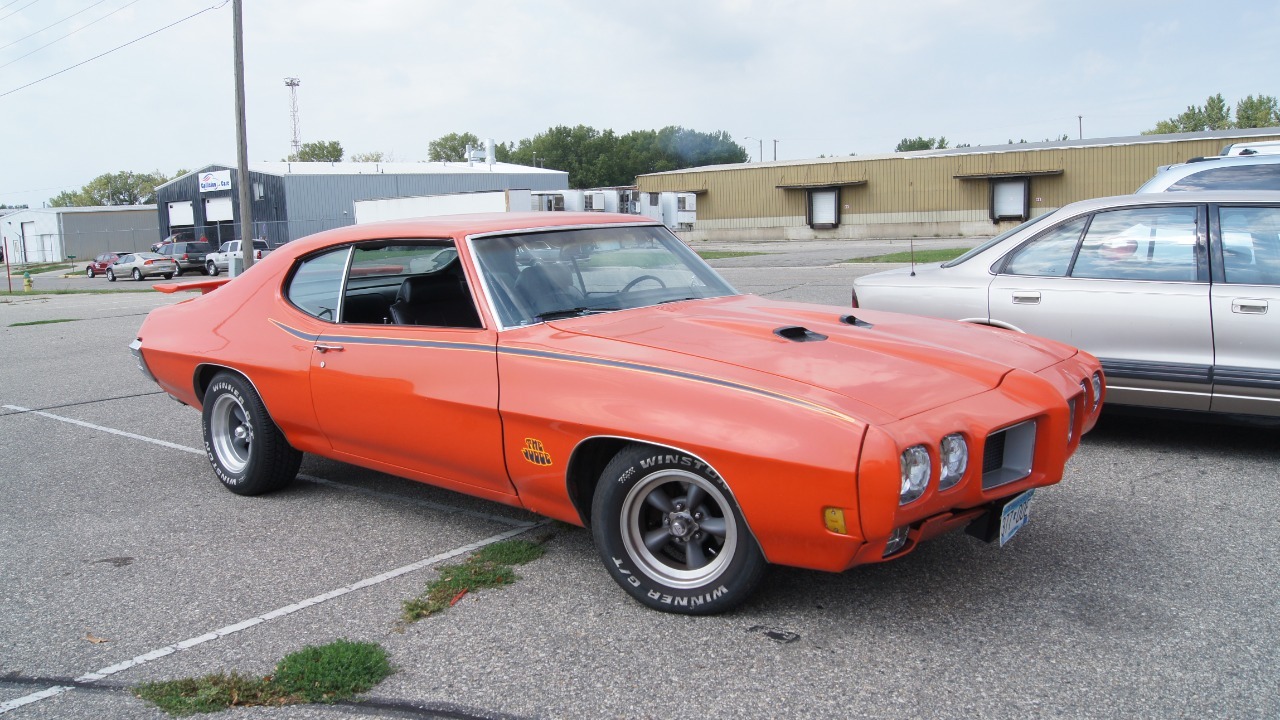
Pontiac slipped a 389-cubic-inch V8 into the mid-size Tempest LeMans and sold it as an option package, sidestepping a corporate ban on large engines in intermediate cars. Pontiac’s 1964 GTO package was projected to find roughly 5,000 buyers and instead sold 32,450 in its first year.
That volume left plenty of ordinary GTOs in circulation, so value now concentrates in the documented cars: Tri-Power 389s, four-speed convertibles and Ram Air Judges with matching numbers and factory paperwork.
2. Shelby Mustang GT500: Big-Block Answer To The GT350

Carroll Shelby’s 1967 GT500 answered the small-block GT350 with a 428-cubic-inch V8 topped by two four-barrel carburetors and rated at 355 horsepower. A year later the GT500KR variant arrived carrying the 428 Cobra Jet, conservatively quoted at 335 horsepower despite being the stronger engine.
Shelby-badged Mustangs were built in the low thousands rather than the tens of thousands, and the KR designation, short for King of the Road, carries the sharpest premium of the run.
3. Plymouth Superbird: Built To Bring Richard Petty Back
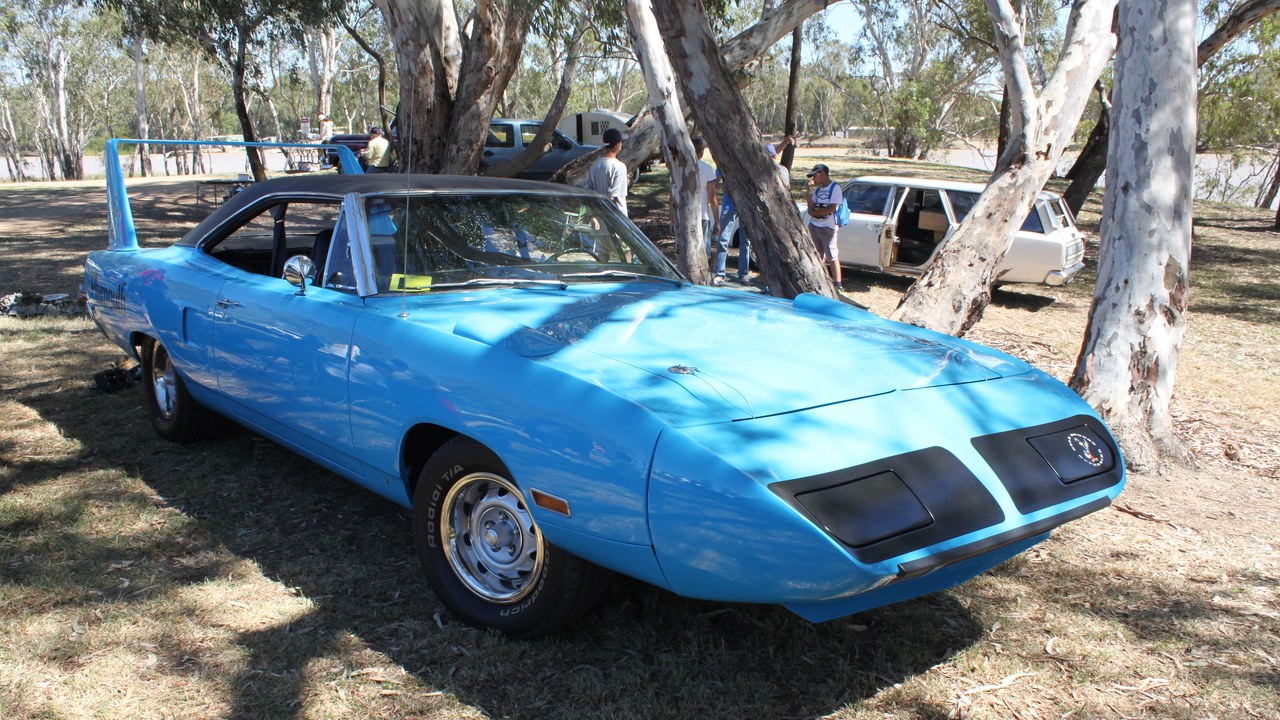
Plymouth’s 1970 Superbird existed because NASCAR demanded street versions of a race car, and because Richard Petty had left for Ford when Plymouth would not build him an aerodynamic model. Fewer than 2,000 were produced, each wearing a pointed nose cone and a rear wing tall enough to clear an open trunk lid.
Dealers struggled to move the leftovers, and some were converted back into standard Road Runners to sell them, which thinned the survivor pool long before the winged cars became auction headliners.
4. Dodge Charger Daytona: First Past 200 MPH
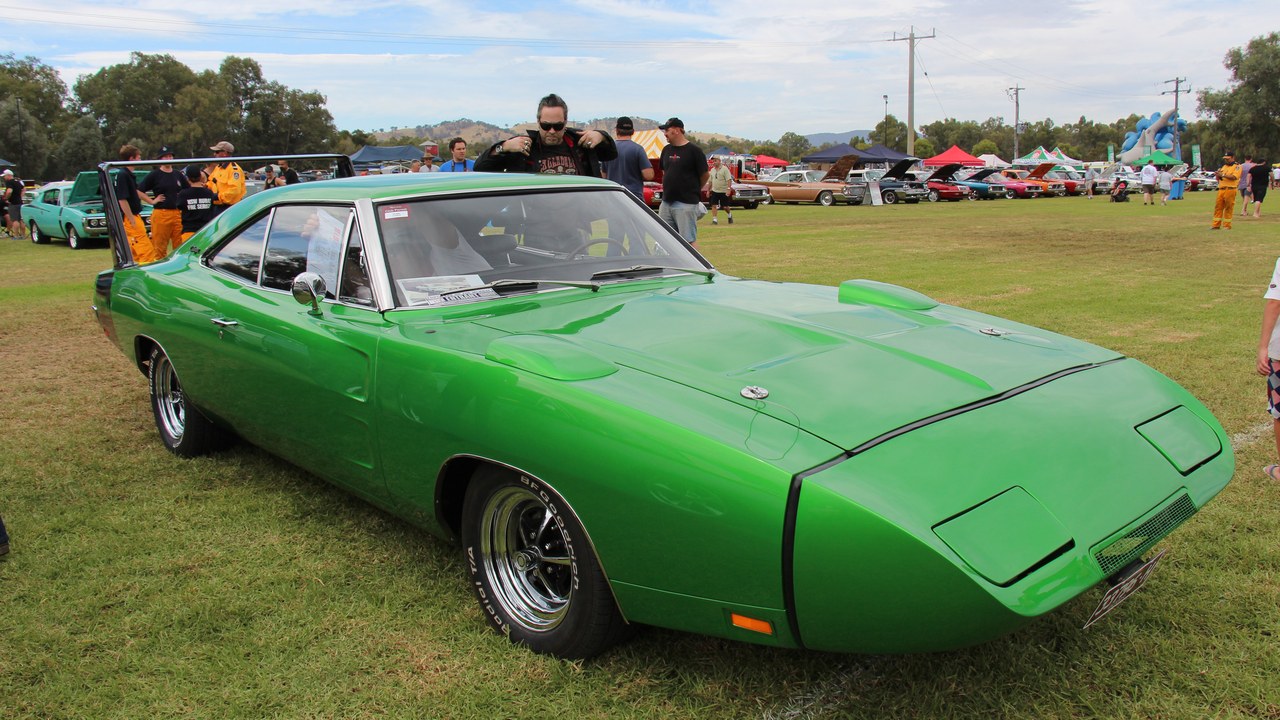
Roughly 500 Charger Daytonas were built for 1969 purely to make the aerodynamic bodywork legal for competition, grafting an extended nose cone and a towering rear wing onto the standard Charger shell. The winged Dodge Daytona also carried Buddy Baker to the first NASCAR lap above 200 mph, run at Talladega in March 1970.
Homologation cut both ways. NASCAR rewrote the rules for 1971 to blunt the aero cars, ending the experiment after two seasons and freezing production at a number that has anchored values ever since.
5. Chevrolet Chevelle SS: The Z16 Is The One To Find
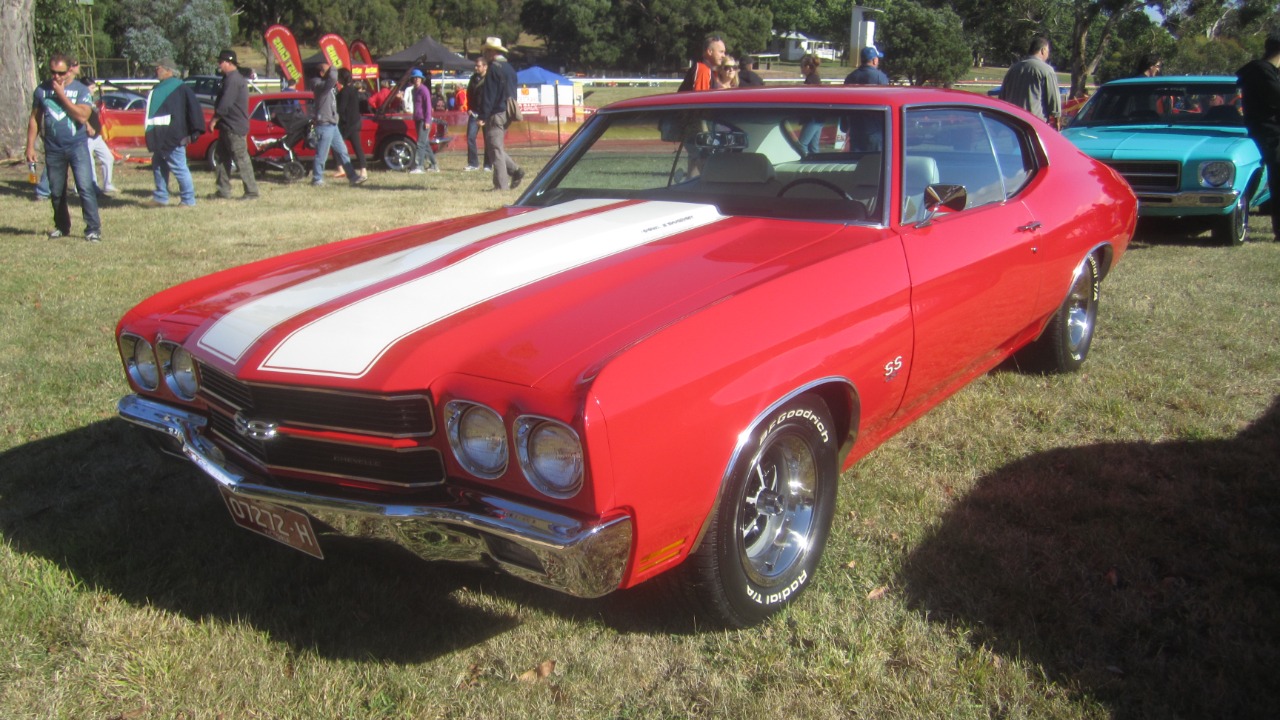
Only 201 Z16 Chevelle SS 396 cars were assembled for 1965, a limited run pairing a 375-horsepower 396 with heavy-duty suspension and a reinforced frame. the Z16 Chevelle is the scarce ancestor of the far more common SS 396 models that followed it through the rest of the decade.
Later LS6 454 cars draw more attention with their 450-horsepower rating, but inside the 1960s window it is scarcity rather than displacement that separates a six-figure Chevelle from an ordinary one.
6. Ford Mustang Boss 429: A NASCAR Engine In A Street Car
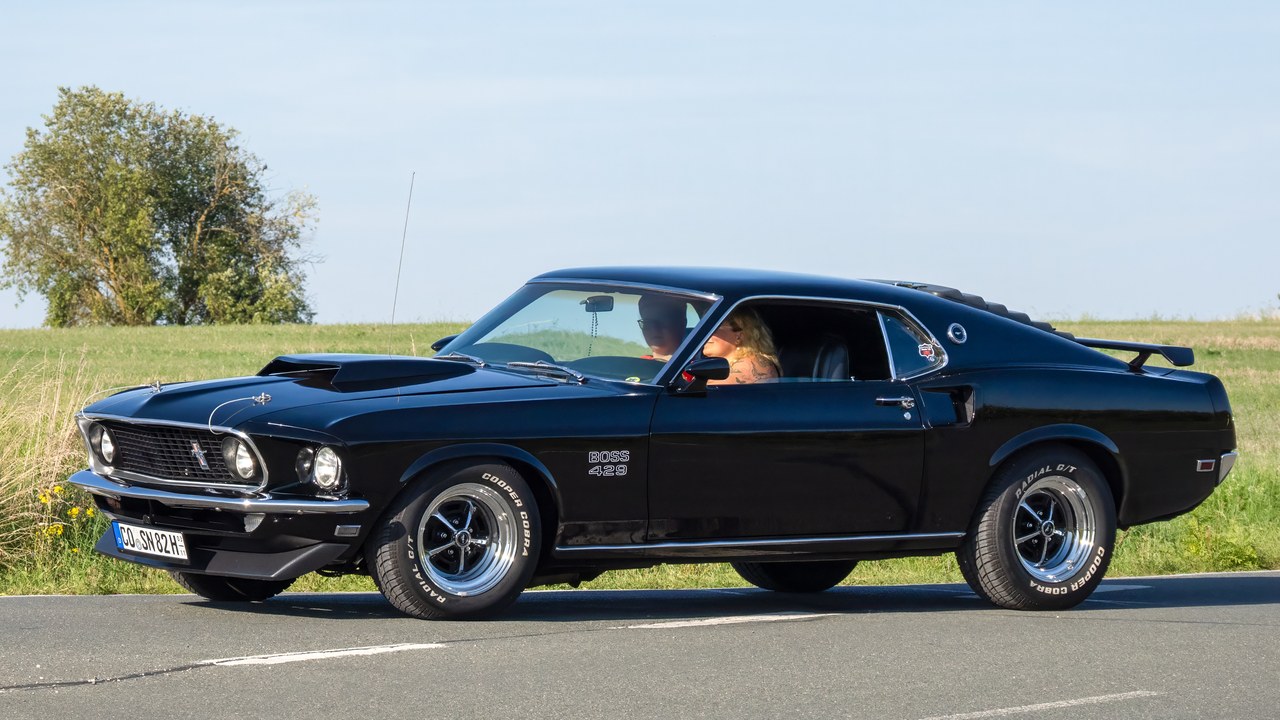
Ford needed street cars to homologate its 429 semi-hemi engine for NASCAR, so Kar Kraft widened Mustang shock towers by hand to make the block fit. Boss 429 production reached roughly 1,350 cars across 1969 and 1970, each rated at a deliberately modest 375 horsepower.
The engine was designed for sustained high-rpm oval racing rather than stoplight work, which made the road version tractable but unspectacular. Rarity and the NASCAR link, not quarter-mile times, drive what these cars bring.
7. Chevrolet Camaro Z/28: Homologated For Trans-Am Racing
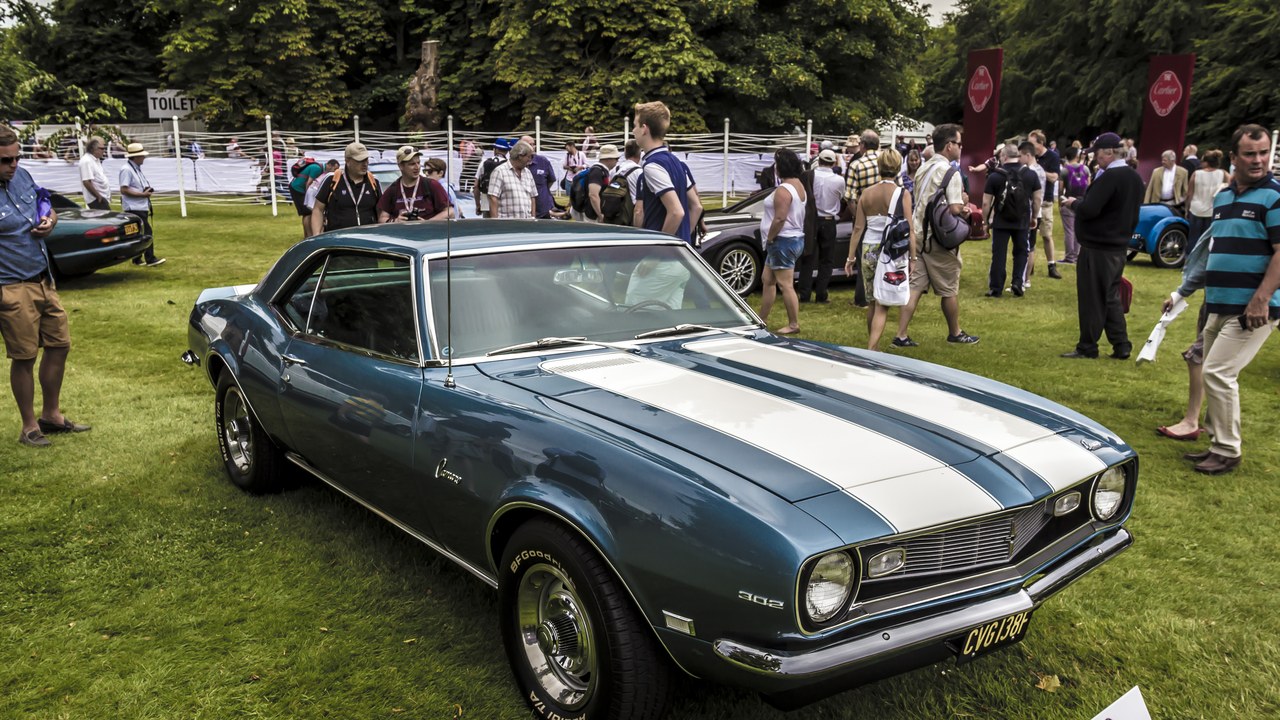
The Z/28 option existed to qualify the Camaro for SCCA Trans-Am competition, which capped displacement at 305 cubic inches, so Chevrolet built a 302 by combining a 327 block with a 283 crankshaft. First-year Z/28 output came to just 602 cars in 1967, rated at an understated 290 horsepower.
Documentation matters more here than almost anywhere else on this list, because the Z/28 was an option code rather than a separate model. Convincing clones are common and correctly papered originals are disproportionately valuable.
8. Pontiac Firebird Trans Am: Six Hundred And Ninety-Seven Cars
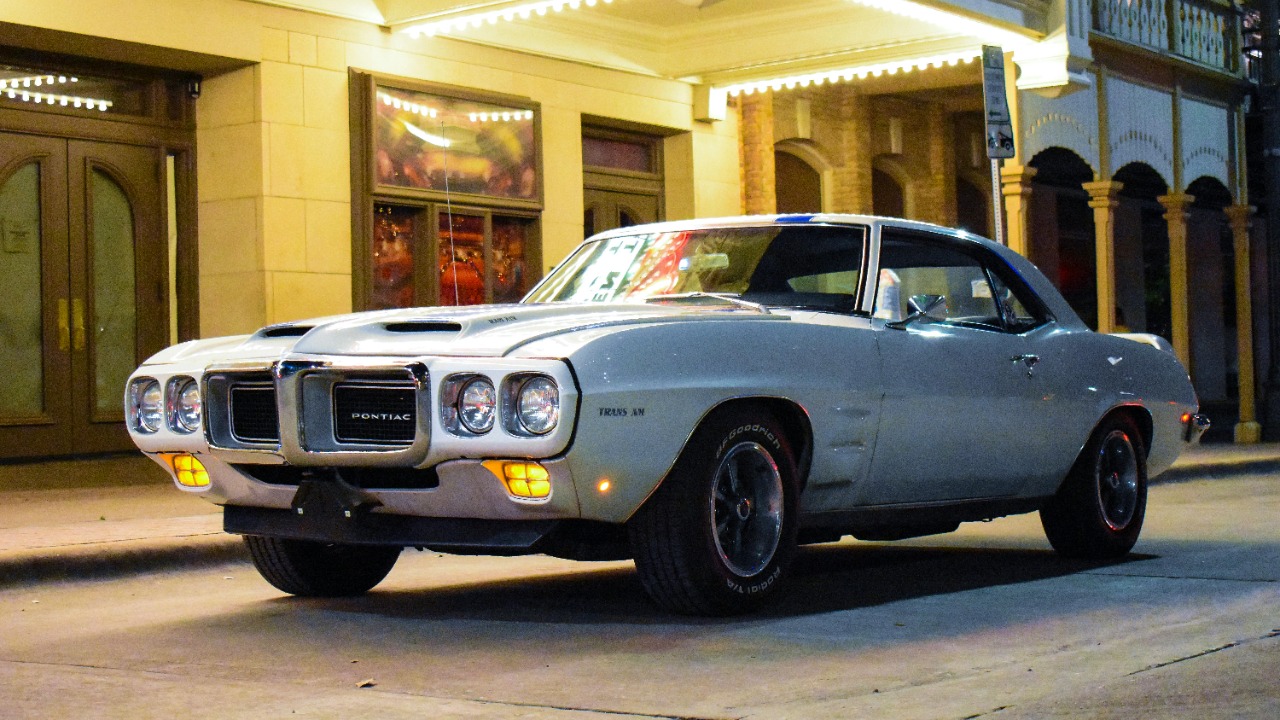
The Trans Am package arrived in March 1969 with white paint, blue stripes and functional hood scoops, and found only 697 buyers that first year. The earliest Trans Ams included eight convertibles, a figure small enough to place those cars among the most valuable Pontiacs ever assembled.
Ram Air IV engines were rarer still. Because the nameplate ran for more than a decade afterward in far larger numbers, the 1969 cars sit in a completely different market from the Trans Ams that followed.
9. Oldsmobile 442: W-30 Or Nothing
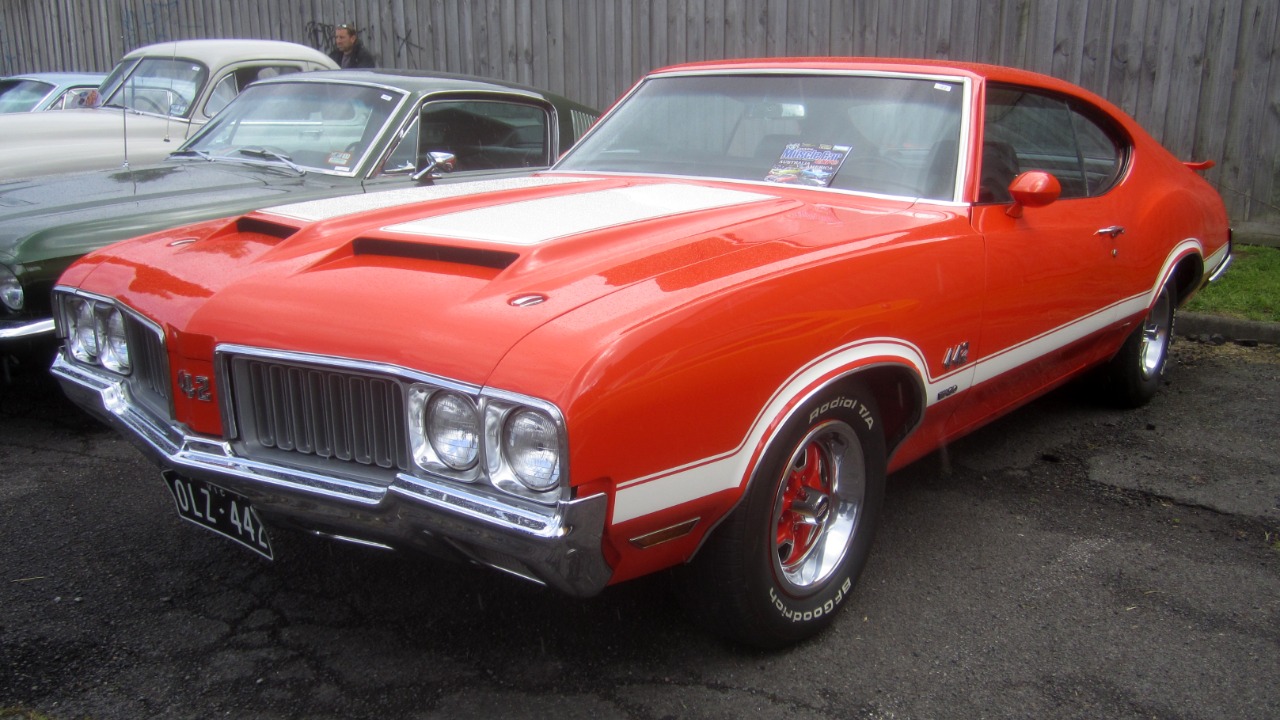
Oldsmobile drew the 4-4-2 name from its original specification, a four-barrel carburetor, four-speed manual and dual exhausts, introduced for 1964 as a police-inspired package. The W-30 option later added cold-air induction ducted in through the front bumper, and those cars are the ones the collector market separates from the rest.
Most 442s left the factory in milder trim, so money follows the W-30 and Hurst/Olds examples, where an original engine and a build sheet count for more than the quality of a repaint.
10. Buick GSX: 678 Built, Two Colors Offered
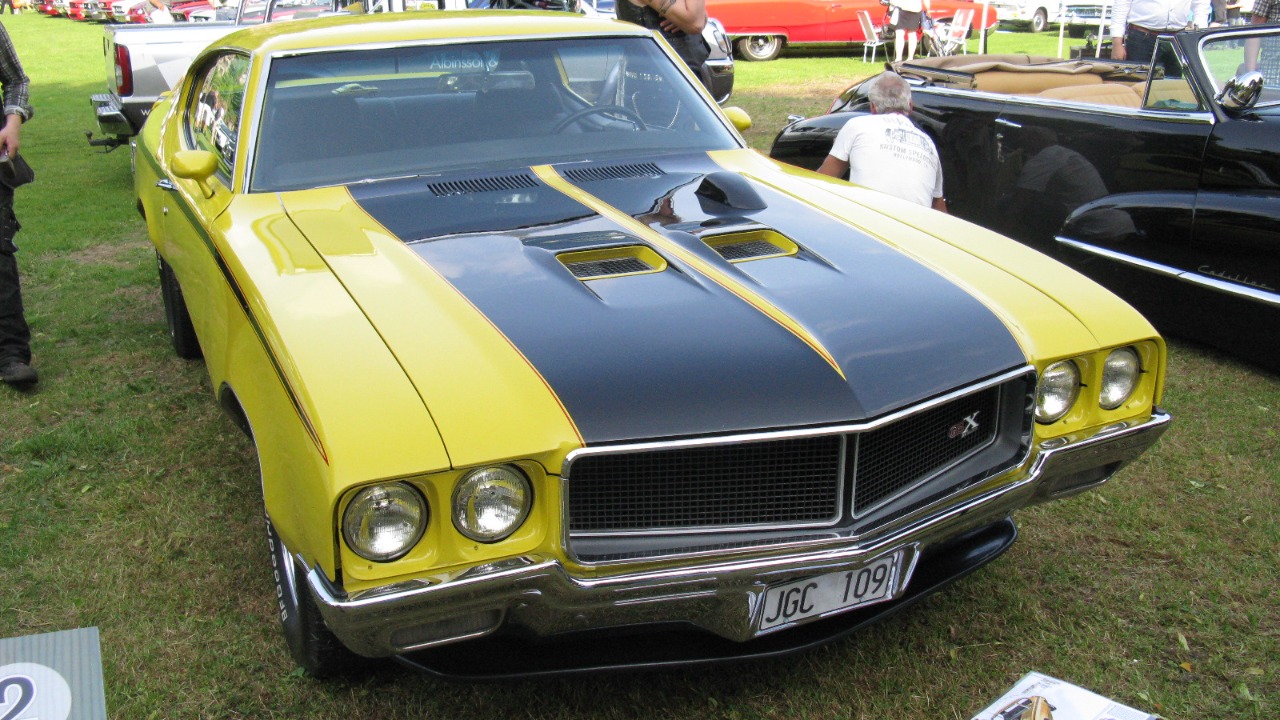
Buick assembled just 678 GSXs for 1970, offered only in Saturn Yellow or Apollo White with black striping and a rear spoiler. The Stage 1 455 was rated at 360 horsepower and 510 lb-ft of torque, the highest torque figure quoted for any American production car of the period.
Buick’s Gran Sport line reaches back to the middle of the decade, but the GSX condensed it into a single low-production season. Stage 1 cars with paperwork stand well clear of ordinary Skylark-based Gran Sports.
11. Dodge Coronet R/T: The Hemi Cars Are The Scarce Ones
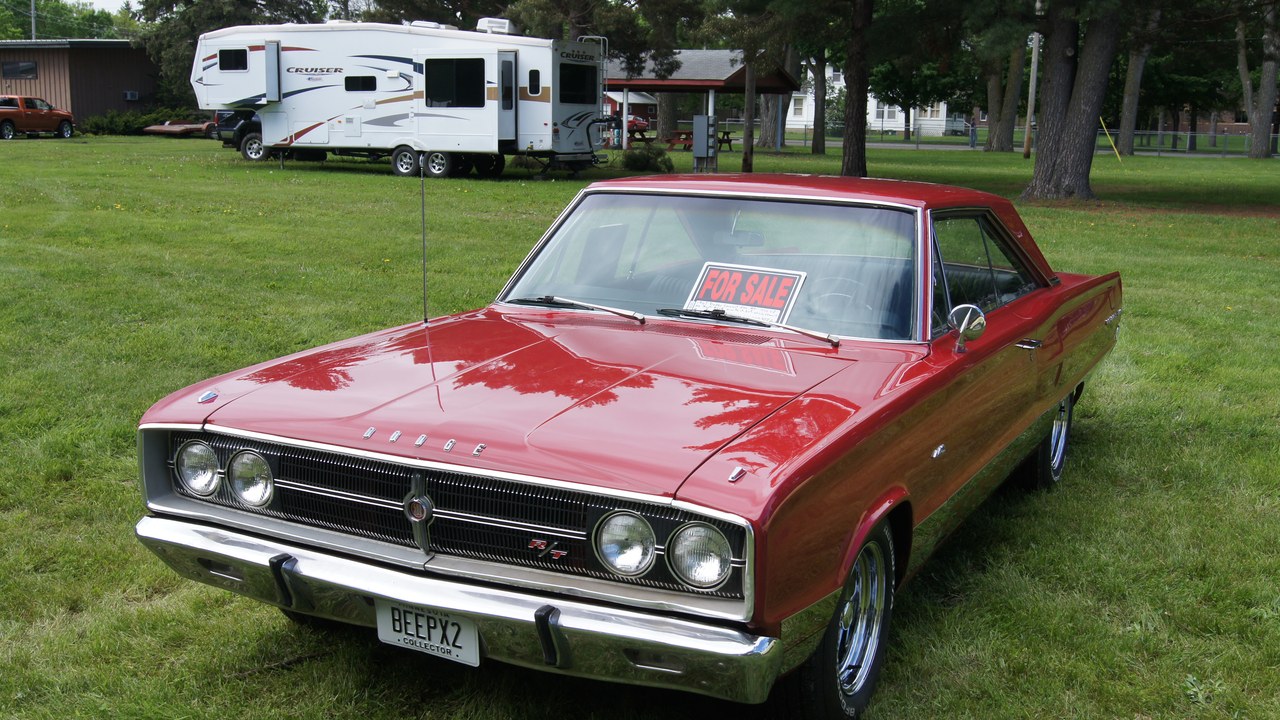
Coronet R/T trim arrived for 1967 with a 375-horsepower 440 Magnum as standard equipment and the 426 Hemi as its single engine upgrade. Hemi-equipped Coronet R/Ts left the line in tiny numbers beside the 440 cars, and that split still governs what an individual example is worth.
Condition alone cannot close the gap. The Hemi carried a steep option price when new and few buyers took it, so a verified Hemi R/T trades in a separate tier from an otherwise identical Coronet.
More from Morning Overview
- Scientists spotted a rare tusked whale alive at sea for the first time, then fired a crossbow at it.
- A Colorado wildfire forced level-three ‘leave now’ orders across Ouray County
- A skeleton beneath Petra’s Treasury was found clutching a chalice that resembles the Holy Grail
- 8 SUVs mechanics are quietly steering buyers away from in 2026
