
Pickups earn a reputation for lasting forever, yet not every nameplate holds up once the odometer pushes into six figures. Some trucks develop expensive engine, transmission, or driveline trouble long before the 200,000-mile milestone that buyers assume every hauler can reach. These ten models have drawn the most persistent complaints about wearing out early.
1. Nissan Titan: Driveline Doubts
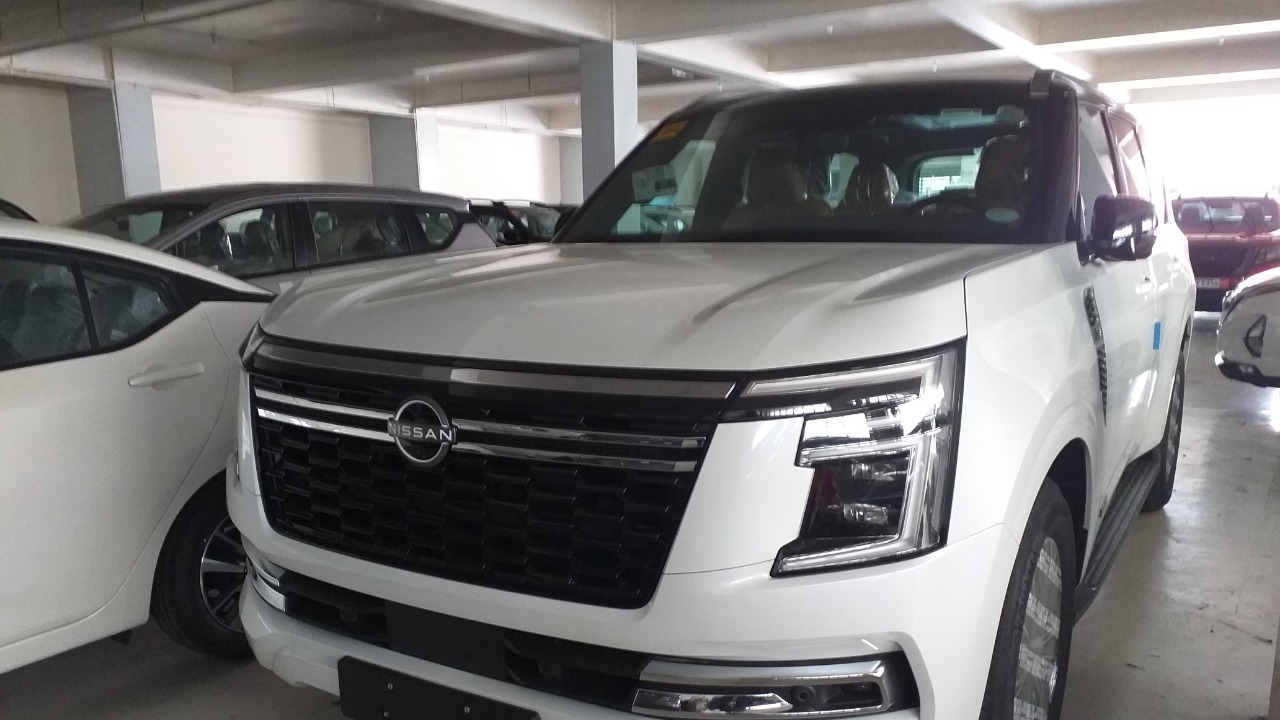
The Nissan Titan has never matched the staying power of the segment’s Japanese-brand leaders, and high-mileage owners frequently flag driveline and transmission trouble as the odometer climbs. Data behind the longest-lasting trucks study places the Titan far down the full-size rankings, with fewer examples surviving toward 200,000 miles than rivals from Toyota or Ford. Rear-axle noise and transmission hesitation tend to surface once the truck ages.
None of this makes the Titan a guaranteed failure, and disciplined maintenance carries many past the danger zone. The pattern simply suggests that budget-minded shoppers should scrutinize service records and set aside money for driveline repairs before betting on six-figure mileage.
2. Ram 1500 (EcoDiesel): Diesel Disappointment
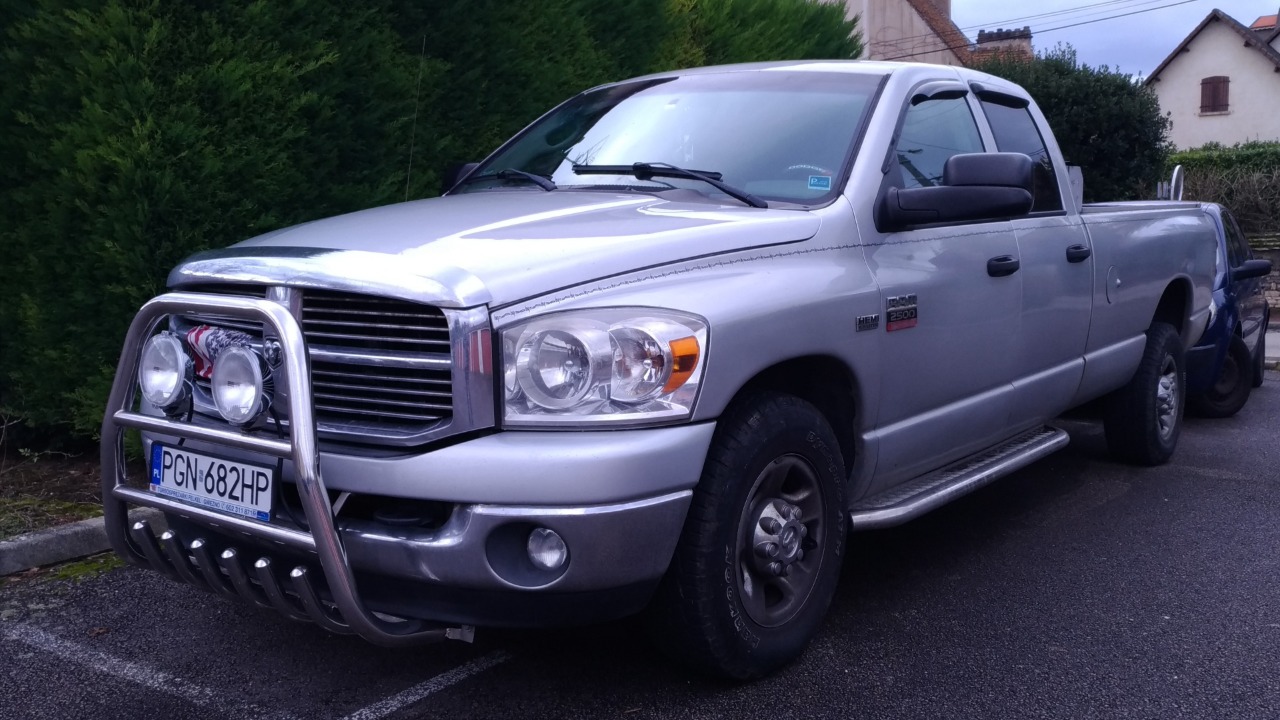
Ram’s EcoDiesel option promised effortless towing and strong fuel economy, but the small turbodiesel drew repeated complaints over reliability and costly repairs. The same full-size truck durability rankings show the diesel Ram trailing gasoline half-tons that more consistently reach high mileage. Owners have reported engine-management faults, emissions-system headaches, and repair bills that erode the fuel savings the powertrain was meant to deliver.
The gasoline Ram 1500 fares better, so the caution applies chiefly to the diesel variant. Prospective buyers weighing a used EcoDiesel should confirm recall work is complete and factor potential emissions repairs into the purchase price rather than the advertised economy.
3. Chevrolet Colorado: Rough Early Years
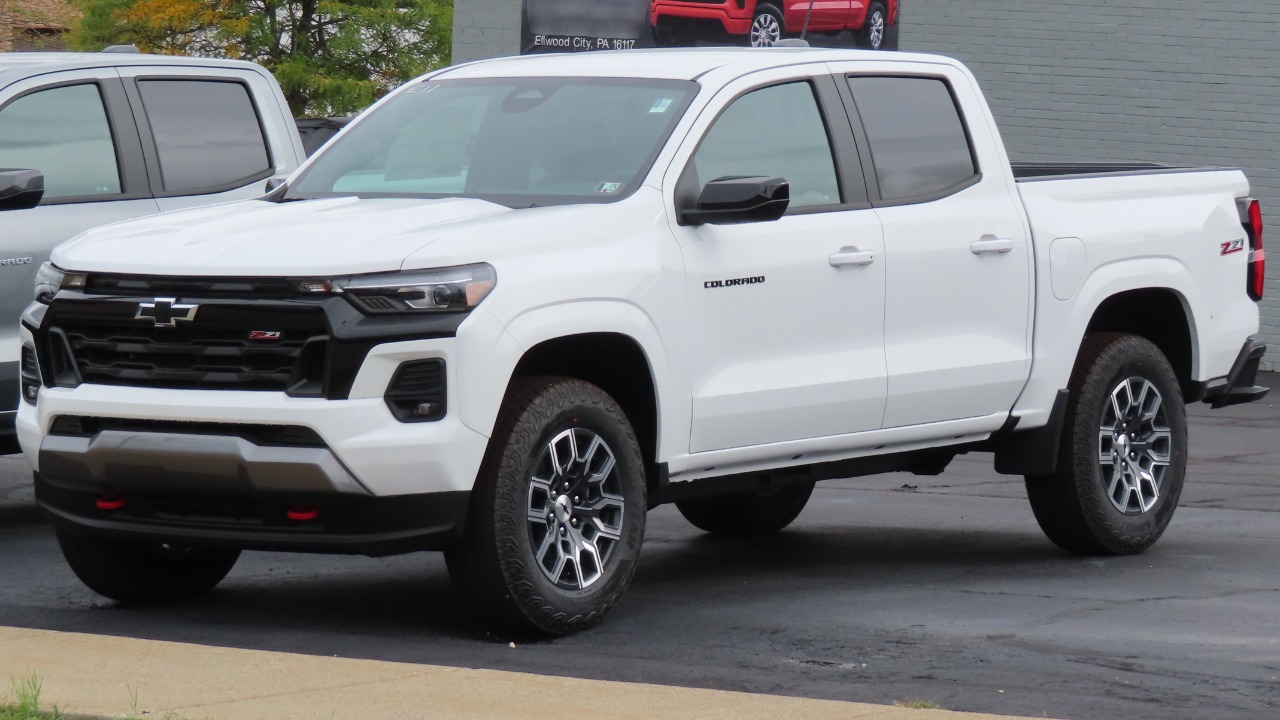
Early Chevrolet Colorado model years struggled with engine and transmission issues that undercut the mid-size truck’s reputation for endurance. The Colorado model history notes powertrain complaints on the first-generation trucks, including the odd inline-five engine that some owners found rough and troublesome. Cooling and electrical gremlins added to the list of problems that surfaced before the odometer reached serious mileage.
Later Colorado generations improved markedly, so the warning centers on the oldest examples now trading at bargain prices. Shoppers eyeing a cheap early truck should budget for cooling and transmission attention and treat a clean service history as essential rather than optional.
4. GMC Canyon: Twin Trouble

As the Colorado’s mechanical twin, the GMC Canyon shares the same weak spots that plagued those early mid-size runs. The Canyon’s shared-platform history confirms the truck used the same engines and transmissions, meaning the powertrain complaints carried straight over. Owners of first-generation Canyons reported the familiar rough five-cylinder behavior along with cooling and electrical faults during the truck’s earliest years.
Like its Chevrolet sibling, the Canyon matured into a far sturdier machine in later generations. The early trucks remain the concern, and a buyer chasing a low price should inspect for the documented engine and cooling issues before assuming this GMC will run trouble-free.
5. Ford F-150 (2004-2008): Triton Troubles
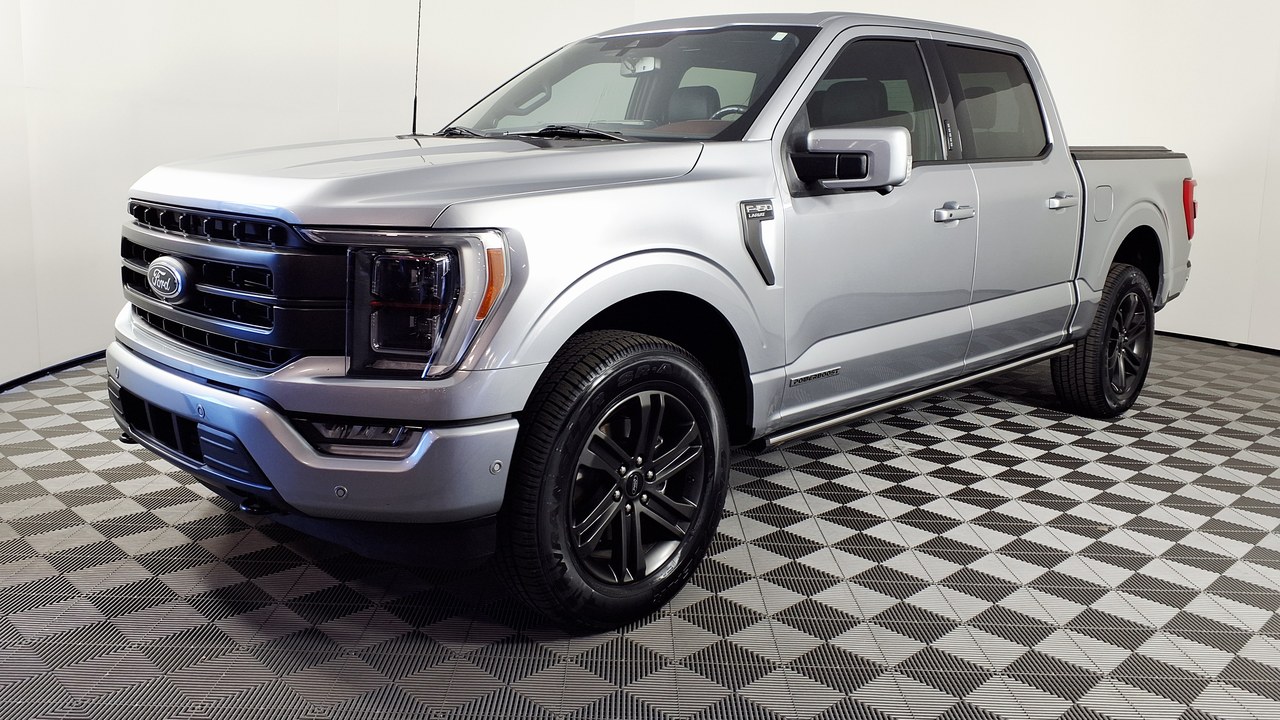
The 2004-2008 Ford F-150 built with the 5.4-liter Triton V8 became notorious for cam-phaser rattle and spark plugs that seized or snapped inside the cylinder heads. Even the buyer resources compiling most-reliable truck rankings steer shoppers toward stronger years, since the Triton’s timing and ignition faults can trigger repairs costing thousands well before high mileage.
Ford’s newer F-150 generations rank among the more durable full-size trucks, so the caution applies specifically to those mid-2000s Triton engines. Anyone considering one should ask whether the phasers and plugs have been addressed, because deferred work on that motor tends to compound quickly and expensively.
6. Jeep Gladiator: New-Nameplate Growing Pains
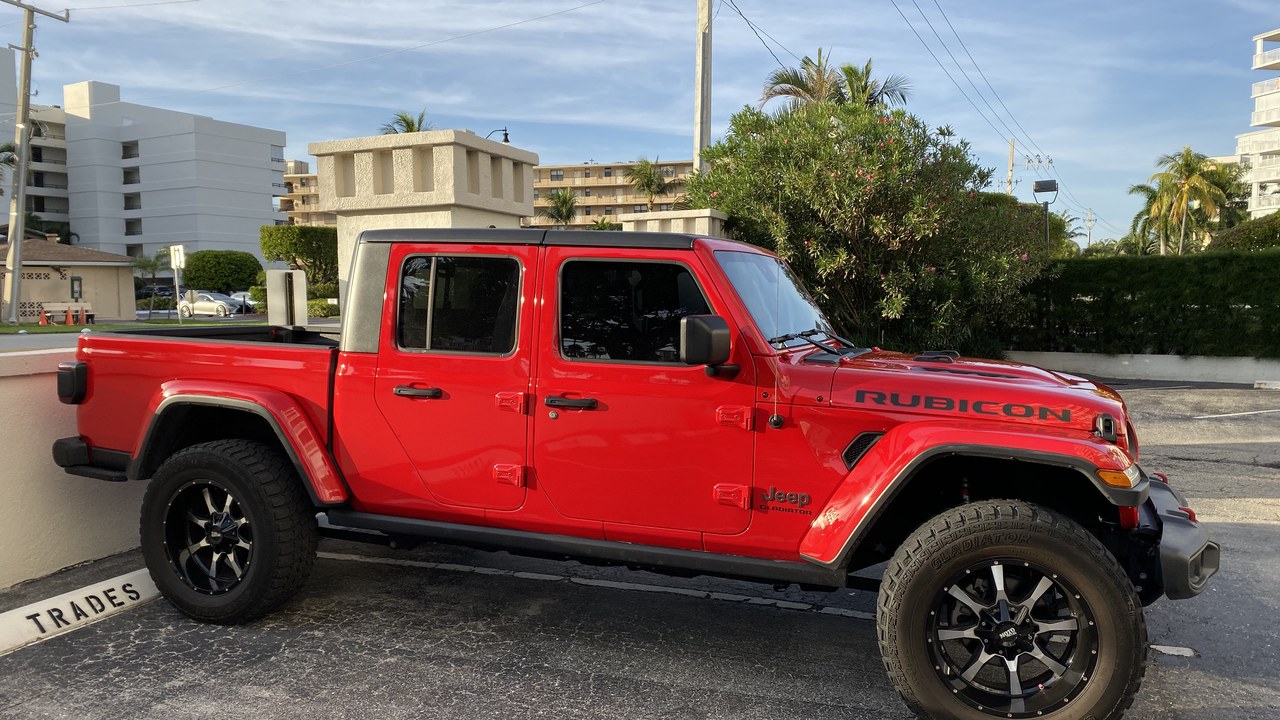
The Jeep Gladiator revived a storied name in 2020, but the newcomer quickly drew quality and recall complaints that raised questions about long-term durability. The Gladiator recall record documents campaigns touching everything from clutch assemblies to steering and wiring, and owners have reported the death-wobble and electrical annoyances familiar from the Wrangler on which it is based.
Because the Gladiator is still relatively young, its true high-mileage track record remains unproven rather than firmly bad. The recall volume nonetheless makes a thorough inspection and confirmation of completed fixes a sensible step for any secondhand buyer weighing this open-air pickup.
7. Nissan Frontier (2005-2010): Coolant Contamination
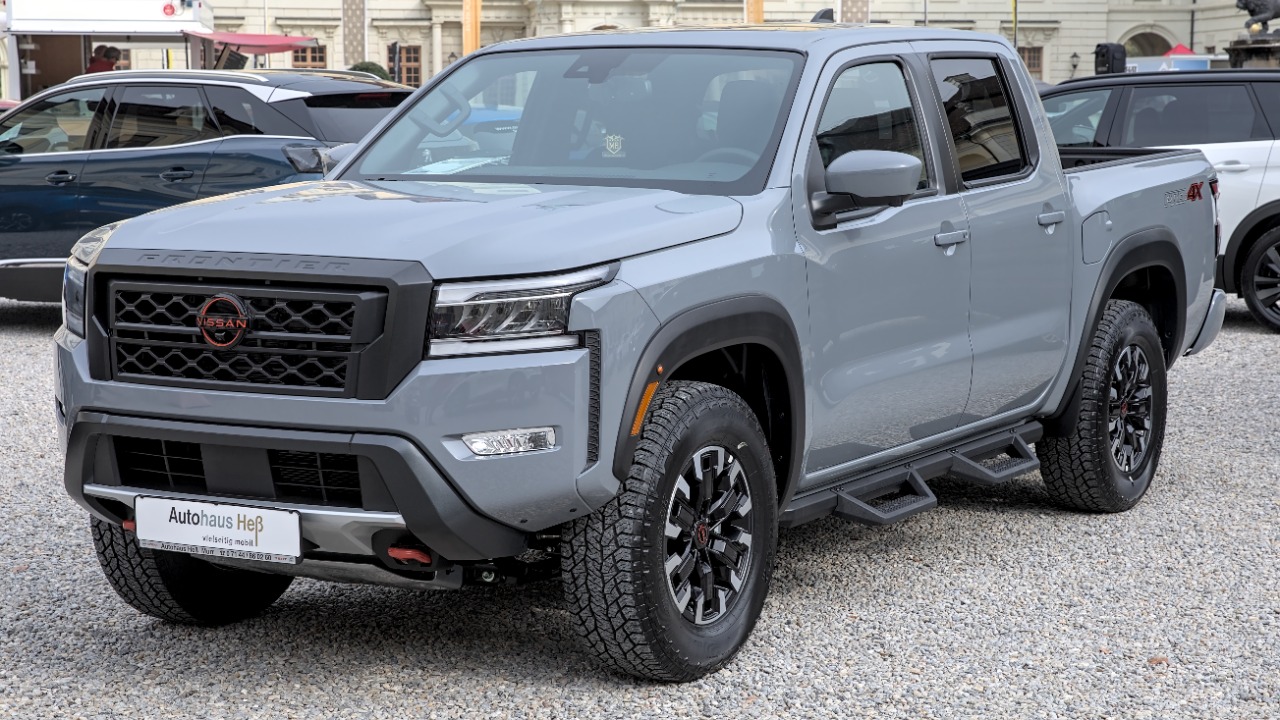
The 2005-2010 Nissan Frontier carried a design flaw that could turn a minor part into a catastrophic bill: a leaking radiator that allowed coolant to seep into the transmission. The Frontier model history records the notorious strawberry-milkshake failure, in which contaminated fluid destroyed the automatic gearbox, often stranding owners with a repair worth more than the aging truck.
Trucks that received a preventive radiator swap or an external bypass frequently survived, so condition varies widely across surviving examples. A prospective buyer should have the cooler lines inspected and the transmission fluid checked for contamination before trusting one of these Frontiers with a long commute.
8. Chevrolet Silverado (2007-2013): Thirsty V8
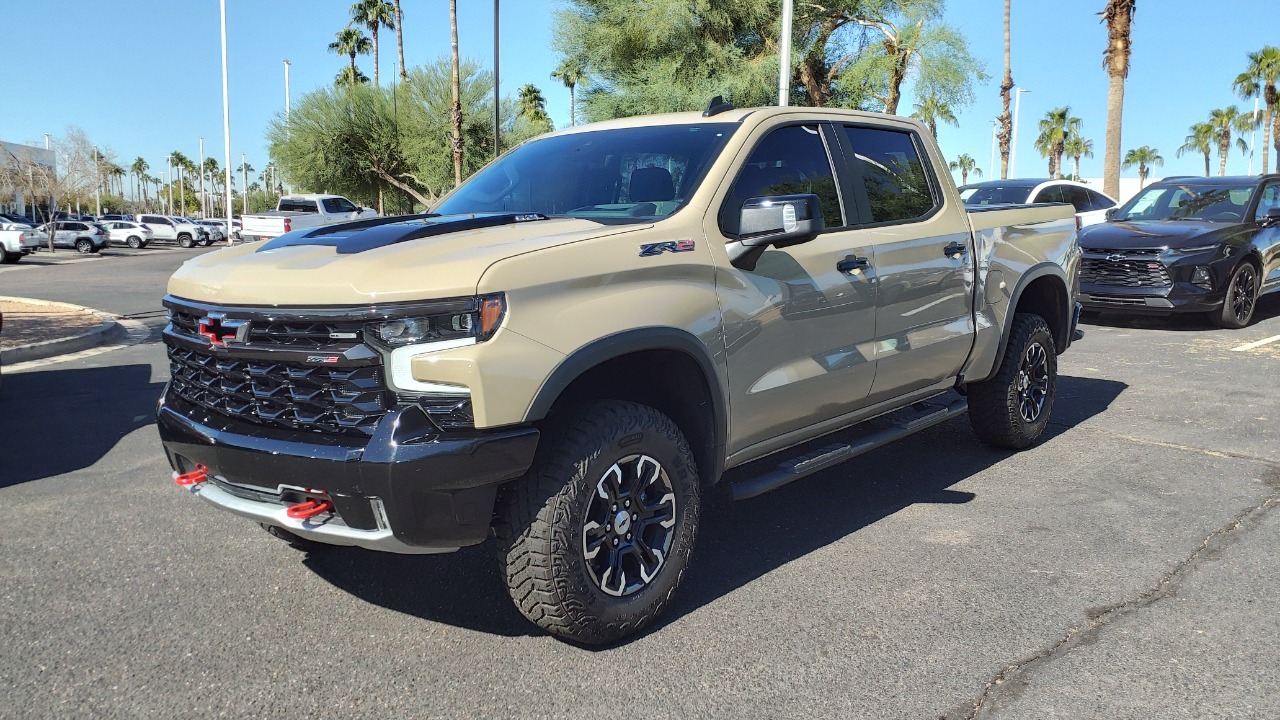
Some 2007-2013 Chevrolet Silverado trucks with the 5.3-liter V8 burned oil at an alarming rate, a defect traced to the engine’s piston-ring and cylinder-deactivation design. Federal safety and official recall records capture the broader wave of owner complaints, and the excessive consumption could foul plugs, damage the catalytic converter, and cause internal wear long before 200,000 miles.
Not every 5.3 suffered, and updated rings or diligent oil monitoring kept many running strong. Still, a used Silverado of this vintage warrants a consumption check between changes, because an engine quietly drinking a quart every thousand miles signals an expensive road ahead.
9. Ram 1500 (2013-2018): Suspension Gremlins
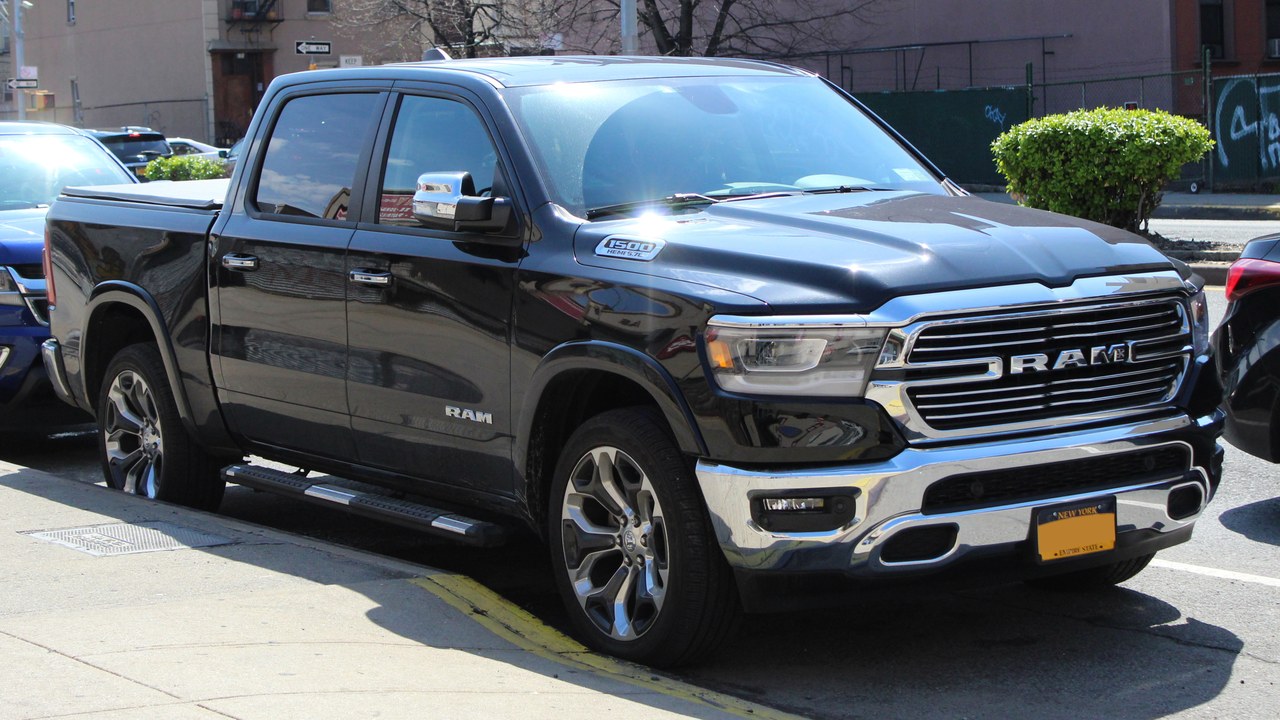
The 2013-2018 Ram 1500 impressed reviewers with its ride and interior, yet its optional air suspension and dense electronics frustrated plenty of owners as the trucks aged. The Ram pickup history notes the era’s move to air springs and the eight-speed automatic, both of which generated repair reports involving sagging suspension, warning lights, and balky infotainment.
Coil-sprung versions sidestep the priciest air-suspension repairs, so the specific configuration matters. Buyers drawn to a used Ram of this generation should verify the air system holds ride height overnight and scan for stored fault codes rather than assuming the polish extends to the hardware.
10. Honda Ridgeline (first gen): Gearbox Wear
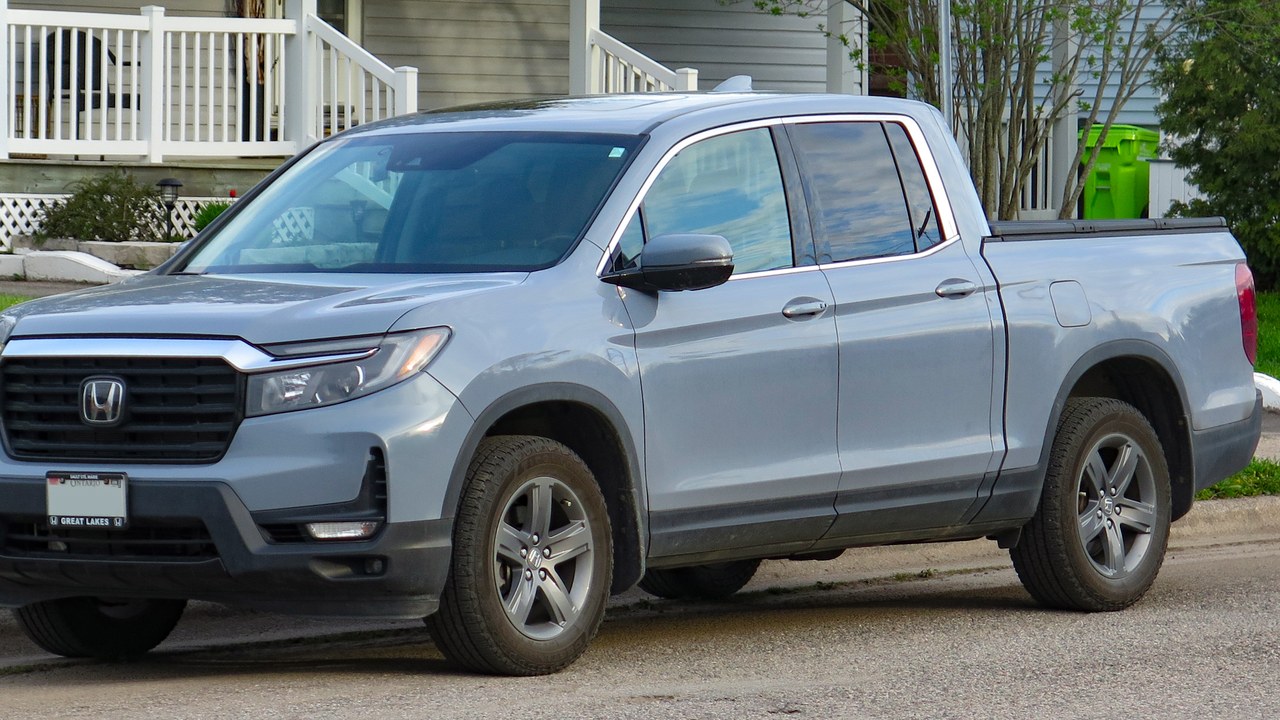
Honda’s first-generation Ridgeline earned praise for its car-like manners, but its five-speed automatic transmission drew complaints over premature wear on the unibody pickup. The first-generation Ridgeline history reflects a truck sold in modest numbers, and owners who towed or hauled near its limits sometimes reported gearbox trouble that could sideline the vehicle before extreme mileage.
Well-maintained examples driven gently have nonetheless proven durable, making service history the deciding factor. A shopper eyeing an early Ridgeline should confirm regular transmission-fluid changes and treat any shifting hesitation on a test drive as a reason to walk away.
More from Morning Overview
