Range remains the number that decides most electric SUV purchases, and the gap between the best and the worst in the class is now wider than a hundred miles. Battery size explains part of it; aerodynamics, voltage and trim choice explain the rest. These are nine electric SUVs that travel farthest on a single charge as 2026 arrives.
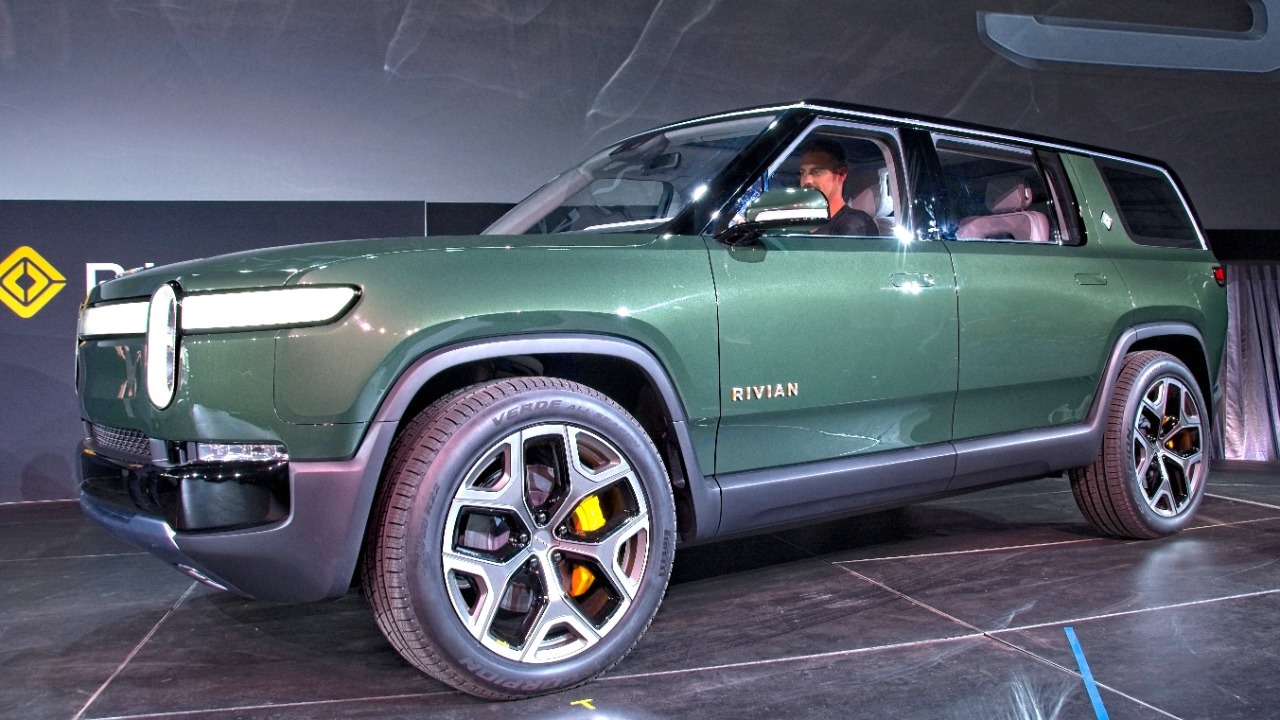
1. Rivian R1S: The Big-Pack Outlier
<p>Image Credit: Richard Truesdell – CC BY-SA 4.0/Wiki Commons</p>
Rivian splits its three-row SUV by battery size, and the largest option is what puts it at the front of this list: the Max-pack dual-motor version has been rated above 400 miles on the EPA cycle, while the standard pack sits closer to 270. Nothing else about the R1S battery lineup changes across that spread, from the body to the charge port.
Range is therefore chosen on the order screen rather than earned at the charger, and the least expensive R1S is not the one that appears in comparison tables. The Max pack also adds weight and several thousand dollars, a premium that short commutes rarely repay.
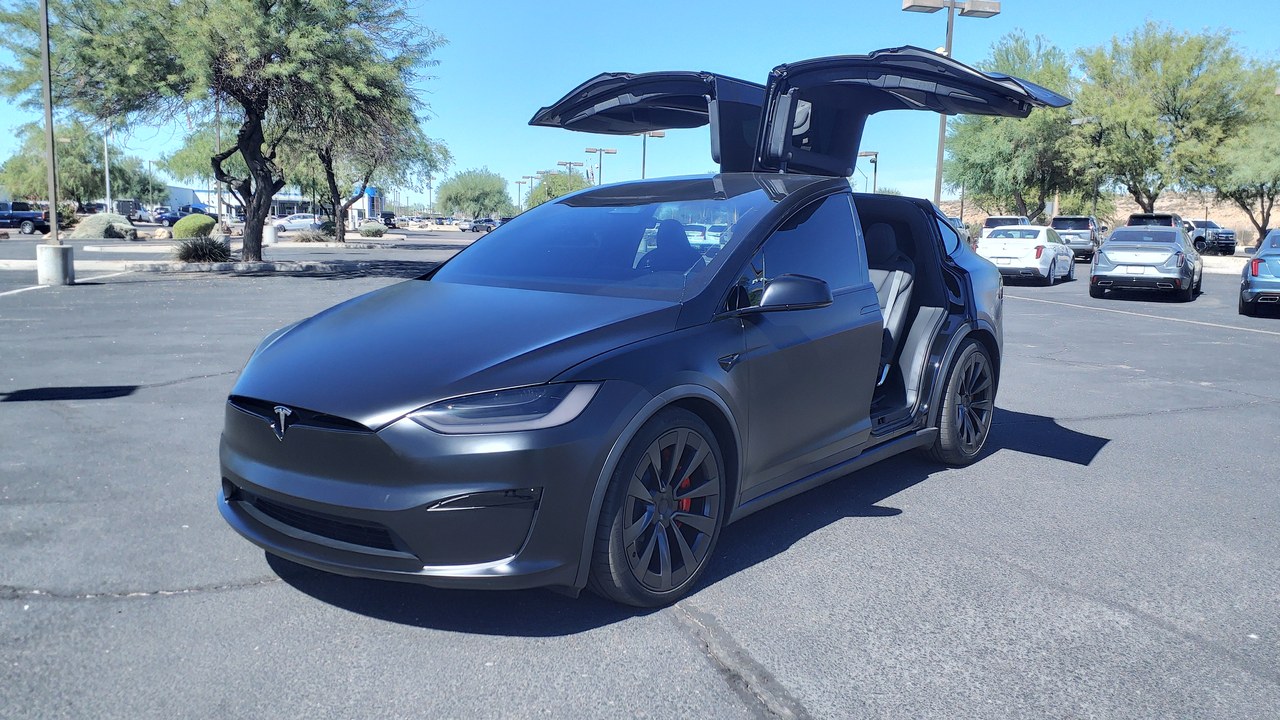
2. Tesla Model X: The Long-Range Veteran
Image Credit: HJUdall – CC0/Wiki Commons
Among the oldest electric SUVs still in production, the Model X stays near the top of the range table: its Long Range trim is rated at roughly 335 miles, and the three-motor Plaid version trades part of that figure for acceleration. A long wheelbase and an unusually slippery profile do much of the work behind those Model X ratings.
Age shows in other places, particularly the falcon-wing rear doors that dominate owner service discussions. The mature powertrain and the density of Tesla’s own fast-charging network still make it one of the easier vehicles here to drive a long way in a day.
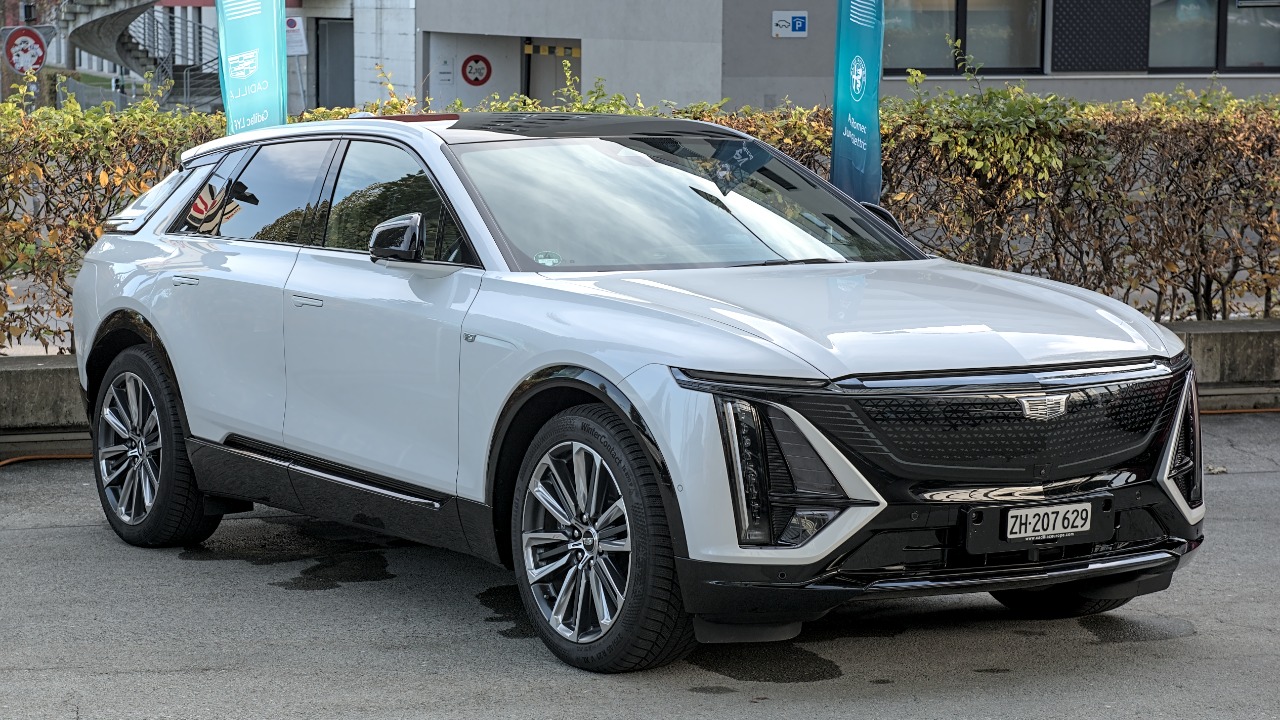
3. Cadillac Lyriq: Ultium’s Long Legs
Image Credit: Alexander-93 – CC BY-SA 4.0/Wiki Commons
At roughly 102 kilowatt-hours, the Lyriq’s Ultium pack is among the largest in its price class, and it converts into an EPA rating near 314 miles for the rear-drive version, with all-wheel drive giving back a handful of miles. The modules sit flat beneath the cabin floor rather than intruding into it.
That layout buys a low center of gravity and an uninterrupted interior, but it also makes for a heavy vehicle whose real-world figure is sensitive to speed. Sustained highway cruising erodes the rating faster than city driving does, which flatters the Lyriq in exactly the conditions most owners drive in.
4. Hyundai Ioniq 5: Efficiency Over Brute Size
Image Credit: HJUdall – CC0/Wiki Commons
The Ioniq 5 reaches its numbers by consuming less rather than carrying more: an 84-kilowatt-hour pack in recent model years yields about 318 miles in rear-drive long-range form, matching vehicles with noticeably bigger batteries. Its 800-volt architecture also allows a 10-to-80-percent recharge in roughly 20 minutes on a suitably fast charger.
For anything beyond a single tank of range, that charging speed counts for more than the rating itself, because a shorter stop restores the clock faster than 30 extra miles of reserve. The concession is packaging: this is a compact crossover, not a seven-seat hauler.
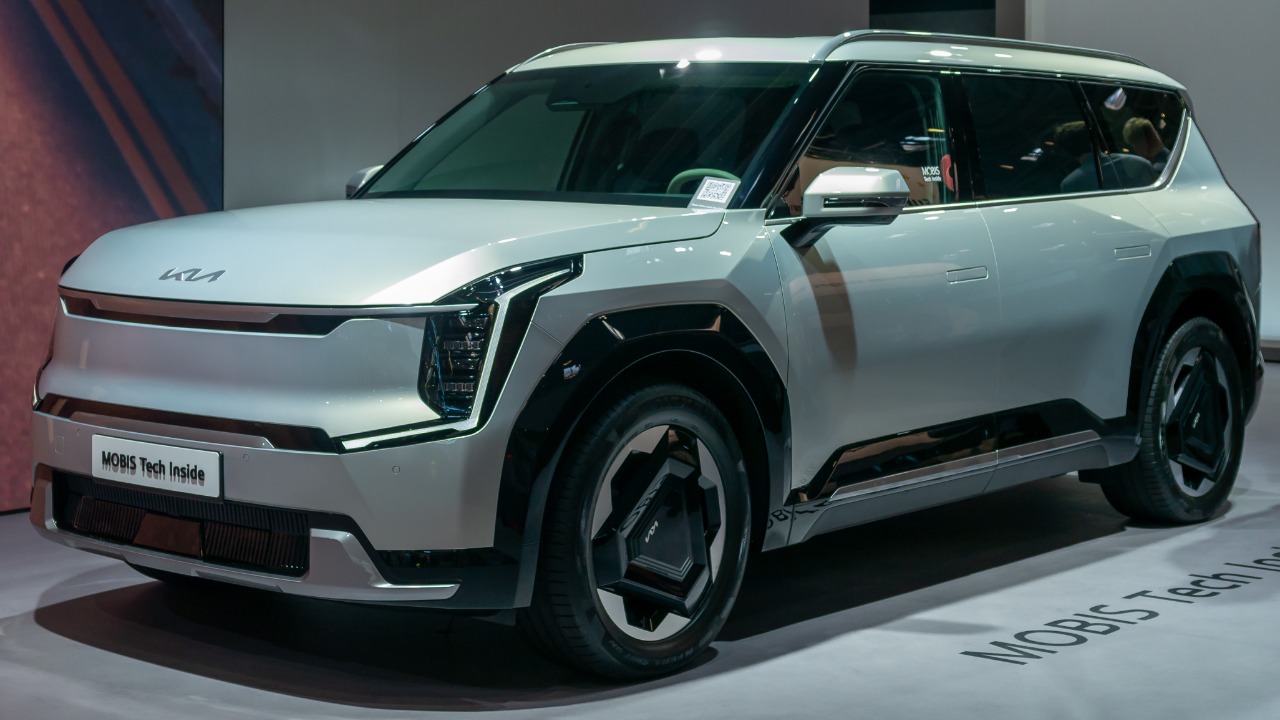
5. Kia EV9: Three Rows Without the Penalty
Image Credit: Matti Blume – CC BY-SA/Wiki Commons
Three-row electric SUVs usually pay for their volume in range, yet the 99.8-kilowatt-hour battery in the long-range EV9 keeps the rear-drive version near 304 miles, with the dual-motor variant landing lower. It uses the same 800-volt system that gives its Hyundai siblings their short charging stops.
The practical outcome is a seven-seater that covers a typical holiday drive on one stop instead of two. Roof boxes, a full load of passengers and any towing cut sharply into that figure, a penalty every vehicle on this list shares but larger bodies feel most.
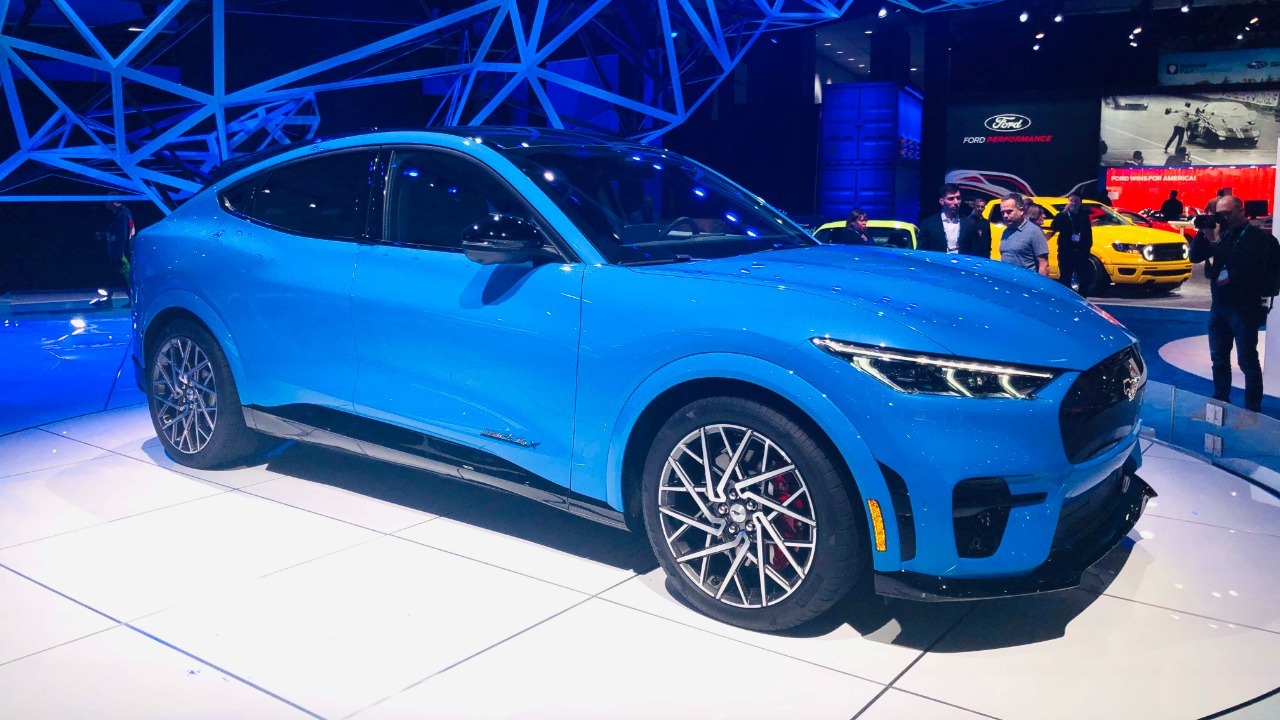
6. Ford Mustang Mach-E: It Depends Which Battery
Image Credit: Automotive Rhythms – CC BY-SA 4.0/Wiki Commons
Mach-E range is decided almost entirely by which pack was ordered: the extended-range rear-drive car is rated at roughly 320 miles, while standard-pack and all-wheel-drive versions land well below that. Ford has revised the Mach-E battery options more than once since the model launched in 2020.
Used shoppers consequently cannot read range off the badge, since two cars of the same model year and trim family can differ by 50 miles or more. The original window sticker, not the trim name on the tailgate, is the document that settles the question.
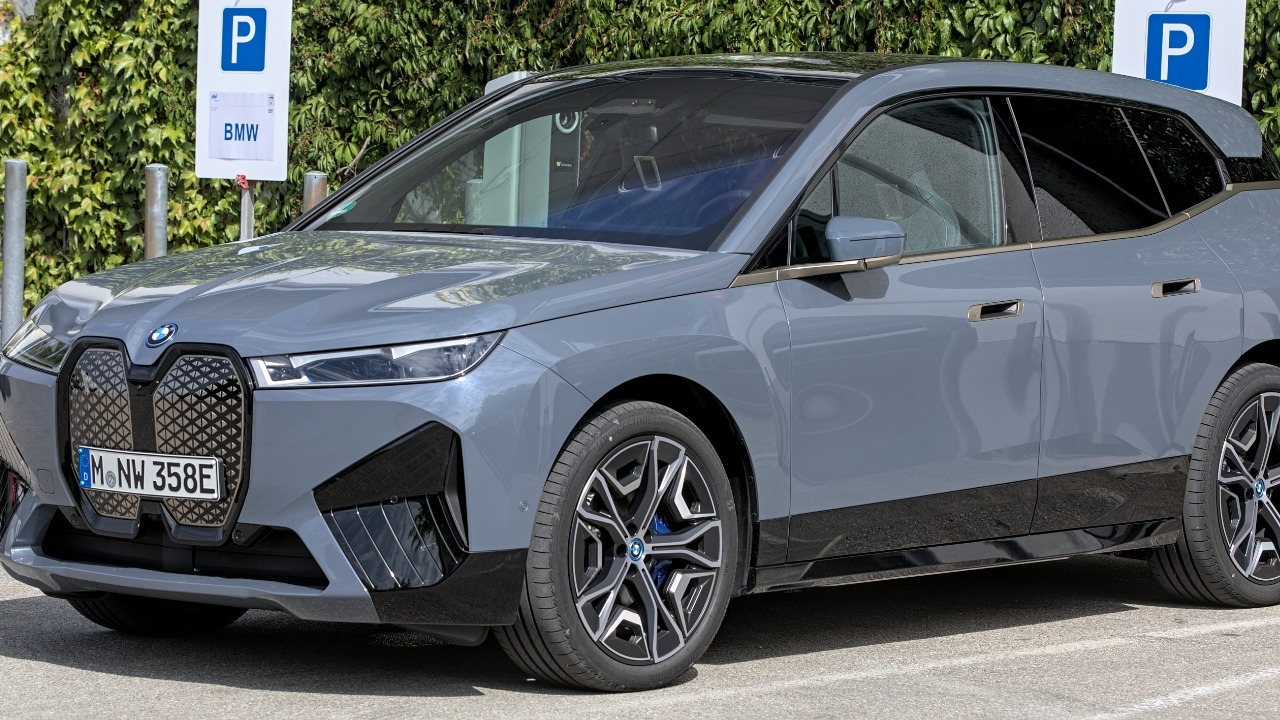
7. BMW iX: The Big-Battery Flagship
Image Credit: Alexander Migl – CC BY-SA 4.0/Wiki Commons
Few electric SUVs carry as much cell capacity as the iX xDrive50, whose pack holds roughly 111 kilowatt-hours gross and supports an EPA figure near 324 miles despite the vehicle’s size. A carbon-fiber-reinforced structure around the passenger cell offsets part of that battery mass.
Most of that engineering surfaces in the price rather than on the specification sheet, and the sportier M60 version hands back a chunk of the range in exchange for output. Anyone shopping for the long number needs to read the trim badge, not the model name.
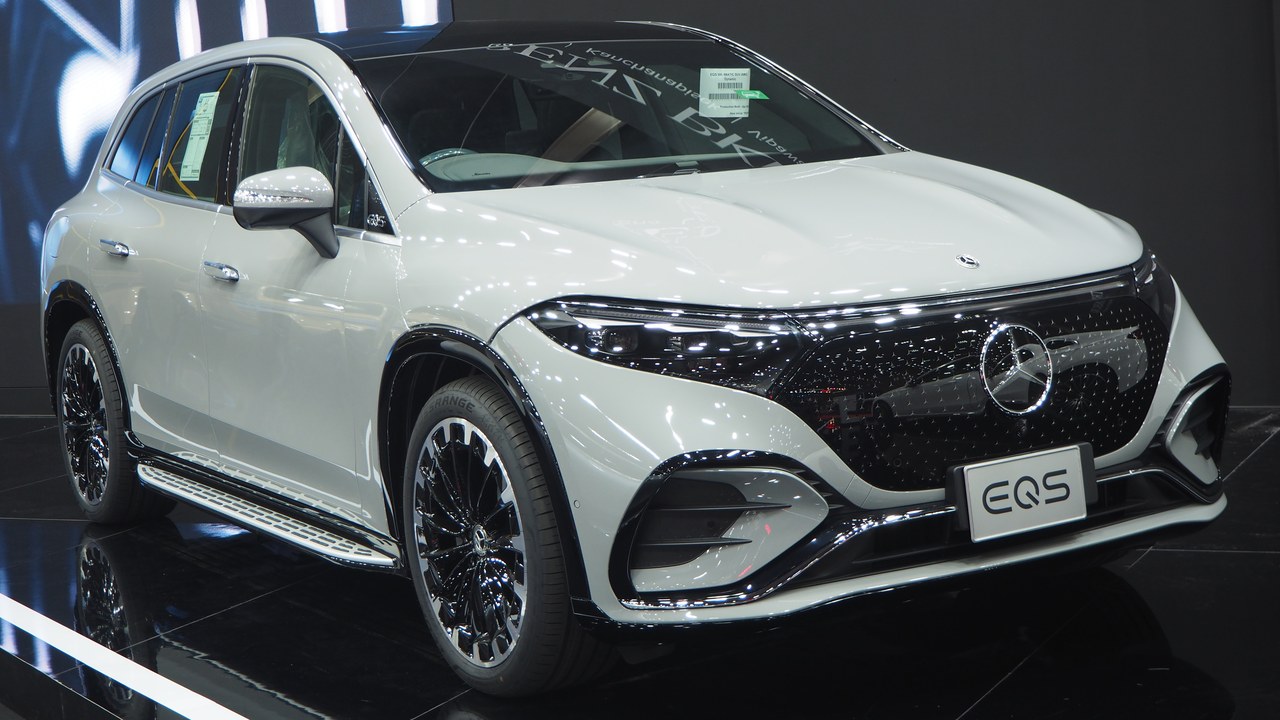
8. Mercedes-Benz EQS SUV: Aerodynamics Doing the Work
Image Credit: Chanokchon – CC BY-SA 4.0/Wiki Commons
Built on the same skateboard architecture as the EQS luxury sedan, the SUV inherits a battery of roughly 108 kilowatt-hours and the same obsessive attention to drag. In 450+ form it is rated near 305 miles, a figure produced by flush glass, rounded panels and a sealed underbody as much as by raw capacity.
Aerodynamic gains count most above 60 mph, so the EQS SUV protects its rating better on an interstate than in stop-start traffic. Its bulk works against it everywhere else, from multi-storey parking structures to the cost of replacing a set of tires.
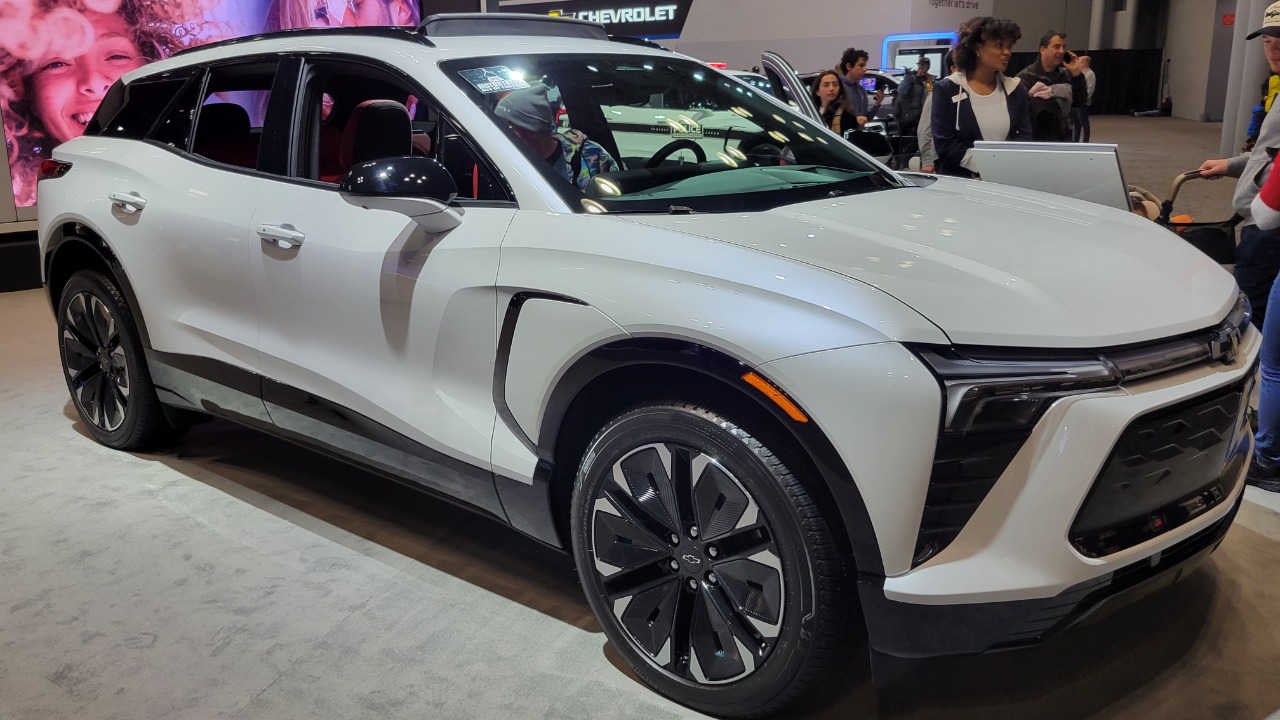
9. Chevrolet Blazer EV: The 300-Mile Rear-Driver
Image Credit: Charles from Port Chester, New York – CC BY 2.0/Wiki Commons
Blazer EV range divides along familiar Ultium lines, with the rear-drive RS trim rated at about 324 miles and all-wheel-drive versions wearing the same badge coming in lower. Battery size, not equipment, separates them across the Blazer EV lineup.
Chevrolet halted sales early in the model’s life to correct software faults before restarting deliveries, a reminder that a new electric vehicle’s first year is seldom its best. The range rating itself has held up as one of the strongest figures in the mainstream segment, and it arrives without the price tag attached to the luxury badges above it.
More from Morning Overview
Morning Overview is reader-supported. Some links in our articles are affiliate links, and we may earn a commission at no extra cost to you. As an Amazon Associate I earn from qualifying purchases. Full disclosure.