
Top speed is the one hypercar figure that resists marketing, because it has to be measured on a runway or a test bowl with timing equipment nobody controls. The cars below mix verified records, factory ratings and engineering targets, and the distance between those three categories is the real story. Here are nine of the fastest production cars of 2026.
1. Bugatti Chiron Super Sport 300+: The First Car Past 300 MPH
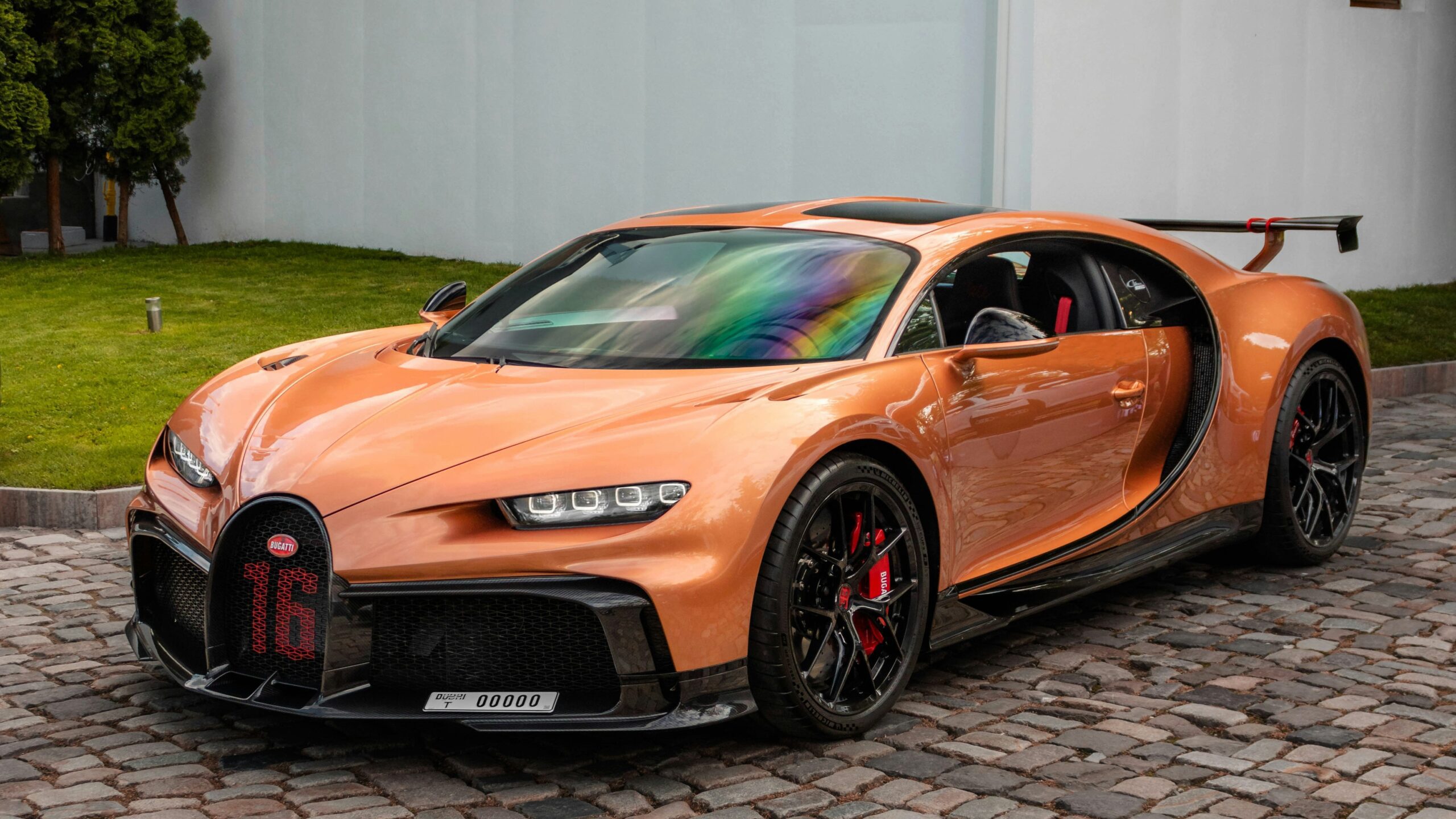
Bugatti’s record attempt at Ehra-Lessien on August 2, 2019 sent Andy Wallace through the timing traps at 304.773 mph, the first time a car derived from a production model had been clocked above 300. The 8.0-liter quad-turbocharged W16 was pushed to 1,578 horsepower and the tail was extended roughly 10 inches to settle the airflow behind it. Bugatti then built thirty customer examples, each electronically limited to 273 mph.
That limiter is the detail buyers overlook. The record run used a specially prepared car on bespoke Michelin tires, and no showroom example leaves Molsheim configured to repeat it, so the 300-mph achievement belongs to the model rather than to any individual car in private hands.
2. Koenigsegg Jesko Absolut: Fast On Paper, Untimed In Practice
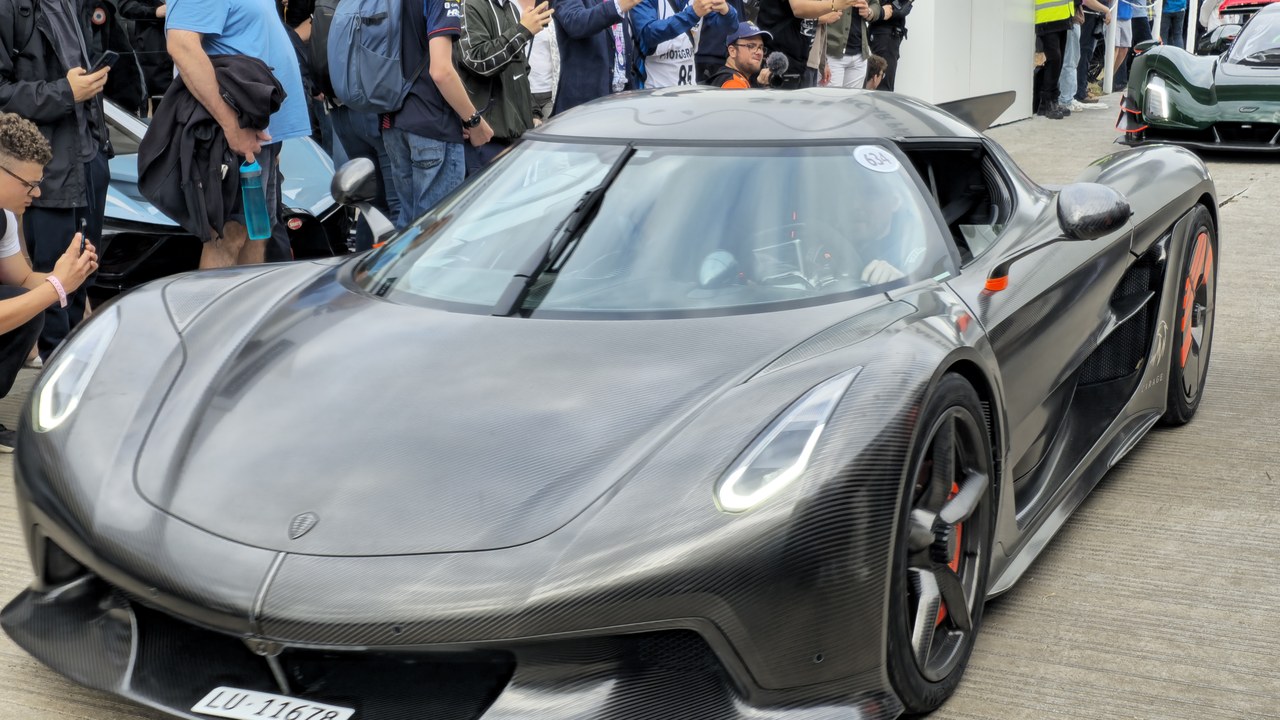
Absolut is Koenigsegg’s top-speed specification of the Jesko: the towering rear wing is deleted, the wheel-arch louvres are sealed, the body is lengthened and twin rear fins replace the downforce hardware, cutting the drag coefficient to 0.278. The company’s simulations place its theoretical ceiling above 310 mph. The 5.0-liter twin-turbocharged V8 makes 1,280 horsepower on pump gasoline and 1,600 on E85.
No verified run has followed, which leaves the Absolut in an unusual position: the fastest car nobody has timed. Until a long enough straight and independent equipment are booked, that number remains a prediction standing beside Bugatti’s measured 304 mph rather than a result.
3. Rimac Nevera: The Electric Record Holder
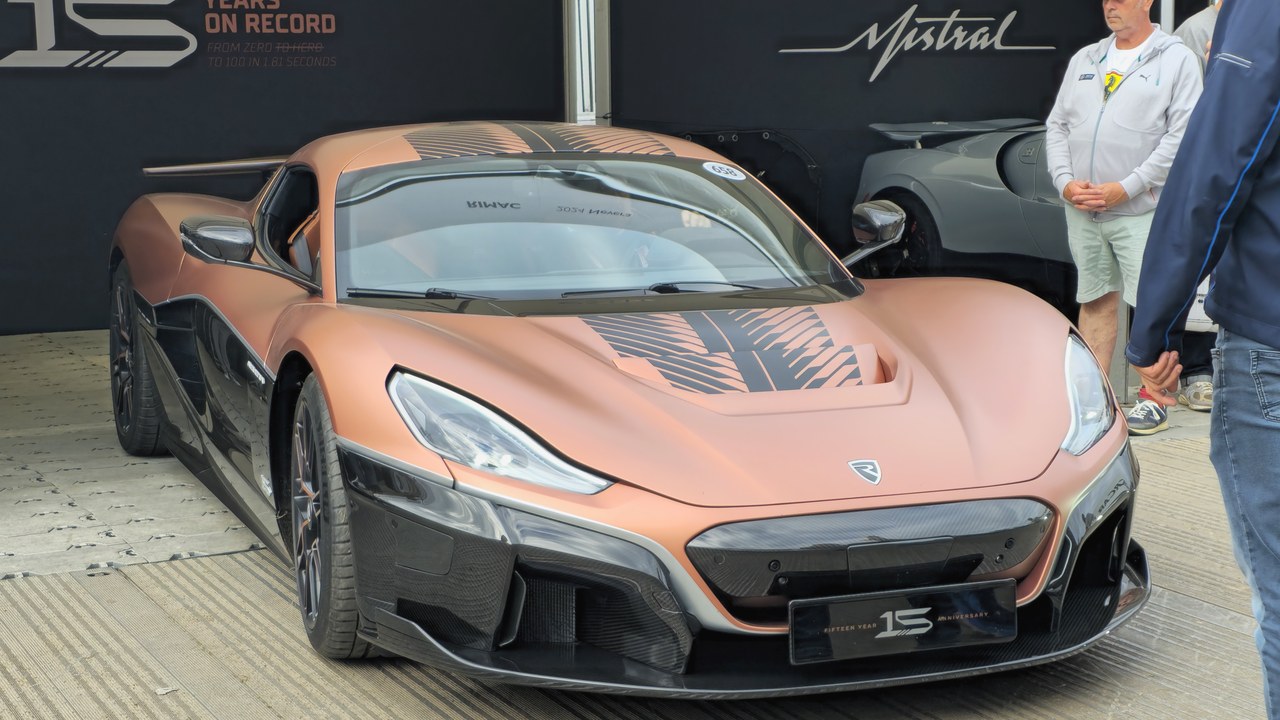
Rimac’s verified top-speed record for the Nevera stands at 258 mph, set on the Automotive Testing Papenburg oval in Germany in 2022 and still the highest figure timed for a production electric car. Four permanent-magnet motors, one per wheel, deliver 1,408 kilowatts, roughly 1,914 metric horsepower, and the same torque-vectoring software that manages them controls the launch.
The constraint is duration rather than power. A 120-kWh pack drains quickly at that velocity, so the run is measured in seconds, not miles, and only 150 cars were built, which keeps the achievement rare in every sense.
4. SSC Tuatara: The Claim That Had To Be Withdrawn
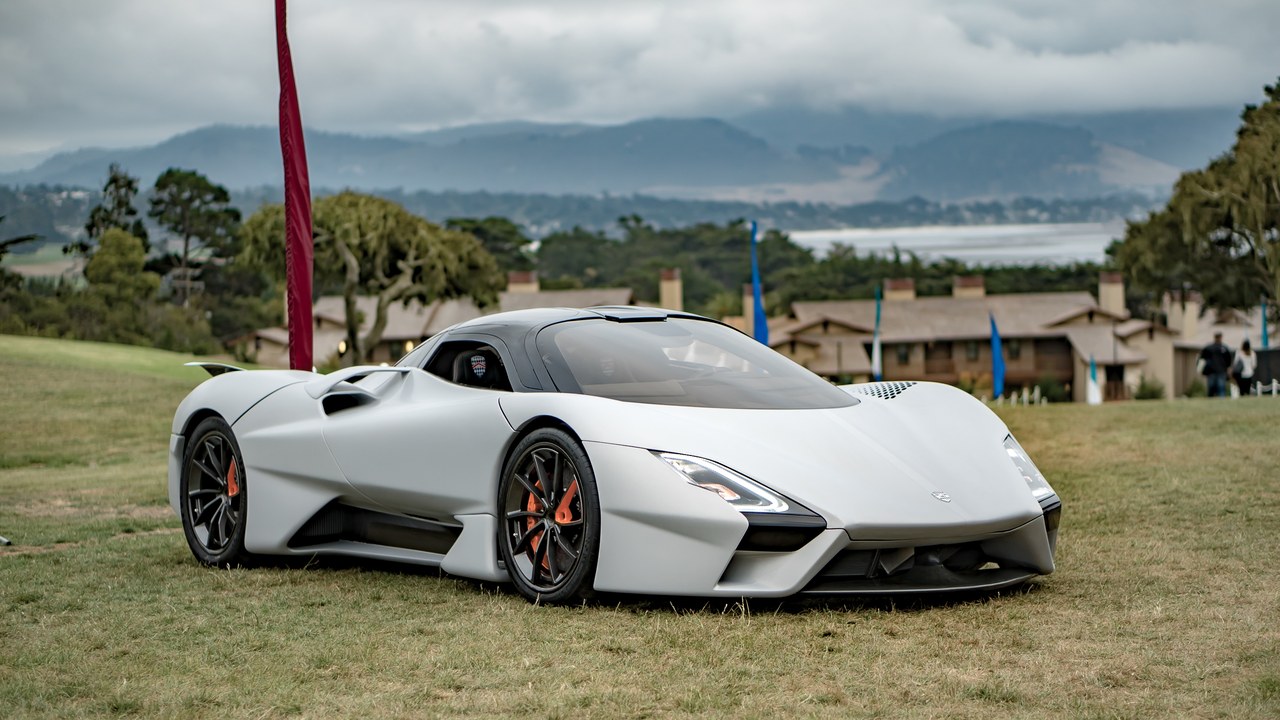
SSC announced a 316-mph average in October 2020, then withdrew the disputed speed claim after independent analysis of the onboard video contradicted the satellite data. The Tuatara was re-run in January 2021 for a two-way average of 282.9 mph, and in May 2022 recorded a 295-mph pass at the Johnny Bohmer Proving Grounds in Florida. Its 5.9-liter twin-turbocharged V8 produces 1,750 horsepower on E85.
The retraction ended up mattering more than the number. It established that a top-speed claim without independent timing gear and a published two-way average carries no weight, the standard every other car on this list is now judged against.
5. Hennessey Venom F5: Texas Power Meets A Short Runway
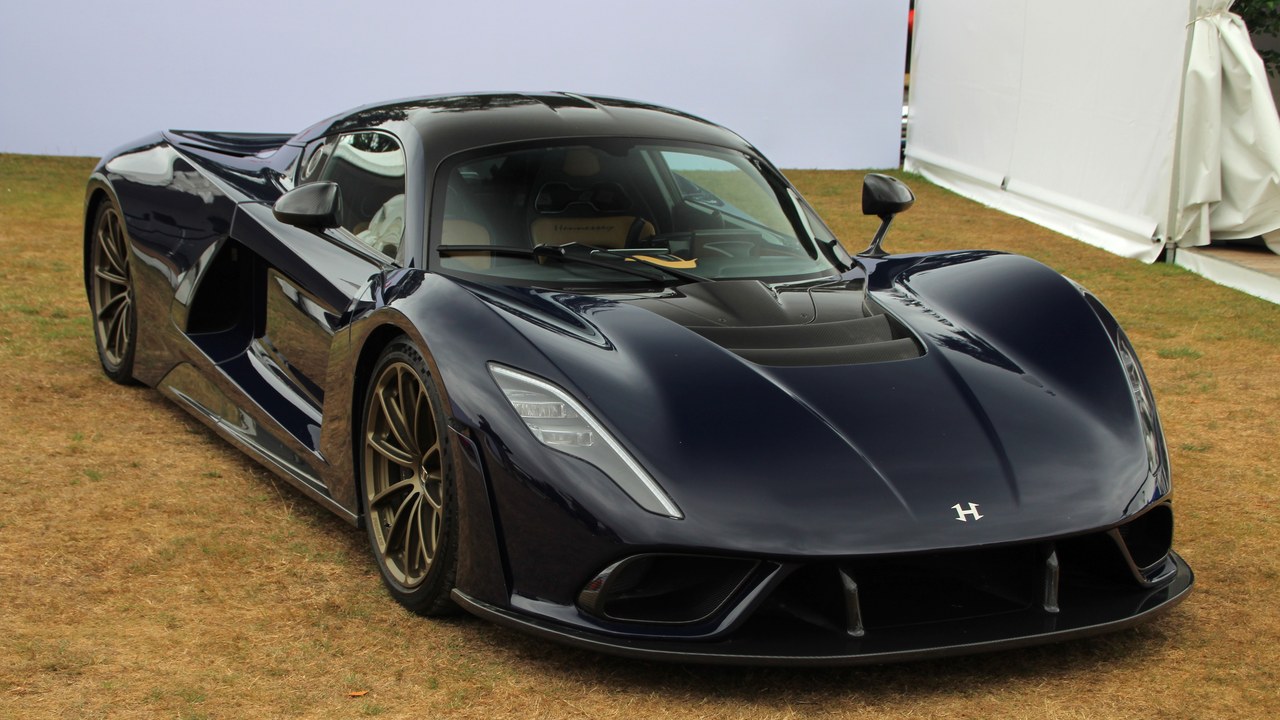
Hennessey’s 6.6-liter twin-turbocharged V8, named Fury, is rated at 1,817 horsepower, and 311 mph has always been the stated design target for the Venom F5. The quickest result so far came at the Kennedy Space Center’s Launch and Landing Facility, where the car recorded a 271.6-mph pass in 2024, fast enough to rank among the fastest ever timed and still roughly 40 mph short of the goal.
The shortfall is a venue problem as much as an engineering one. A three-mile strip forces braking while the car is still accelerating, which is precisely why Bugatti used a 5.4-mile straight. Until a longer surface is available, the target stays a target.
6. Bugatti Tourbillon: A V16 Successor To The Chiron
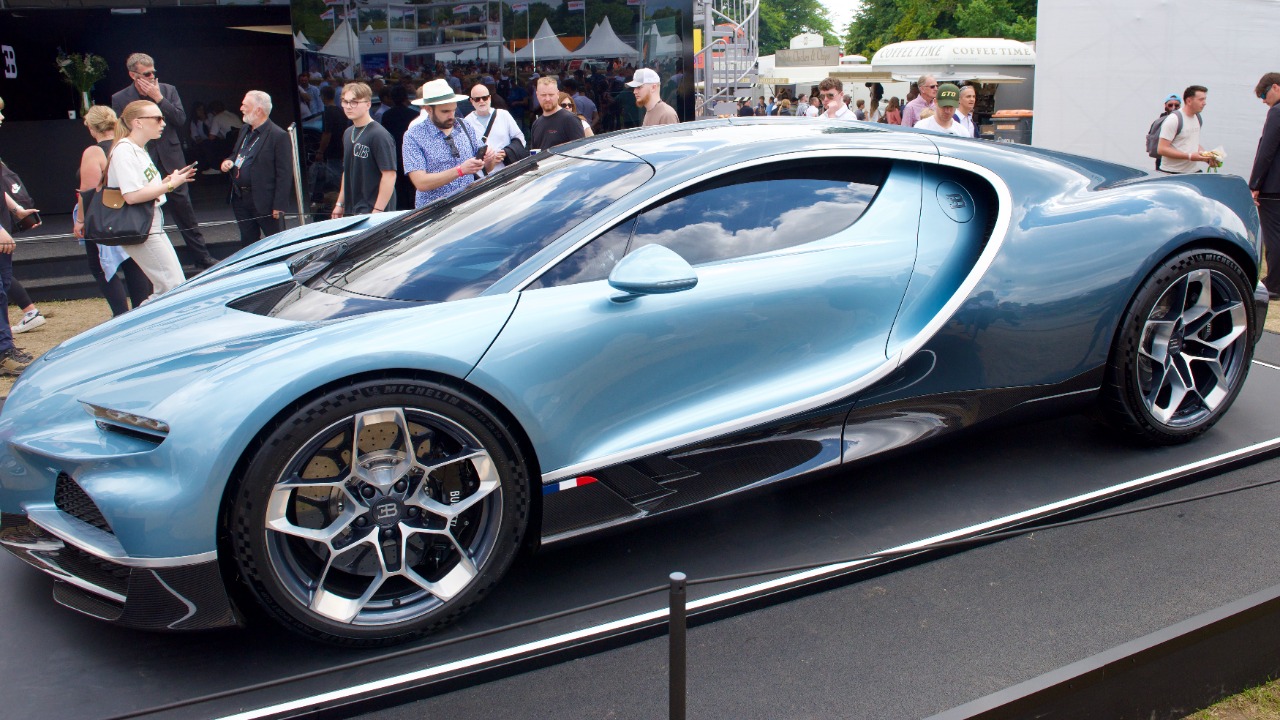
The Tourbillon replaces the Chiron’s quad-turbo W16 with a naturally aspirated 8.3-liter V16 developed with Cosworth, paired with three electric motors for a combined 1,800 metric horsepower. Bugatti quotes a 276-mph top speed unlocked by the Speed Key, with the car otherwise limited to 236 mph, and production is capped at 250 examples.
This is the only entry whose numbers remain factory projections rather than measurements, with customer deliveries beginning in 2026. Bugatti’s own history with the Chiron suggests the verification run arrives after the first cars reach owners, not before.
7. Pininfarina Battista: Ferocious Off The Line, Capped At The Top
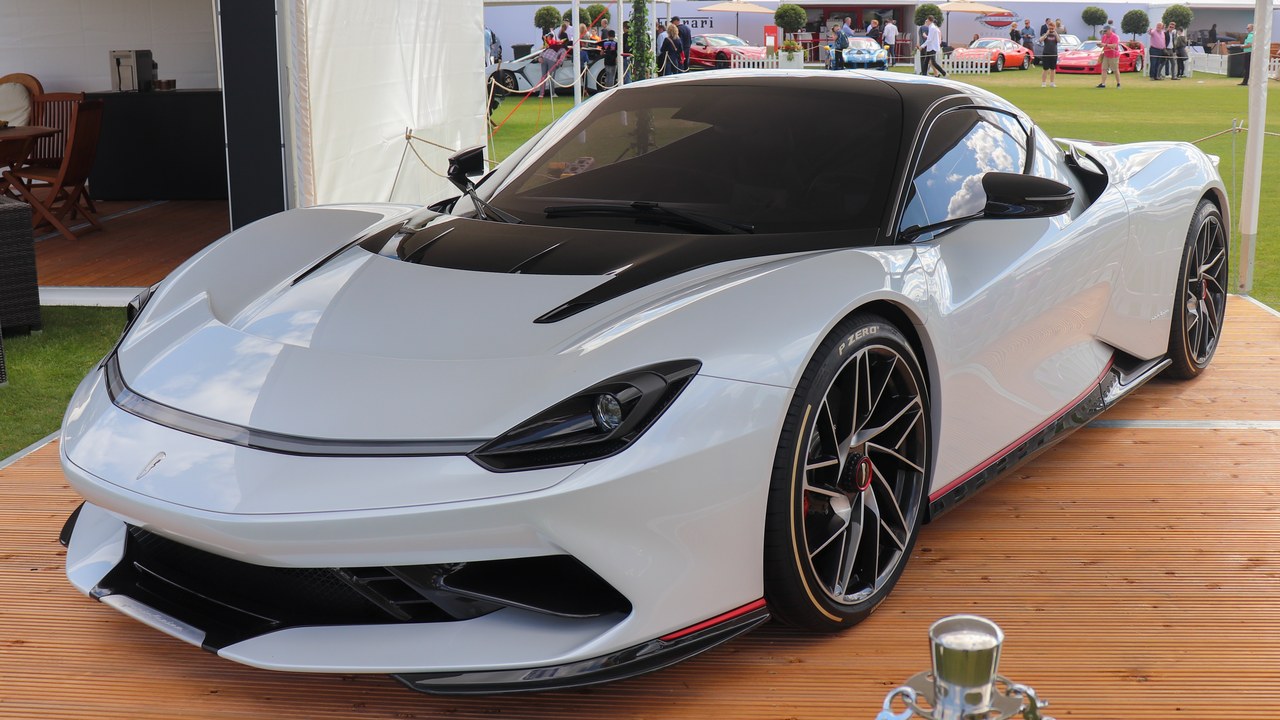
The Battista borrows its 120-kWh battery and quad-motor layout from the Rimac Nevera, tuned by Automobili Pininfarina to 1,900 metric horsepower, about 1,874 by the SAE measure. Pininfarina quotes a 217-mph top speed, the lowest figure on this list, alongside a 0-60 mph time of 1.79 seconds, and only 150 cars are being built.
That split shows how electric hypercars diverge from combustion ones. Instant torque wins the standing start, while a single-speed transmission and a fixed motor rev ceiling cap the other end, so acceleration and terminal velocity have stopped being the same contest.
8. Aston Martin Valkyrie: Built For Corners, Not Just Straights
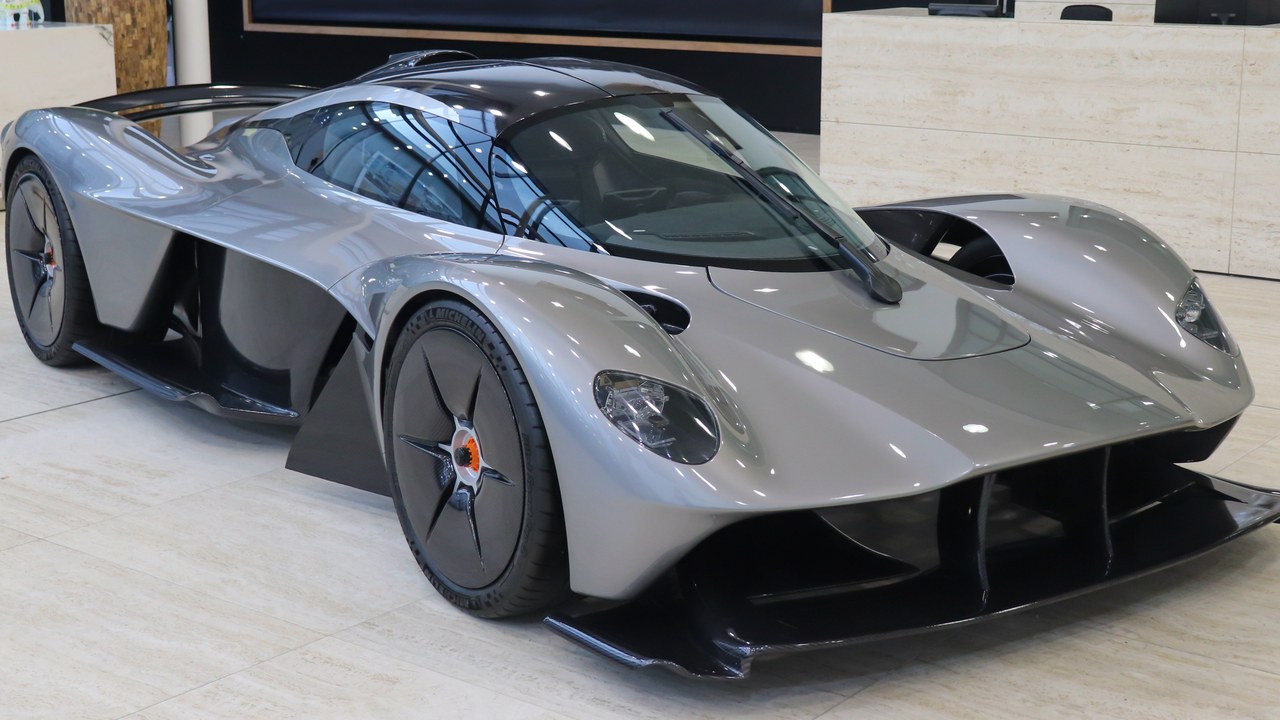
The Valkyrie’s Cosworth-built 6.5-liter naturally aspirated V12 produces 1,000 horsepower by itself and revs to 11,100 rpm, among the highest limits of any road-car engine, with a battery-electric system lifting the combined output to roughly 1,140. Aston Martin engineered the car around cornering load instead of terminal velocity, using Formula One-derived underbody aerodynamics that generate downforce measured in tons.
The consequence is a machine that would probably lose a top-speed contest to several cars above it and beat every one of them around a circuit. It is the clearest demonstration that fastest depends entirely on where the timing equipment is placed.
9. McLaren Speedtail: A Streamliner Rated At 250 MPH
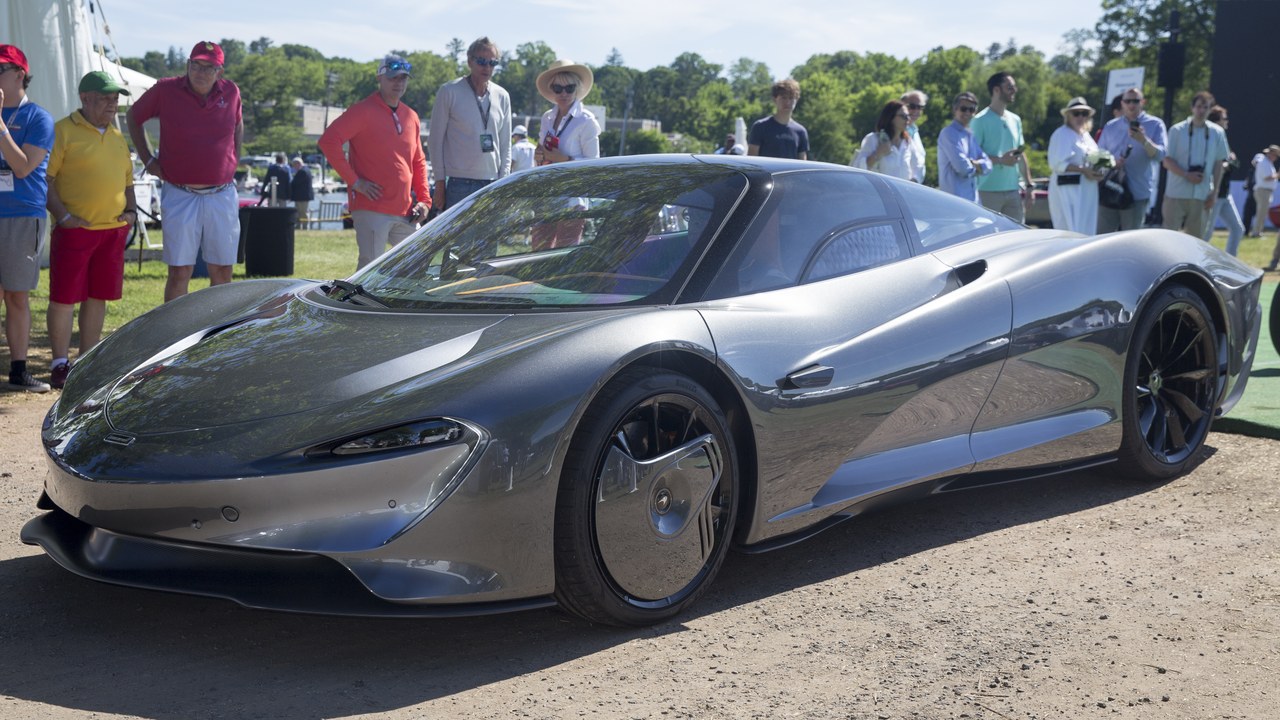
McLaren rates the Speedtail at 250 mph and validated the figure at the Kennedy Space Center, where test driver Kenny Brack took a prototype beyond that mark more than thirty times. It gets there on 1,055 horsepower from a petrol-electric hybrid and a body stretched past 17 feet, fitted with static aerodynamic wheel covers and cameras where the door mirrors would sit.
Shape, not output, is what earns its place: several cars here make far more power and travel no faster. McLaren built 106, matching the run of the F1 that the Speedtail’s three-seat, center-drive cabin deliberately recalls.
More from Morning Overview
- A Colorado wildfire forced level-three ‘leave now’ orders across Ouray County
- A skeleton beneath Petra’s Treasury was found clutching a chalice that resembles the Holy Grail
- 8 SUVs mechanics are quietly steering buyers away from in 2026
- Researchers pulled 8,080 pounds of invasive python from one Florida county
