
Some of the most familiar vehicles on the planet have never been offered through an American dealership, kept away by tariffs, certification costs, and plain market math. Drivers in Bangkok, Bogota, or Birmingham can walk into a showroom and order machines that never reach a lot in Ohio. Here are nine cars and trucks sold new almost everywhere except the United States.
1. Toyota Hilux: The Pickup America Traded Away
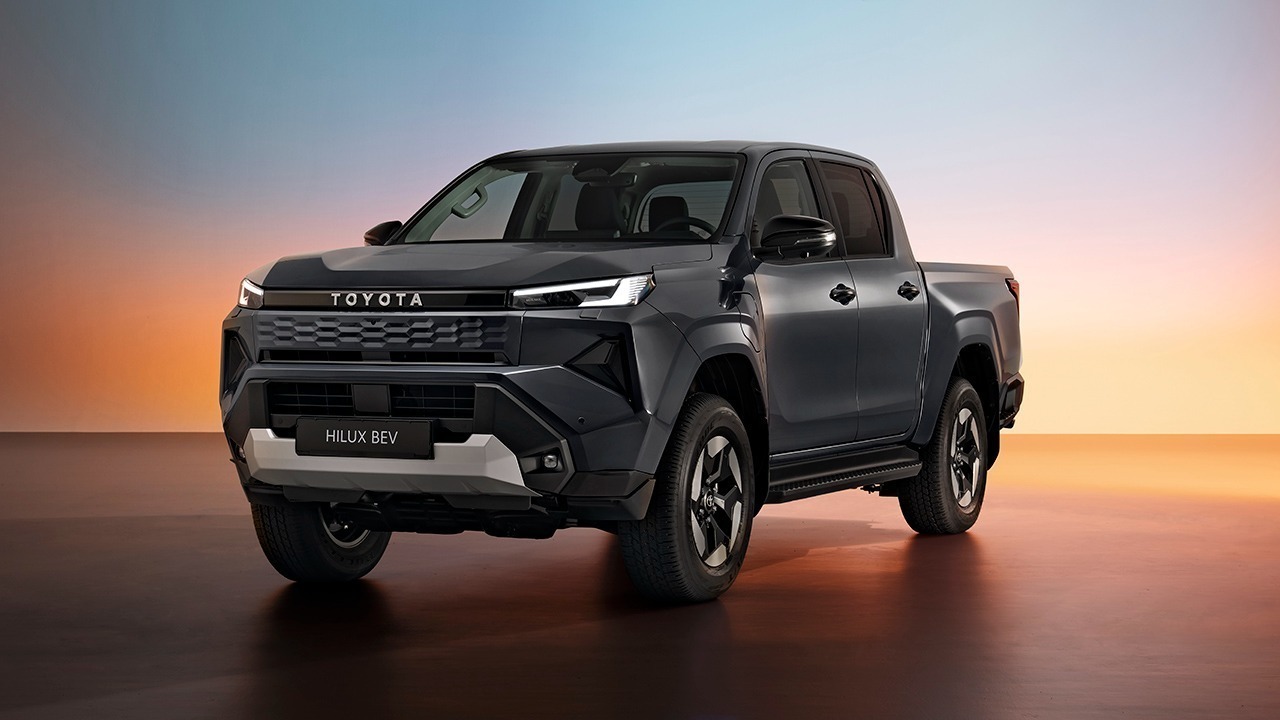
Toyota has produced the Hilux continuously since 1968, and the current body-on-frame pickup anchors light-truck sales across Africa, Asia, Australia, and South America. American showrooms lost it after 1995, when Toyota discontinued the compact truck in North America and replaced it with the Tacoma, and the Hilux nameplate has not returned. Diesel engines, a payload-first chassis, and a reputation for surviving abuse keep demand high nearly everywhere else.
That split left the Tacoma as the closest domestic equivalent, a larger truck engineered for a different buyer and a different price bracket. Elsewhere the Hilux is treated as durable equipment rather than a lifestyle purchase, which is much of the reason the two lines diverged in the first place.
2. Volkswagen Amarok: A Global Pickup With No US Address
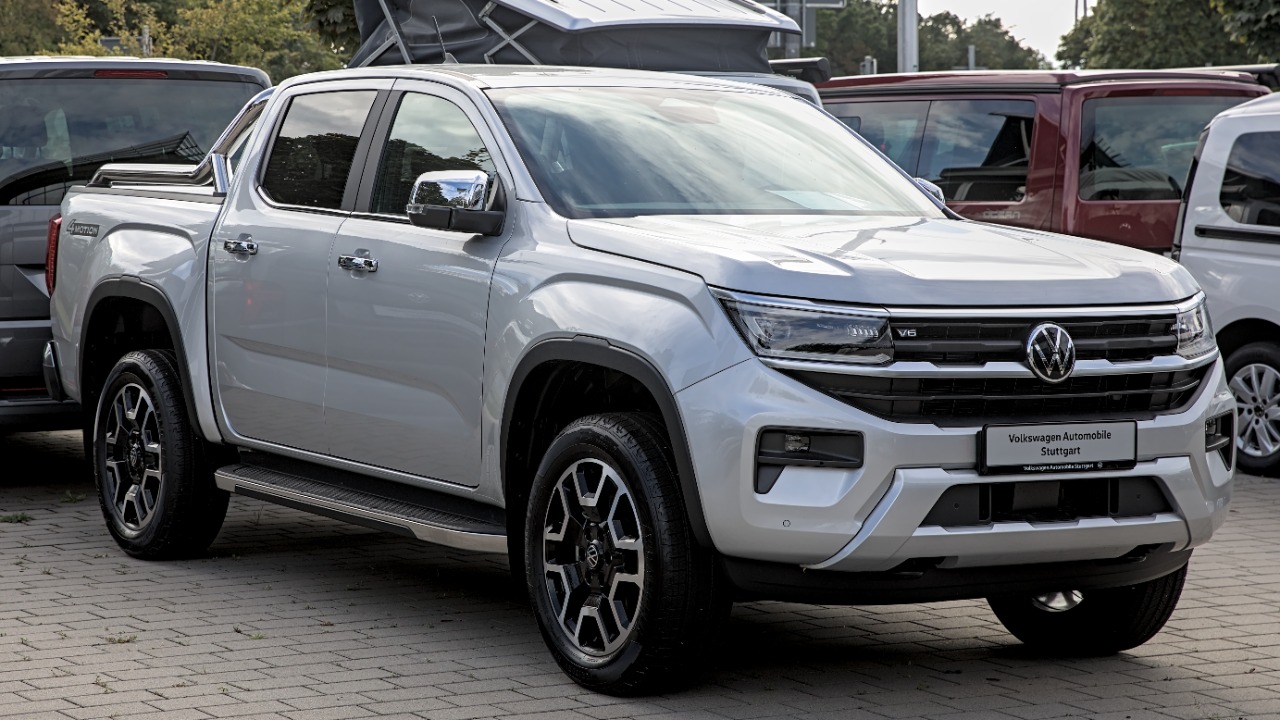
Volkswagen launched the Amarok in 2010 as its one-tonne entry in the pickup class, building the original in General Pacheco, Argentina, and Hanover, Germany. The second-generation Amarok arrived in 2022, sharing its platform with the Ford Ranger and rolling out of Silverton, South Africa. Sales span Europe, South America, Africa, and Australia, yet Volkswagen has never offered the truck to American buyers.
The absence is commercial rather than technical, because the current Amarok shares its bones with a truck Ford already sells in US showrooms as the Ranger. Volkswagen’s American range leans on crossovers instead, leaving the brand without a pickup in the country that buys more of them than any other.
3. Toyota Land Cruiser 70 Series: Four Decades Without An American Debut
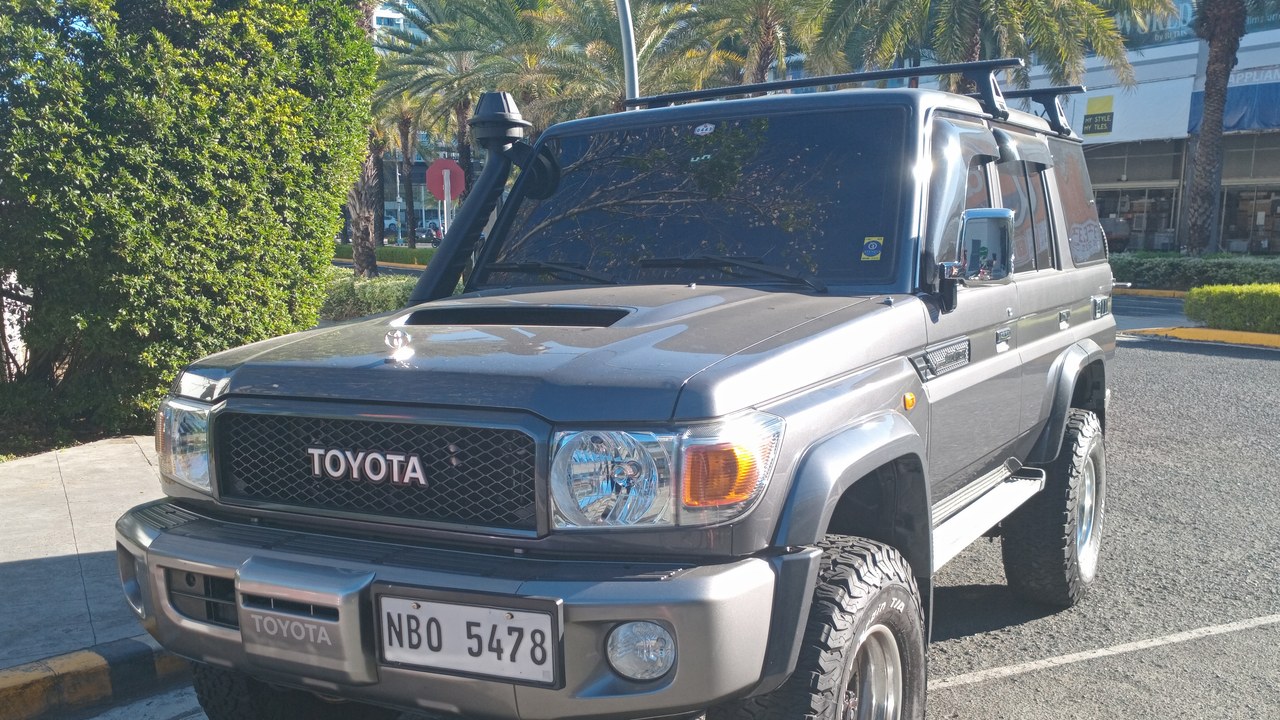
Production of the 70 Series began in 1984 and has never stopped, covering troop carrier, pickup, and wagon bodies built for mining crews and remote fieldwork. The J70 Land Cruiser sells across Australia, Africa, the Middle East, and South America, and Toyota returned it to the Japanese market in 2023. United States dealers received the 60, 80, 100, and 200 Series instead.
Its appeal is deliberate simplicity: solid axles, minimal electronics, and panels a rural workshop can straighten without specialist tooling. That makes it a default choice where recovery is measured in days rather than hours, and it explains why demand has outlasted four decades of softer Land Cruisers sold elsewhere.
4. Peugeot 208: A European Best-Seller Off The Map
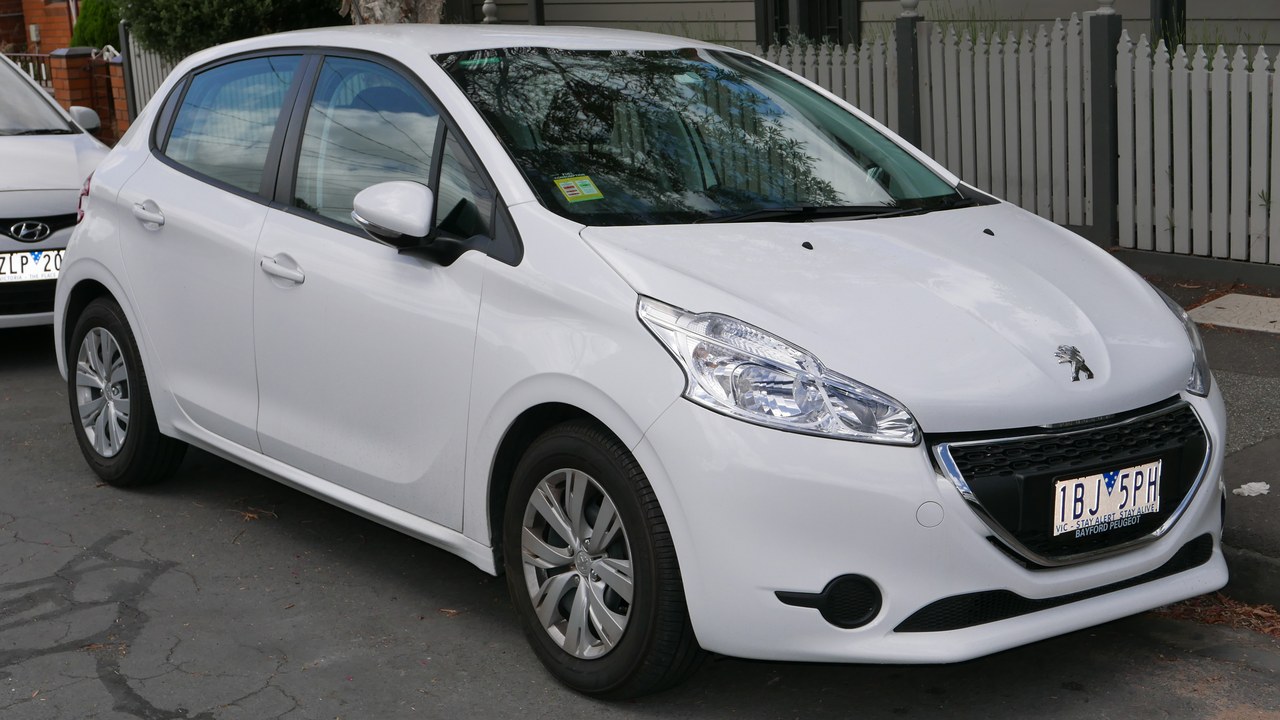
Peugeot replaced the 207 with the 208 in 2012 and moved to a second generation in 2019, offering petrol, diesel, and the battery-powered e-208 from one platform. The Peugeot 208 took the European Car of the Year title for 2020 and is assembled in Trnava, Slovakia, and Kenitra, Morocco. None of that translates into an American listing.
Peugeot has been absent from United States showrooms for decades, so the 208 competes in a supermini class this market effectively abandoned. Shoppers are steered toward subcompact crossovers instead, which carry higher prices, fatter margins, and none of the packaging tricks that let a car this short seat four adults.
5. Renault Clio: Two Car Of The Year Trophies, Zero US Sales
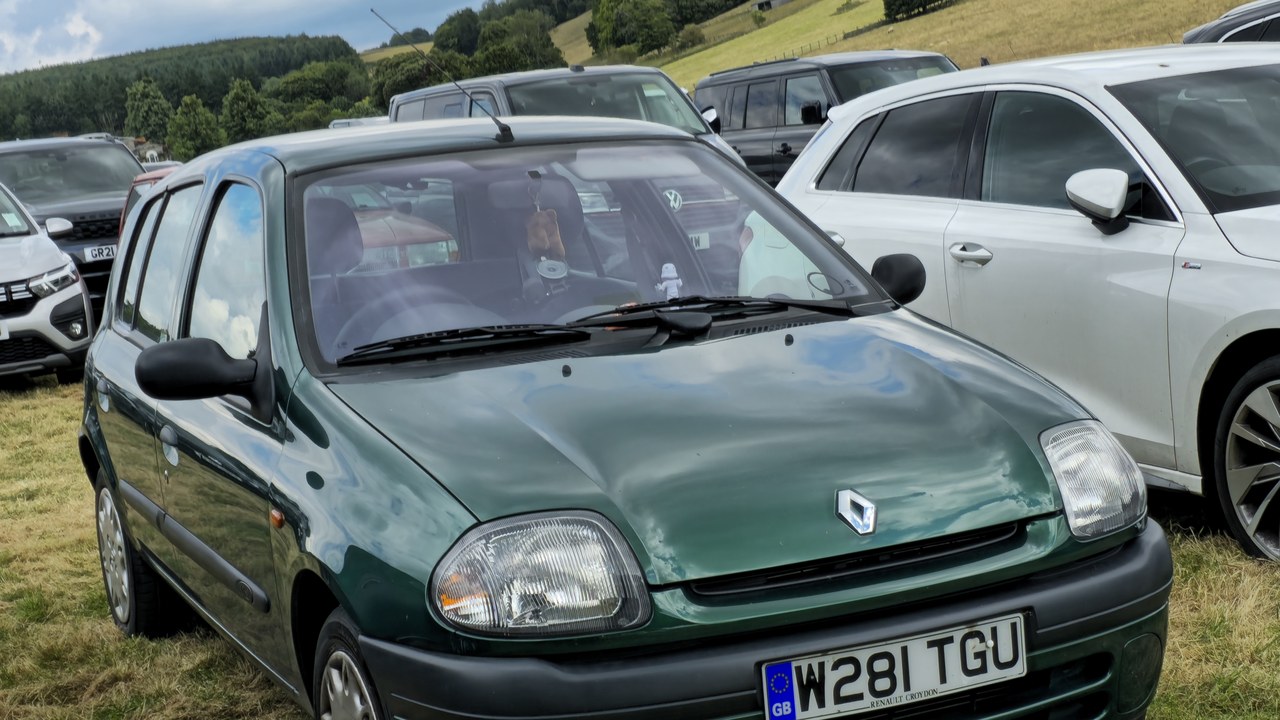
Launched in 1990 and now in its fifth generation, the Clio has sold in the millions and ranks among the best-selling cars in European history. The Renault Clio won European Car of the Year twice, in 1991 and again in 2006, a double that very few nameplates have managed. Renault had already withdrawn from the American market before the first Clio reached a dealer.
The gap is structural rather than temporary: Renault keeps no United States dealer network and no federalized models. That leaves an entire class of small, inexpensive, well-equipped hatchbacks visible to American drivers mainly through rental counters overseas.
6. Isuzu D-Max: The Diesel Workhorse That Skips America
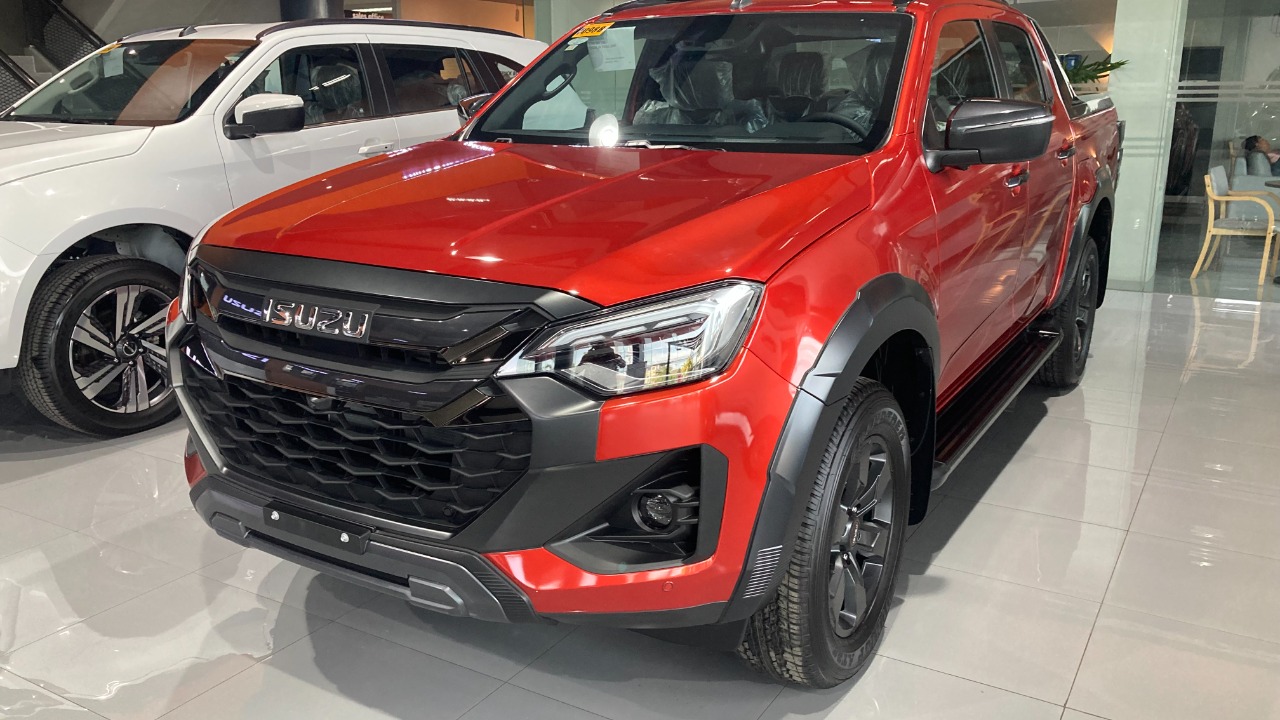
Built mainly in Thailand since 2002, the D-Max grew out of Isuzu’s pickup partnership with General Motors and now sits in a third generation launched in 2019. Versions of the Isuzu D-Max have worn Chevrolet, Holden, and Mazda badges depending on the market, spreading the same chassis across four continents. Not one of those versions has been sold new in the United States.
Isuzu still trades here, but as a commercial-truck brand supplying cabover delivery trucks to fleets rather than pickups to households. The consumer line stayed overseas, which is why a diesel workhorse familiar to buyers in Bangkok, Sydney, and Johannesburg is invisible on an American lot.
7. Nissan Navara: The Frontier’s Overseas Cousin
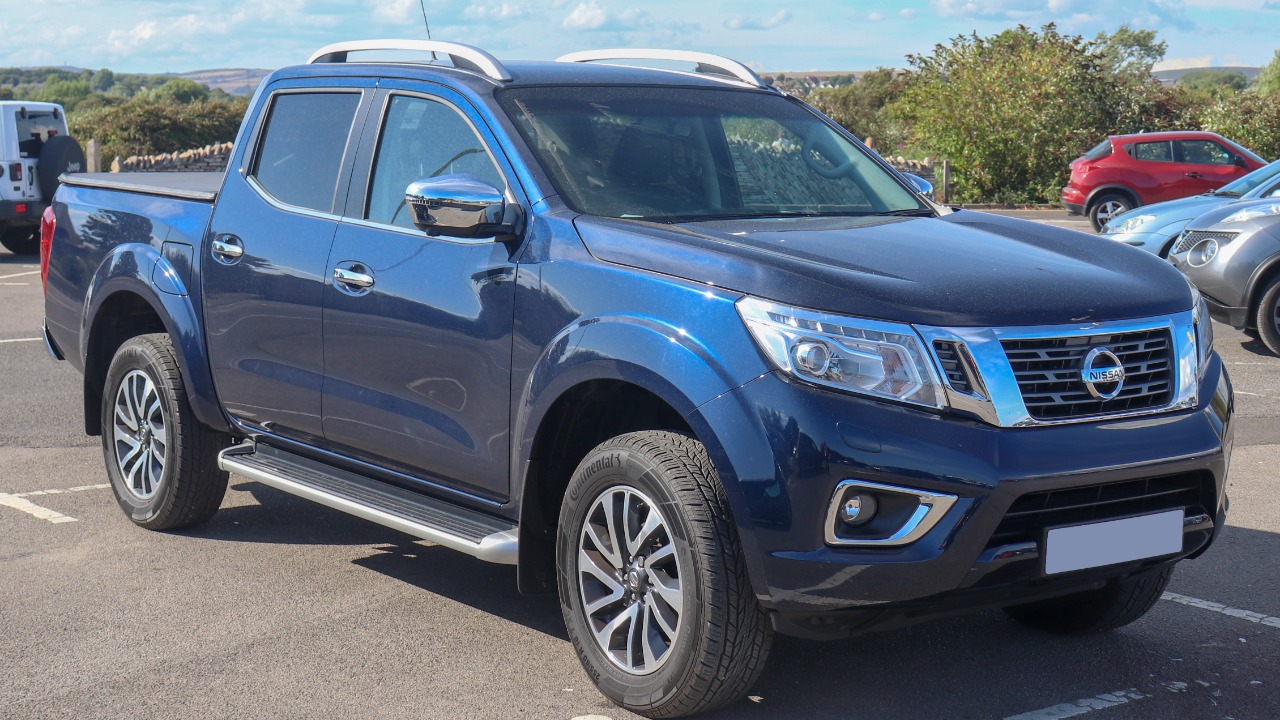
Across Europe, Asia, Africa, South America, and Australia the Navara does the work the Frontier does here, and the D23 generation launched in 2014 with coil-sprung rear suspension on its passenger-focused trims. The D23 Navara also underpinned the Mercedes-Benz X-Class and the Renault Alaskan. North America is served by a separately developed Frontier that no longer shares its body or cabin with the global truck.
For an American buyer the distinction matters, because the Frontier is tuned around payload and towing while the Navara chases ride comfort and dimensions suited to narrower roads. The two are close cousins rather than the same pickup, and only one of them can be ordered from a dealer in this country.
8. Fiat Panda: The Italian Box That Never Crossed
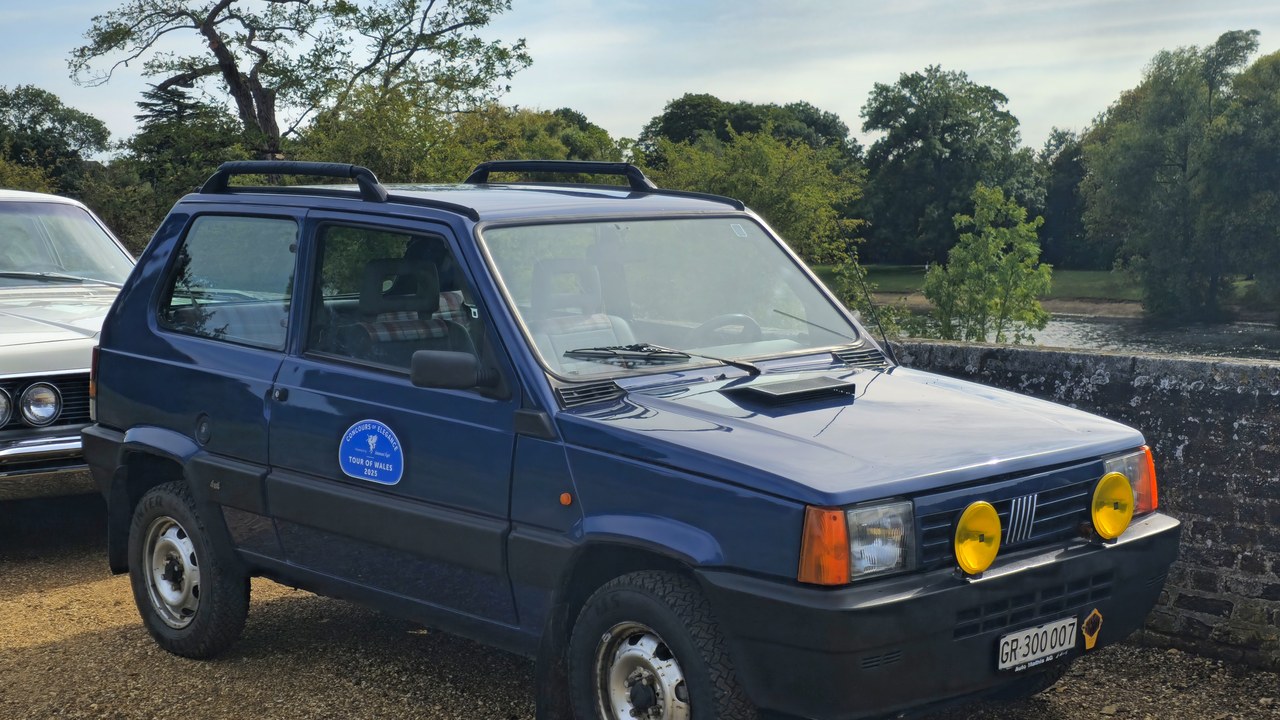
Giorgetto Giugiaro designed the original around cost and utility, and Fiat has kept the model in production since 1980 across three generations. The second-generation Fiat Panda won European Car of the Year in 2004, and the third generation, launched in 2011, remains a fixture of Italian city traffic. Fiat’s American revival brought the 500 and the 500X across the Atlantic but left the Panda at home.
Size is the obstacle. A hatchback under four metres long earns thin margins in a market that has shifted almost entirely to crossovers and pickups, and certifying one low-volume model rarely pays for itself. The Panda endures where narrow streets and high fuel prices reward it.
9. Skoda Octavia: The Volkswagen Americans Never Got
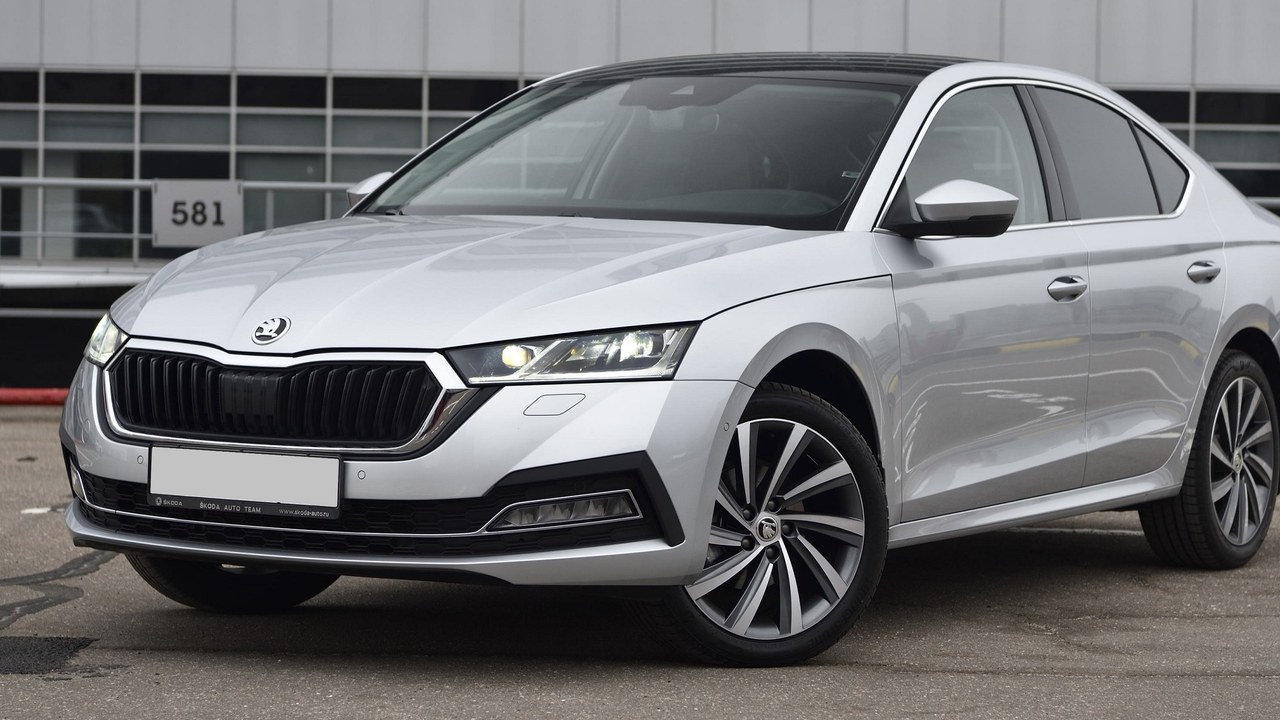
Under Volkswagen ownership, Skoda relaunched the Octavia in 1996 on group underpinnings shared with the Golf, and four generations later it remains the brand’s best-selling model, sold as a liftback and an estate. The Skoda Octavia has moved in the millions across Europe by pairing Golf mechanicals with a longer body at a lower price. Volkswagen Group has never brought the Skoda marque to the United States.
The result is a familiar gap: the engineering already exists inside the Volkswagen catalogue, but the badge that packages it cheaply stays in Europe. Anyone wanting an Octavia-sized wagon on Golf mechanicals has to settle for a much smaller domestic Volkswagen range.
More from Morning Overview
- The Pentagon’s newest UFO files describe a fish-scaled, potato-shaped object on camera
- Scientists spotted a rare tusked whale alive at sea for the first time, then fired a crossbow at it.
- A Colorado wildfire forced level-three ‘leave now’ orders across Ouray County
- A skeleton beneath Petra’s Treasury was found clutching a chalice that resembles the Holy Grail
