
Since the 1970s, NASA’s robotic and crewed missions have repeatedly pushed past what earlier hardware could do. Some set marks for distance, some for speed, and others simply outlasted every expectation set for them. Here are twelve spacecraft whose achievements earned them a place in the record books.
AI, explained every day: The Deep View is the go-to daily newsletter for 600,000+ founders, knowledge workers and professionals who want to stay up to date with artificial intelligence.
We may earn a commission if you sign up.
1. Perseverance (Mars, 2021): New Driving Champion
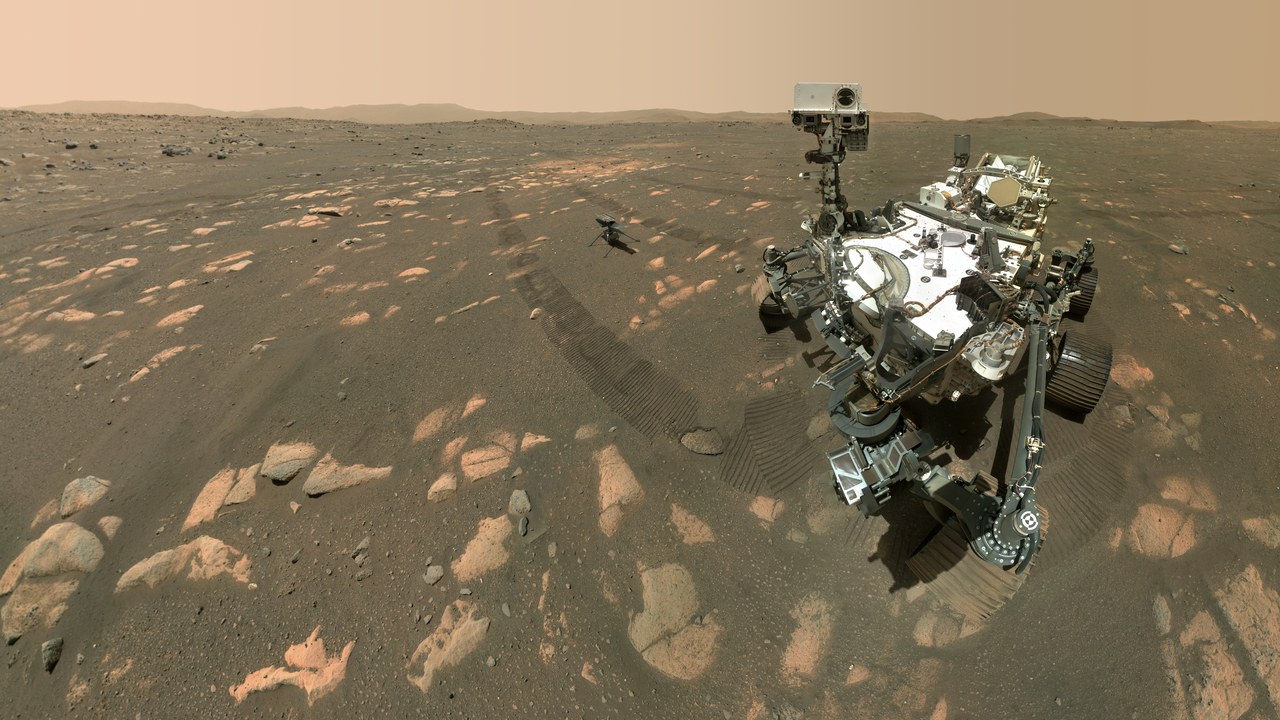
According to a NASA mission blog post, Perseverance passed Opportunity’s off-world driving record on Oct. 11, 2026, reaching 28.10 miles. NASA describes it as having driven farther than any vehicle ever has on the surface of another world.
The mark is only a few hundredths of a mile ahead of its predecessor, so the rover’s continued travel will widen the gap. Anyone following the mission can watch the total grow as the team keeps exploring the Martian surface.
2. Voyager 1: Farthest From Home
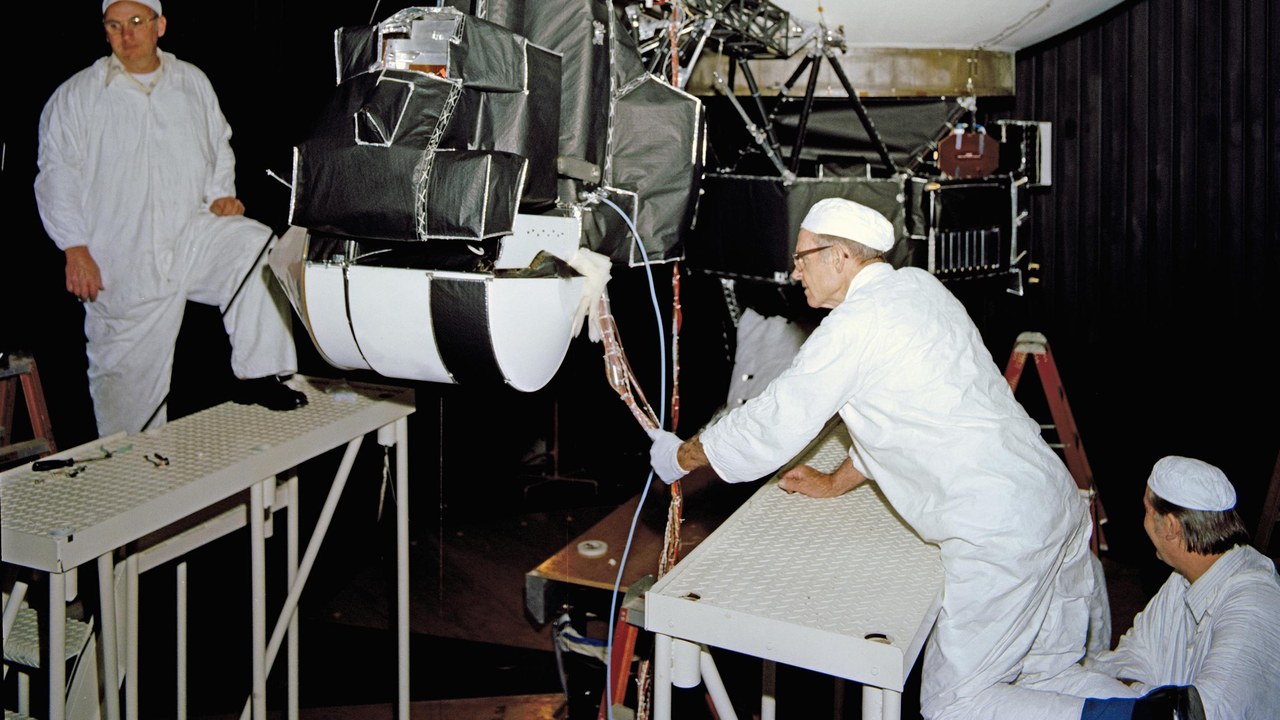
Voyager 1 launched Sept. 5, 1977, and NASA says no spacecraft has gone farther. Its NASA mission page also notes that it became the first human-made object to enter interstellar space.
Decades after liftoff, the probe remains the benchmark for distance, a record that no later mission has yet taken from it. Its story is a reminder of how long a well-built spacecraft can keep returning data from far beyond the planets.
3. Parker Solar Probe: Closest To The Sun
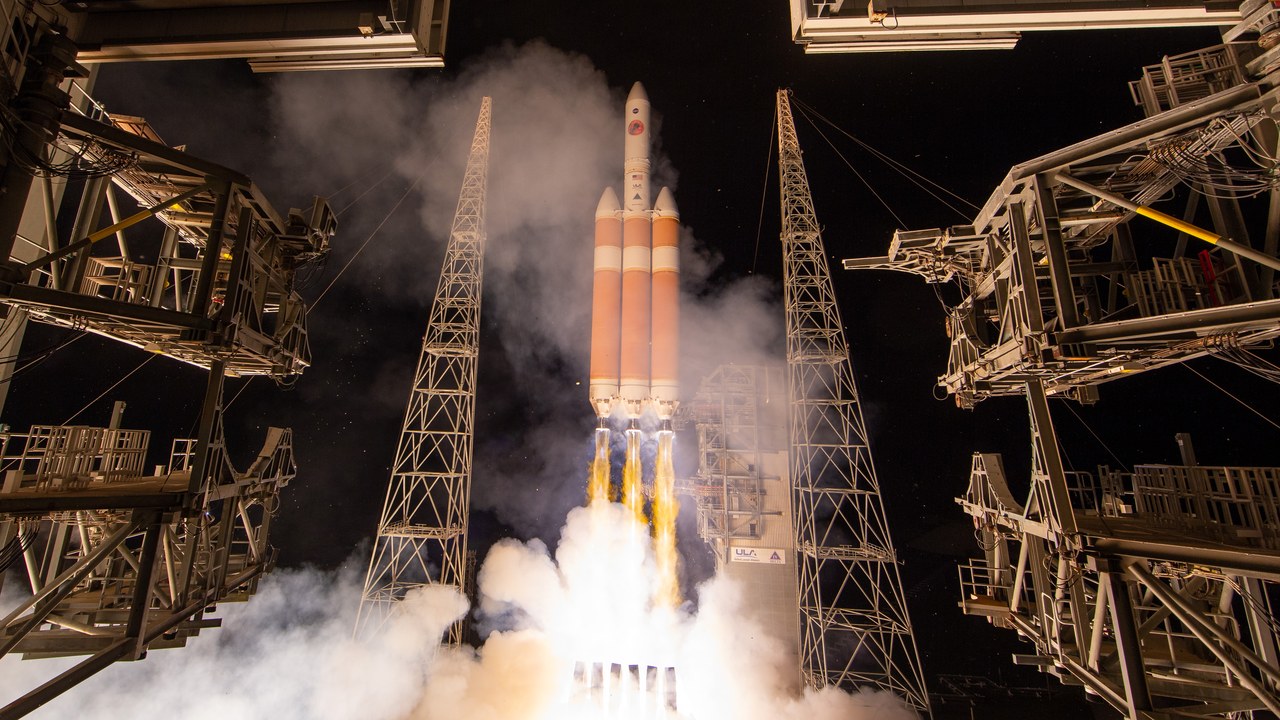
NASA’s Parker Solar Probe page says the spacecraft hurtles around the Sun at approximately 430,000 mph at closest approach, within about 3.9 million miles of the Sun. That speed is far beyond anything a car or plane reaches.
The figure applies only at the nearest point of its orbit, so the probe moves more slowly farther out. The close passes let scientists sample the solar environment directly instead of observing from a distance.
4. Ingenuity Mars helicopter: Helicopter That Kept Flying
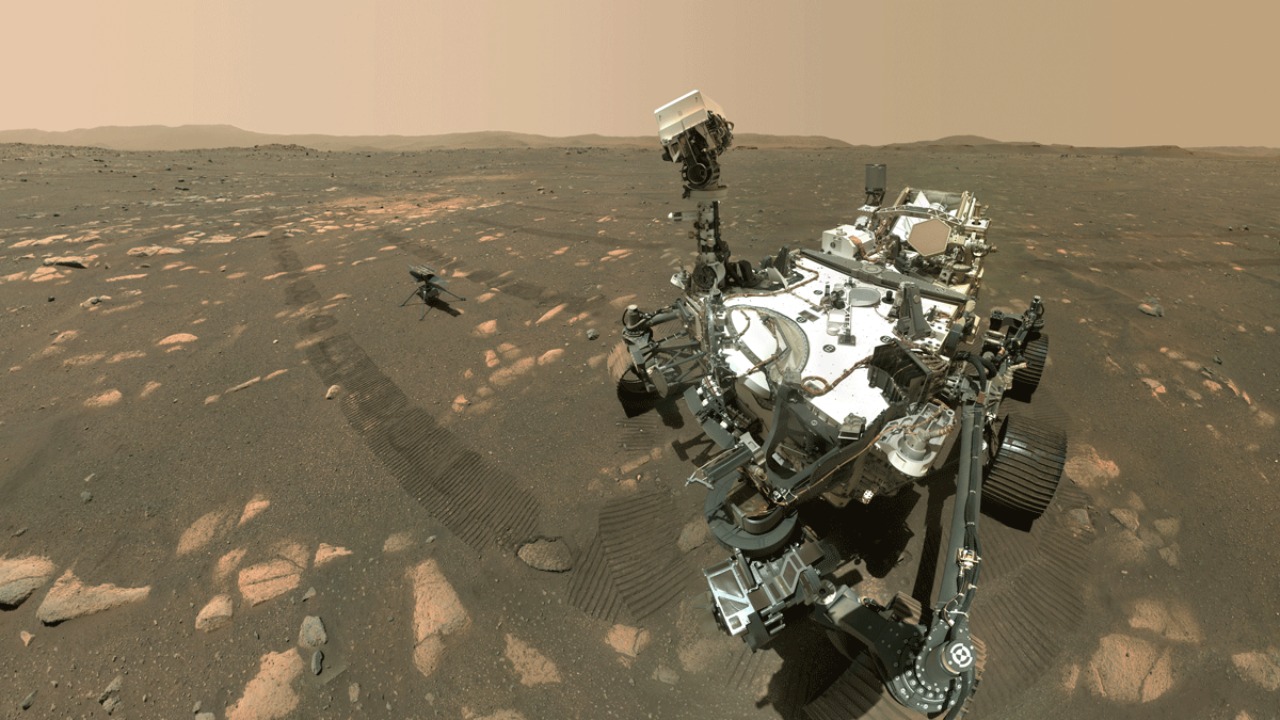
Ingenuity flew 72 times and covered 10.5 miles on Mars between April 19, 2021 and January 18, 2024, according to NASA’s Ingenuity page. The plan had called for no more than five test flights in 30 days.
That gap between plan and result is a clear example of a technology demonstration far surpassing its goals. Space-mission planners often build in modest targets, which makes an outcome like this stand out.
5. James Webb Space Telescope: Biggest Eye In Space
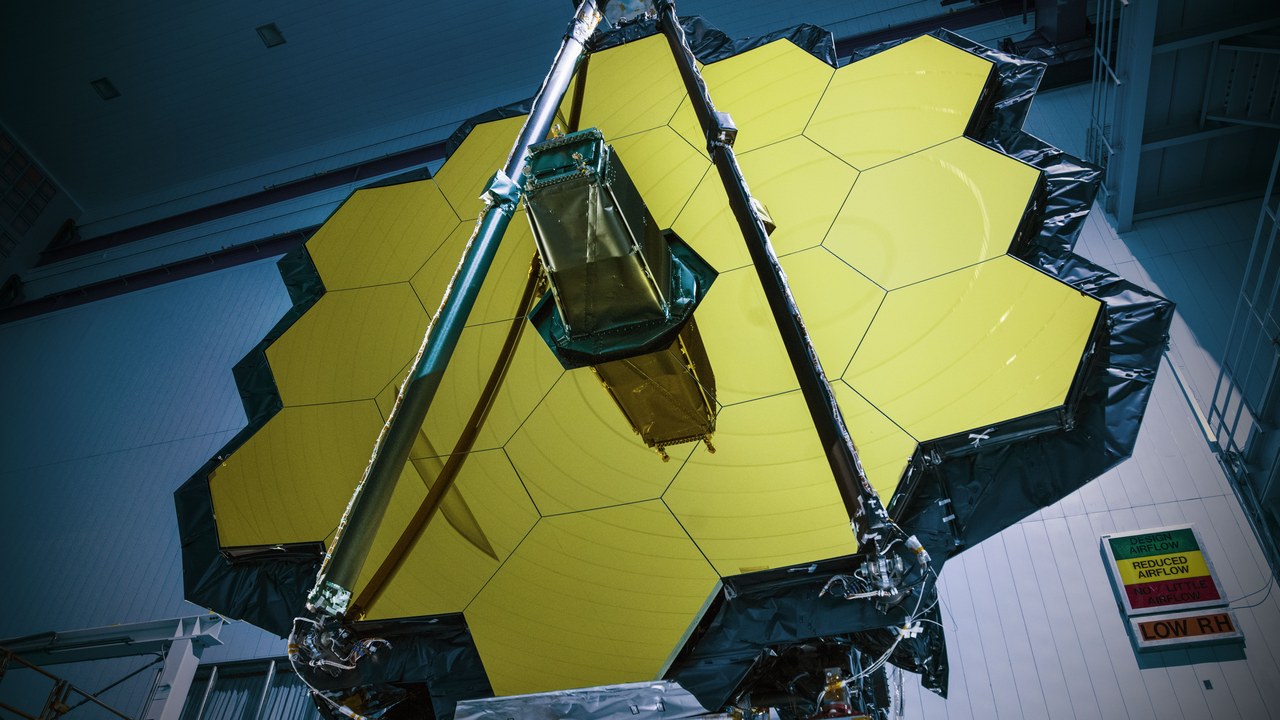
NASA calls Webb the largest, most powerful and most complex telescope ever launched into space, on its Webb mission page. It launched Dec. 25, 2021 and orbits 1 million miles from Earth.
Its distance from Earth means it is far beyond the reach of the repair missions that once served other observatories. Observers can follow its images and findings through NASA’s own channels, which is the best way to see what it has captured so far.
6. Skylab: First American Station
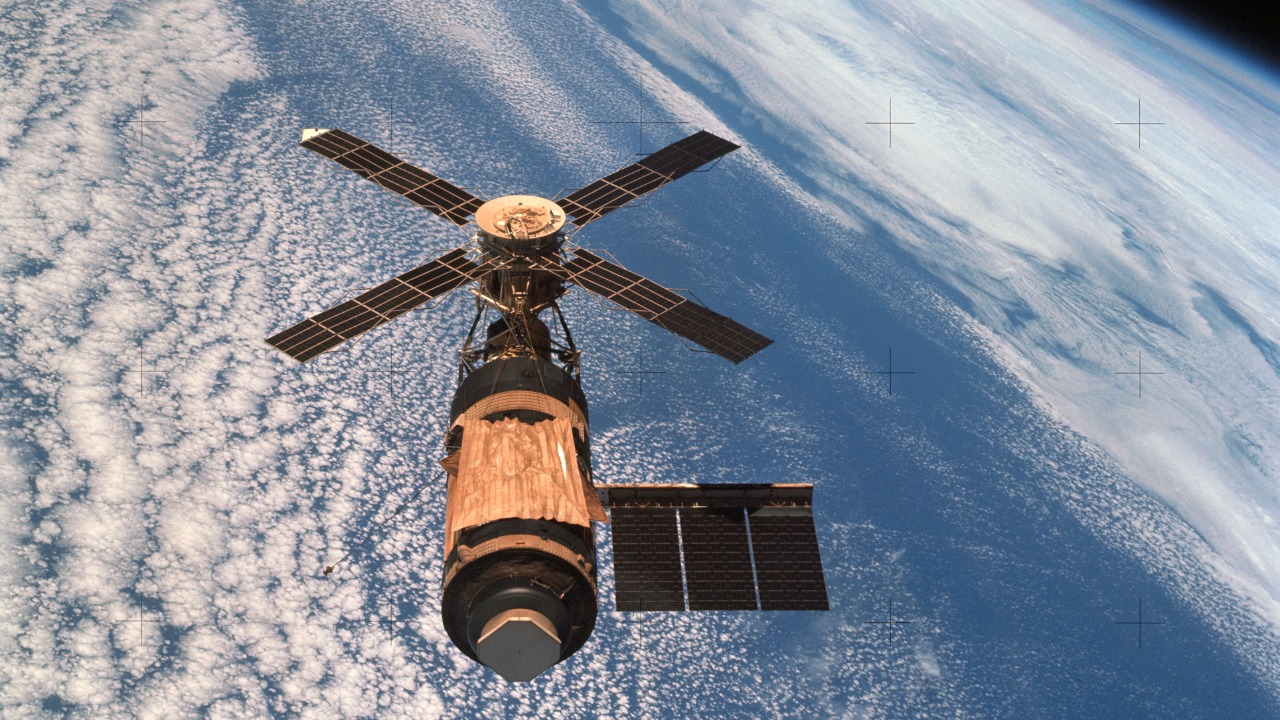
Skylab was America’s first space station, and NASA says its 1973 expeditions paved the way for the International Space Station, per a NASA spaceflight feature. The source gives few further specifics beyond that summary.
Its value lies in the lessons it taught about living and working in orbit, which later stations built on. Readers curious about its details can consult NASA’s historical archives, which hold the mission records behind this brief summary.
7. New Horizons: Fastest Launch Ever
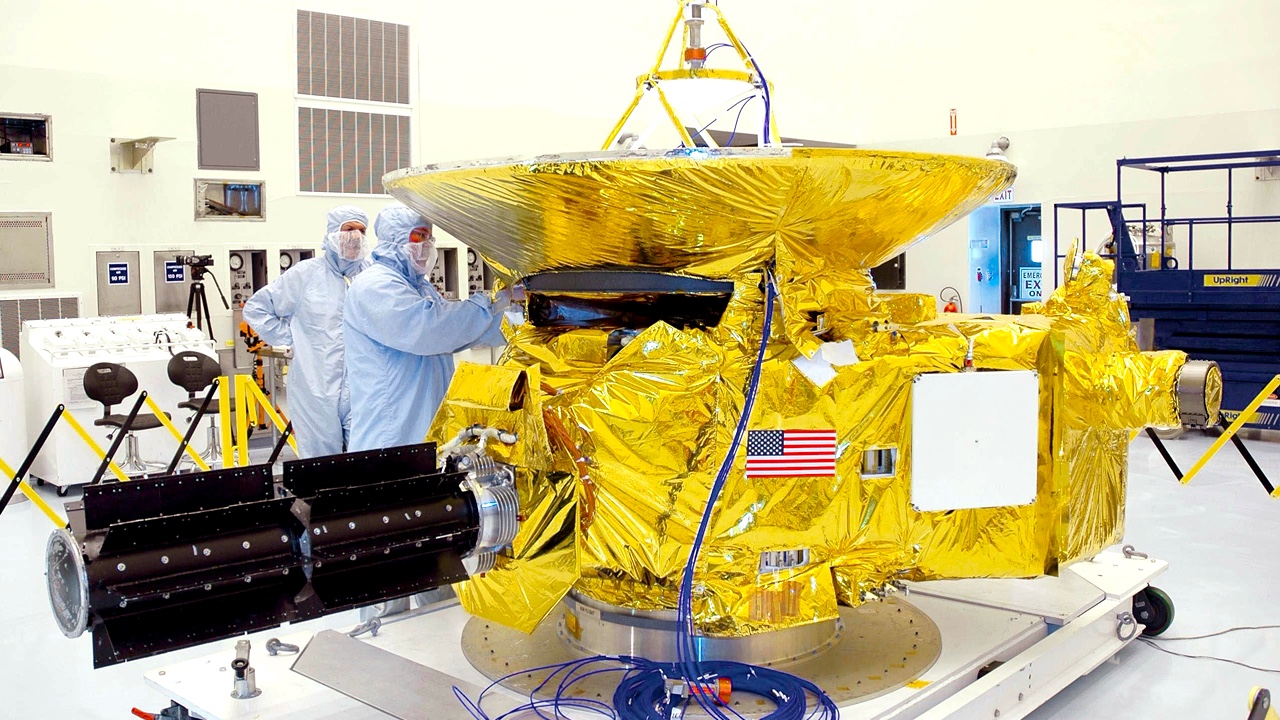
New Horizons reached about 36,400 mph, which NASA calls the highest launch velocity attained by a human-made object relative to Earth, according to its New Horizons mission page. It flew past Pluto July 14, 2015.
The speed is what allowed the spacecraft to reach the distant dwarf planet in a reasonable time. The Pluto flyby came years after liftoff, and the record itself was set at launch rather than during the encounter.
8. Opportunity (Mars, 2004-2018): The Rover That Wouldn’t Quit
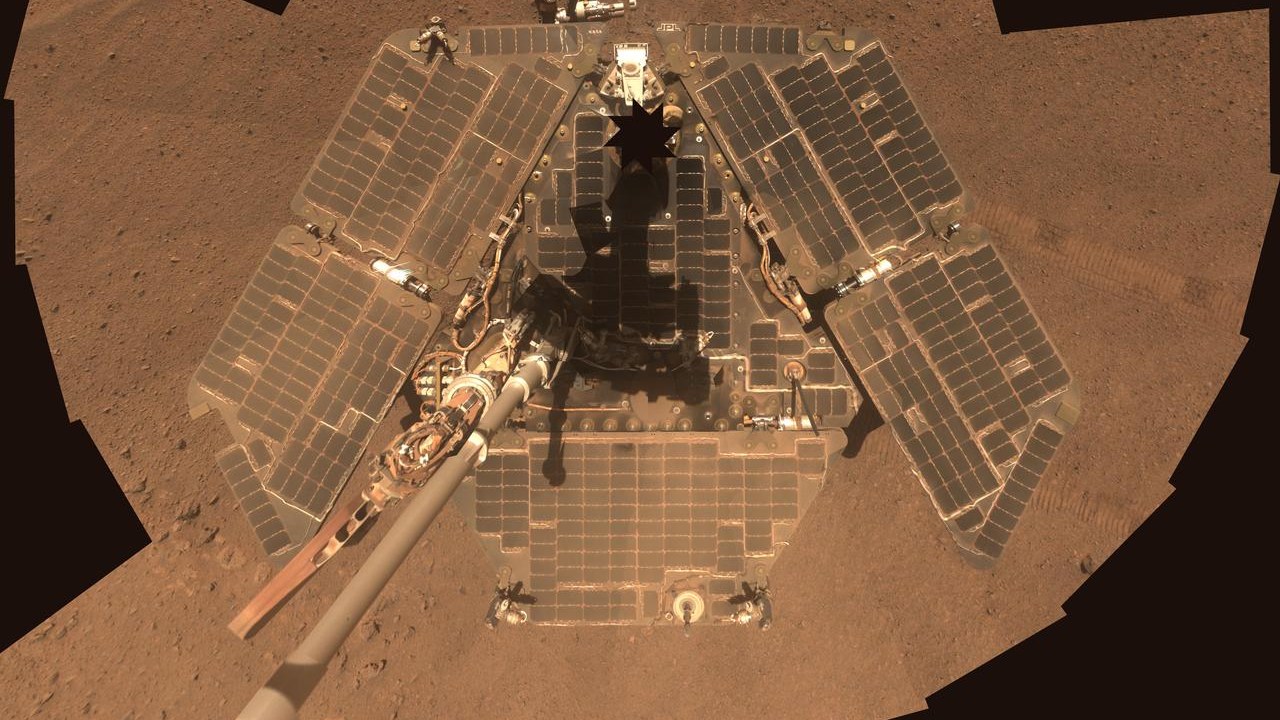
Opportunity was built for 90 sols, lasted nearly 15 years and drove 28.06 miles, as described on NASA’s Opportunity page. NASA says it exceeded its life expectancy by 60 times.
Its driving mark stood until Perseverance passed it in 2026, leaving the older rover a very close second. The long endurance showed how robust a carefully designed machine can be in an unforgiving environment, and it gives the 2026 record extra weight.
9. Spirit (Mars, 2004-2010): Spirit’s Long Run
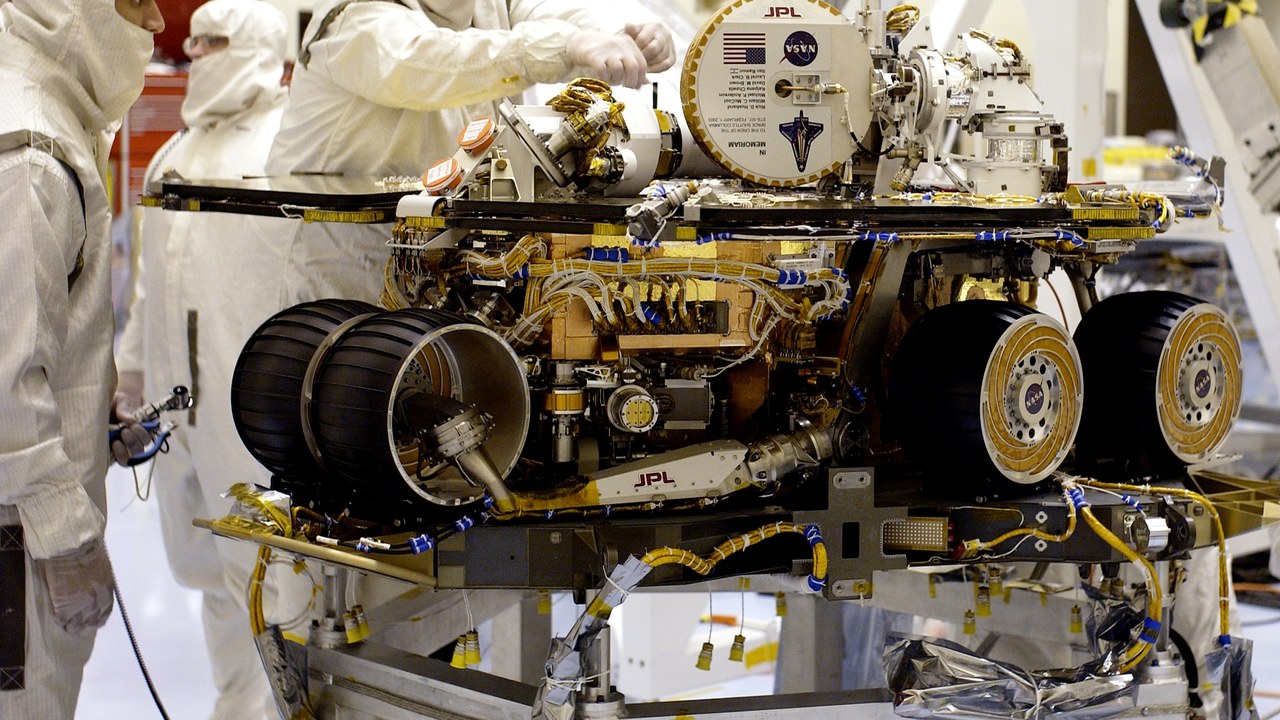
Spirit was planned for 90 Martian days but kept going until March 2010, covering about 4.8 miles, or 7.73 kilometers, across the Martian plains, per NASA’s Spirit mission page.
Though its distance is shorter than its twin’s, the rover also far outlasted its original schedule. It is a fitting companion story for Opportunity, since both vehicles were Mars Exploration Rovers that began work in 2004 and both exceeded expectations by a wide margin.
10. Curiosity (Mars, 2012-present): Climbing Mount Sharp
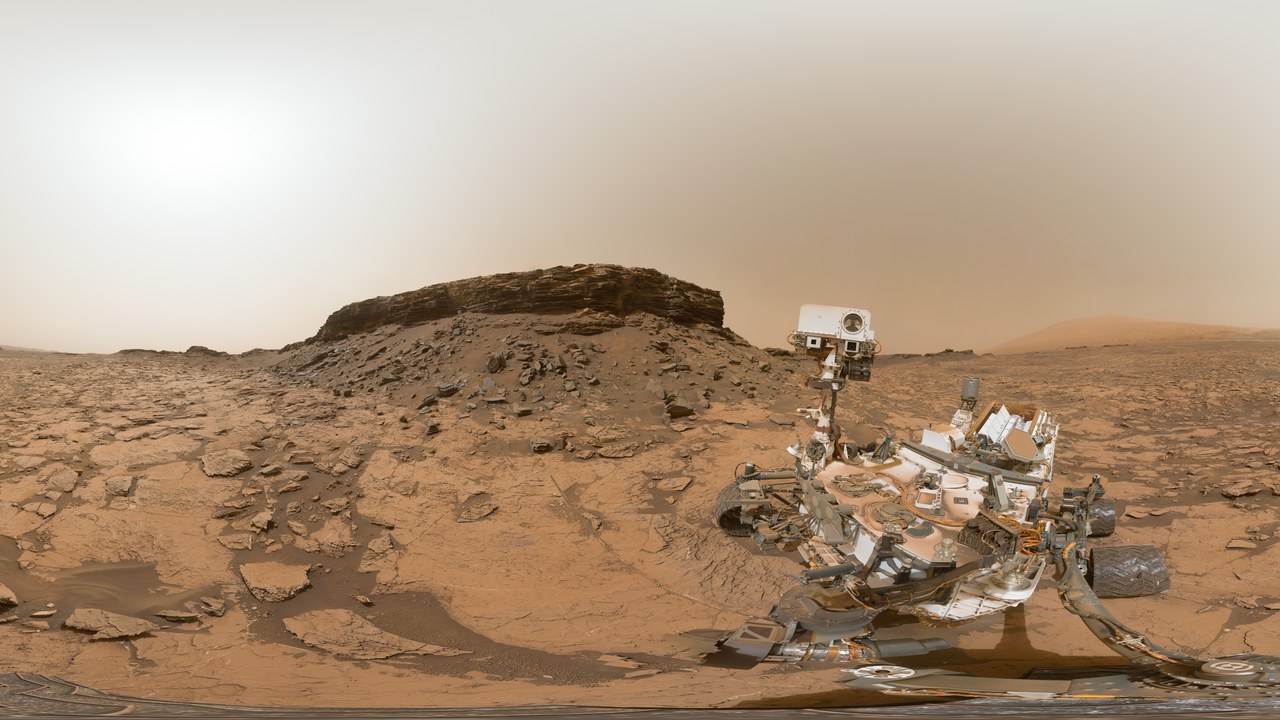
NASA’s Curiosity page says the rover is still climbing Mount Sharp 14 years after landing, and passed 1 kilometer of elevation gain in August 2026. It has been making that journey from Gale Crater up the slope.
The milestone measures vertical progress rather than distance, a different kind of record than a rover’s total mileage. Curiosity continues to operate, so its tally is likely to keep growing as the climb continues.
11. Sojourner (Mars, 1997): The Pioneer Rover
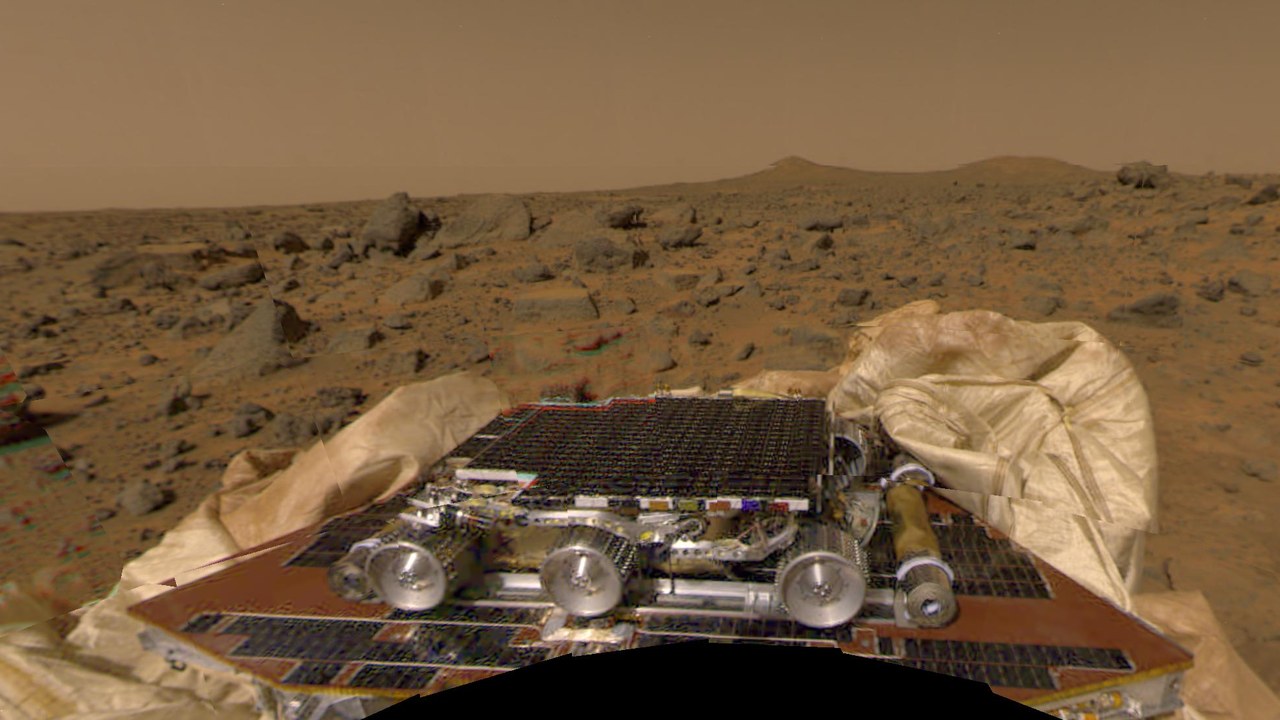
Sojourner was the first rover on Mars, just 1 foot tall and 23 pounds, according to NASA’s Pathfinder mission page. Its small size makes the achievement of roaming another planet all the more striking.
Later rovers are far larger, which shows how much the field has grown since 1997. Sojourner’s legacy is that it showed wheeled exploration of another world was possible in the first place, opening the way for every rover that followed.
12. Hubble Space Telescope: Decades Of Discovery
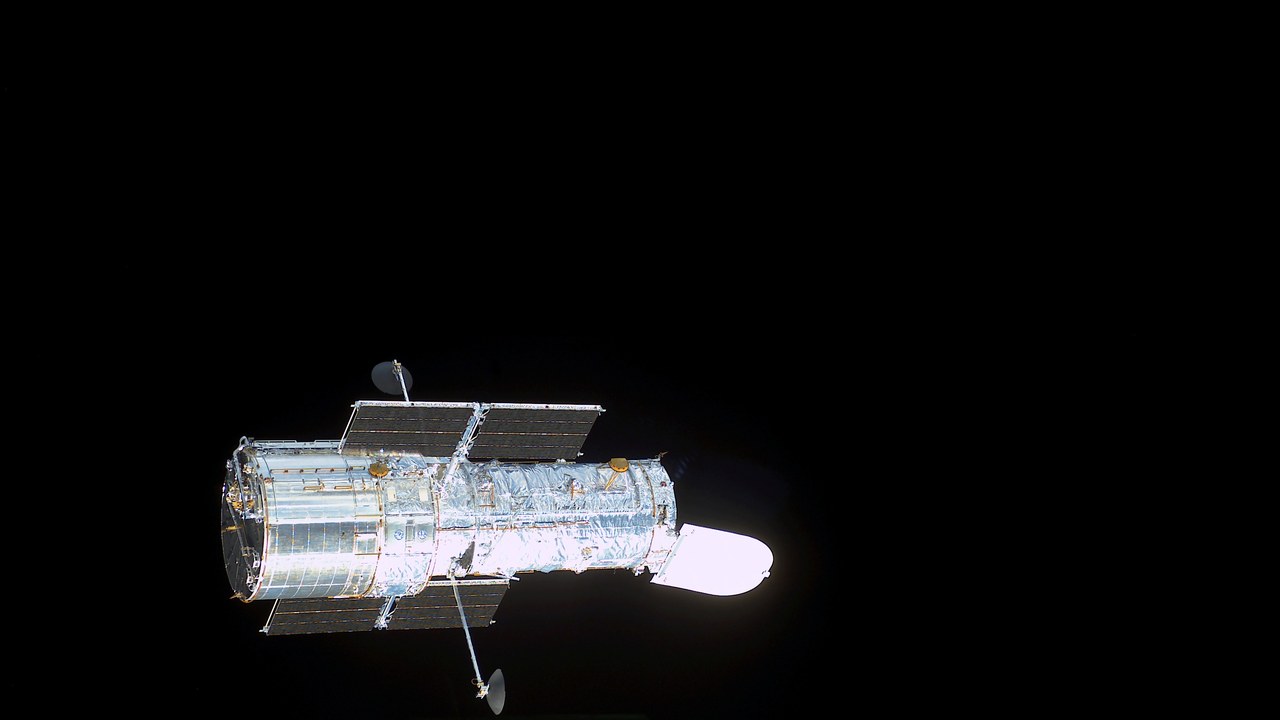
Hubble launched April 24, 1990 into low Earth orbit, and NASA’s Hubble page cites more than three decades of discoveries. The telescope remains a familiar name in space science.
The source offers no single record figure, so the telescope’s place here rests on its longevity and the sheer span of its work, measured in decades rather than months. NASA’s archive of its work is a good starting point for anyone wanting more detail.
AI, explained every day: Get The Deep View →
We may earn a commission if you sign up.
More from Morning Overview
- Over 20 trillion gallons of rain fell on the Four Corners states and Nevada in two weeks
- 11 engines built to run well past 200,000 miles
- Two Kentucky residents died when a small plane crashed at Missouri’s Lake of the Ozarks, and the NTSB is investigating
- A handful of car transmissions are so tough that mechanics say they almost never die
