
Declaring a species extinct is a judgment that sometimes proves premature, and wildlife history includes some striking reversals. Mammals, birds, fish, insects and reptiles have all reappeared after being written off, some after decades and one after about a century. Here are eight animals that were thought extinct and then turned up alive again.
Read next on Morning Overview: New FCC rules on how people can stop robocalls and texts take effect Nov. 25
1. Black-footed ferret: Lost, Then Found in Wyoming
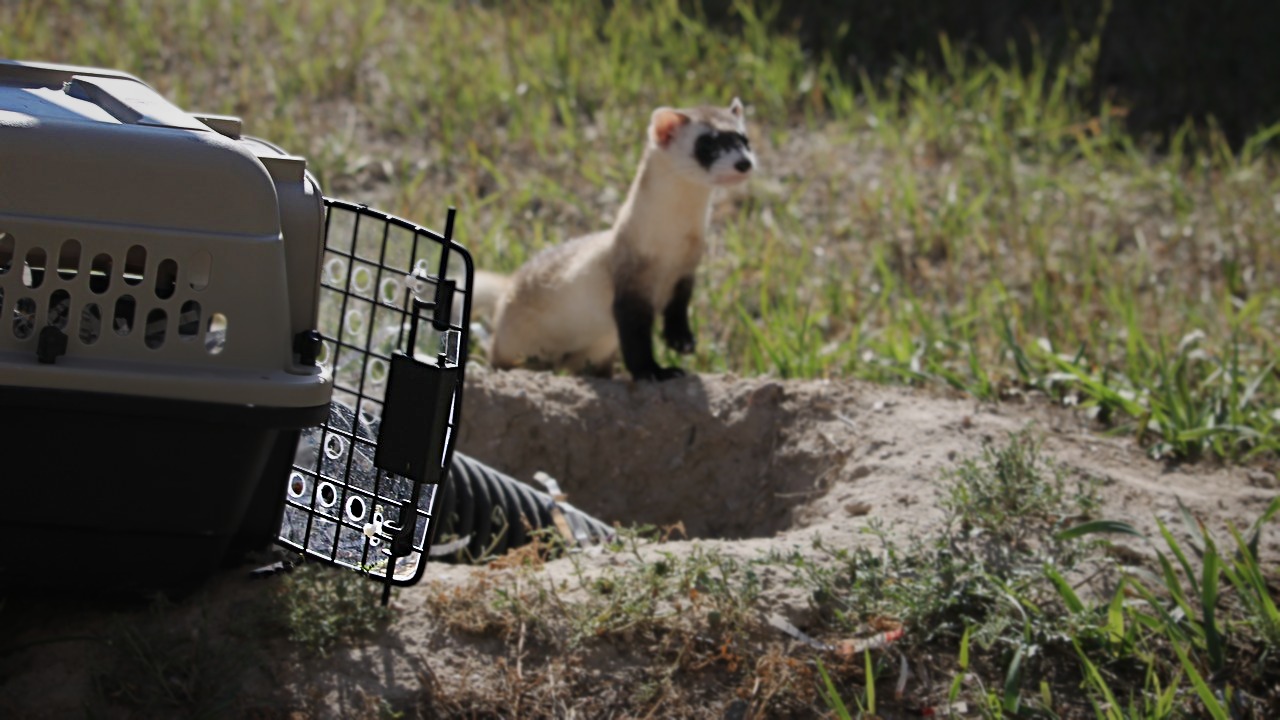
The black-footed ferret was thought to be extinct in 1979 but was found again in Wyoming in 1981, as the Smithsonian’s extinction-rescue list recounts. Eighteen wild ferrets were captured for the breeding program, and several hundred have since been released.
A founding group that small shows how narrow the margin was. The ferret’s recovery depended on captive breeding that began with those animals, and the releases since then are the measure of how much that effort has achieved. It also shows why a rediscovery is often the start of a long conservation effort rather than the end of a worry.
2. Takahē: Extinct Twice, Found Once More
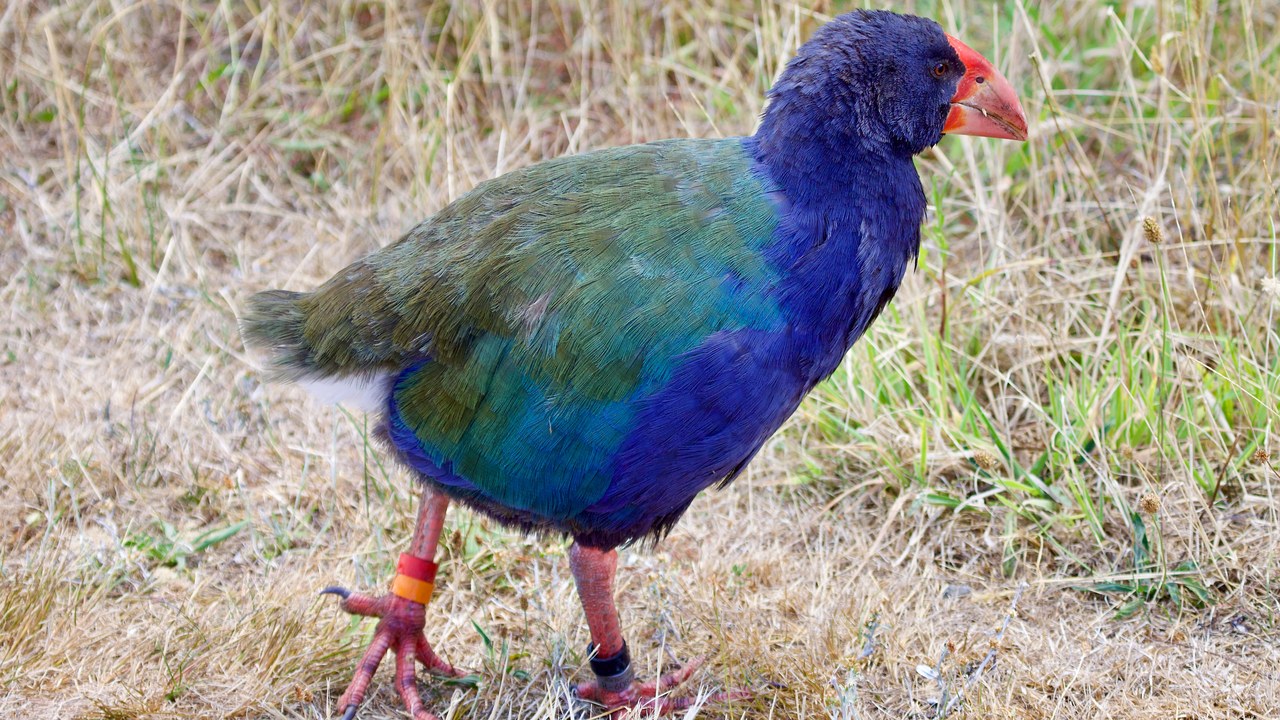
New Zealand’s takahē was believed extinct not once but twice. The Department of Conservation’s takahē story marks 20 November 1948 in Fiordland as the day of rediscovery and the beginning of takahē recovery.
Recovery has been measurable, with the population reaching 500 in 2023. Two false extinction calls followed by a Fiordland rediscovery make the bird an instructive example of why a missing species is not always a lost one. The bird’s history also shows that a rediscovery can be followed by decades of work before numbers begin to rise.
3. Coelacanth: A Fish From Deep Time
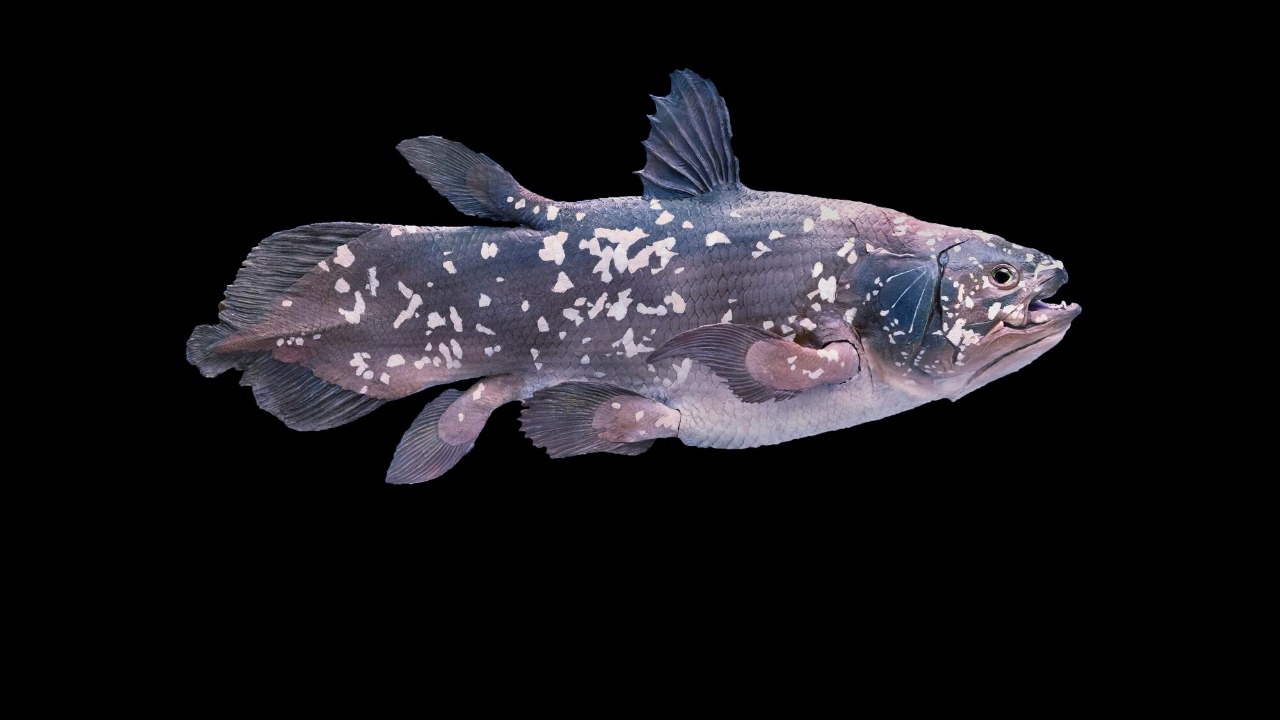
A museum curator saw a coelacanth in a trawl net on 22 December 1938 in South Africa, a find the London museum’s coelacanth feature describes as the most sensational natural history discovery. The fish is about 1.5 metres long with vivid blue scales.
The size and colour help explain the attention the discovery drew. A large, bright fish surfacing in a commercial net left little room for doubt that something remarkable had been caught. Its appearance in a trawl net, rather than in a laboratory, is part of the story and part of its lasting appeal.
4. Crested gecko: A Pet With a Lost Past
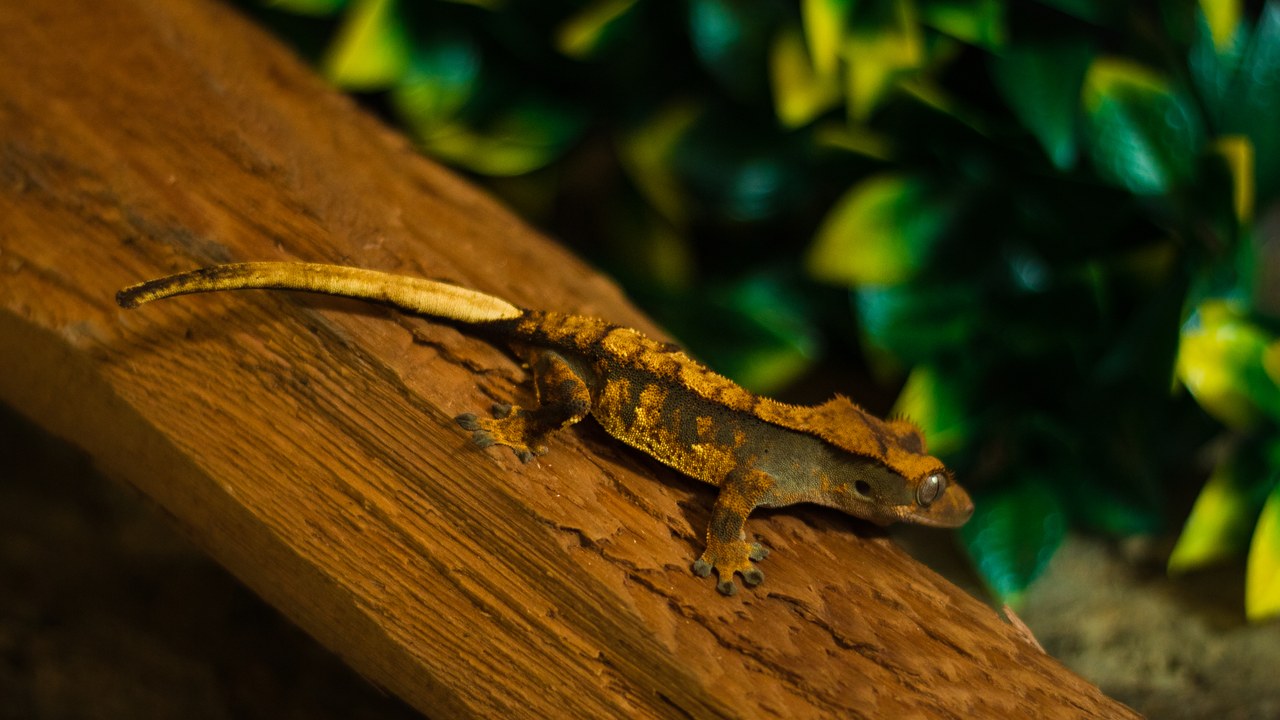
The crested gecko, now a popular pet, was rediscovered in 1994 on New Caledonia’s Isle of Pines after a century of supposed extinction, according to National Geographic’s travel feature.
Its second life as a household reptile is an unusual twist for a species once written off. A gap of roughly a century shows how a small reptile can go unrecorded long enough for the record to declare it gone. For many owners it is a familiar animal, yet its recorded history includes a long stretch in which it was presumed gone.
5. Chacoan peccary: Fossil Turned Living Herd
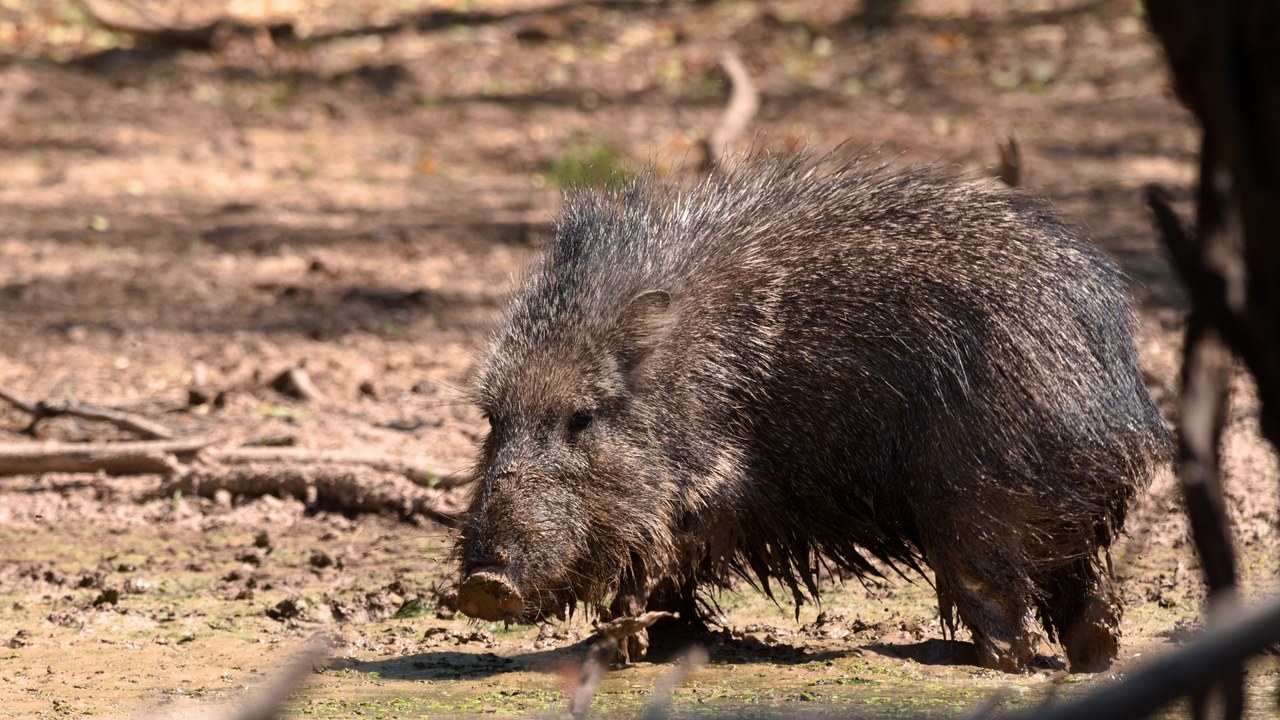
Known from fossils around 1930 and assumed long extinct, the Chacoan peccary was rediscovered in 1972 in South America’s Gran Chaco, where herds surprised scientists, according to the National Zoo’s profile.
A species first known from the fossil record and then found alive is an uncommon reversal. The discovery of whole herds, rather than a lone survivor, made the find more striking and moved the animal from the past into the living fauna. The reversal also reminds readers that the fossil record and the living world are not always as separate as they look.
6. New Guinea singing dog: Camera Traps Solve a Mystery

Feared extinct in its natural habitat and unseen in the wild for more than 50 years, the highland wild dog of New Guinea turned up on camera traps in 2016. National Geographic’s report describes more than a hundred pictures showing at least 15 wild individuals.
At least 15 separate animals suggest a population rather than a stray survivor. The photographs came from remote cameras rather than a sighting, a method suited to animals that are hard to see. For conservationists, camera evidence of this kind is valuable because it turns a rumour of survival into something countable.
7. Lord Howe Island stick insect: Survivor on a Sea Stack
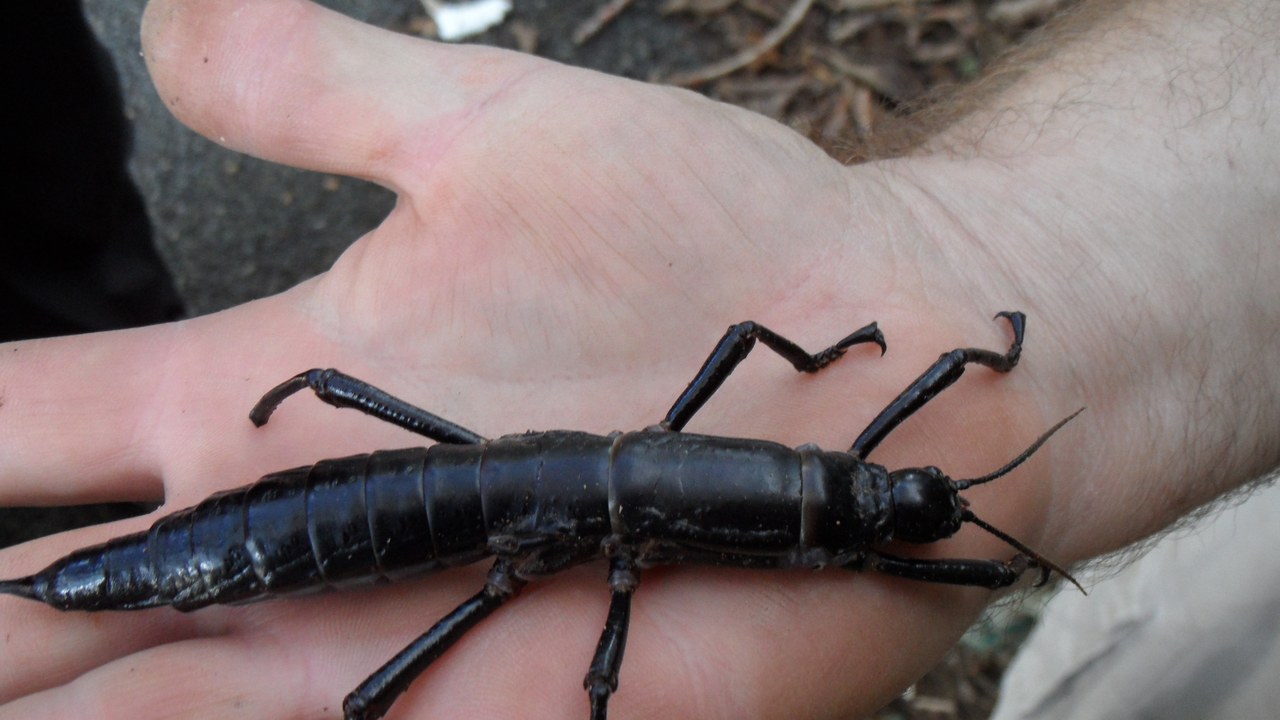
Rats from the SS Makambo, which ran aground in June 1918, overran Lord Howe Island, and its giant stick insect was declared extinct in the 1960s after decades of fruitless searching, as Cosmos magazine reports. In 2001, climbers found a handful of the insects at the top of a tree on Ball’s Pyramid, a rocky outcrop in the Pacific, and a return visit in 2002 counted 24.
Some of the survivors went to Melbourne Zoo to start a captive breeding program. Because the Ball’s Pyramid insects looked slightly different from old museum specimens, researchers at the Okinawa Institute of Science and Technology compared their DNA and found it differs by less than 1%, confirming they are the same species.
8. Short-tailed albatross: The Albatross Declared Gone
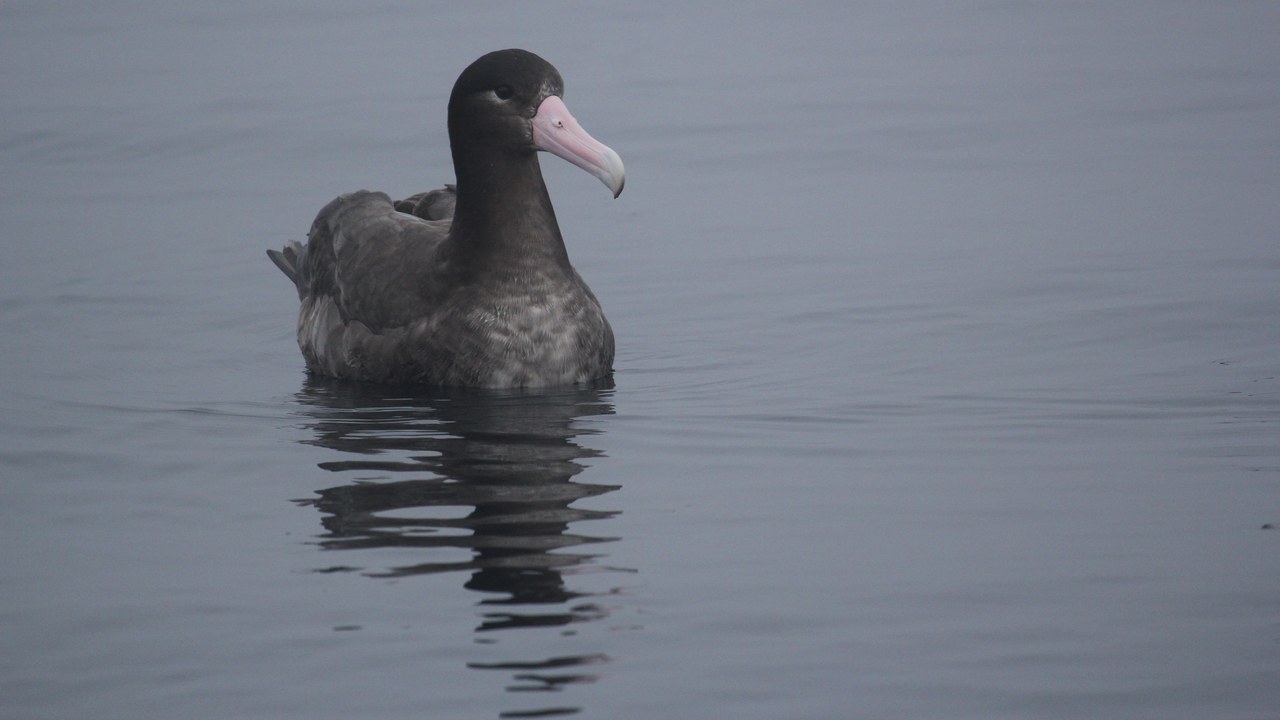
After a 1949 survey, ornithologist Oliver L. Austin famously asserted that Torishima’s albatrosses were extinct, a claim Nippon.com’s feature revisits. Weather-station staff later rediscovered the birds, and a March 2016 survey counted a total of 4,220.
The assertion came from an expert, which shows how even careful surveys can miss a species. The later count of 4,220 is the more recent measure of the birds’ return, though the figure comes from a single survey in one month. The episode shows that an authoritative declaration can be overturned by later fieldwork, which is why surveys are repeated.
More from Morning Overview
- Cadillac cut the price of its cheapest EV, which goes up to 317 miles on a charge
- Winter weather advisories cover I-80, I-70 and the Bighorns with up to 15 inches of snow
- Arizona’s governor declared a statewide emergency after Flagstaff logged its wettest Nov. 1 on record
- Zero Motorcycles unveiled an electric motorcycle targeted at under $8K and a street-legal dirt bike at EICMA
