
Human life expectancy tops out near a century, yet a surprising number of animals routinely or occasionally outlast even the oldest person. Some are slow cold-water giants, others are tortoises, clams and reptiles whose ages were pieced together from records and growth rings. Here are ten species whose documented or estimated lifespans stretch well past a hundred years.
Read next on Morning Overview: Two Kentucky residents died when a small plane crashed at Missouri’s Lake of the Ozarks, and the NTSB is investigating
1. Greenland shark: Longest-Lived Vertebrate
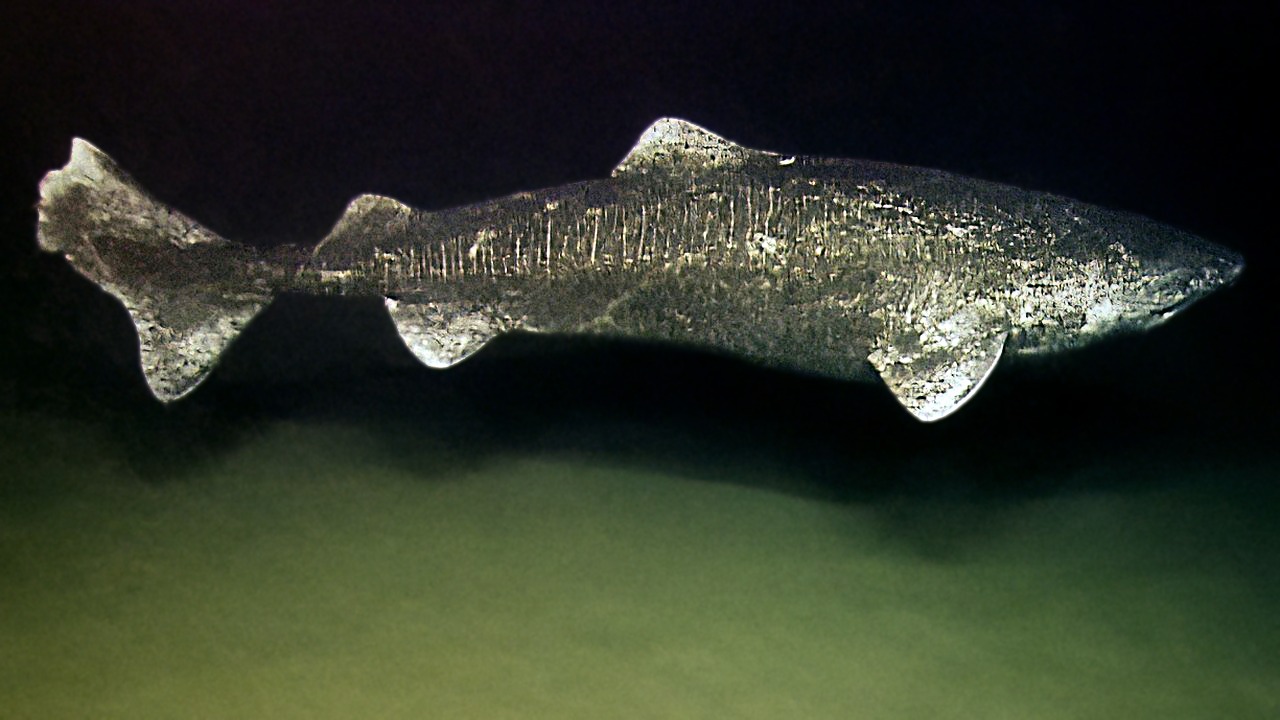
Scientists estimate that Greenland sharks can have a maximum life span of at least 272 years, according to Live Science’s longevity list. That makes the shark longer-lived than any vertebrate besides the bowhead whale.
The figure is an estimate, not a recorded birthday, since the animals cannot be aged like a tree or a tortoise with a paper trail. The wording of at least 272 years signals a floor, so the true maximum could be higher. Bowhead whales are the sole exception named in the source, so the shark sits second only to a mammal in the vertebrate lifespan ranking.
2. Saltwater crocodile: Over 120 Years
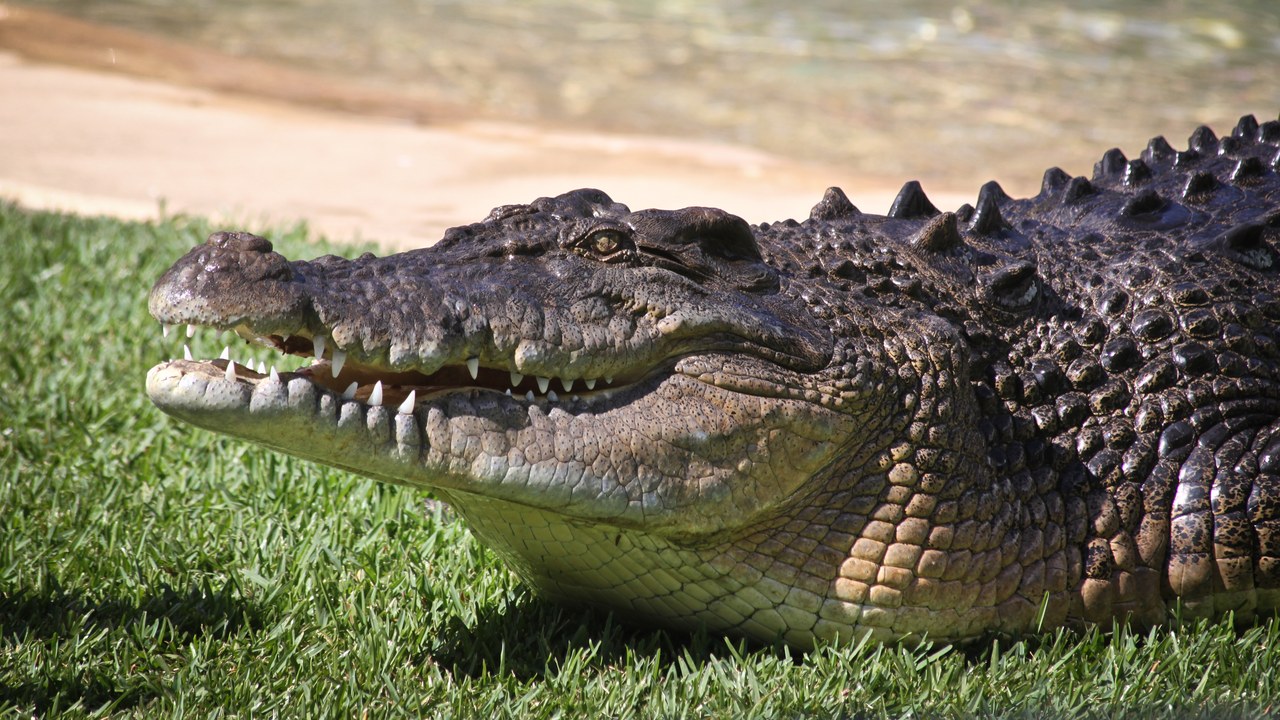
The saltwater crocodile’s maximum longevity is unknown, but it appears they can live to over 120 years, according to a Live Science crocodile entry of long-lived species.
The source is openly uncertain, and that honesty matters: no one has pinned down the upper limit. The over 120 years figure is a lower-bound impression, which places the reptile beyond any human lifespan on record without giving a hard ceiling. Compared with the other entries, the crocodile’s number is the least precise, but it is also the one most likely to be revised upward as more records accumulate.
3. Red sea urchin: Two Centuries on the Seafloor
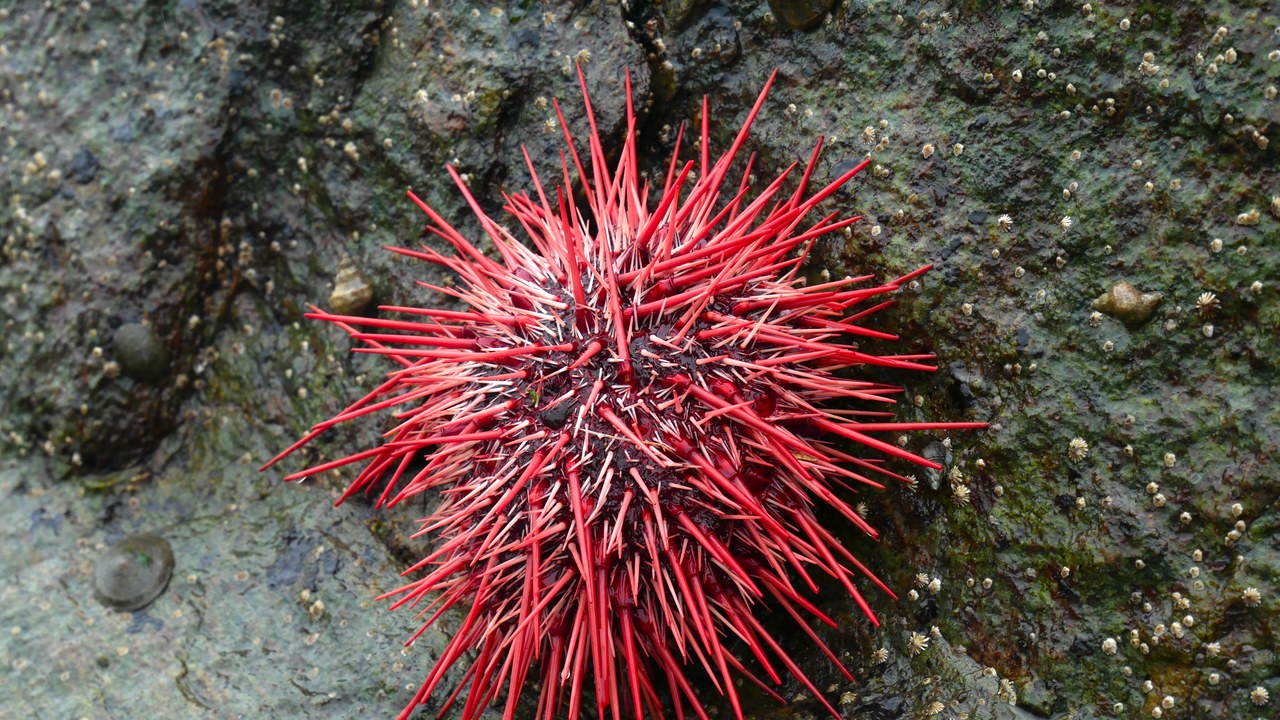
The longest-living red sea urchins in British Columbia, Canada, may be around 200 years old, according to a Live Science sea urchin entry of animal longevity.
The qualifier may be is doing real work. The estimate describes the oldest individuals in one region rather than the typical urchin, so most of the animals will fall well short of two centuries even while the upper end outlasts any person. For an animal that never leaves the seafloor, reaching two centuries places it alongside far larger species on the list, including the giant tortoises.
4. Ocean quahog: Ming the Clam
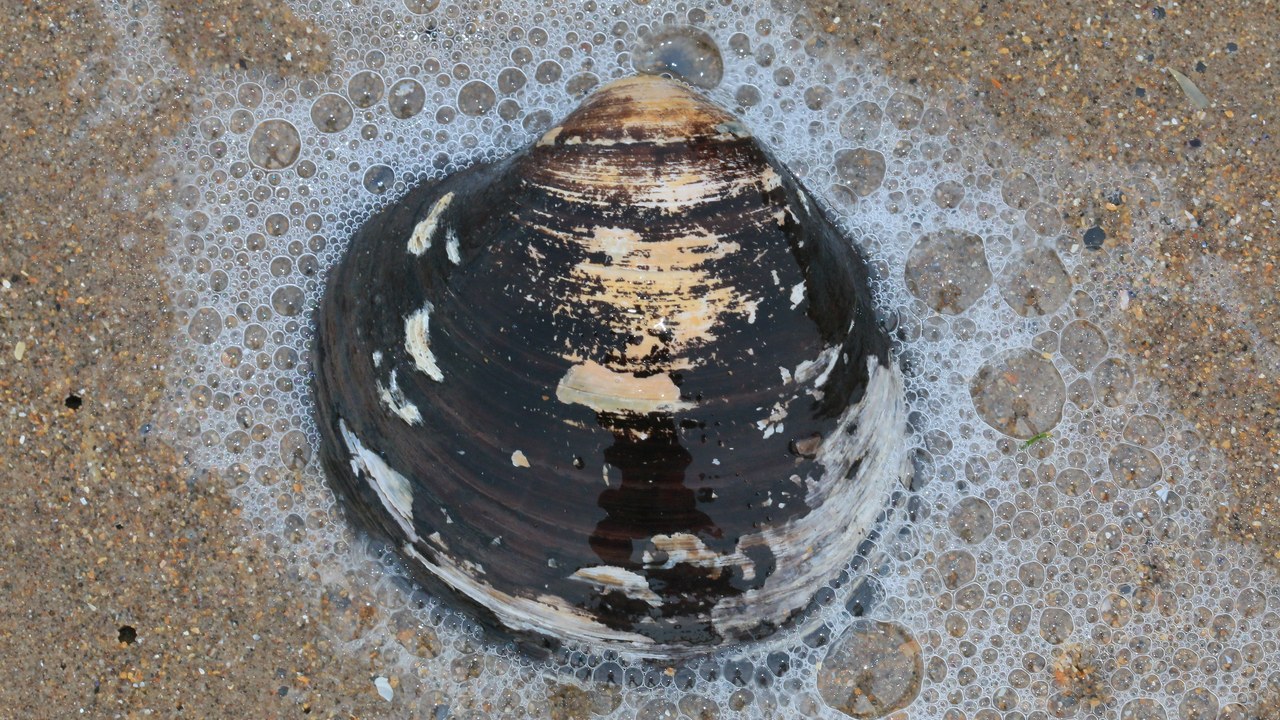
Ming, an ocean quahog (Arctica islandica), lived 507 years, according to National Geographic’s longevity feature. Scientists accidentally killed the clam in 2006 while collecting specimens off Iceland.
Ming is the oldest individual on this list by a wide margin, and the circumstances of its death are part of the story. The clam’s age was established only after it was collected, a reminder that studying the longest-lived animals can cost them their lives. At 507 years, the clam was already alive well before many modern nations existed, a comparison the source leaves to the reader but which the number makes easy to draw.
5. Galapagos tortoise: Harriet the Tortoise
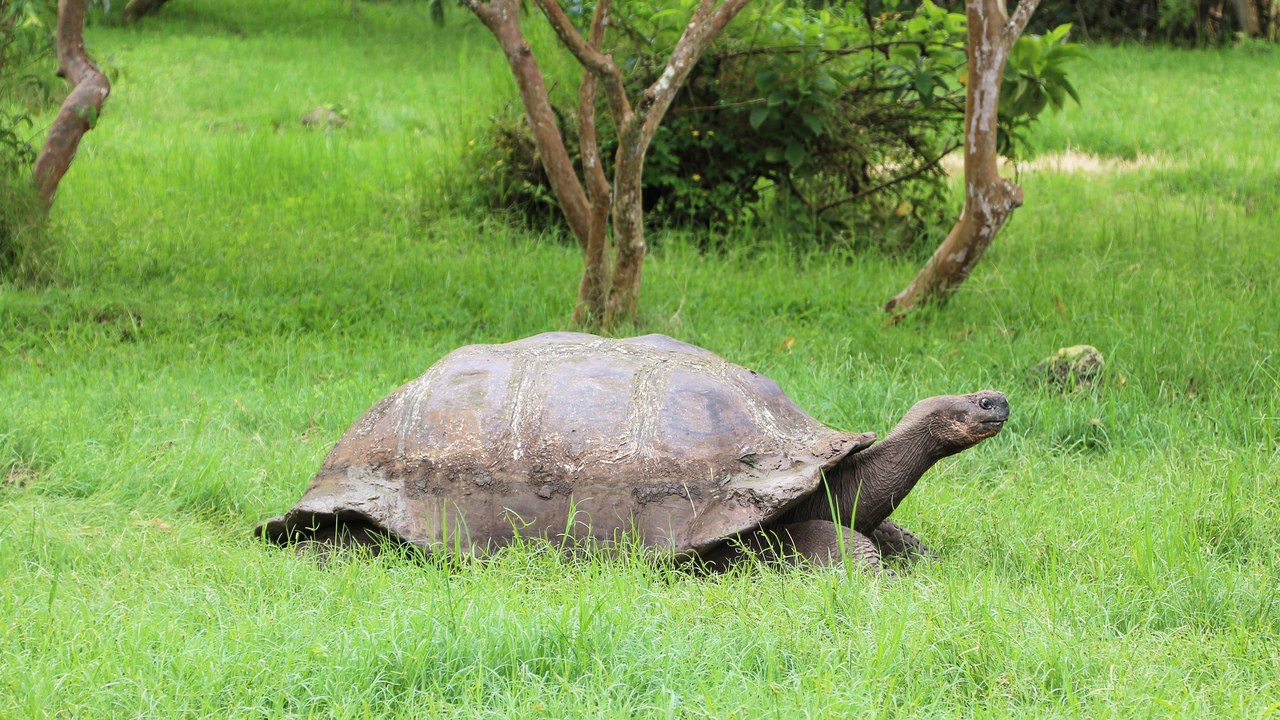
Harriet, a Galapagos tortoise, reached about 176 and died in 2006, according to a National Geographic tortoise entry of animal longevity.
The word about signals an approximate age, since records for tortoises of this era are imperfect. Even allowing for error, Harriet lived well beyond a century and a half, which is more than a single human lifetime and a half. The tortoise’s death in 2006 is the same year the Aldabra tortoise Adwaita died and the same year Ming was collected, a coincidence worth noting when comparing the entries.
6. American lobster: The Century-Old Crustacean
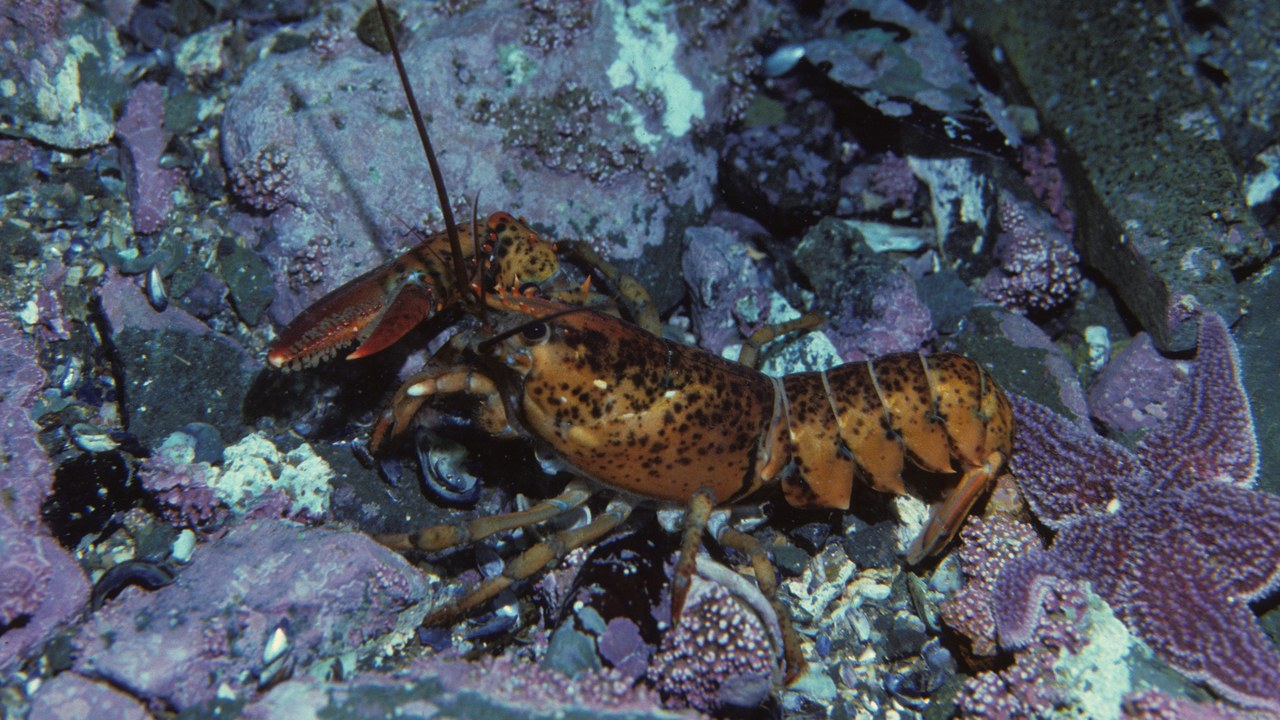
Few animals on a dinner plate can match this one for staying power. According to NOAA Fisheries species profile, scientists believe some American lobsters may live to be 100 years old, and the largest can weigh up to 44 pounds. The species ranges across the northwest Atlantic from Labrador to Cape Hatteras.
Exact ages are hard to pin down, because lobsters shed their shells as they grow and leave no simple growth rings behind. That uncertainty is why the century figure is framed as a scientific belief rather than a measured record, unlike the dated shells and eye lenses used for other animals on this list.
7. Aldabra giant tortoise: Adwaita’s 255 Years
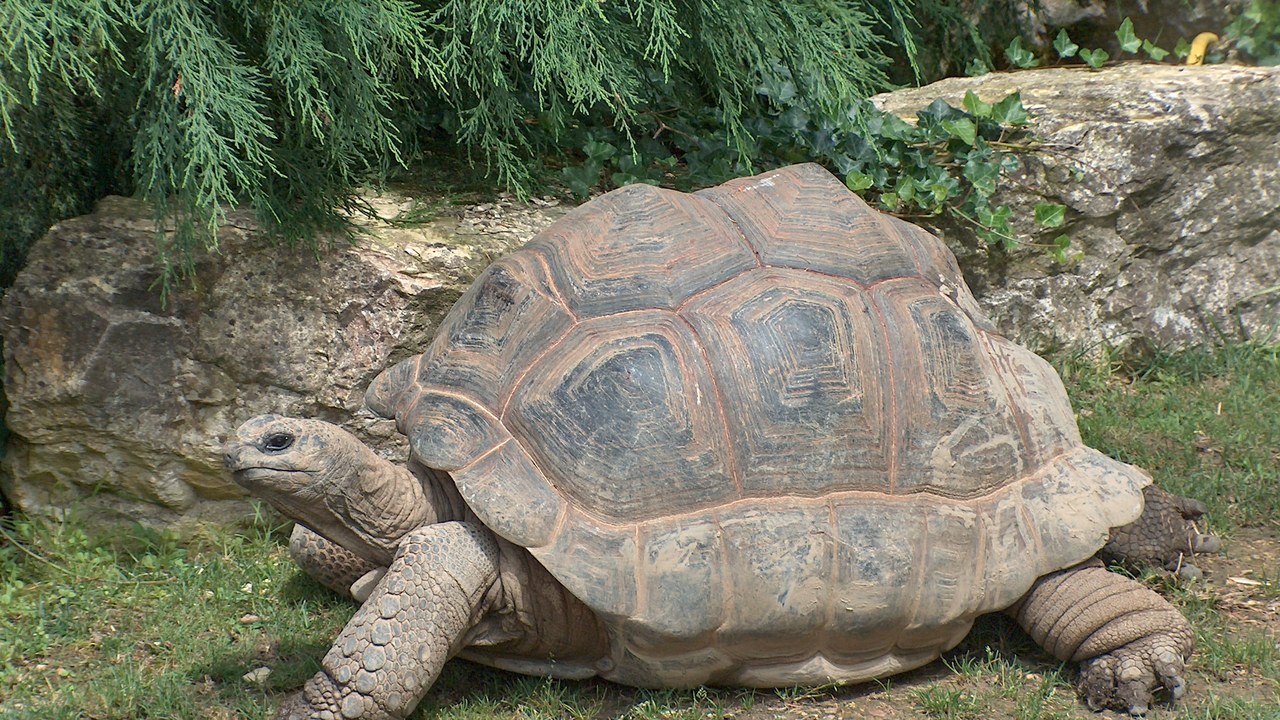
Adwaita, an Aldabra giant tortoise, died at an estimated age of 255 in March 2006, according to a Wikipedia longevity table of the longest-living organisms.
The age is an estimate, and the source is a crowd-edited reference page, so the number carries less weight than a primary record. It still makes Adwaita the longest-lived individual tortoise on this list, ahead of the Galapagos tortoise Harriet. Adwaita also died in 2006, the same year as Harriet and Ming, which makes that year an unusual one for the loss of record-length lives.
8. Orca: Granny the Orca
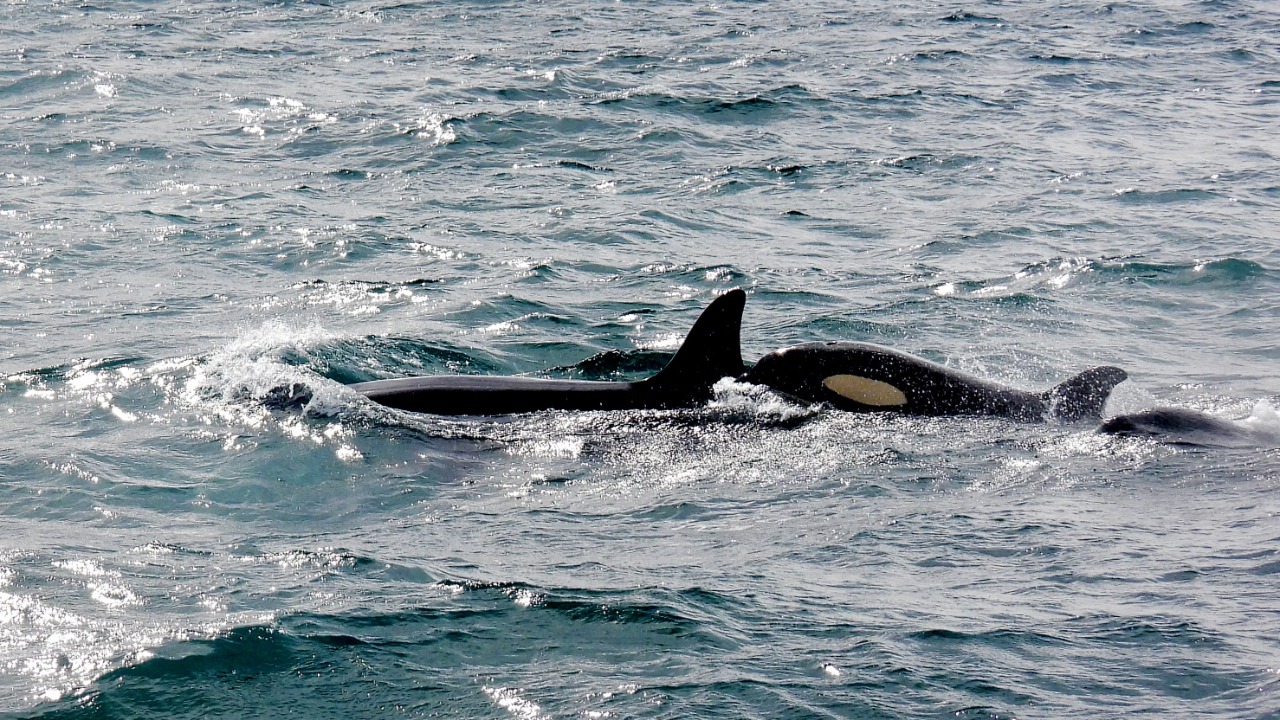
The orca known as J2, or Granny, was estimated by some researchers to have been approximately 105 years old at her death in 2017, according to a Wikipedia orca entry of longevity records.
The phrase some researchers matters, because the age was an estimate and not a universally accepted figure. Even so, it is the shortest lifespan on the list, a reminder that a mammal can outlive a person without reaching centuries. Orcas are the only toothed whale here, and the source offers Granny as an individual case, not as a statement about all orcas.
9. Lake sturgeon: Up to 400 Years
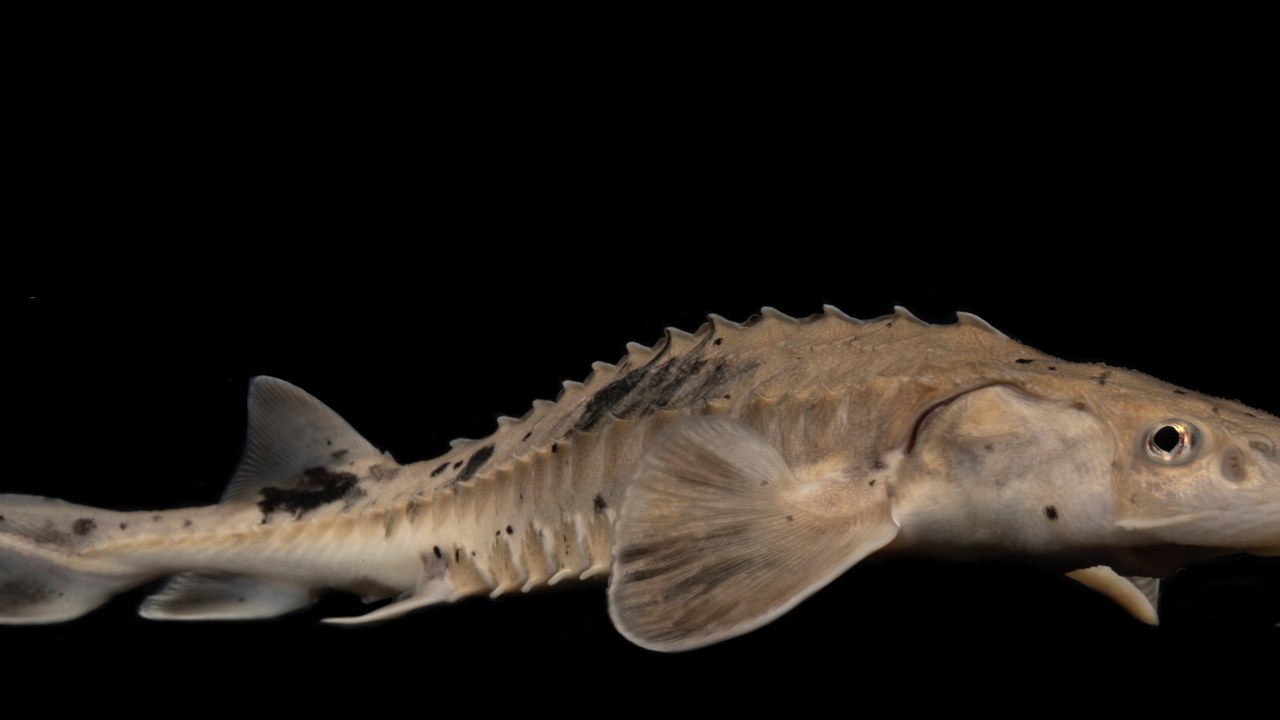
A 125-year-old lake sturgeon was caught in 2012, and the species is now estimated to possibly live up to 400 years, according to a Wikipedia sturgeon entry of longevity records.
Four hundred years is a projection, not an observation: the oldest fish actually aged was 125. The gap between the caught specimen and the possible maximum shows how recent discoveries keep pushing the estimate upward. A fish that may reach 400 years would outlast every tortoise on this list except possibly Adwaita, if the projection ever proves true.
10. Tuatara: New Zealand’s Living Fossil
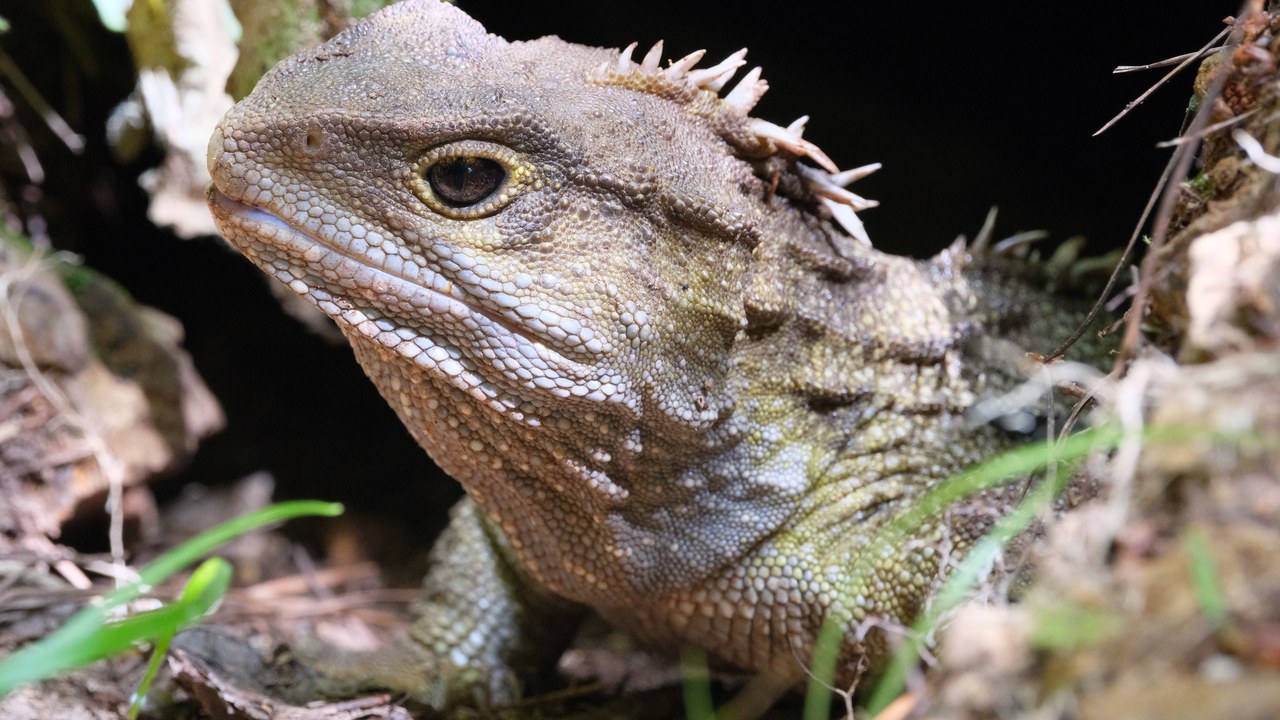
New Zealand’s tuatara can live well over 100 years, according to a Wikipedia tuatara entry of longevity records.
The source gives no single record age, only the over-a-century floor, so the tuatara earns its place by clearing the human benchmark rather than by setting a record. It is the thinnest entry on the list in specifics, and it is included for that reason. The tuatara’s low-key number should not obscure its inclusion: any animal reliably clearing a century belongs on a list about outliving people.
More from Morning Overview
- Shaq spent $1.3 million on three Rolls-Royce Phantoms to prove a point to a salesman
- The Justice Department asked courts to undo approvals for three offshore wind farms, one already making power
- Over 20 trillion gallons of rain fell on the Four Corners states and Nevada in two weeks
- 11 engines built to run well past 200,000 miles
