
Scientists have long ranked animal minds by how closely they resemble human ones, and those rankings keep getting rewritten. Birds, apes, a mollusk and even an insect have all shown behavior that once seemed out of reach for them. Here are nine animals whose documented abilities show how widely cognition runs across the animal kingdom.
Read next on Morning Overview: Cadillac cut the price of its cheapest EV, which goes up to 317 miles on a charge
1. Common octopus: A Big Brain Without a Backbone
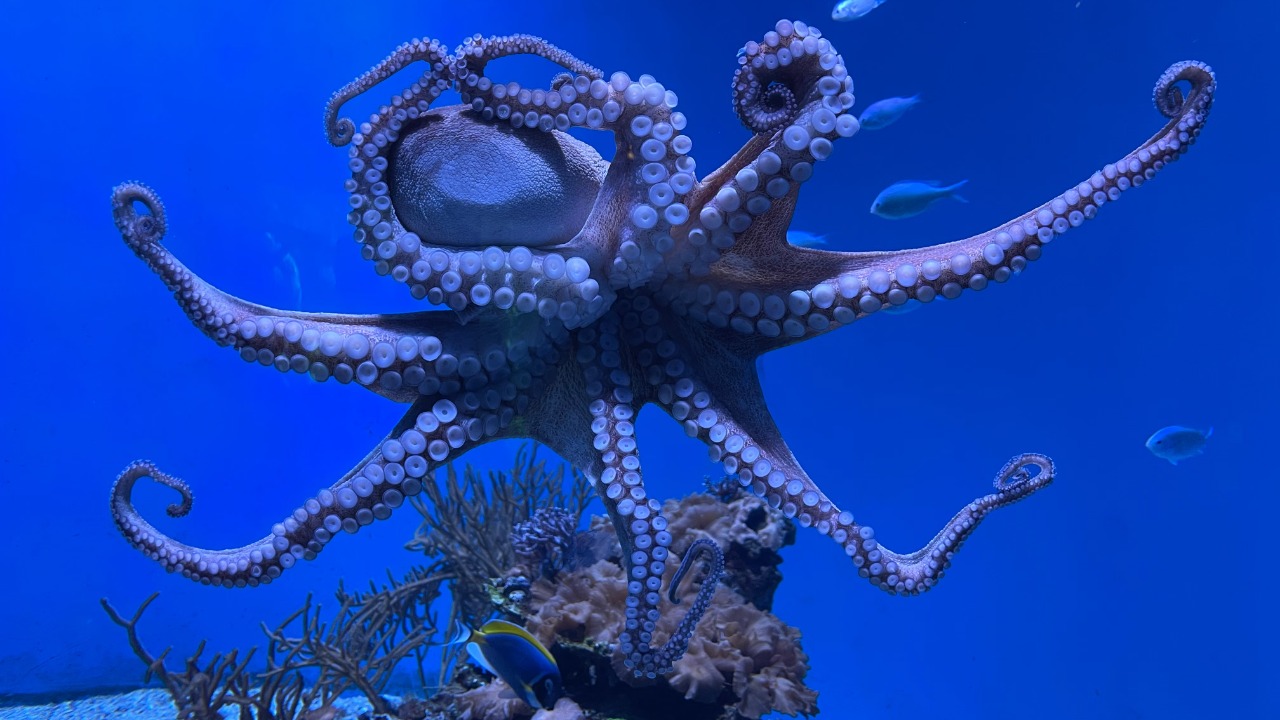
Researchers think the common octopus carries 500 million neurons in its nervous system, according to Live Science. The same source credits it with the largest brain-to-body ratio of any invertebrate, which makes a soft-bodied animal with no spine a fixture in conversations about intelligence.
The wording matters, because the source says researchers think this is the count. That makes it an estimate rather than a census. Neuron totals and brain-to-body ratios also describe hardware, not behavior, and the ratio claim is limited to invertebrates, so it does not rank the octopus against birds or mammals.
2. Common raven: Planning Ahead by Hours
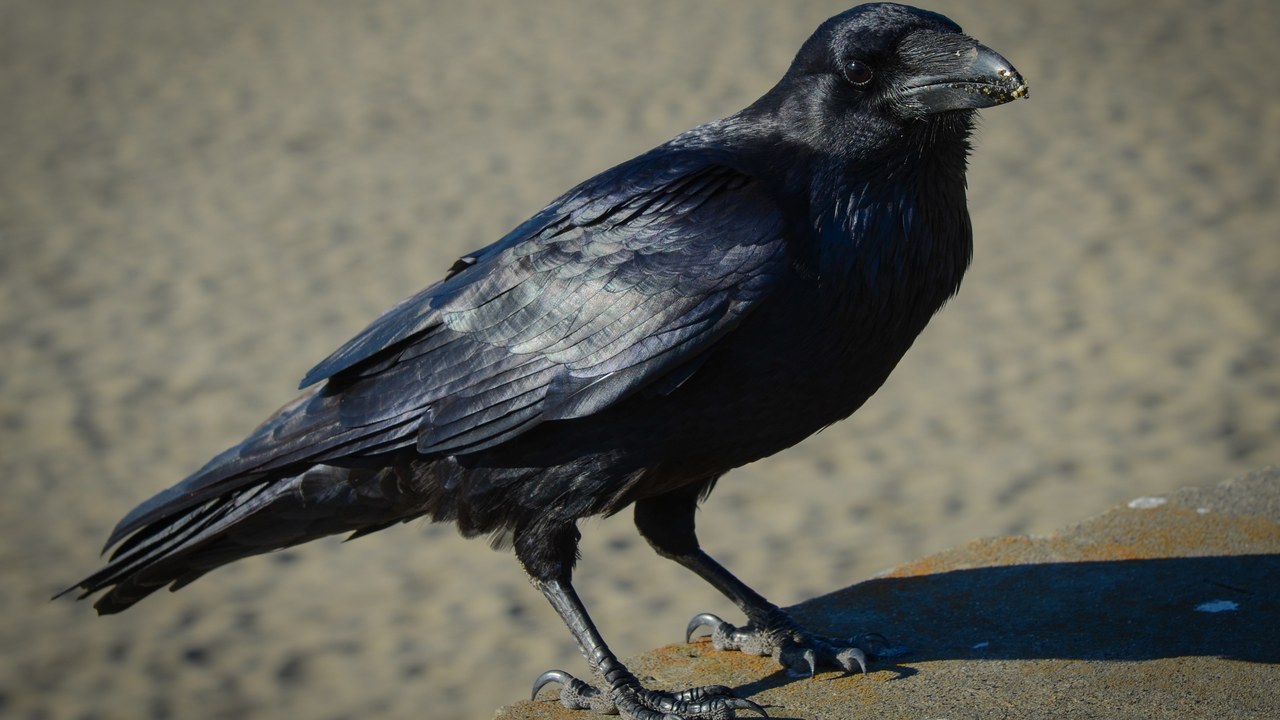
Live Science reports that ravens can plan for events 17 hours in advance, a span that stretches well beyond the immediate moment. The same item adds that 4-month-old ravens show abilities similar to those of full-grown chimpanzees, which suggests the skill appears early in life rather than slowly with age.
Both figures come from a single popular-science summary, so they work best as a pointer to the research rather than a final measurement. The comparison with chimpanzees is also loose, since the source does not spell out which tasks were compared or how many birds were tested.
3. Grey parrot: Outthinking a Five-Year-Old
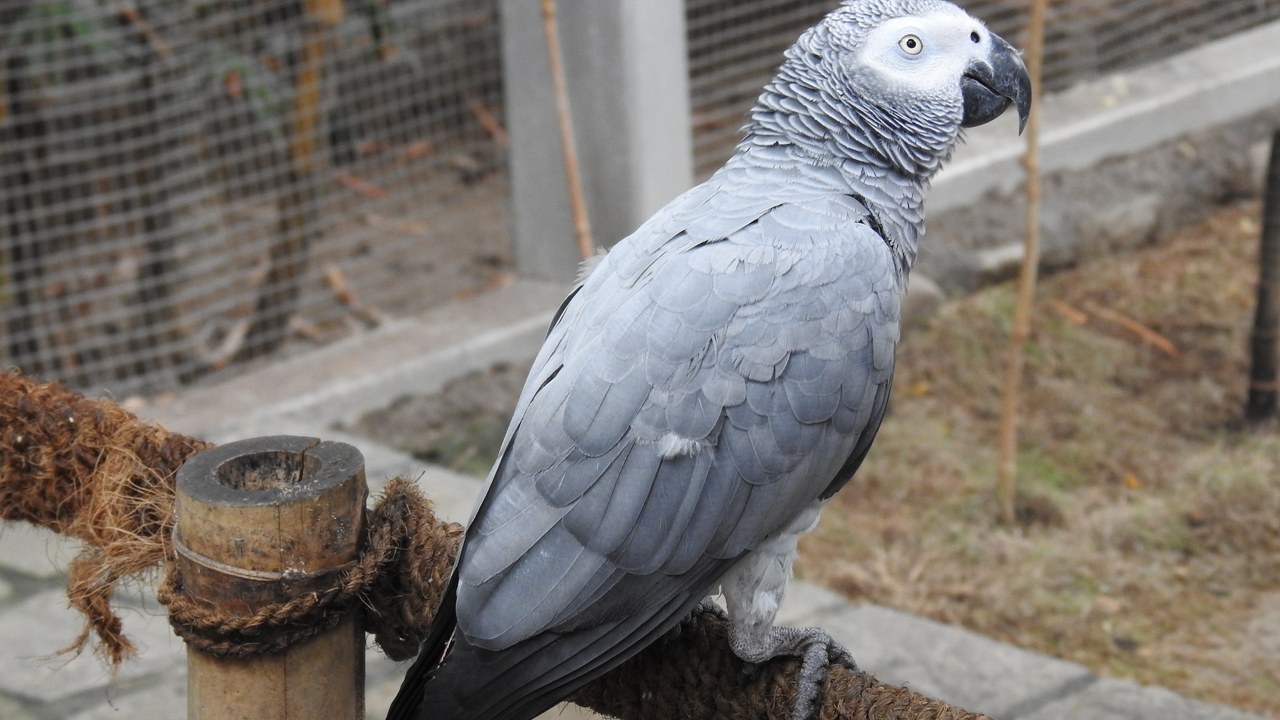
Live Science says African grey parrots outperform young children in certain cognitive tests. Specifically, the source states that these parrots can outperform 5-year-old children, placing a bird well inside the range of abilities normally associated with early childhood development.
The qualifier is doing real work here: the claim covers certain tests, not intelligence in general. A parrot that beats a child on one task has not matched a child’s all-round reasoning. The line is best read as evidence that bird cognition can overlap with human development, not as an equivalence.
4. Bonobo: A Vocabulary of Symbols
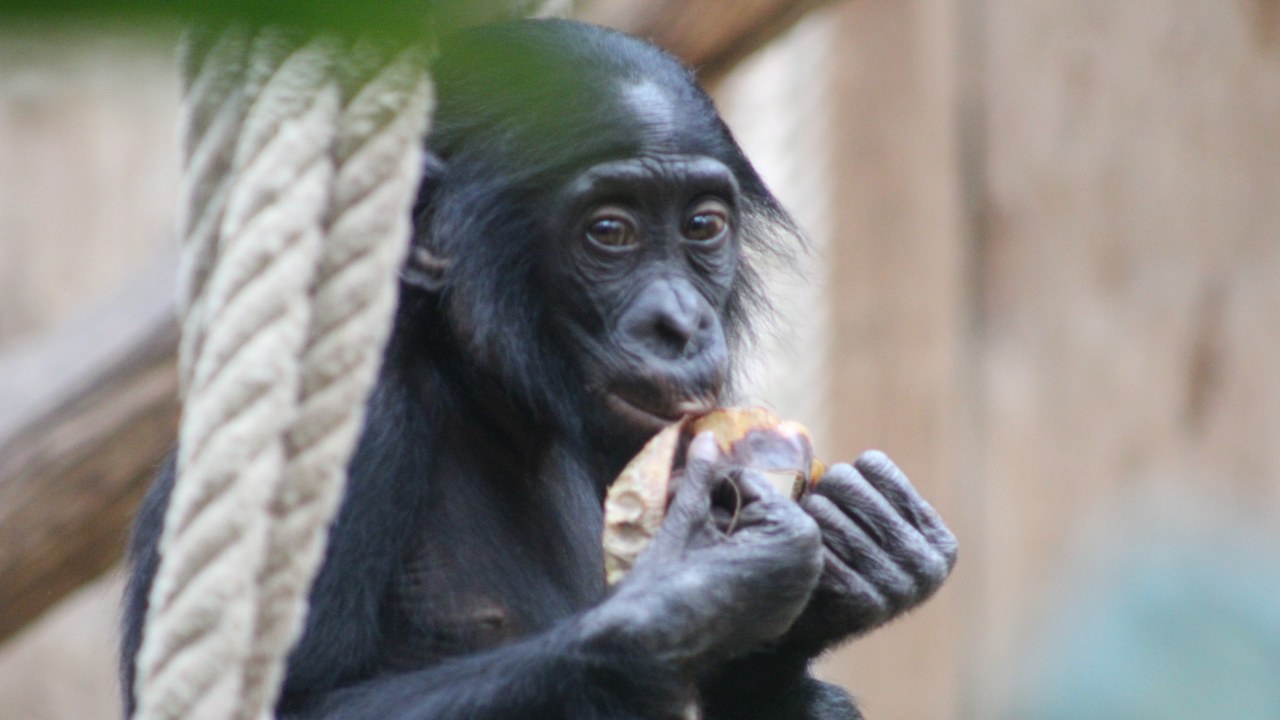
National Geographic describes Kanzi the bonobo as able to communicate using hundreds of symbols that correlate to words. The point is not speech but a working link between a symbol and a meaning, shown by an ape that can use that link to make himself understood.
Kanzi is a single, famous individual, and the source speaks of what he can do rather than of bonobos as a species. That limits how far the finding generalizes. It still stands as one of the clearest examples of an ape handling something close to a lexicon.
5. Pig: Hiding the Stash
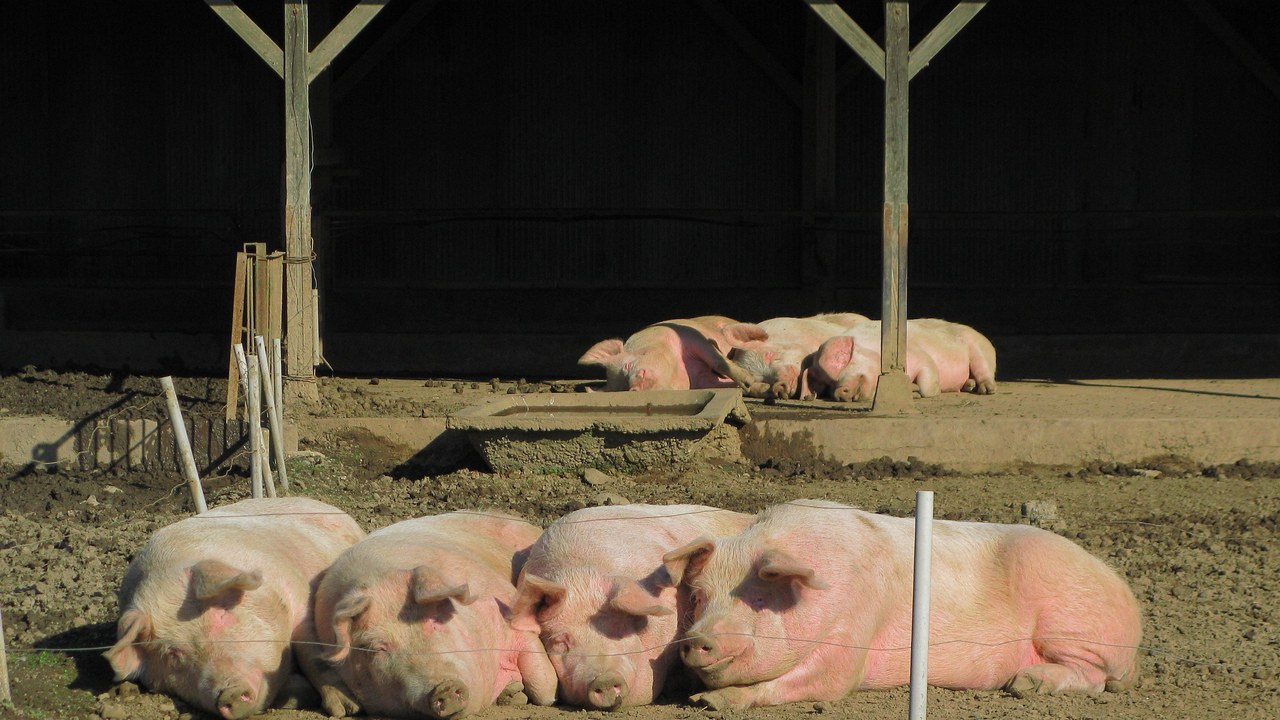
National Geographic reports that pigs remember food locations and use deception to keep other pigs away from their stashes. That combines two skills at once, spatial memory and an attempt to manage what a rival knows, and it undercuts the barnyard image of the animal.
The item rests on the magazine’s summary and gives no numbers, such as how many pigs were tested or how long the memories lasted. It is a behavioral description, which is useful for showing the range of pig cognition but not for measuring how smart pigs are compared with other animals.
6. Bottlenose dolphin: Recognizing the Mirror
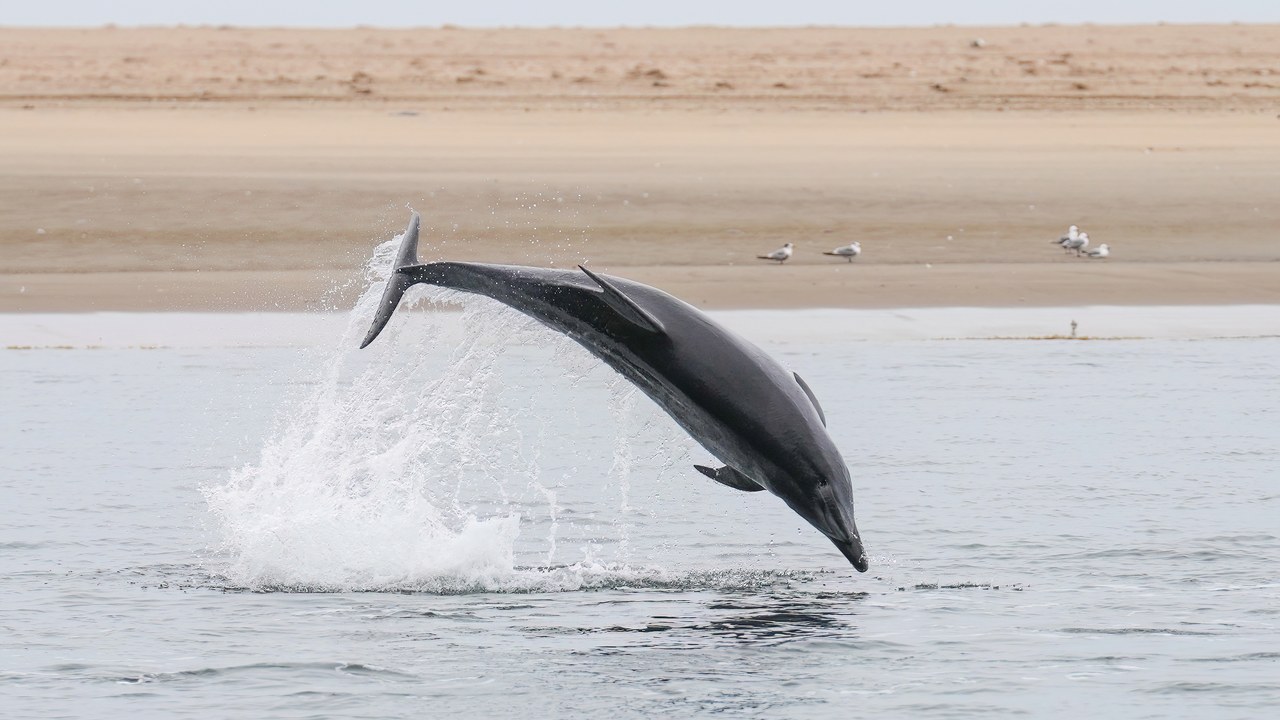
Bottlenose dolphins are among the few species that have passed the mirror test of self-recognition, National Geographic reports. The test asks whether an animal understands that a reflection is itself, a hurdle that most species never clear.
The source says only that dolphins are among the few, and it does not name every species or give trial details. Passing the mirror test is also a narrow measure with known critics, so it speaks to self-awareness in one specific sense rather than to everything dolphins understand.
7. Elephant: Remembering Melody and Words
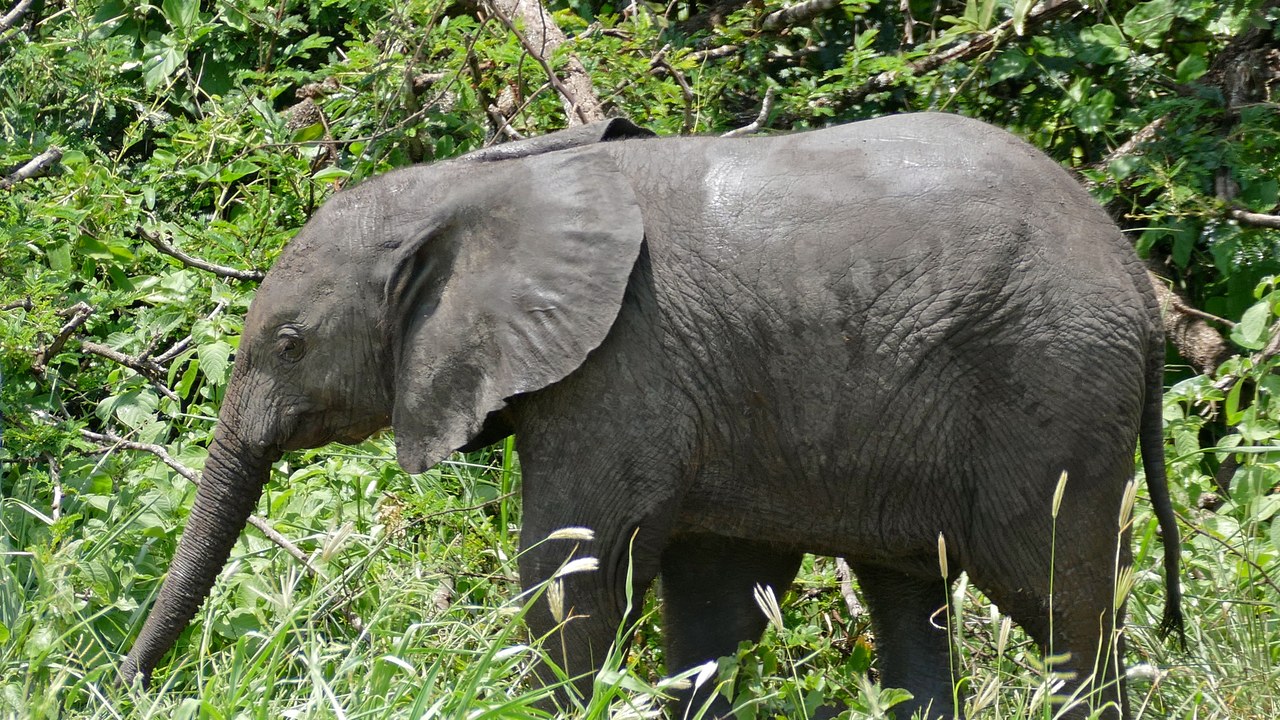
Studies summarized on Wikipedia report that elephants can remember tone and melody and recognise more than 20 words, which points to hearing that is tuned for more than simple alarm calls. Memory for pitch and sequence is an ability usually discussed in connection with music and speech.
Because the item comes from a Wikipedia summary of other studies, the exact experiments are not described and the figure of 20 words is a floor, not a ceiling. The claim concerns recognition rather than speaking, so elephants are shown to understand certain words, not to use them.
8. Chimpanzee: Spears Made of Sticks
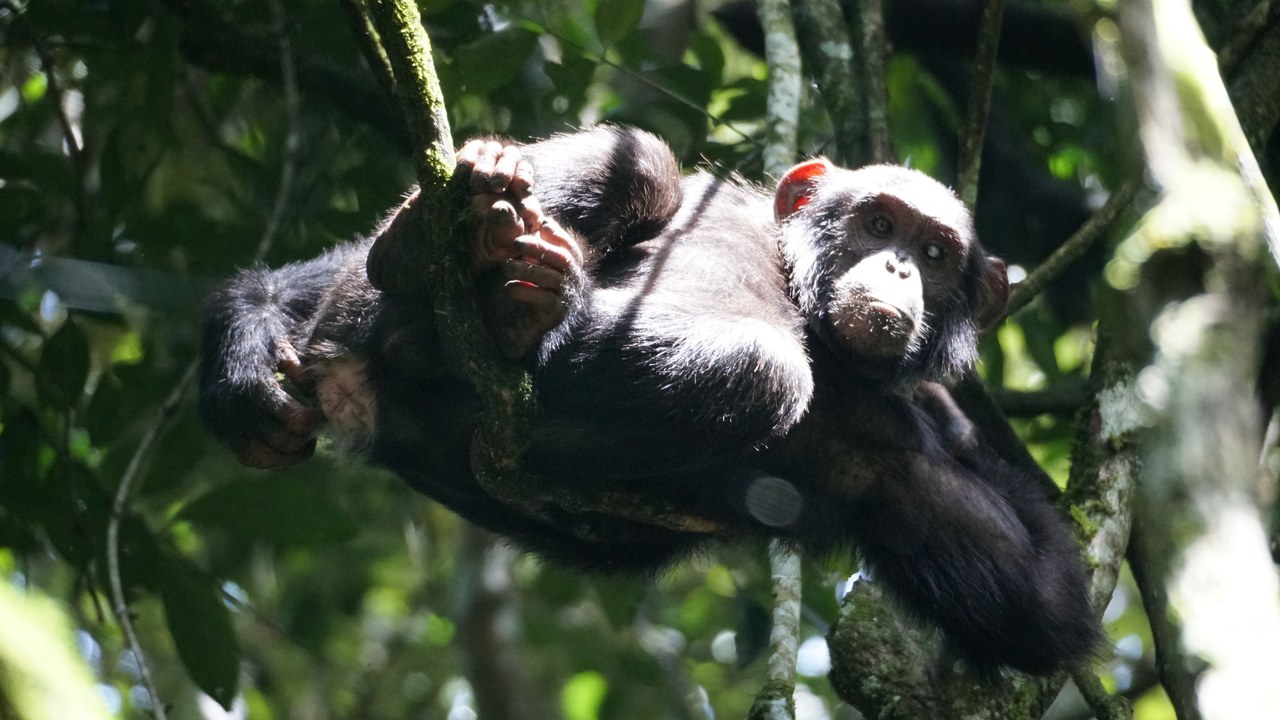
Research in 2007 showed that chimpanzees in the Fongoli savannah sharpen sticks to use as spears when hunting, according to Wikipedia’s account of animal cognition. Making a tool is a step beyond simply using one, because it means shaping an object for a purpose that lies ahead.
The finding concerns one population at one site, not all chimpanzees, and the source dates it to 2007, so the context is nearly two decades old. Even so, it remains a well-cited example of tool manufacture in the wild, in a landscape quite different from the forests usually associated with apes.
9. Honey bee: A Small Mind With Concepts
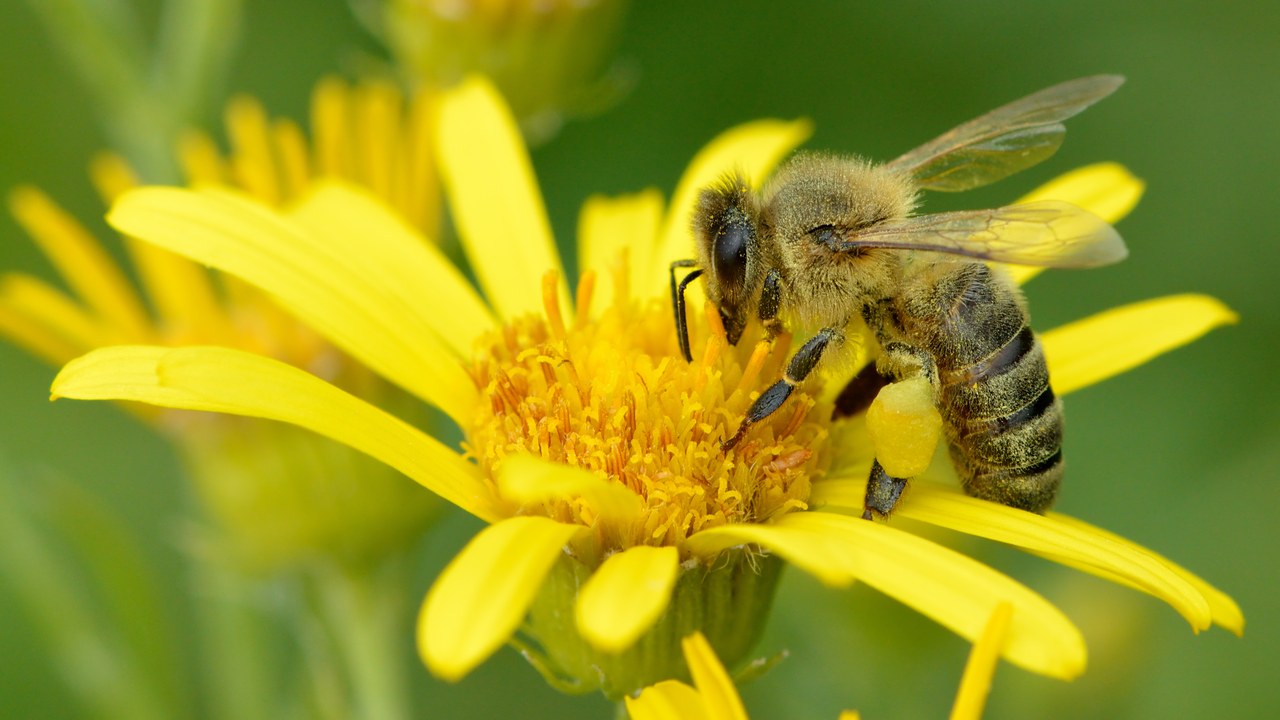
According to Wikipedia, honeybees can form concepts of up and down, and a single learning trial gives a free-flying honeybee a memory that lasts days. Abstract notions and durable memory are rarely expected of an insect, which makes the bee a useful counterweight to assumptions about size.
The source states these as findings of the research it summarizes and gives no study details, so the specifics of the tests are unclear. The result also describes what individual bees can learn, not how a hive behaves collectively, a separate question that the summary does not address.
More from Morning Overview
- 11 engines built to run well past 200,000 miles
- Two Kentucky residents died when a small plane crashed at Missouri’s Lake of the Ozarks, and the NTSB is investigating
- A handful of car transmissions are so tough that mechanics say they almost never die
- Melting permafrost is setting off a newly identified kind of catastrophic landslide, scientists say
