
Speed records depend heavily on where an animal moves and how the measurement was taken, so sources often disagree. Divers, sprinters and swimmers each win their own contest, and this list draws on three reference pages to compare them while noting where figures are contested. Here are nine fast animals, with each claim tied to its source.
Read next on Morning Overview: Melting permafrost is setting off a newly identified kind of catastrophic landslide, scientists say
1. Peregrine falcon: Dive Speed Champion
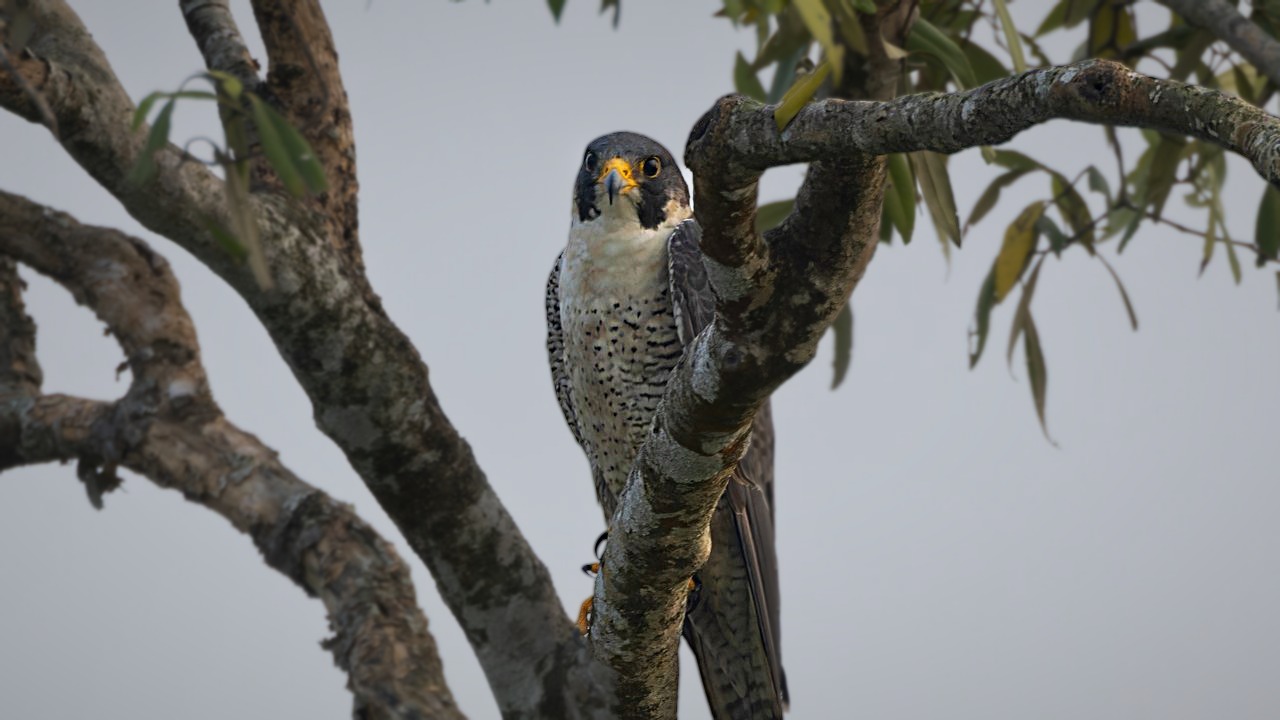
National Geographic says the peregrine falcon can dive through the air at speeds reaching 200 miles (320 kilometers) an hour, about as fast as a Daytona 500 race car, in its animal records page.
The speed applies to the dive, not level flight, so the falcon’s headline number reflects a dive from height. The race-car comparison comes from the source and gives a sense of scale, but the claim is a maximum, not a typical cruising speed. Both figures come from the same National Geographic page, which lists the falcon first among its record holders for the air.
2. Cheetah: The Land Record
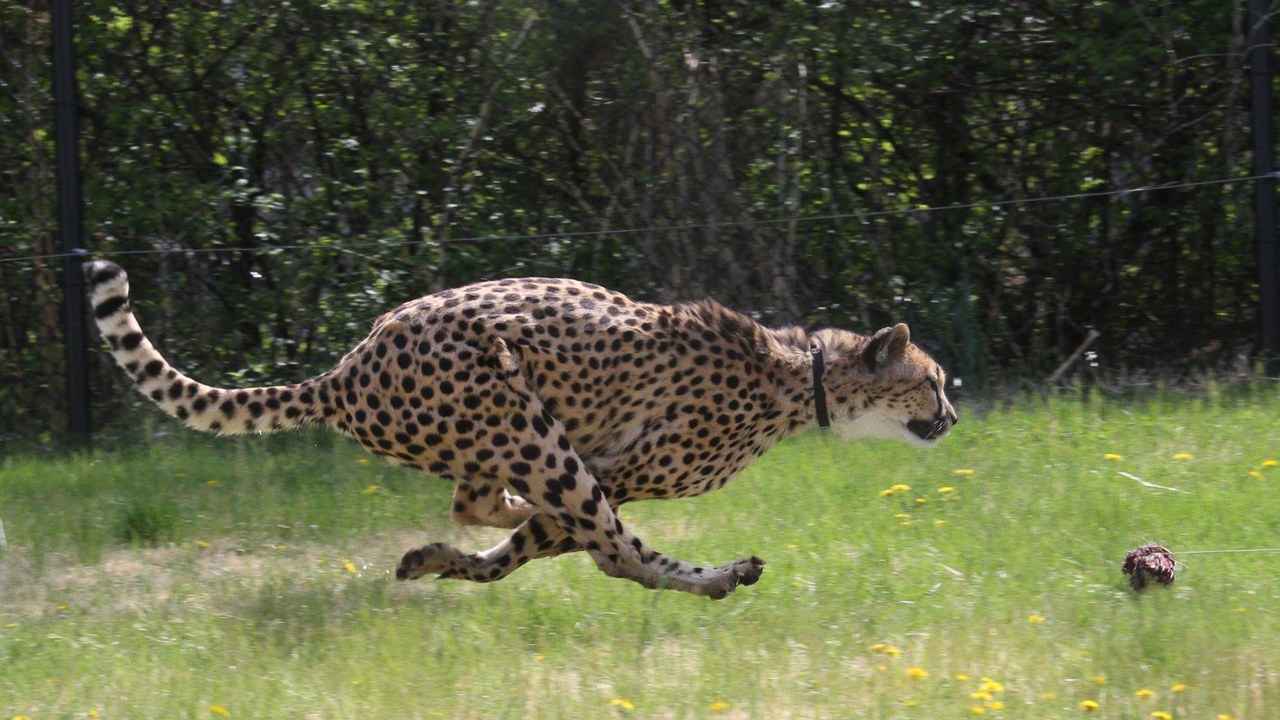
The fastest recorded speed of a cheetah was 61 miles (98 kilometers) an hour, the land record in National Geographic’s animal records list.
The phrase recorded speed is the key: the number is a measurement, not a legend. It is slower than the diving birds on this list, which shows how the land category is simply a separate contest, with a lower ceiling than the air. Compared with the diving raptors, the cheetah’s ceiling is far lower, and the source’s list places it as the land entry rather than the overall winner.
3. Sailfish: A Disputed Sea Record
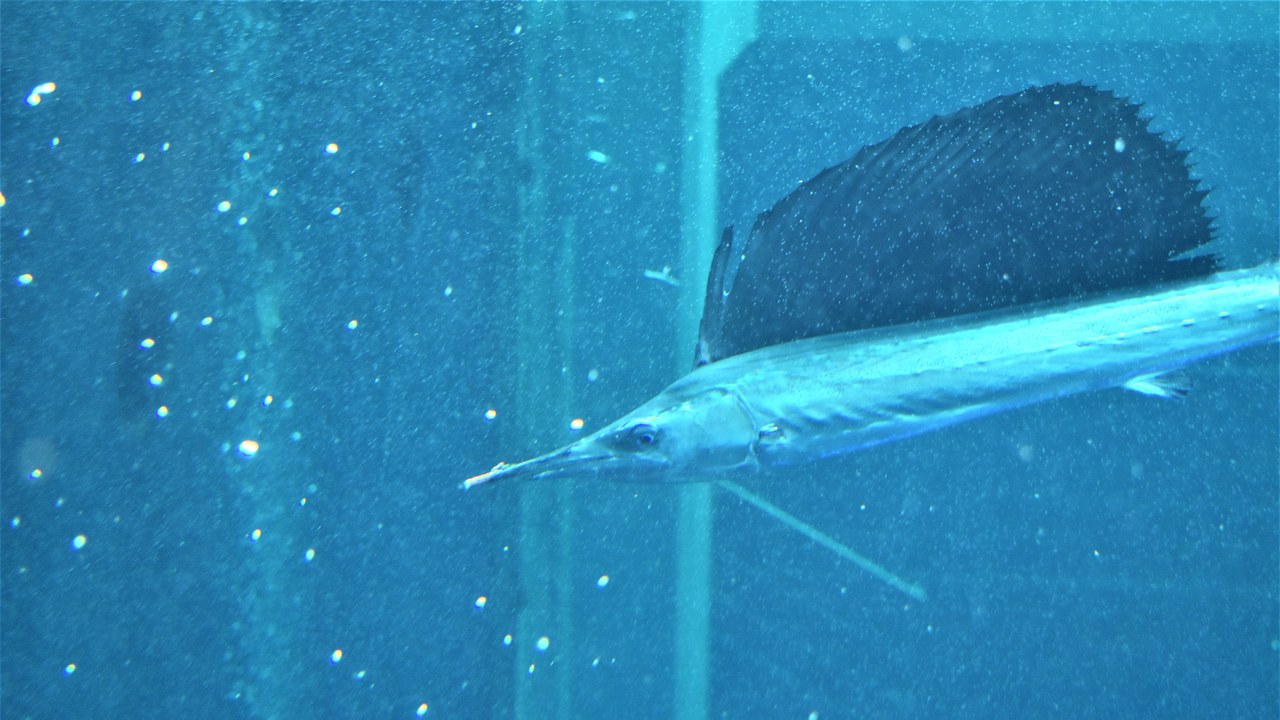
National Geographic says a sailfish can reach speeds of up to 68 miles (110 kilometers) an hour, its pick for the sea record, in an animal records article. Live Science notes a 2016 study put it nearer 19 mph.
The gap between 68 and 19 mph is large, and the source acknowledges it. The sailfish therefore stands as a reminder that old speed claims for fish are hard to verify, and readers should treat the higher number with caution. The same page that offers the 68 mph claim is the one being corrected, so the entry works best as a lesson in checking speed claims against later research.
4. Golden eagle: Another 200 mph Diver
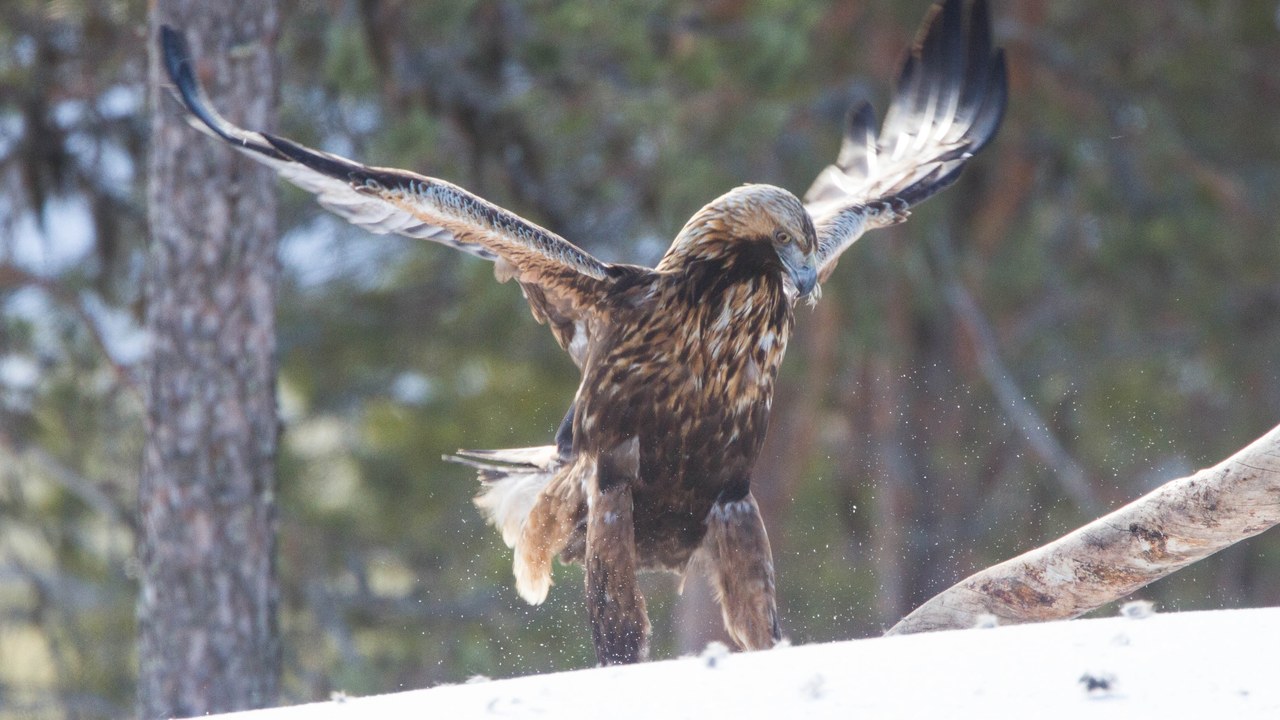
Golden eagles zoom through the air at almost 200 mph (322 km/h) when diving from great heights, according to Live Science’s fastest animals list.
Like the peregrine falcon, the eagle’s number describes a dive and not sustained flight. The two birds land at almost the same speed in the sources, which puts diving raptors at the top of the air category. No other source here gives a different figure for the eagle, so the number stands unchallenged, although almost 200 mph remains a rounded statement.
5. Pronghorn: Fastest Runner in the West
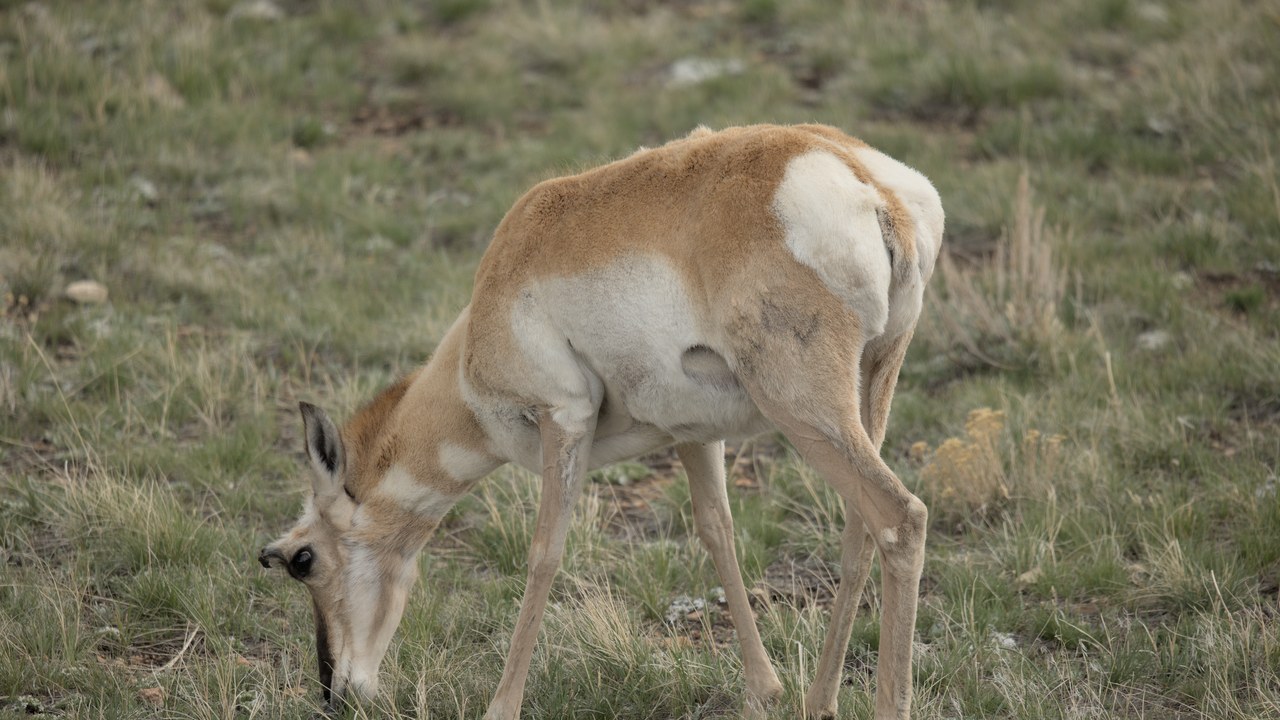
Pronghorn can hit top speeds of up to 60 mph (97 km/h), Live Science reports in its fastest animals roundup.
The figure puts the pronghorn almost level with the cheetah’s recorded 61 mph in the National Geographic list, though the two sources measure different animals and methods. Up to signals a peak rather than an everyday pace. Because the source gives a ceiling and no typical speed, the pronghorn’s usual pace is not stated here, and the figure should be read as a peak. It also carries no note on how long the speed lasts.
6. Ostrich: Fastest Bird on Foot
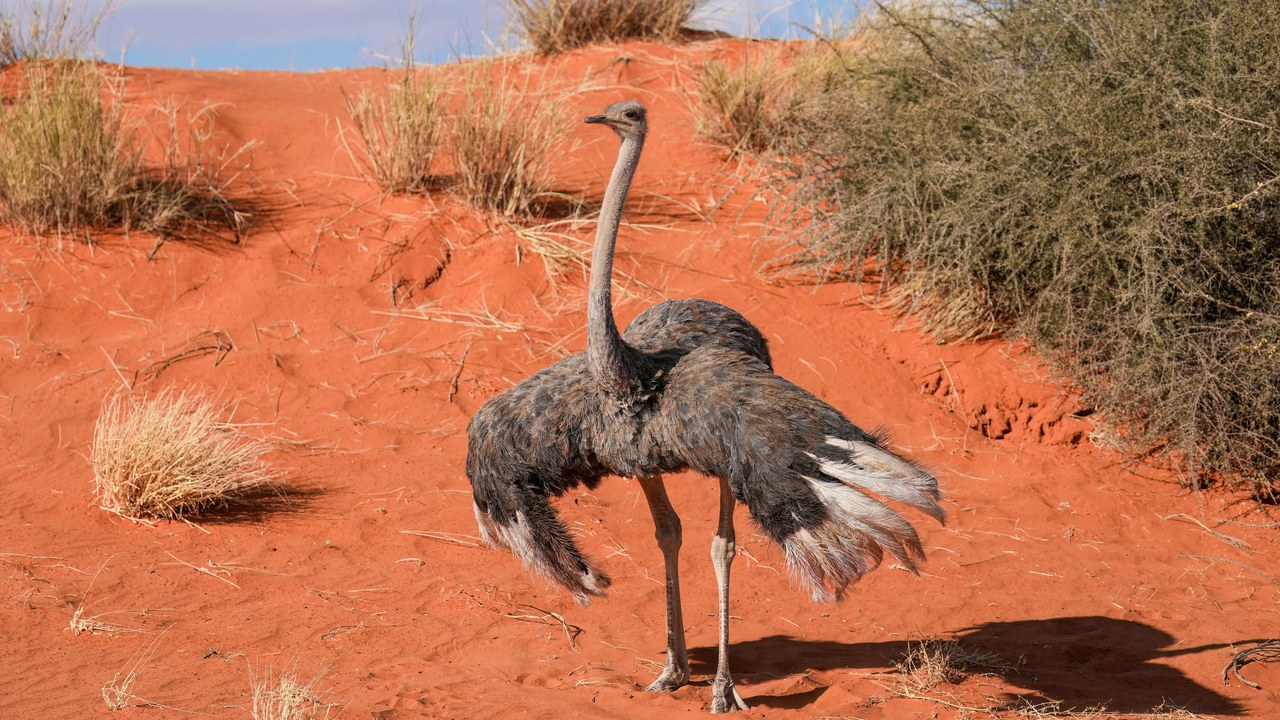
Ostriches run up to 43 mph (70 km/h) in short bursts, the fastest of any bird on foot, according to a Live Science speed roundup of speed records.
The qualifier in short bursts is the whole story: the speed is a sprint, not a pace that can be held. The ostrich is flightless, so its place on the list rests entirely on its legs rather than on any airborne speed. Neither the source nor the row gives a distance for those bursts, so how long the speed can be held remains unstated.
7. Springbok: Antelope at 55 mph
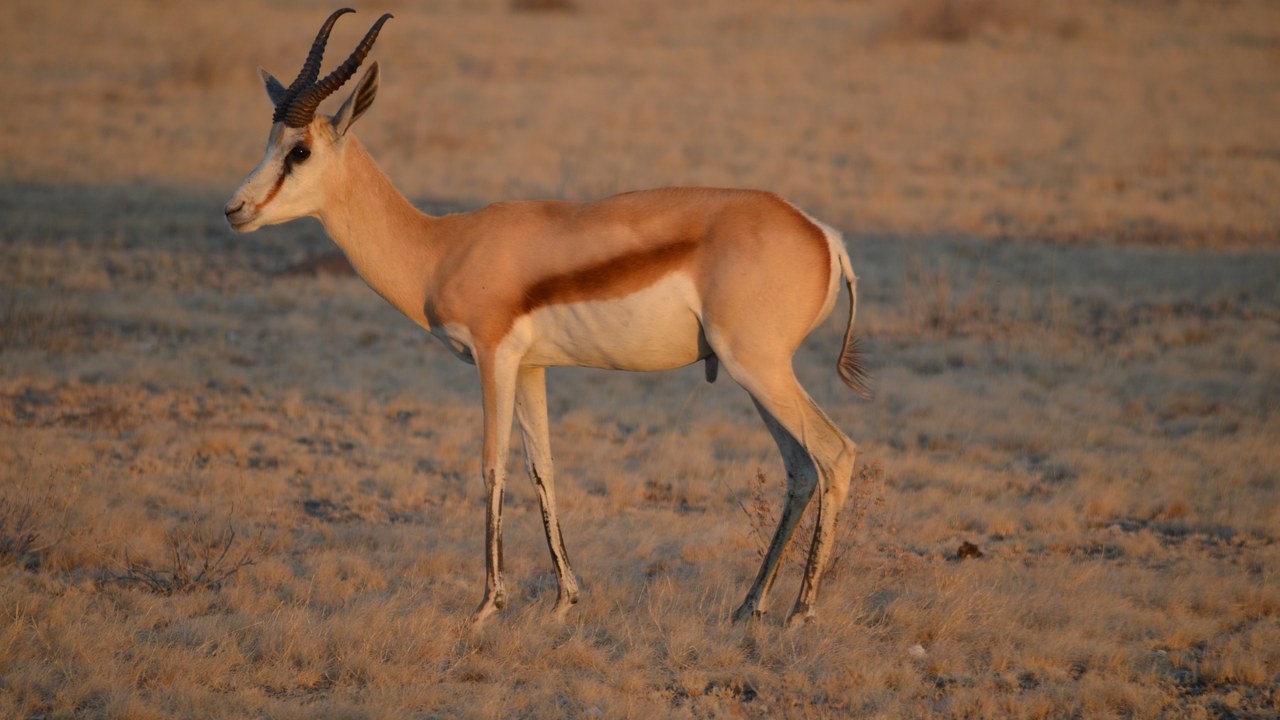
Wikipedia’s fastest-animals table lists the springbok at 88 km/h (55 mph), according to its fastest animals table.
The source is a crowd-edited reference, so the number carries less weight than a primary measurement. It still places the springbok in the same range as the pronghorn and the Quarter Horse, all three clustered in the mid-fifties in miles per hour. Because the figure comes from a single table, readers wanting more should treat it as a starting point and consult the underlying measurements. The source supplies metric and imperial values together.
8. Quarter Horse: Fast by Breeding
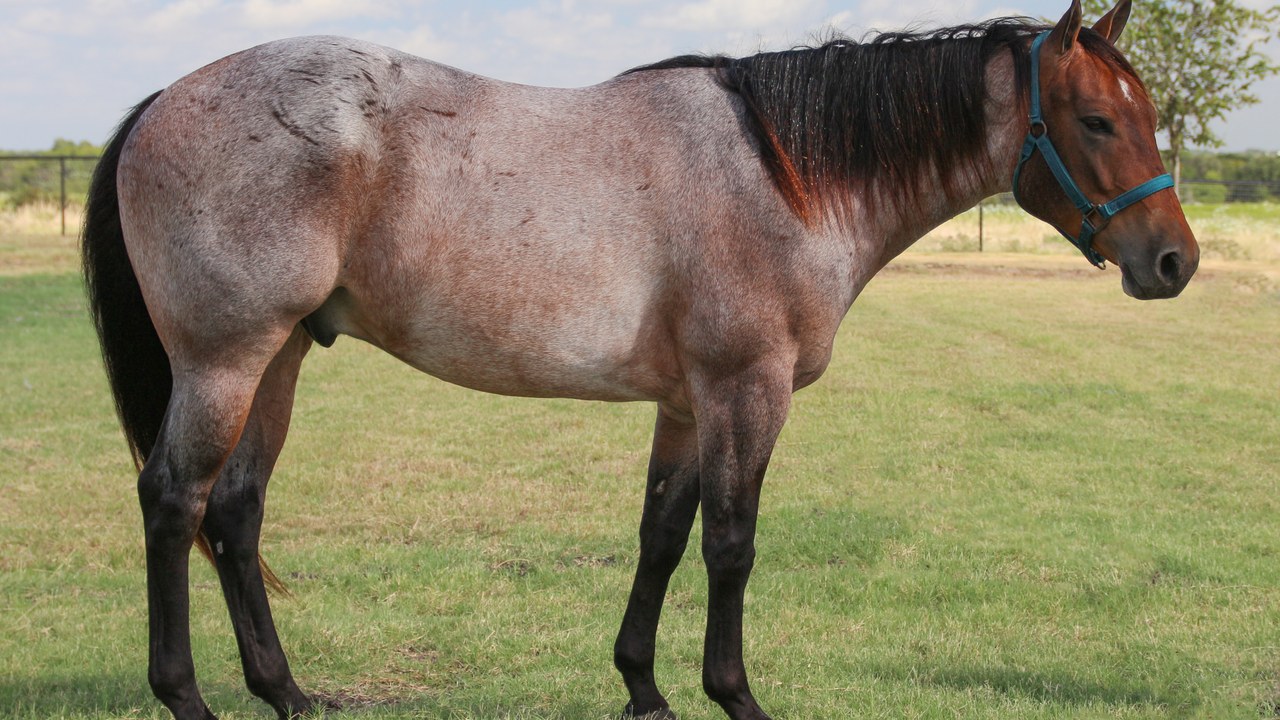
Some Quarter Horses have been clocked at speeds up to 88.5 km/h (55.0 mph), according to a Wikipedia speed table of animal speed records.
The horse is the only domestic animal here besides the greyhound, and its speed reflects selective breeding as much as nature. The wording some have been clocked signals that the top speed belongs to exceptional individuals, not the breed as a whole. Compared with the springbok at 88 km/h, the horse’s 88.5 km/h is nearly identical, a difference far smaller than the likely margin of error in field timing.
9. Greyhound: The Fastest Dog
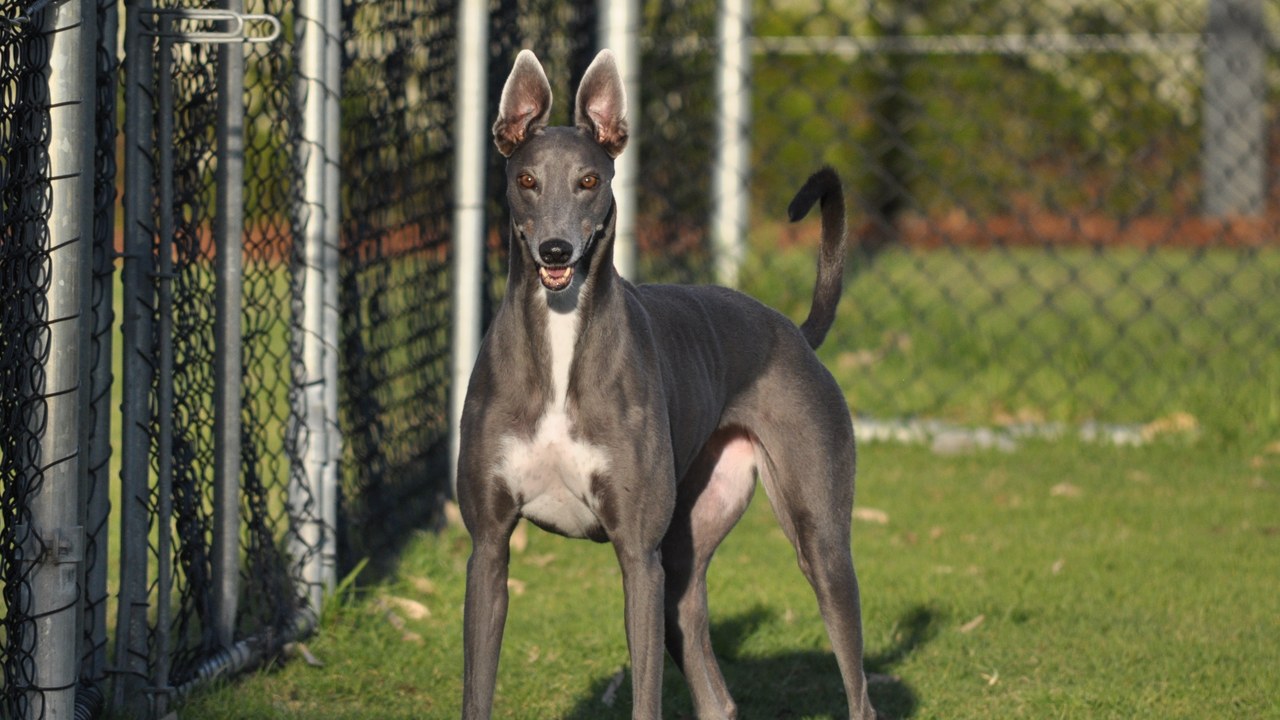
Greyhounds, the fastest dogs, run 60-70 km/h (37-43 mph) and have primarily been bred for coursing game and racing, according to a Wikipedia dog speed entry of speed records.
The speed is given as a range, which makes it more modest than the other land entries. Racing and coursing are the stated reasons for the breed, so its place on the list is the result of purposeful breeding. The upper end of that range is in line with the Quarter Horse and springbok figures in the source, and it is the slowest of the three land entries.
More from Morning Overview
- Over 20 trillion gallons of rain fell on the Four Corners states and Nevada in two weeks
- 11 engines built to run well past 200,000 miles
- Two Kentucky residents died when a small plane crashed at Missouri’s Lake of the Ozarks, and the NTSB is investigating
- A handful of car transmissions are so tough that mechanics say they almost never die
