
Consumer gadgets can fail in two very different ways: a product can become physically dangerous, or a grand commercial promise can collapse in public. Recalls turn scattered battery incidents into measurable evidence, while a rapid discontinuation exposes demand that never matched the pitch. These five gadgets show how both kinds of failure become too large to dismiss.
1. INIU BI-B41 10,000mAh power banks: An Inexpensive Charger With an Expensive Toll
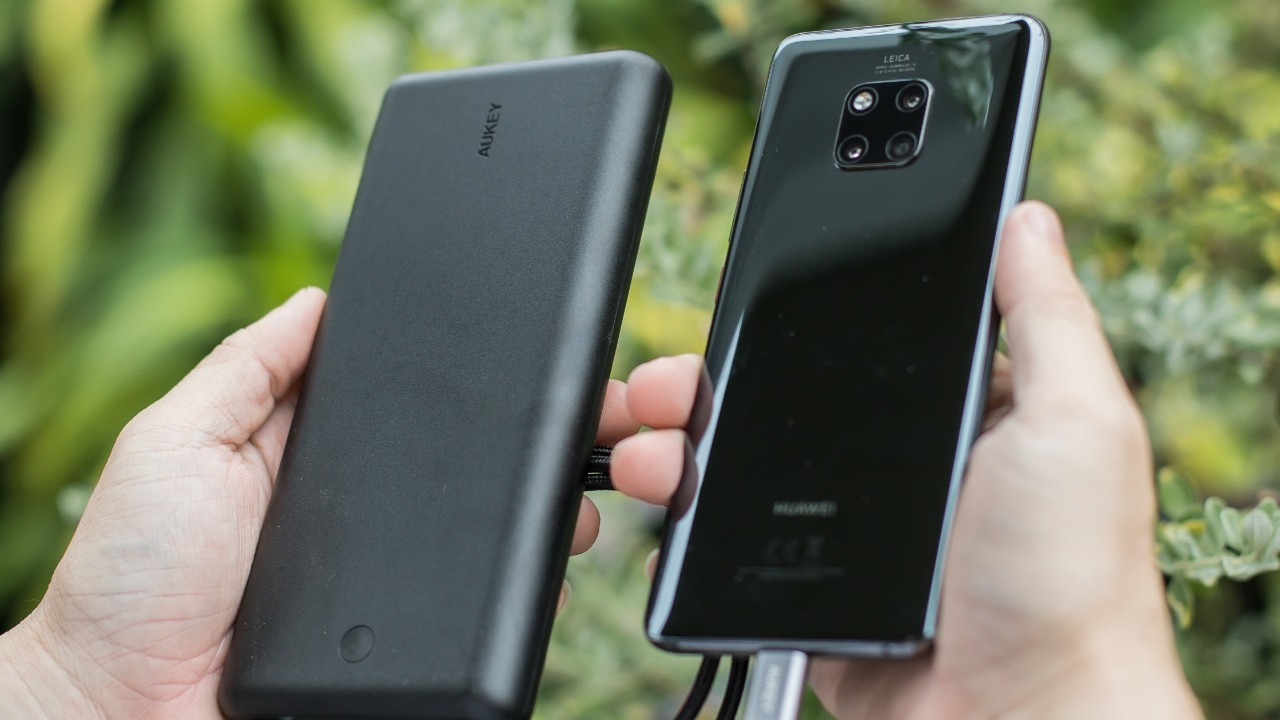
The BI-B41 was an $18 Amazon best-seller, but its reach made the eventual safety record especially consequential. The federal recall notice tied the model to 11 fires and more than $380,000 in property damage after roughly 210,000 units had been sold. Those figures transformed the issue from an isolated complaint into a broad consumer hazard with a documented financial cost.
Portable batteries are routinely carried in bags, placed beside electronics and left charging near household belongings, so a fire defect can spread beyond the gadget itself. The low purchase price also illustrates why popularity is not a safety signal: a cheap, widely distributed accessory can create substantial aggregate exposure. Once the incident and damage totals were public, the model’s best-seller status became part of the warning rather than reassurance.
2. ESR HaloLock wireless power banks: A Recall That Had to Grow
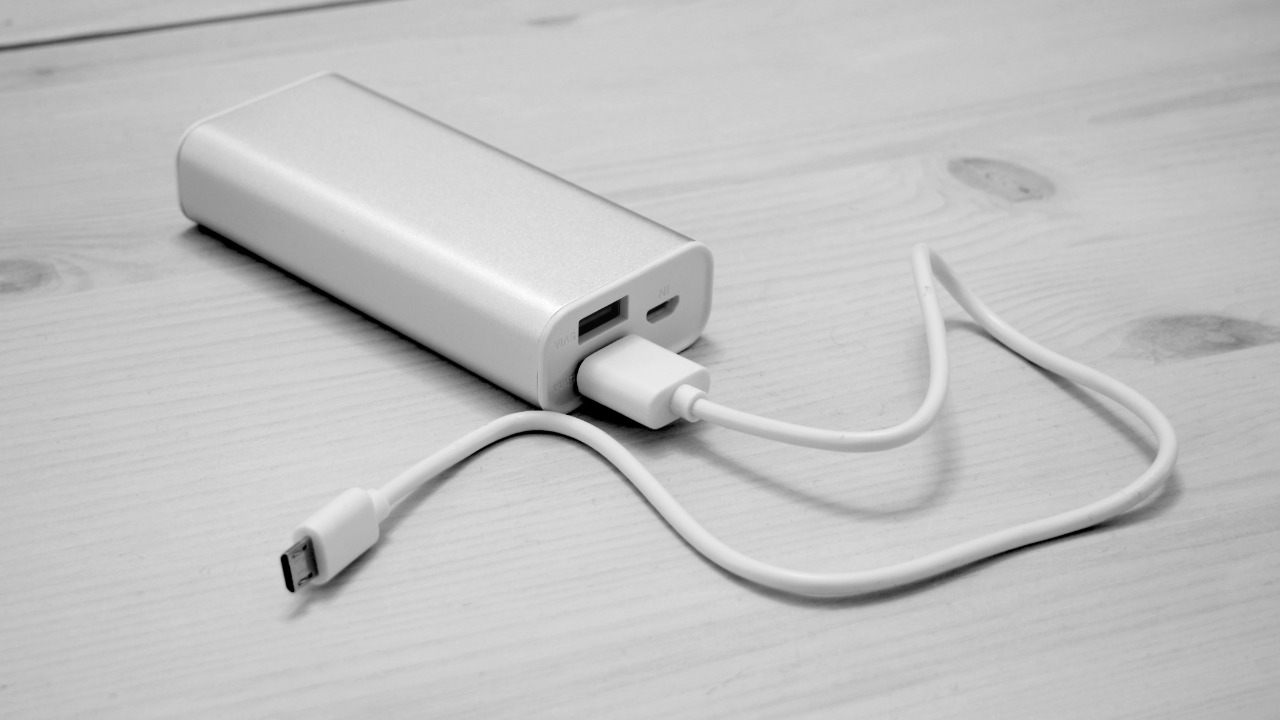
The HaloLock case became harder to contain when the recall expanded to include another model. According to the expanded recall record, consumers submitted 20 reports of batteries catching fire and exploding, with about $30,000 in property damage. An expansion matters because it shows that the initially defined problem did not cover the full set of products requiring action.
Wireless power banks are designed to sit directly against another device, which makes reliable battery containment central to the product’s usefulness. Reports involving both fire and explosion overwhelm any convenience argument, particularly after authorities broaden the affected-model list. The episode also demonstrates why owners must identify a device by its precise model rather than by brand appearance alone; visually similar accessories can fall on different sides of a recall boundary.
3. Belkin portable power banks and wireless charging stands: A Mainstream Brand Meets a Mass Recall
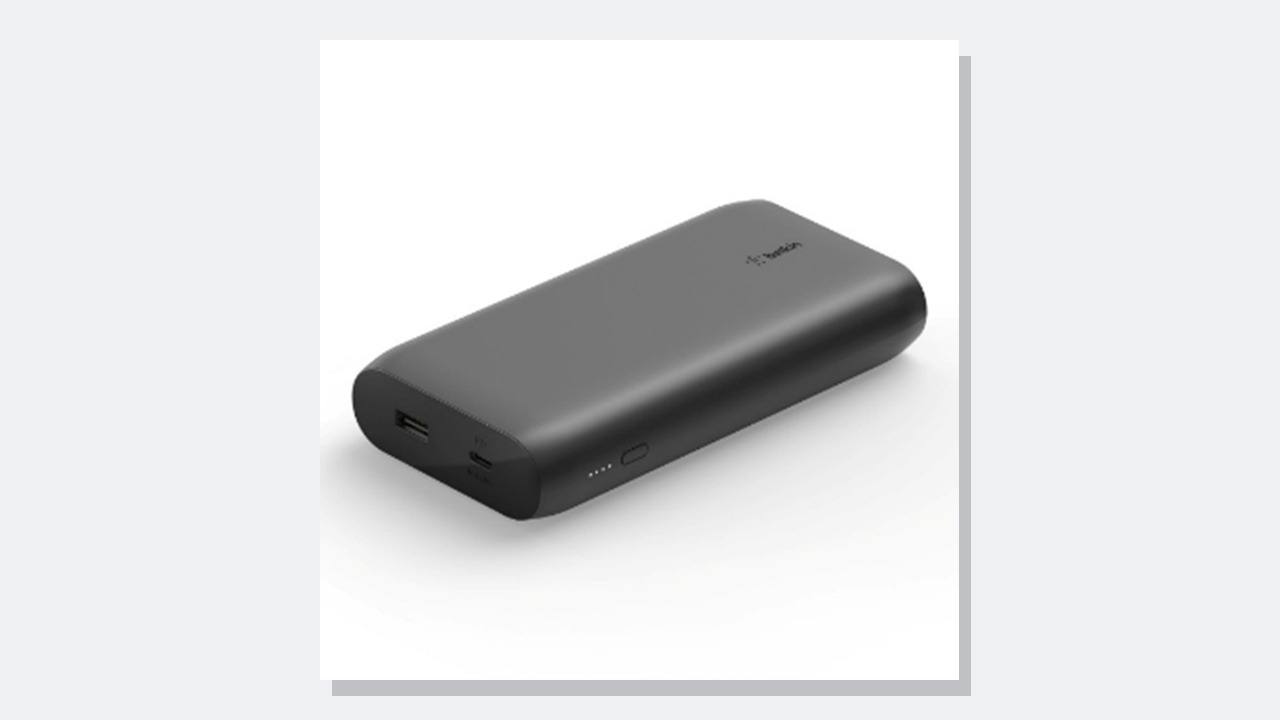
Belkin’s affected portable power banks and wireless charging stands brought the same hazard into a more expensive, familiar retail setting. The CPSC recall announcement covered about 83,500 units sold through Best Buy, Target and Walmart, with some products costing as much as $180. Fire reports from the United States and abroad made the issue impossible to treat as a single-store or single-market anomaly.
Brand recognition and national retailers may reduce uncertainty about where a gadget came from, but they do not eliminate battery risk. This recall crossed both portable and stationary charging formats, widening the group of products that owners needed to check. The price ceiling is also notable: paying more can buy features or finish, yet it cannot substitute for responding to a formal safety notice when a specific product line is named.
4. Amazon Fire Phone: A Smartphone With a One-Year Runway
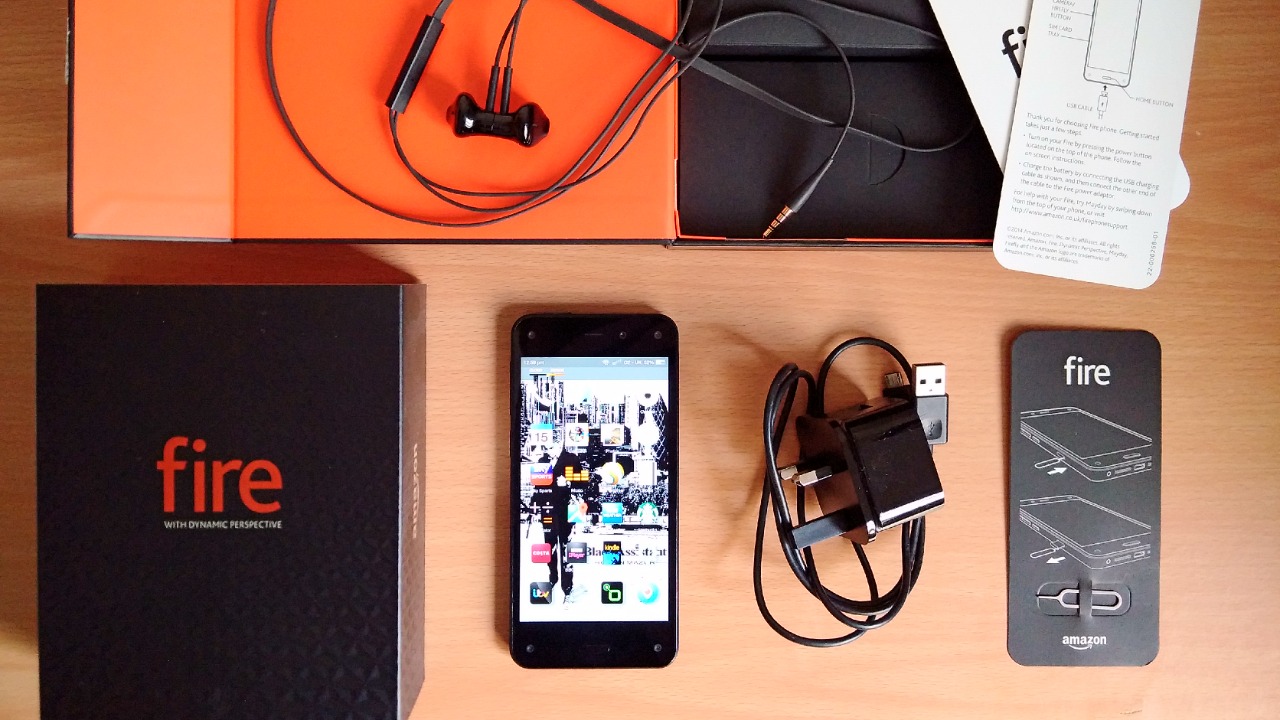
The Fire Phone represents market failure rather than a product-safety breakdown. Its product history records that the smartphone was discontinued about a year after launch, an unusually short window for a device meant to establish a lasting place in a fiercely competitive category. That rapid exit supplied a clear verdict that promotion, corporate backing and a recognizable name had not produced a durable market.
A short commercial life has consequences beyond disappointing sales. Buyers face a product whose ecosystem, accessory support and long-term relevance may narrow much faster than expected, while the manufacturer loses the chance to refine the concept through successive generations. The Fire Phone therefore belongs beside recalled gadgets for a different reason: its failure became visible through abandonment, not incident reports, and the speed of that abandonment left little room for ambiguity.
5. Segway: The Urban Revolution That Stayed Niche
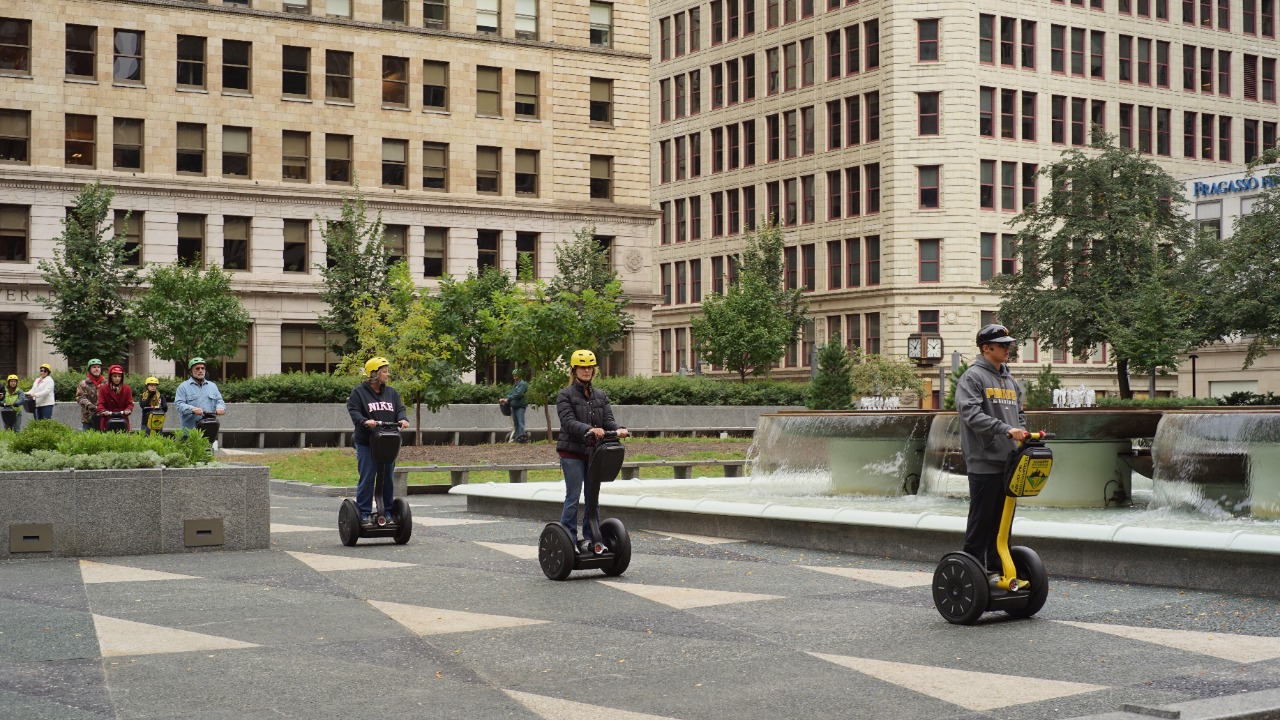
Segway entered public consciousness with ambitions far larger than those of an ordinary personal scooter. The company and product history captures the central mismatch: the machine was promoted as a technology that could reshape cities, yet that transformation never arrived. The failure was therefore measured against the scope of the promise, not against whether the self-balancing device could move a rider from one place to another.
That distinction explains why Segway remains a durable example of market overreach. A gadget can function, attract attention and find limited practical uses while still missing the world-changing adoption its launch implied. Urban transportation depends on cost, rules, infrastructure and social habits as well as engineering novelty. When those surrounding conditions do not shift, an inventive product may survive as a recognizable niche device while its sweeping commercial thesis quietly disappears.
This article was produced with the assistance of AI and reviewed by Morning Overview editors prior to publication.
More from Morning Overview
- A Colorado wildfire has exploded past 87,000 acres with no containment
- A wildfire near Ouray swelled past 18,000 acres, putting Colorado towns on alert
- The Pentagon’s newest UFO files describe a fish-scaled, potato-shaped object on camera
- Scientists spotted a rare tusked whale alive at sea for the first time, then fired a crossbow at it.
