
A rescue beacon does not need a nearby cellphone tower to make a distress signal useful. Different devices reach satellites, emergency centers, aircraft, or nearby searchers, depending on where the emergency occurs and who must receive the alert. Here are five rescue beacons that can summon help when ordinary cellular coverage disappears.
1. Garmin inReach: Two-Way SOS Reaches a Response Center
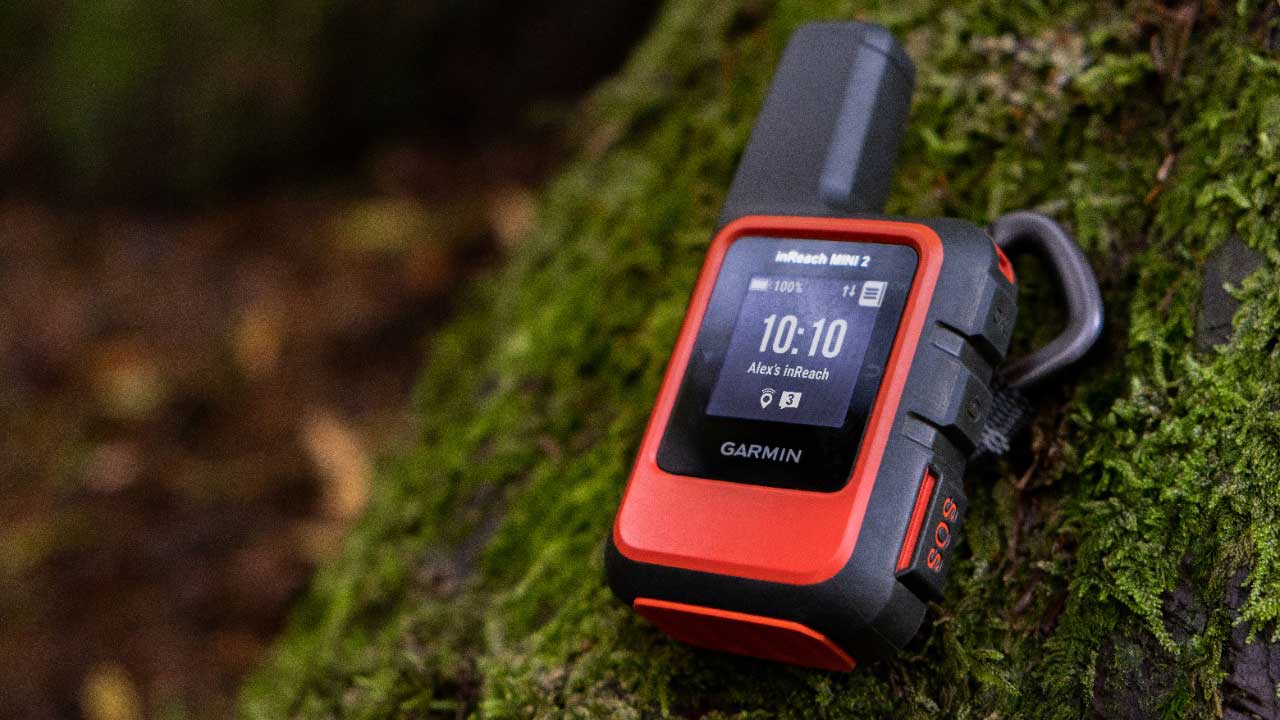
A Garmin inReach can send coordinates and open two-way emergency communication with the Garmin Response center through a satellite connection. Once an SOS begins, the monitoring team can ask about the emergency, track updated positions, and contact an appropriate local rescue agency. That combination gives a traveler more than a one-direction alarm when ordinary cellular service is unavailable.
The device still needs an active service arrangement, a usable satellite view, sufficient battery power, and an operator familiar with the controls. Its response center coordinates help rather than delivering rescue itself, so terrain, weather, distance, and local resources still shape what happens next. The important advantage is confirmation and continued messaging: a person in a remote or offshore emergency can know that the signal reached a staffed center and can provide details that influence the response.
2. Personal locator beacon: A Handheld Signal Reaches Beyond the Trail
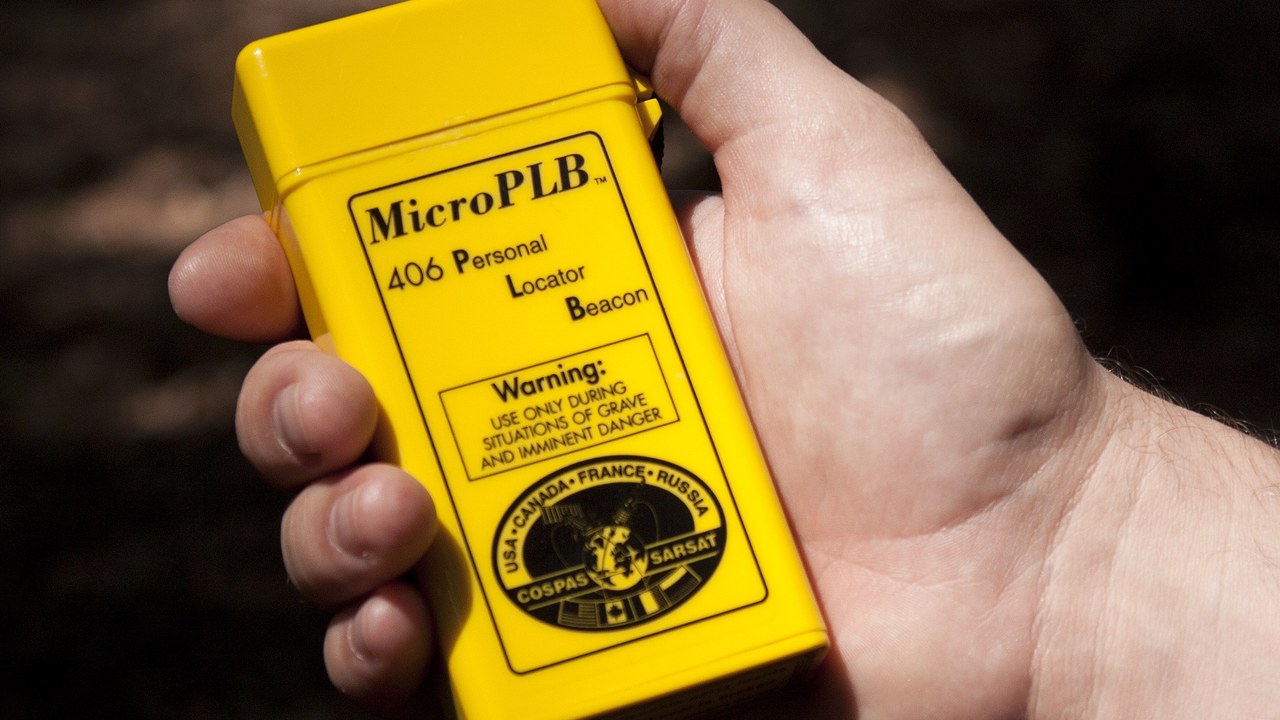
A handheld personal locator beacon can send a registered distress signal from remote terrain, NOAA explains in its adventure-planning guidance. The device gives hikers, hunters, and other backcountry travelers a dedicated emergency path when cellular coverage disappears and an ordinary phone cannot connect to a tower.
Portability is the PLB’s advantage, but the beacon still depends on preparation before a crisis. Registration links the distress alert to identifying information that can support a response, while carrying the unit where it remains accessible determines whether it can be used. A PLB is designed for serious emergencies rather than routine messaging, and its value comes from connecting a person in remote terrain to the broader rescue system.
3. Emergency locator transmitter: A Crash Can Start the Aircraft Signal
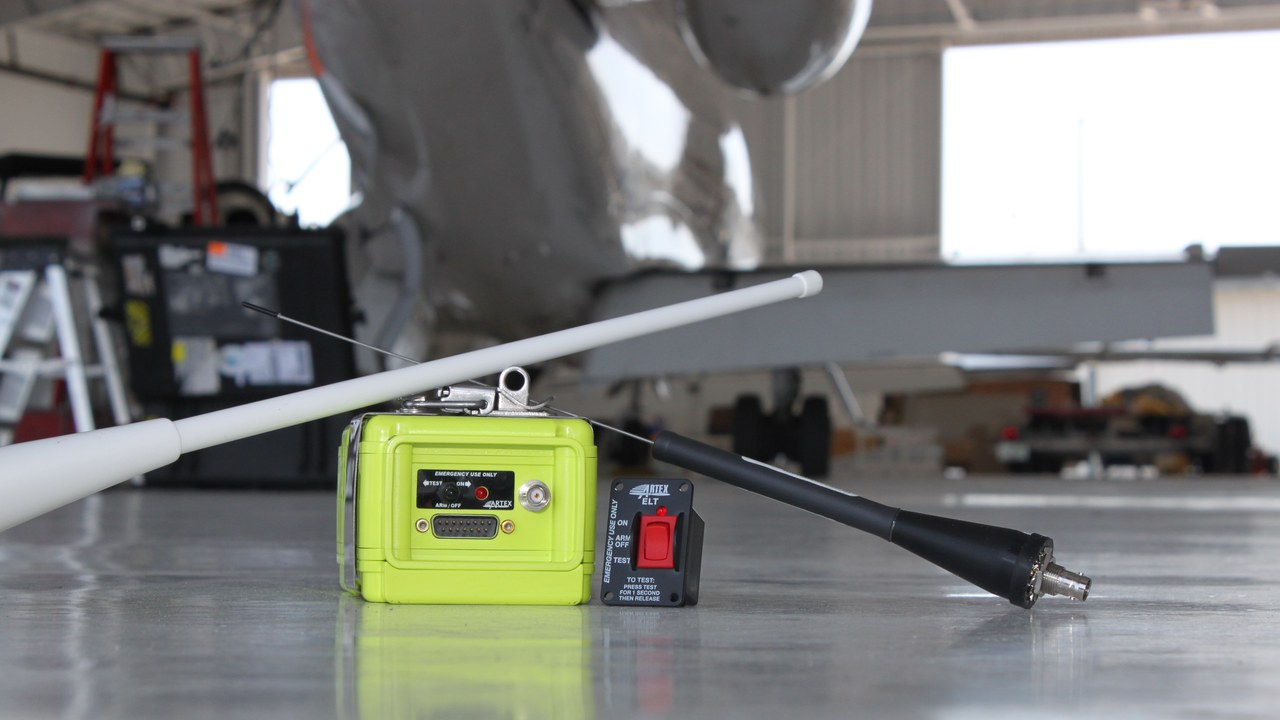
An aircraft emergency locator transmitter can activate after a crash, according to NOAA’s search-and-rescue beacon FAQ. That function is built around a situation in which a pilot or passenger may be unable to make a radio call, leaving the aircraft’s own emergency equipment to begin transmitting the distress signal.
The ELT turns impact into a possible trigger, but automatic activation does not make maintenance irrelevant. The equipment has to remain installed, registered, and capable of transmitting when needed. Its alert can direct the satellite rescue network toward an aviation emergency beyond dependable ground communications, while investigators and responders still must determine the aircraft’s condition, exact circumstances, and the assistance required after detection.
4. SPOT Gen3: A Dedicated SOS Button Uses Satellites
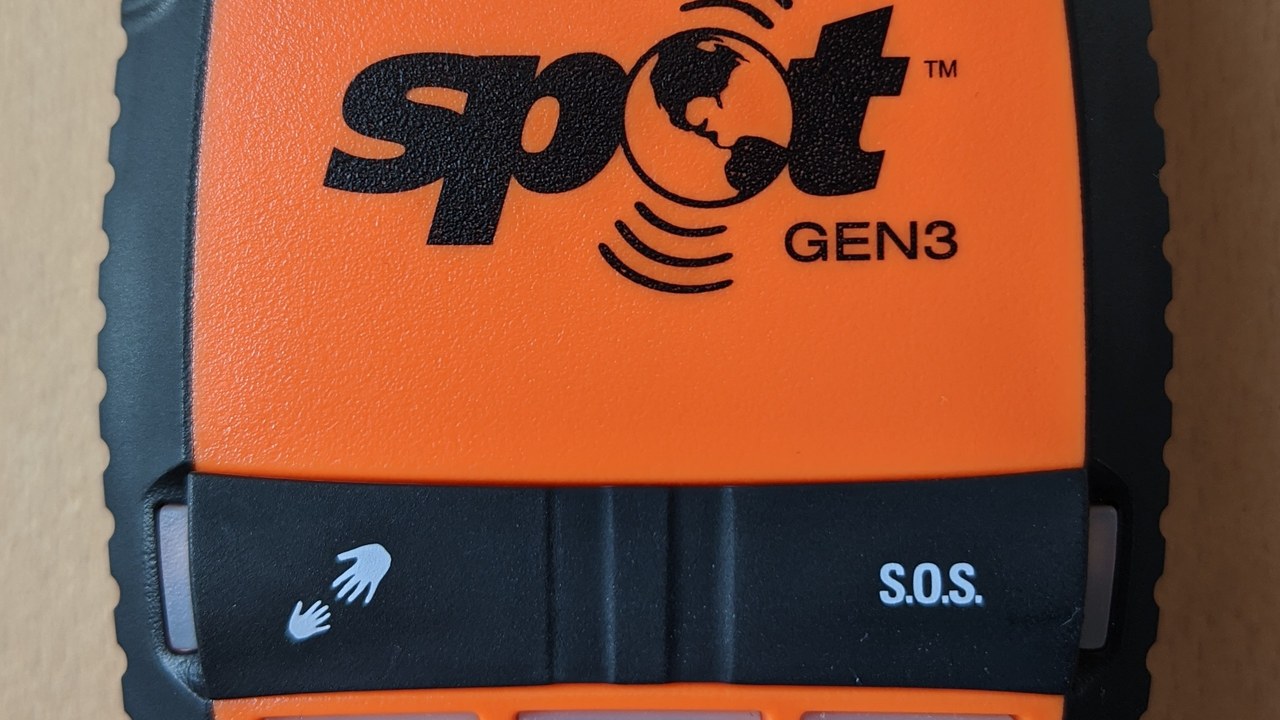
The SPOT Gen3 is a satellite GPS messenger with an SOS function intended for emergencies beyond dependable terrestrial communications. The device can transmit a location through the Globalstar network so a monitoring service can begin coordinating assistance. Its dedicated controls separate an emergency alert from routine tracking or check-in messages carried by the same compact unit.
SPOT Gen3 is an older model, but its design illustrates the rescue-beacon role clearly: it packages location and a satellite transmitter into equipment small enough to carry away from roads or towers. Operation depends on subscription status, battery condition, correct button use, and a sufficiently open view of the sky. The message starts a response chain rather than guaranteeing an immediate arrival, and the user cannot assume terrain or weather will stop mattering after the SOS leaves the device.
5. Avalanche transceiver: A Buried Signal Guides Nearby Rescuers
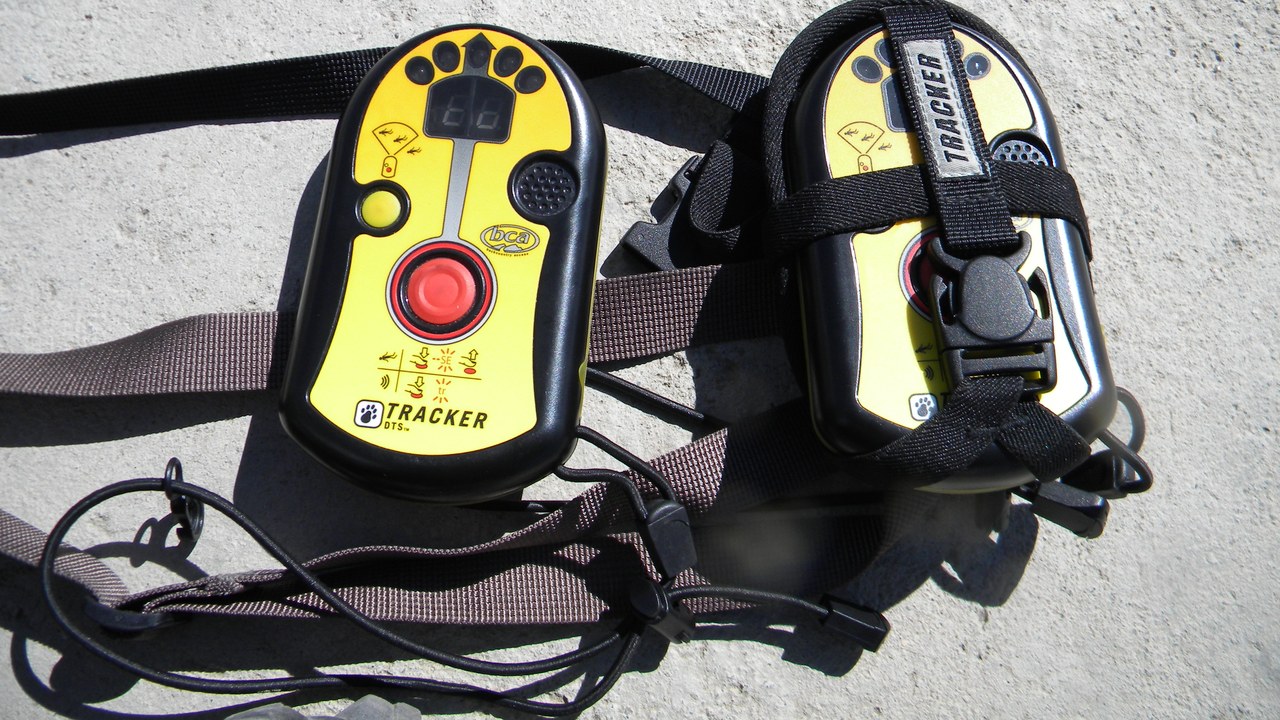
An avalanche transceiver is a body-worn beacon that emits a pulsed radio signal in transmit mode. If an avalanche buries someone, companions switch their own units to search mode and follow the signal through the snow. The connection is local rather than satellite-based, but it works in mountain terrain where cell service may be absent and speed is critical.
The beacon does not call an outside dispatch center, so it depends on trained partners already carrying compatible transceivers, probes, and shovels. It also must be worn securely, powered on, checked before travel, and left in transmit mode until a search begins. Those limits make it different from a personal locator beacon, yet it still summons immediate help through radio. In an avalanche burial, that nearby rescue signal can matter before organized responders could possibly reach the slope.
This article was produced with the assistance of AI and reviewed by Morning Overview editors prior to publication.
More from Morning Overview
- A Colorado wildfire has exploded past 87,000 acres with no containment
- A wildfire near Ouray swelled past 18,000 acres, putting Colorado towns on alert
- The Pentagon’s newest UFO files describe a fish-scaled, potato-shaped object on camera
- Scientists spotted a rare tusked whale alive at sea for the first time, then fired a crossbow at it.
