
Some machines stopped feeling like mute tools when they began answering questions, warning households, tracking sleep, or reacting to play. Their voices, routines, and portability encouraged people to assign personality to electronics and build small rituals around them. These five devices helped a generation begin treating machines less like equipment and more like companions.
1. Google Nest Mini, Nest Audio and Google Home speakers: A Voice Became Part of the Household
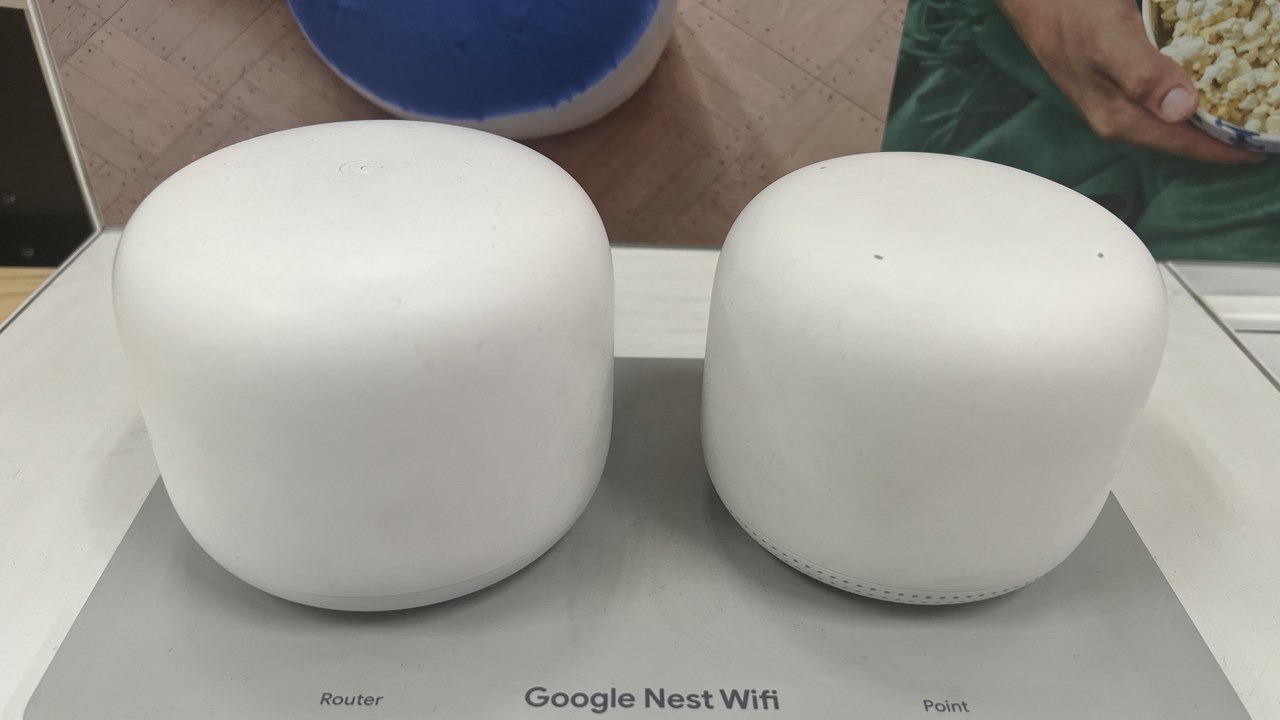
Google’s connected speakers made spoken interaction feel ordinary by placing a responsive voice in kitchens, bedrooms, and living rooms. The Nest Audio specifications describe Google Assistant, far-field microphones, Voice Match, touch controls, and support for music services. Those capabilities let a compact speaker answer requests, control compatible home devices, play audio, and recognize regular users without requiring a screen or keyboard.
That conversational interface changed the emotional texture of a basic appliance. A request could be phrased aloud, the machine could respond in a familiar voice, and repeated exchanges could settle into household routines. The speaker did not understand companionship in a human sense, but its constant presence and personalized responses encouraged people to address a piece of electronics as though it were an attentive participant in the room.
2. Tamagotchi: A Pocket Pet Demanded Daily Care
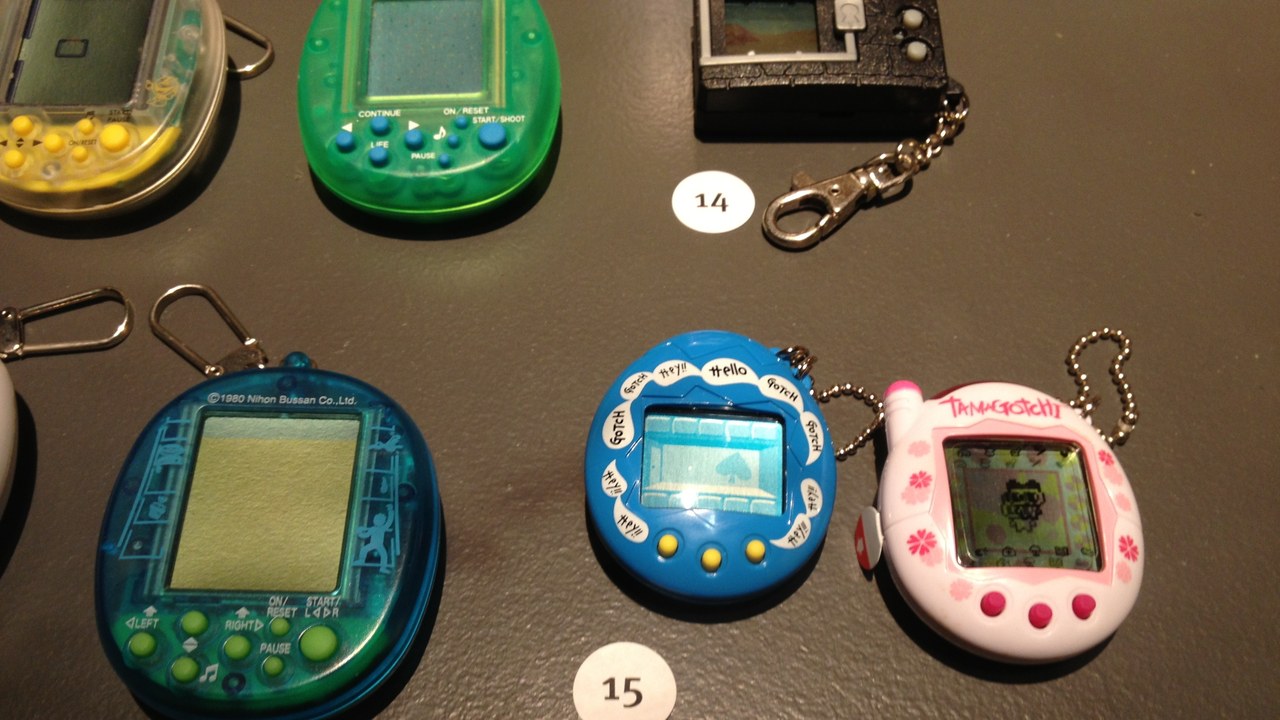
Tamagotchi turned a few buttons and a tiny monochrome screen into a creature that appeared to depend on its owner. The history of Tamagotchi describes a handheld digital pet that grows through life stages while requiring feeding, cleaning, play, discipline, and medicine. Those recurring needs gave the machine a rhythm closer to animal care than ordinary gameplay, and neglect could visibly affect the character’s condition or shorten its virtual life.
The programmed creature had no feelings, but its demands created real responsibility and attachment. A child could check it during school, worry about a missed meal, or compare its growth with friends’ pets. Because progress unfolded over time rather than ending with a single session, the device encouraged a continuing relationship. Its beeps were simple electronic prompts, yet they could produce the same immediate response as a small companion calling for attention.
3. PalmPilot: The Organizer That Remembered Everything
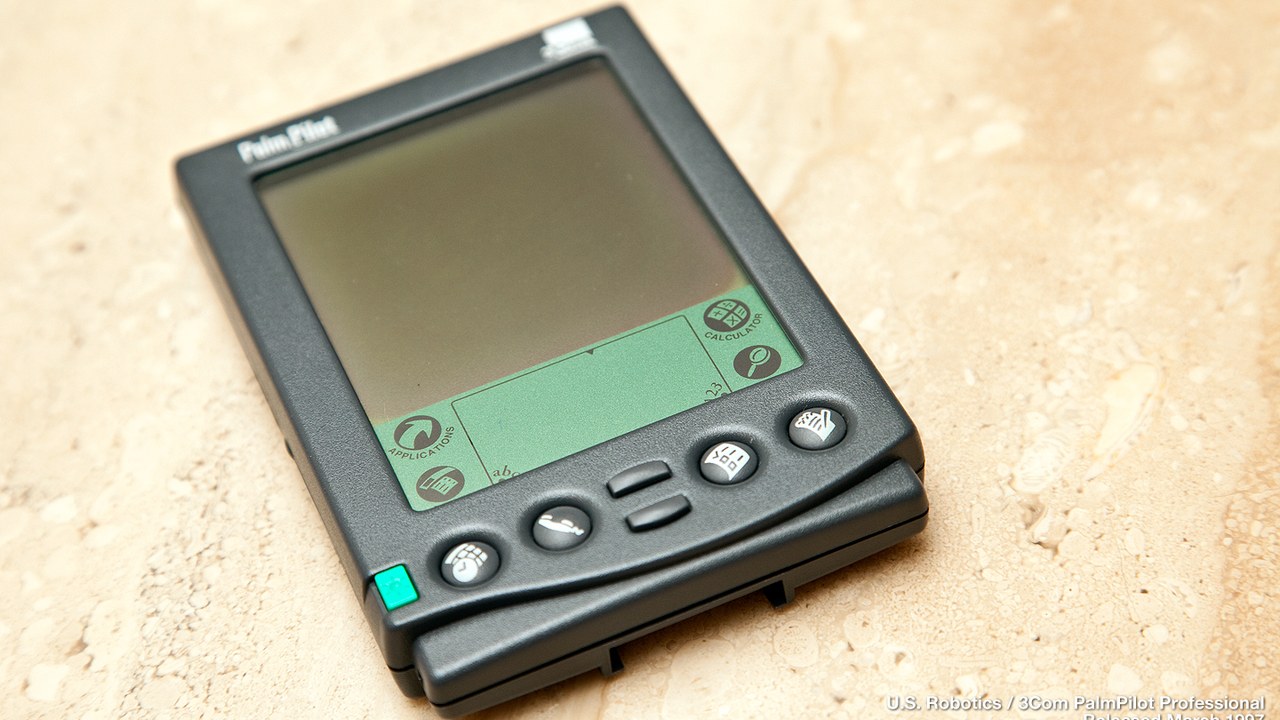
PalmPilot condensed an address book, calendar, task list, notes, and simple software into a pocket-sized organizer built for daily reference. The PalmPilot history traces the handheld’s place in Palm’s early personal digital assistant line, including stylus input and synchronization with a computer. Instead of waiting on a desk, the device traveled with its owner and held the small pieces of information that structured work, appointments, and personal connections.
That constant memory made the PalmPilot feel like more than a calculator or notebook. It could surface a meeting, preserve a phone number, and collect tasks in one familiar interface, rewarding the habit of consulting it throughout the day. The relationship was practical rather than emotional, but dependence grew through reliability: as more of a person’s schedule moved inside the handheld, leaving it behind could feel like losing an external part of memory.
4. Furby: The Toy That Seemed to Learn a Language

Furby blurred the boundary between electronic toy and pet by reacting with movement, sounds, and a staged vocabulary. The history of Furby describes the 1998 toy as beginning with its fictional Furbish language and gradually using more English as play continued. To a child, that progression could look like learning, especially when the toy also moved its eyes, mouth, and ears during an exchange.
The apparent development was programmed rather than evidence that the toy understood language, but the illusion mattered. Owners had to spend time with Furby before hearing its broader vocabulary, creating a sense that attention produced growth. Its animal-like body and responsive behavior invited names, care, and conversation in ways a conventional talking doll did not. For many families, the machine’s limitations were less memorable than the feeling that it was becoming familiar.
5. Game Boy: A Handheld Companion Built Around Tetris
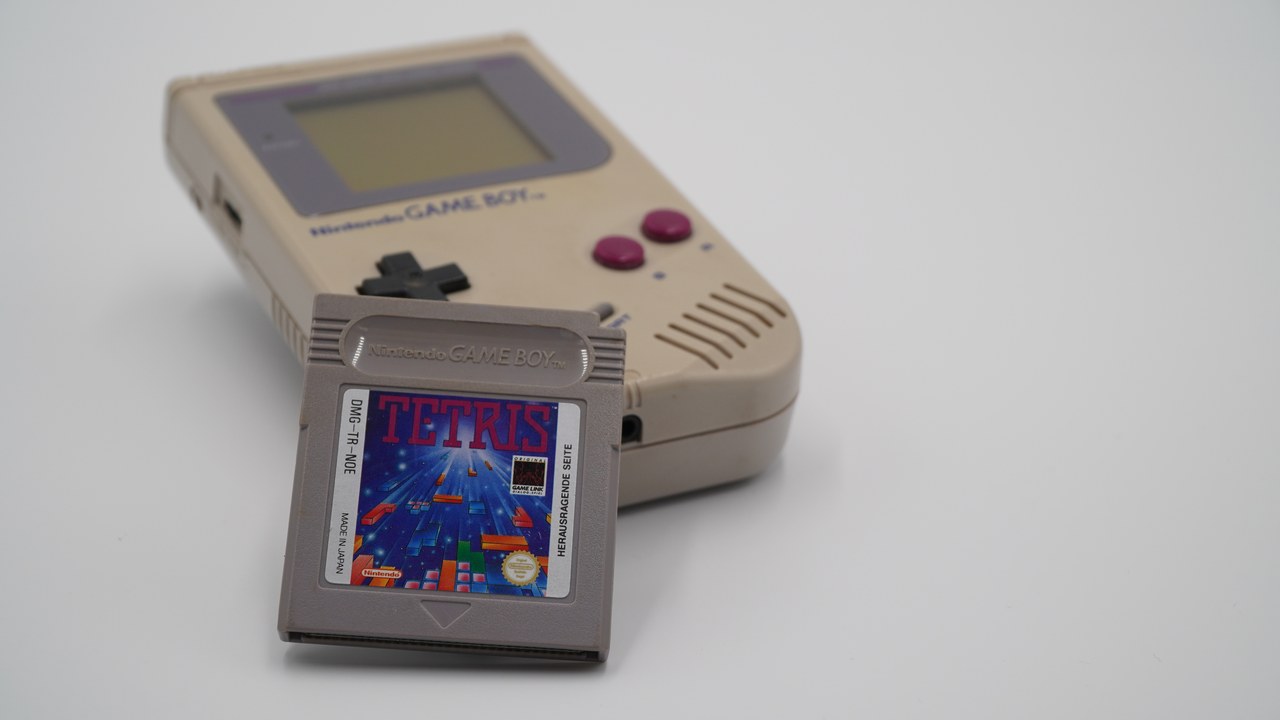
The Game Boy made a digital pastime portable enough to become a constant presence rather than an activity tied to a television. The console’s history records its 1989 launch and the decision to bundle Tetris in North America and Europe. The puzzle game’s short rounds and simple controls fit train rides, waiting rooms, school breaks, and quiet evenings, giving the gray handheld an everyday role that larger consoles could not match.
Unlike a device that simulated speech or emotion, the Game Boy became companion-like through repetition and proximity. Players carried it in bags, learned the quirks of its screen and battery life, and returned to familiar cartridges for private stretches of concentration. Tetris strengthened that bond because every session produced a new arrangement and an immediate reason to try again. The machine stayed impersonal, but the routines built around it could become intensely personal.
This article was produced with the assistance of AI and reviewed by Morning Overview editors prior to publication.
More from Morning Overview
- A Colorado wildfire has exploded past 87,000 acres with no containment
- A wildfire near Ouray swelled past 18,000 acres, putting Colorado towns on alert
- The Pentagon’s newest UFO files describe a fish-scaled, potato-shaped object on camera
- Scientists spotted a rare tusked whale alive at sea for the first time, then fired a crossbow at it.
More from Morning Overview
- A cargo jet crashed after an engine and pylon separated during takeoff
- The largest genetic study of fibromyalgia found new risk factors rooted in the nervous system
- Toyota grabbed six of the ten spots on Consumer Reports’ most-reliable-cars list
- Evacuations spread as the Gann Fire chews through 10,000 acres of California’s Gold Country
