
Science fiction once treated responsive machines, wearable displays, and digital companions as signs of a distant future. Consumer electronics gradually moved those ideas into kitchens, entryways, offices, and pockets, often making the interaction feel routine before its privacy implications felt settled. These five devices helped make science-fiction interfaces feel ordinary.
1. Amazon Echo and Echo Dot: The Room Became the Control Panel
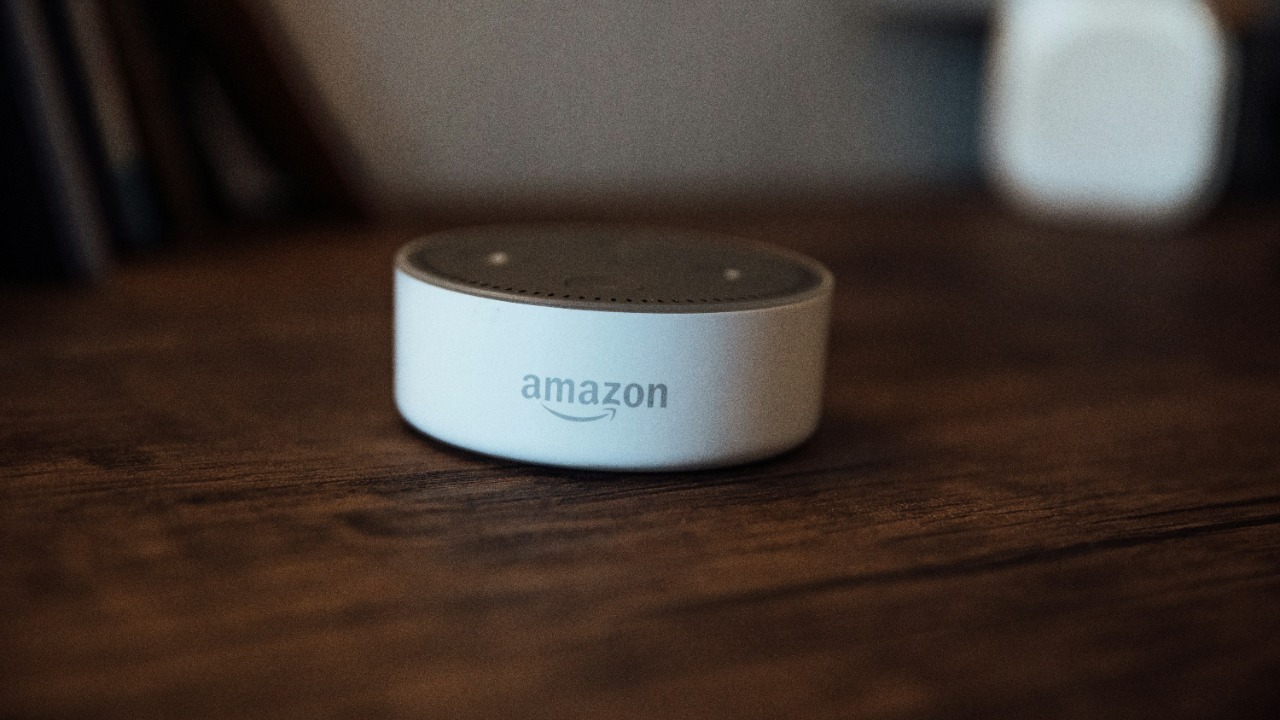
Amazon Echo and Echo Dot transformed spoken commands into an everyday interface for music, information, timers, and connected devices. The microphones listen for a wake word, giving the compact speaker the science-fiction quality of a machine waiting for its name. Mozilla’s smart-speaker privacy review notes that recordings are associated with the account holder’s name and that automatic deletion depends on a setting being enabled.
That arrangement makes the convenience inseparable from account management. A response may feel as immediate and natural as talking to another person, but the device is still processing a request through a commercial service with stored data and configurable retention. The interface became ordinary because it removed visible controls from the exchange; the privacy tradeoff remains less visible unless the account holder reviews the relevant settings and recording history.
2. Google Nest Hub Max, in Look and Talk mode: A Glance Replaced the Wake Phrase
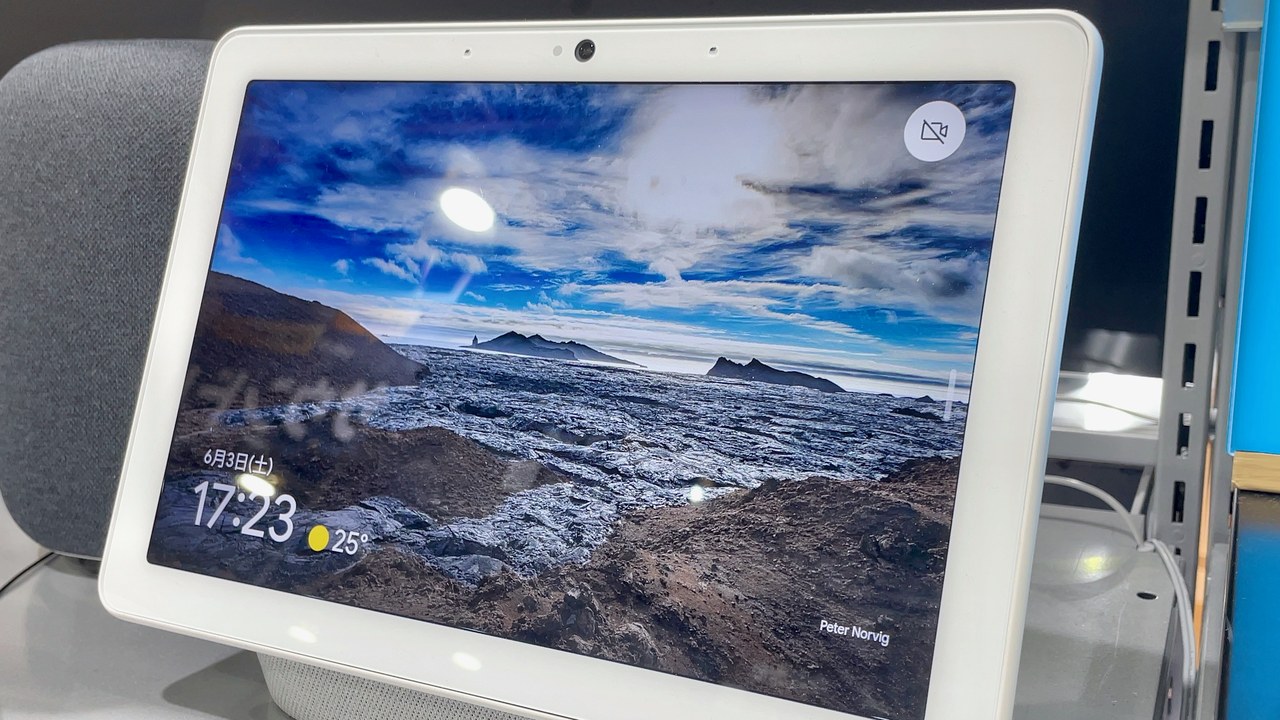
Google Nest Hub Max, in Look and Talk mode, pushes voice control closer to the effortless computers imagined on screen. Google’s Look and Talk instructions say a person can stand within five feet, look at the display, and ask a question without first saying “Hey Google.” The mode also omits the usual start and end sounds, so the exchange can feel less like activating a gadget and more like addressing an attentive presence.
The smoothness depends on the device recognizing several cues rather than voice alone. Distance, gaze, and speech become inputs even when no button is pressed and no wake phrase is spoken. That design makes a futuristic interaction remarkably mundane, but it also means the behavior can be misunderstood if household members do not know the mode is enabled. The disappearing prompt is the feature, and the absence of an audible cue makes it feel unusually seamless.
3. Ring video doorbells and cameras: The Front Door Gained Remote Eyes
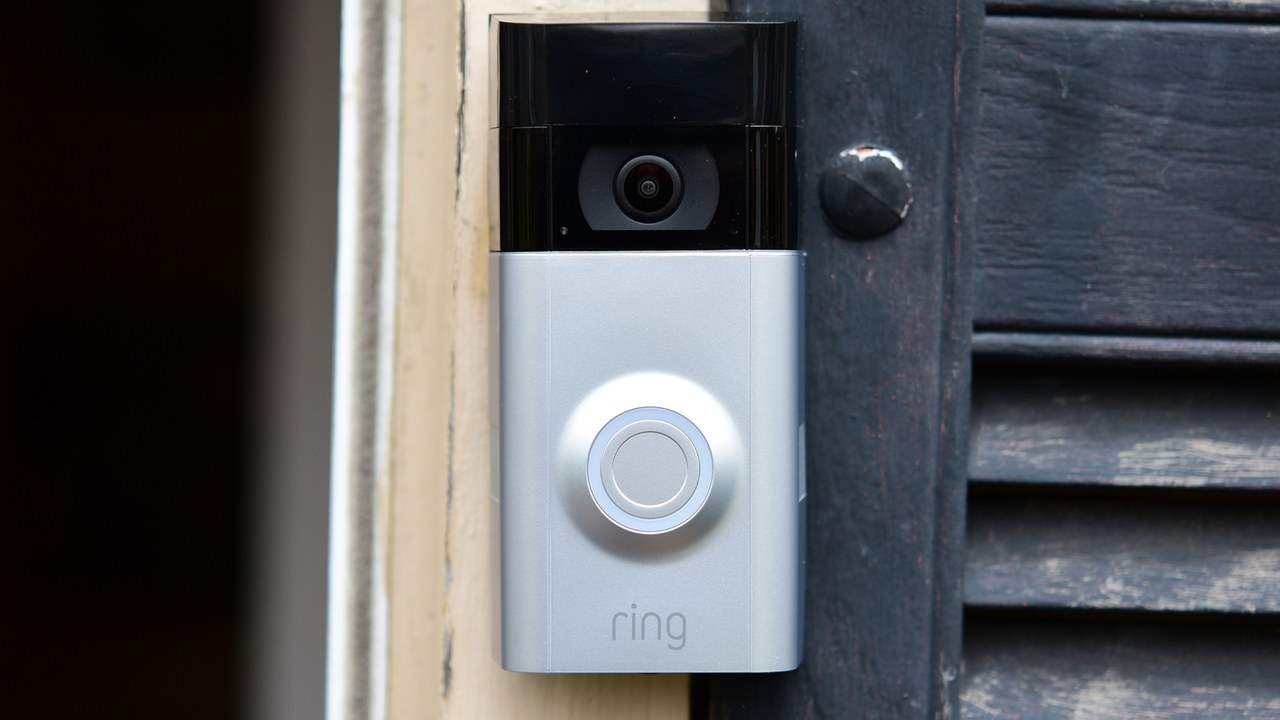
Ring video doorbells and cameras turned the entrance to a home into a remotely viewable interface. Motion alerts, live video, and recorded clips put a once-static doorbell into the same conceptual territory as a science-fiction security console. Ring’s privacy-feature guidance describes audio streaming and recording as a configurable setting, while also explaining that disabling audio requires a compatible Ring subscription. Sound is therefore not merely incidental to the picture; it is a managed part of the system.
The result feels ordinary because checking the doorway can happen remotely, with the camera extending the entryway. Yet the interface also moves decisions about capture, storage, and audio into an application and a service plan. A traditional peephole showed only a moment to the person standing behind it. A connected camera can produce alerts and recordings, so its convenience depends on understanding which features are active and how their controls work.
4. Google Glass: The Face Computer Arrived Too Publicly
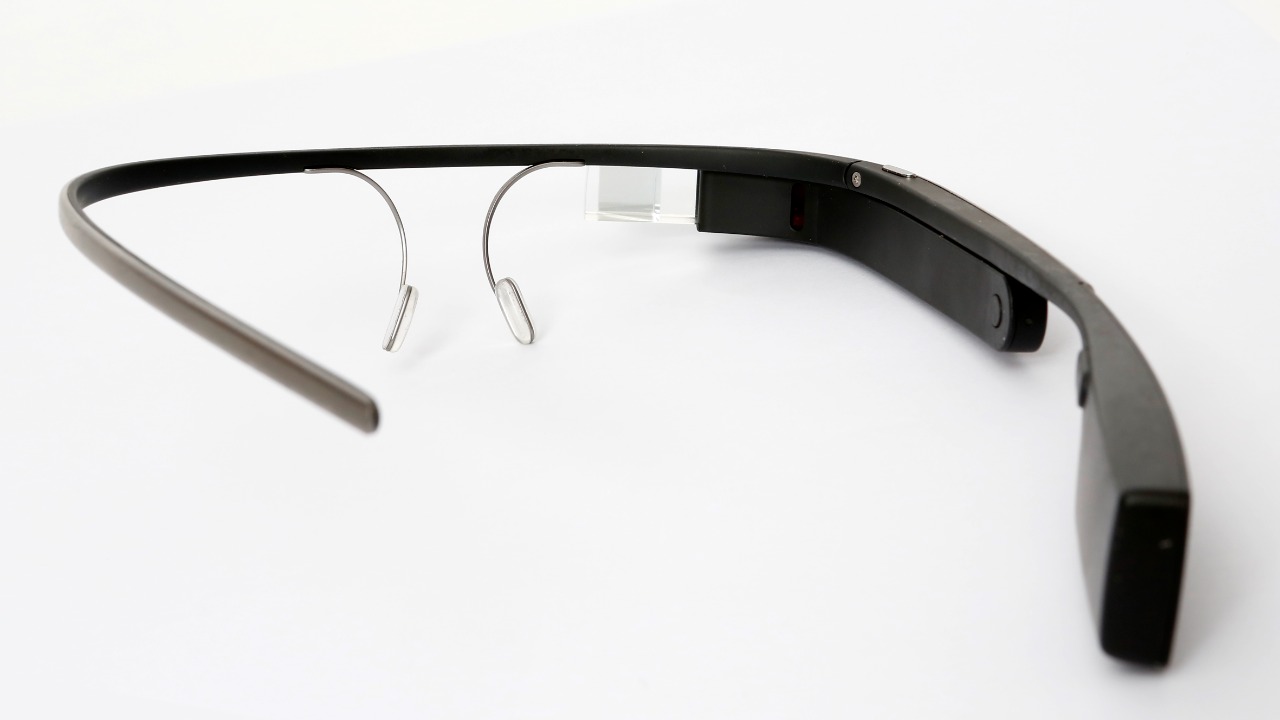
Google Glass placed a small display, camera, and computer at eye level, turning the wearer’s field of view into an interface. The Google Glass history records the privacy backlash that accompanied the product and the later end of its consumer-facing Explorer program. The headset made familiar science-fiction imagery tangible, but it also placed a camera on a person’s face in ordinary social spaces, where bystanders could not always tell whether it was operating.
Its retreat from the consumer market showed that technical possibility and social acceptance do not advance together. A glanceable display could provide information without requiring a phone to be held, while the same unobtrusive design made the camera difficult for others to ignore. Google Glass did not make wearable computing disappear; it exposed etiquette questions that later devices would still have to navigate. The interface looked futuristic, but the resistance concerned the everyday human setting around it.
5. Tamagotchi: Pixels Learned to Demand Care
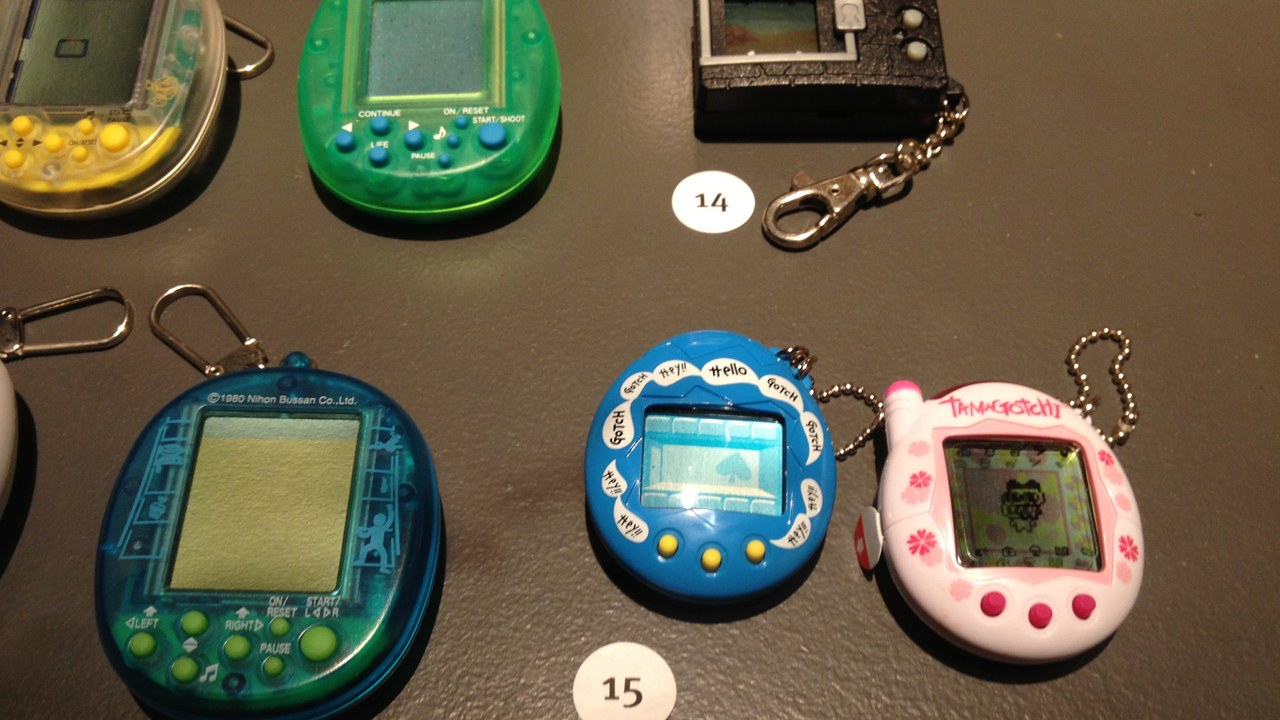
Tamagotchi made a screen behave less like a display and more like a dependent creature. The Tamagotchi overview describes the handheld digital pet and the care its owner provides through a keychain-sized device. Feeding, cleaning, and responding to a cluster of pixels turned menu selections into a continuing relationship. The object had only a few buttons and crude graphics, yet its interface gave simple status changes an emotional weight that more elaborate machines often struggled to create.
That was the futuristic leap: the machine did not merely wait but appeared to need attention on its schedule. A neglected virtual pet could change or die, giving the device a presence beyond play. Tamagotchi made interaction feel reciprocal even though the behavior came from programmed rules. Its influence lies in showing how little visual realism an interface needs before people begin treating a digital character as something with needs, moods, and consequences.
This article was produced with the assistance of AI and reviewed by Morning Overview editors prior to publication.
More from Morning Overview
- A Colorado wildfire has exploded past 87,000 acres with no containment
- A wildfire near Ouray swelled past 18,000 acres, putting Colorado towns on alert
- The Pentagon’s newest UFO files describe a fish-scaled, potato-shaped object on camera
- Scientists spotted a rare tusked whale alive at sea for the first time, then fired a crossbow at it.
