
NASA is testing hardware that could reshape travel on Earth, around the Moon, and eventually across Mars. The machines range from heavy-lift rockets and robotic servicers to planetary rovers and experimental aircraft, each confronting a practical engineering question rather than a paper exercise. Here are seven NASA-backed machines whose latest tests could influence how people travel next.
1. NASA SLS: Artemis Hardware Takes Shape
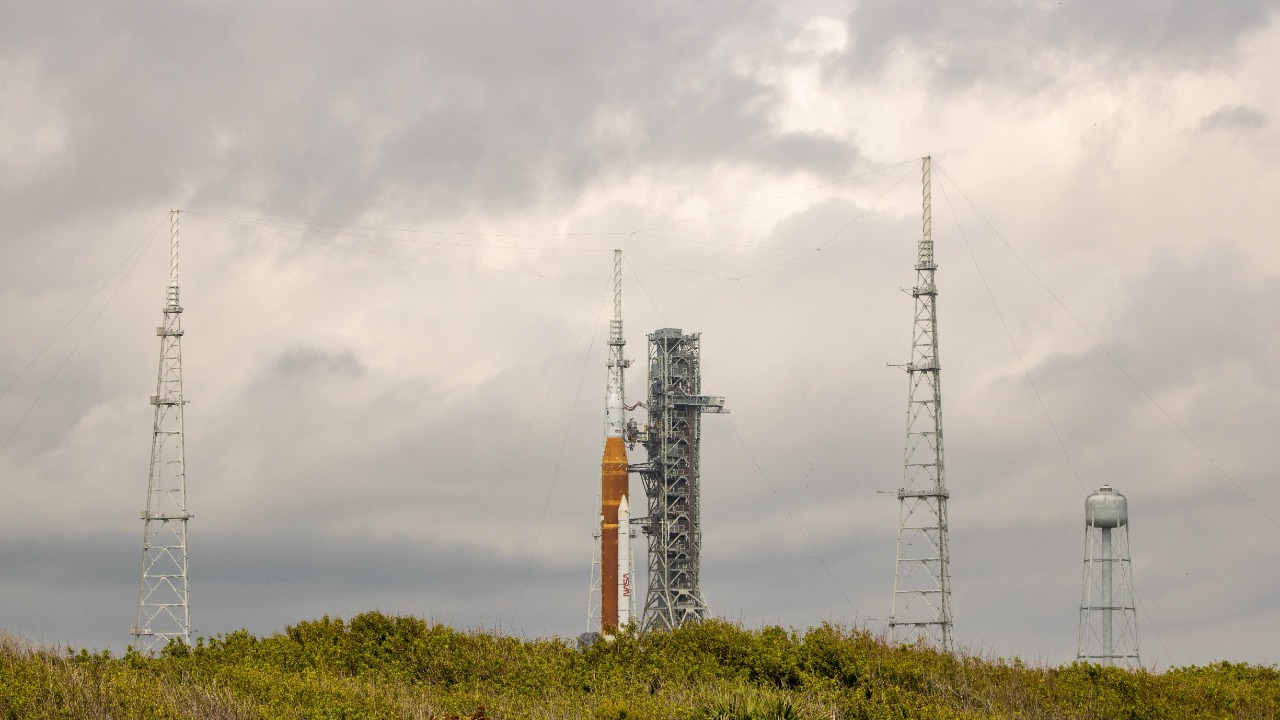
NASA’s Space Launch System is moving through another full-scale integration cycle as Artemis III flight hardware stacks up at Kennedy Space Center. The agency’s hardware status update marks a physical milestone for the heavy-lift rocket, bringing major components together where fit, interfaces, and processing steps can be checked as one launch system.
That work matters because lunar transportation depends on far more than engine thrust. Ground equipment, stacked stages, guidance, and mission procedures must function as a coordinated chain before a crew commits to flight. Assembly does not prove Artemis III is ready to launch, but it exposes integration problems while engineers can still reach the hardware. Each completed check narrows the uncertainty surrounding NASA’s next crewed lunar missions.
2. Perseverance: Mars Mobility Keeps Producing Evidence
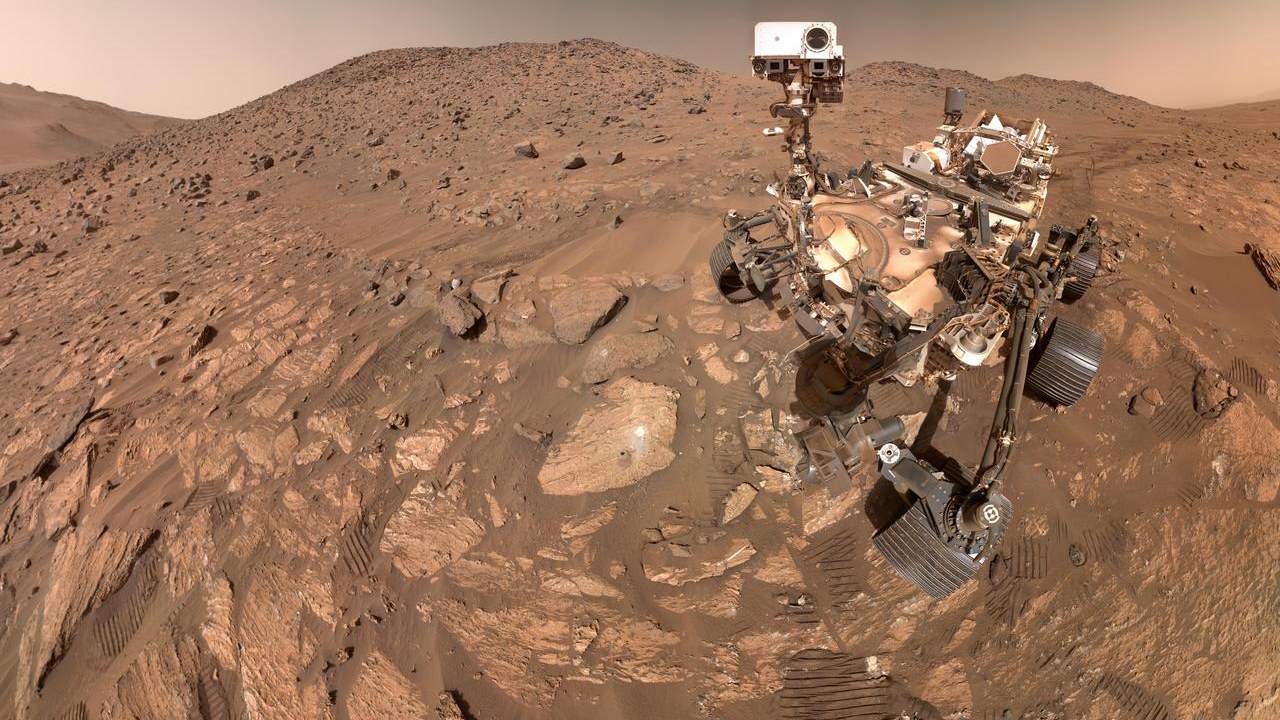
Perseverance is reading a record of ancient impacts while operating as a mobile laboratory on Mars. JPL’s latest rover report shows how the machine can move between targets, examine exposed geology, and return evidence from terrain that cannot be approached directly by a team on Earth. The science depends on dependable mobility as much as on the instruments themselves.
Every traverse also supplies operational lessons for future surface travel. Route planning, autonomous hazard avoidance, wheel wear, power management, and delayed communications become real constraints when a machine cannot be recovered quickly. A robotic rover is not a crew vehicle, and its pace is deliberately cautious. Its continuing performance still helps define the terrain, procedures, and reliability standards that sustained exploration of Mars will require.
3. Mission Robotic Vehicle: Repair Work Moves Into Orbit
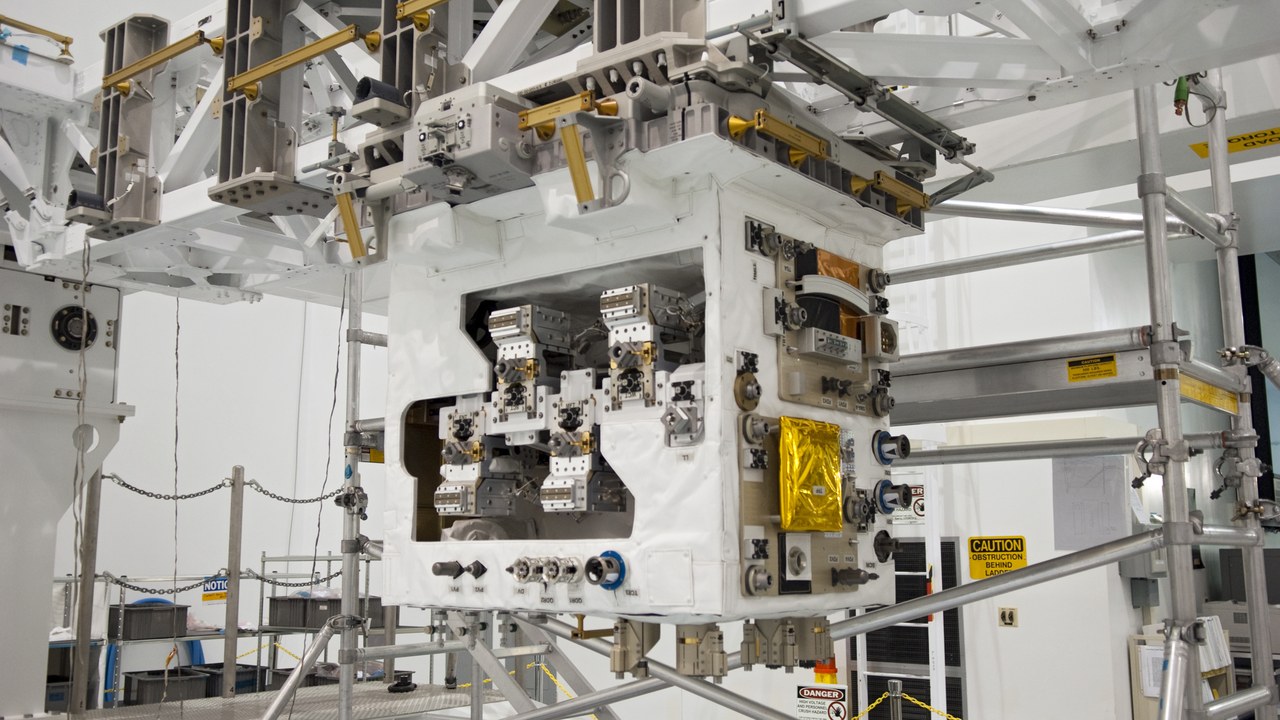
The Mission Robotic Vehicle launched with NASA support to advance the idea of servicing satellites after they reach orbit. A robotic servicer must approach another spacecraft, maintain control nearby, and perform useful work without creating a collision risk. Those tasks turn orbital maintenance into an exacting test of sensing, guidance, and mechanical reliability.
Successful servicing could change the economics of spacecraft operations by extending useful life or addressing problems that currently end a mission. It could also influence transportation architectures in which vehicles are maintained, repositioned, or supported after launch instead of treated as disposable hardware. The mission does not guarantee routine orbital repair, and each target spacecraft presents constraints. Still, the launch places the concept in an environment where its operational assumptions can be tested.
4. Starship HLS: The Lunar Lander Faces Aerodynamic Tests
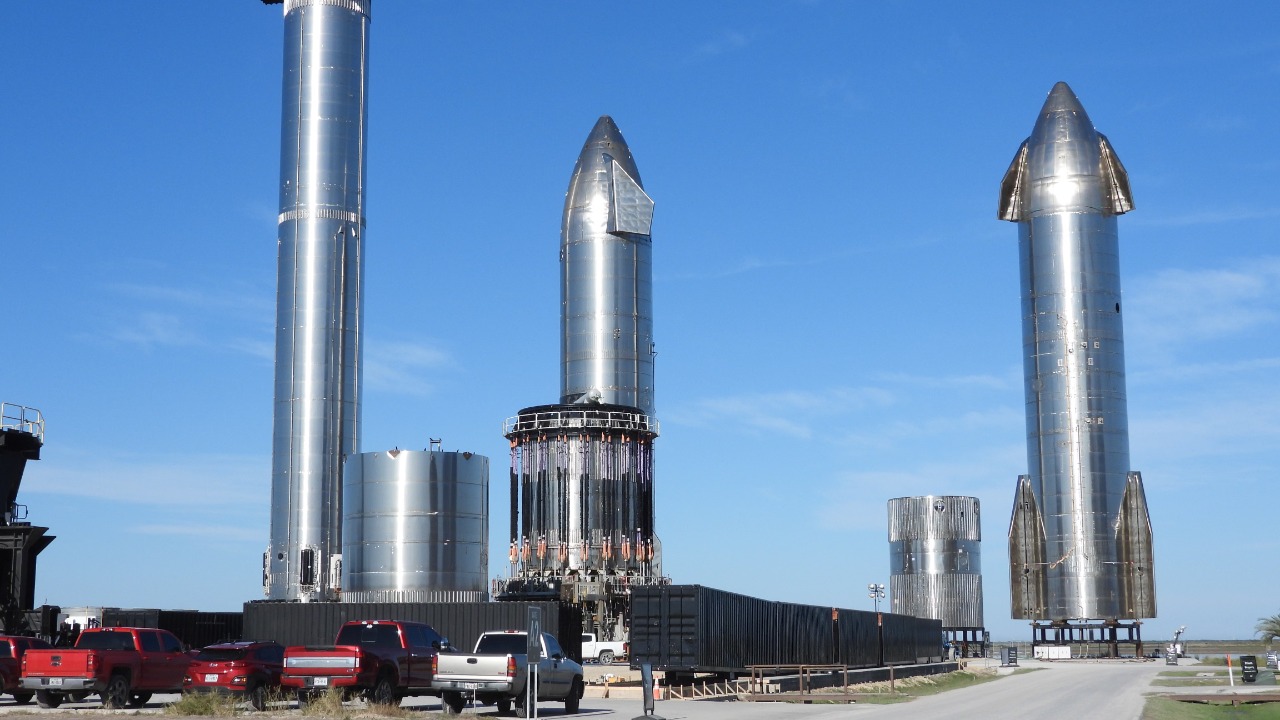
NASA and SpaceX put the Starship landing-system shape through a wind-tunnel campaign, measuring how air moves around a vehicle intended to support lunar landings. The Moon has no atmosphere, but the Starship system must first climb through Earth’s air, where aerodynamic loads and control behavior can expose weaknesses long before the lander reaches lunar space.
Wind-tunnel work lets engineers compare predictions with measured forces and refine the databases used for guidance, structures, and flight planning. Those results do not demonstrate a lunar landing, and an actual Starship prototype still differs from the specialized HLS configuration. The tests reduce uncertainty in one demanding part of the journey, helping determine whether the design behaves closely enough to expectations for later hardware and flight milestones to proceed.
5. Saab 340: Hybrid Power Climbs Past 30,000 Feet
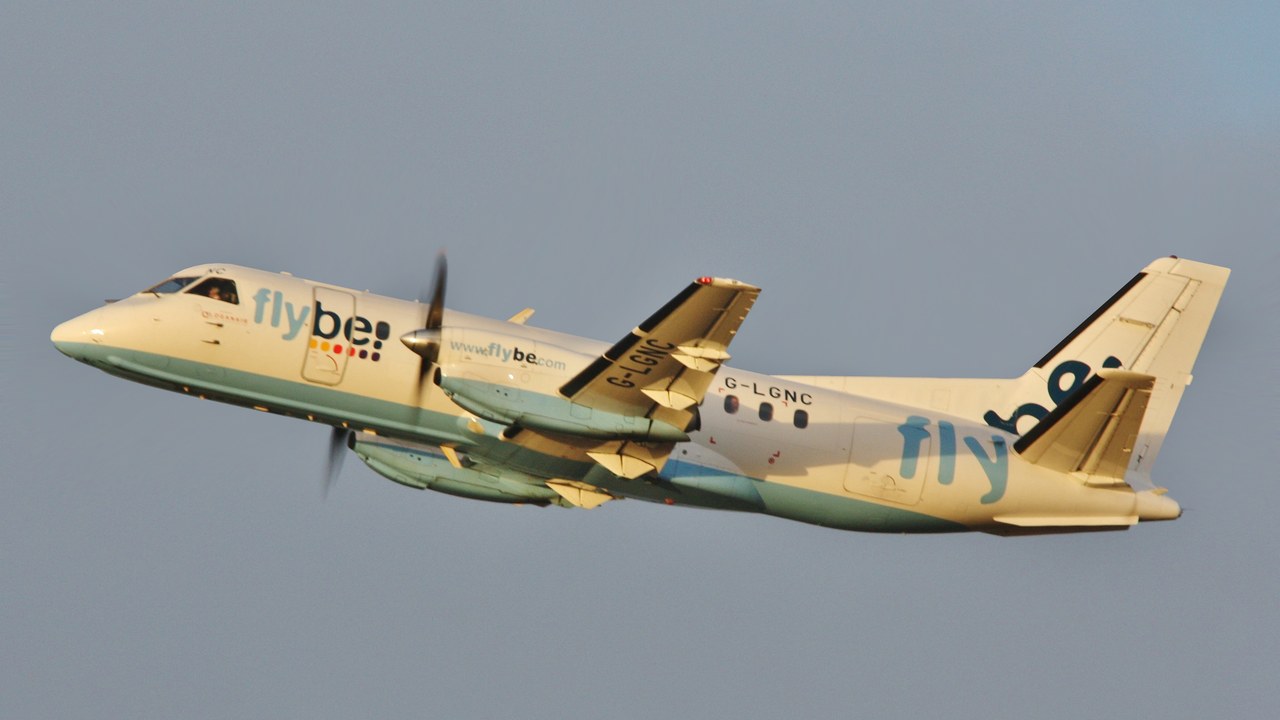
A Saab 340 test aircraft carried a megawatt-class hybrid-electric system above 30,000 feet, moving electrified aviation hardware into high-altitude flight. Reaching that altitude matters because temperature, pressure, cooling, and electrical behavior differ from conditions on the ground, where an apparently successful power system can avoid the stresses that appear during a real mission.
The demonstration points toward propulsion systems that combine electrical components with conventional power sources rather than requiring a leap to fully battery-powered transport aircraft. Such systems could influence fuel use, emissions, and aircraft design, but performance at altitude is only one part of that path. Durability, weight, thermal management, certification, and integration all remain important. The flight nevertheless supplies evidence from the environment in which future hybrid-electric aircraft would need to operate.
6. Curiosity: A Long Mission Tests Rover Engineering
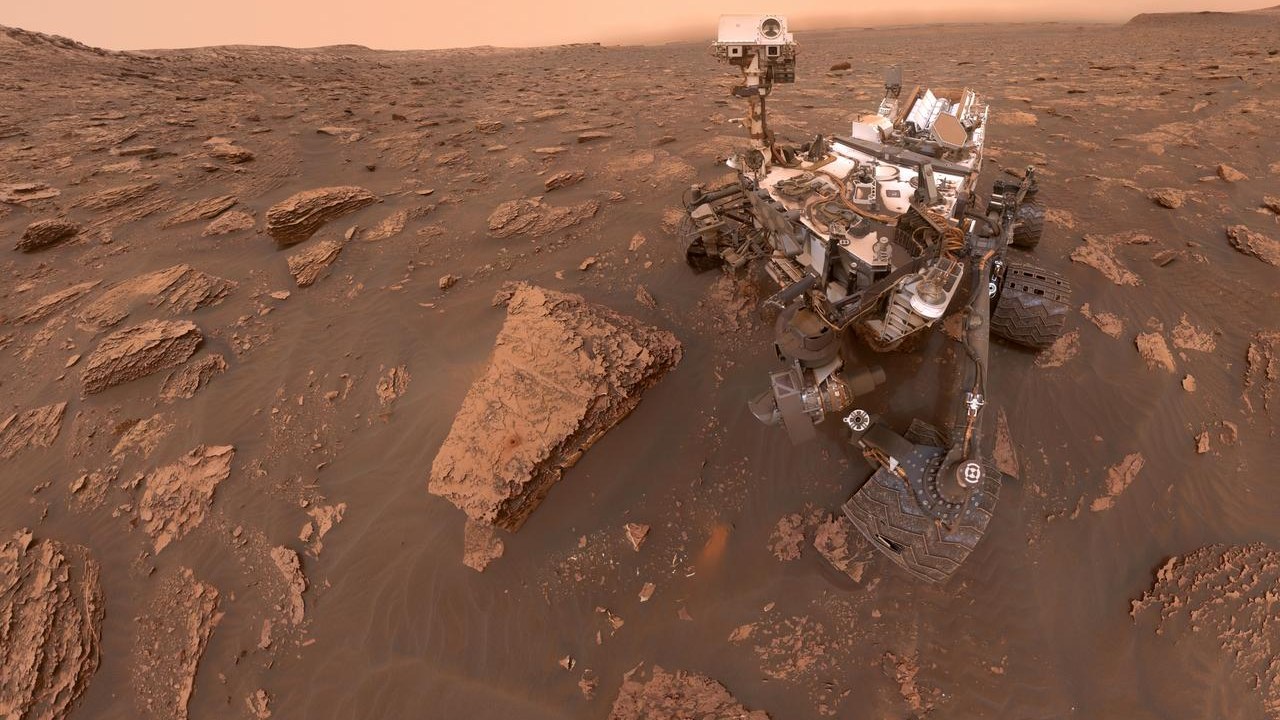
Curiosity continues to operate deep into its Mars mission, with each planning cycle asking aging hardware to drive, communicate, and support scientific work. NASA’s sols 4954–4960 update highlights the engineers behind that sustained performance. Their work turns a distant rover into a continuing test of how machines can remain useful when repairs and direct intervention are impossible.
Longevity has practical value for future travel because surface campaigns will depend on vehicles that tolerate dust, temperature swings, rough terrain, and long communication delays. Curiosity cannot model every requirement of a crewed rover, and its slow scientific traverses differ from human transport. Its record still reveals which operational habits, redundancies, and maintenance strategies help complex mobile hardware survive far from Earth.
7. Lockheed Martin X-59 Quesst: Quiet Supersonic Flight Clears a Milestone
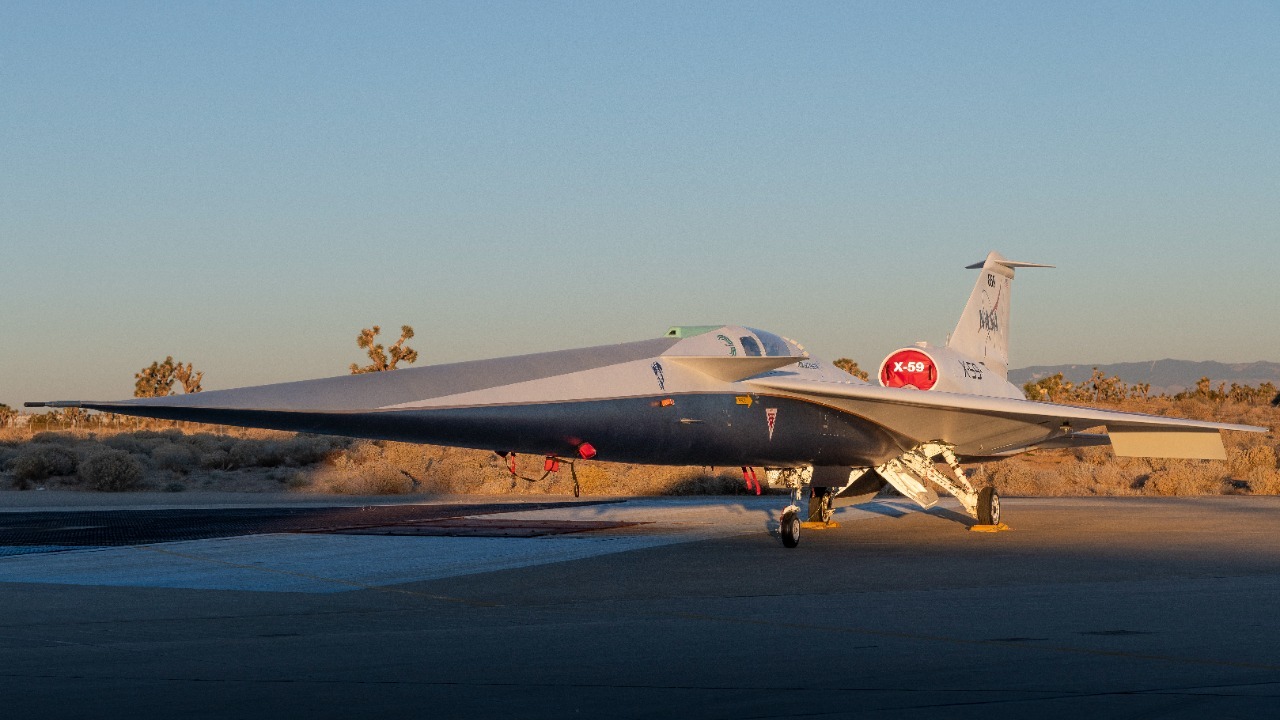
NASA’s X-59 completed its first supersonic flight, moving the quiet-boom research aircraft into the regime it was built to study. The long, carefully shaped jet is intended to keep its shock waves from merging into the disruptive boom associated with conventional supersonic aircraft. Crossing the sound barrier turns that design claim into something engineers can measure in actual flight.
The next question is whether microphones and communities on the ground perceive the aircraft’s sound as acceptable enough to inform new rules. One supersonic sortie cannot answer that, and the X-59 is a research platform rather than a passenger jet. It does show the machine can reach the operating condition required for acoustic testing. That keeps faster overland travel in the realm of testable engineering instead of presentation slides.
This article was produced with the assistance of AI and reviewed by Morning Overview editors prior to publication.
More from Morning Overview
- A Colorado wildfire has exploded past 87,000 acres with no containment
- A wildfire near Ouray swelled past 18,000 acres, putting Colorado towns on alert
- The Pentagon’s newest UFO files describe a fish-scaled, potato-shaped object on camera
- Scientists spotted a rare tusked whale alive at sea for the first time, then fired a crossbow at it.
