
Some of history’s most famous ships vanished so completely that nobody knew where they lay for decades or even centuries. Sonar, robot submarines and stubborn searchers eventually found them, sometimes in astonishing condition. Here are ten famous shipwrecks the sea eventually gave up, from Tudor warships to the Titanic.
Read next on Morning Overview: Two Kentucky residents died when a small plane crashed at Missouri’s Lake of the Ozarks, and the NTSB is investigating
1. RMS Titanic: Found After 73 Years
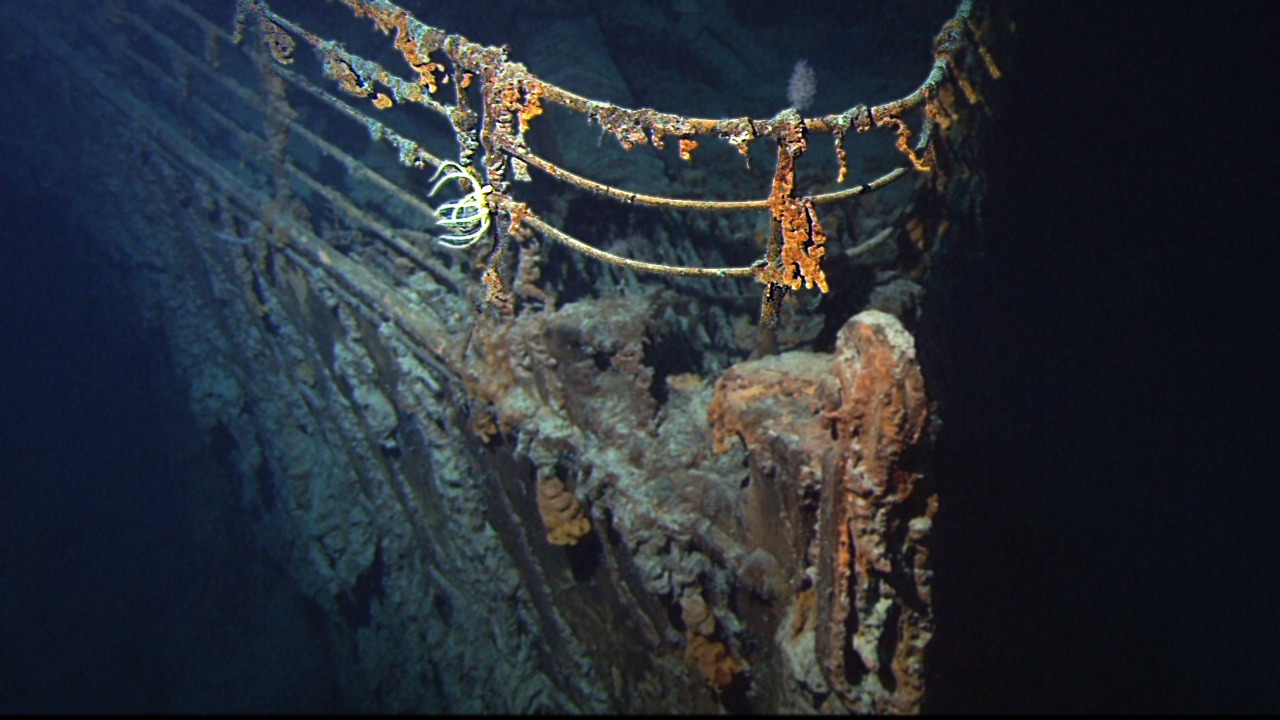
The Titanic sank on April 15, 1912, after striking an iceberg on her maiden voyage, and searchers spent years sweeping the seabed with sonar. In 1985, a joint French-American expedition led by Jean-Louis Michel of IFREMER and Robert Ballard of Woods Hole finally found the wreck.
It lies about 12,500 feet down, roughly 370 miles south-southeast of Newfoundland, in two main pieces about 2,000 feet apart. The bow is still recognizable, with many preserved interiors, while the stern is far more heavily damaged from the force of hitting the sea floor.
2. Bismarck: Resting on Its Keel
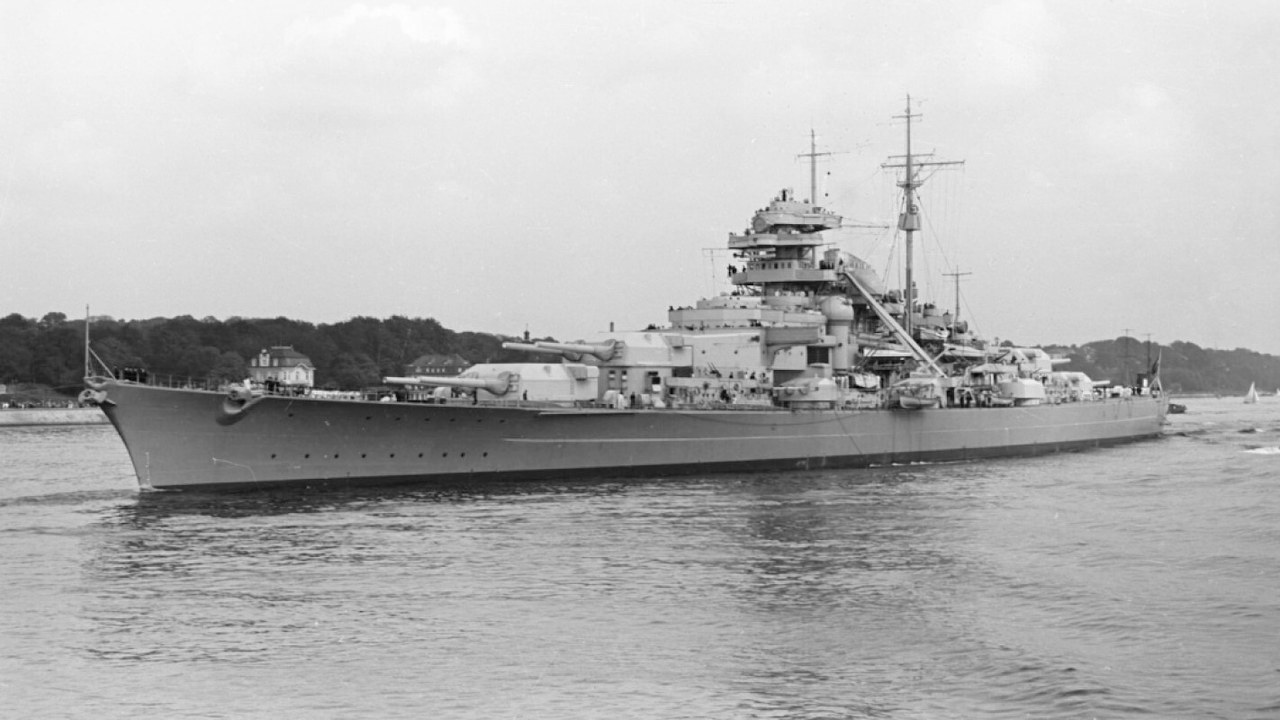
Germany’s battleship Bismarck sank in May 1941, and its wreck stayed hidden until Robert Ballard found it on June 8, 1989, four years after his Titanic discovery. The ship rests on its keel about 15,700 feet down, roughly 400 miles west of Brest, France.
On the way down, Bismarck struck an extinct underwater volcano and set off a landslide. Ballard’s survey found no underwater penetrations of the ship’s heavily armored citadel, and eight holes in the hull, all above the waterline. Several other expeditions have surveyed the wreck since.
3. Endurance: The Finest Wooden Wreck
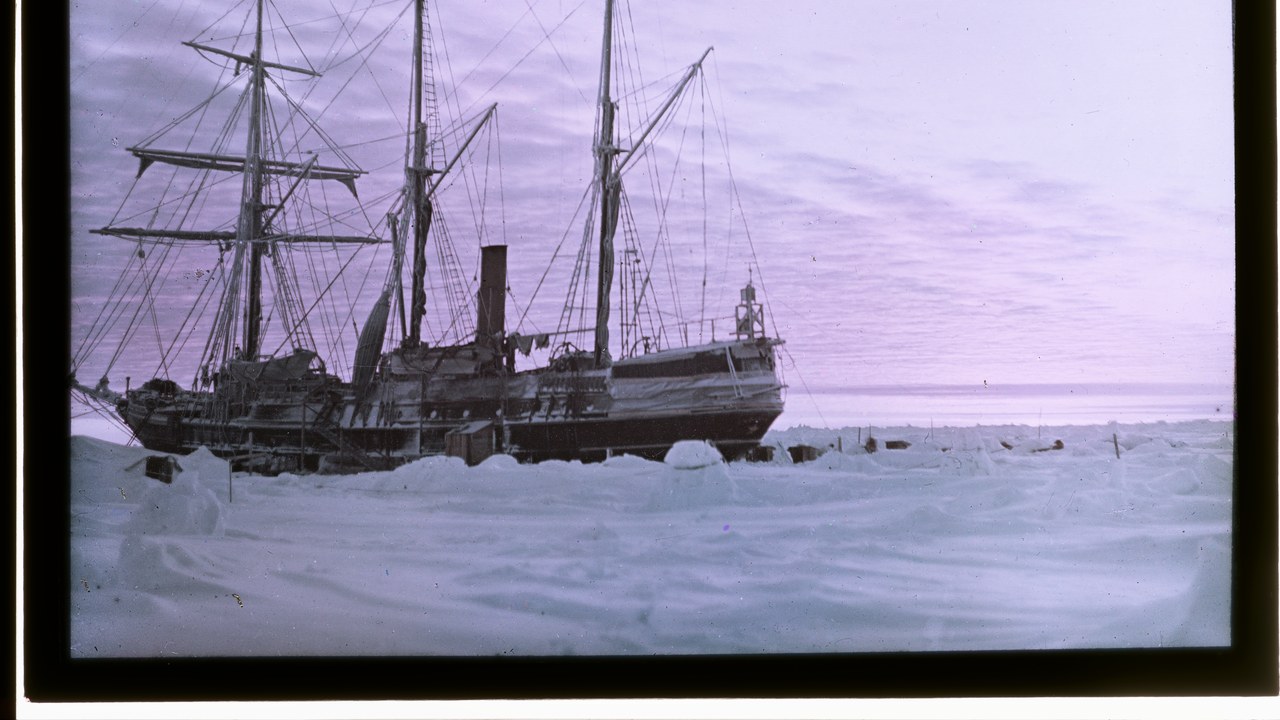
Ernest Shackleton’s ship Endurance was crushed by Antarctic sea ice and sank in 1915. Searchers using autonomous underwater vehicles found the wreck 9,869 feet beneath the Weddell Sea, only about four nautical miles from the position Captain Frank Worsley had recorded with a sextant.
Expedition director Mensun Bound called the find a milestone in polar history and the finest wooden shipwreck he had ever seen. Despite being crushed by ice, the ship sits upright, intact and well preserved, with the name Endurance still visible across its stern.
4. USS Indianapolis: Lost in 12 Minutes
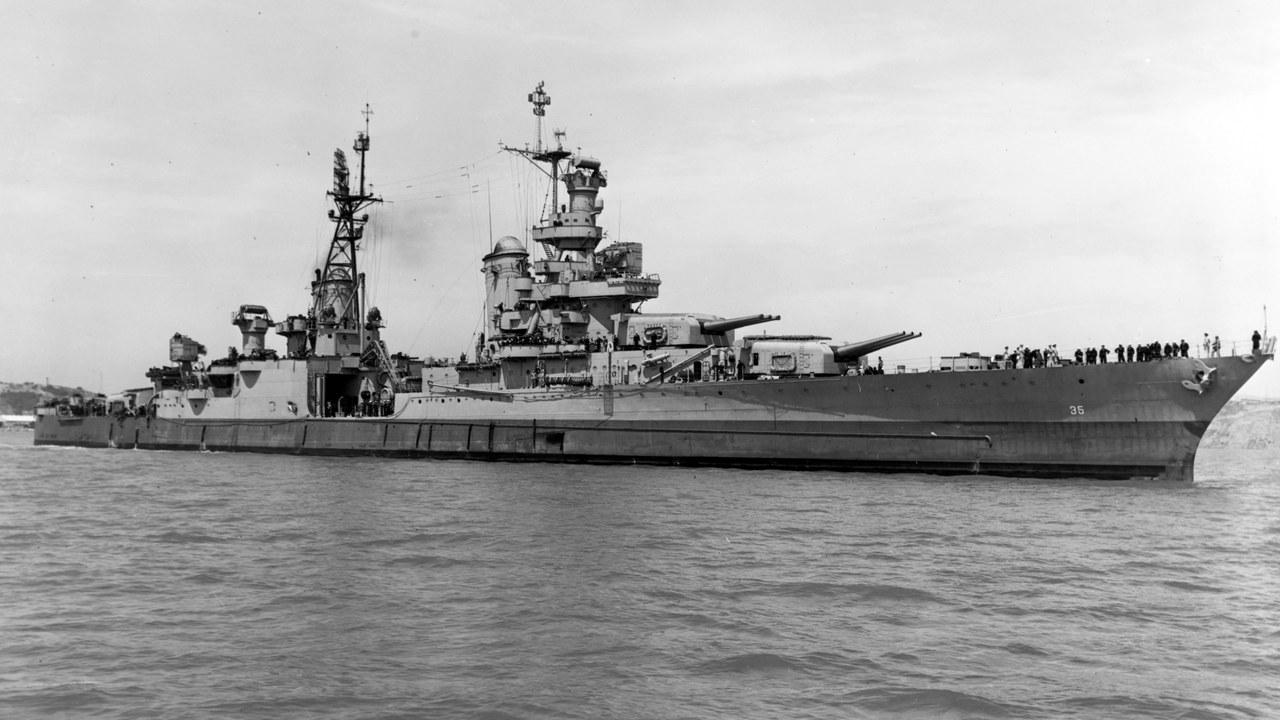
The heavy cruiser USS Indianapolis was hit by two torpedoes from a Japanese submarine on July 30, 1945, and sank in just 12 minutes. Of the 1,196 men aboard, only 316 survived, making it one of the worst disasters in U.S. naval history.
For more than seven decades the wreck’s exact location stayed a mystery. In 2017, a search team finally found the wreckage in the Philippine Sea at a depth of around 18,000 feet, and in 2018 the crew was awarded the Congressional Gold Medal.
5. Andrea Doria: The Everest of Scuba Diving
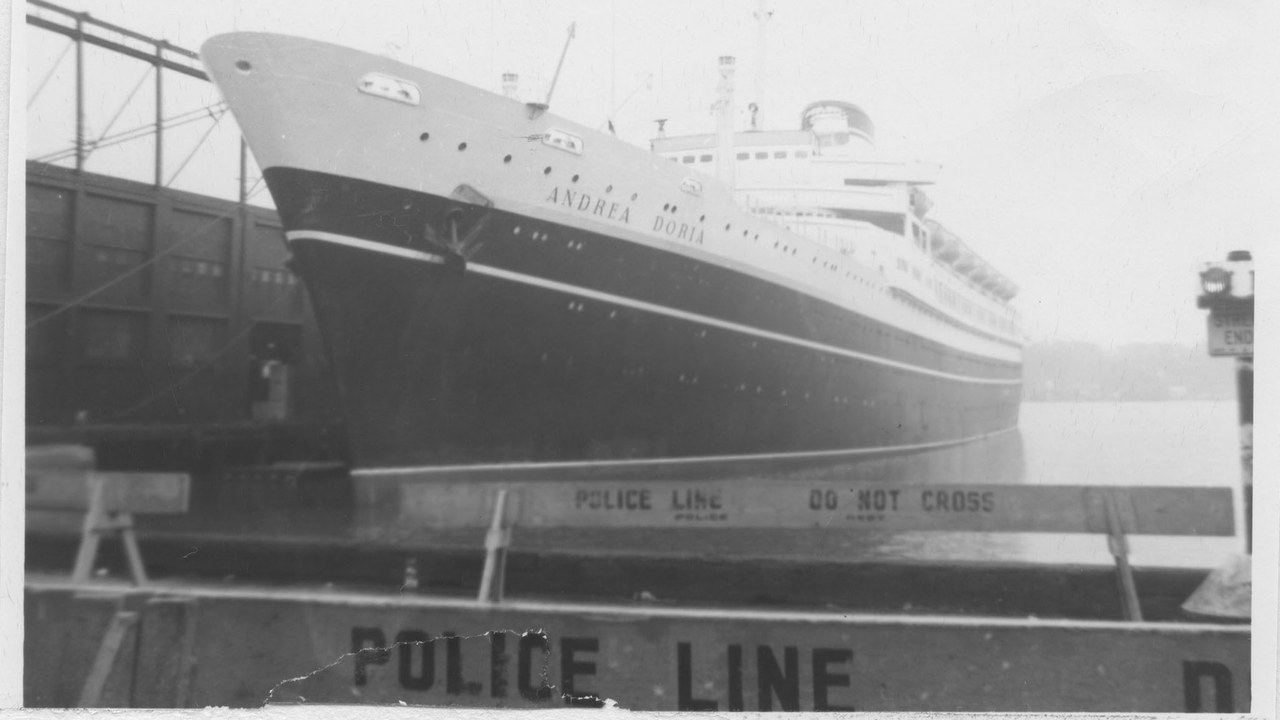
The Italian liner Andrea Doria was bound for New York in July 1956 when it collided with the Swedish ship MS Stockholm. The disaster killed 46 people, though most of the 1,134 passengers and 572 crew members aboard survived the sinking.
After the ship went down, divers Peter Gimbel and Joseph Fox located the wreck. It now rests in about 240 feet of North Atlantic water and has become a famous challenge for experienced scuba divers, who call it the Mount Everest of scuba diving because of its depth and conditions.
6. USS Monitor: A Civil War Ironclad Rediscovered
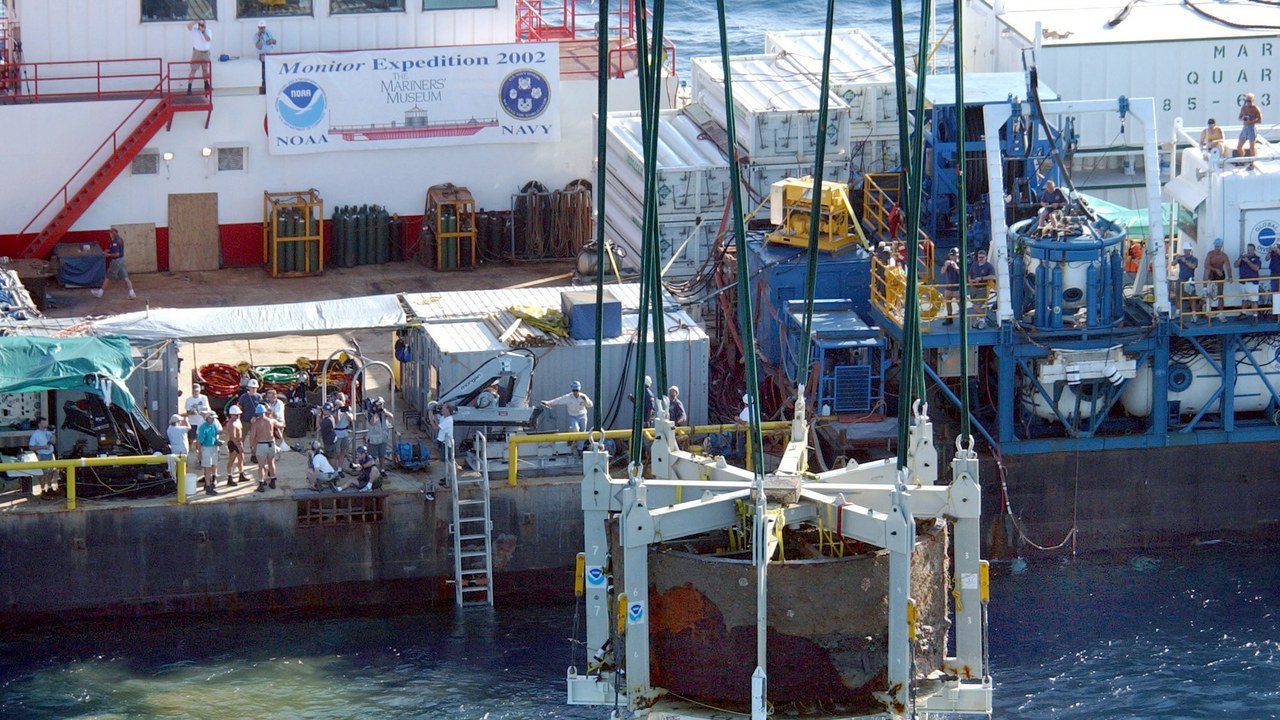
USS Monitor, the U.S. Navy’s first ironclad, was designed by John Ericsson and built in just 101 days in Brooklyn. It went down in a storm off Cape Hatteras on Dec. 31, 1862, and the wreck was discovered on Aug. 27, 1973, almost 111 years later.
The find came from an expedition sponsored by Duke University, the National Geographic Society and the National Science Foundation, which used a towed sonar system. Photos showed the wreck was disintegrating, so the site was protected, and parts of the ship were later salvaged for preservation.
7. SS Edmund Fitzgerald: The Great Lakes’ Most Famous Loss
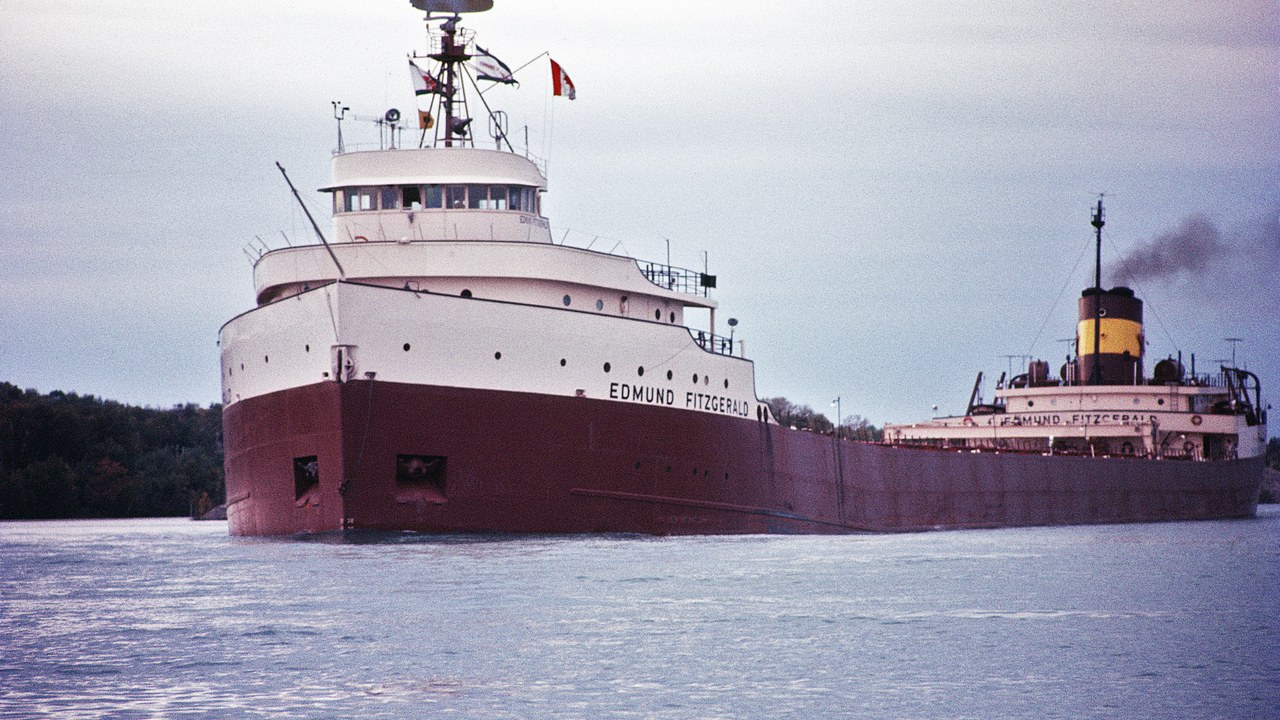
The freighter SS Edmund Fitzgerald was the biggest ship on the Great Lakes when it launched in 1958. On Nov. 10, 1975, it sank about 17 miles north-northwest of Whitefish Point, Michigan, taking all 29 crew members with it in what Marine Insight calls the greatest Great Lakes shipping tragedy.
The wreck was found by a U.S. Navy aircraft just four days later, on Nov. 14, 1975. Three expeditions have visited the site since, and at the request of crew members’ families, the ship’s bronze bell was recovered on July 4, 1995, to serve as a memorial.
8. HMHS Britannic: Titanic’s Forgotten Sister
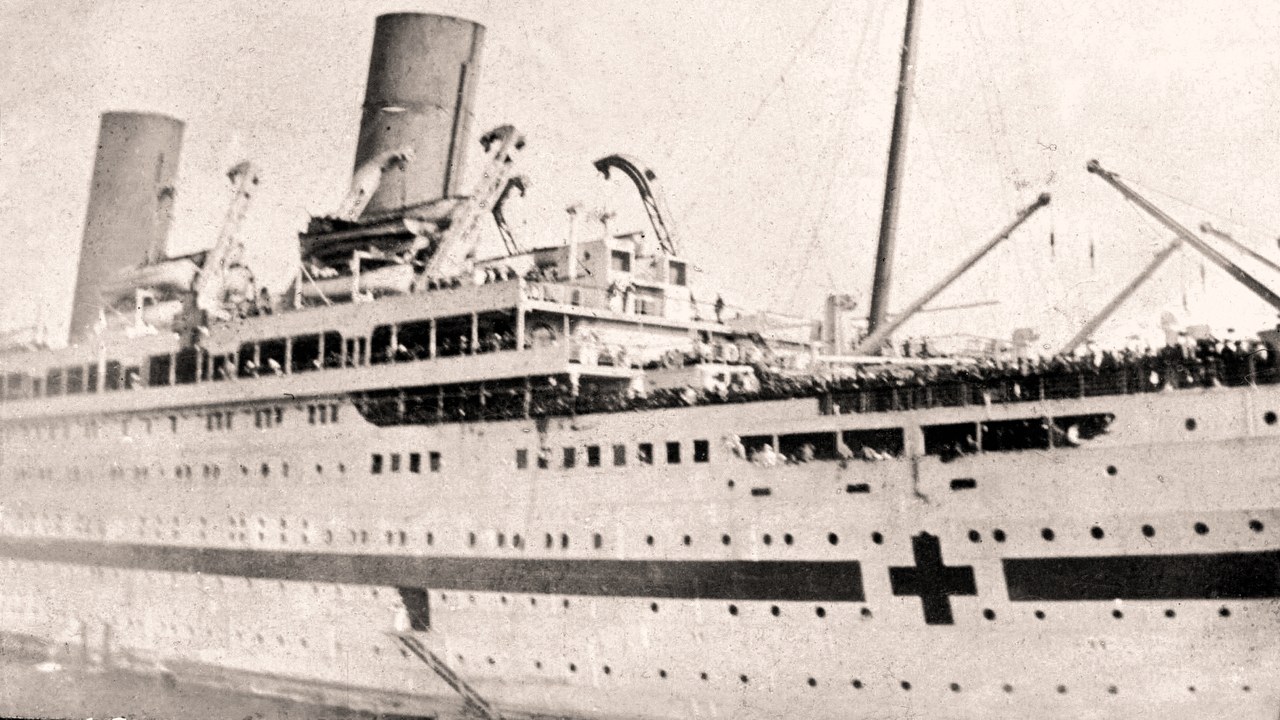
HMHS Britannic was the youngest sister of the Olympic and the Titanic, built as a passenger liner but used as a hospital ship from 1915. On Nov. 21, 1916, a German naval mine tore into the ship near the Greek island of Kea in the Aegean Sea, and it sank.
Its wreck was located in 1975 and is regarded as the biggest and best-preserved passenger liner wreck in the world. Before the sinking, Britannic had sailed between Britain and the Dardanelles in 1915 and 1916, carrying the wounded. Nov. 21, 2026, marks exactly 110 years since the mine struck.
9. Mary Rose: Henry VIII’s Lost Warship
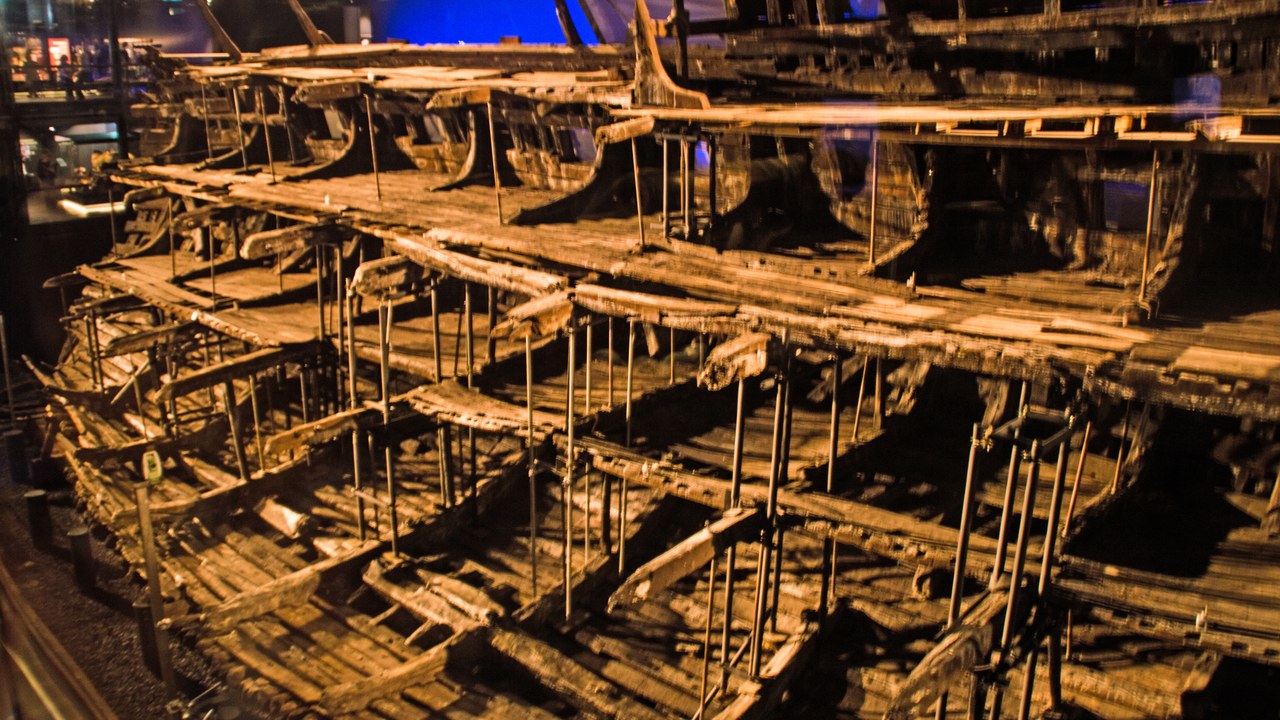
The Mary Rose was a warship in King Henry VIII’s navy, launched in 1511 and in service for 34 years. On July 19, 1545, it led an attack on a French invasion fleet and sank off Spithead in the Solent, near Portsmouth, England.
The wreck was located in 1971 and raised on Oct. 11, 1982, by the Mary Rose Trust in one of the most complex and expensive maritime salvage projects ever attempted. The surviving hull and thousands of recovered objects now serve as a time capsule of Tudor life.
10. Vasa: Sank on Its Maiden Voyage
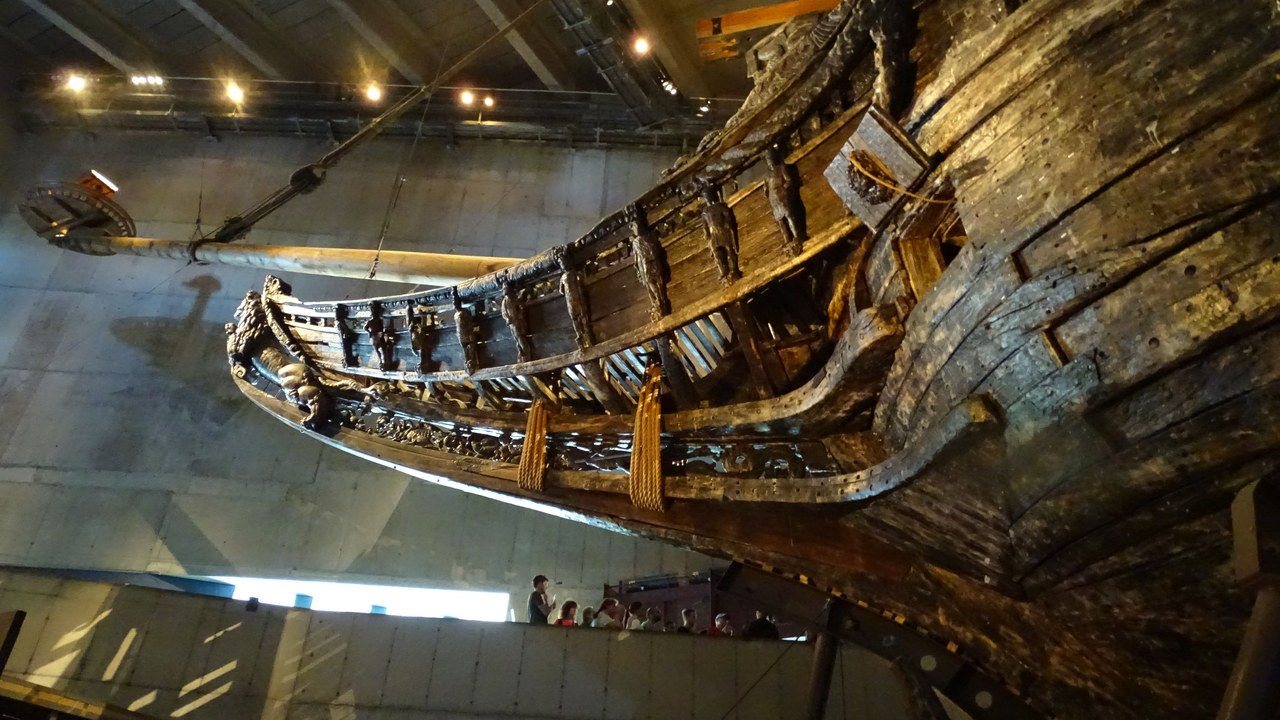
The Swedish warship Vasa was built between 1626 and 1628 and sank on her maiden voyage on Aug. 10, 1628, after sailing only about 1,300 meters. Most of its valuable bronze cannons were salvaged in the 1600s, and then the ship faded into obscurity.
Vasa was located again in the late 1950s in a busy part of Stockholm’s harbor and raised in 1961. The recovery turned up thousands of artifacts, including clothing, weapons, tools, coins and six of the ship’s ten sails, along with the remains of at least 15 people.
More from Morning Overview
- Shaq spent $1.3 million on three Rolls-Royce Phantoms to prove a point to a salesman
- The Justice Department asked courts to undo approvals for three offshore wind farms, one already making power
- Over 20 trillion gallons of rain fell on the Four Corners states and Nevada in two weeks
- 11 engines built to run well past 200,000 miles
