
Heavy bombers are usually ranked by how much they could carry, but several here earned their place by changing air war. The list runs from the 8,000 lb loads of World War II workhorses to the 88,185 lb upgraded payload credited to the Tu-160. Each entry draws its figures from a cited source, and the sixteen aircraft below span American, British and Soviet designs.
Read next on Morning Overview: Washington is forcing coal plants from Colorado to Washington state to keep running
1. Boeing B-17 Flying Fortress: The Long-Range Workhorse
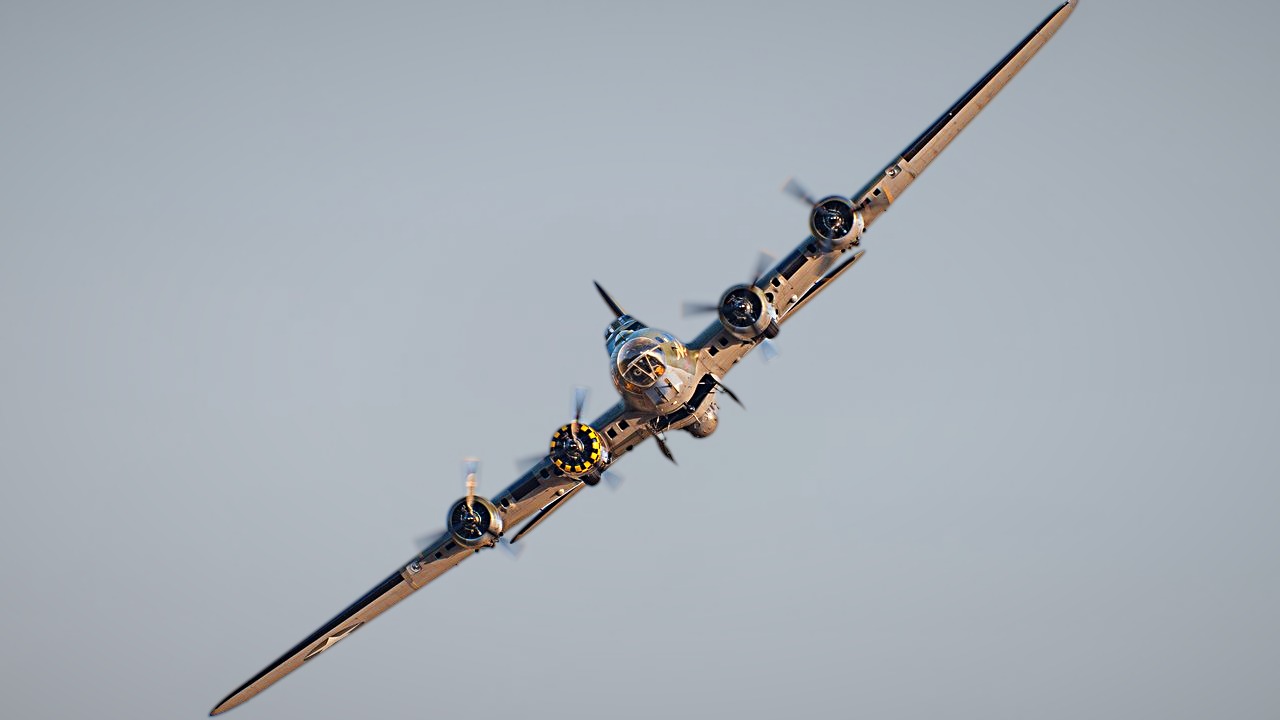
Boeing built over 12,700 B-17s, according to the SlashGear heavy bomber roundup, and the Flying Fortress hauled about 4,000 lb on long missions and 8,000 lb on short ones.
The two figures show that load depended on mission length, with the heavier number tied to short missions. They are the roundup’s listed numbers for the type, not an official single rating.
2. Consolidated B-24 Liberator: Churchill’s Flying Transport
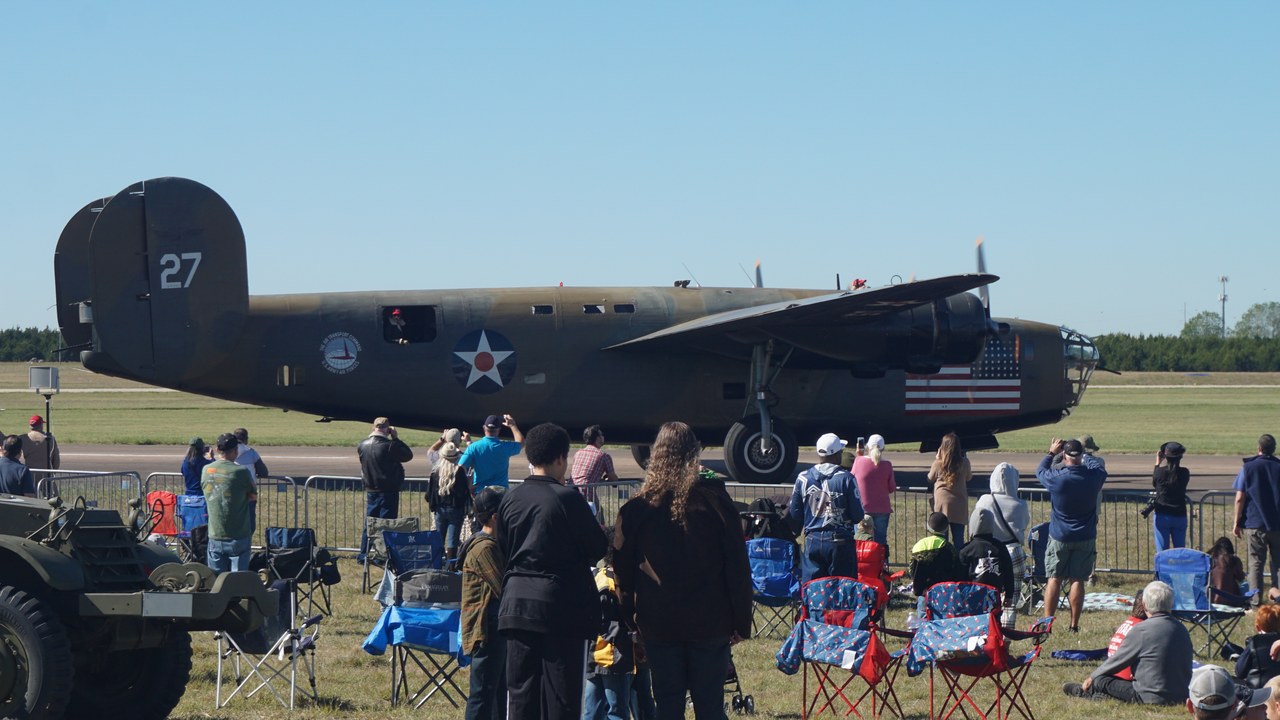
The H and J models of the Consolidated B-24 Liberator carried a maximum bomb load of about 8,000 lb, based on SlashGear’s World War II bomber list, and Churchill used one as a personal transport.
That 8,000 lb figure matches the B-17’s short-mission load on the same list, which puts the two American heavies in a similar class on payload. The Churchill detail is a reminder that the airframe served beyond bombing.
3. Boeing B-29 Superfortress: The Atomic Delivery Platform
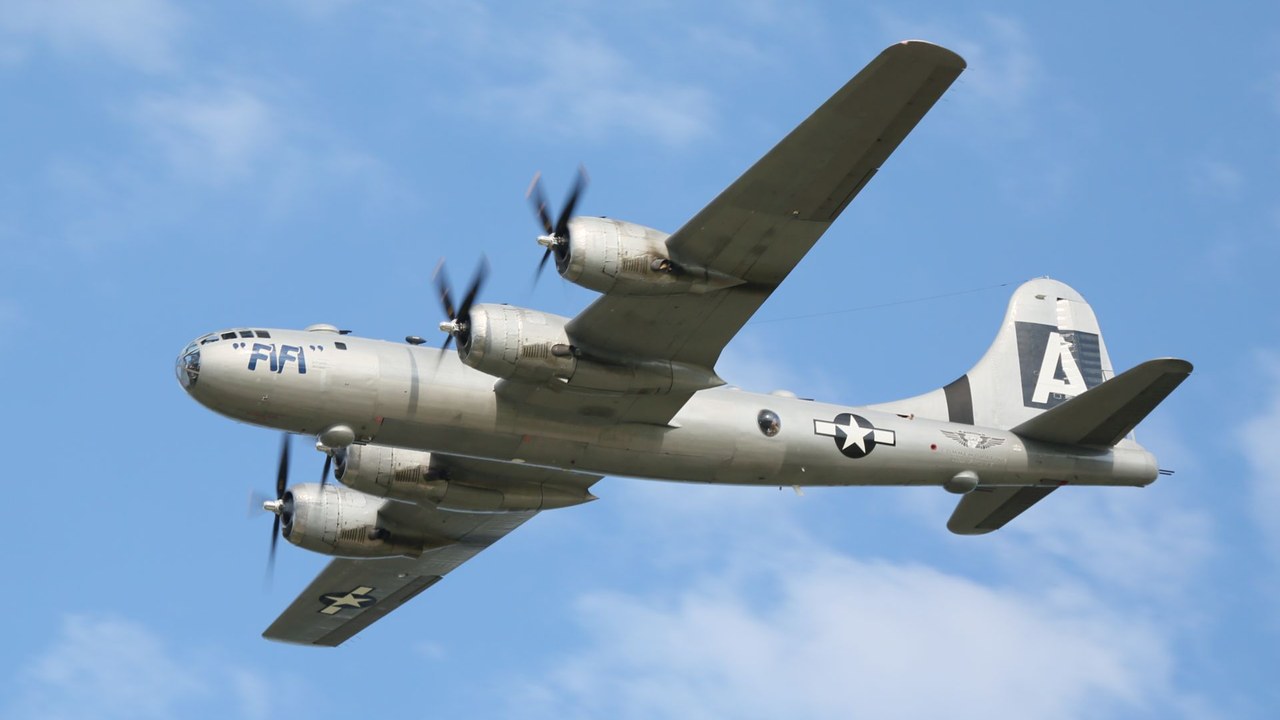
With a maximum bomb load of 20,000 lb, the Boeing B-29 Superfortress more than doubled the 8,000 lb listed for the B-17 and B-24, and SlashGear’s wartime roundup calls it the only aircraft to have deployed a nuclear weapon in combat.
That distinction is stated as of the source’s 2025 publication and rests on the phrase in combat. The bomb-load number is a listed maximum rather than a typical mission load.
4. Avro Lancaster: Britain’s Heavy Hauler
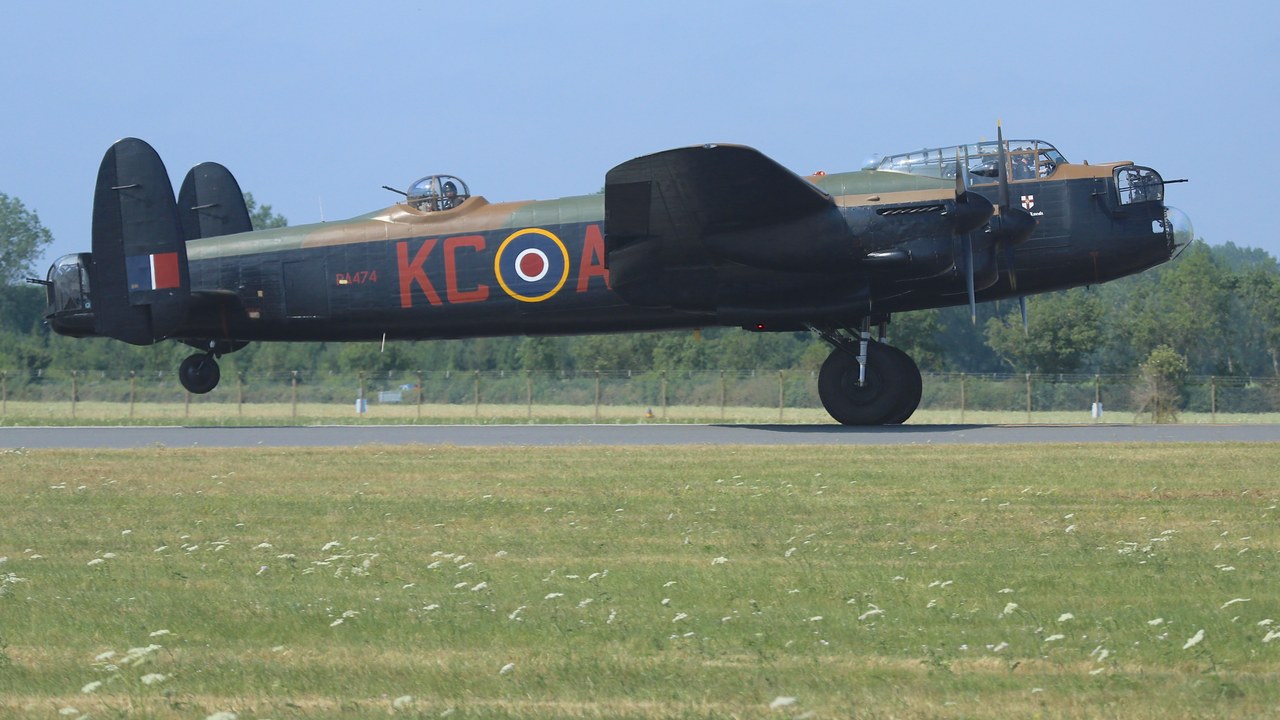
British factories produced over 7,000 Avro Lancasters, according to SlashGear’s heavy bomber coverage, and each could carry a 14,000 lb payload up to 1,660 miles.
Pairing a heavy load with a long reach is what the source emphasizes about the Lancaster. Both numbers are listed capabilities rather than averages from actual missions. The 1,660 mile figure is likewise the source’s stated range for that payload, not a combat average.
5. Convair B-36 Peacemaker: The 86,000-Pound Giant
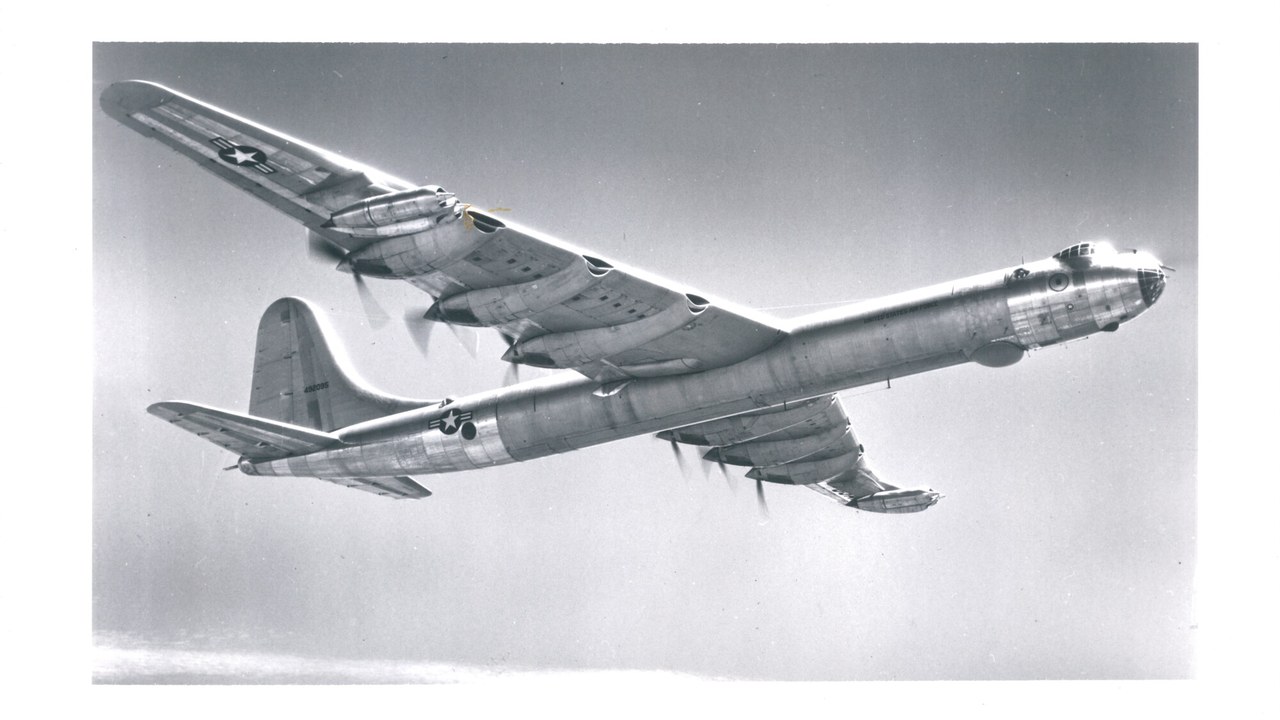
The National Museum of the US Air Force states in the Air Force museum fact sheet that the Convair B-36 Peacemaker could carry 86,000 lb of nuclear or conventional bombs. It spanned 230 ft, and more than 380 were built.
The 86,000 lb figure exceeds the loads the research lists for the B-52 and the B-1, which makes the Peacemaker the heavy-load outlier among the American entries. It is a maximum from the museum’s description.
6. Boeing B-52 Stratofortress: Flying Into The 2040s
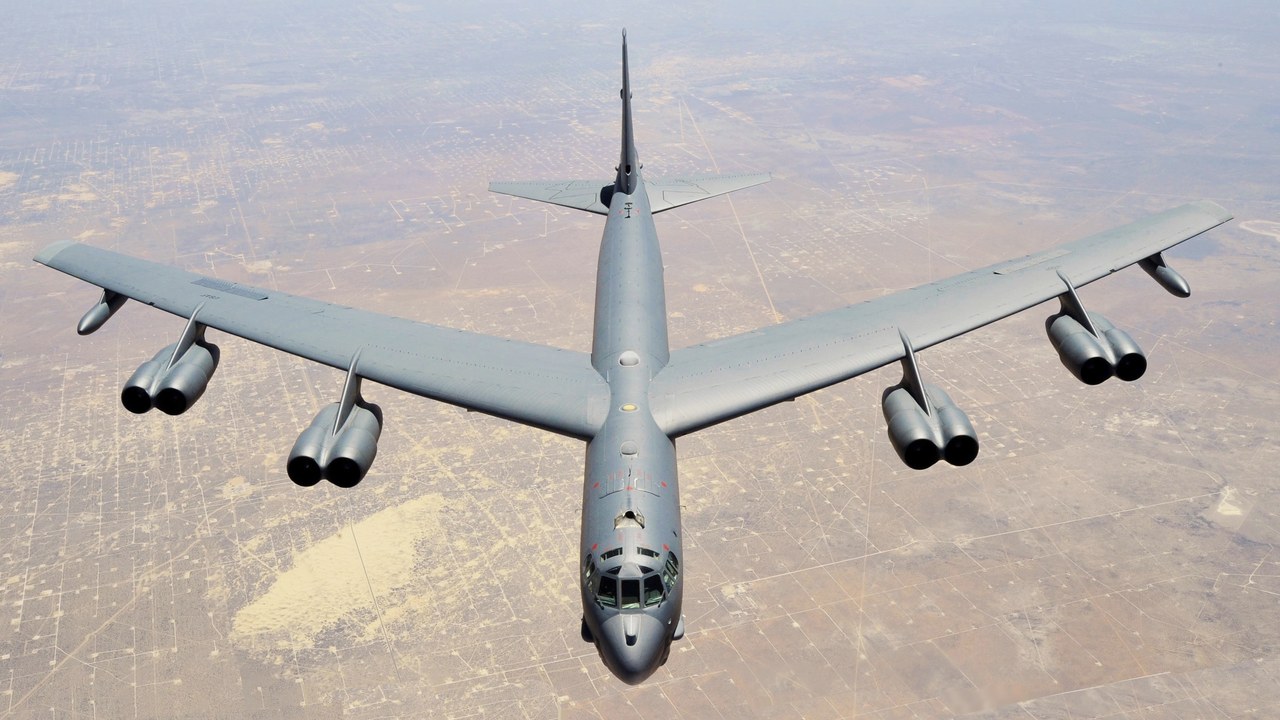
US Air Force Global Strike Command lists a 70,000 lb payload for the Boeing B-52 Stratofortress in Global Strike Command’s B-52 fact sheet, and says 744 were built, with the last, a B-52H, delivered in October 1962.
Even so, the Air Force plans to fly the Stratofortress into the 2040s, decades after that final delivery. The payload number is the fact sheet’s listed figure for the bomber.
7. Rockwell B-1 Lancer: The Largest Conventional Load
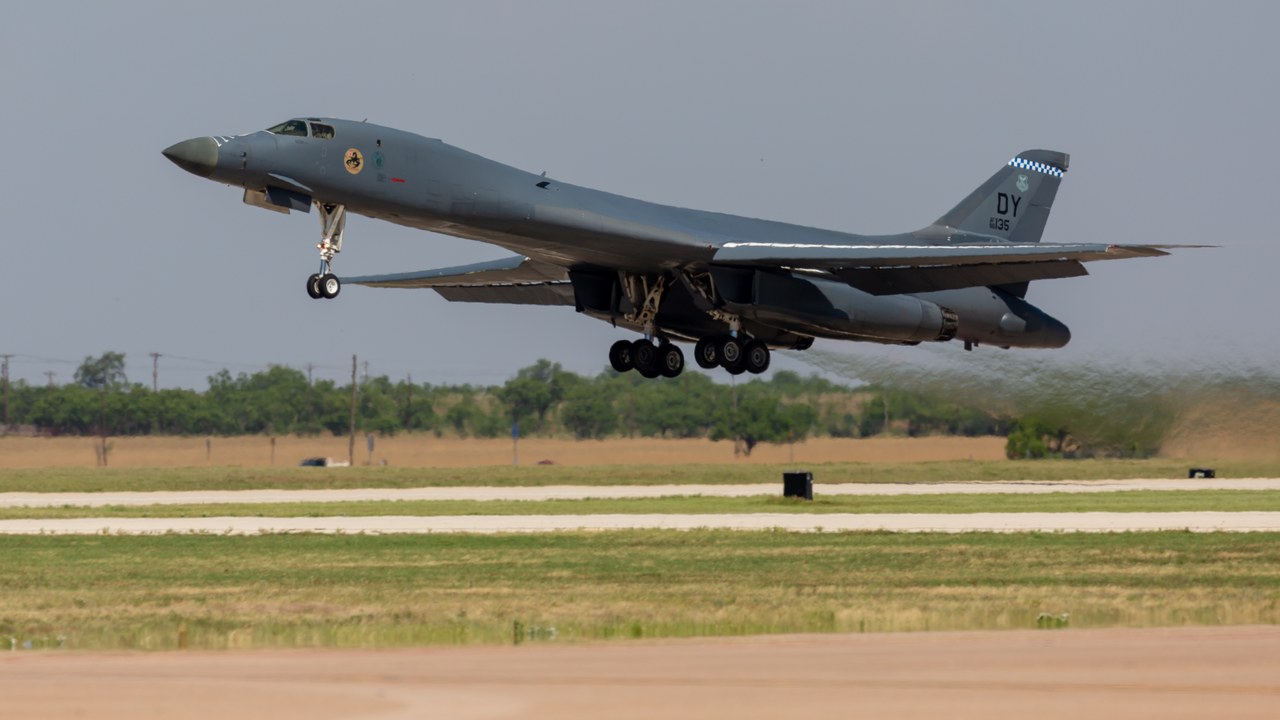
The Rockwell B-1 Lancer carries 75,000 lb, which the Congressional Research Service describes as the largest conventional weapons load in the US Air Force inventory.
The July 2026 CRS report counts 44 B-1s remaining from an original fleet of 100. The Air Force’s own B-1B fact sheet also lists a 75,000 lb payload, so the two sources agree on the headline number, and the fleet counts reflect that July 2026 snapshot.
8. Northrop B-2 Spirit: The Stealth Flying Wing
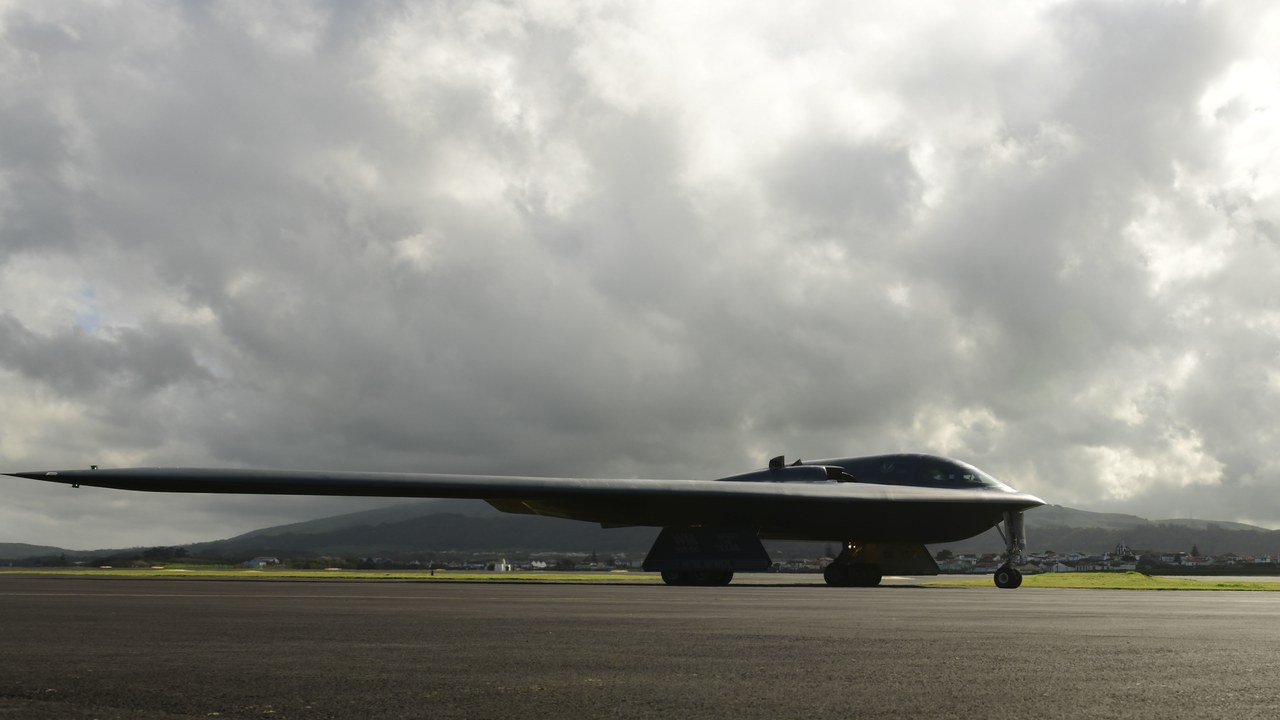
The Northrop B-2 Spirit is a stealthy flying wing that first flew in 1989, and a Congressional Research Service report puts the fleet at only 20 aircraft, based at Whiteman AFB, each carrying 40,000 lb.
Stealth rather than raw payload sets the Spirit apart, since 40,000 lb is well under the B-1’s 75,000 lb. The fleet size and basing are as stated in the July 2026 report.
9. Tupolev Tu-160: The Heaviest Combat Aircraft
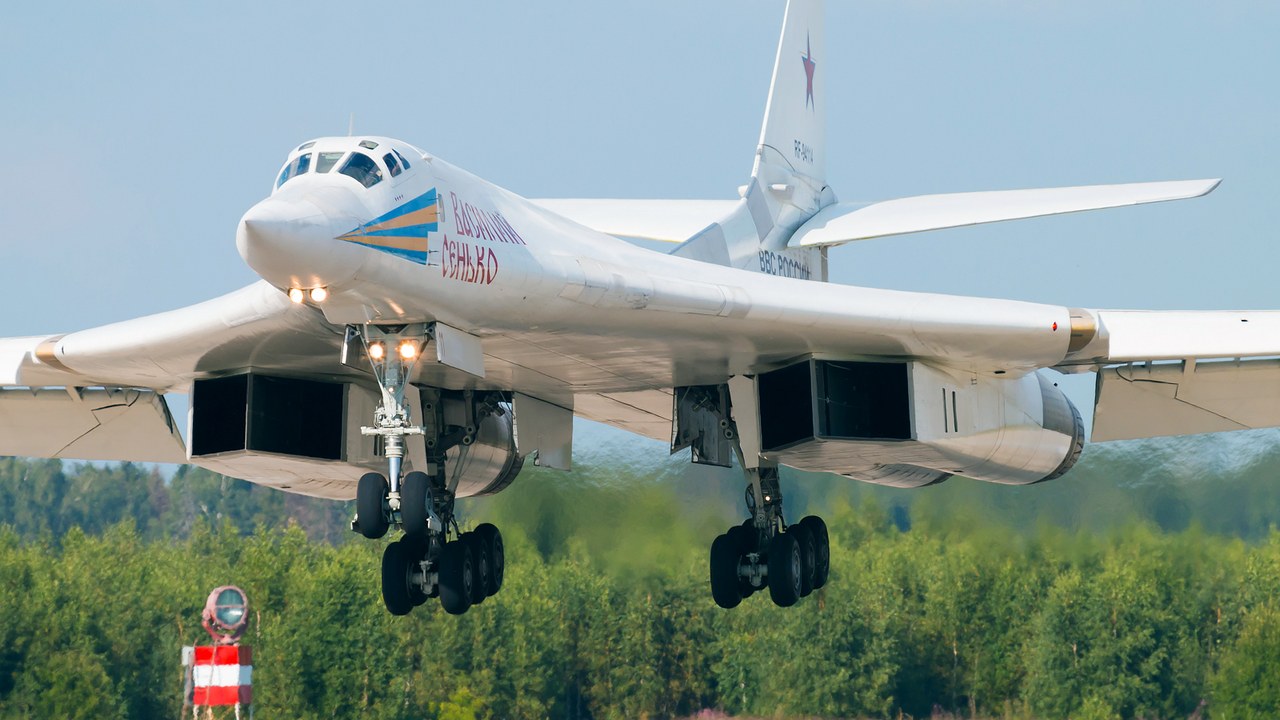
The Tupolev Tu-160 is called the heaviest and largest combat aircraft ever made in SlashGear’s largest-payload article, and it flies at Mach 2.05 with an upgraded payload of 88,185 lb.
That upgraded figure tops every other payload in this gallery, including the B-36’s 86,000 lb. The superlative is the article’s characterization, and the number applies to the upgraded version, not to every Tu-160 that has flown.
10. Tupolev Tu-95: The Propeller-Driven Bear
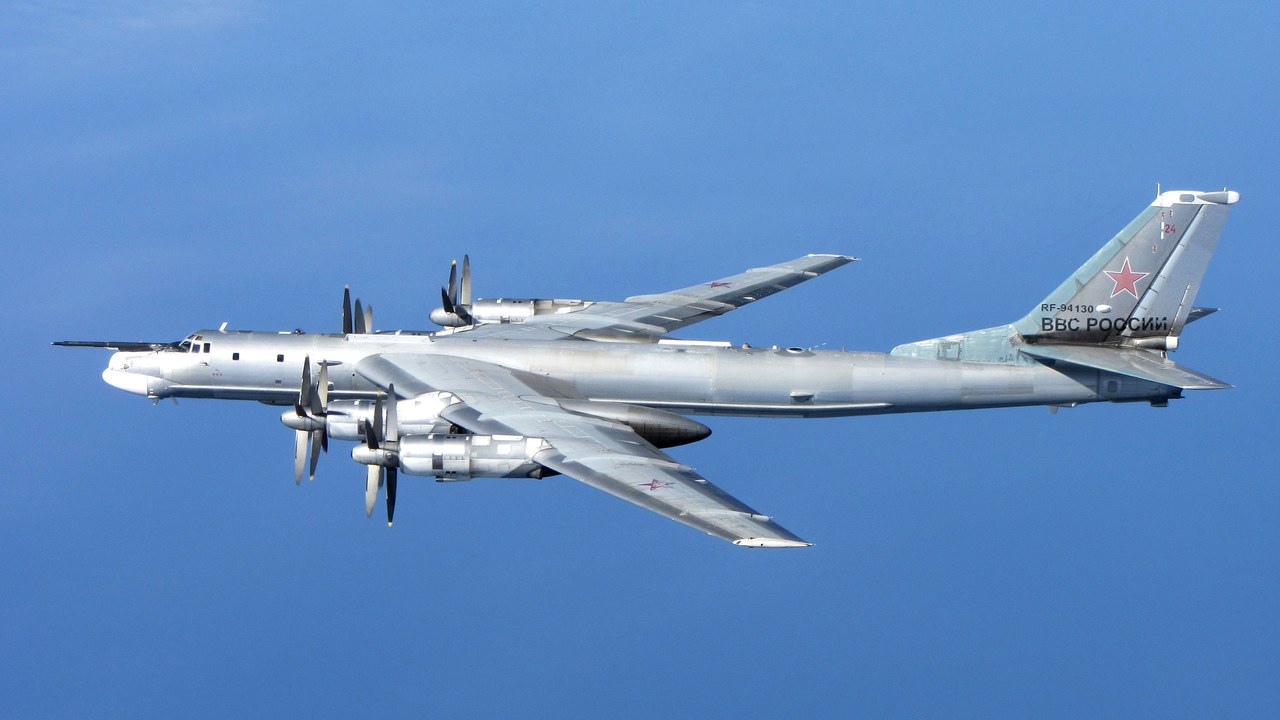
The prototype of the Tupolev Tu-95 first flew on 12 November 1952, according to the Federation of American Scientists guide, and series production began in January 1956.
The propeller-driven Bear remains a Russian icon, which sets it apart from the jet-powered bombers elsewhere in this list. Payload figures conflict on the source page, so only the dates are given here.
11. Avro Vulcan: The Black Buck Raiders
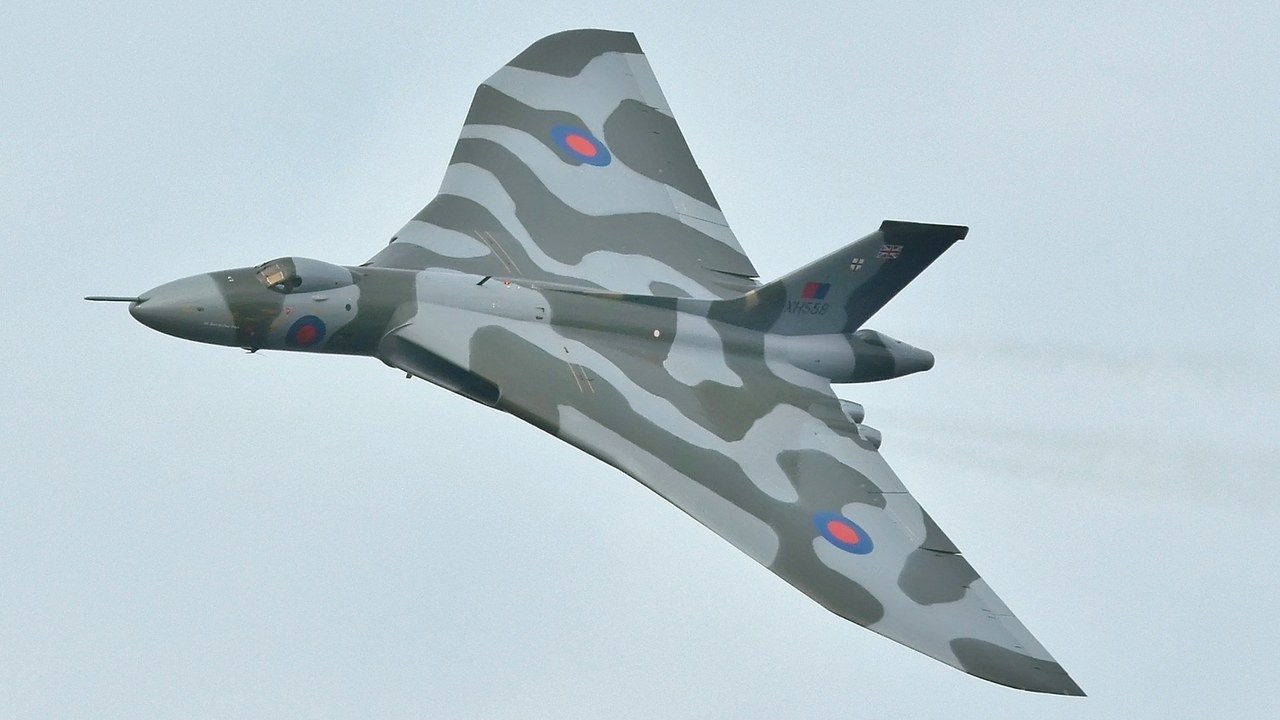
Britain built 136 delta-wing Avro Vulcans, and in 1982 the Black Buck missions bombed the Port Stanley runway with 21 thousand-pound bombs, as The National Interest’s account describes.
Those figures cover the Black Buck 1 and 2 missions specifically, not the whole of the Vulcan’s service. The raids are what tie the delta-wing bomber to the Falklands campaign. The 136 total counts every Vulcan built, so it says nothing about how many flew those missions.
12. Handley Page Victor: From Bomber To Tanker
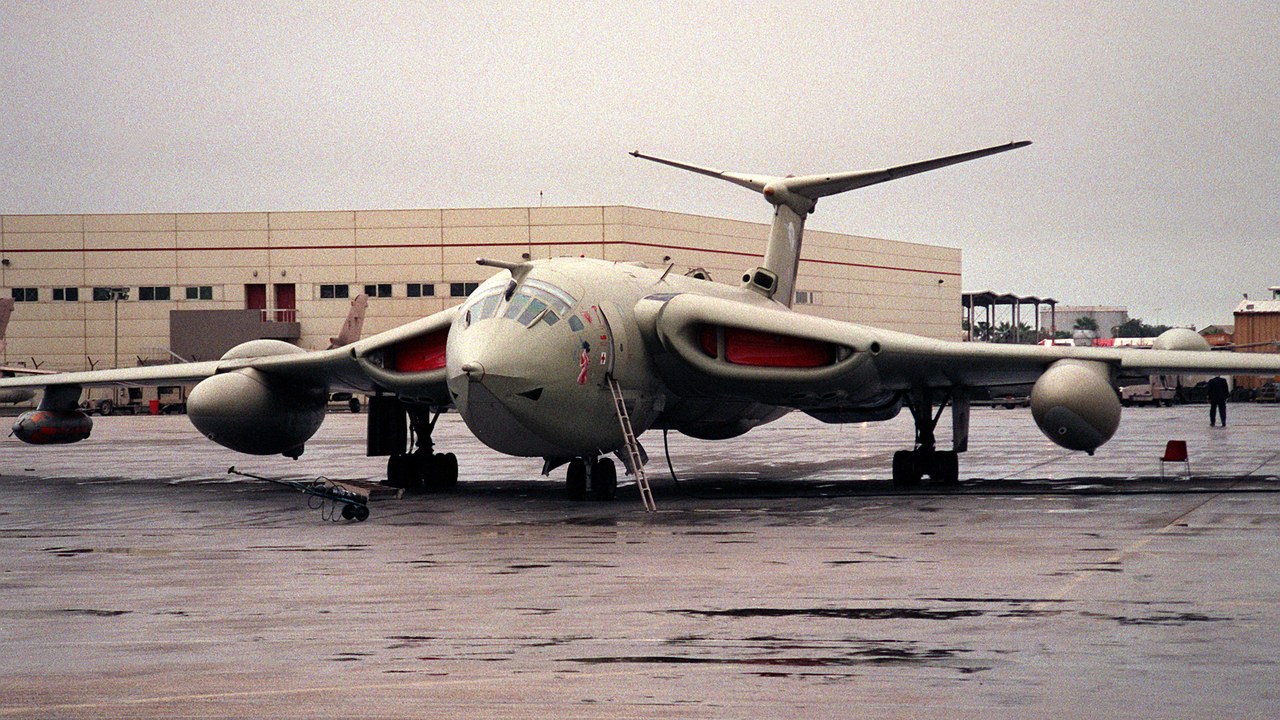
Britain built 86 Handley Page Victors with a maximum bomb load of 35,000 lb, according to this National Interest overview.
Later the Victor served as a tanker in the Falklands and the Gulf War until 1993, a second role beyond bombing. The 35,000 lb number is a listed maximum rather than a typical load. The same source page covers the Vulcan and the Valiant, which lets the three British V-bombers be compared on one basis.
13. Vickers Valiant: The First British Atom Dropper
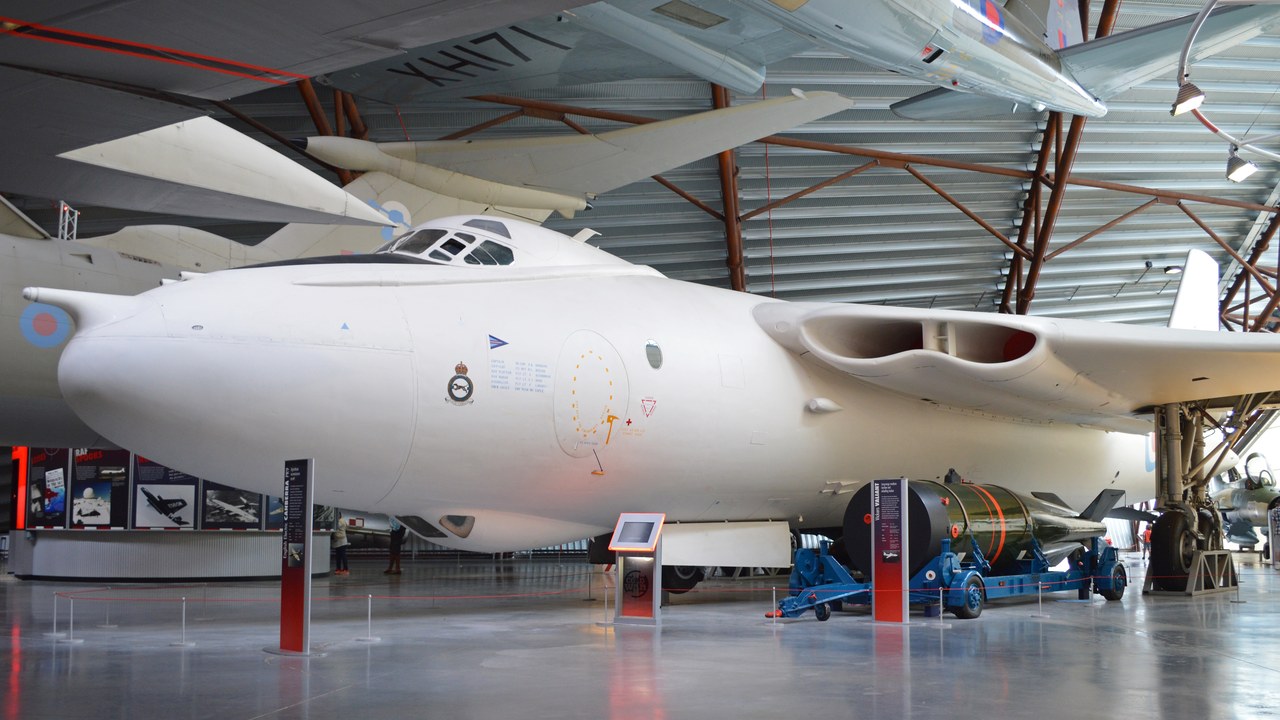
Britain built 107 Vickers Valiants, and The National Interest’s V-bomber summary says one dropped the country’s first air-dropped 10-kiloton Blue Danube test on October 11, 1956.
The same page ties the Valiant’s retirement in 1965 to wing spar fatigue. That makes a structural problem, not combat, the reason the type left service. The 107 total and the 10-kiloton yield are the source’s figures.
14. Tupolev Tu-16: The Badger That Keeps Flying
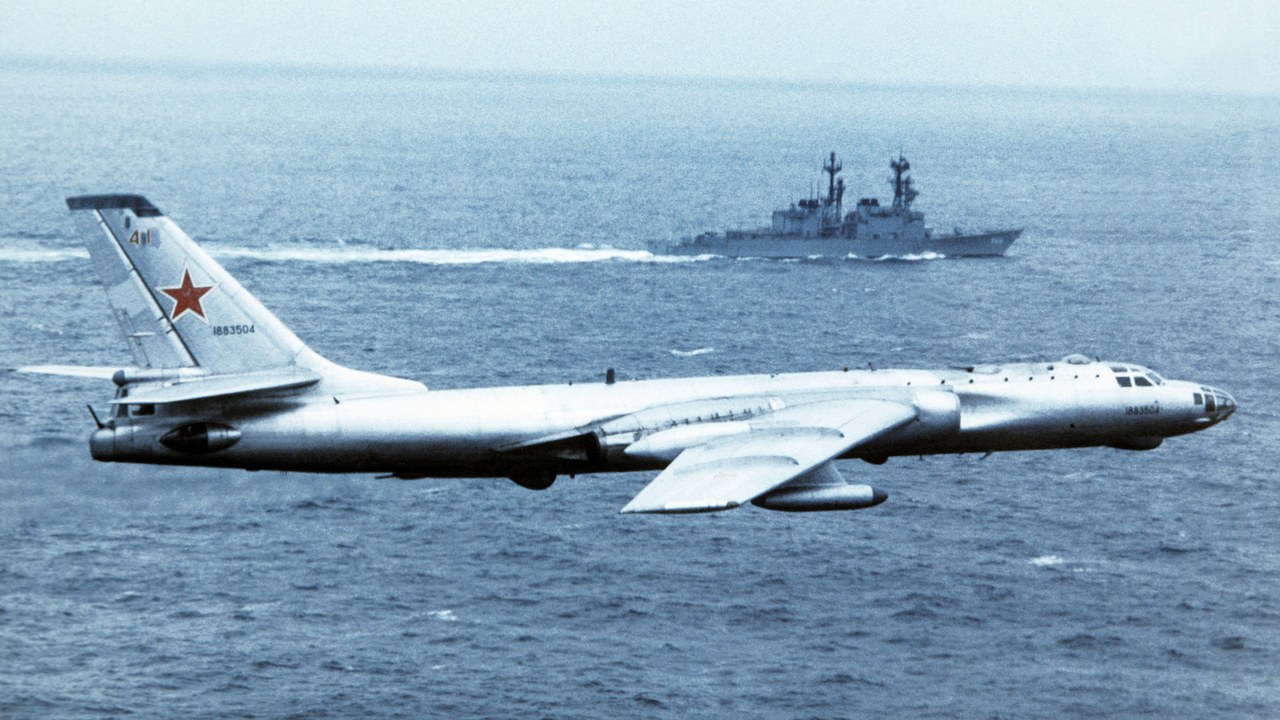
The Tupolev Tu-16 could carry the roughly 9,000 kg FAB-9000 bomb, according to The National Interest report.
China still flies a licensed copy, the H-6, nearly 70 years after the first flight, as of that April 2020 article. The bomb weight is a capability figure, not a measure of typical loads. The research row does not give a payload for the H-6 itself, so none is stated here.
15. North American B-25 Mitchell: The Doolittle Raider
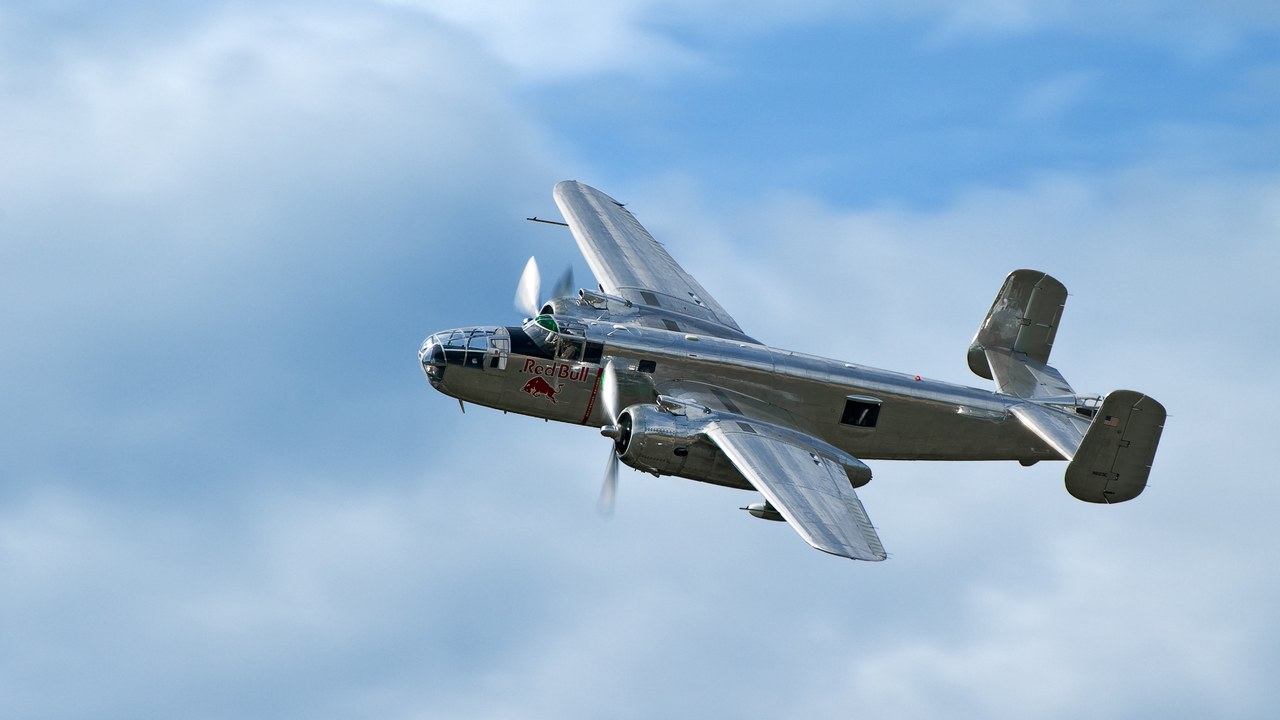
North American built 9,816 B-25 Mitchells at its California and Kansas plants, according to the Air Force museum fact sheet.
A B-25B led General Doolittle’s Tokyo Raid on April 18, 1942. The production total and the raid are both as stated on the museum page. Neither figure says anything about how the bomber performed compared with its contemporaries in this list.
16. Martin B-26 Marauder: The Lowest Loss Rate
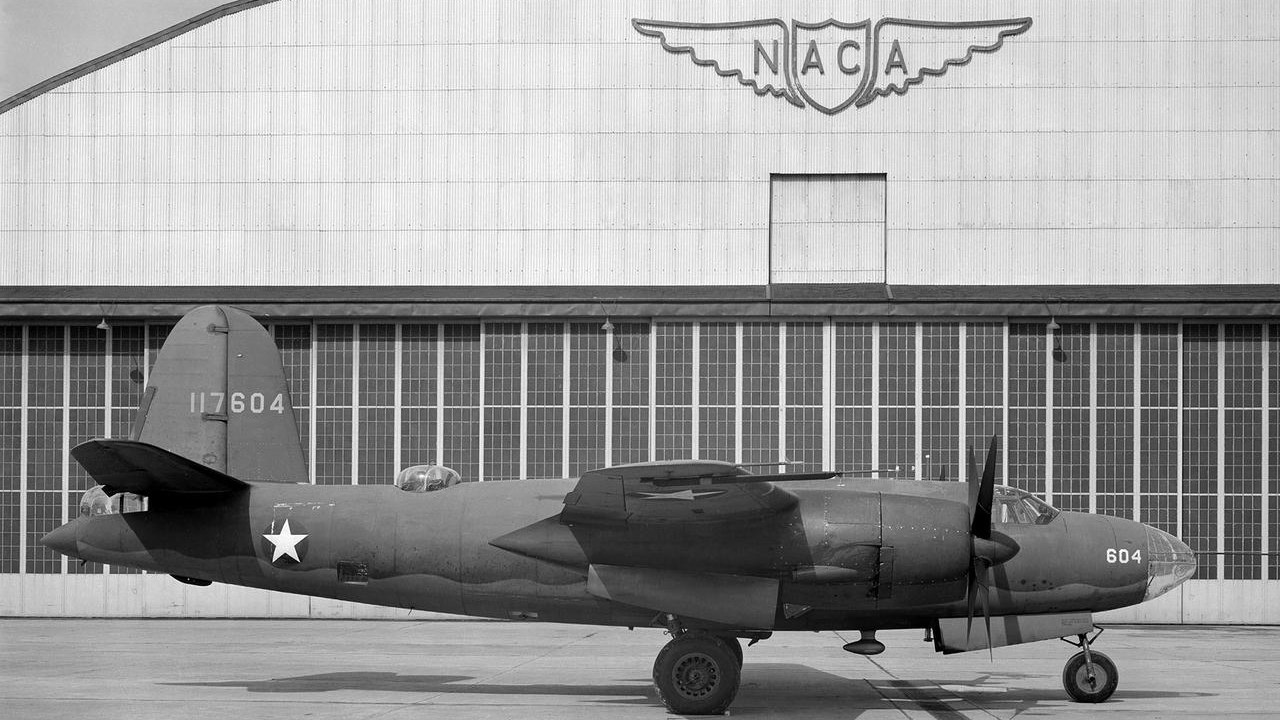
Martin built 5,266 B-26 Marauders with a 4,000 lb bomb load, and the Air Force museum fact sheet says the type had the lowest loss rate of any Allied bomber, under half of one percent.
The 4,000 lb load matches the B-17’s long-mission figure and trails the Lancaster’s 14,000 lb. The loss-rate claim is the museum’s own statement. The production count and the bomb load come from the museum’s separate fact sheet for the type.
More from Morning Overview
- Operational F-15EX jets now fly with extra fuel tanks the Air Force never planned for
- Three shuttered U.S. nuclear plants are being restarted, including Three Mile Island
- Jeep’s new Recon sold just 19 units in 45 days, the fewest of any model on CarEdge’s worst-sellers list
- New York picked its finalists to build a big new nuclear plant upstate
