
Some of the oldest and heaviest stonework on Earth was built by people who left no written explanation behind. Researchers have dated many of these sites, yet the builders, methods or reasons are still debated. This gallery takes a sourced, item-by-item look at fifteen of them, with each entry noting what is known and what is not.
Read next on Morning Overview: New York picked its finalists to build a big new nuclear plant upstate
1. Göbekli Tepe: The Buried Temple
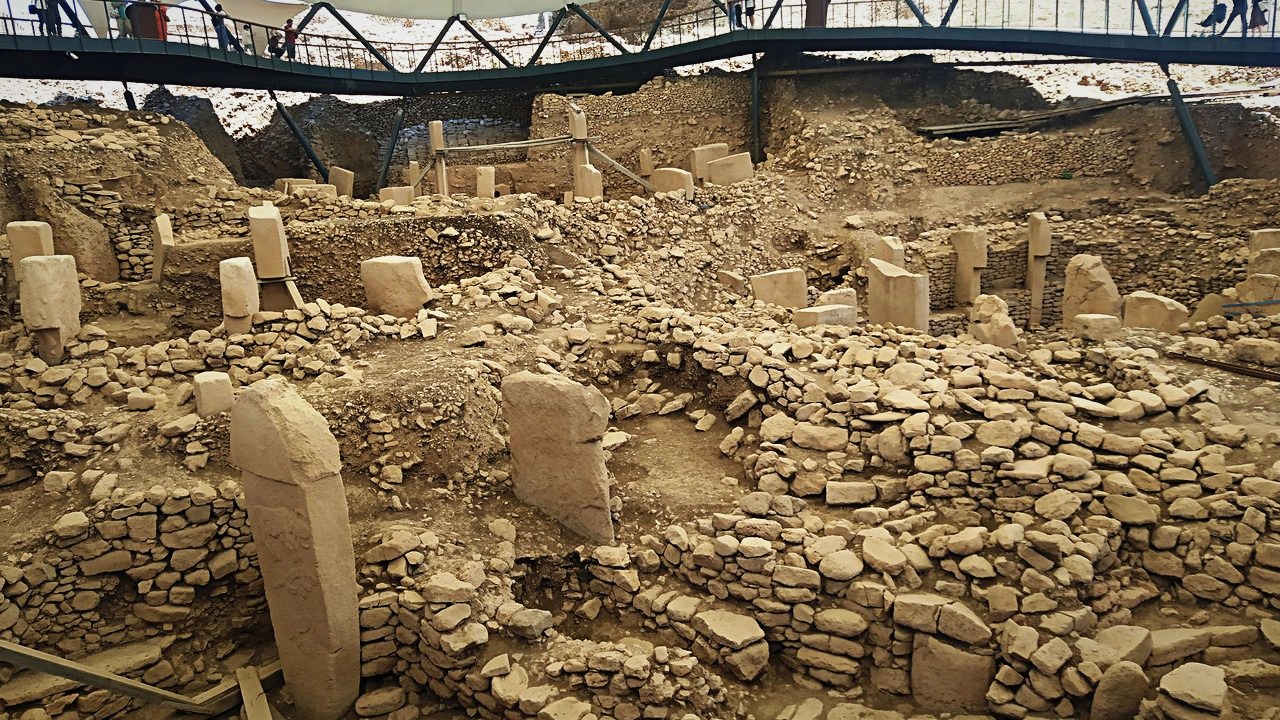
Hunter-gatherers raised T-shaped pillars weighing up to 20 tons around 9600 BCE, according to a Science News Today roundup of megalithic mysteries. The builders had no farms or cities behind them, which is part of the surprise.
Why the enclosures were later buried is still unknown, and that gap leaves the story of the site open. Any explanation for the burial remains a hypothesis rather than a finding.
2. Carnac stones: Rows Without a Reason
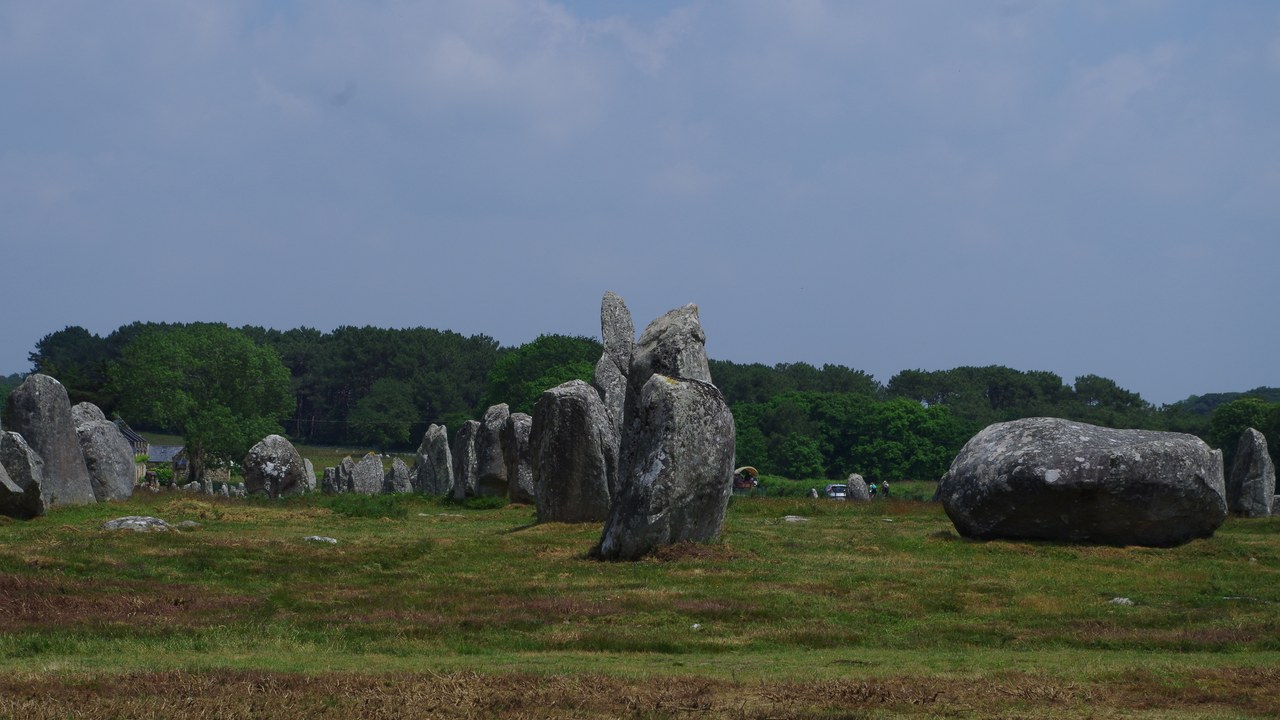
Brittany’s alignments were erected between 4500 and 3300 BCE, and their purpose remains uncertain, the same roundup notes. Proposed uses include astronomy, territory markers, ritual paths and memorials.
None of those readings has displaced the others. The long rows of standing stones keep their original meaning, whatever it was, out of reach of modern interpretation, and the question stays open for visitors and researchers alike.
3. Moai: The Walking Statues
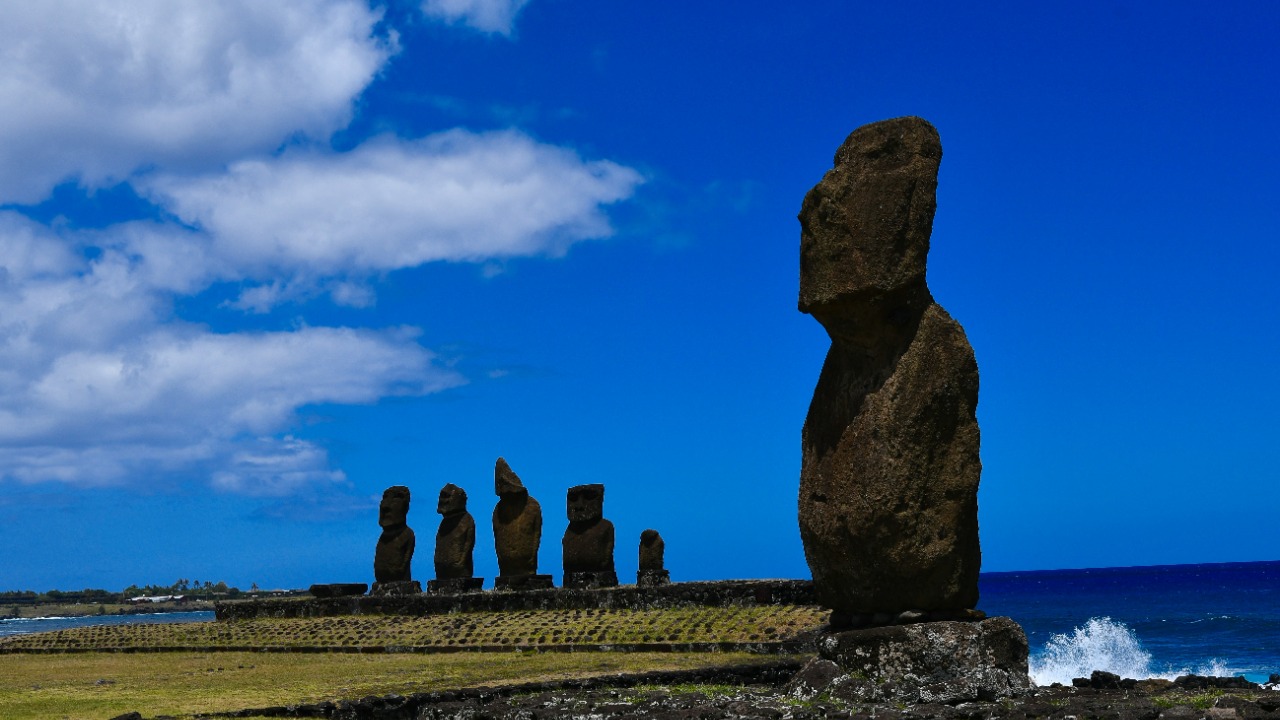
Easter Island holds nearly 900 statues, some over 10 meters tall and heavier than 70 tons, per the same megalith list. The idea that they were moved upright in a ‘walking’ motion rests on oral tradition.
That makes the transport story a tradition-backed account rather than a settled engineering result. The sheer size of the figures is what keeps the question of movement alive.
4. Nan Madol: A City on the Water
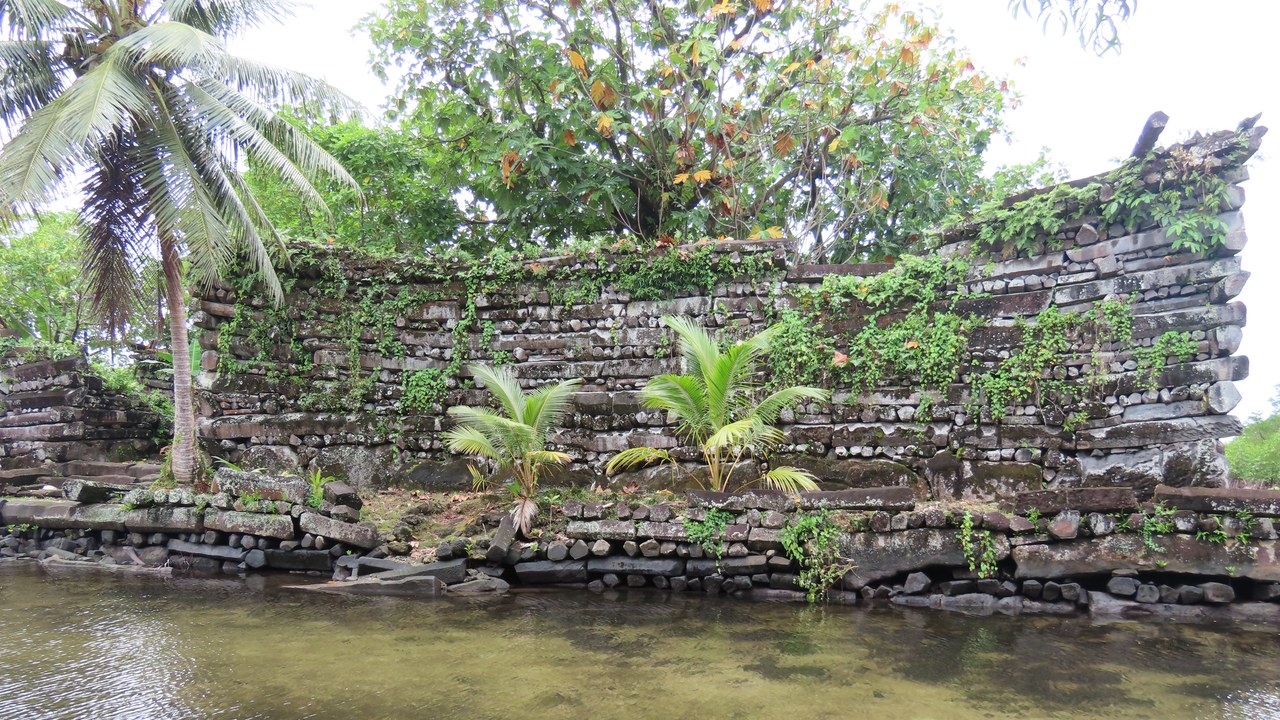
Built between the 13th and 17th centuries on the water, the site used basalt logs weighing several tons, as Science News Today reports. How those logs were transported remains under investigation.
The era is comparatively recent next to other entries here, yet the logistics are still unexplained. Moving multi-ton stone across a lagoon is the practical puzzle researchers keep returning to.
5. Baalbek: Stones of Staggering Weight
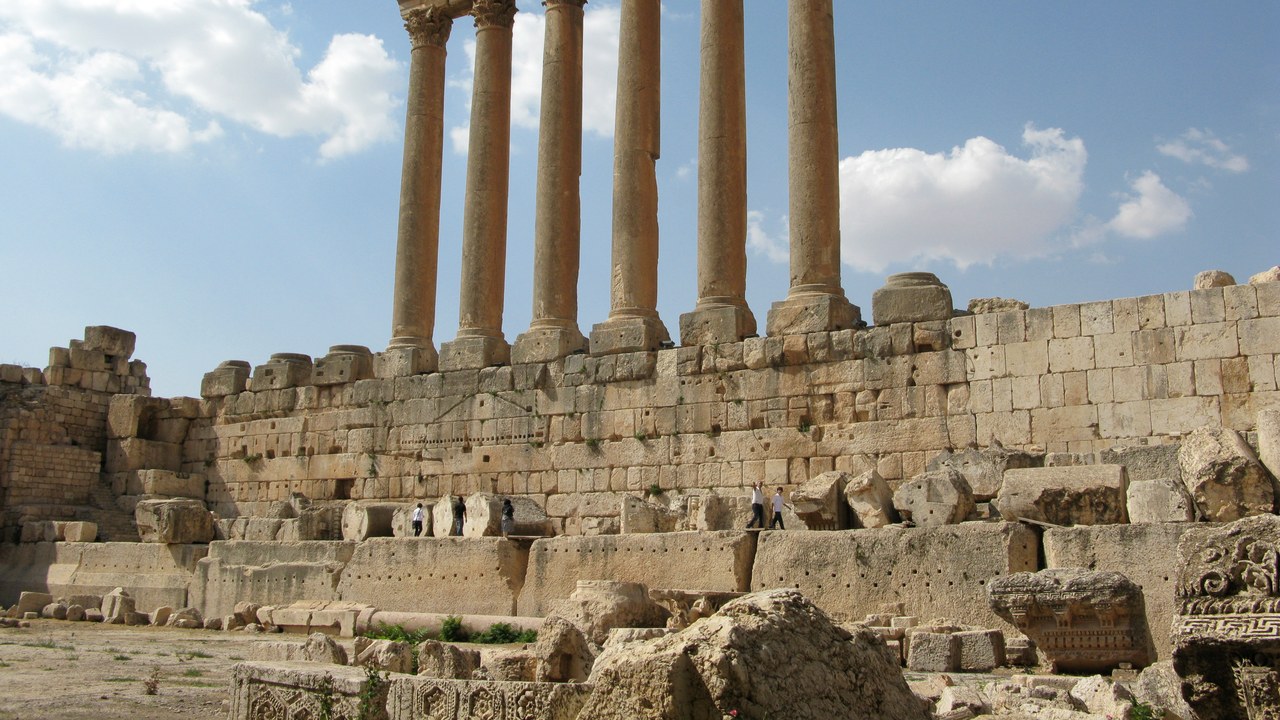
The trilithon stones at the Lebanese site weigh up to 800 tons each, according to the roundup of megalithic structures. They sit within a complex best known for its Roman temples.
Whether the foundations predate those Roman temples is debated. The size of the blocks fuels the argument, since the labor needed to quarry and place them is hard to picture.
6. Sacsayhuamán: Fitted Giants in Cusco
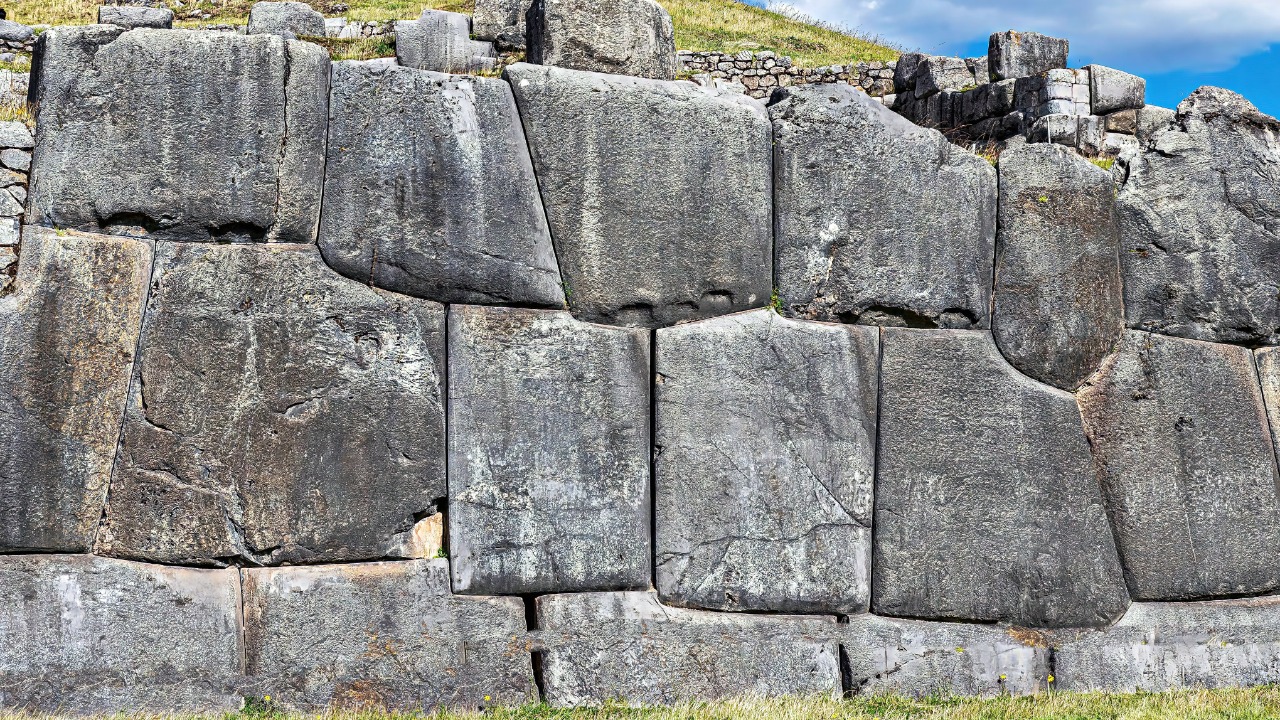
This 15th-century Inca site includes some stones weighing more than 100 tons, as Science News Today notes. The walls are made of huge blocks set tightly together in the Andean highlands near Cusco.
The date is comparatively firm, so the puzzle here is method rather than age. The scale of the stones is what places the site among the great megalithic mysteries.
7. Nazca Lines: Drawings for the Sky
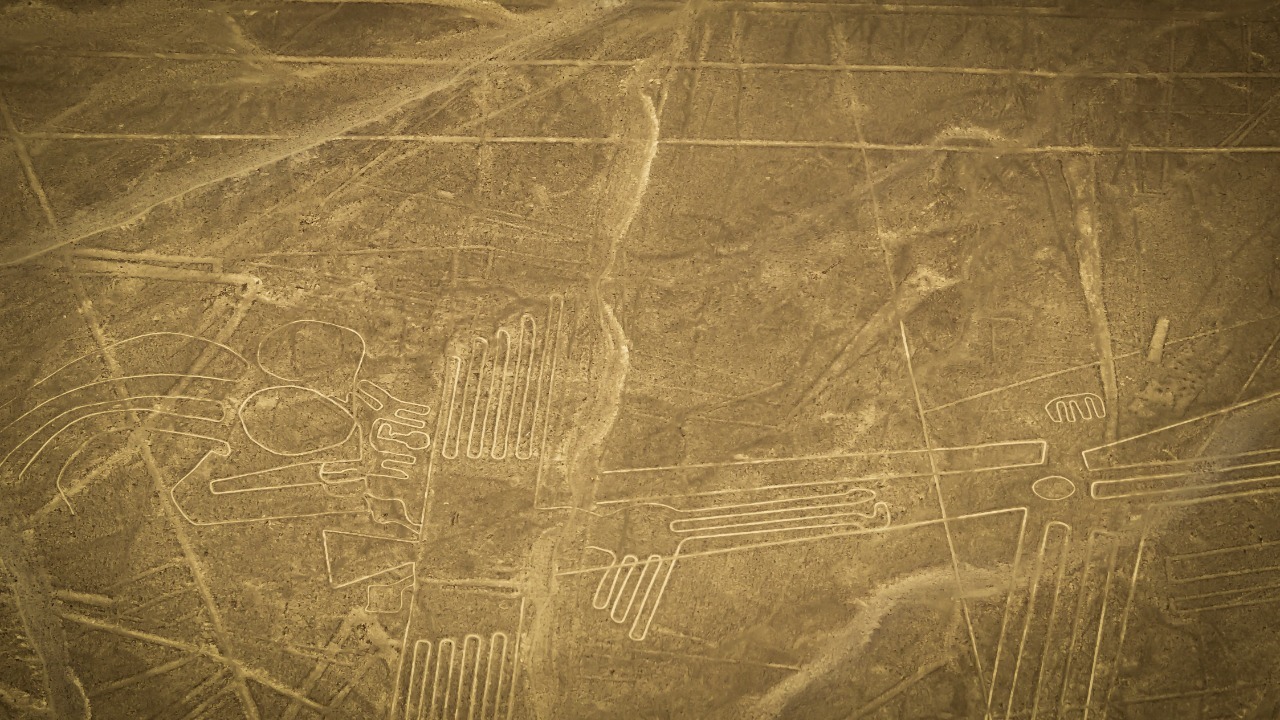
The geoglyphs are up to 2,500 years old and spread across about 200 square miles, according to a HISTORY feature on ancient sites. Why they were made is ‘a matter of considerable debate.’
Suggested purposes include rain rituals, astronomy and pilgrim routes. The article treats these as competing ideas, and none is presented as the confirmed reason the lines were drawn.
8. Teotihuacan: The Enigmatic City
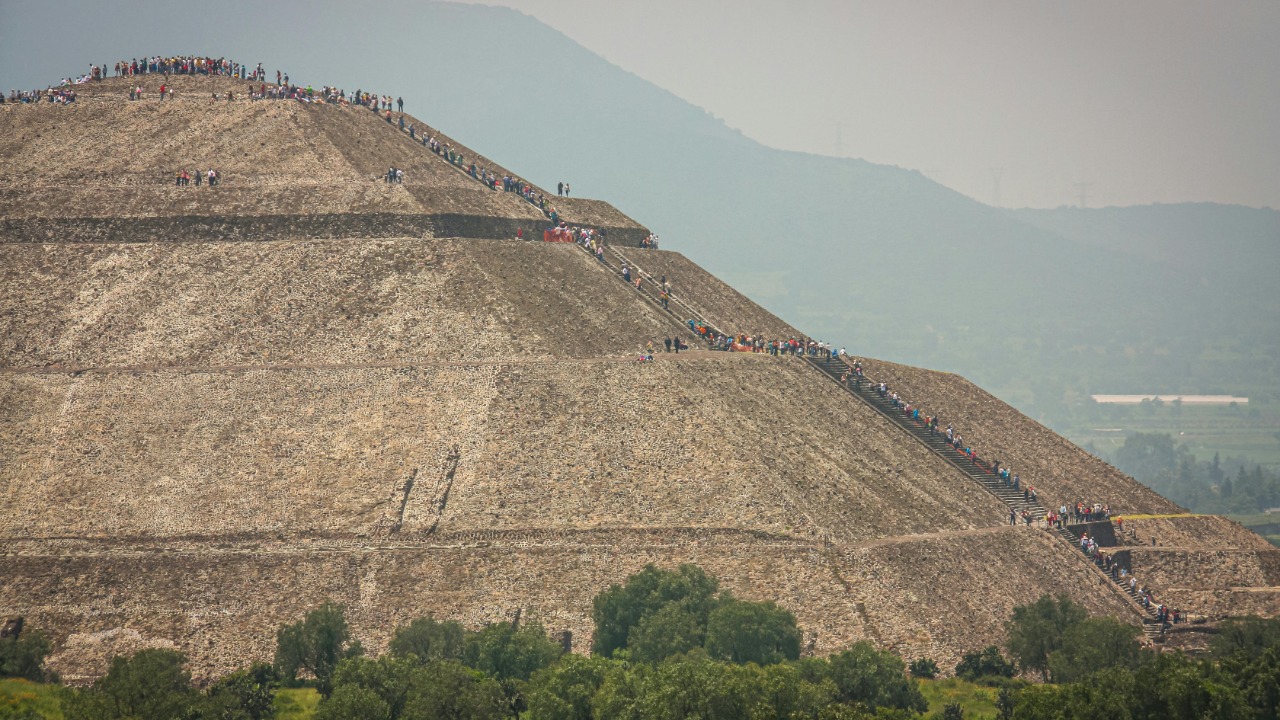
Built around A.D. 200, the city features a Pyramid of the Sun over 200 feet tall, raised by what HISTORY calls an enigmatic civilization. The same source says it was mysteriously abandoned around the seventh century.
Both the identity of the builders and the reason for the departure are left open in the article. The pyramid itself stands as the visible evidence of how large the effort was.
9. Tiwanaku: Precision at Altitude
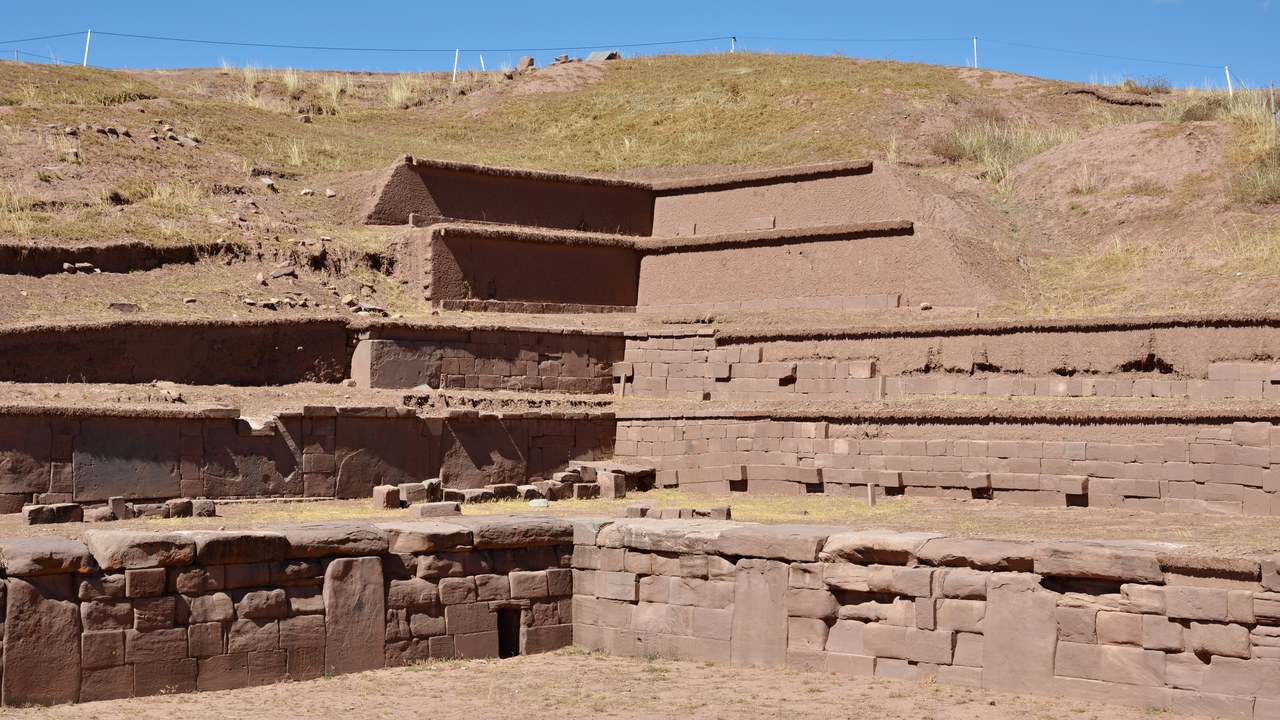
The site sits over 12,500 feet above sea level, with blocks over 100 tons cut so precisely that they fit together without mortar, per HISTORY.
The combination of thin air and heavy stone is what makes the construction notable. The article stresses the fit of the blocks, not a settled account of how the masons achieved it, so the method remains an open subject.
10. Great Zimbabwe: Power Without Mortar
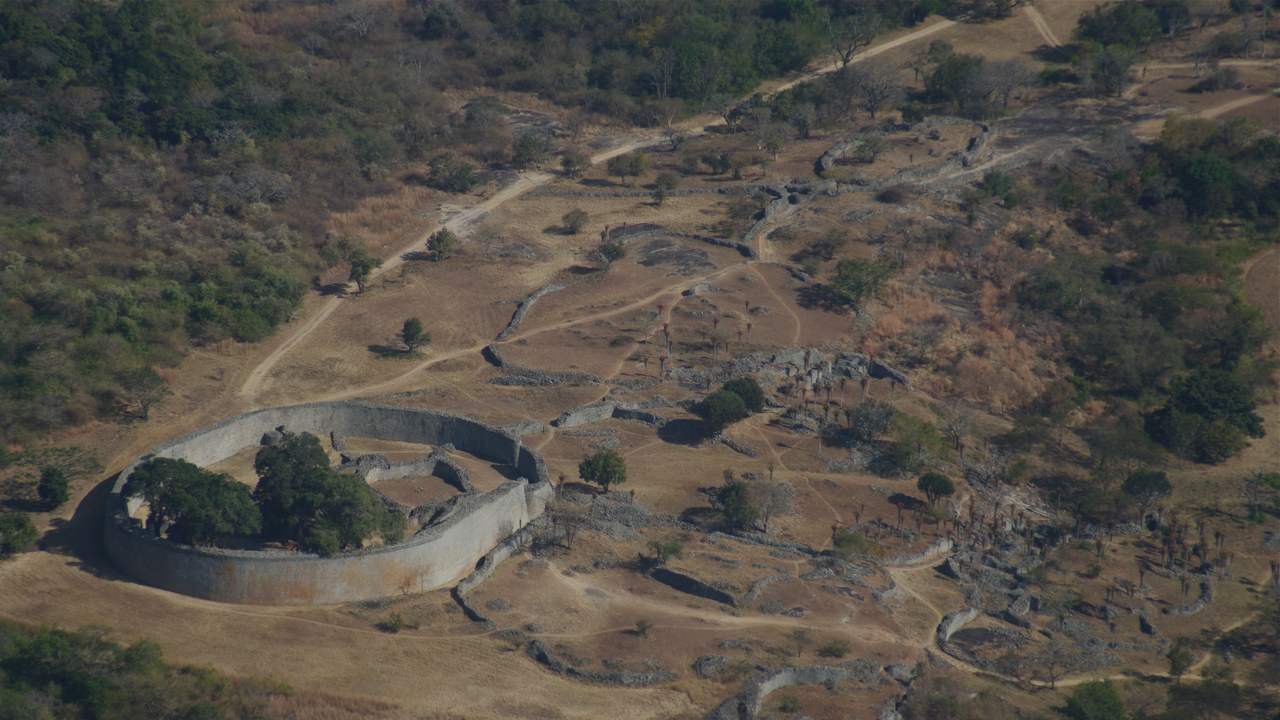
The walls rose between the 11th and 15th centuries without mortar, and questions still remain about how the city’s power actually functioned, according to History Snob.
The dry-stone building is documented, but the political structure behind it is not fully explained. The site illustrates how well-built ruins can still hide how a society was run, even when the walls themselves survive.
11. Plain of Jars: Carvers Unknown
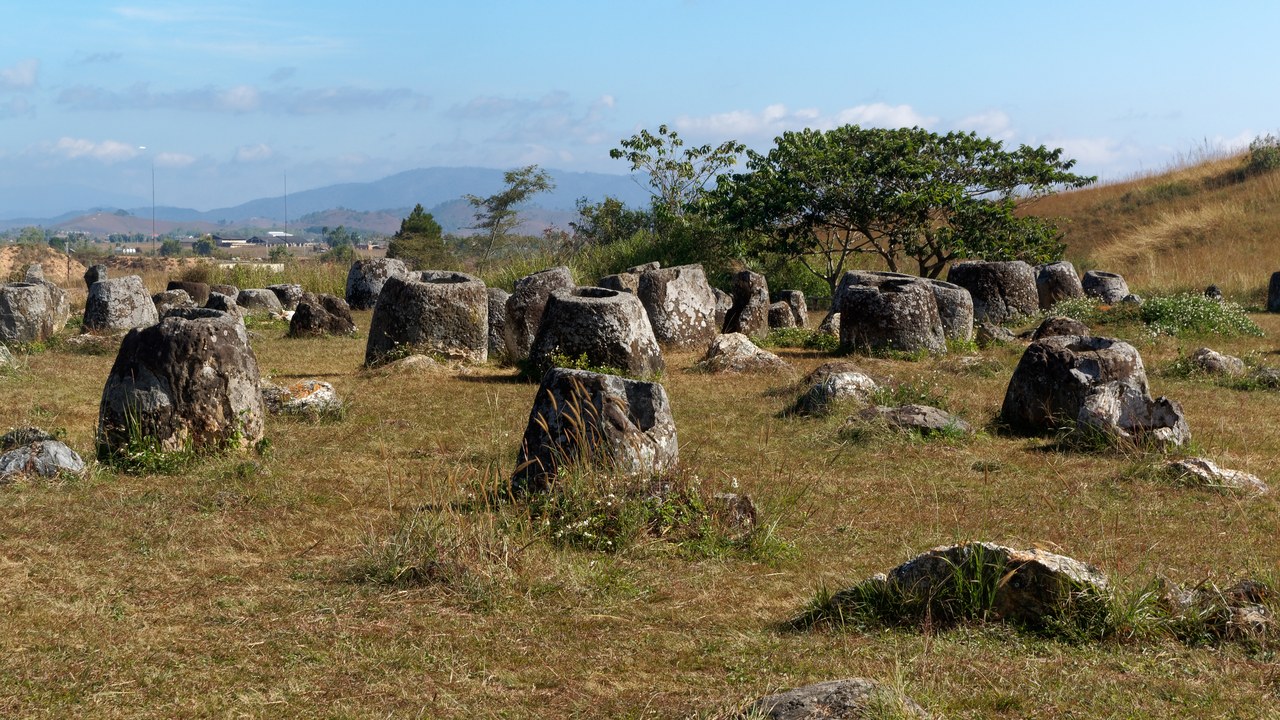
Archaeologists still cannot say with full confidence who carved the thousands of jars scattered across the Laotian plain, History Snob reports. Dating estimates span nearly a thousand years.
That spread is wide enough to make any single story about the makers tentative. The jars remain a clear example of an artifact type whose creators are not firmly identified, despite their number and prominence.
12. Puma Punku: Stonework Without a Recipe
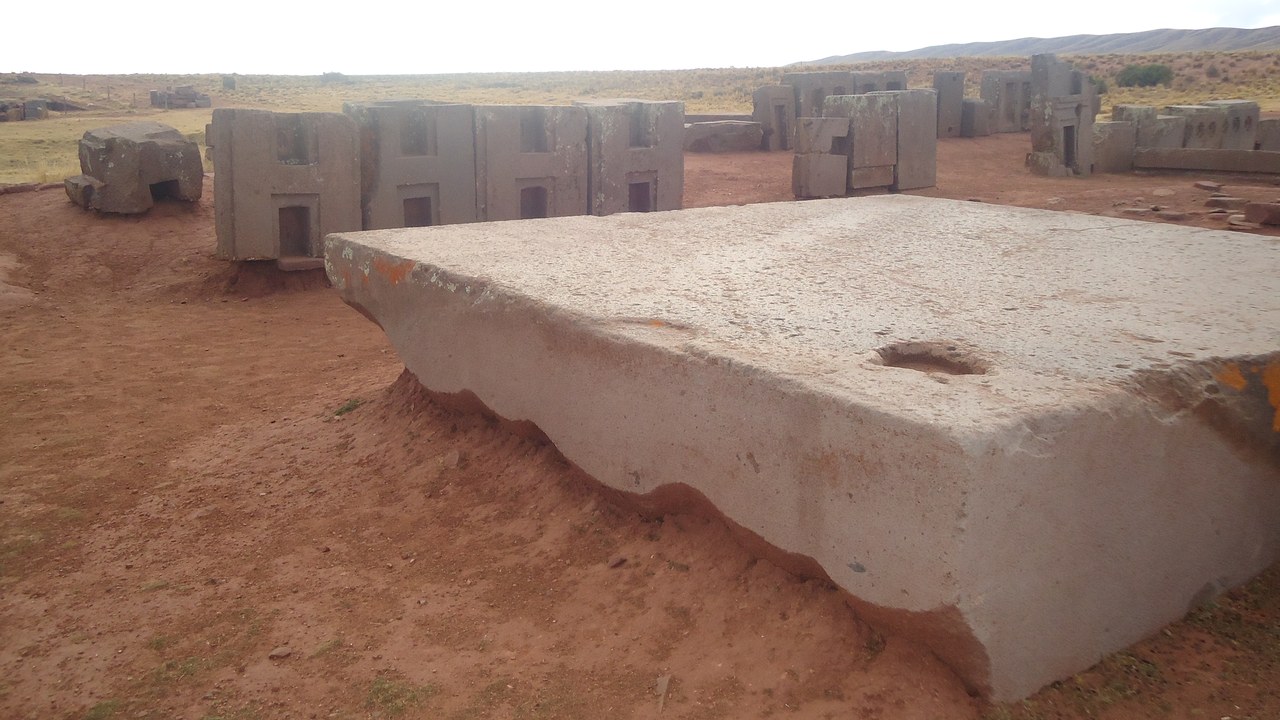
The exact techniques behind the site’s stonework precision, and why it was abandoned, are not fully worked out, according to History Snob.
Two questions stay open at once: how the blocks were shaped and why the place was left. The reporting offers no verdict on either, which is the reason it is listed among places historians cannot fully explain. Careful readers should treat any confident explanation of the work with caution.
13. Gunung Padang: Terraces on a Hill
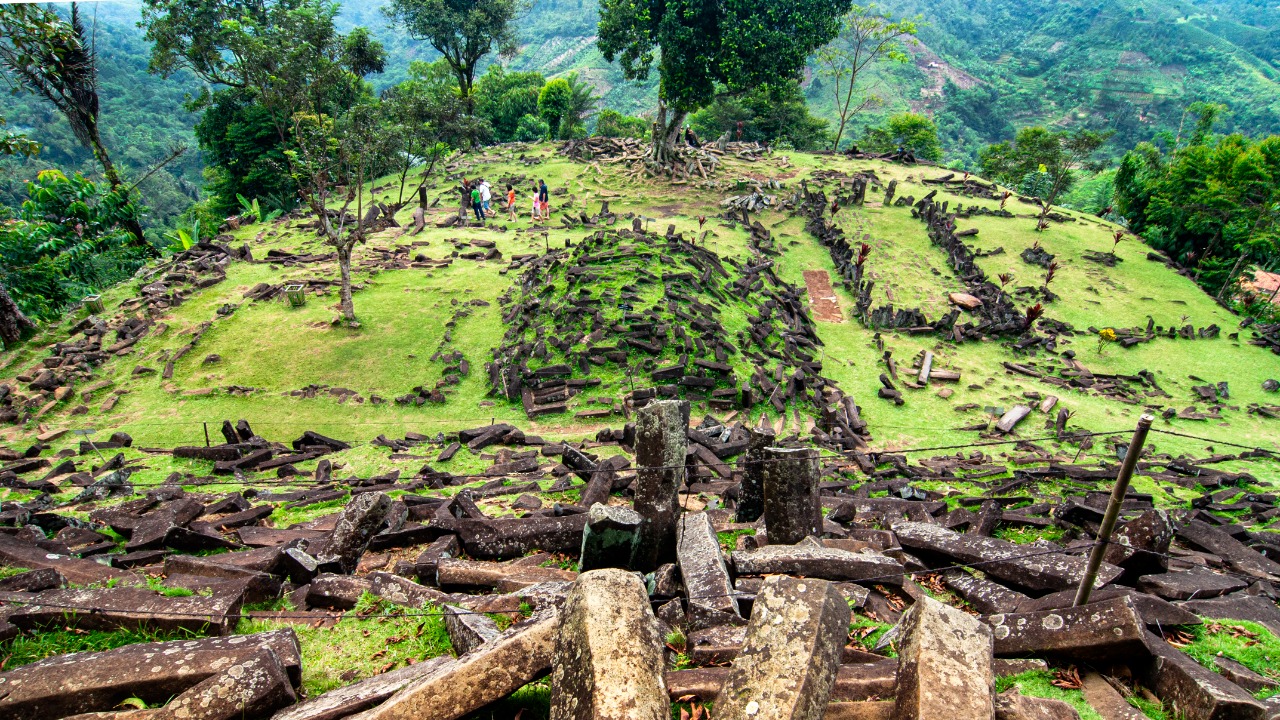
Indonesia’s largest megalithic structure has five terraces of about 900 square meters and a 370-step stairway, per Art in Context. Its date is undetermined.
Claims about where the stone came from are challenged, so even the basic facts of origin are contested. The structure is described as the most mysterious of its kind in Southeast Asia, which keeps it among the contested sites.
14. Ġgantija: Temples With No Named Builders
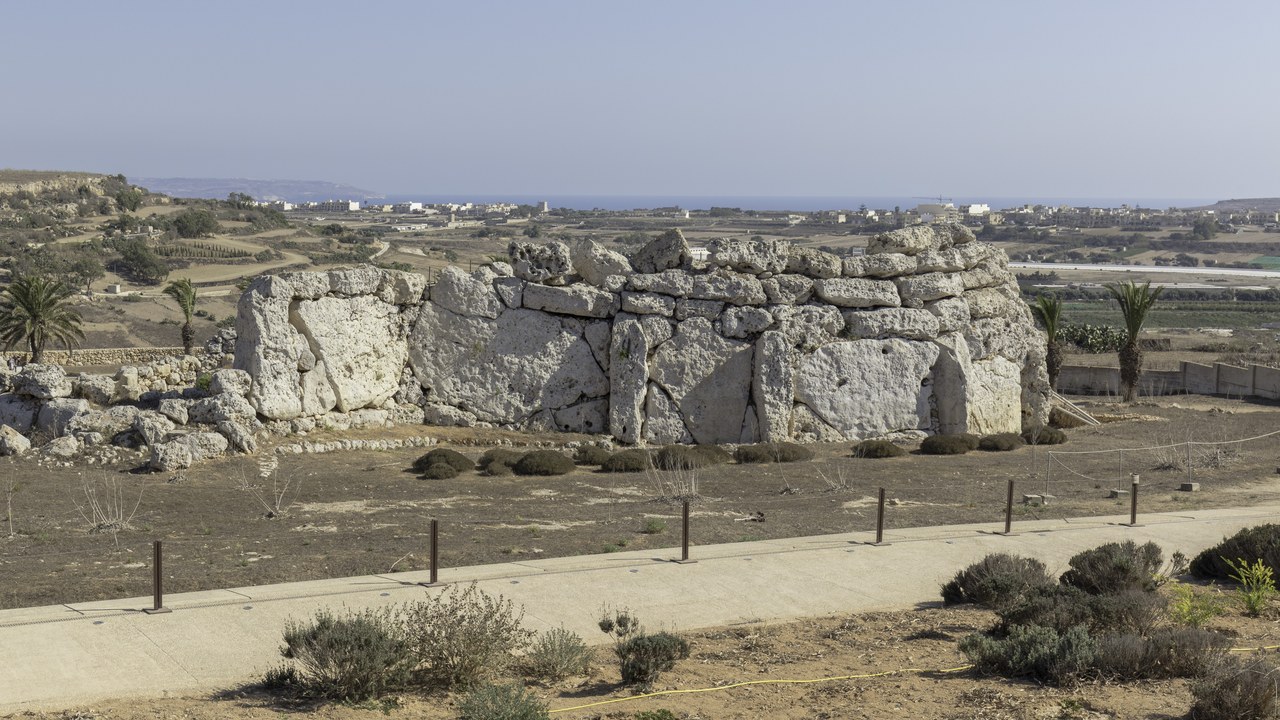
The first building phases date from 3600 to 3000 BCE, according to an Art in Context guide. No historical record names the people who built the Maltese temple complex.
The dates are given as a range, and the absence of any written account leaves the builders anonymous. That silence is the core of why the monument still puzzles researchers, since stones alone cannot name the people who raised them.
15. Almendres Cromlech: Circle of Granite
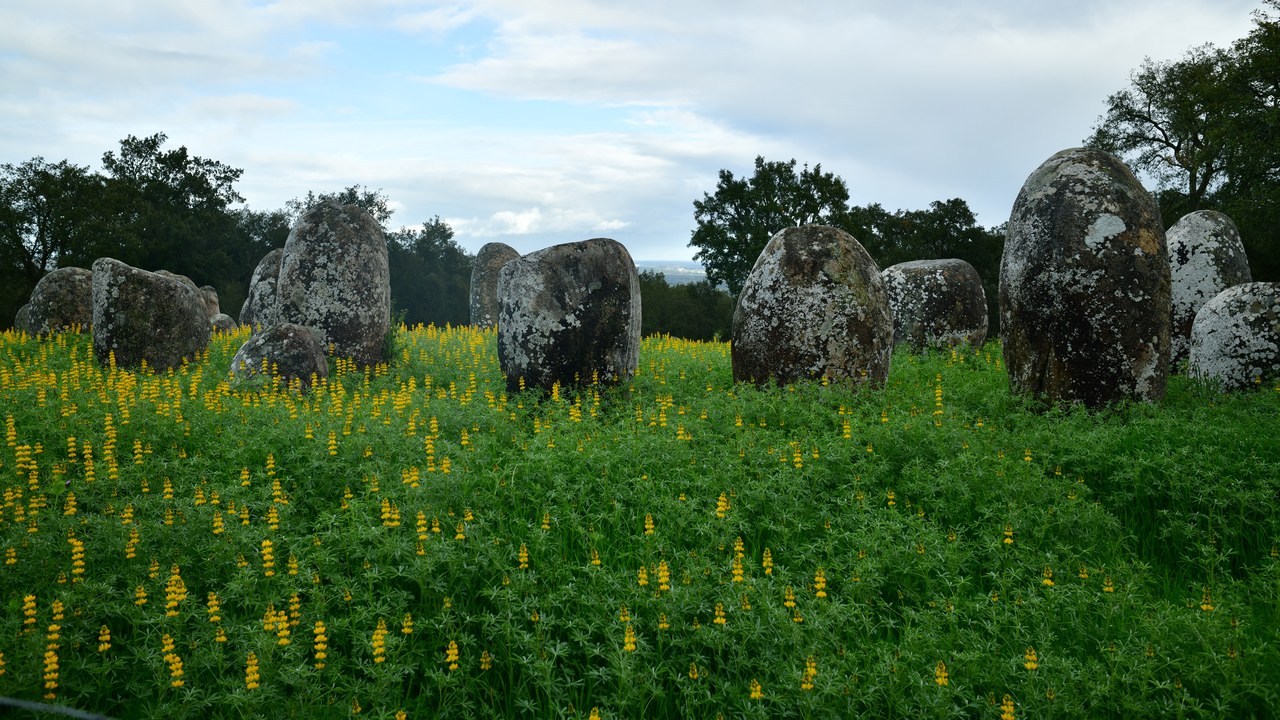
About 92 granite menhirs were set up in three phases from the 6th to 5th millennium BCE, according to Stetson University’s Neolithic studies page on the Portuguese cromlech.
Scholars disagree about its function: a solar cult site, an assembly place or an observatory. The page lists these as speculation, so the purpose of the circle is still unresolved. The count and phasing are the firmer details, while the reasons behind the arrangement are not.
More from Morning Overview
- A flight school faces a $2,388,500 FAA fine for flying an unairworthy plane
- Operational F-15EX jets now fly with extra fuel tanks the Air Force never planned for
- Three shuttered U.S. nuclear plants are being restarted, including Three Mile Island
- Jeep’s new Recon sold just 19 units in 45 days, the fewest of any model on CarEdge’s worst-sellers list
