
Bite force is one of the clearest ways to compare predators, yet the numbers behind it range from direct measurements to educated guesses. Published figures for crocodiles, sharks, big cats and even a turtle appear in different units and with different levels of certainty. Here are seventeen animals with the most powerful bites on Earth, with each figure scoped to its source.
Read next on Morning Overview: Jeep’s new Recon sold just 19 units in 45 days, the fewest of any model on CarEdge’s worst-sellers list
1. Saltwater crocodile: The Measured Champion
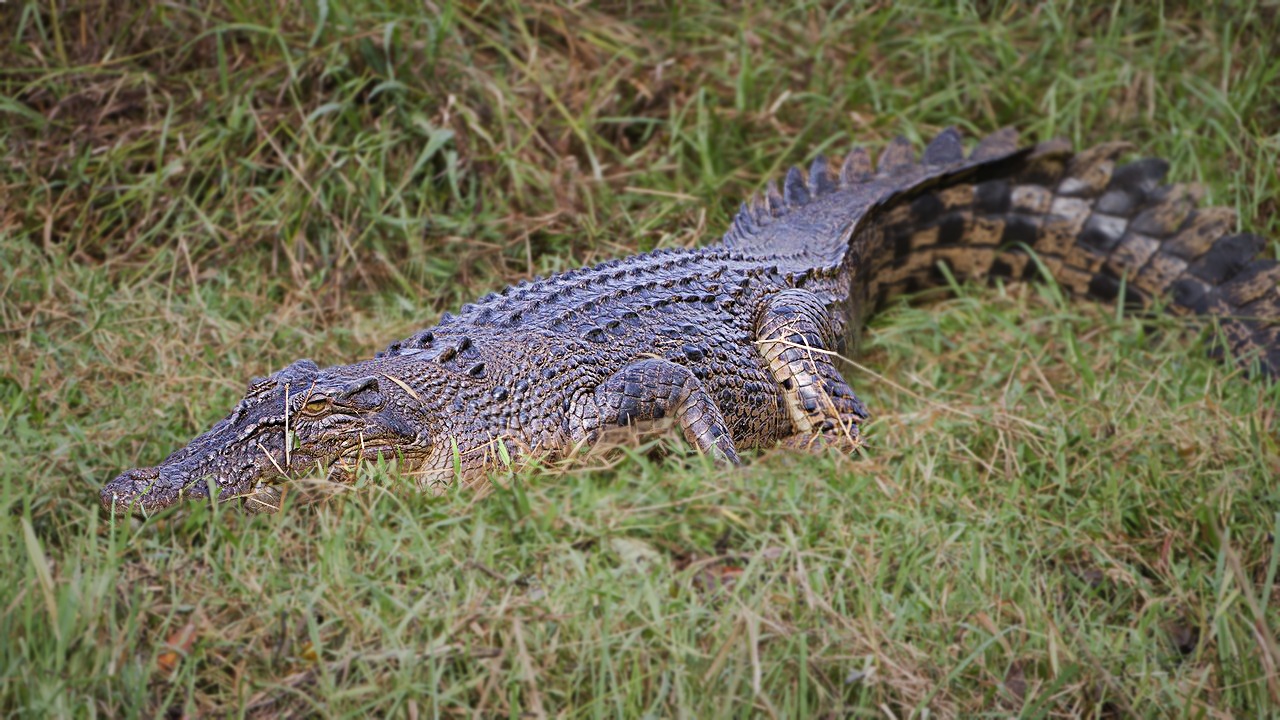
Researchers recorded one saltie biting with a force of 16,460 newtons, according to Discover Wildlife’s bite ranking. That reading makes it the strongest bite measured from a living animal on the list, and it sits at the top of this gallery for that reason.
The figure comes from a single recorded animal, so it marks what one saltwater crocodile managed rather than an average for the species. Several larger-sounding numbers further down the list are estimates, which makes a direct measurement the firmer claim.
2. Nile crocodile: A Number Built on One Test
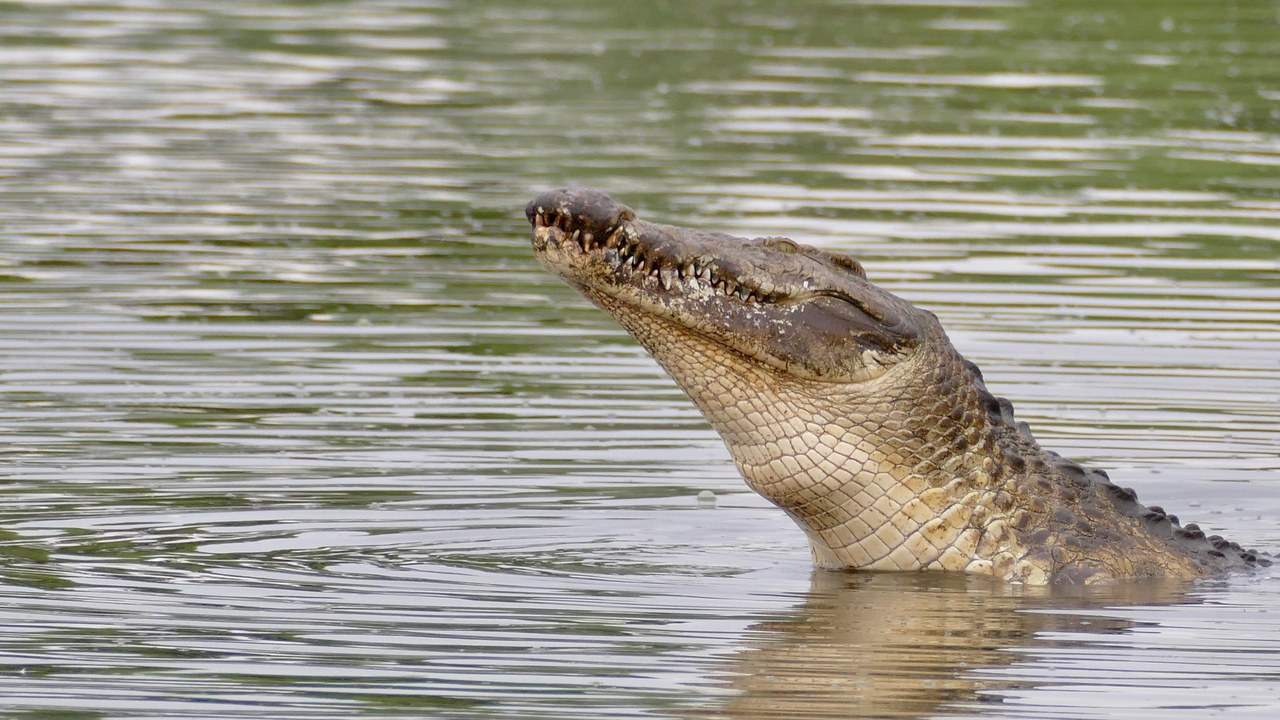
A bite force of up to 5,000 psi is credited to this reptile in a Sciencing bite-force ranking. The same source adds that the figure may be based on a single field test by Dr. Brady Barr.
That caveat matters when comparing the Nile crocodile with other entries. A headline number resting on one field measurement is a weaker foundation than repeated lab data, so the ranking is better read as a strong indication than a settled record.
3. Great white shark: Big Estimate, No Direct Reading
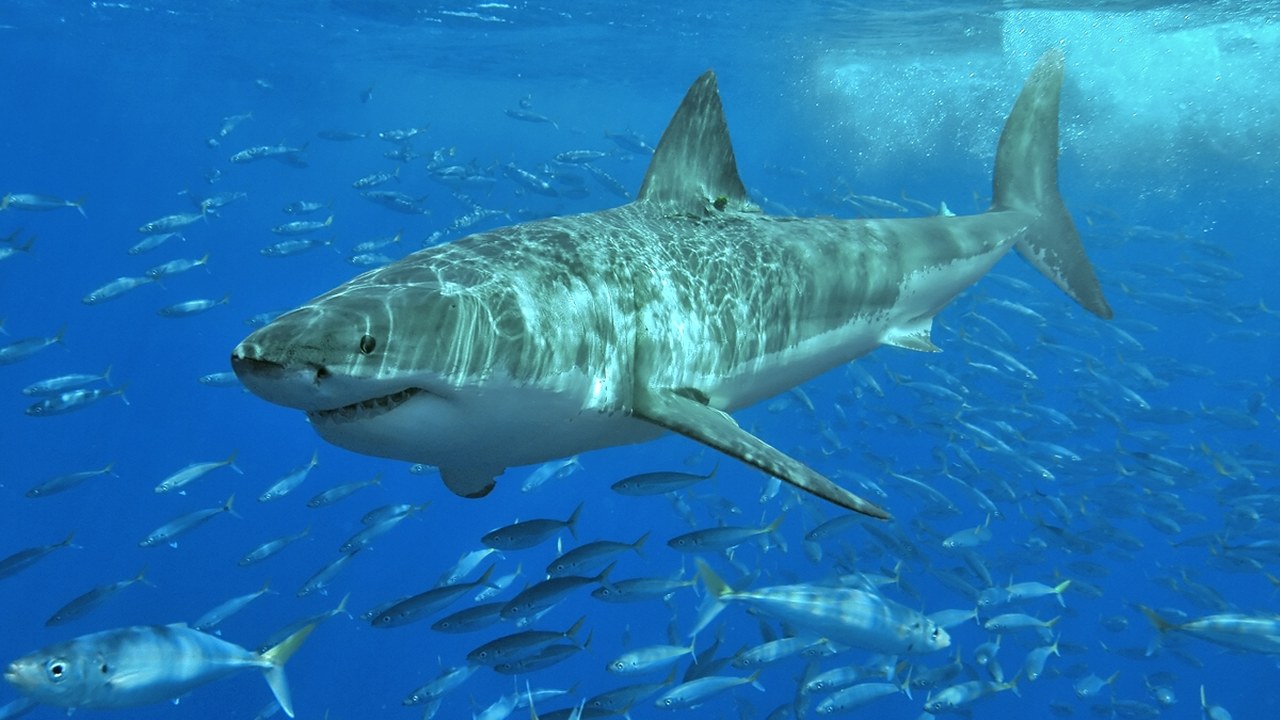
Bite forces of up to 18,000 newtons are attributed to the great white in Discover Wildlife’s guide. The figure is an estimate rather than a direct measurement.
That separates the great white from the saltwater crocodile above it, whose reading was recorded from a living animal. An estimate can sit higher on paper than a measured value without proving the shark bites harder, so the placement reflects the published numbers and not a head-to-head test.
4. Orca: An Estimated Guess
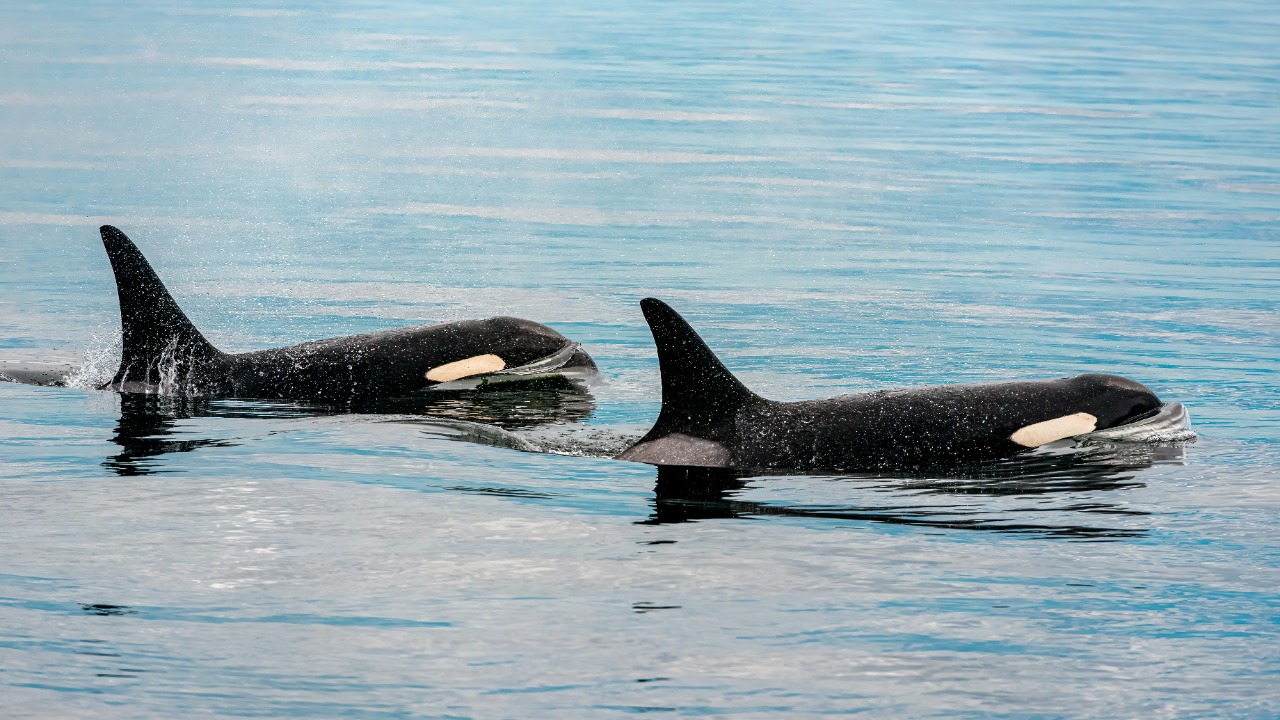
Often quoted at 19,000 psi, the orca’s bite appears in an A-Z Animals ranking that calls the number an estimated guess by marine biologists and scientists.
The orca therefore earns its place on reputation and informed estimation, not on a published measurement. Readers comparing it with the crocodiles should keep that distinction in mind, since the source itself stops short of presenting 19,000 psi as a recorded result.
5. American alligator: Measured by Erickson and Vliet
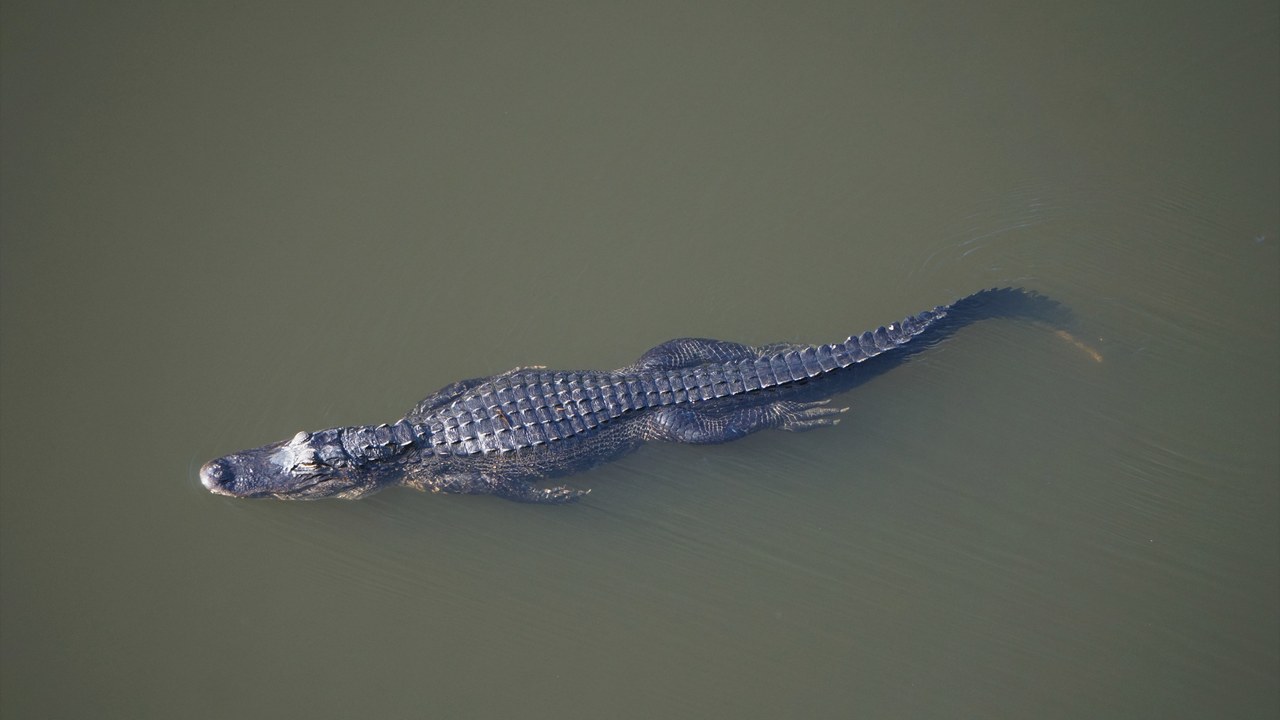
An American alligator was recorded at 2,125 psi in a study by Erickson and zoologist Greg Vliet, as described in a Sciencing report on bite forces.
Unlike the orca and great white estimates, this figure traces to a named study. At 2,125 psi it sits well below the 5,000 psi credited to the Nile crocodile, a reminder that the two large crocodilians are not interchangeable in these rankings.
6. Hippopotamus: A Mouth Built for Show
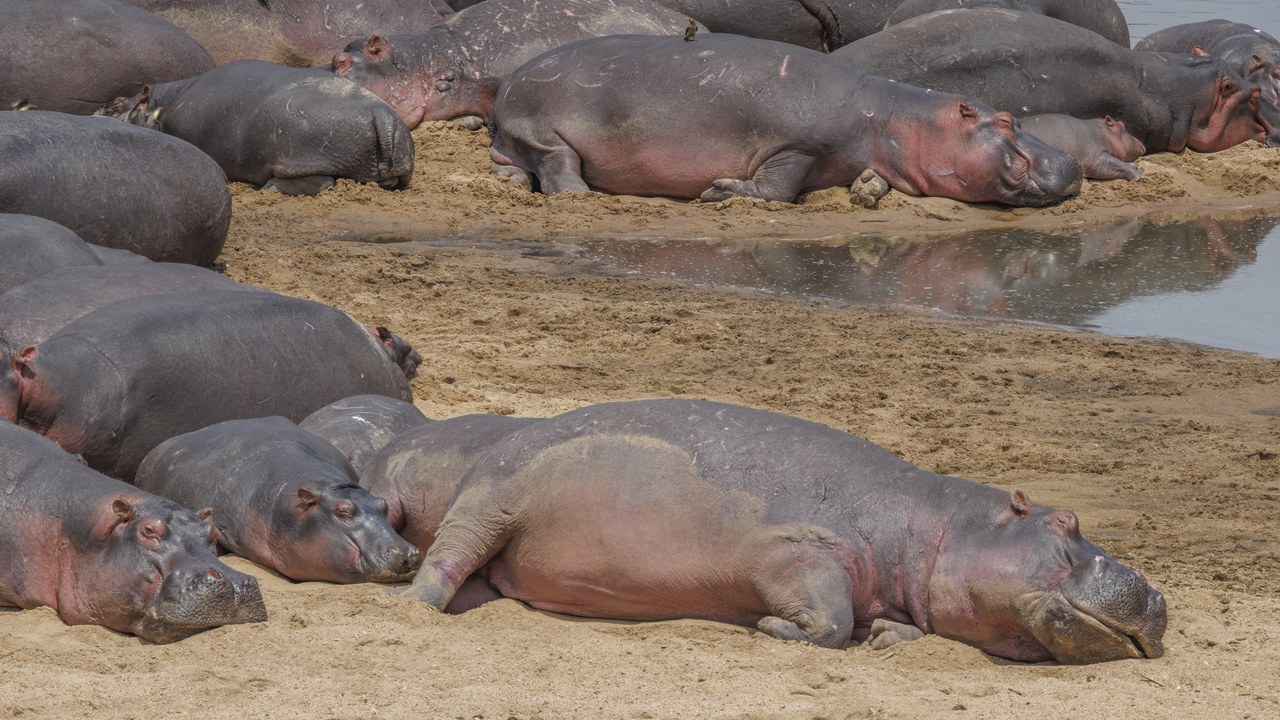
The hippopotamus is listed at 1,800 psi, according to Sciencing’s strongest-bite list, which says it can bite down with the force of 1,800 psi.
The source gives the number without an accompanying study or measurement method. It still places the animal ahead of the jaguar and the big cats on this list, which makes the hippo a heavyweight among the mammals in this ranking.
7. Jaguar: A Guinness-Attributed Figure
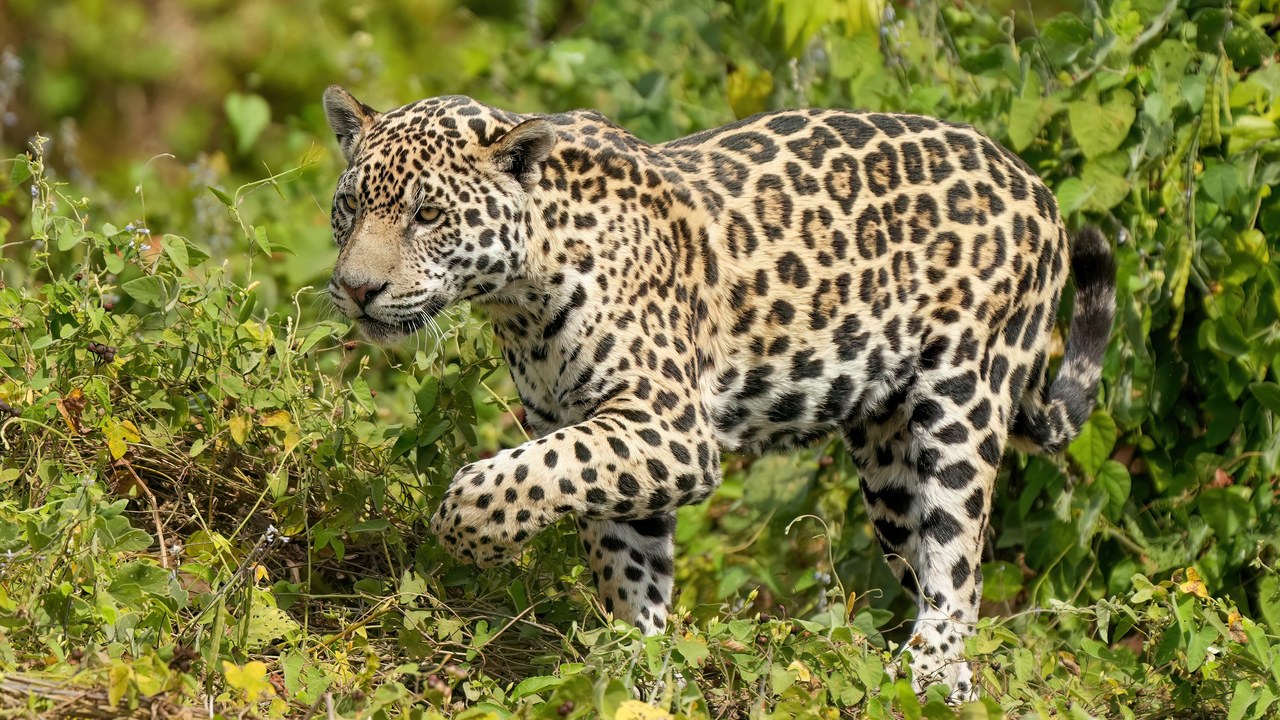
The jaguar produces 1,500 psi, a figure that Sciencing attributes to Guinness World Records.
That makes it the strongest biter among the big cats in this gallery, ahead of the tiger and the lion. The number is a published attribution rather than a new measurement, so it is best read as the commonly cited figure for the species, with the usual caution that bite-force values differ between sources.
8. Bull shark: Listed at 1,350 PSI
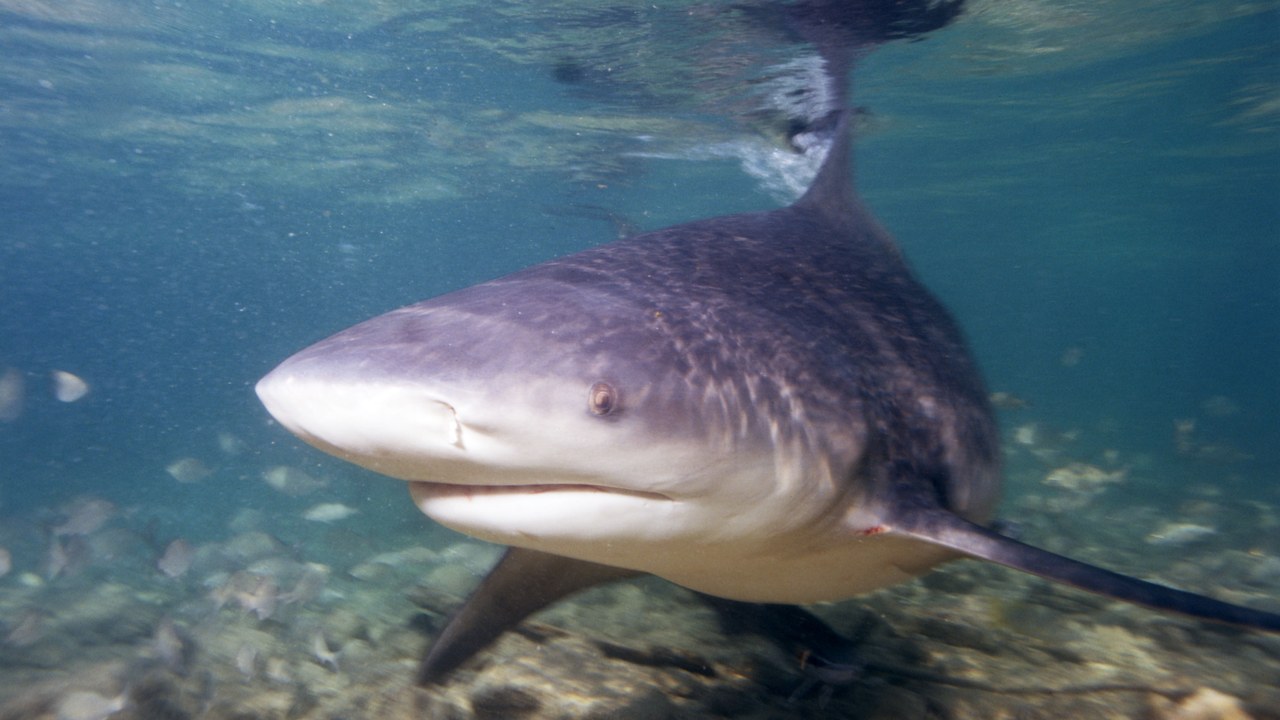
The bull shark is listed with a bite force of 1,350 psi in an A-Z Animals ranking of animals with the strongest bites.
The source offers a single figure with no range or method. Even so, it puts this shark well above the polar bear and the tiger, and far below the estimates attached to the great white and the orca elsewhere on the list.
9. Polar bear: Land Carnivore, Rough Estimate
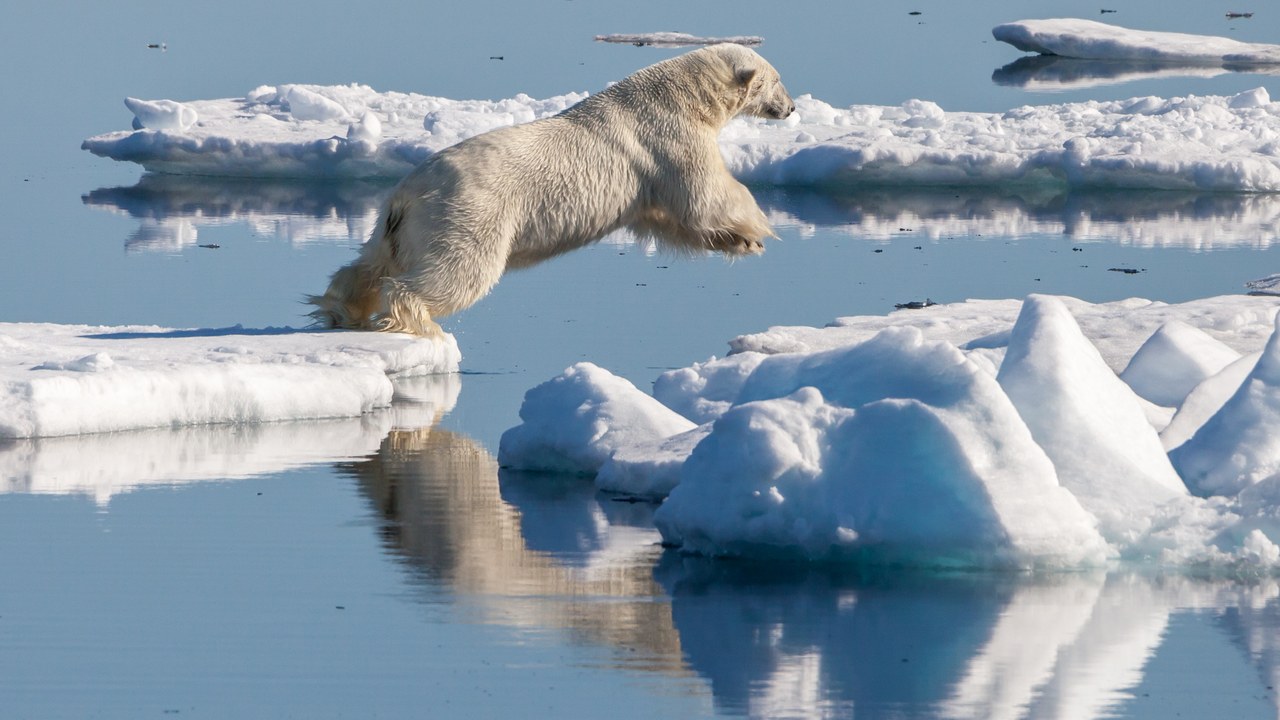
A bite force of around 1,200 psi is the estimate given for the polar bear by Sciencing’s bite-force article.
The wording is an estimate, and the source does not describe how it was reached. Polar bears land mid-table here, behind the hippopotamus and jaguar but ahead of the tiger, so size alone does not decide where an animal ranks on bite force.
10. Spotted hyena: Two Very Different Numbers
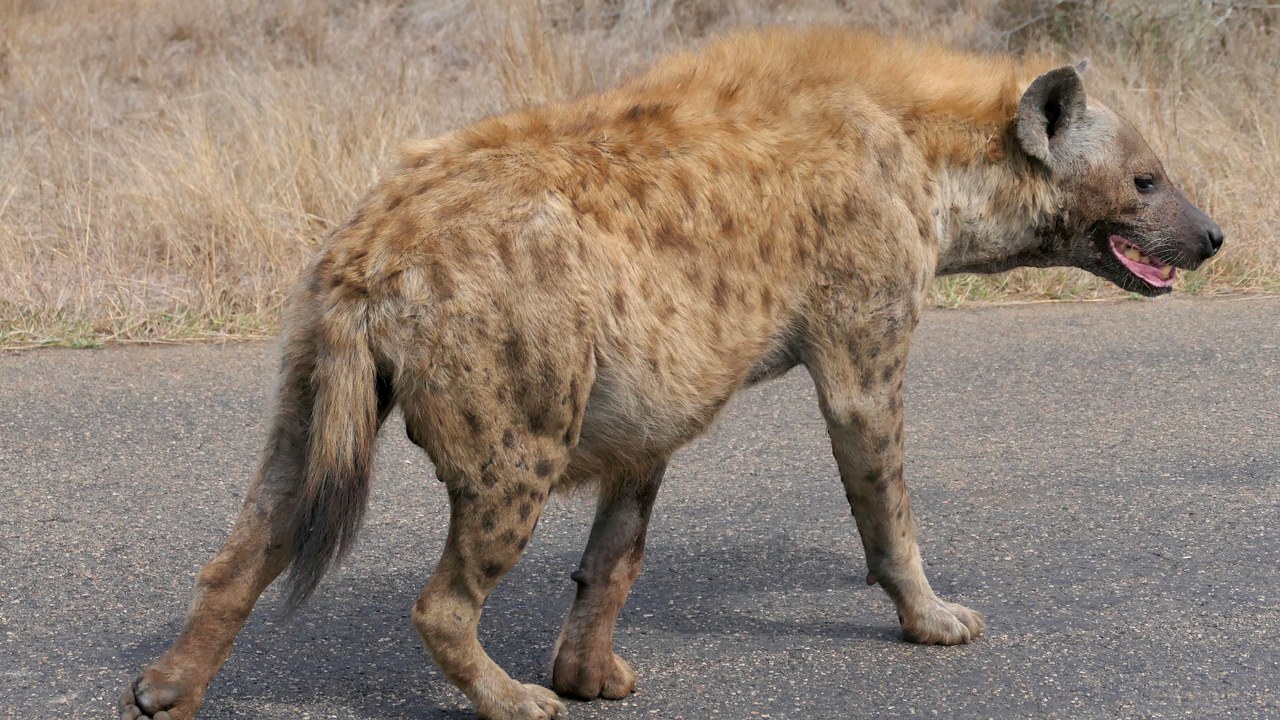
Most estimates of spotted hyena bite force range between 500 and 1,000 newtons, notes Discover Wildlife. One individual was measured at 4,500 newtons in 2000.
The gap between the typical estimate and the single measured animal is large. Because the higher reading comes from one individual in 2000, it shows what is possible for a hyena without describing what a typical bite delivers.
11. Tiger: Near Hyena Territory
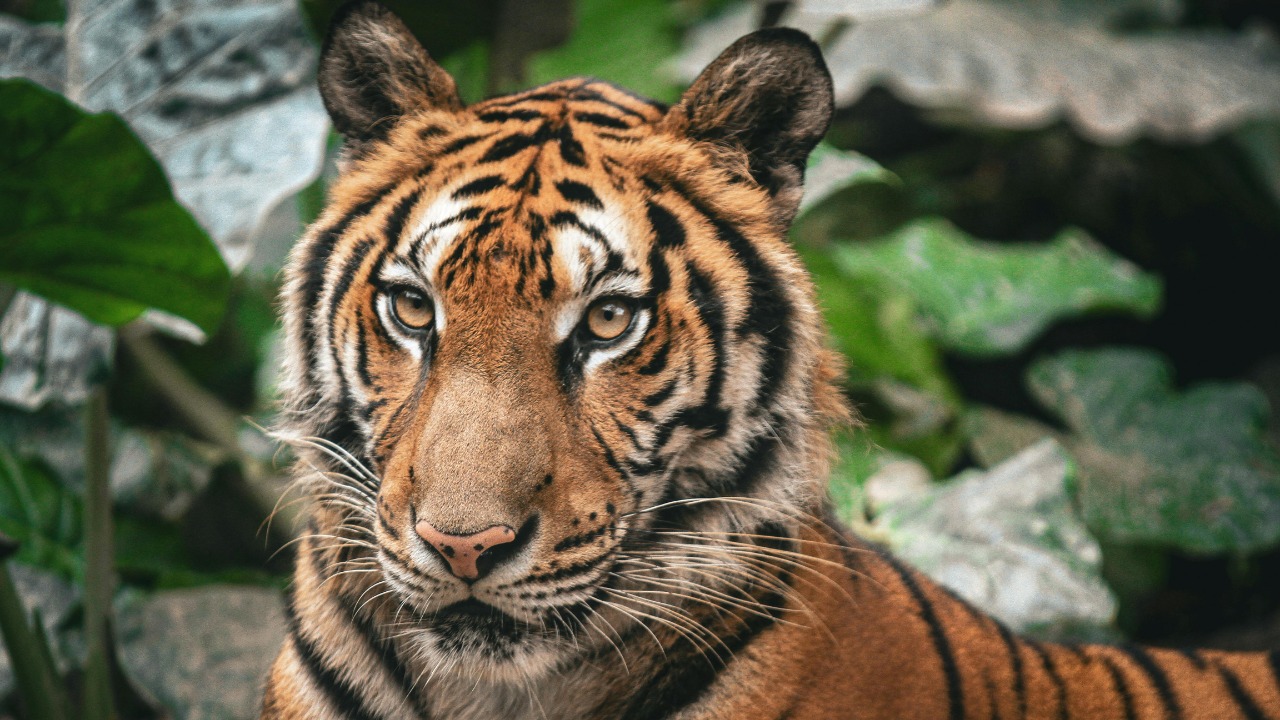
Bengal tigers can reach about 1,050 psi, according to a Sciencing ranking, which describes the figure as nigh-hyena bite force levels.
The number is a rounded estimate for one subspecies. It is lower than the jaguar’s 1,500 psi, so the tiger does not take the top spot among the cats in this list. The source gives a single value and no measurement method, which leaves the number as an approximate guide.
12. Alligator snapping turtle: Freshwater Heavyweight
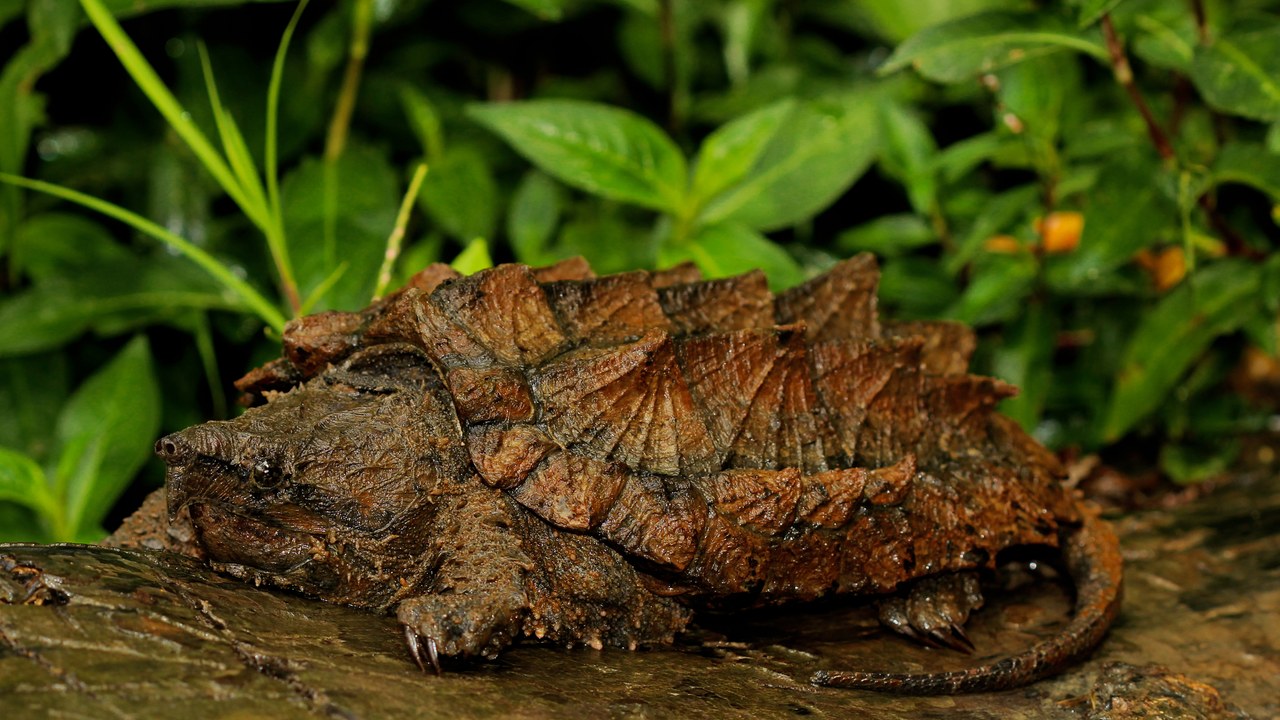
The alligator snapping turtle bites at 1,004 psi, according to A-Z Animals in its ranking of the strongest bites.
The figure puts a turtle in the same range as the tiger and ahead of the lion’s psi estimates. Its inclusion shows that bite force is not reserved for the famous predators, and the single listed value gives no range or method behind it.
13. Lion: Newtons Versus PSI
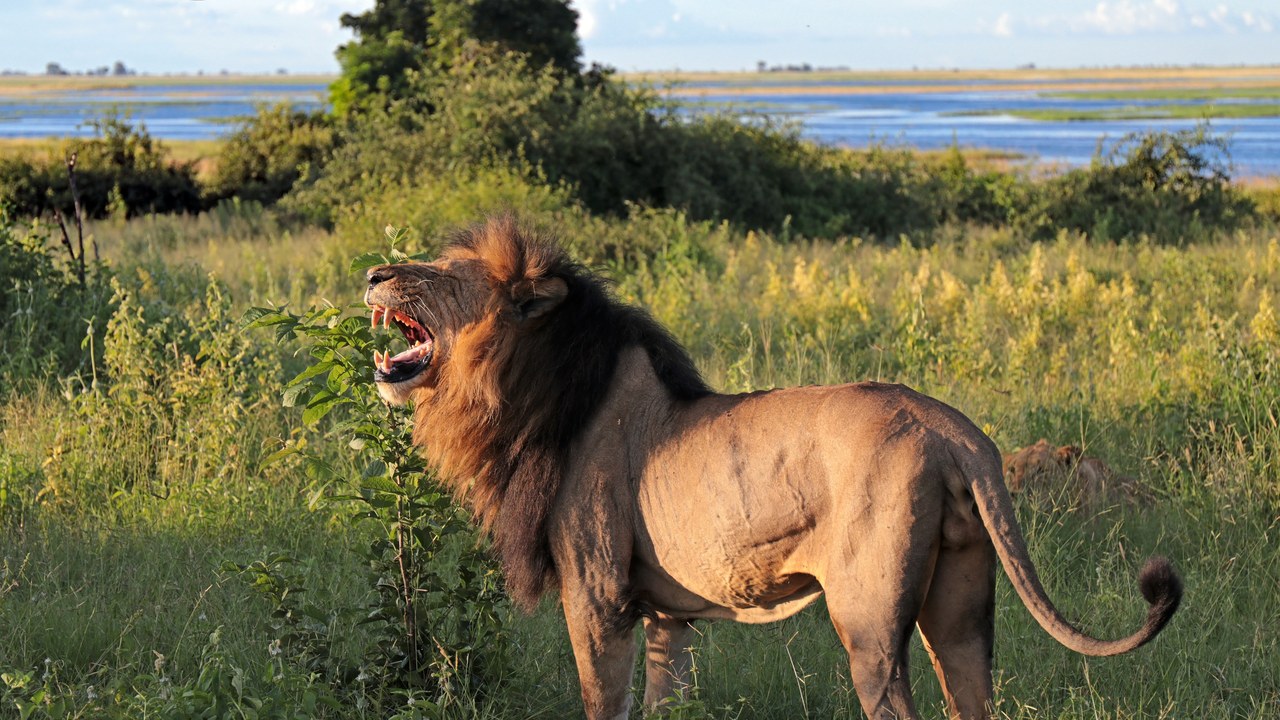
Estimates for the lion range to over 4,000 newtons, as Discover Wildlife reports, though psi figures run lower at 650 to 1,000.
Newtons and psi are different units, so the two ranges are not directly comparable without conversion. The spread also shows how much bite-force numbers shift between outlets and methods, and why the lion sits low on this list despite its reputation.
14. Tasmanian devil: Pound for Pound Champion
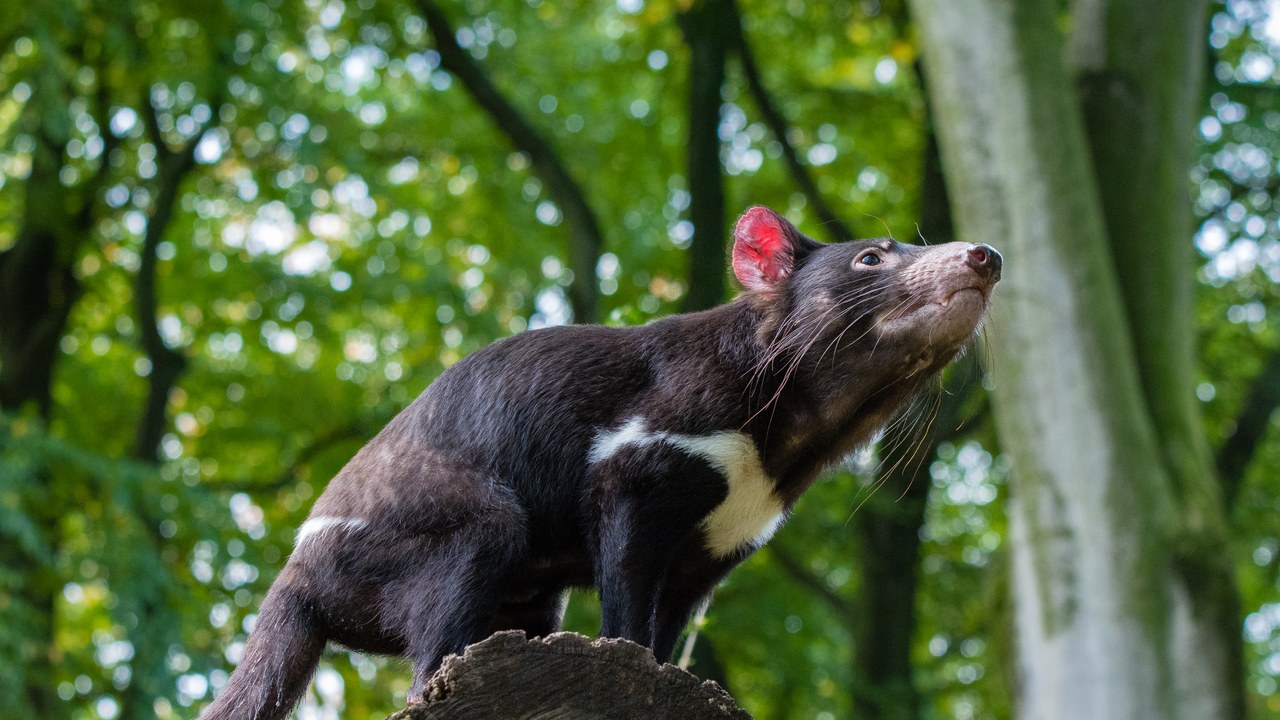
Guinness World Records names the Tasmanian devil as the carnivorous mammal with the strongest bite, giving it a bite force quotient of 181 on its record page. It is also estimated at near 418 newtons.
The bite force quotient adjusts for body size, which explains how a small marsupial earns a record the larger carnivores above it do not. The raw estimate of near 418 newtons is modest next to the crocodiles.
15. Black piranha: Small Fish, Measured Bite
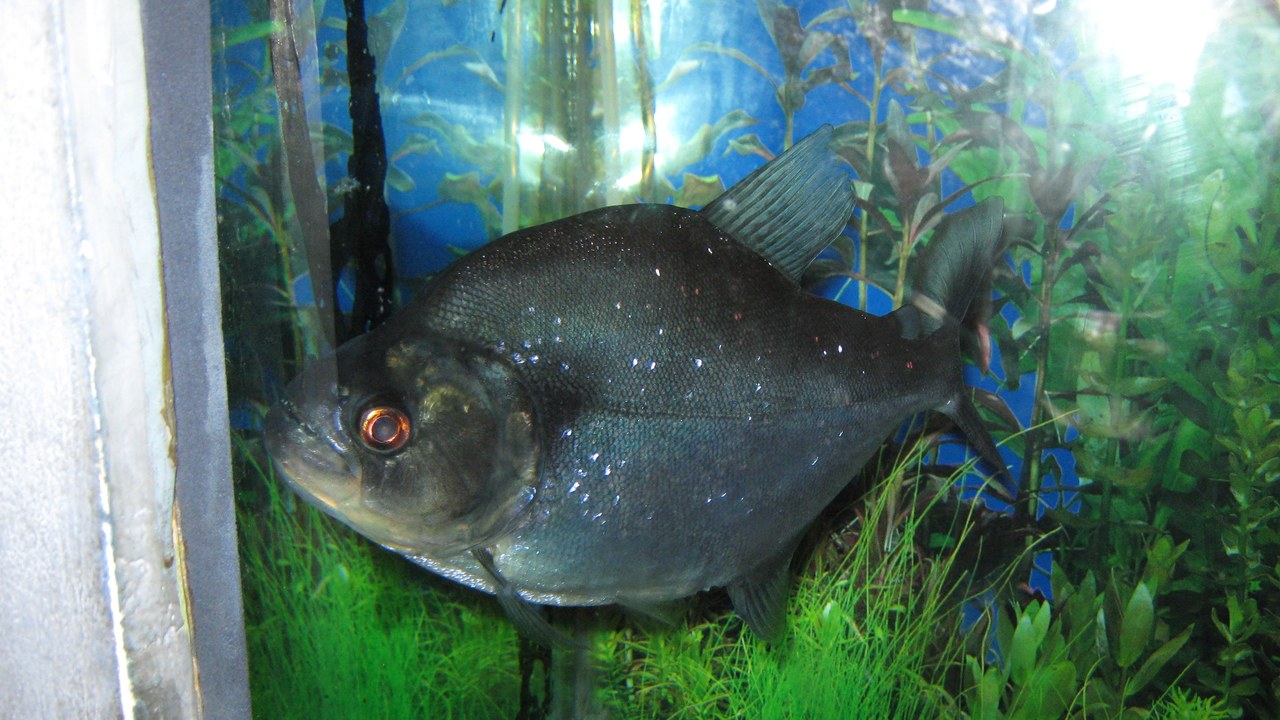
One black piranha was measured biting with a force of 320 newtons, according to Discover Wildlife’s list.
The reading comes from one individual, so it describes that fish and not the species as a whole. It is the smallest figure among the measured newton values in this gallery, yet it still earns the piranha a place on the list. The source gives no second measurement to set beside it.
16. Gray wolf: Listed at 406 PSI
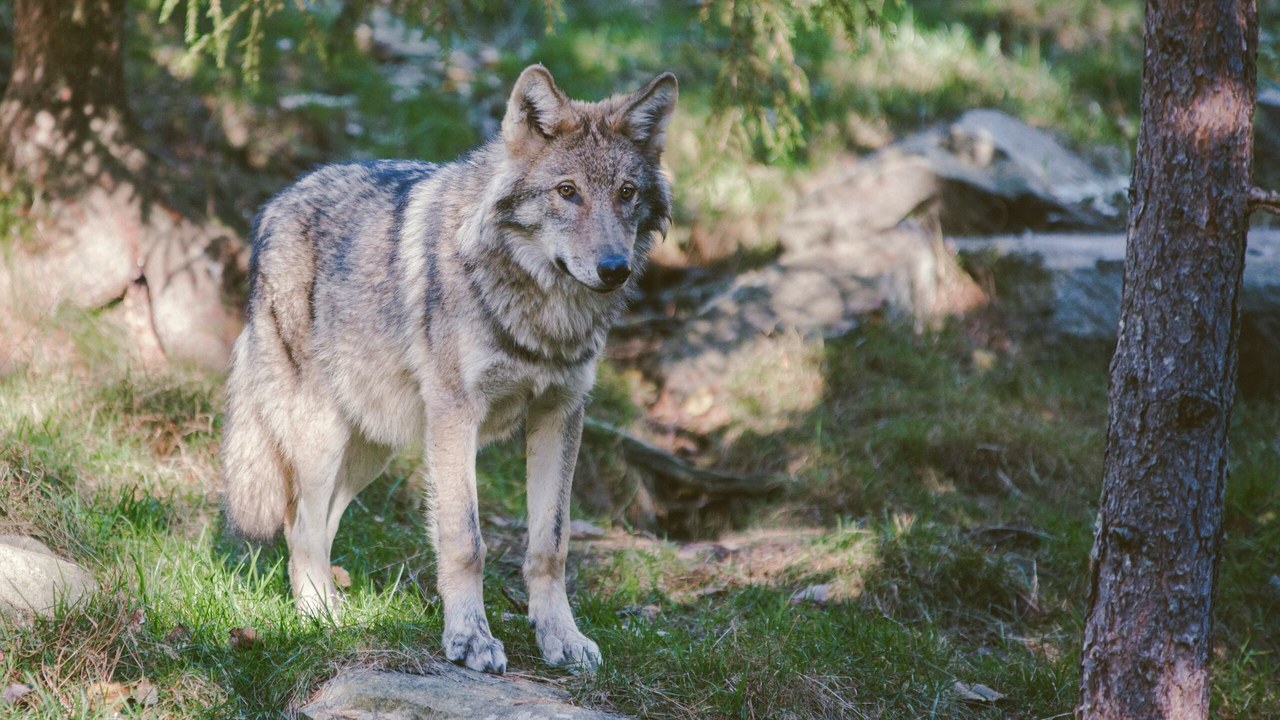
The gray wolf is listed at 406 psi in an A-Z Animals article on the strongest bites.
That is the lowest psi figure in the gallery, and the source gives it without a measurement method. The wolf closes the ranking on its lowest psi value, a useful floor against which the crocodile and shark figures read as far larger. As with most psi entries here, the source offers a value but no study.
17. Kangal Shepherd Dog: The Dog on the List
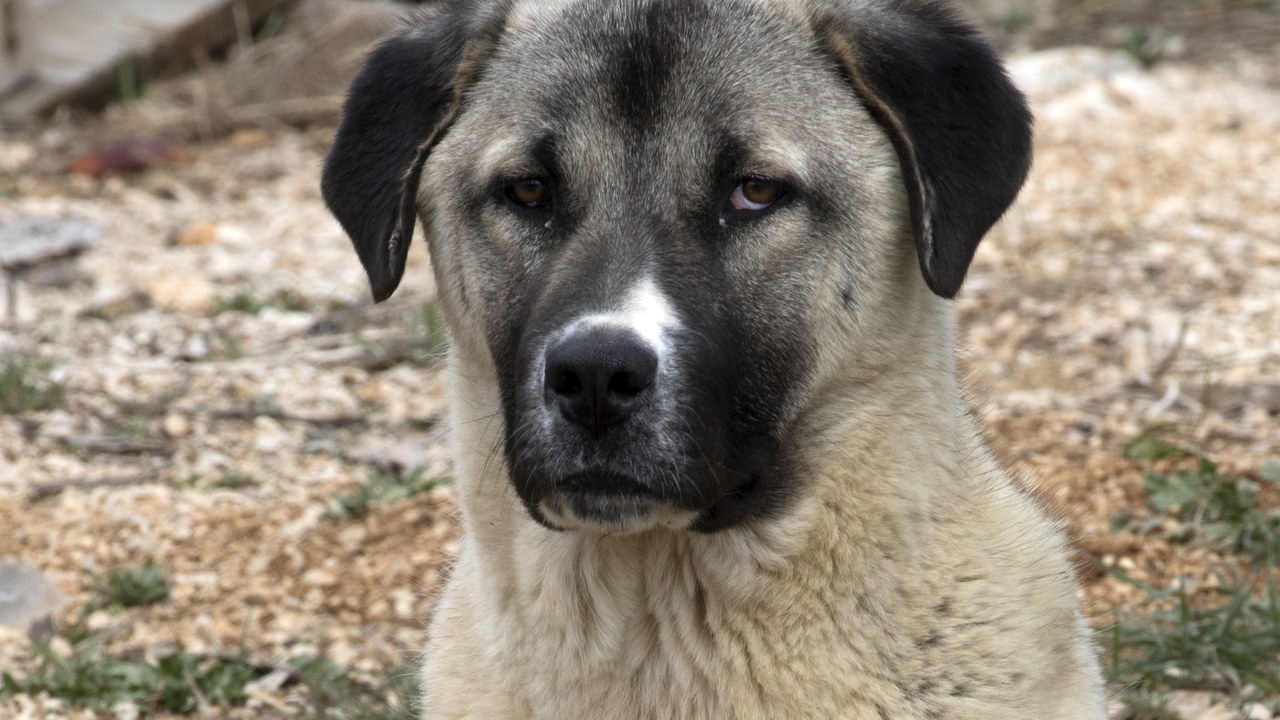
The Kangal Shepherd Dog is listed at 763 psi in A-Z Animals’ ranking, the only domestic dog breed in this gallery.
The figure is a listed value, not a measurement described by the source. It lands above the gray wolf’s 406 psi, which means the dog breed is credited with a stronger bite than the wolf on this list. Lists like this one differ by source, so the ordering should be read loosely.
More from Morning Overview
- The NSA warns phone owners to switch off Bluetooth whenever they aren’t using it
- A flight school faces a $2,388,500 FAA fine for flying an unairworthy plane
- Operational F-15EX jets now fly with extra fuel tanks the Air Force never planned for
- Three shuttered U.S. nuclear plants are being restarted, including Three Mile Island
