
America’s land-based nuclear missile first went on duty in 1970, and the Air Force is still test-firing it more than half a century later. Earlier this week, crews launched an unarmed Minuteman III from the California coast in the third such test this year. This is the story of the missile, the bases that keep it ready and the places it flies.
Read next on Morning Overview: Neanderthals in Spain carved a wooden object that matches nothing archaeologists have ever found
LGM-30 Minuteman III: The First Missile With Multiple Warheads
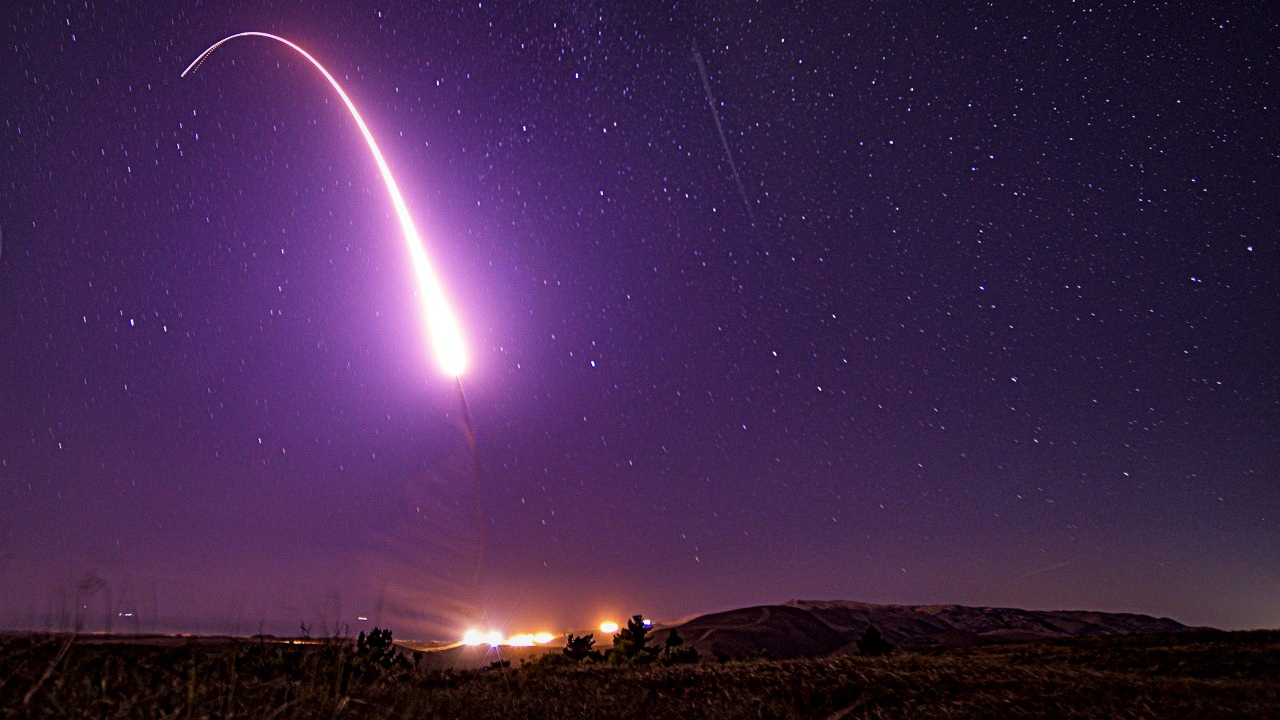
The Minuteman entered service in 1962, named for the colonial militiamen who could be ready to fight on short notice. In 1970 the Minuteman III became the first deployed ICBM with multiple warheads that could each be aimed at a different target, three smaller warheads meant to get past Soviet missile defenses.
The missiles were later reduced to a single warhead each, a change in place since 2016. By the 1970s, 1,000 Minuteman missiles were deployed, a force that had shrunk to 400 Minuteman III missiles by 2017. The new LGM-35 Sentinel, to be built by Northrop Grumman, is set to start replacing it around 2030.
Vandenberg Space Force Base: Another Launch From the California Coast
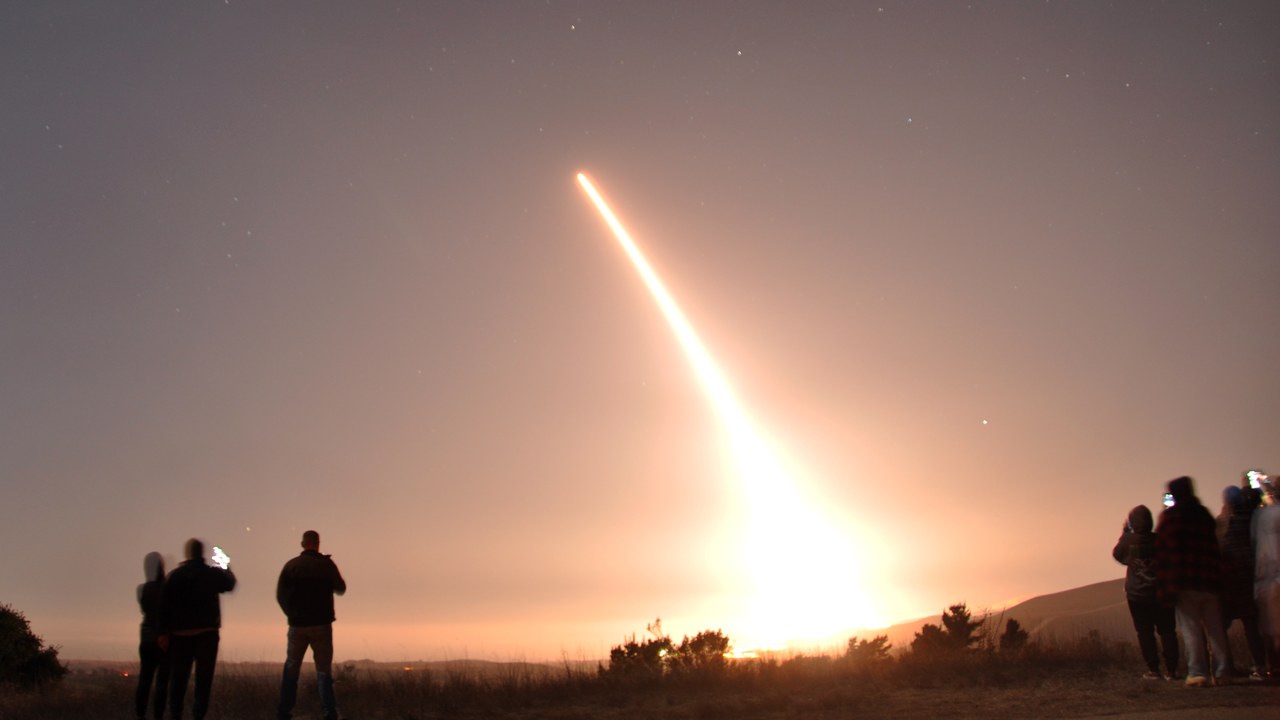
Late on Nov. 17, 2026, Air Force Global Strike Command launched an unarmed Minuteman III from Vandenberg Space Force Base, its first such test in six months and the third unarmed ICBM test of 2026, according to Air & Space Forces Magazine.
The launch coincided with President Trump’s trip to Asia, but the command said the test had been scheduled years earlier and was not a response to world events. The commander, Gen. S.L. Davis, has called such tests “foundational to ensuring the safety and surety of the Minuteman system.”
Malmstrom Air Force Base: The Montana Base That Got the First Missiles
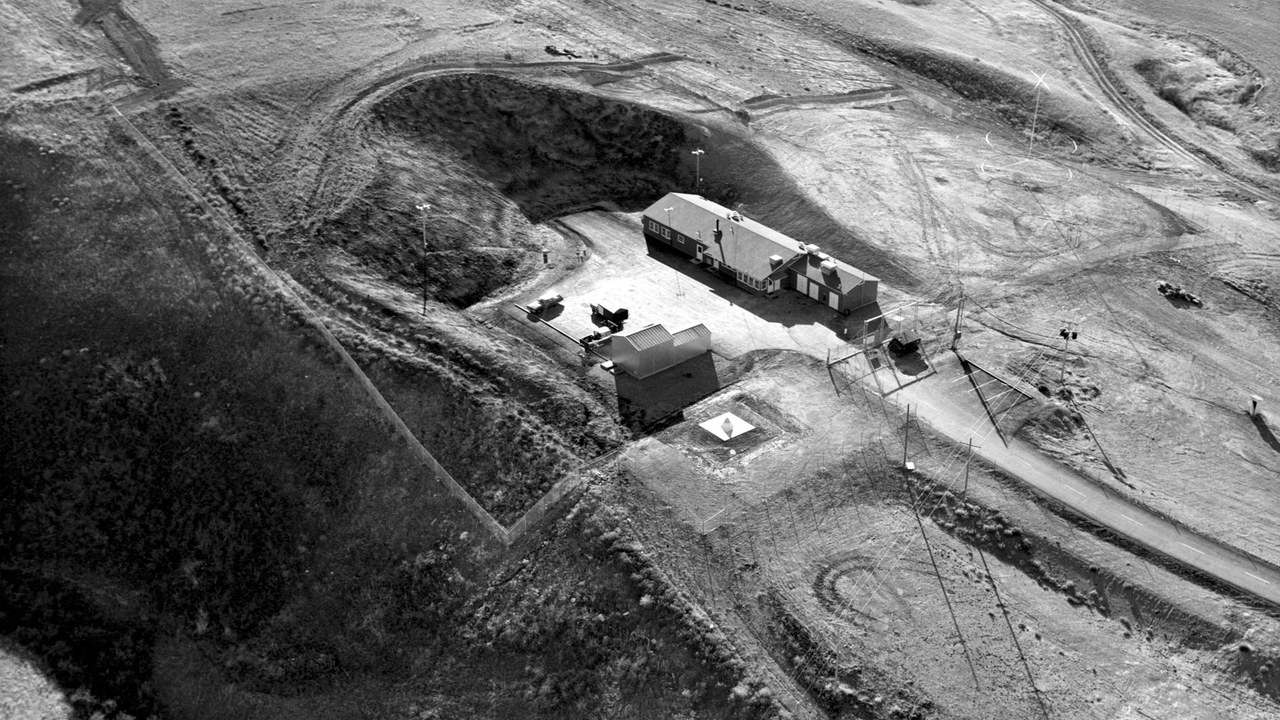
The first Minuteman missiles were meant for Vandenberg, but engineers found that their boosters were defective, cutting their range from about 6,300 miles to 4,300 miles. Fired over the North Pole as planned, they would have fallen short of their targets, so the Air Force stationed them at Malmstrom Air Force Base in Montana instead.
Malmstrom remains one of three bases that still keep Minuteman III missiles in their silos, along with Minot Air Force Base in North Dakota and F.E. Warren Air Force Base in Wyoming. When the first version was fielded, each of the early bases had 150 missiles emplaced, and F.E. Warren had 200.
E-6B Mercury: The Navy Plane Seen Off the Coast
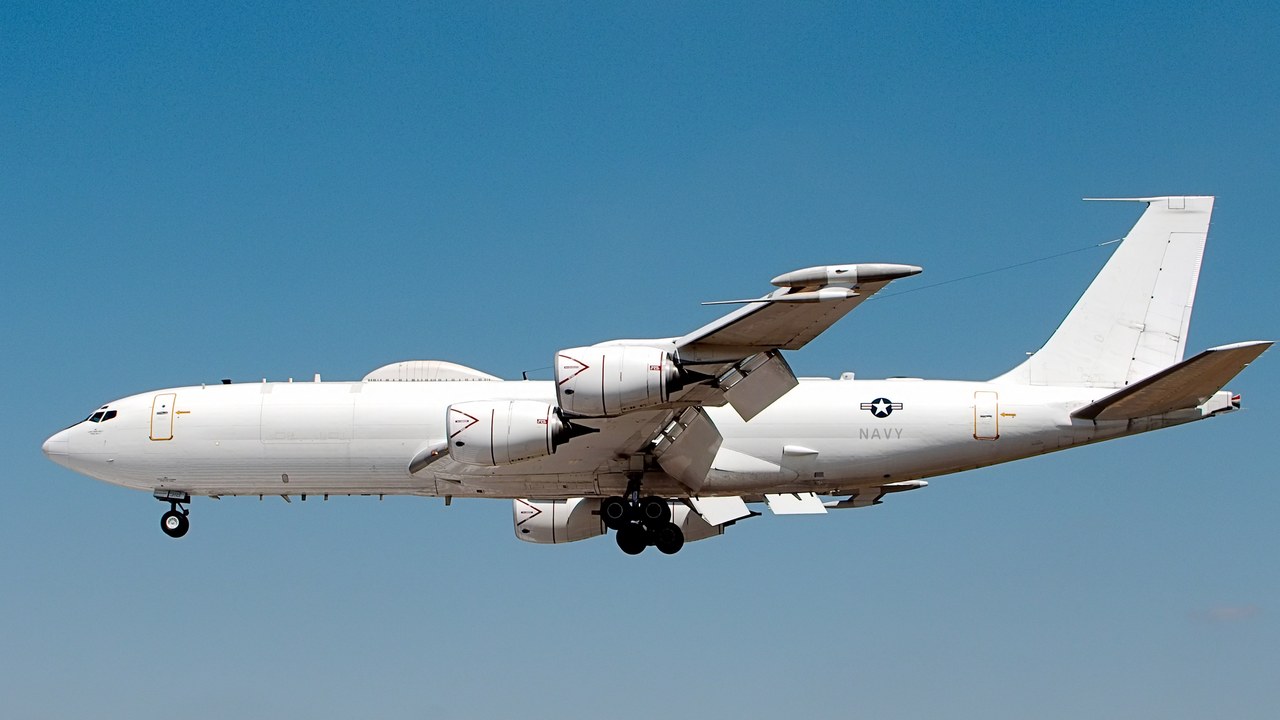
During the November test, open-source flight trackers reported a Navy E-6B Mercury orbiting off the coast. The Air Force did not say whether the airborne command post supported the launch, Air & Space Forces Magazine reported.
The missile it may have been watching is getting old. The Minuteman III is now 56 years old, and the Sentinel replacement is not expected to come online until the early 2030s, which means the current missile must stay operational for years. The 2026 test series is meant to show it still works while the new weapon is built.
Ellsworth Air Force Base: A Missile Field of 13,500 Square Miles
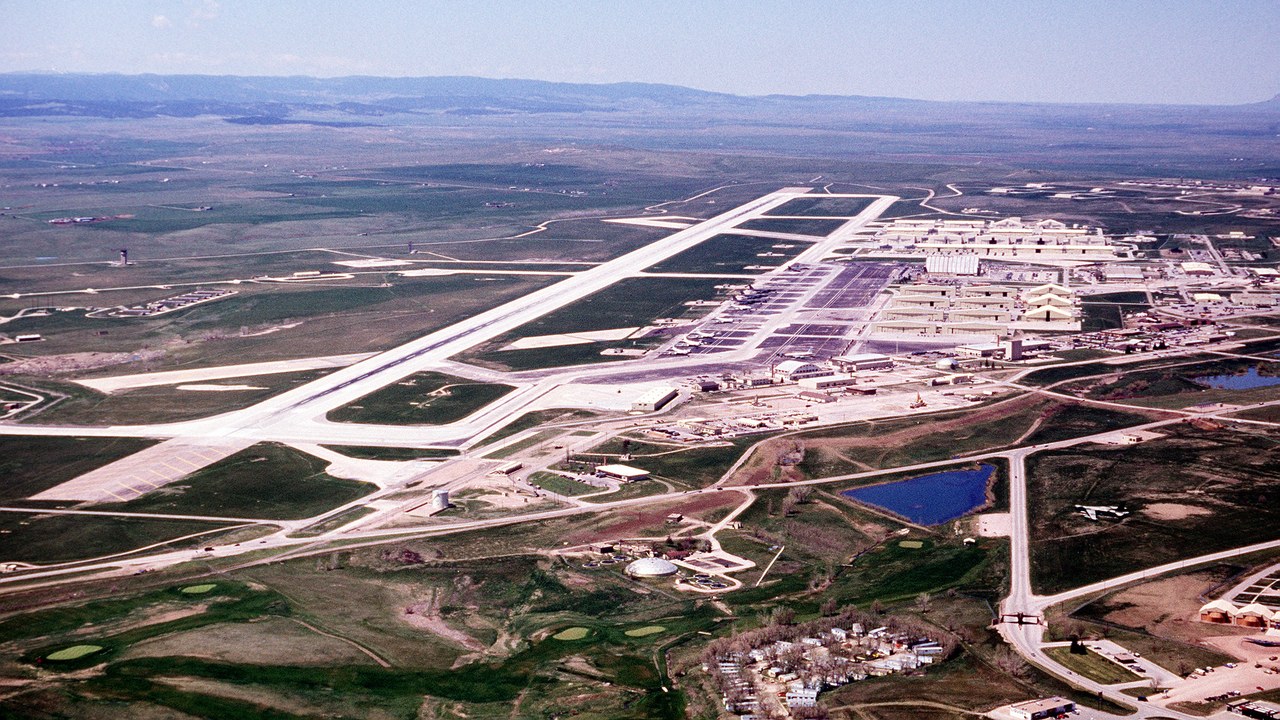
Western South Dakota once hosted its own Minuteman force. The 44th Strategic Missile Wing, headquartered at Ellsworth Air Force Base near Rapid City, ran a field of 150 Minuteman II missiles and 15 launch-control centers that covered more than 13,500 square miles.
Those missiles stayed on alert for nearly 30 years. After President George H.W. Bush and Soviet leader Mikhail Gorbachev signed the Strategic Arms Reduction Treaty in 1991, the missiles were pulled from their silos and the wing was later inactivated. All sites in that complex except two were destroyed.
Delta-01 Launch Control Facility: A Control Room 31 Feet Down
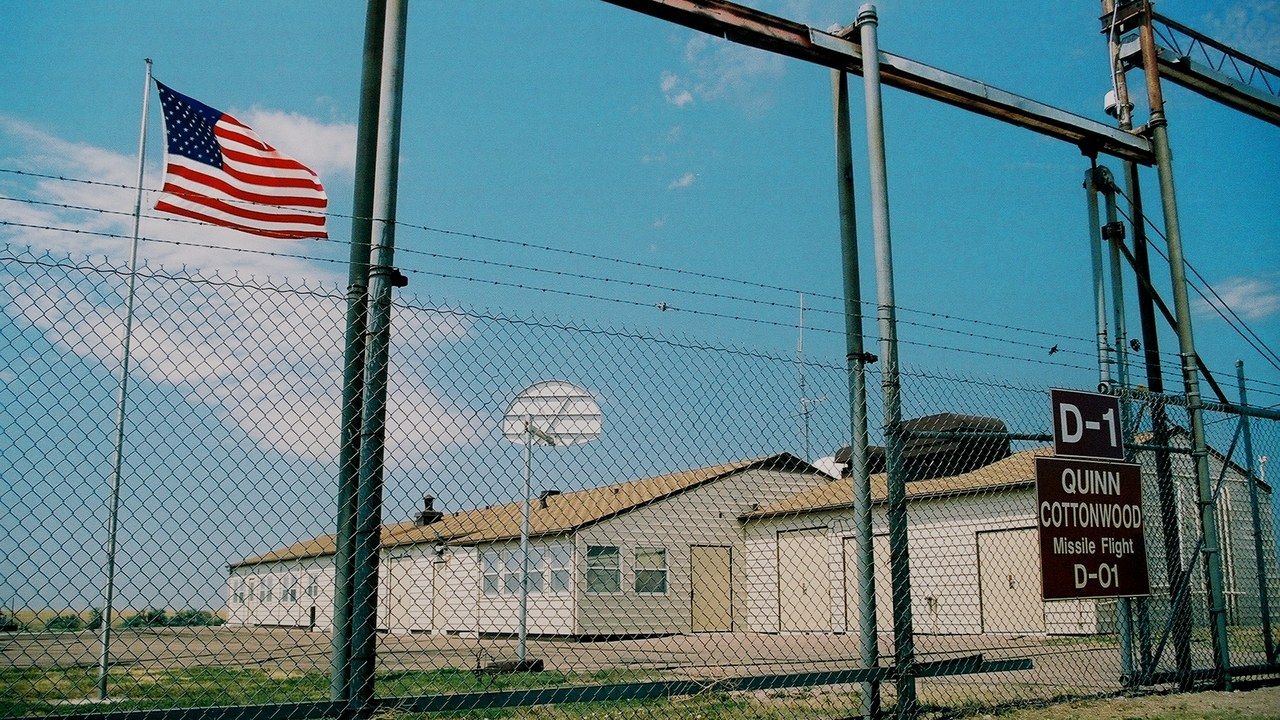
One of the survivors is Delta-01, a launch control facility that the National Park Service now preserves. Its underground Launch Control Center sits 31 feet below the plains of western South Dakota, beneath a topside building that supported the missileers on duty.
Visitors can walk up to the entrance gate, and a cell phone guided tour explains how the site operated. Tours below ground can be reserved up to 30 days ahead, but they fill quickly because each is limited to six people, the capacity of the original Cold War elevator.
Delta-09 missile silo: The Silo Visitors Can Look Into
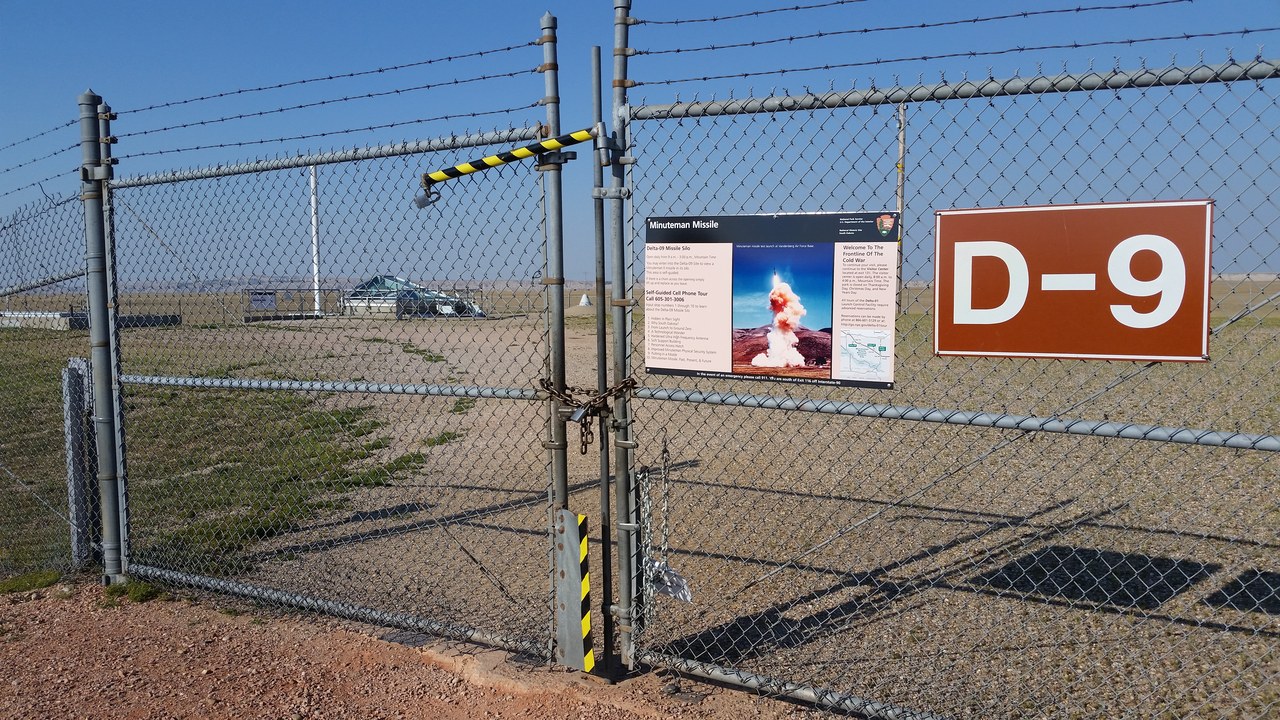
The other survivor is the silo known as Delta-09, built in 1963 on 1.6 acres about half a mile from Interstate 90 and six miles from the town of Wall, South Dakota. It consists of an underground launch tube 12 feet in diameter.
Delta-01 and Delta-09 were chosen for preservation in part because both sit close to a major highway and near Badlands National Park and Mount Rushmore. The Minuteman Missile National Historic Site was established on Nov. 29, 1999, and its sites drew 98,908 visitors in 2020.
Kwajalein Atoll: Where the Test Warheads Come Down
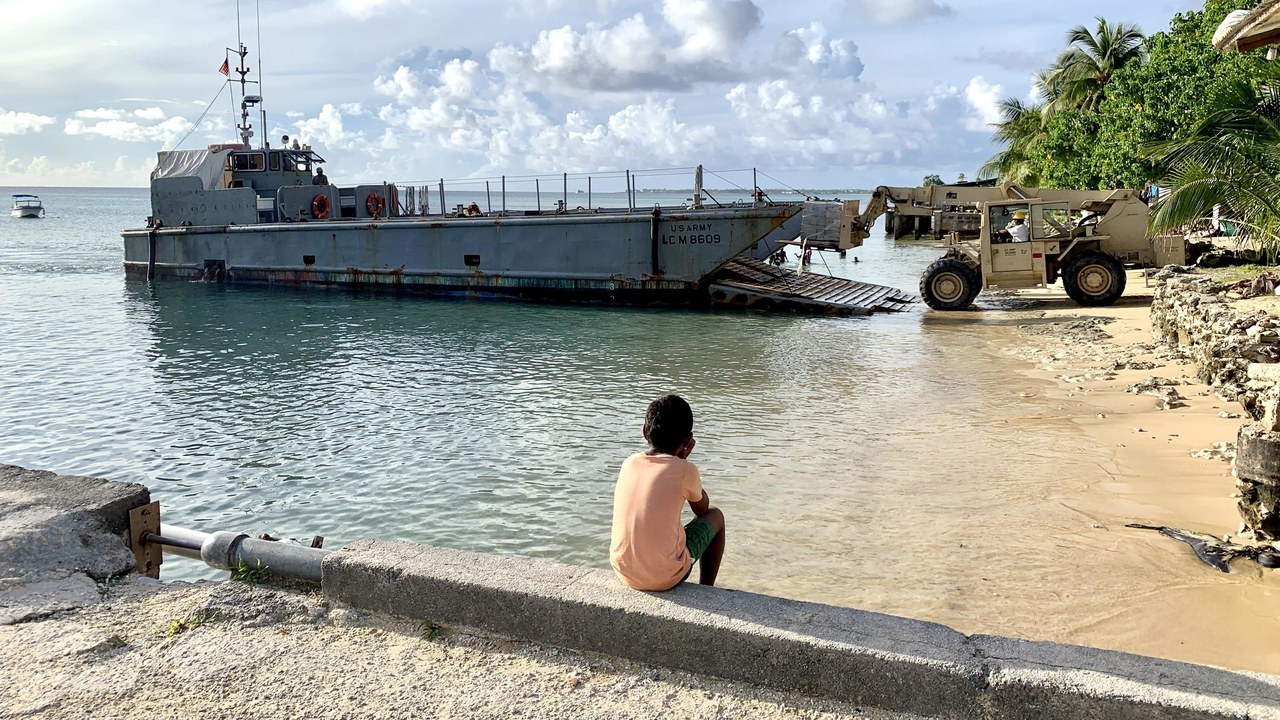
Routine tests usually fly about 4,200 miles from California to Kwajalein Atoll in the Marshall Islands, home of the Ronald Reagan Ballistic Missile Defense Test Site, according to Air & Space Forces Magazine. The Air Force did not confirm the landing details for the Nov. 17 shot.
The test flights are known as Glory Trips. This year’s first, in March, carried two reentry vehicles, while few details were released about the second, in May. Budget requests also include money to modernize the fuzes on the missile’s Mk21 reentry vehicles, a sign the old system is still being upgraded.
More from Morning Overview
- Winter weather advisories cover I-80, I-70 and the Bighorns with up to 15 inches of snow
- Arizona’s governor declared a statewide emergency after Flagstaff logged its wettest Nov. 1 on record
- Zero Motorcycles unveiled an electric motorcycle targeted at under $8K and a street-legal dirt bike at EICMA
- New FCC rules on how people can stop robocalls and texts take effect Nov. 25
