
From the great whales to a crab with legs that span several metres, the ocean holds some of the most remarkable animals on Earth. Sizes below come from three published sources, and the figures differ between them, so each entry sticks to its own cited number. Here are fifteen of the largest creatures swimming in the ocean.
Read next on Morning Overview: Arizona declared a statewide emergency after storms and floods battered homes and roads
1. Blue whale: Largest of All
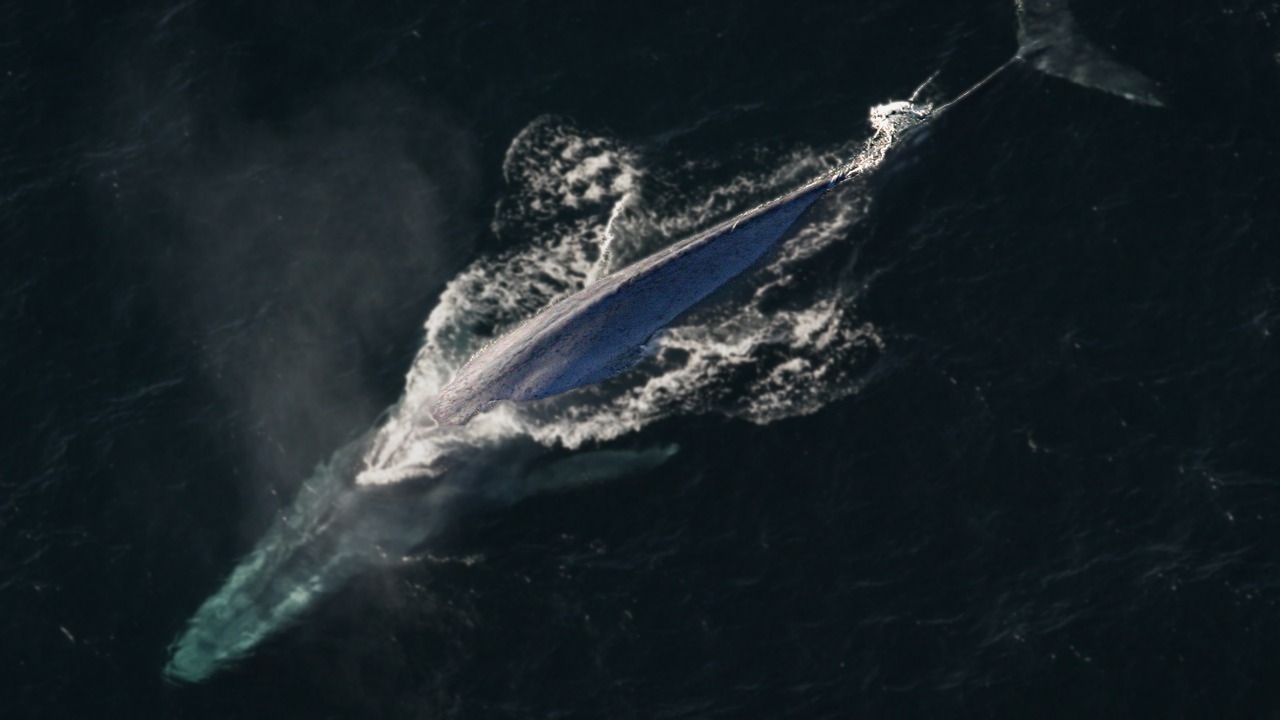
Discover Wildlife puts the blue whale at an epic length of about 30 metres, with a weight of around 160 tonnes. That figure is from Discover Wildlife’s ocean ranking, and other sources quote somewhat different maximums, so the number is best read as approximate.
Whatever the exact figure, no other animal in the sea comes close in sheer bulk. Anyone on a whale-watching trip hoping for a sighting is looking for the heavyweight of the whole ocean, and a surfacing blue is easy to remember once seen.
2. Fin whale: The Slender Runner-Up
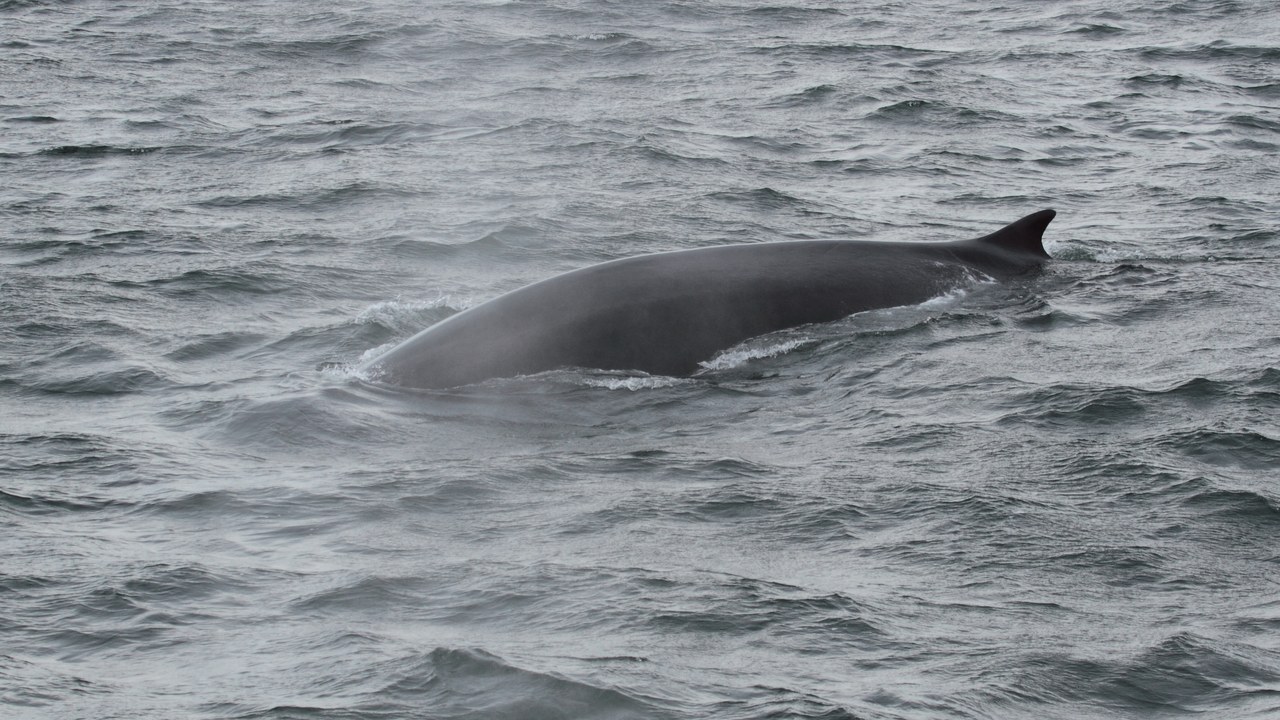
The fin whale is believed to reach a maximum length of around 27 metres, according to Discover Wildlife’s size guide. The wording is hedged, since maximum sizes for the biggest whales rest on a small number of measured animals.
That makes the fin whale a close second in length to the blue whale, a streamlined relative of the giant. For ocean-goers, it is a reminder that the second-longest animal on the planet still sits far above anything else swimming alongside it.
3. Sperm whale: Deep-Diving Giant
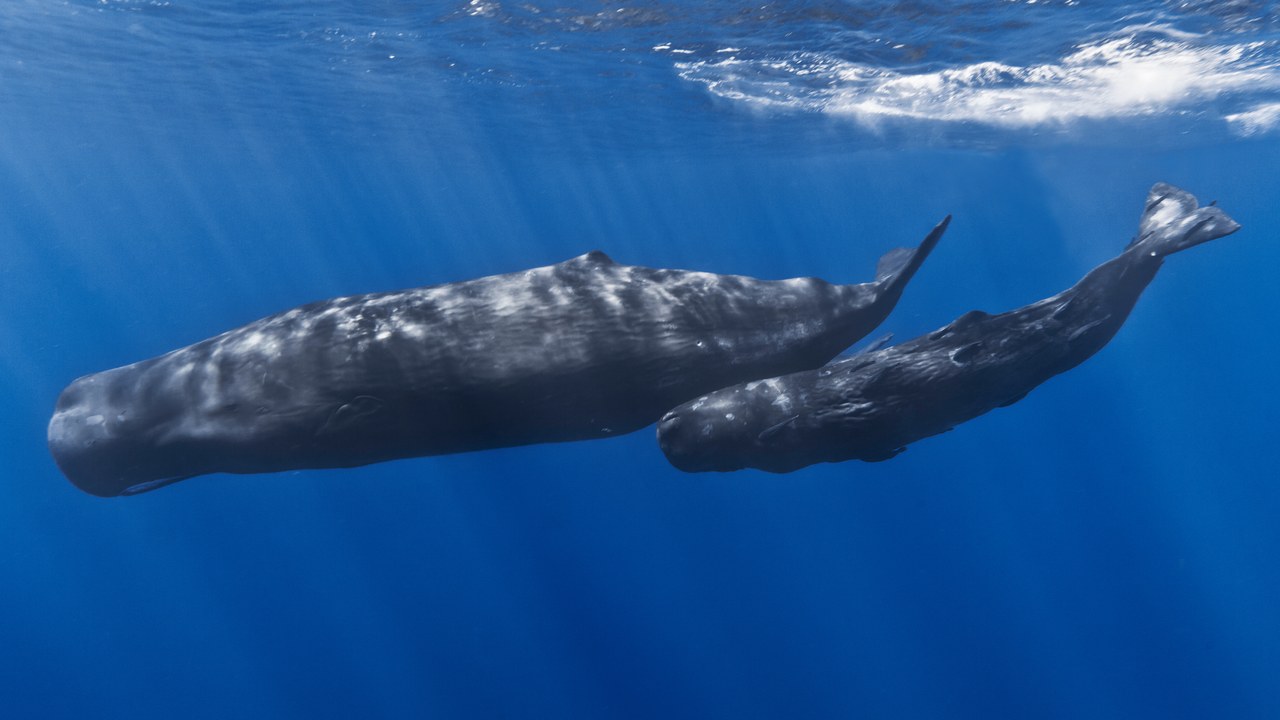
Sperm whales measure up to around 20 metres, a length reported by Discover Wildlife in its list of the biggest ocean animals. Other references give slightly longer maximums, so the figure is a round estimate rather than a firm record.
The sperm whale is the largest of the toothed whales, with a huge squared-off head that is easy to spot in photos. Readers curious about what lives in the deep sea can note that this animal is a famous hunter of large squid.
4. Humpback whale: A Record Humpback
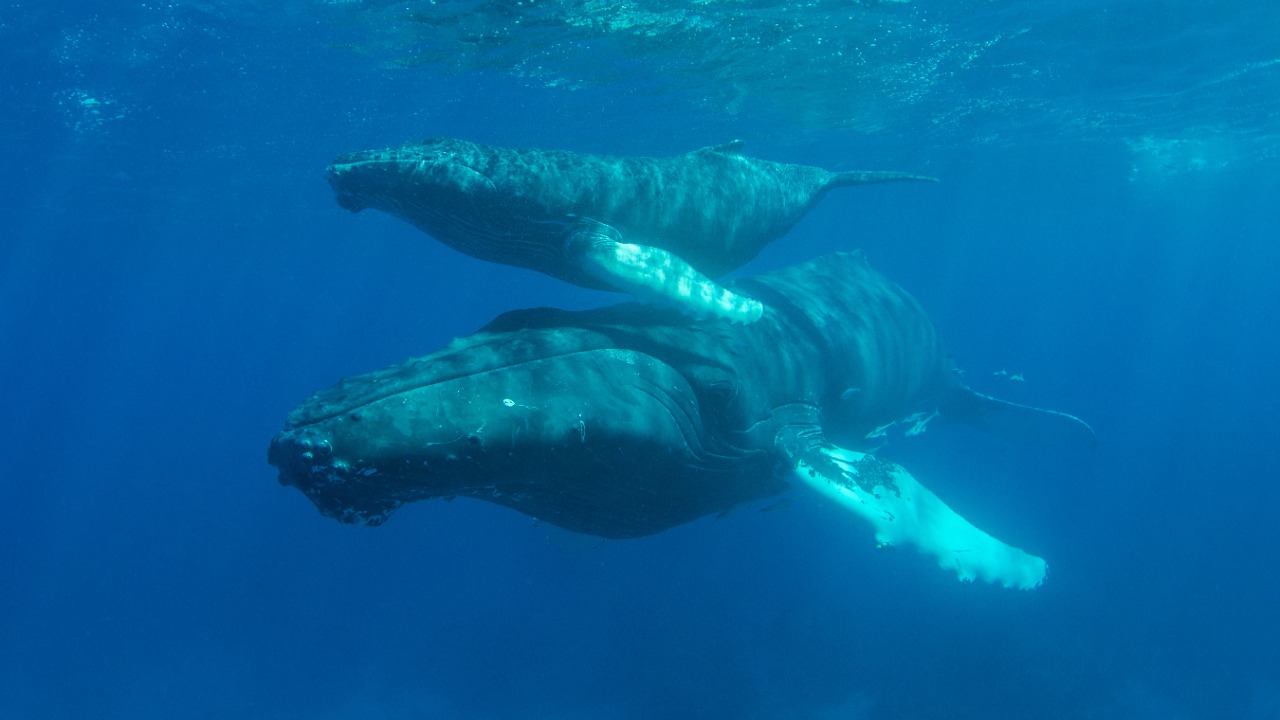
The largest humpback whale on record was 89 feet long and weighed 90 tons, according to American Oceans. That is the extreme end of the range, not a typical adult, so most humpbacks seen offshore will be smaller.
Humpbacks are among the best-known whales because of their long flippers and their habit of leaping clear of the water. Whale-watching boats often feature them for exactly that reason, which helps explain their popularity with visitors.
5. Whale shark: The Gentle Shark
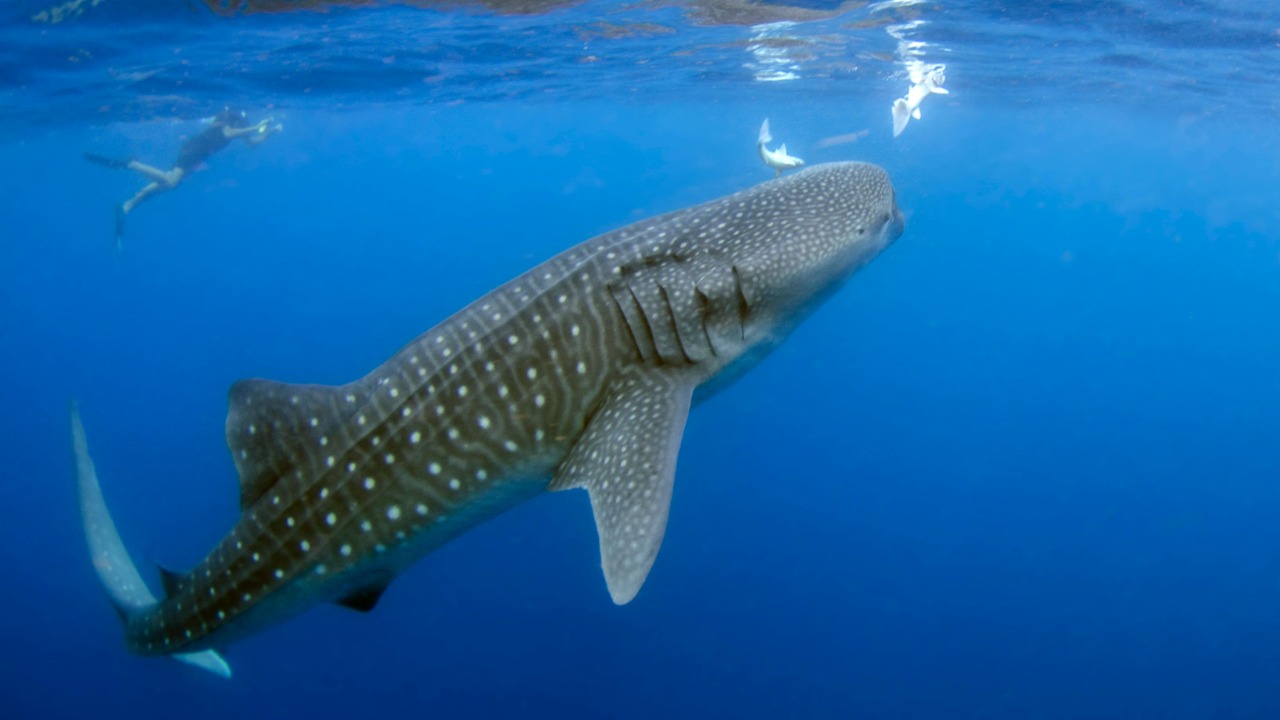
Whale sharks grow up to 39 feet long, as American Oceans reports in its guide to the biggest sea creatures. That size makes them far larger than any other fish in the ocean, even though they are not whales at all.
Despite the size, the whale shark is a filter feeder with no appetite for people, and divers often seek it out for that reason. Its spotted pattern makes it one of the easiest large animals to recognise in photographs.
6. Basking shark: A Filter-Feeding Shark
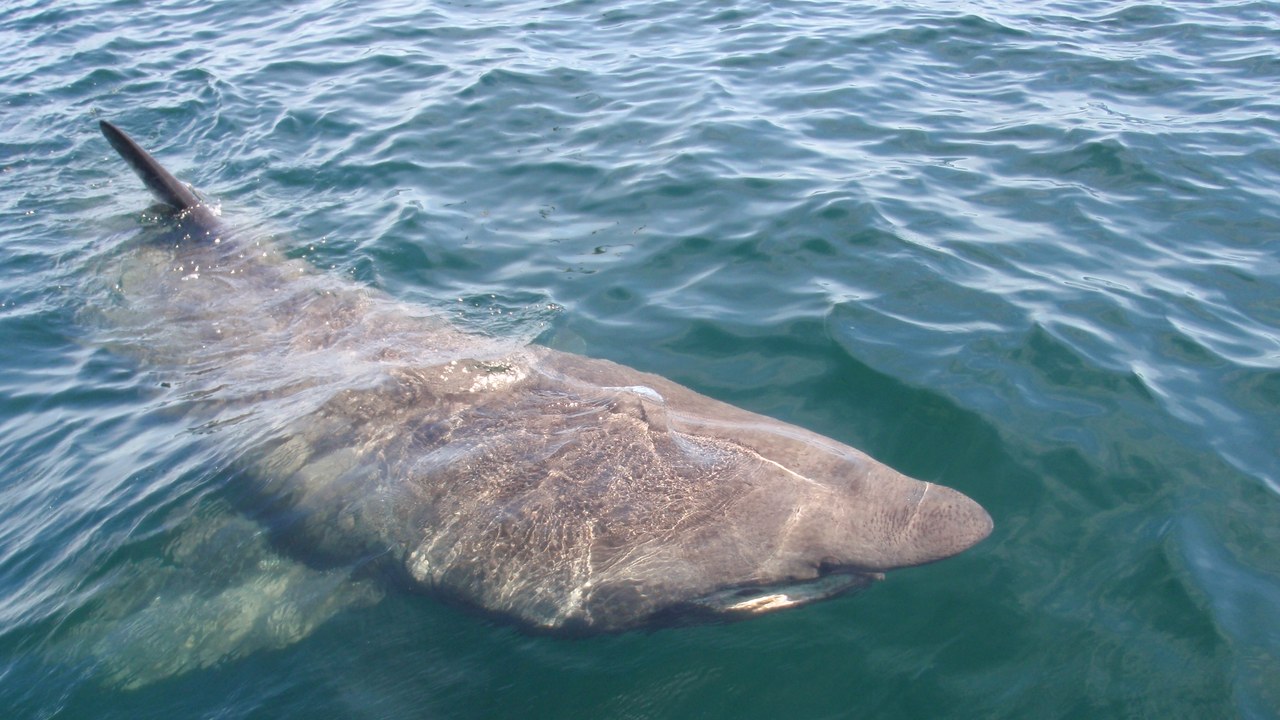
Basking sharks reach up to 50 feet long and over 5 tons, per American Oceans. The figure sits at the top of the range, and a typical animal sighted from a boat is likely to be noticeably smaller.
Like the whale shark, the basking shark feeds by filtering the water rather than hunting, which makes the large open mouth look more alarming than it is. Coastal walkers and sailors in cooler waters occasionally spot one cruising near the surface.
7. Lion’s mane jellyfish: Tentacles Without End
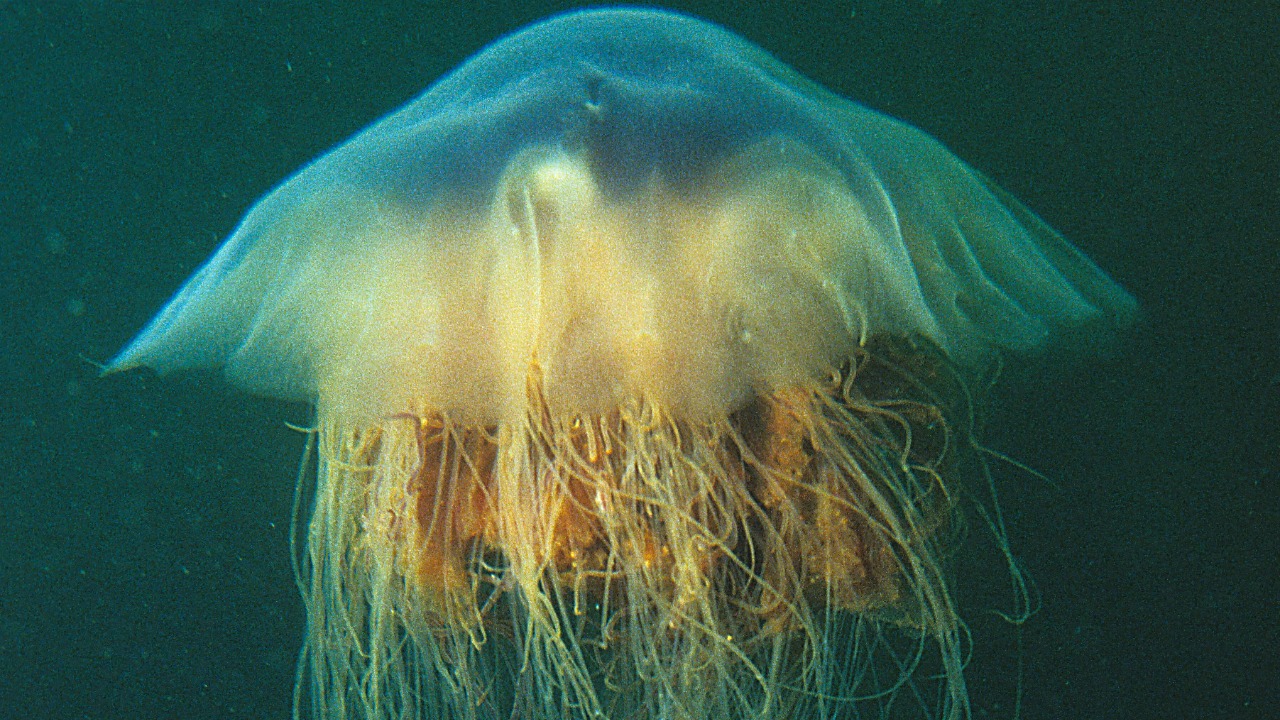
The lion’s mane jellyfish has tentacles up to 120 feet long, according to American Oceans. The measure is of the trailing tentacles, not the bell, so the animal’s body is far smaller than that headline number suggests.
Those long trailing strands can sting, so swimmers in cold northern waters are usually advised to keep clear of any jellyfish they find, even one washed close to shore. It is a good example of a creature whose size is easy to underestimate.
8. Giant manta ray: The Largest Ray in the Sea
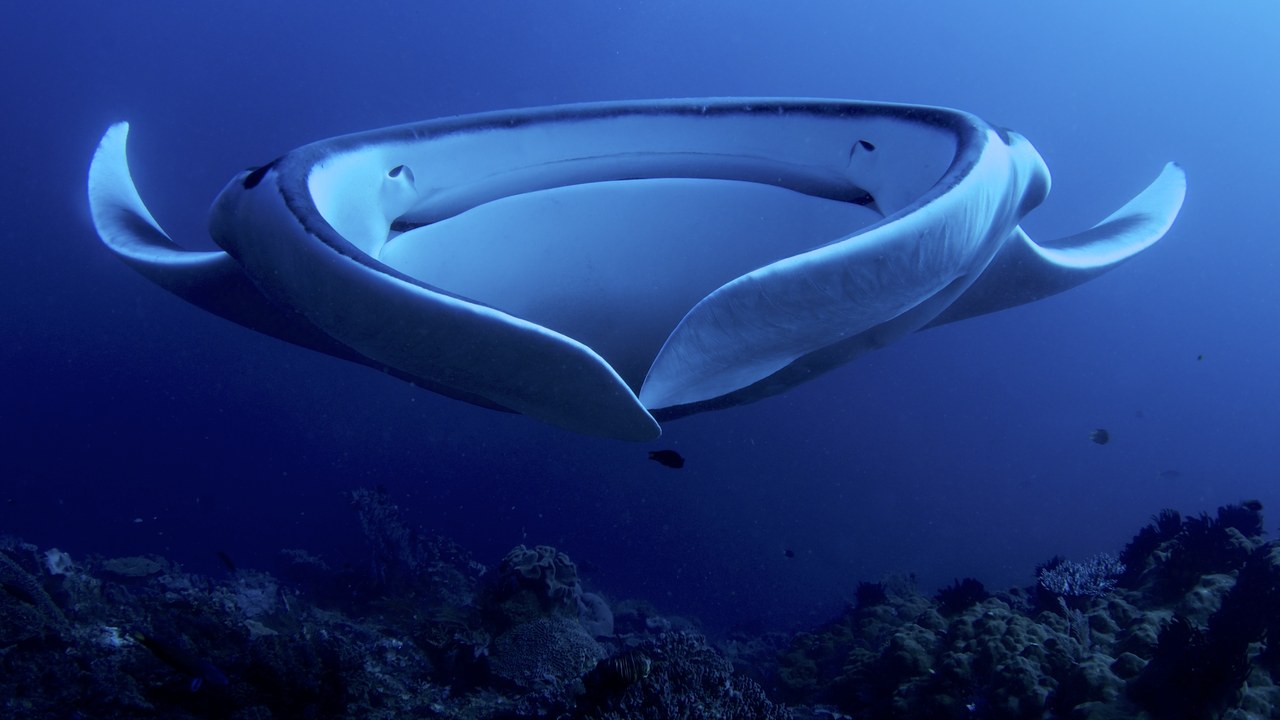
According to NOAA Fisheries species guidance, the giant manta ray is the world’s largest ray, with a wingspan of up to 26 feet. Despite that size, it is a filter feeder that eats large quantities of zooplankton.
Its bulk hides a fragile population. NOAA notes that regional estimates are often small, from around 600 to 2,000 animals, while Ecuador is thought to hold more than 22,000. The rays grow slowly and migrate, which leaves them vulnerable wherever they are fished.
9. Ocean sunfish: The Heavy Sunfish
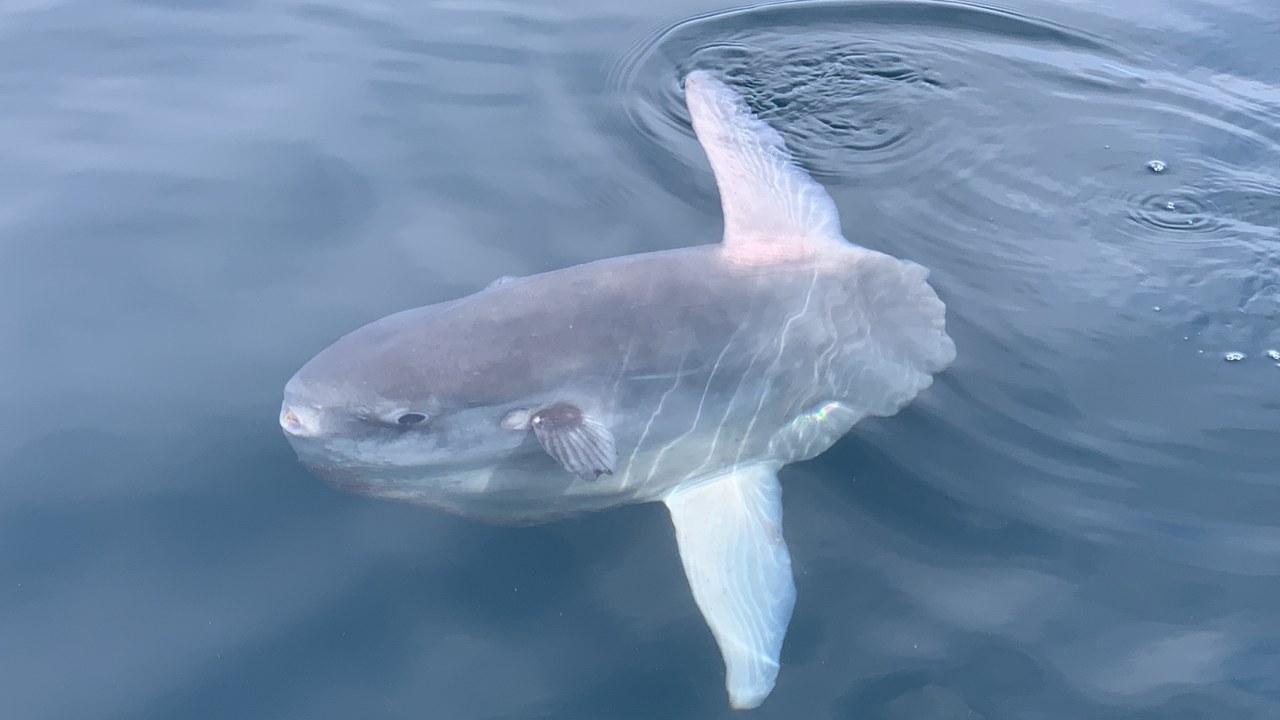
The ocean sunfish, also called mola mola, reaches up to 5,000 pounds, American Oceans notes. It is among the heaviest bony fish, and its flattened, rounded body looks unlike almost anything else in the sea.
Sunfish are often seen lying on their sides near the surface, which can surprise boaters who spot one for the first time. Their odd shape and sheer weight make them a favourite subject for ocean photographers and aquarium visitors.
10. Japanese spider crab: Giant of the Crabs
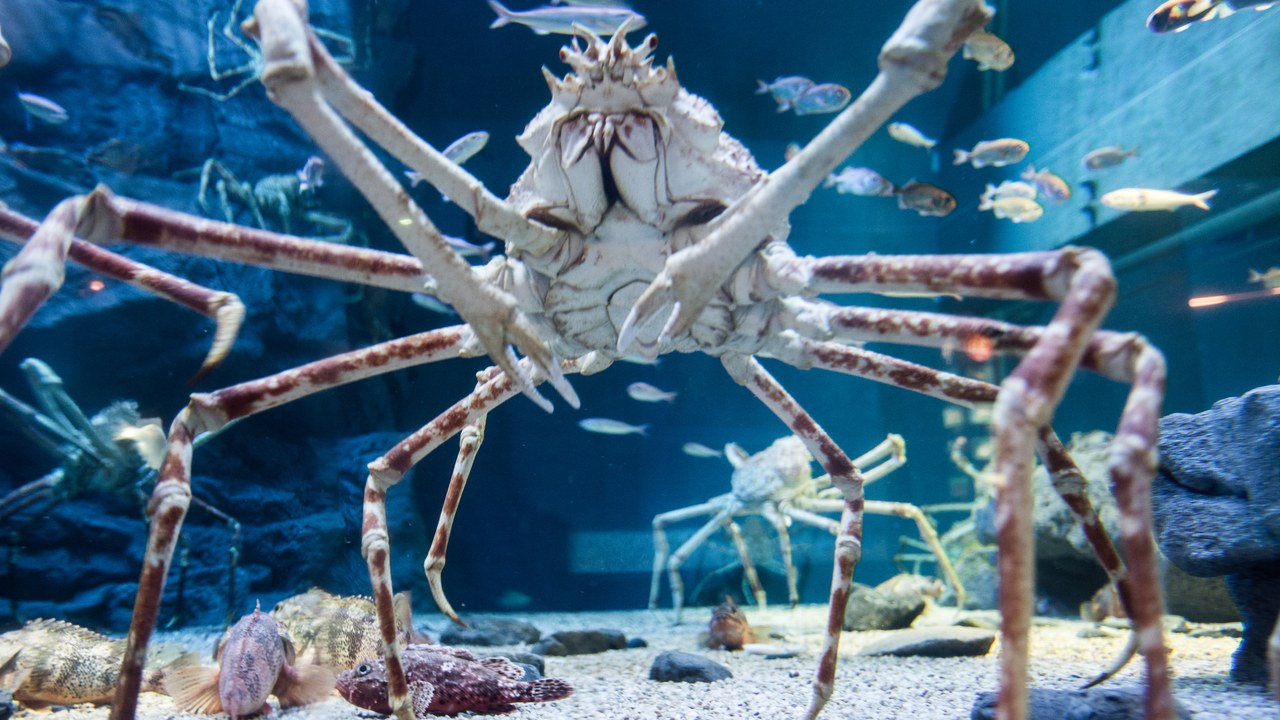
The Japanese spider crab has a leg span of 3.69 m, as listed by Discover Wildlife. The span is measured from claw tip to claw tip, so the body itself is much smaller than the figure implies.
It is widely regarded as the biggest arthropod in the sea, with spindly legs that give it a striking look in aquarium displays. The figure is a useful reminder that size in the ocean is not limited to whales and sharks.
11. Southern elephant seal: A Guinness Heavyweight
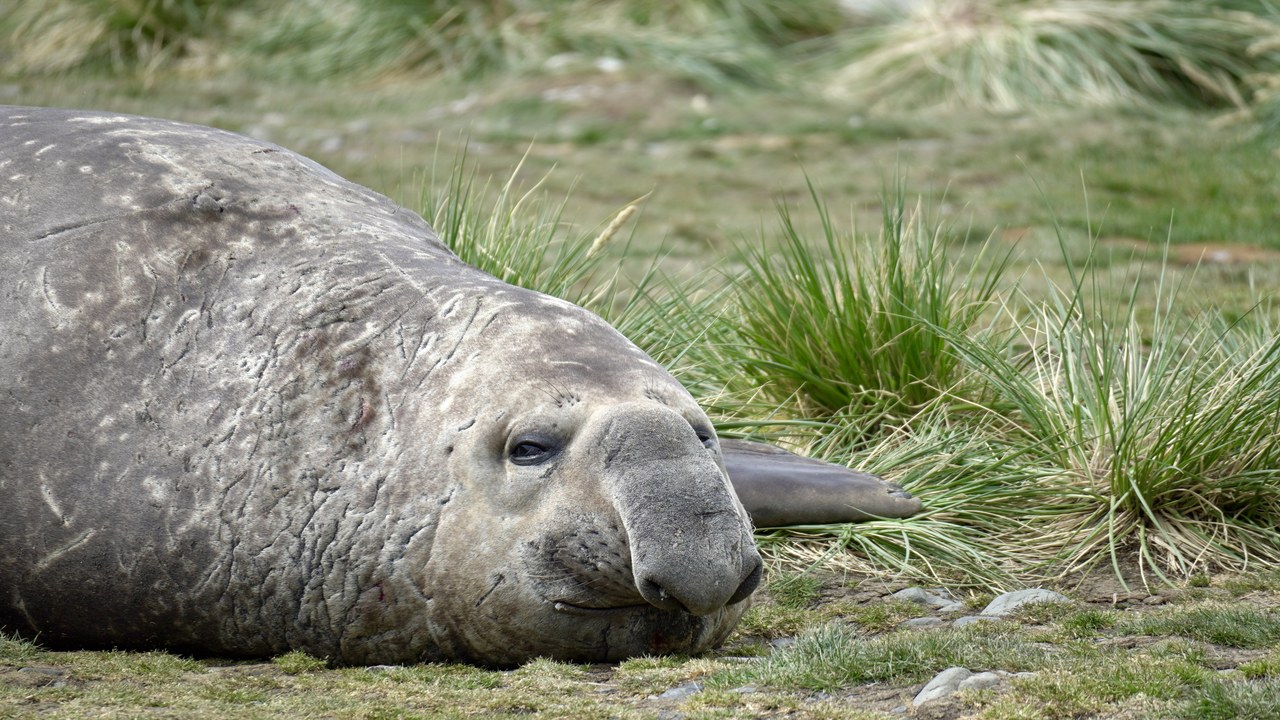
The southern elephant seal is listed at 6.85 m total length and 5,000 kg, a Guinness record, in the PeerJ paper on sizing ocean giants. The values are the maximum recorded, so most individuals will fall below them.
Males are famous for their enlarged noses and for loud, aggressive contests on breeding beaches. Visitors to sub-Antarctic coasts can see why the species is often described as the biggest seal, with a body that dwarfs most land mammals.
12. Leatherback sea turtle: The Shell-less Turtle
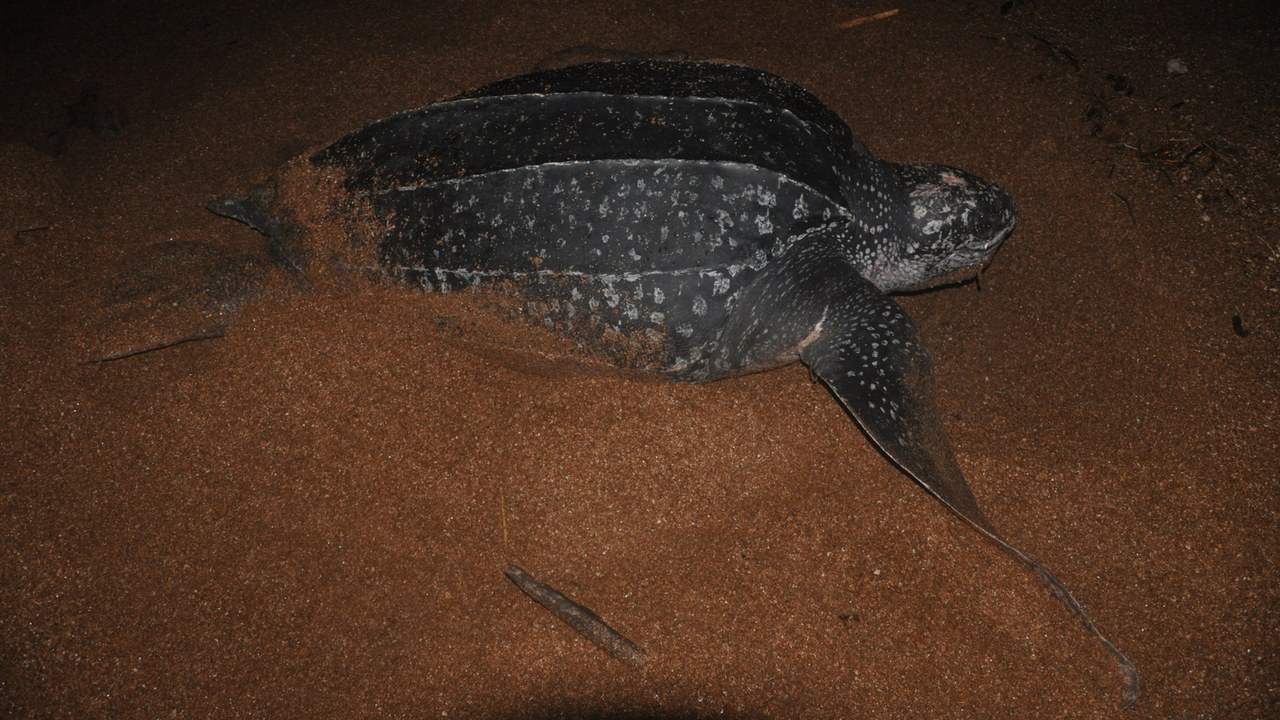
The leatherback turtle is listed at 2.13 m curved carapace length and 650 kg in the PeerJ size table. It is the largest of the sea turtles, and the figure reflects the upper end of what researchers compiled.
Unlike other turtles, the leatherback has a leathery ridged shell rather than a hard plated one. Beach-goers in tropical regions may know it as the huge visitor that comes ashore at night to nest, which is a rare and memorable sight.
13. Walrus: Tusked Heavyweight
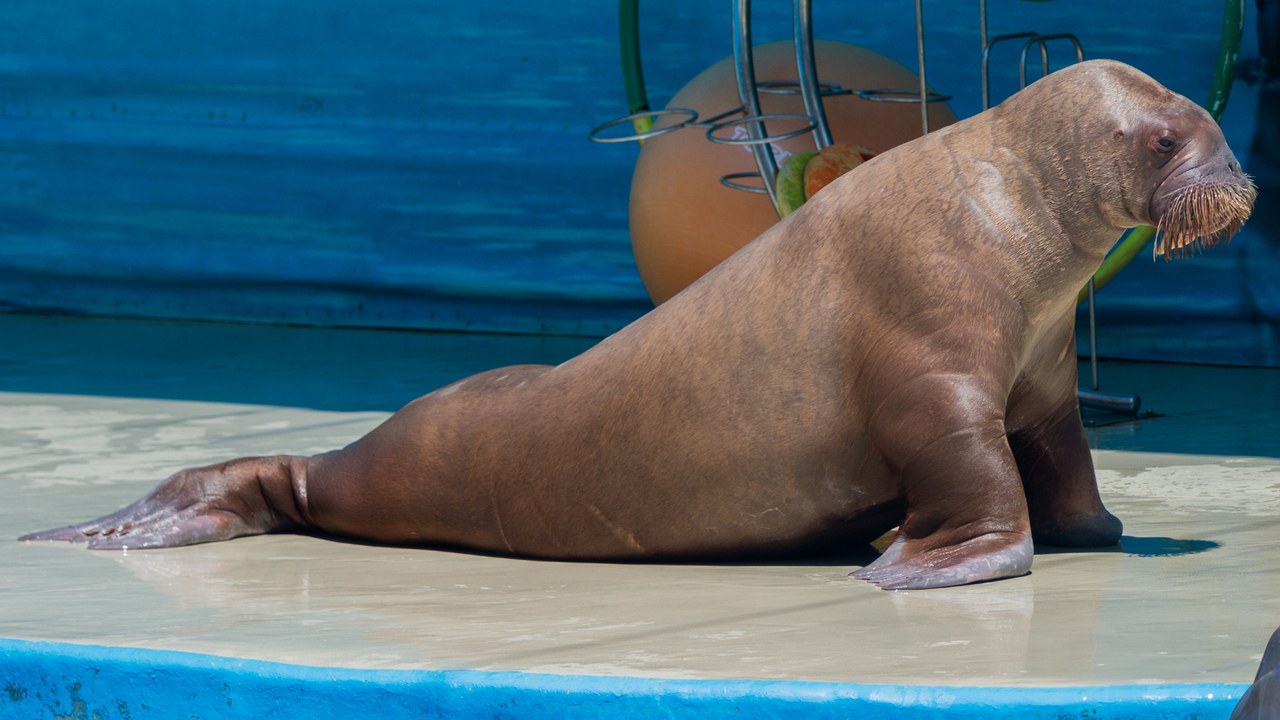
Walruses reach 3.8 m in total length and 1,883 kg, according to the PeerJ study of ocean giants. Those are maximum values from the paper’s table, so average animals on an Arctic ice floe are likely to be smaller.
Both sexes carry long tusks, and the animals haul out in crowded groups on ice or rocky shores. The walrus is a good reminder that large marine mammals extend beyond whales, with a very different shape and lifestyle.
14. Killer whale: The Largest Dolphin of All
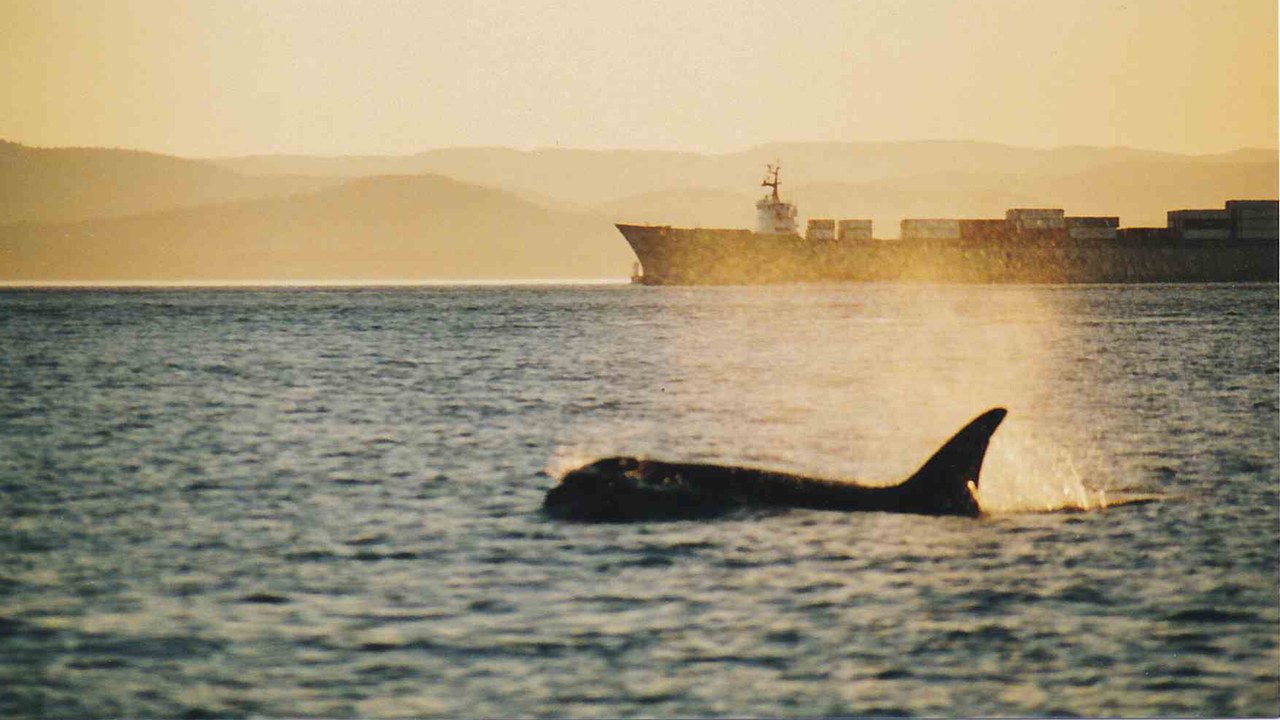
The killer whale, or orca, is the largest member of the dolphin family, reaching up to 32 feet and 11 tons, according to NOAA Fisheries data. The agency describes it as the ocean’s top predator.
Orcas are found in every ocean and are the most widely distributed of all whales and dolphins. Scientists recognize several distinct ecotypes, some of which may be separate species, and the Southern Resident population of the Pacific Northwest is among the most critically endangered marine mammals.
15. Giant Pacific octopus: Eight Arms, Huge Spread
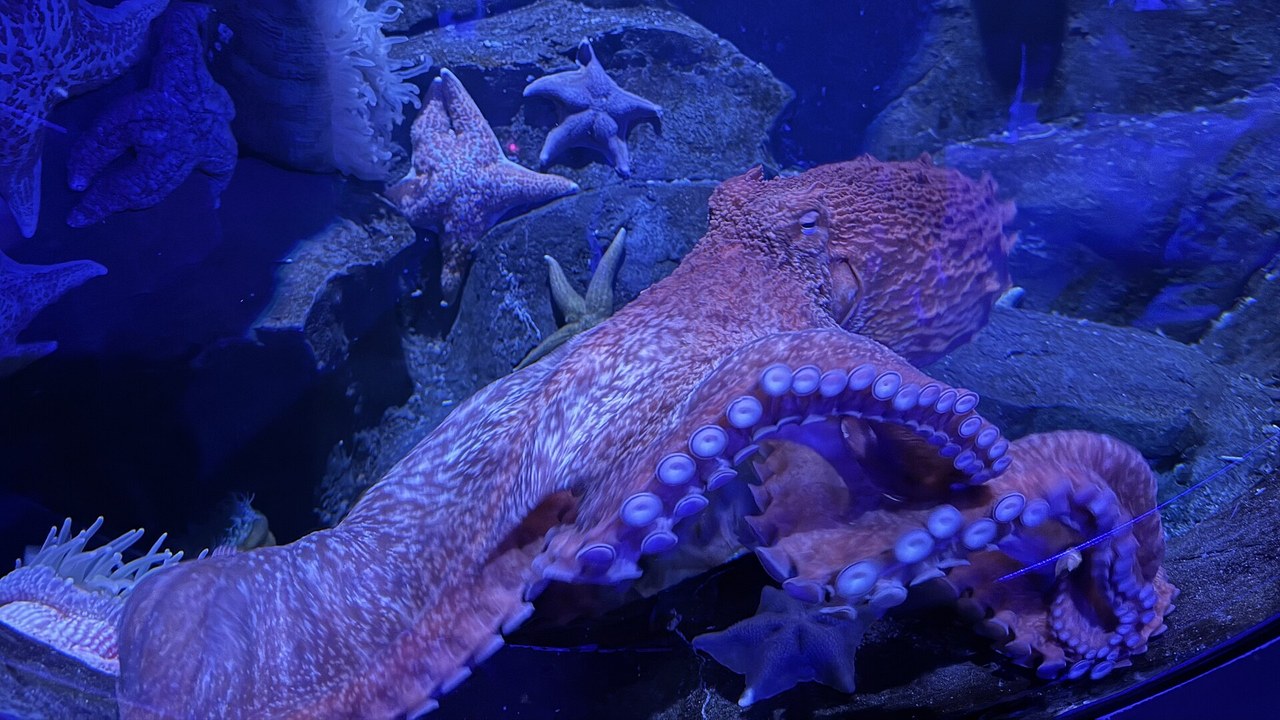
The giant Pacific octopus is reported with an arm spread up to 9.8 m and 198.2 kg in the PeerJ table. That span is unconfirmed, and the largest confirmed specimen measured 8.5 m, so the higher number should be treated cautiously.
Even the confirmed figure is remarkable for an animal with no bones, which can squeeze through small gaps. Divers in cold Pacific waters who meet one often describe how curious and intelligent it seems, which adds to its appeal.
More from Morning Overview
- Monster waves battered California, flooding streets and closing piers along the coast
- Hackers broke into Japan’s Fugaku supercomputer and stole the SSH keys of its users
- Student pilots are stuck with nearly 60-year-old T-38 jets that work only half the time
- Some new Subaru Crosstreks and Foresters shouldn’t be driven because of a crash risk
