
The oil shocks of the 1970s sent American drivers hunting for cars that sipped fuel instead of guzzling it. Detroit and the importers rushed out compact models, some beloved, some infamous, and a few that changed the industry for good, all competing for buyers watching the pump. Here are eleven small cars that defined the era.
Read next on Morning Overview: Some new Subaru Crosstreks and Foresters shouldn’t be driven because of a crash risk
1. Ford Pinto: Cheap Thrills and a Fiery Reputation
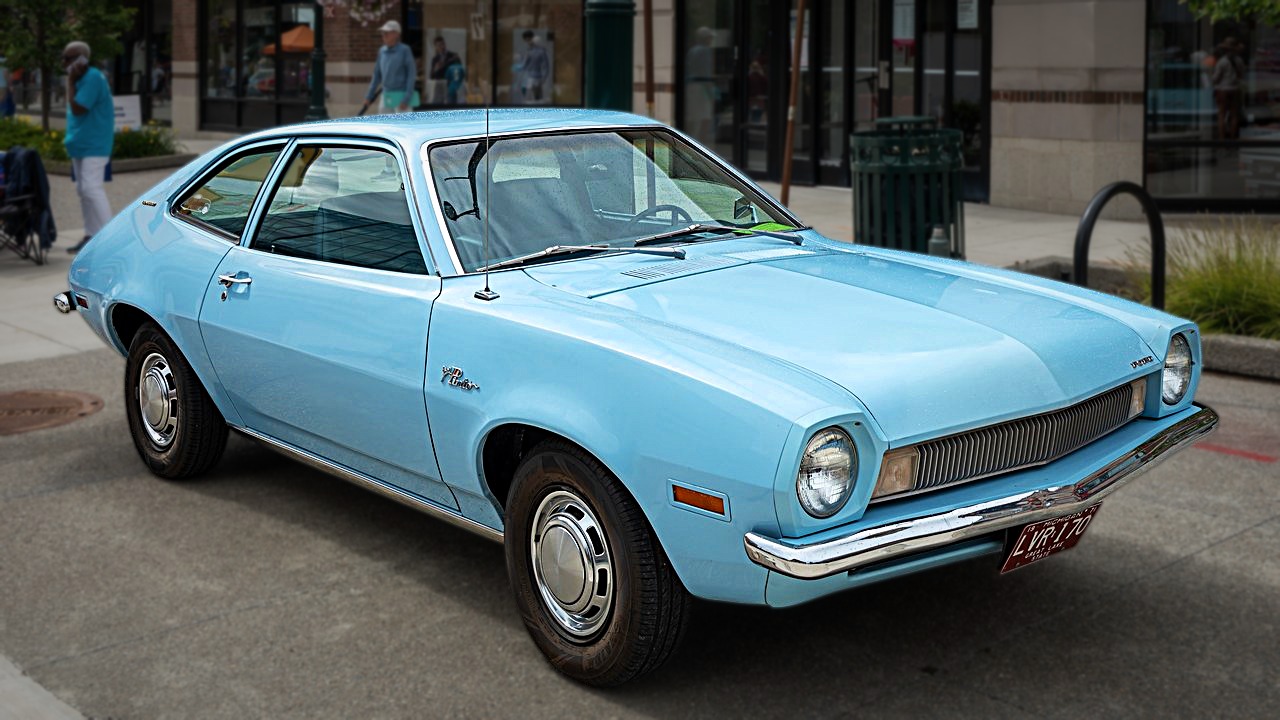
Ford’s Pinto became the cautionary tale of the small-car boom. In June 1978 the company recalled 1.5 million 1971-76 Pintos and 30,000 Mercury Bobcats, and the Center for Auto Safety quotes fuel tanks susceptible to fire in the event of a moderate-speed rear end collision.
For anyone shopping for a surviving example today, the recall history is part of the car’s identity. Checking that the fuel-system fix was carried out is a sensible first step with any 1970s Pinto, and the episode still shapes how the whole class of cheap, quickly developed subcompacts is remembered.
2. Chevrolet Vega: Award Winner, Rust Magnet
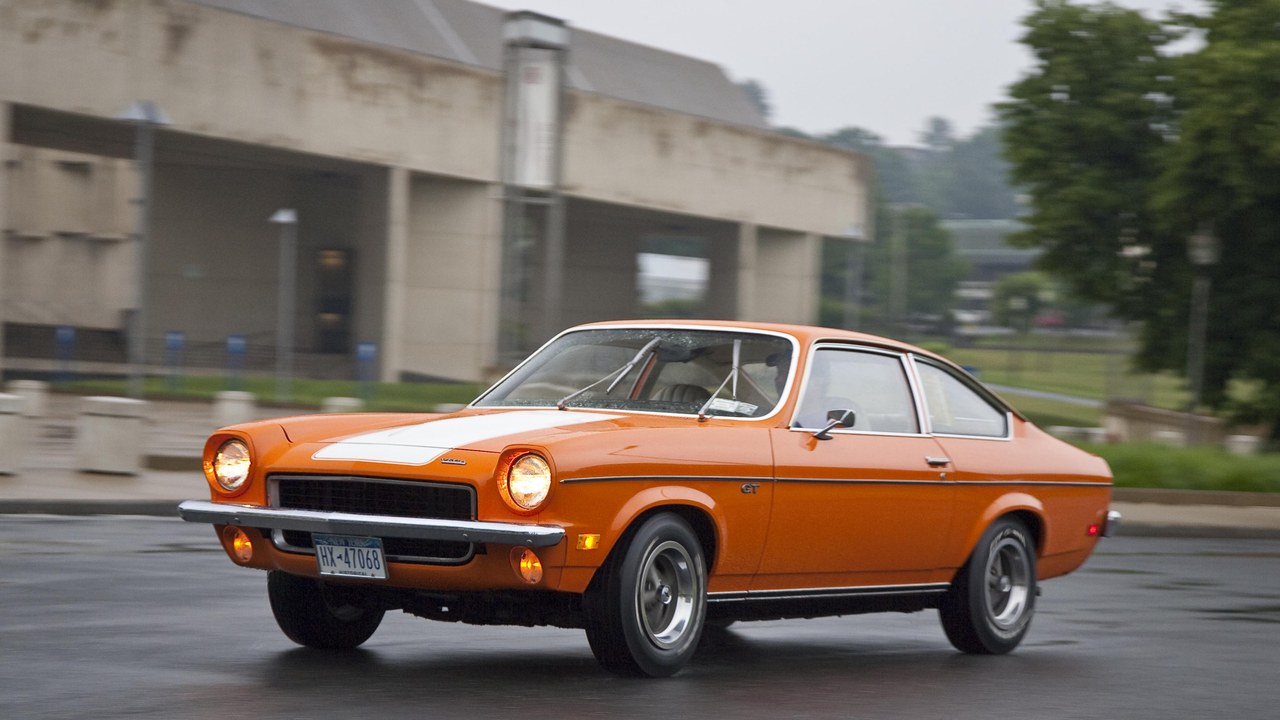
Chevrolet’s Vega arrived with a trophy, since Motor Trend named the Vega 2300 its 1971 Car of the Year. Hagerty tells the other half of the story, describing a car rushed to market and plagued by rust and engine failures.
The gap between early praise and long-term reputation makes the Vega a useful reminder that first-drive impressions rarely capture durability. Buyers of survivors still look hard at rust and engine condition before anything else, since those were the problems that defined the car’s later image.
3. AMC Gremlin: Odd Looks, Low Price
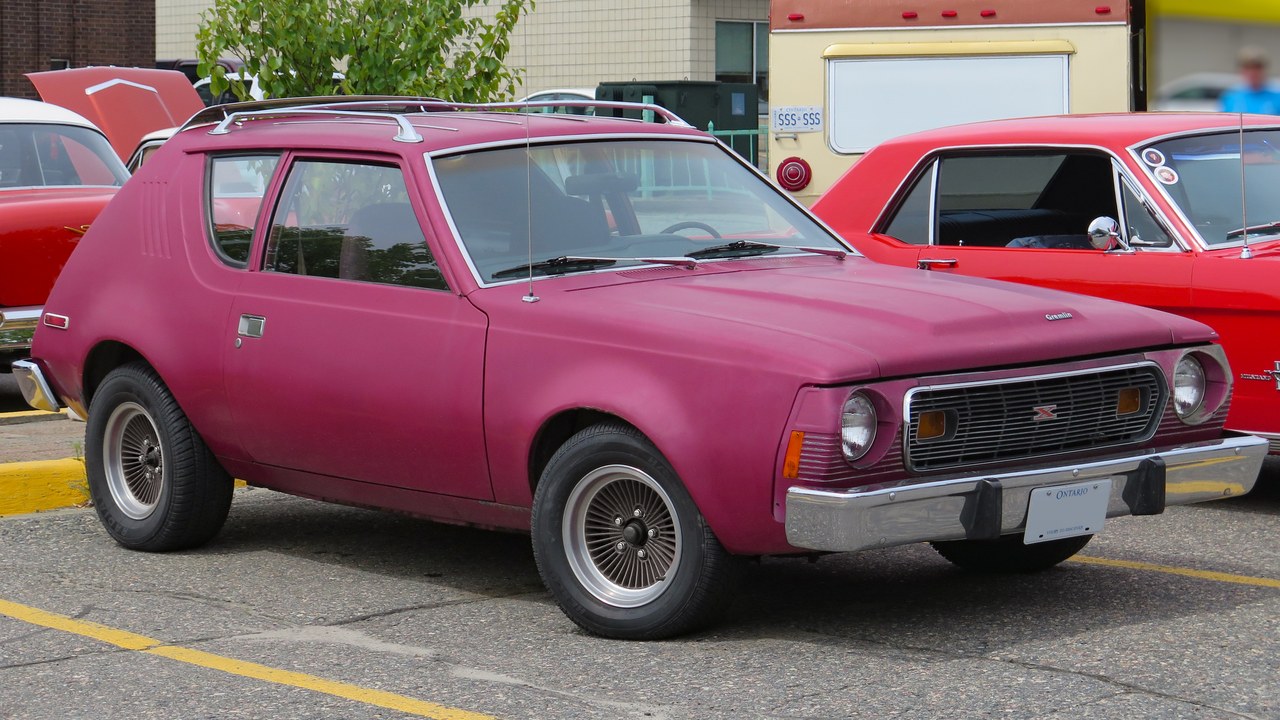
American Motors built the Gremlin as a stubby, low-cost answer to imported subcompacts. Hagerty notes it was introduced April 1, 1970 with a base price of $1,959, and that it sold 76,908 in 1971 against 352,402 Pintos from Ford.
The sales gap shows how hard it was for the smaller automaker to compete with a larger rival at volume. The Gremlin’s distinctive chopped tail has since turned it into a cult favorite among collectors who enjoy 1970s oddities.
4. AMC Pacer: The Flying Fishbowl
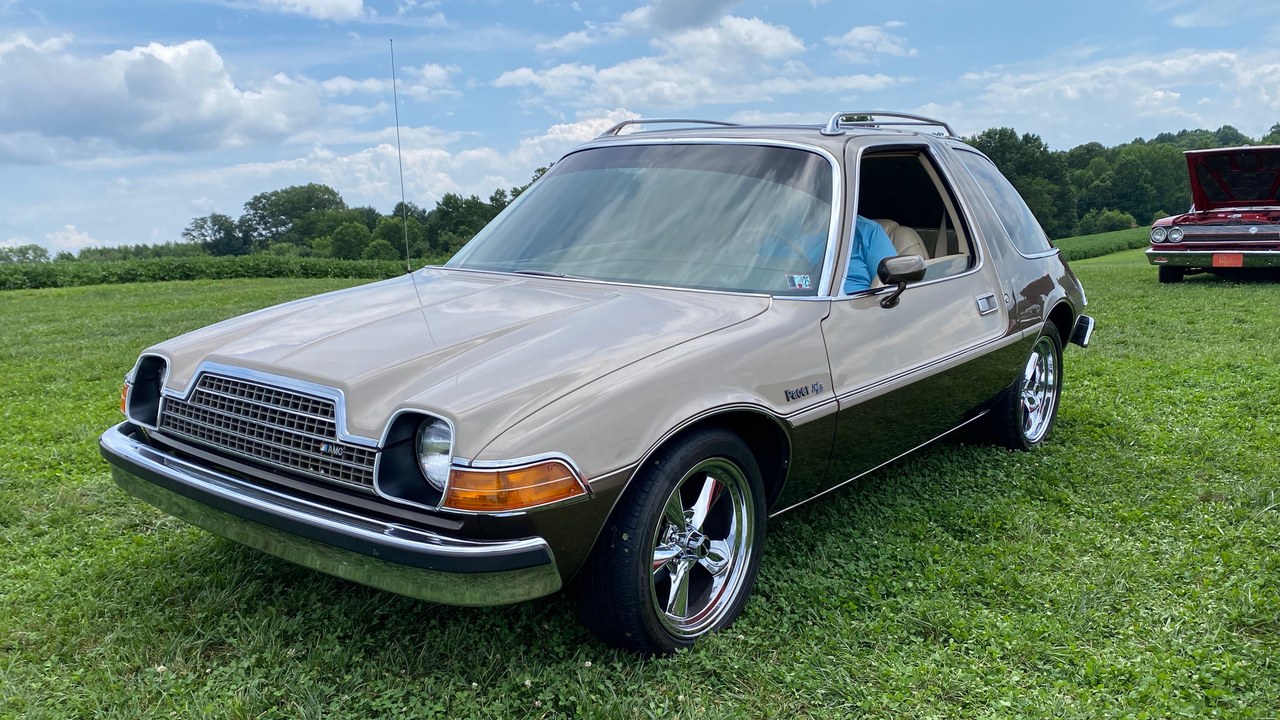
AMC’s Pacer took a radically different approach to the small car, with a wide, glass-heavy body that earned the nickname flying fishbowl. A Motor Trend sales table reproduced by Curbside Classic shows the Pacer selling 58,264 units in 1977, counting both body styles.
Few compact cars of the decade look as unmistakably of their era, and the shape remains one of the most recognizable of the period. Its rounded styling still draws attention at classic car gatherings, where it is rarely mistaken for anything else.
5. Chevrolet Chevette: GM’s Answer to the Imports
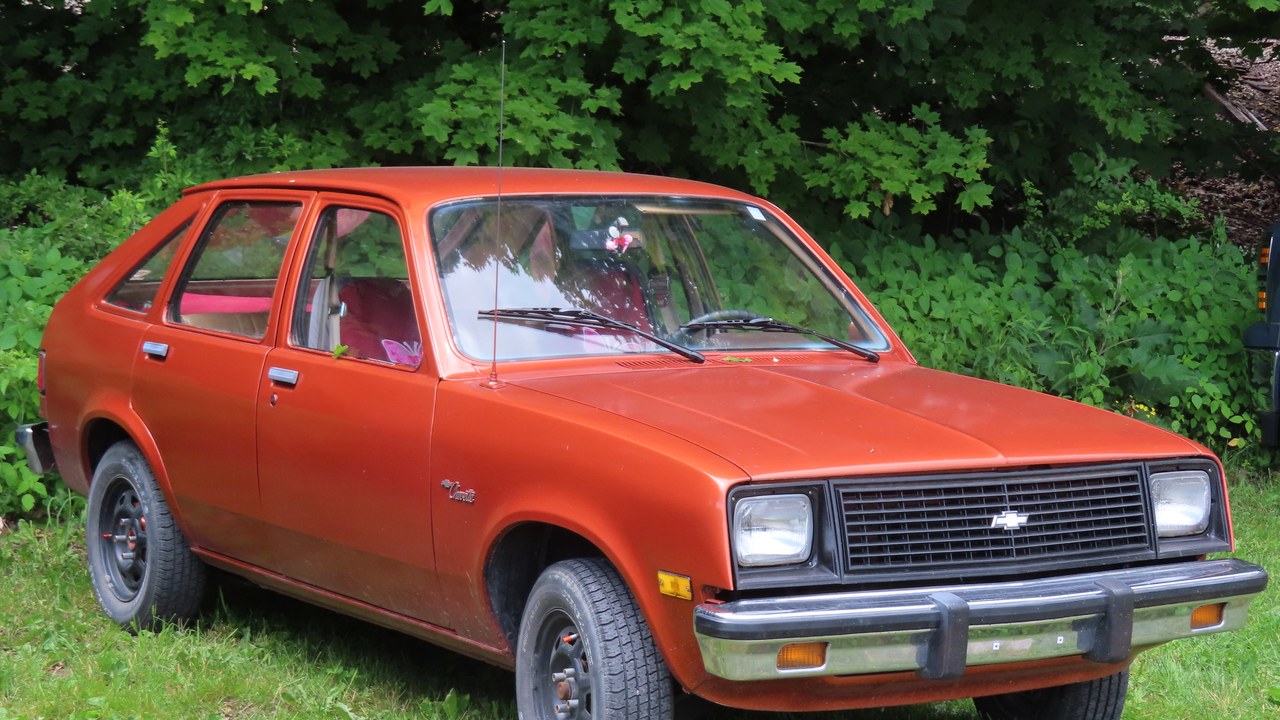
General Motors followed the troubled Vega with a simpler subcompact, the Chevette. The same Motor Trend table lists 133,469 Chevettes sold in 1977, which outpaced the Vega it replaced in the showroom.
The result suggests that buyers rewarded a more modest design after the Vega’s difficulties. For budget-minded households of the late 1970s, the Chevette offered basic, compact transportation from a domestic maker, which was exactly the pitch Detroit needed against the imports.
6. Ford Mustang II: Pony Car on a Diet
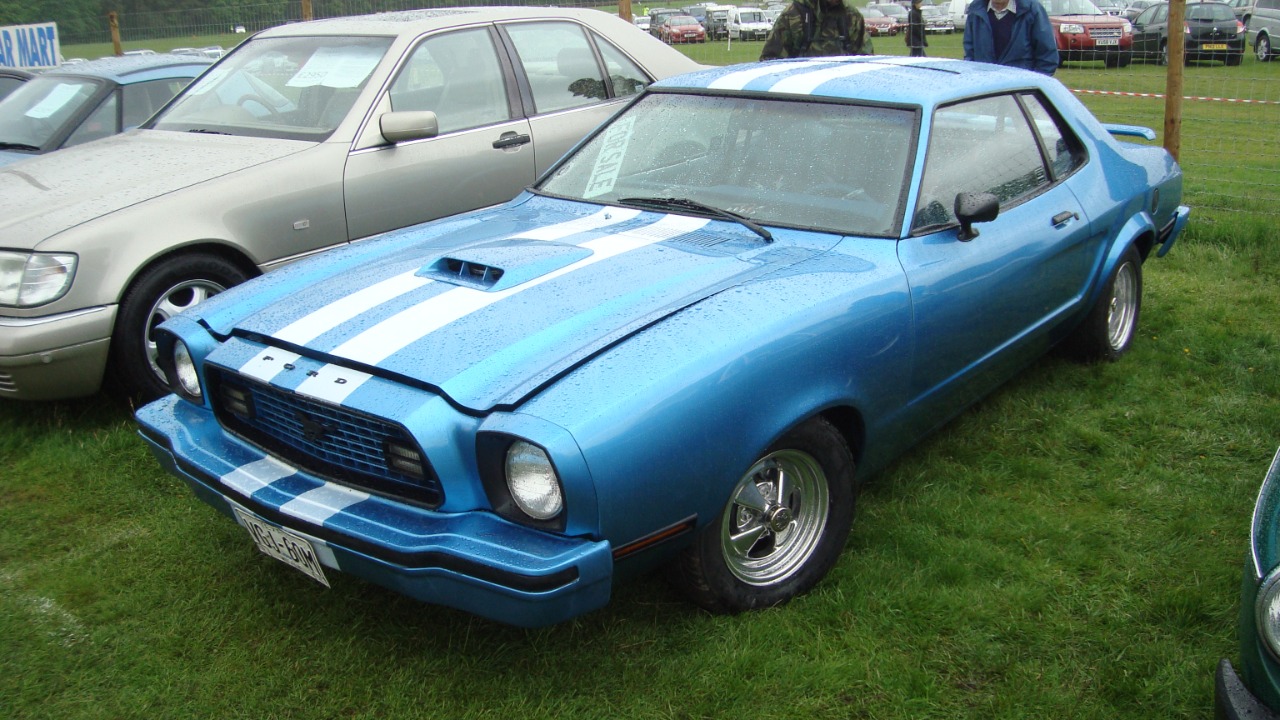
Ford shrank its famous nameplate for the fuel-conscious 1970s, building the Mustang II as a smaller, more economical coupe. Despite being much mocked by enthusiasts, the car still sold 153,173 in 1977, according to the Motor Trend figures.
That total says plenty about the market of the time, when efficiency and a sporty badge mattered more to many buyers than performance credentials. Collectors now tend to view the model with more affection than contemporary critics did.
7. Chevrolet Monza: Vega Underpinnings, Sportier Clothes
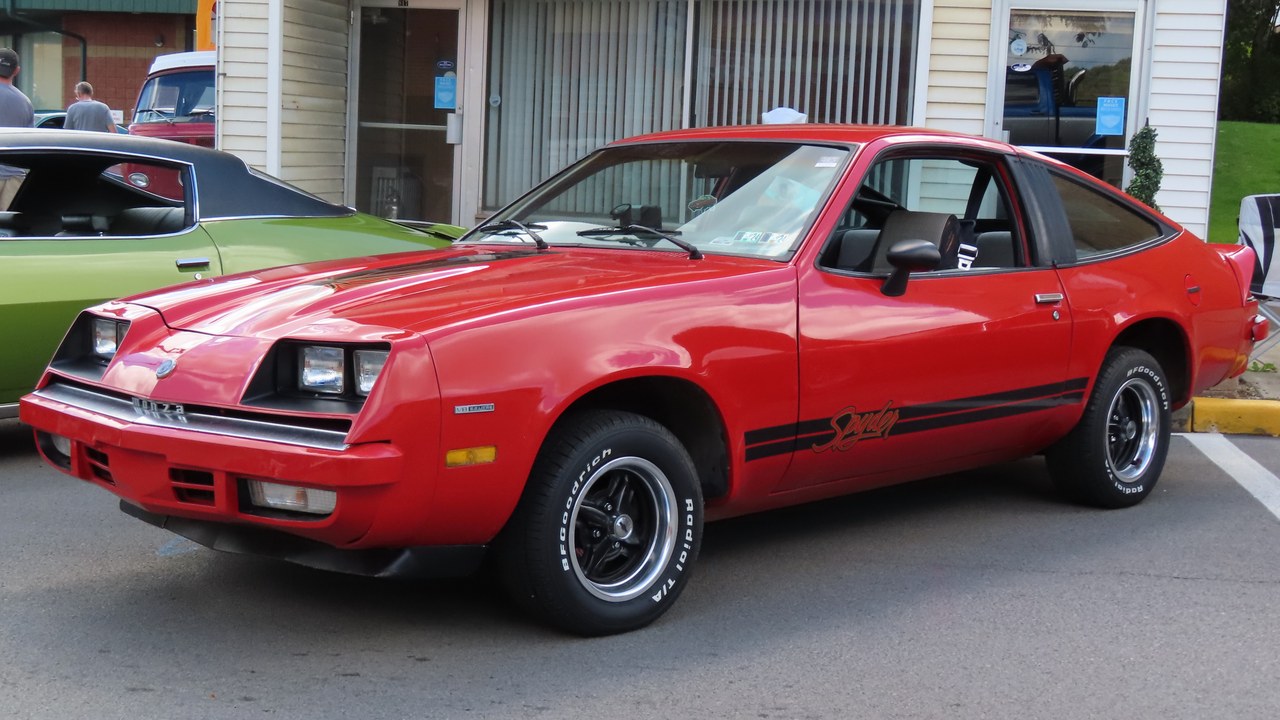
Chevrolet’s Monza took the Vega’s basic engineering and dressed it as a sporty coupe. In 1977 the car sold 73,348 units, close to the 78,402 recorded for the Vega itself in the same Motor Trend and Hagerty figures.
The near-tie shows that styling could sell what the original body could not. The shared platform also meant Monza owners could inherit some of the Vega’s reputation, so prospective buyers of old examples are wise to inspect them carefully.
8. Honda Civic CVCC: Cleaner Air, Better Mileage
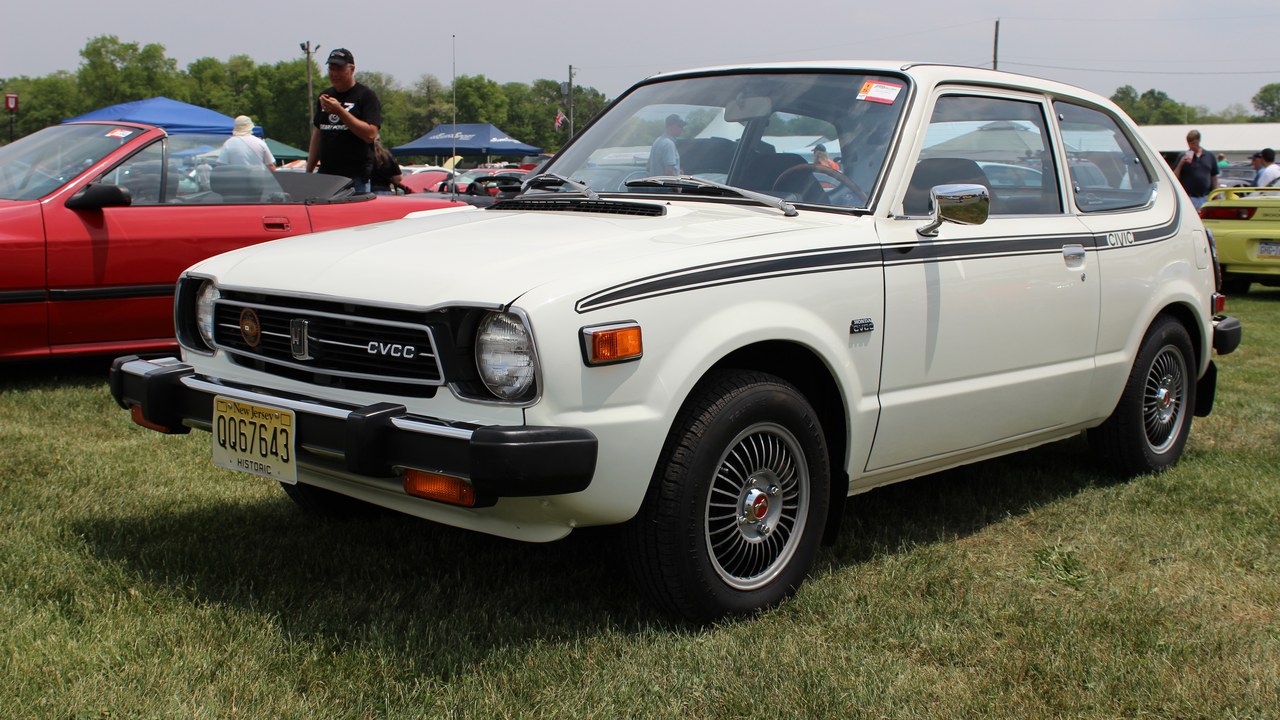
Honda’s compound vortex controlled combustion system, known as CVCC, became the first to pass the stringent 1975 US emissions requirements, and the Civic ranked first in fuel economy four straight years through 1978. Honda’s own history adds that the December 1972 EPA test car was a Nissan Sunny fitted with CVCC.
The achievement credits the engine technology as much as the car itself. It gave Japanese imports a strong argument with American shoppers worried about fuel costs and tightening emissions rules.
9. Honda Accord: Honda Moves Upmarket
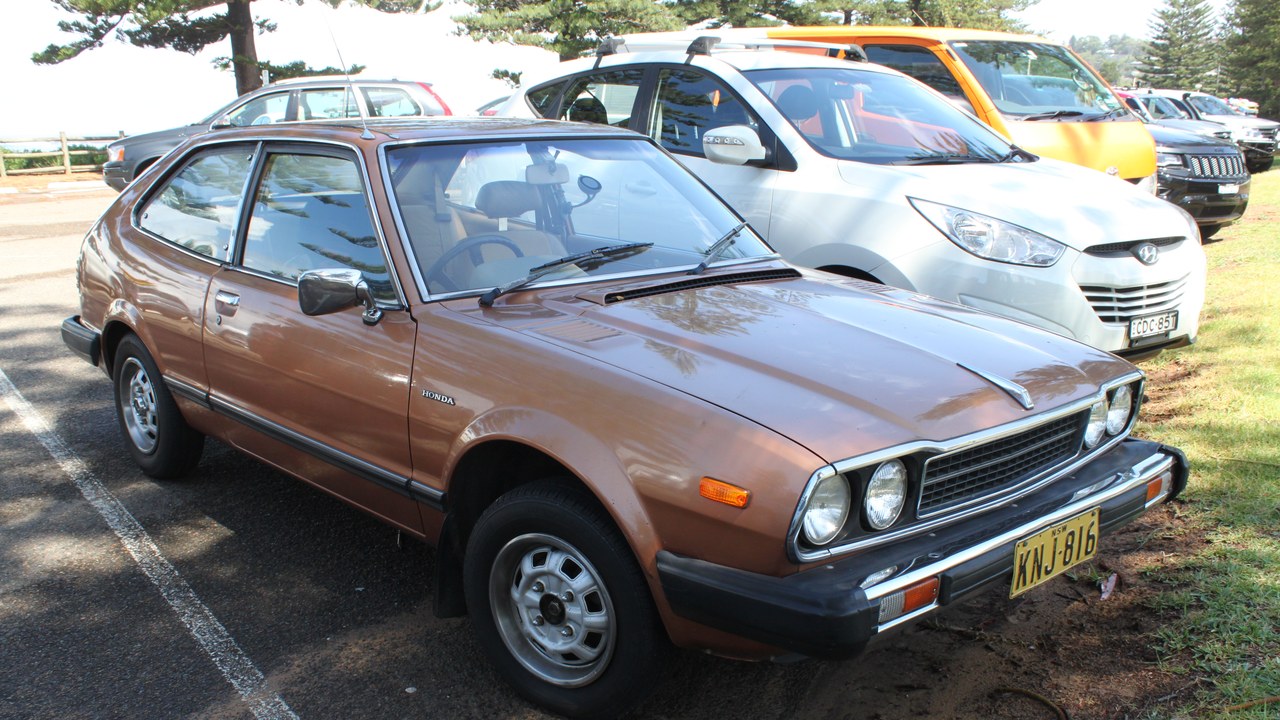
After the Civic, Honda added a larger hatchback called the Accord. The first model reached the US in May 1976, and Honda reports that sales for that year totaled 18,643 units, a start that came only partway through the model year.
The nameplate went on to become a mainstay of American driveways, which makes the original a notable piece of history. Early Accords are now sought after by collectors for their clean, compact design and light weight.
10. Dodge Omni: Detroit Goes Front-Drive
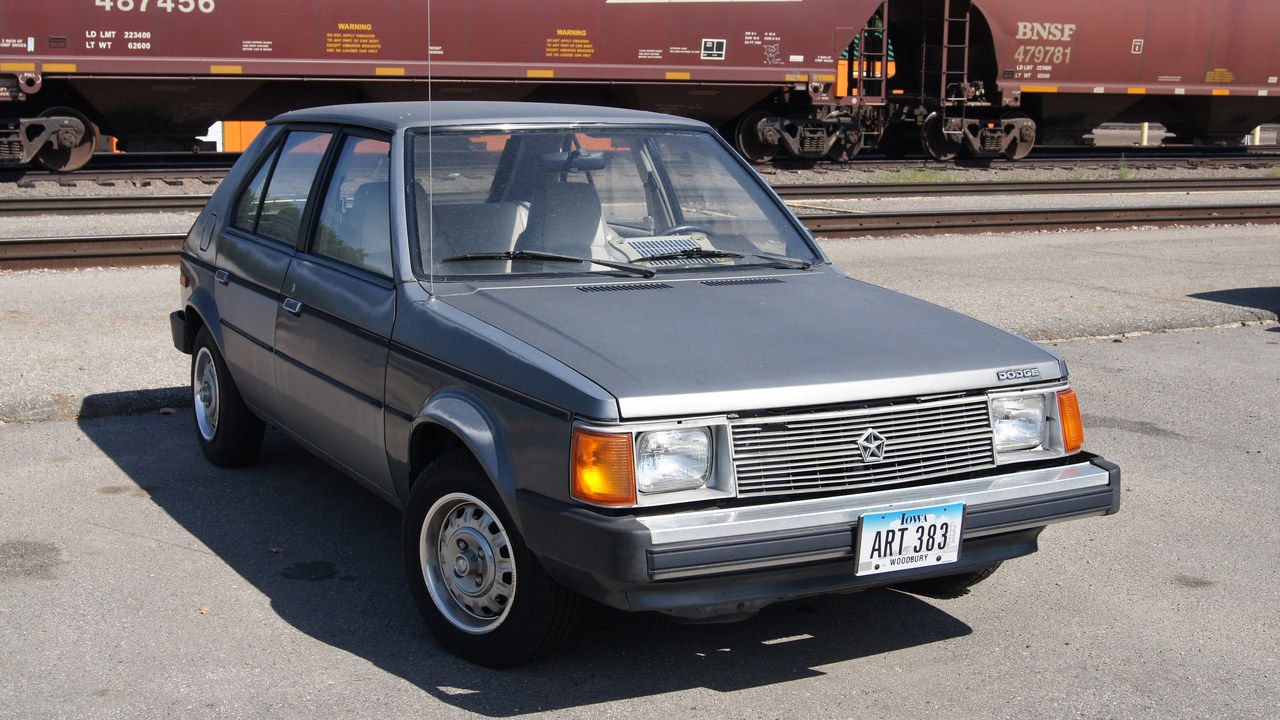
Chrysler’s Dodge Omni and its Plymouth Horizon twin answered 1970s gas prices and 1975 fuel-economy standards with a front-drive hatchback. The Henry Ford’s collection records the pair as Motor Trend Car of the Year for 1978.
The honor signaled that a domestic automaker could build a modern small car for a changed market. For families squeezed by fuel prices, the compact hatchback layout offered more usable space than its modest size suggested.
11. Volkswagen Rabbit: Diesel Efficiency From Germany
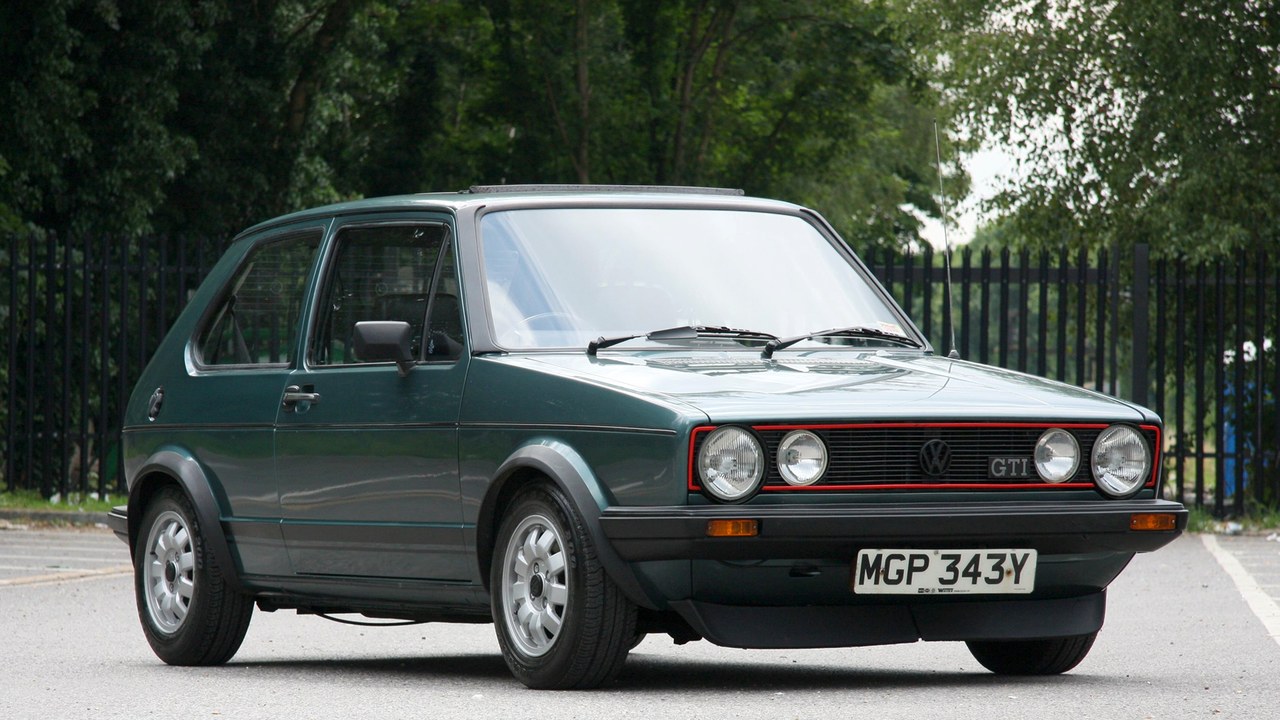
Volkswagen sold its Golf in America as the Rabbit, and the diesel version made a headline-grabbing claim. An advertisement preserved by The Henry Ford shows VW Breaks the 50 MPG Barrier, advertising 52 mpg highway for the diesel.
Those figures were advertised numbers, so real-world economy varied with how and where the car was driven. Even so, the Rabbit diesel became a symbol of how far small-car efficiency had come during the gas crunch years.
More from Morning Overview
- USS Colorado will be the first U.S. submarine in AUKUS’s new Australian rotation
- Monster waves battered California, flooding streets and closing piers along the coast
- Hackers broke into Japan’s Fugaku supercomputer and stole the SSH keys of its users
- Student pilots are stuck with nearly 60-year-old T-38 jets that work only half the time
