
When temperatures drop, animals have worked out some remarkable ways to get through the cold. Some freeze, some sleep, some travel, and some simply change their clothes for the season. Here are ten animals with wild tricks for surviving winter, drawn from wildlife organizations and nature publications.
Read next on Morning Overview: A dangerous flash flood warning hit Broward County after an overnight deluge
1. Wood frog: Frozen Solid Until Spring
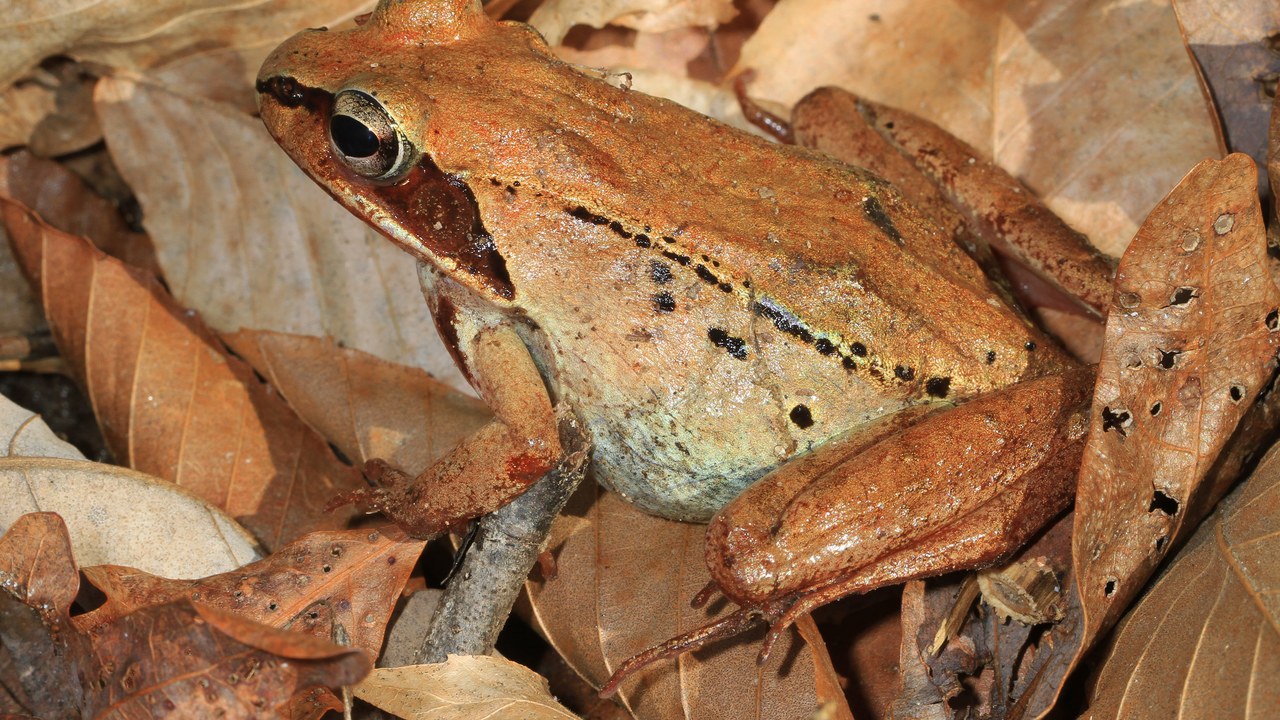
The wood frog allows nearly 70% of its body water to freeze during the harsh winter months, according to a National Wildlife Federation blog post from March 2024. While it is frozen, its heart and breathing stop, and the animal stays in that state until the spring thaw arrives.
That makes the wood frog one of the clearest examples of an animal that does not avoid winter so much as outlast it. Rather than burrowing away from the cold or migrating, it lets ice form in its body and simply waits, resuming normal life once temperatures rise again in spring.
2. Arctic ground squirrel: Supercooled Sleeper
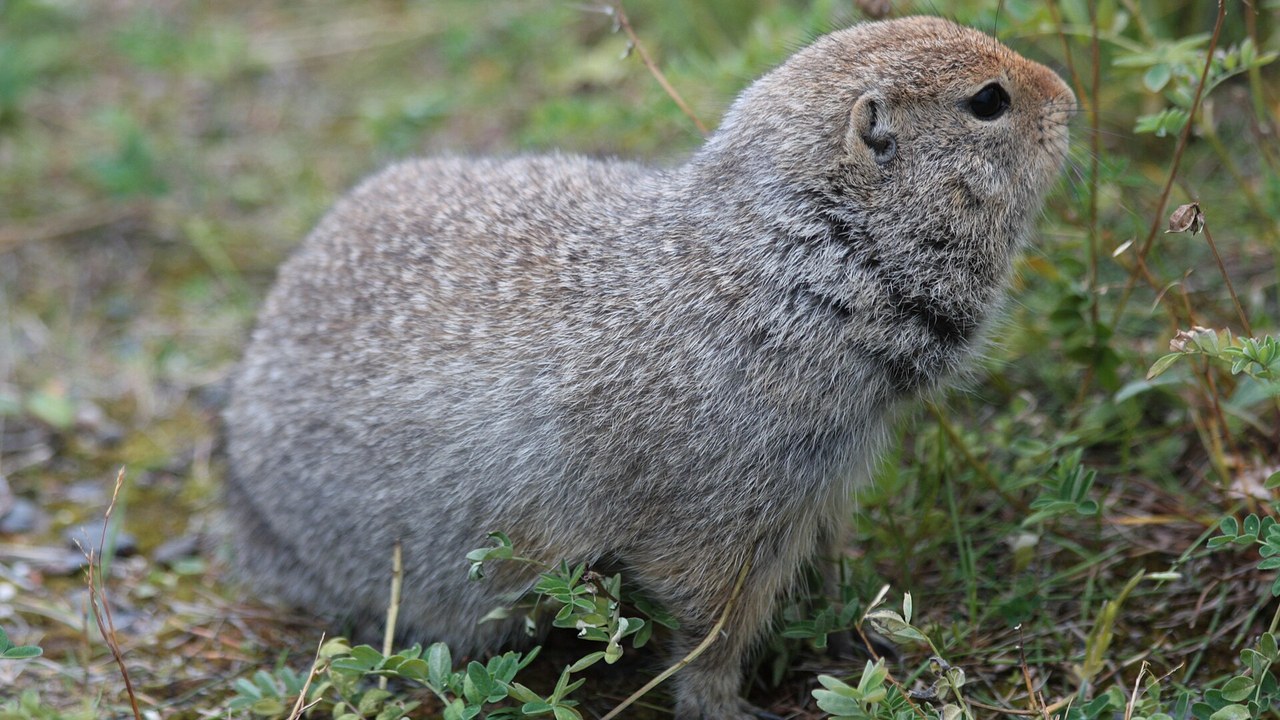
During an eight-month hibernation, the Arctic ground squirrel supercools, and its core temperature falls to -2.9 C, as described in a February 2025 Discover Wildlife explainer on animals that survive freezing. Despite dipping below zero, the animal does not freeze solid.
The figure shows how far a hibernating mammal can push its body temperature before ice takes hold. Eight months is also a long stretch of the year to spend in that state, which puts this small ground-dwelling rodent among the more extreme winter sleepers in the animal kingdom.
3. North American beaver: Home Inside the Lodge
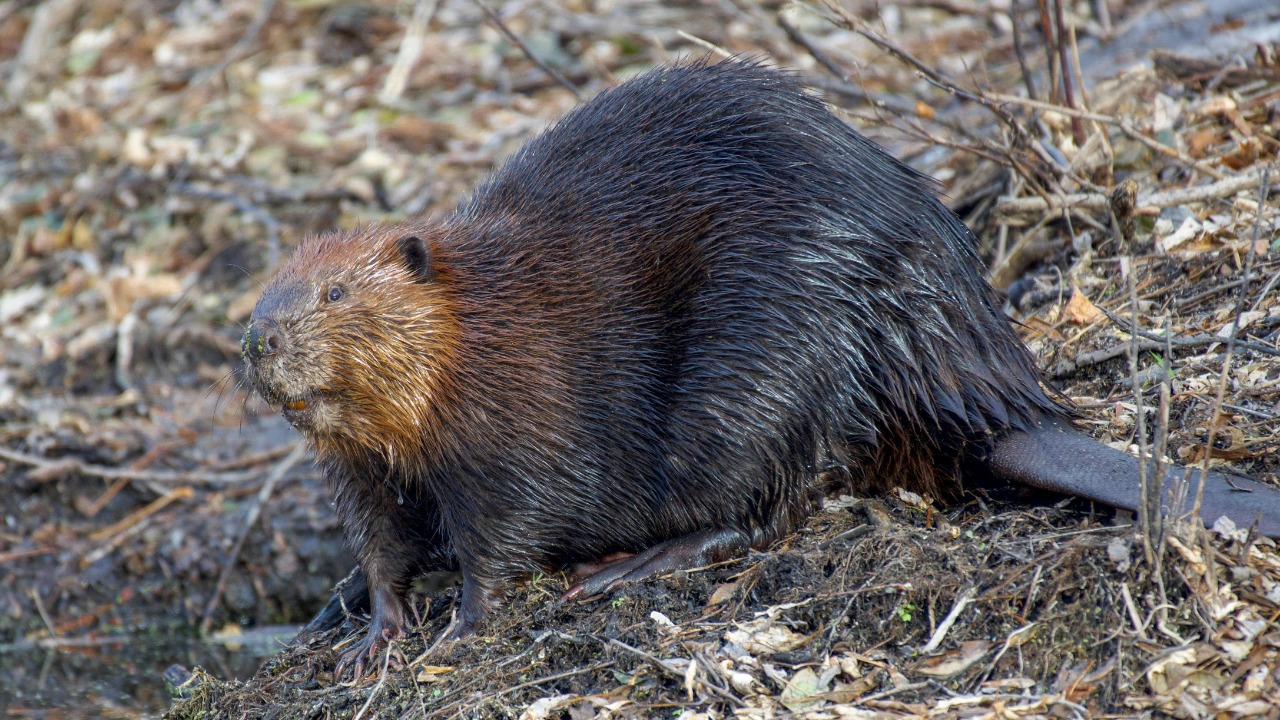
The North American beaver can live entirely within its lodge for up to 150 days per year, based on the National Wildlife Federation account published in March 2024. Its winter food supply is a cache stored underwater, so the animal can eat without leaving the shelter.
That cache-and-lodge arrangement turns the beaver’s home into a self-contained winter base. Up to 150 days is a figure given for the maximum, so the actual time spent indoors can vary, but the strategy rests on stored food rather than winter foraging in the open.
4. Painted turtle: Thick-Skinned Hatchlings
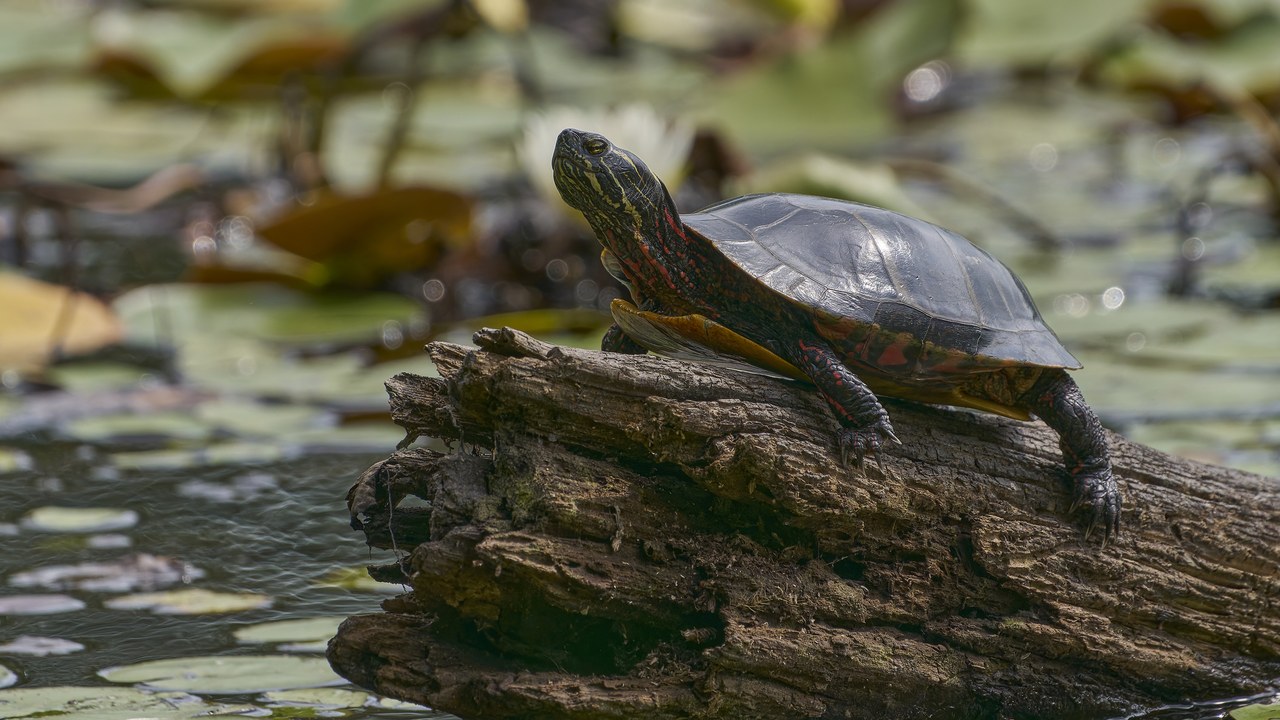
Painted turtle hatchlings have thick skin and do not retain much water, a pair of traits that help them survive subfreezing temperatures, according to a January 2026 Reconnect with Nature article on how animals endure winter weather. The detail concerns the youngest turtles specifically.
The source describes these as physical features of the hatchlings rather than a behavior they choose. Because the trick lies in the skin and in how little water the body holds, it offers a different picture of winter survival from the hibernation and migration strategies elsewhere on this list.
5. Monarch butterfly: The Long Trip South
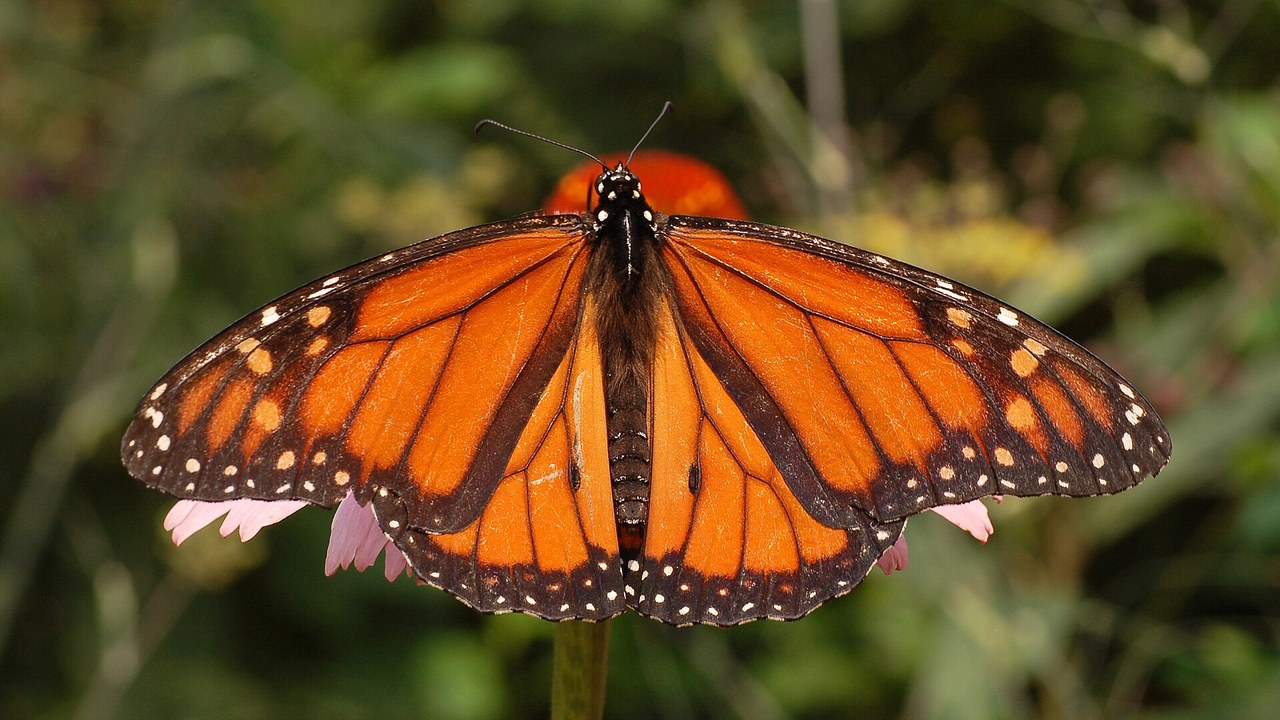
Tiny monarch butterflies travel from all over the country to spend their winters in Mexico, according to a December 2023 National Park Service article on winter survival strategies. Migration is the monarch’s answer to the cold, since it leaves the seasonal chill behind rather than enduring it where it summered.
The park service frames the journey as one of several ways animals handle winter, alongside hibernation and changes in appearance. What stands out is the contrast in scale, with a fragile insect covering such a distance while larger mammals on this list simply sleep through the season.
6. Snowshoe hare: Seasonal Wardrobe Change
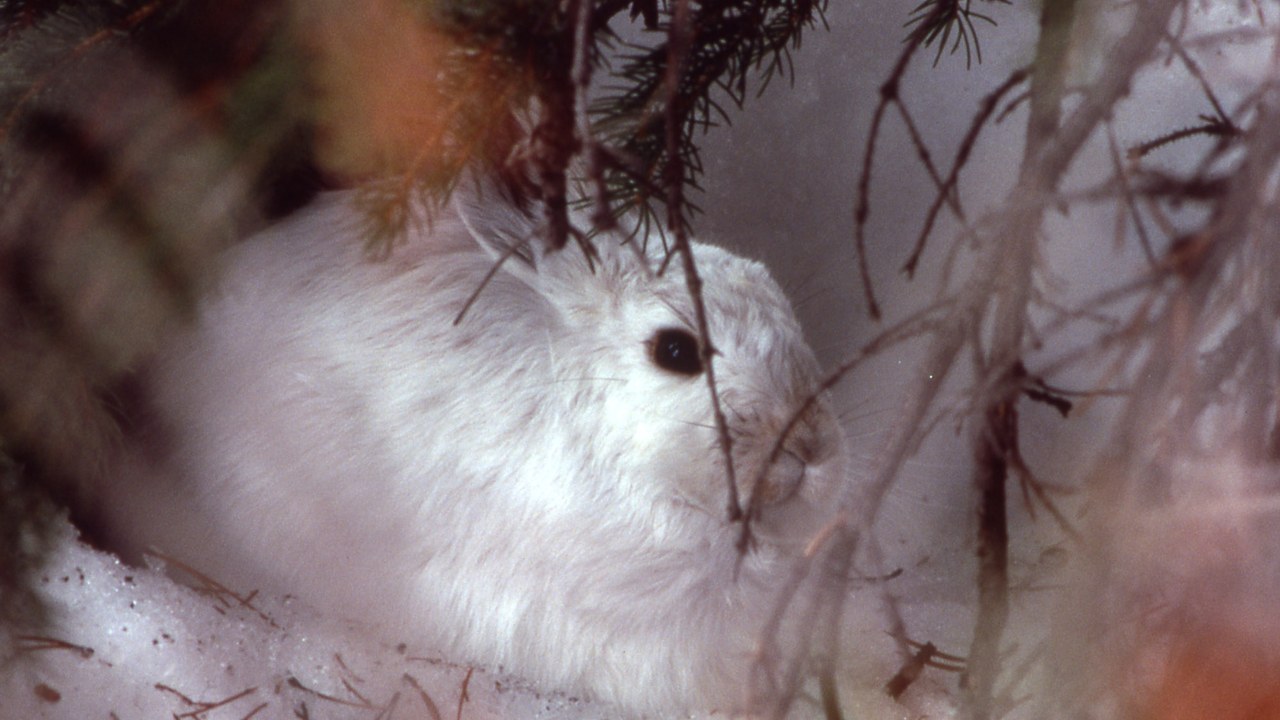
The snowshoe hare changes color in winter for camouflage in snow, a trait the National Park Service highlights in its December 2023 article on winter survival strategies. The shift in coat helps the animal blend into a landscape that looks very different from its summer surroundings.
Camouflage is a defense that works only when it matches the background, which is why the timing of the change matters. The source treats the seasonal color change as a straightforward adaptation to snow and does not give further detail on how or when it happens.
7. Rock ptarmigan: Dressed in All White
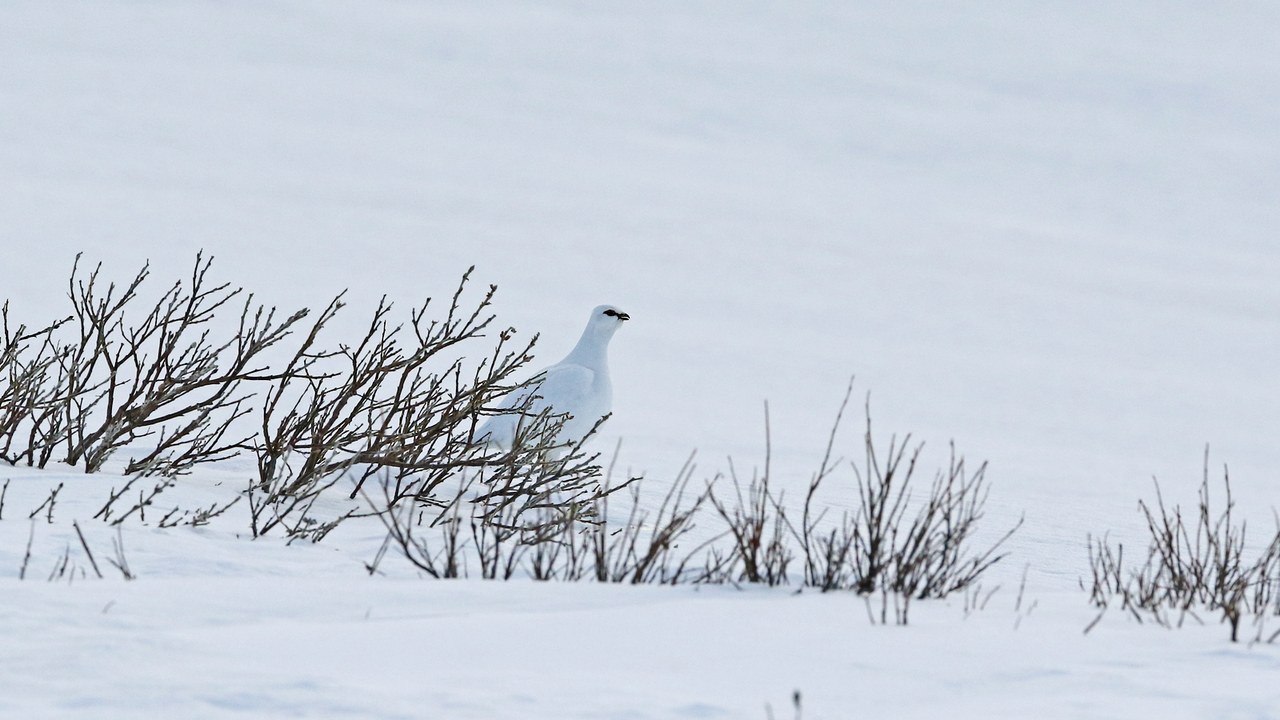
The rock ptarmigan turns all white in winter, a change that provides camouflage and helps retain heat. WWF-Canada’s March 2024 piece on how wildlife thrive in winter notes that Arctic hares and rock ptarmigans don all-white looks in the winter months.
The plumage change does two jobs at once, hiding the bird against snow and holding in warmth. It is also a trait the ptarmigan shares with a mammal further down this list, which shows that very different animals have arrived at the same solution to the same seasonal problem.
8. Arctic fox: From Brown to White
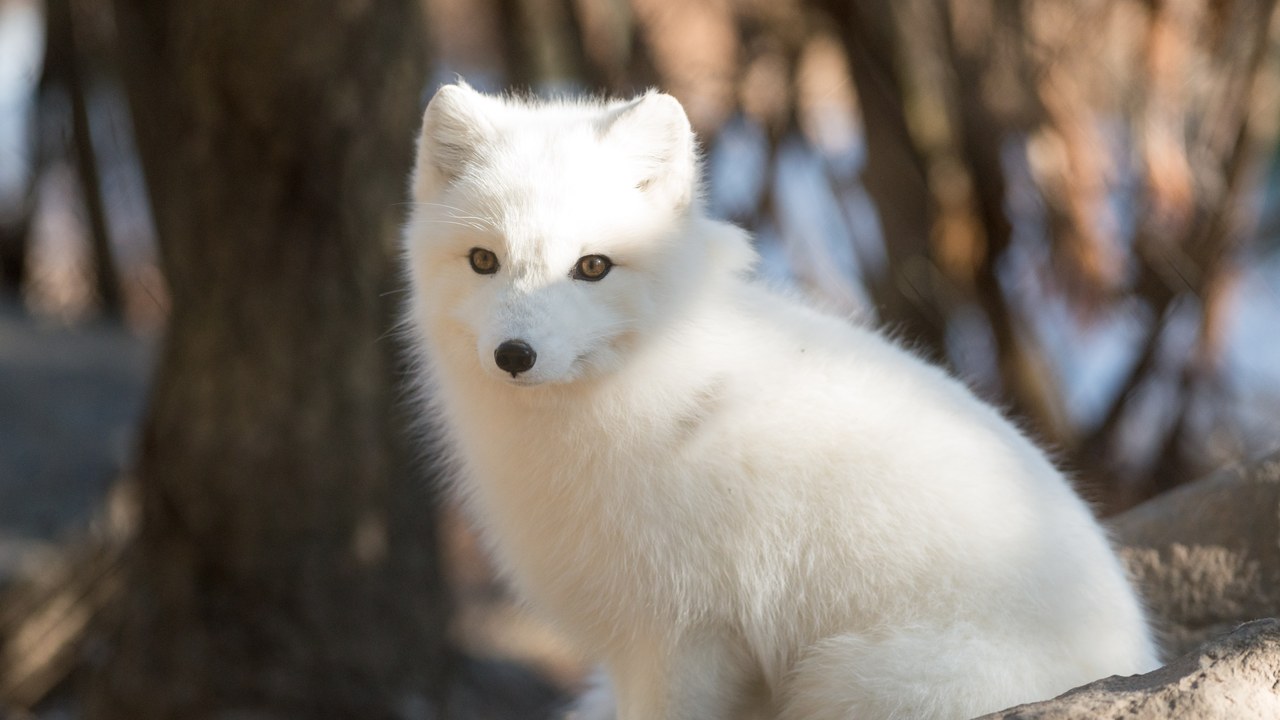
The Arctic fox changes its fur from brown to white to better blend into its snowy surroundings, according to WWF-Canada’s March 2024 article on winter wildlife adaptations. The new coat arrives as snow covers the ground, helping the fox stay hard to spot against it.
Few animals illustrate seasonal camouflage as neatly as a fox that swaps one coat color for another as its habitat changes. The source describes the shift in terms of blending in, so the benefit is concealment, though a pale coat is a feature the Arctic fox shares with several other animals on this list.
9. Black-capped chickadee: Feathers as Insulation
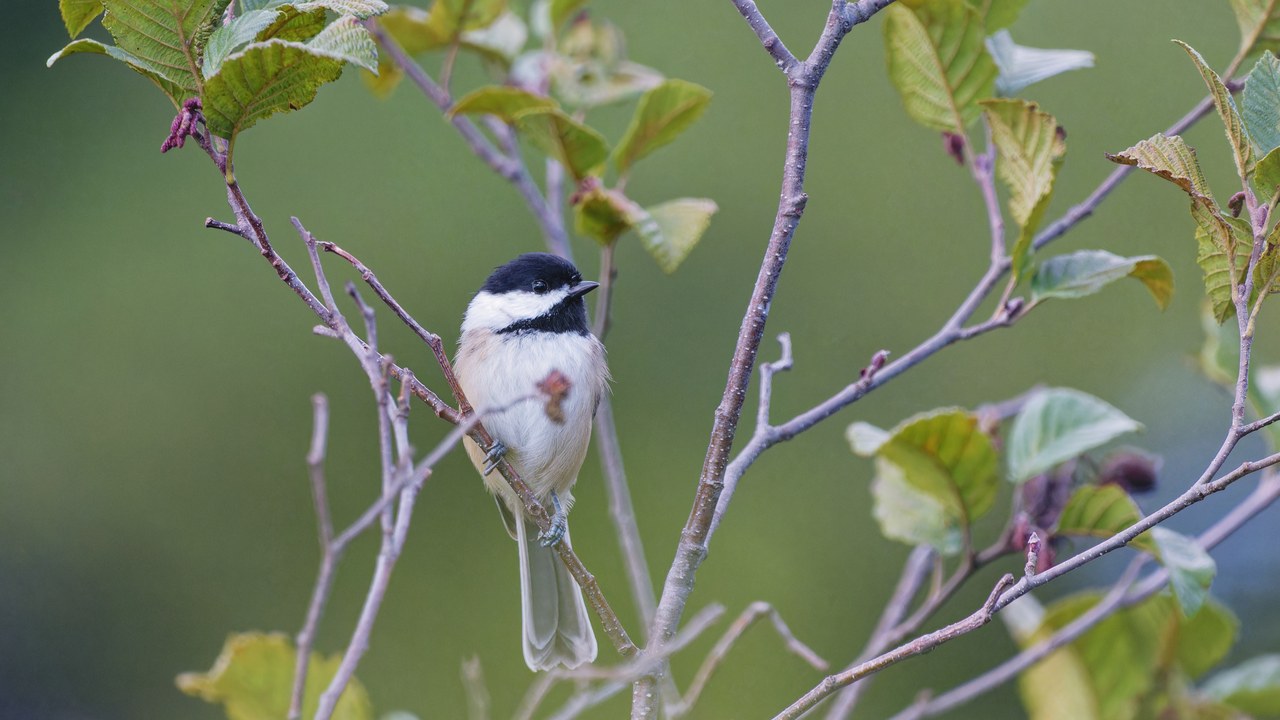
The black-capped chickadee grows an insulating layer of feathers as the weather gets colder, as stated in WWF-Canada’s March 2024 piece on wildlife in winter. The change is a physical response to falling temperatures rather than a move to a warmer place.
Unlike the migrants and hibernators on this list, the chickadee is portrayed as dealing with winter in place, with its own body doing the work. The claim comes as stated by WWF-Canada, which does not specify how much extra insulation the bird gains or how quickly it develops.
10. Arctic hare: The All-White Coat
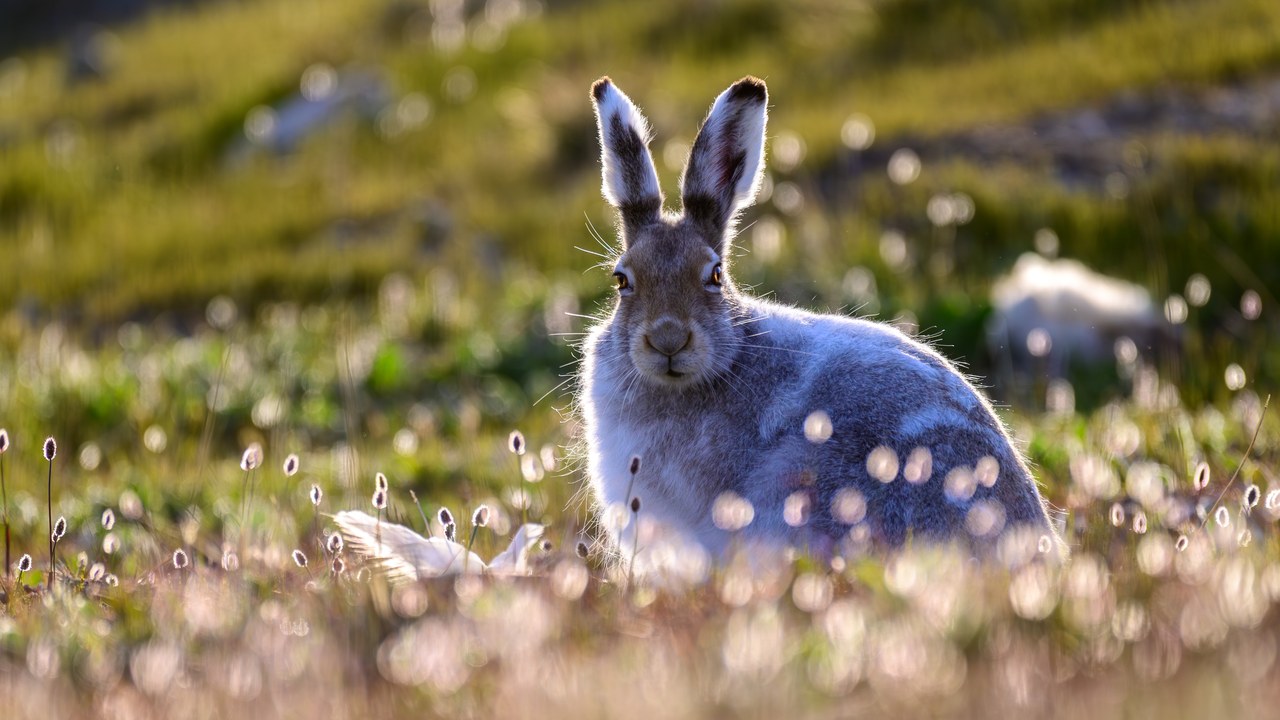
The Arctic hare dons an all-white coat in the winter months. WWF-Canada’s March 2024 article on thriving through winter groups it with the rock ptarmigan, noting that both animals take on all-white looks when the cold season arrives.
Pairing a hare with a bird is a reminder that camouflage is not confined to one branch of the animal family tree. The source offers the white coat as a seasonal look rather than a permanent one, which closes out a list that runs from frozen frogs to feathered insulation.
More from Morning Overview
- A Utah county approved a massive nuclear and data center project without residents’ input
- The sub that hit an undersea mountain has a new bow dome, but won’t sail until summer
- Apple quietly pushed security fixes to nearly every iPhone, even ones stuck on iOS 18
- Expedia confirms hackers got in through a supplier, and here’s what to watch for
