
Pop-up headlights gave a generation of sports cars a low, clean nose, and then they quietly disappeared from showrooms. Pedestrian-protection rules, rising cost and the arrival of compact modern lamps all played a part. Here are fifteen cars that carried the feature before carmakers moved on.
Read next on Morning Overview: Student pilots are stuck with nearly 60-year-old T-38 jets that work only half the time
1. Cord 810: Where It Began
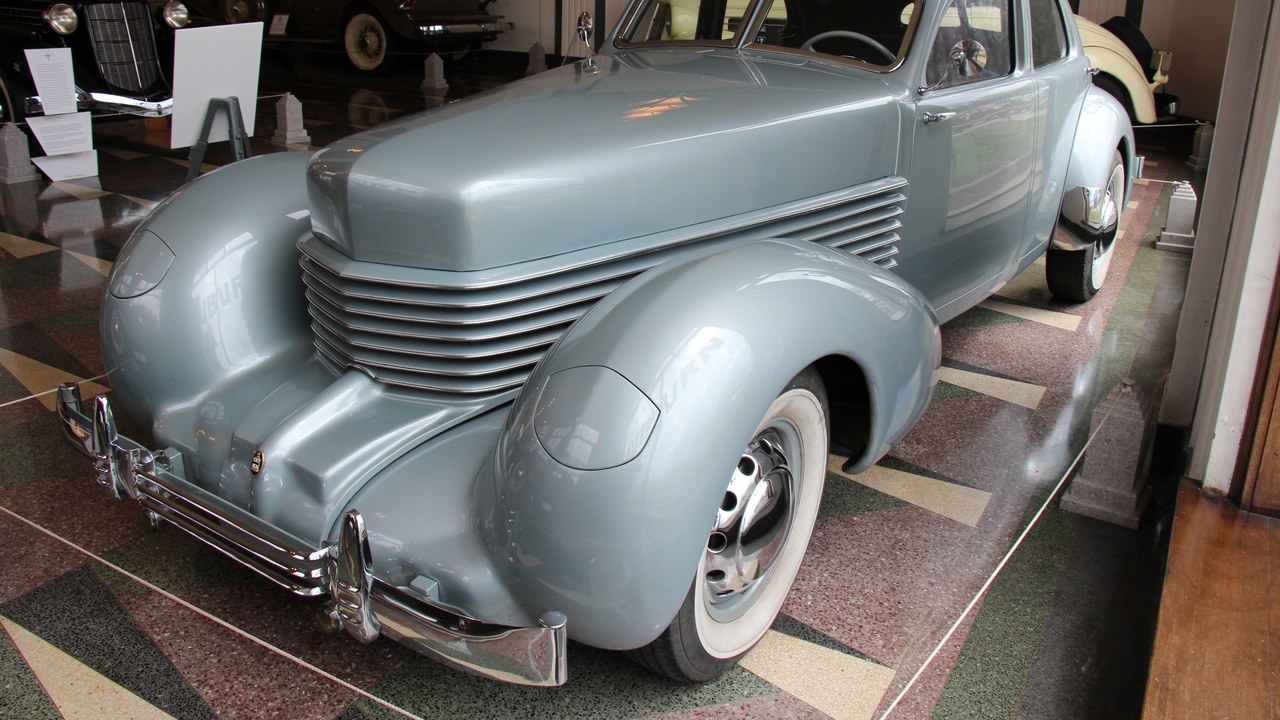
Hidden headlamps made their debut on the Cord 810 in November 1935 at the New York Auto Show, and the lamps on that car were raised by hand-crank. The hidden headlamp history traces the idea to the front-wheel-drive Cord, a car that put the lamps out of sight and started a styling trick other makers would copy for generations.
Collectors prize the 810 and its related 812 partly for that crank, a mechanical gimmick that later cars would automate with vacuum lines and electric motors.
2. Chevrolet Corvette (C2): Sting Ray Era
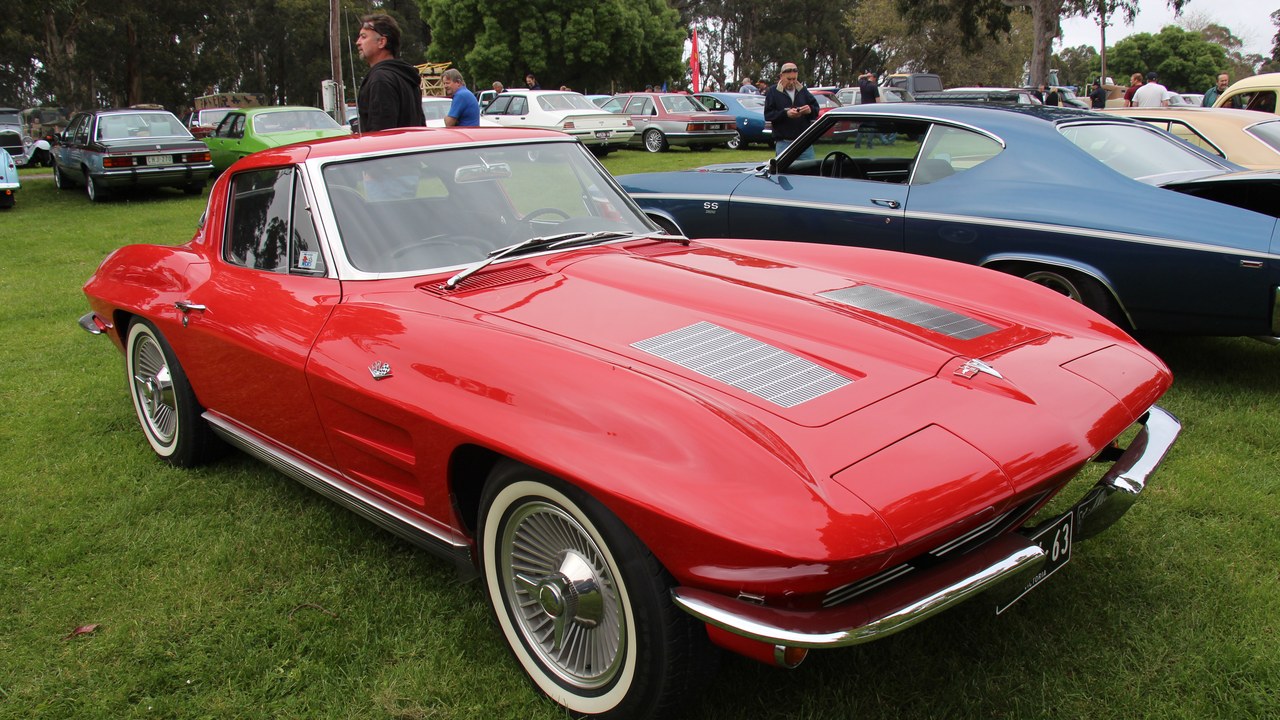
Corvette headlamps retracted from 1963 to 2004, a run that began with the second-generation Sting Ray and carried through several redesigns. According to the hidden headlamp article, the last volume-production car with pop-up headlamps arrived in 2004.
For anyone shopping for a Sting Ray, the lamp mechanism deserves a close look, since a working set of rising lights is part of what makes the car feel complete and period-correct.
3. Porsche 928: Rotating Lamps
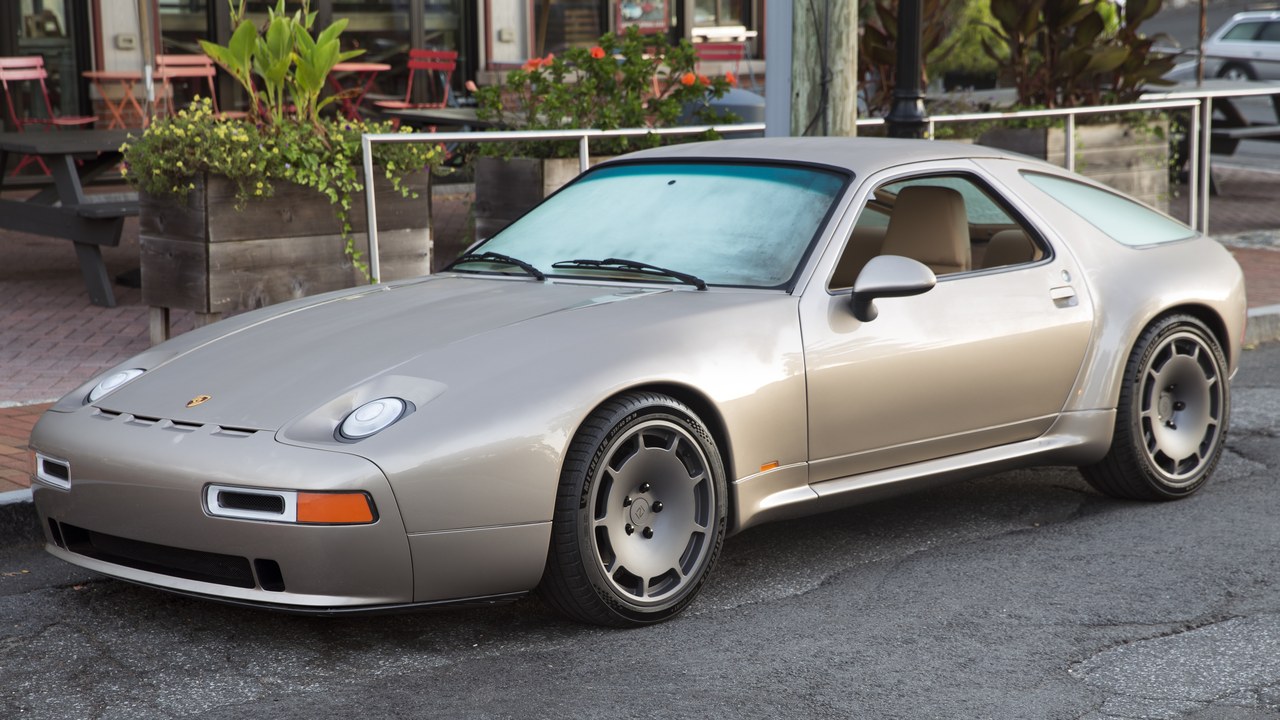
Instead of rising, the 928’s headlamps sat in a housing that rotates so as to sit flush with the front end, as the hidden headlamp entry describes it. The trick gave the Porsche a smooth nose when the lights were off.
The design is a reminder that pop-up was never a single mechanism. Rotating and rising versions all chased the same clean look, and all of them added cost and complexity that later carmakers chose to avoid.
4. Lotus Esprit: Long Run
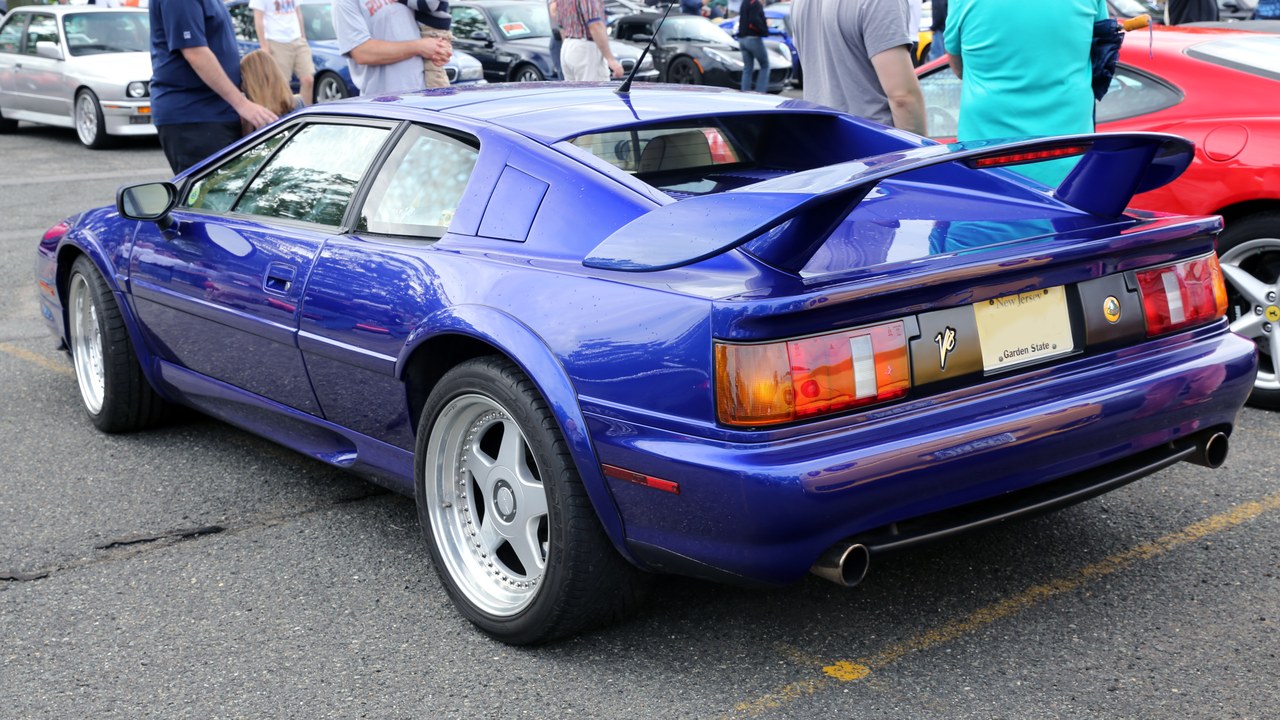
The Lotus Esprit had a remarkable 28-year production run from 1976 to 2004, according to CarBuzz’s pop-up guide. It was also one of the last two mass-produced US-market cars to keep pop-up headlights.
That longevity makes the wedge-shaped Lotus a natural poster car for the whole trend, since a single nameplate stayed on sale long enough to see the style arrive, spread and then fade from showrooms.
5. Ferrari F40: Rare Supercar
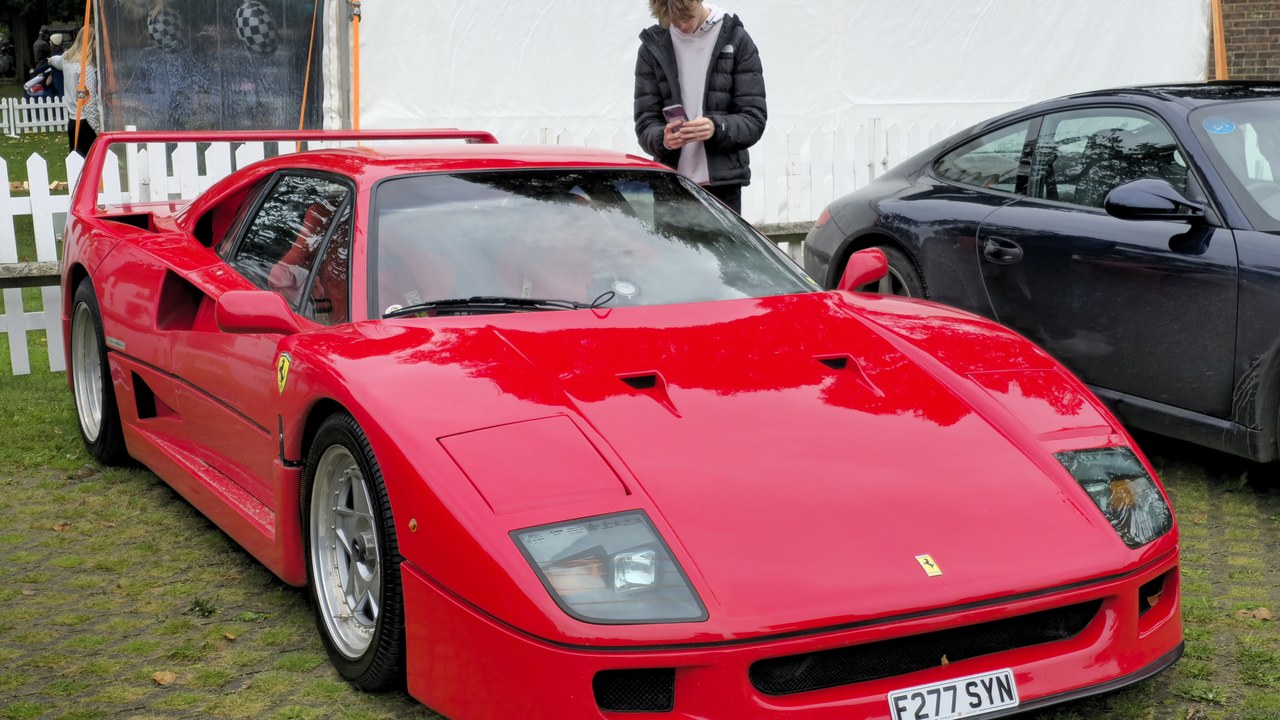
A total of 1,315 Ferrari F40s were produced from 1987 to 1992, per CarBuzz’s list, which makes the F40 the most expensive car on that pop-up roundup.
Admirers treat the folding lamp panels as part of the car’s raw, stripped-down character. The small build count and the price tag help explain why most people will only ever see one at a show or in a museum.
6. Mazda RX-7: Rotary Icon
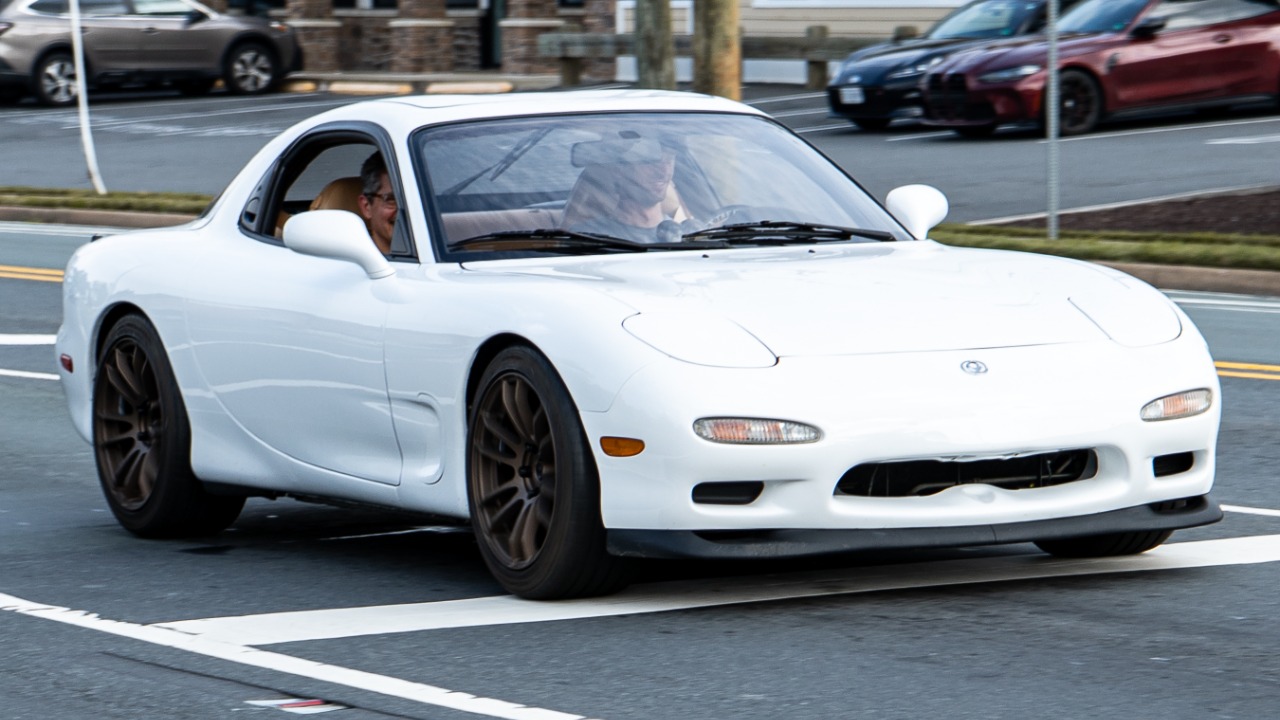
Only 1,152 official examples of the FD-generation RX-7 were sold in Europe, a figure from CarBuzz’s pop-up feature. In the United States, 1995 was the final model year for the car.
That small European tally is a useful reminder of how limited the supply of official cars was outside America. Anyone looking at an FD should expect the pop-up lamp hardware to be an important part of a pre-purchase inspection.
7. Mazda MX-5 Miata: Friendly Roadster
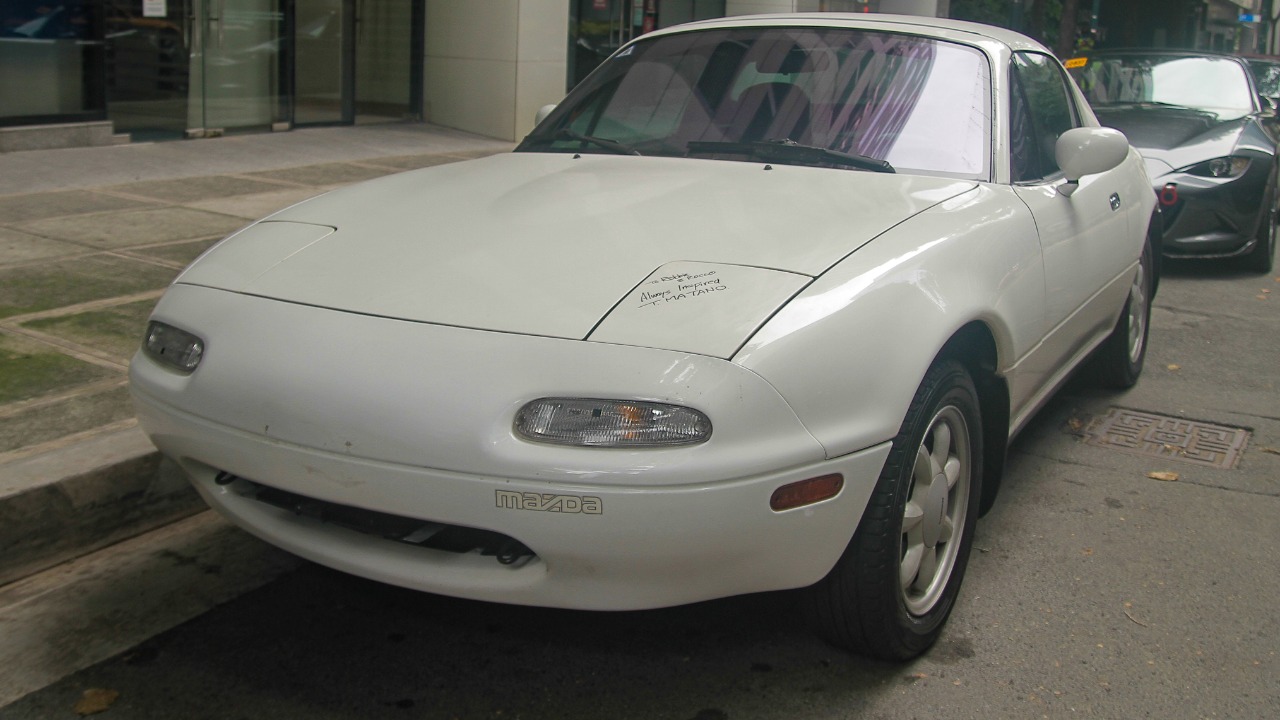
The first-generation NA Miata launched as a 1990 model in 1989 and lasted until it was phased out in 1997, according to the CarBuzz guide. That is when the little roadster’s pop-up lamps gave way to fixed ones.
Many fans still consider the NA the purest version, and its blinking, winking lamps are a big part of why the car feels so cheerful.
8. Opel GT: Buick Dealer Import
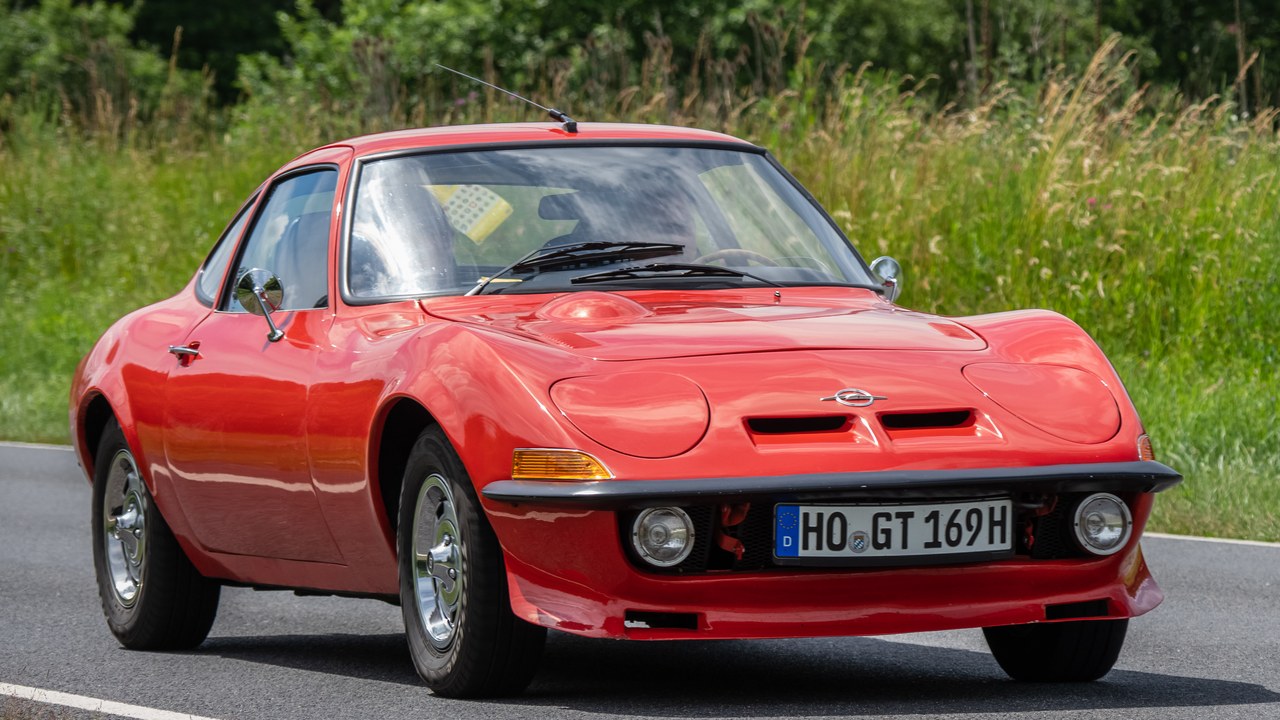
The 1968-73 Opel GT was sold in America through Buick dealers, a compact sports coupe whose lamps rotated out of sight in the nose. CarBuzz says it is a pity the car did not stand the test of time in the US market.
For collectors, the GT remains an unusual, compact alternative to the bigger American sports cars of its day, and its hidden lamps are a large part of the appeal.
9. Chevrolet Corvette (C5): Final Bow
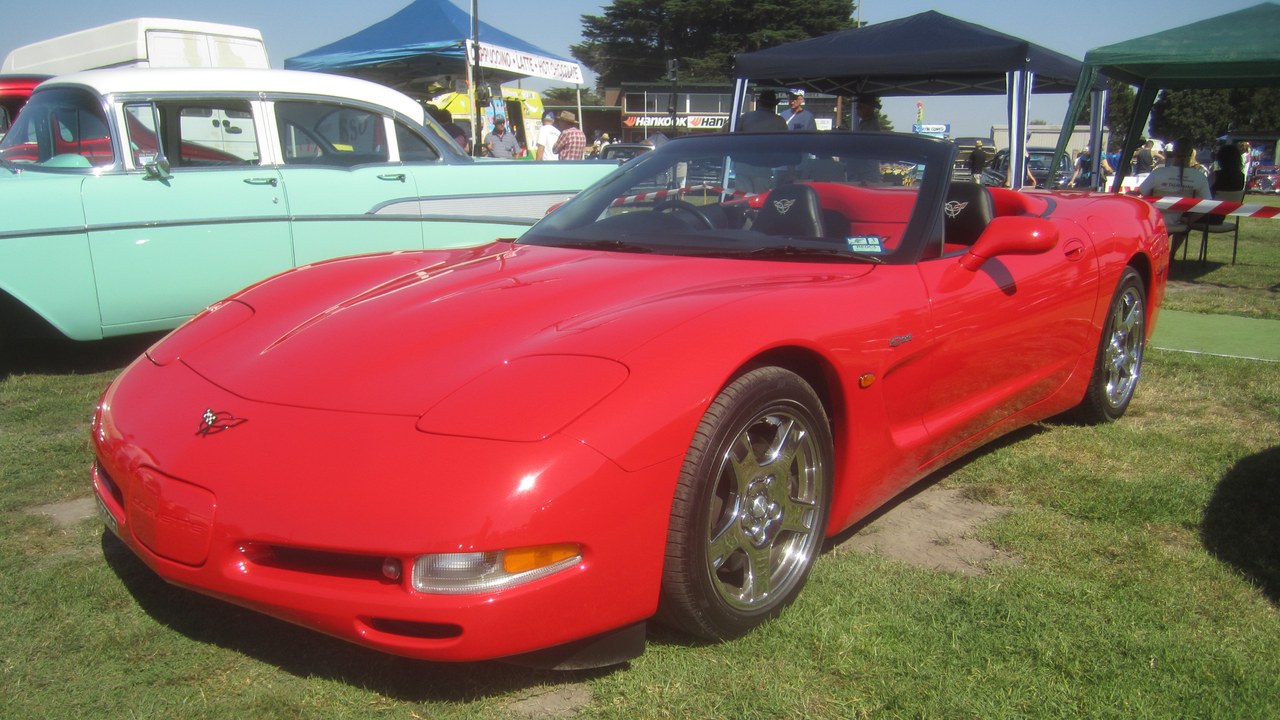
The C5 Corvette and the Lotus Esprit were the last mass-produced US cars with pop-ups, and both ended production in 2004, according to Motor1’s explainer. After that, the technology effectively left the mainstream.
Fans of the model can point to the C5 as the last Corvette with rising lamps, a detail that gives the car extra interest beyond its performance and its place in Corvette history.
10. Pontiac Firebird: Trans Am Staple
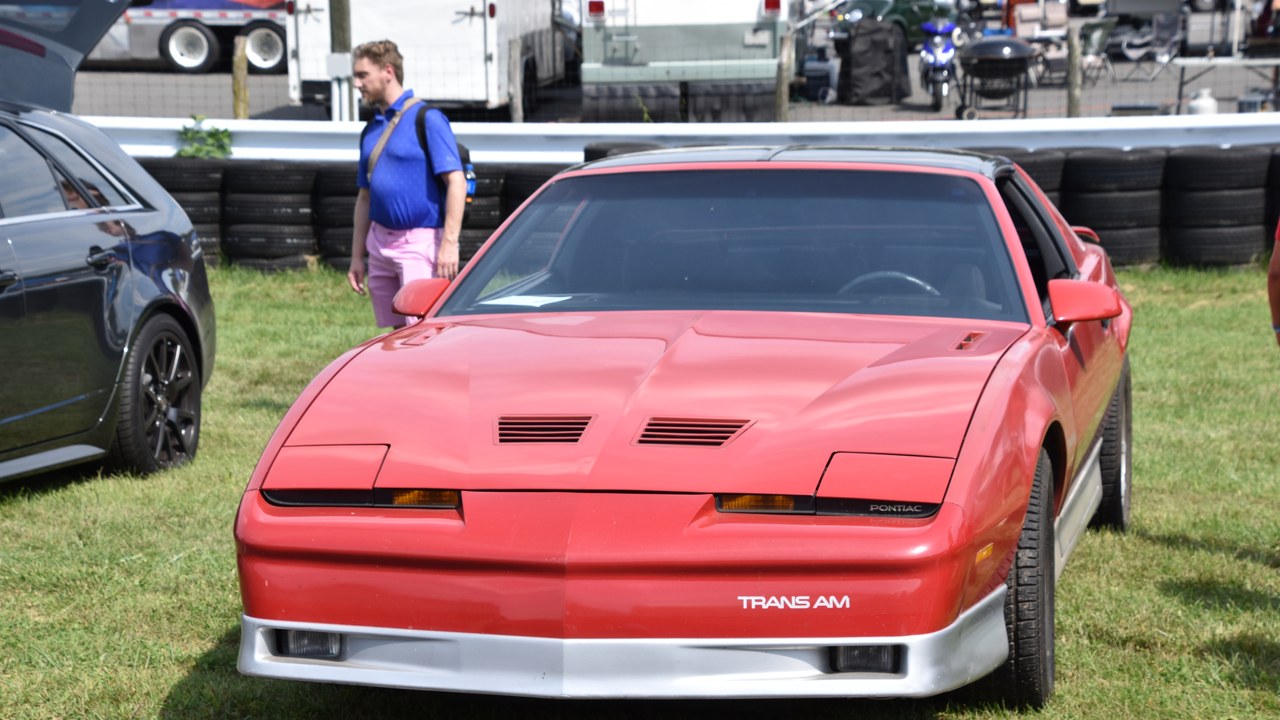
Cars ranging from the Pontiac Firebird and Toyota Celica to the Honda Prelude and Mazda MX-5 Miata used pop-up headlights, as Motor1 notes. The Firebird is the American muscle-car name on that short list.
The sleek, low nose that hidden lamps allowed became a big part of the car’s image, and the look is still tied to the period when pop-ups were an everyday styling choice rather than a rarity.
11. Toyota Celica: Sports Coupe Staple
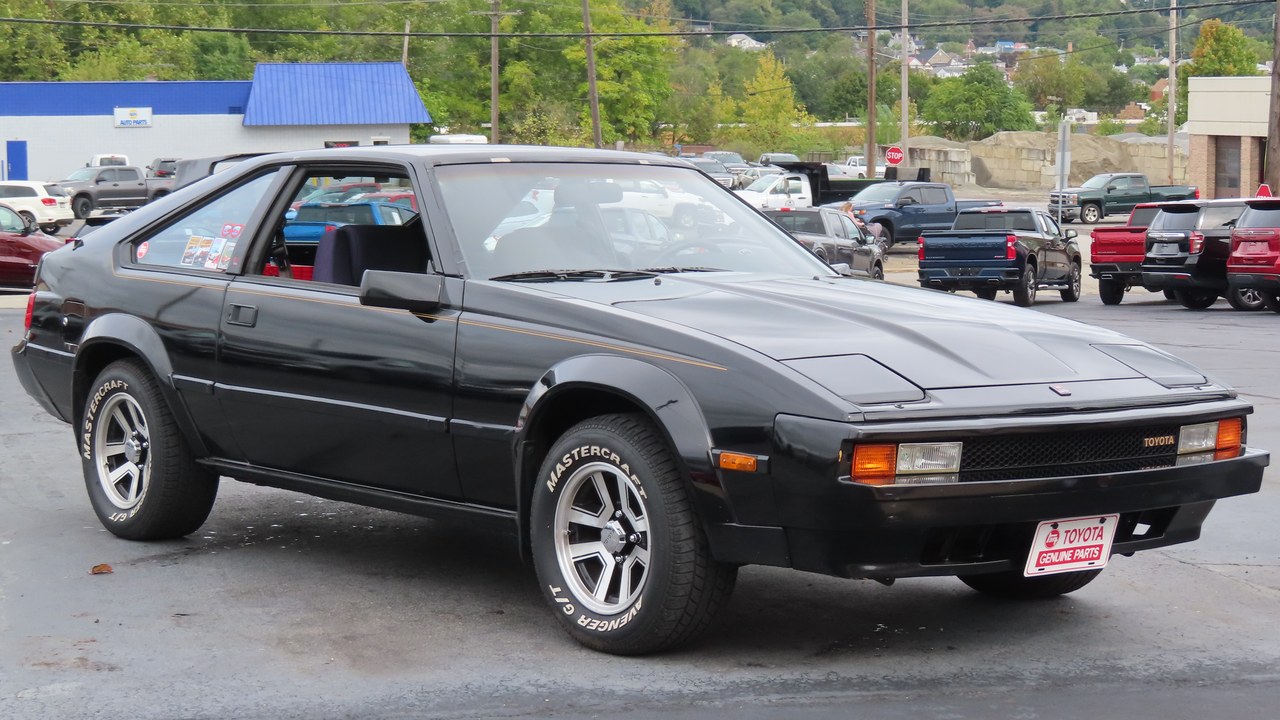
Pop-ups appeared on the Celica, grouped by Motor1’s overview with other 1980s sports coupes as emissions and aero rules shaped how cars were styled in that decade.
Shoppers looking at a Celica should confirm that the specific generation and trim actually has the rising lamps, since the nameplate has changed a great deal over the years and not every version used them.
12. Honda Prelude: Another Pop-Up Fan
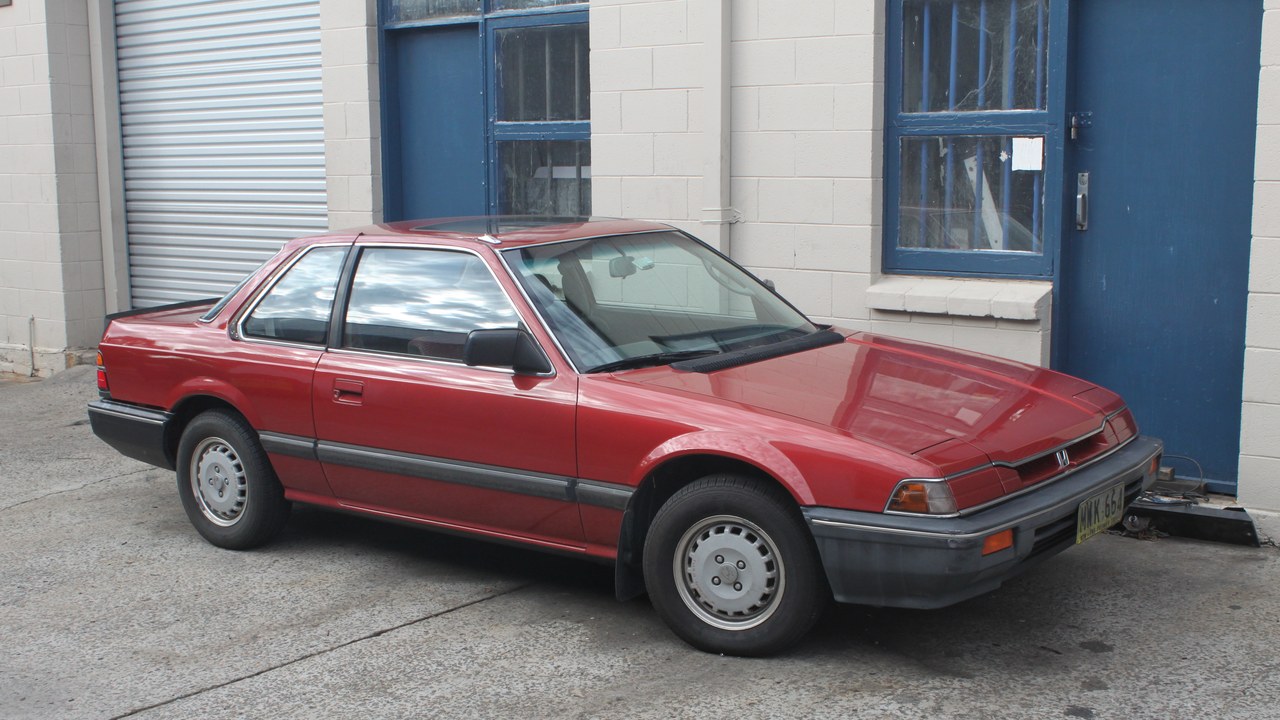
The Honda Prelude was another pop-up user, and Motor1’s piece lists it alongside the Firebird, Celica and Miata. Pedestrian-safety rules and cost eventually pushed the lamps out of favor.
The practical takeaway for owners is that lamp motors and linkages are exactly the kind of parts that add cost and complexity over time, which is part of why makers abandoned the idea.
13. Toyota Supra (A70): Rising From The Hood
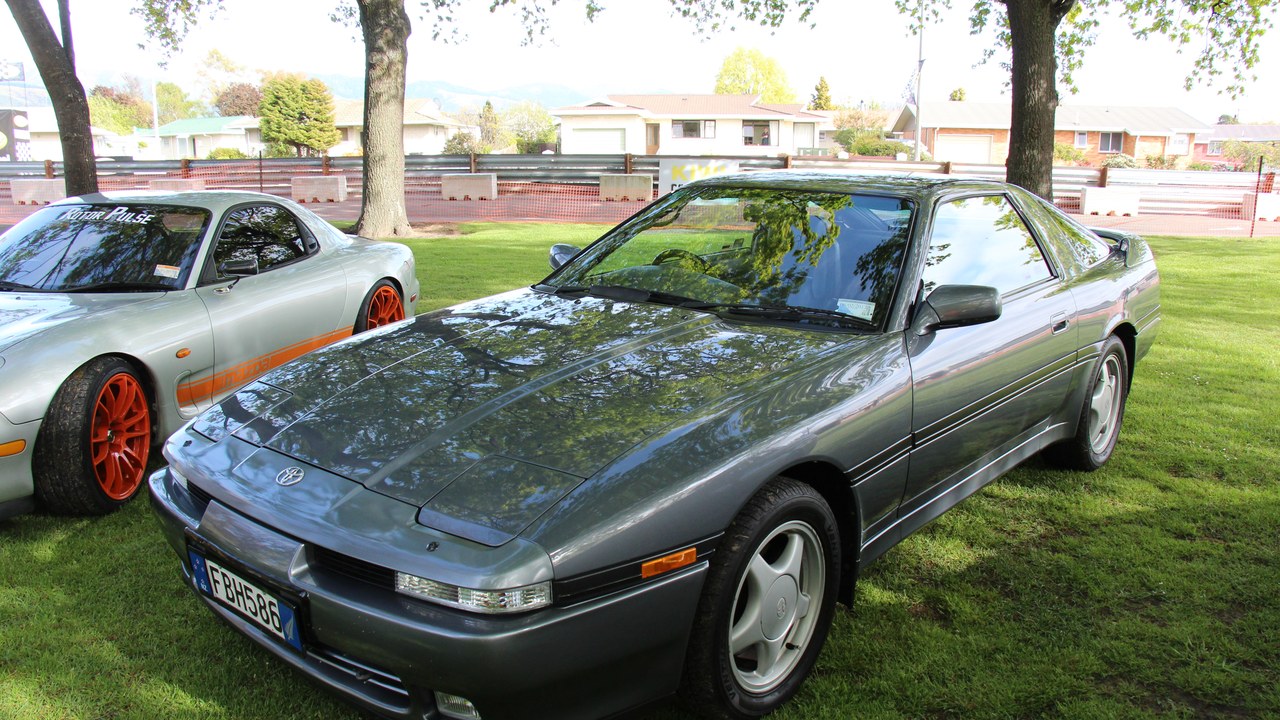
On cars like the third-generation Supra, switching on the lights caused two little doors to rise from the hood, as Motor1 describes. The Supra is listed there with the RX-7, F40, 928 and Corvette.
For anyone considering an A70 Supra today, working lamp motors and doors are worth checking carefully, because the mechanism is one more thing that can fail on an older car.
14. Chevrolet Camaro Rally Sport: Hidden Behind Doors
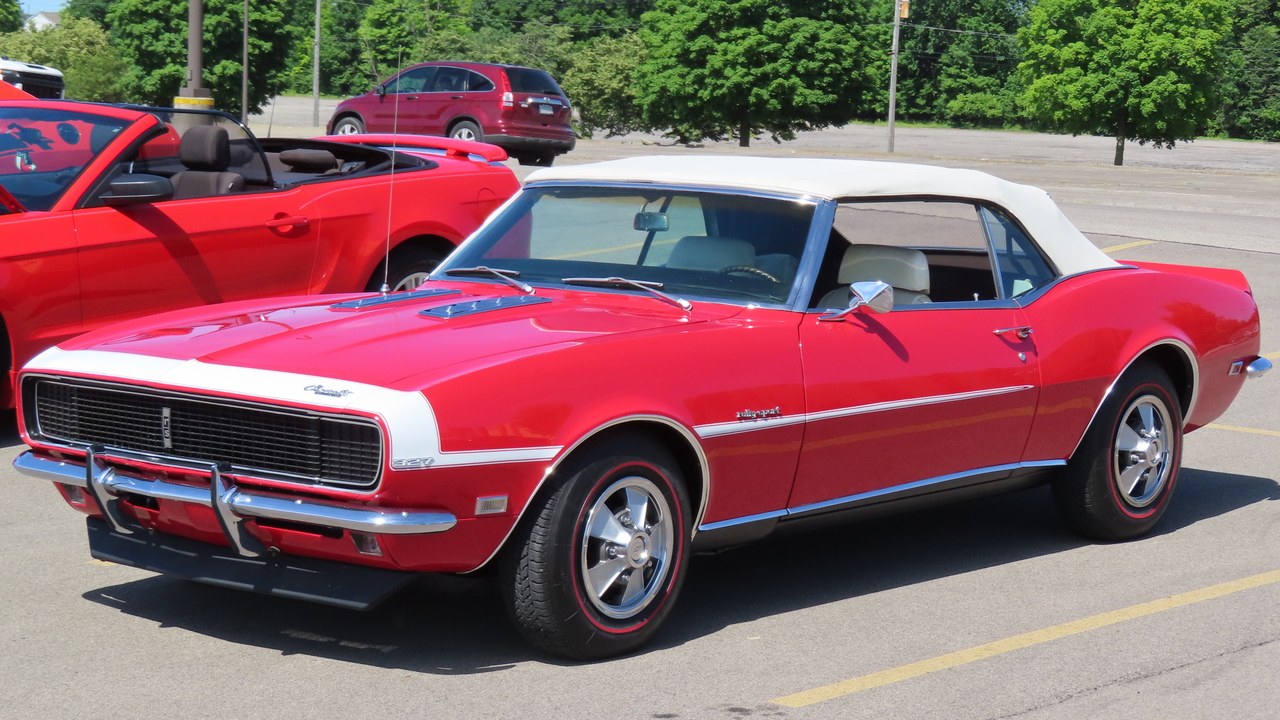
A pair of vacuum-actuated doors hid the lights until they were turned on, according to Hagerty’s hidden-headlight list. The 1967-69 Camaro Rally Sport used this approach, and the 1969 version used three horizontal bars.
Vacuum-driven systems can be a weak point on a car this old, so a buyer or restorer would be wise to check that the lamp doors open and close properly before committing to a purchase.
15. Mercury Cougar: Vacuum Covers
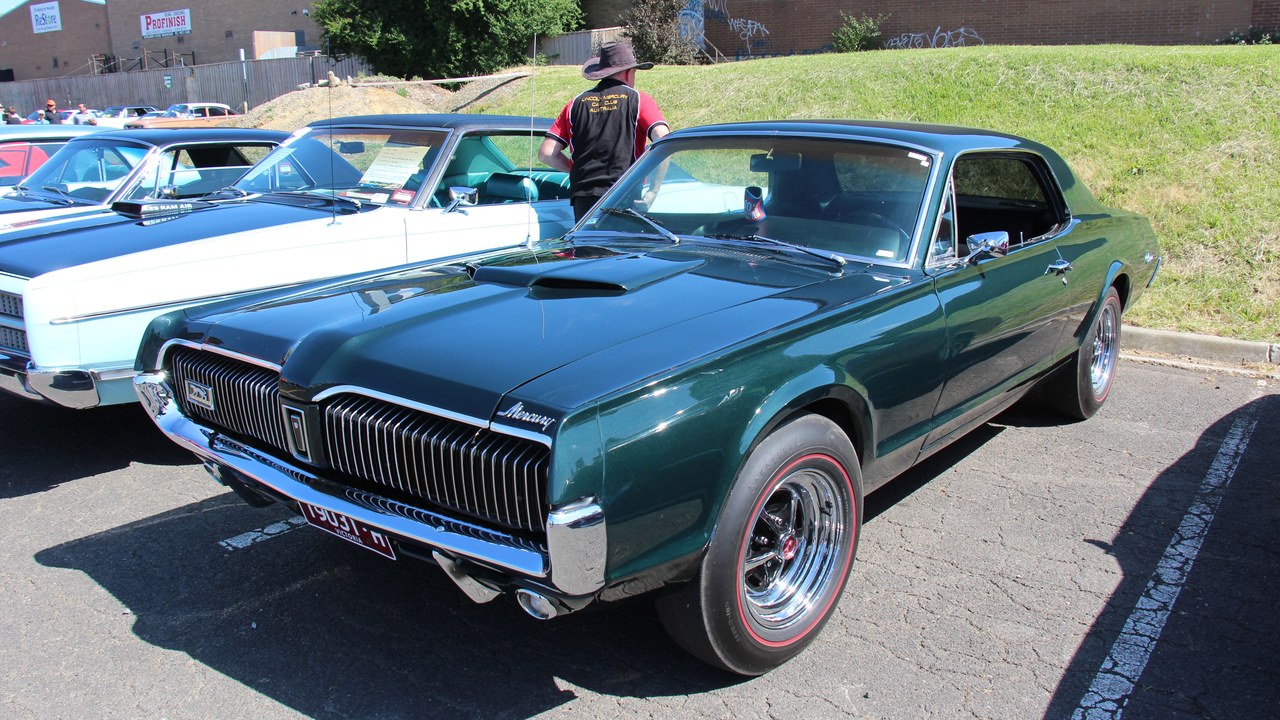
The 1967-68 Mercury Cougar used vacuum power to lift the covers off its headlights, as Hagerty’s roundup explains. The result was a front end that kept the lamps out of sight until they were needed.
Because the system relies on vacuum, a prospective owner should check that the covers lift fully and evenly, since a sluggish lamp cover is an easy flaw to miss on a quick test drive.
More from Morning Overview
- Michigan’s shut-down Palisades nuclear plant is supposed to restart within weeks, the Energy Secretary says
- USS Colorado will be the first U.S. submarine in AUKUS’s new Australian rotation
- Monster waves battered California, flooding streets and closing piers along the coast
- Hackers broke into Japan’s Fugaku supercomputer and stole the SSH keys of its users
