
For half a century, the great ocean liners were the only way to cross the Atlantic in style, and nations poured national pride into their speed and luxury. Their endings were rarely quiet: icebergs, torpedoes, mines, fires and the scrapyard claimed most of them. Here are fifteen great ocean liners and what became of each one.
Read next on Morning Overview: A handful of car transmissions are so tough that mechanics say they almost never die
1. RMS Titanic: The Iceberg and the Legend
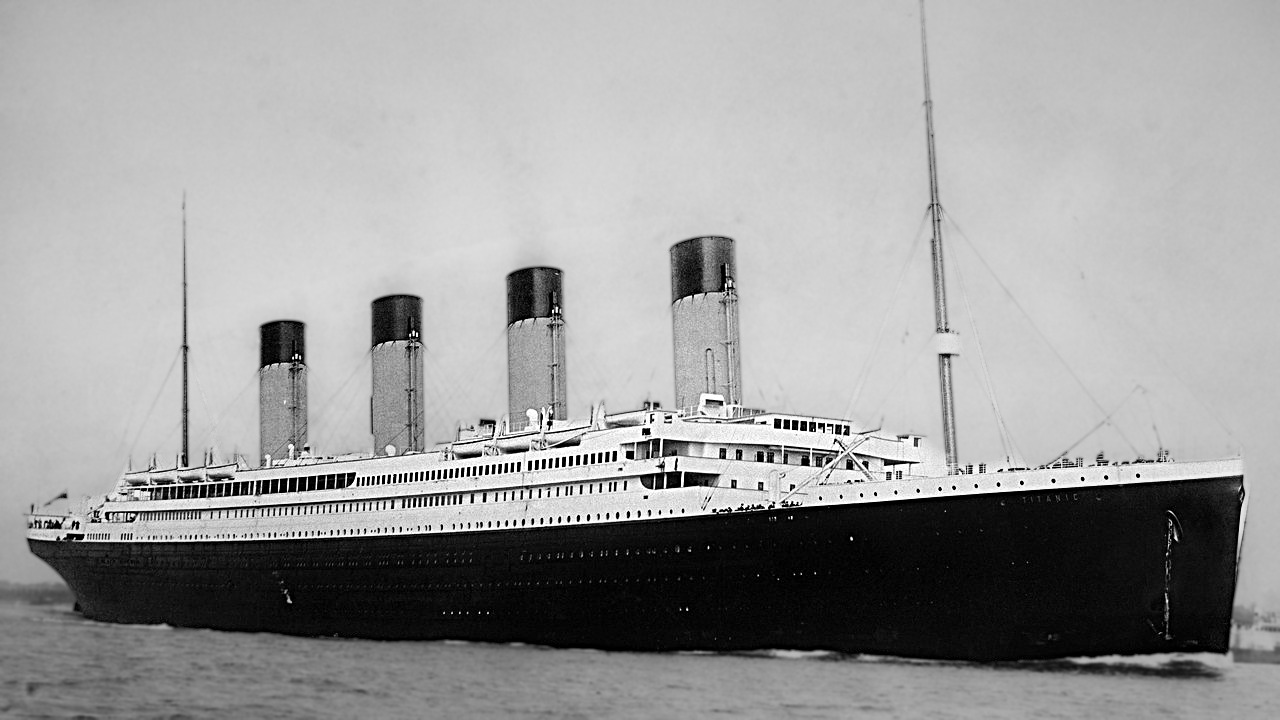
Titanic sank in the early hours of April 15, 1912, after striking an iceberg on her maiden voyage from Southampton to New York. Of the 2,208 passengers and crew aboard, about 1,500 died, one of the deadliest peacetime sinkings of a single ship.
She was operated by the White Star Line, one of the premier transatlantic services, and carried some of the wealthiest people in the world on that first and only crossing.
2. RMS Olympic: Old Reliable
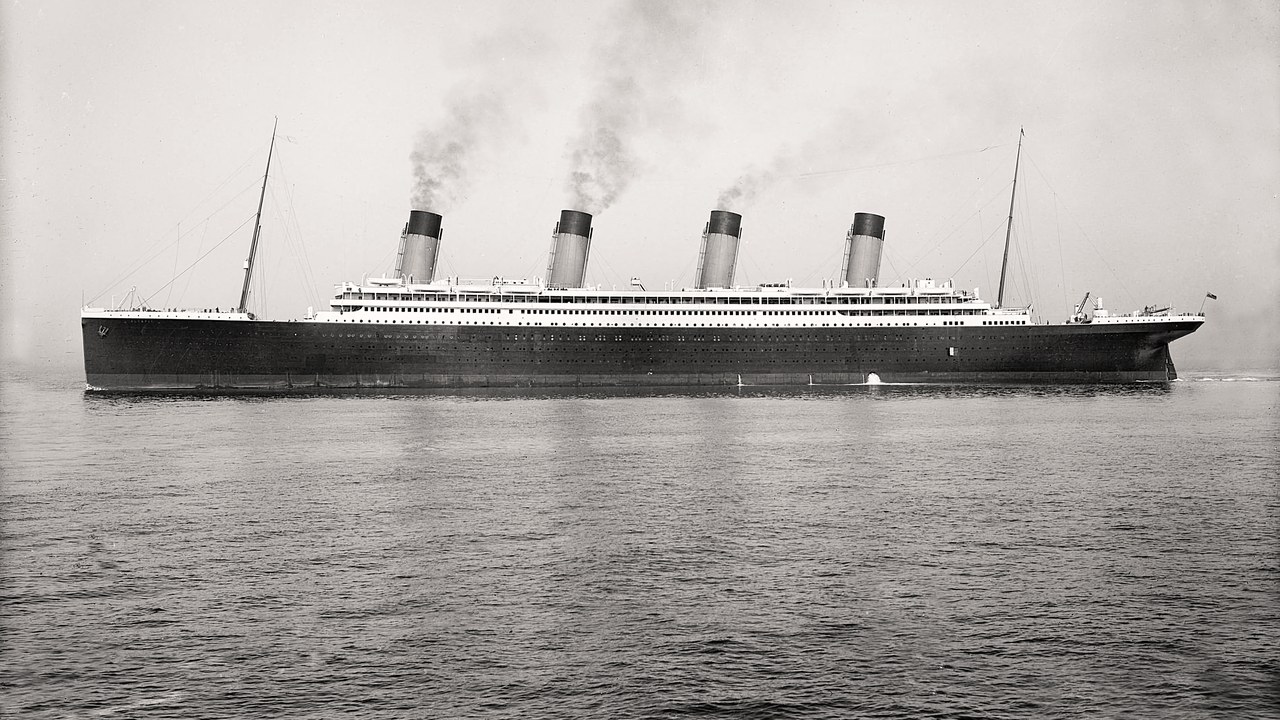
Olympic far outlasted her ill-fated sisters, Titanic and Britannic. Listverse’s history of Atlantic liners notes she earned the nickname Old Reliable and stayed in near-continuous service from 1911 until 1935.
In 1918, serving as a British auxiliary cruiser, she turned on and rammed the German submarine U-103, which its crew then scuttled. She stayed popular after the war, was laid up in the mid-1930s and was scrapped in 1937.
3. HMHS Britannic: Lost to a Mine
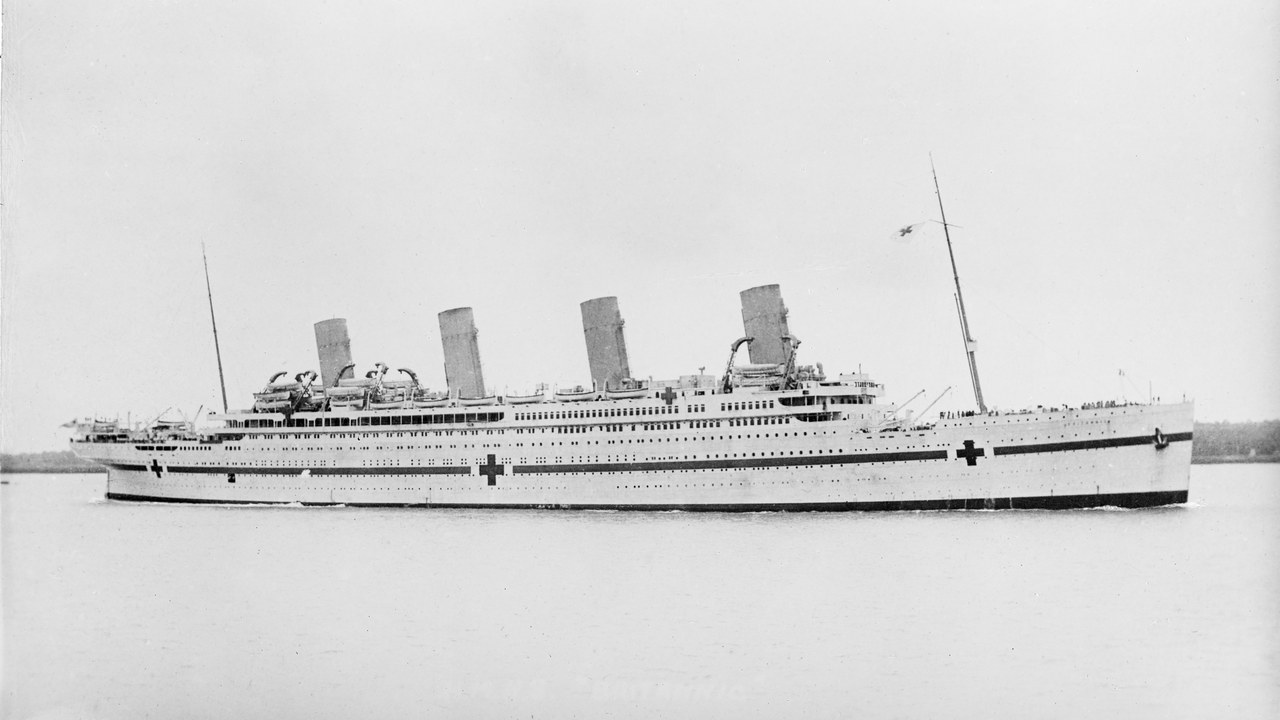
Britannic was the younger sister of Olympic and Titanic, meant to be a transatlantic liner. Instead she served as a hospital ship from 1915, then the largest in the world.
On the morning of November 21, 1916, she struck a German naval mine near the Greek island of Kea and sank 55 minutes later. Thirty of the 1,066 people aboard died; the other 1,036 were rescued.
4. RMS Lusitania: Speed Queen to Wartime Victim
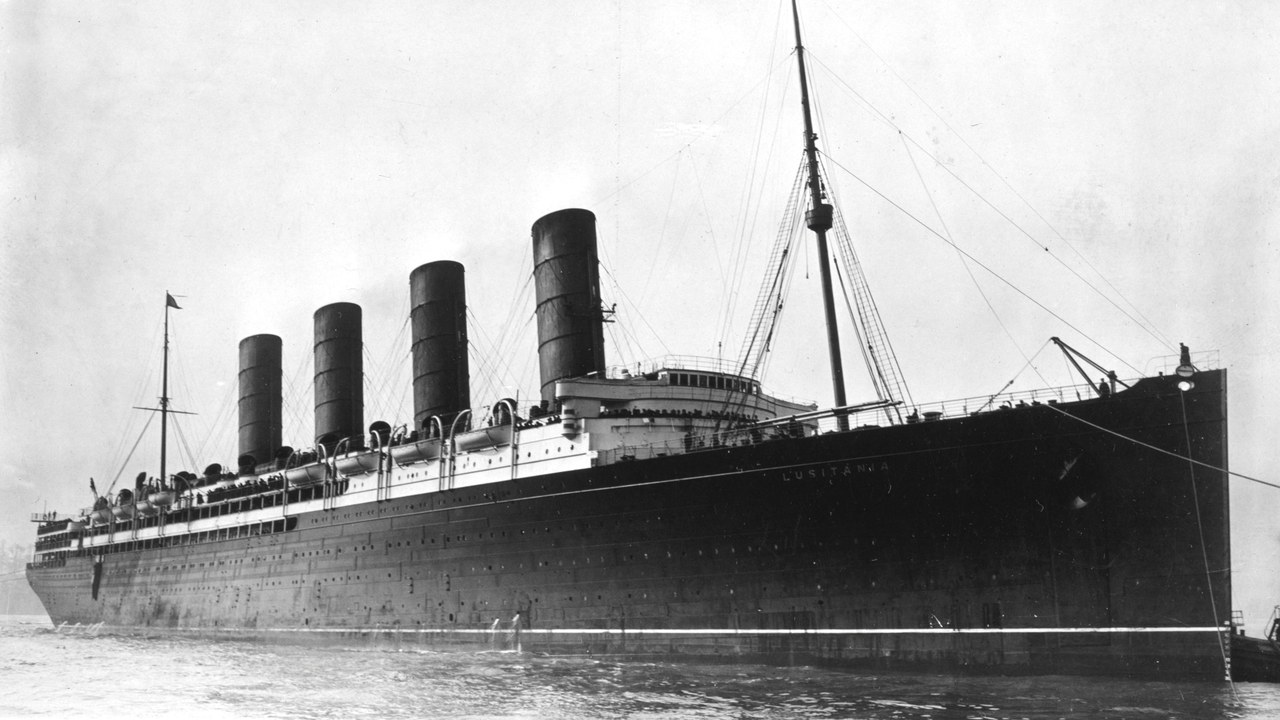
Cunard launched Lusitania in 1906, and she was briefly the world’s largest passenger ship until Mauretania was completed three months later. In 1907 she won the Blue Riband for the fastest Atlantic crossing, a title German ships had held for a decade.
She was Britain’s first four-funnelled liner. Though reserved for conversion to an armed merchant cruiser, she was never commissioned as one, and her career ended when she was sunk in 1915.
5. RMS Mauretania: Twenty Years the Fastest
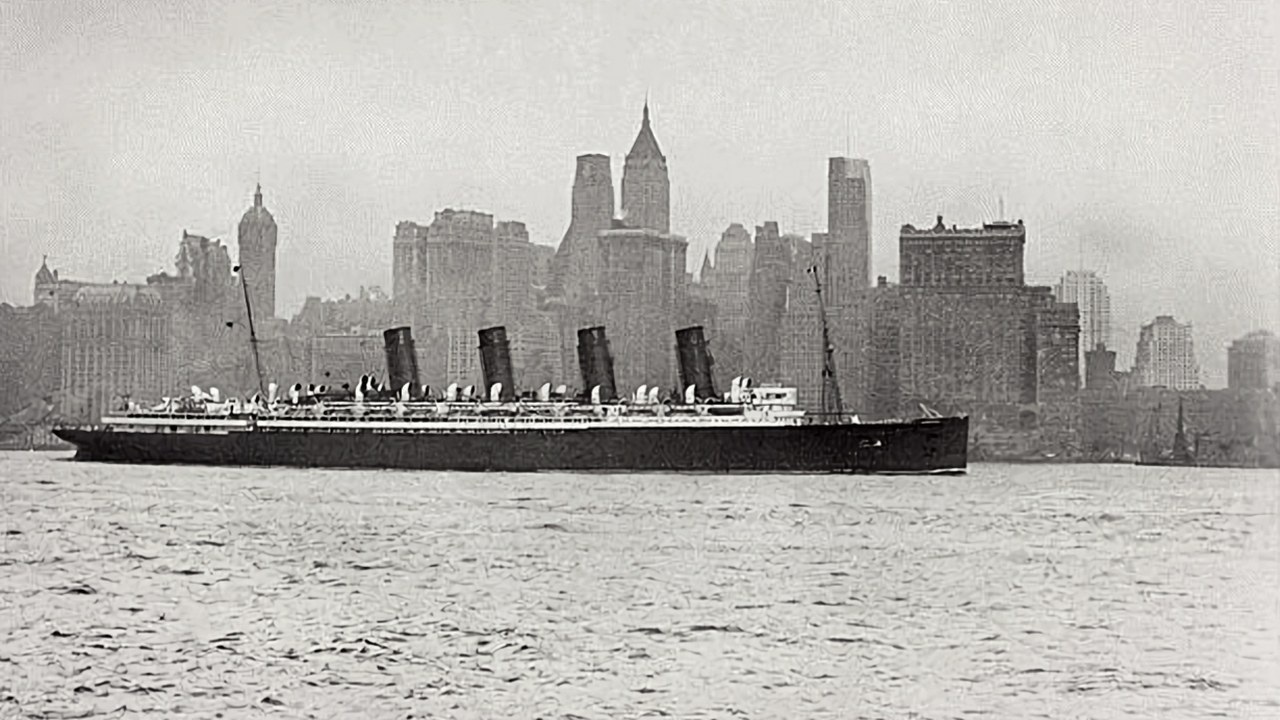
Mauretania and her sister Lusitania were the first true Atlantic greyhounds, powered by steam turbines. Listverse notes Mauretania held the Blue Riband for 20 years until the Bremen took it away and remained a favorite of travelers for three decades.
She was scrapped in 1935 over protests from ship lovers, including Franklin D. Roosevelt. The film Titanic even nods to her, when a character boasts Titanic is over a hundred feet longer than the Mauretania.
6. RMS Aquitania: A Long, Steady Career
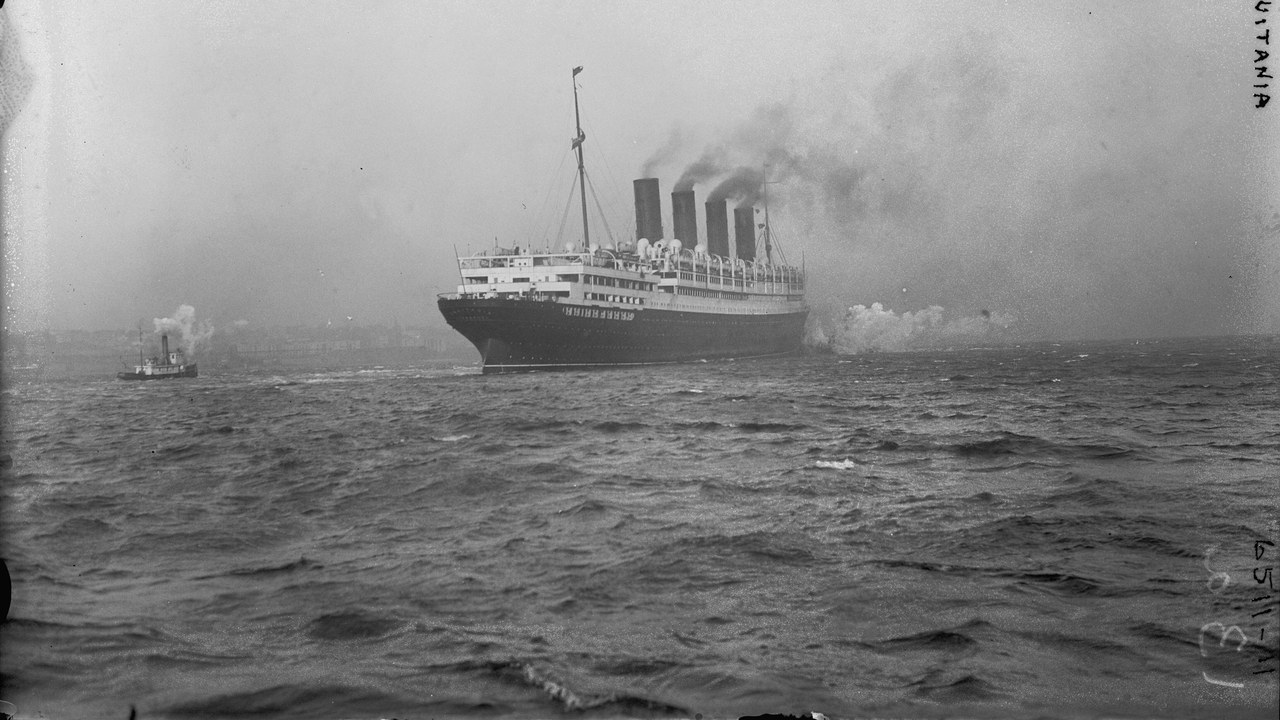
Aquitania was a British liner operated by the Cunard Line from 1914 to 1950. She was launched on April 21, 1913, and sailed her maiden voyage from Liverpool to New York on May 30, 1914, with the royal mail aboard on many of her voyages.
Built by John Brown & Company in Clydebank, Scotland, she was the third of Cunard’s grand trio of express liners after Lusitania and Mauretania. Her service ran for 36 years, far longer than either of them.
7. SS Leviathan: From Vaterland to Leviathan
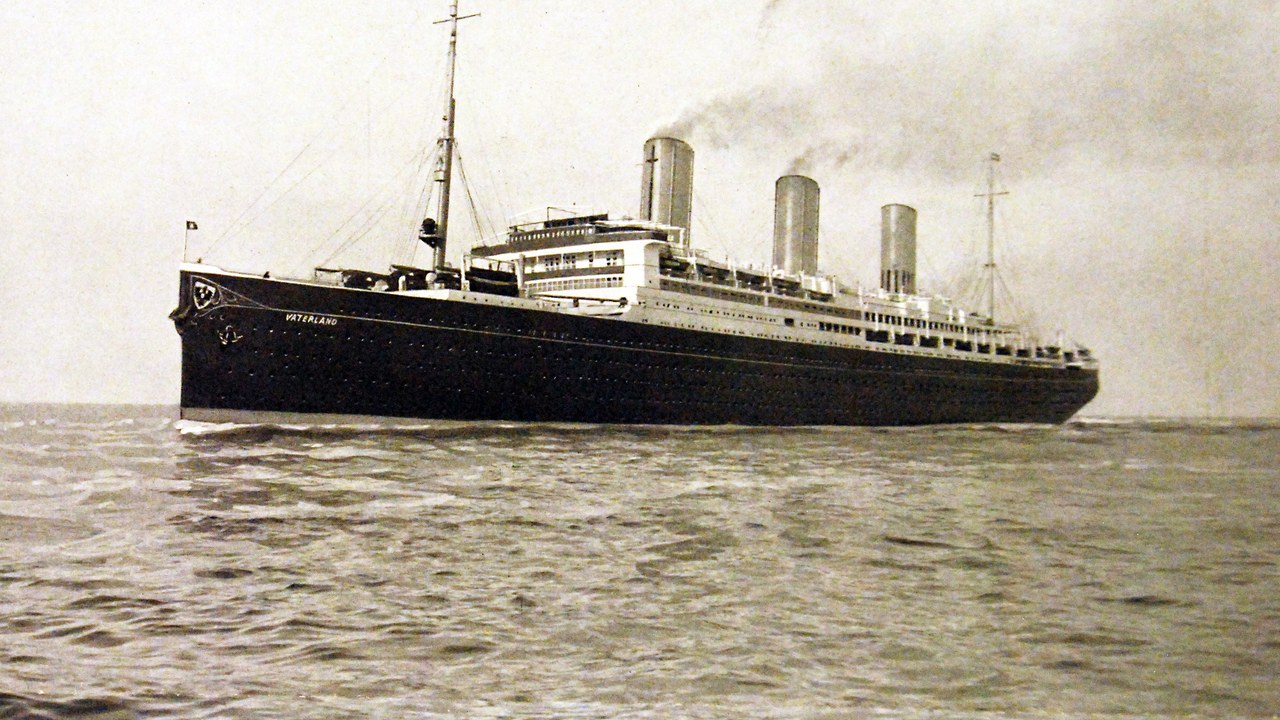
She was launched on April 3, 1913, as Germany’s Vaterland for the Hamburg America Line, then the largest passenger ship in the world. She reached New York on her first voyage on May 21, 1914, to celebrations by German and American officials.
She was designed to carry 4,050 passengers, most of them in third or fourth class. Her first class alone was built for 700 passengers. She later sailed under the name Leviathan, and her career ran until 1946.
8. SS Bremen: The Express Liner
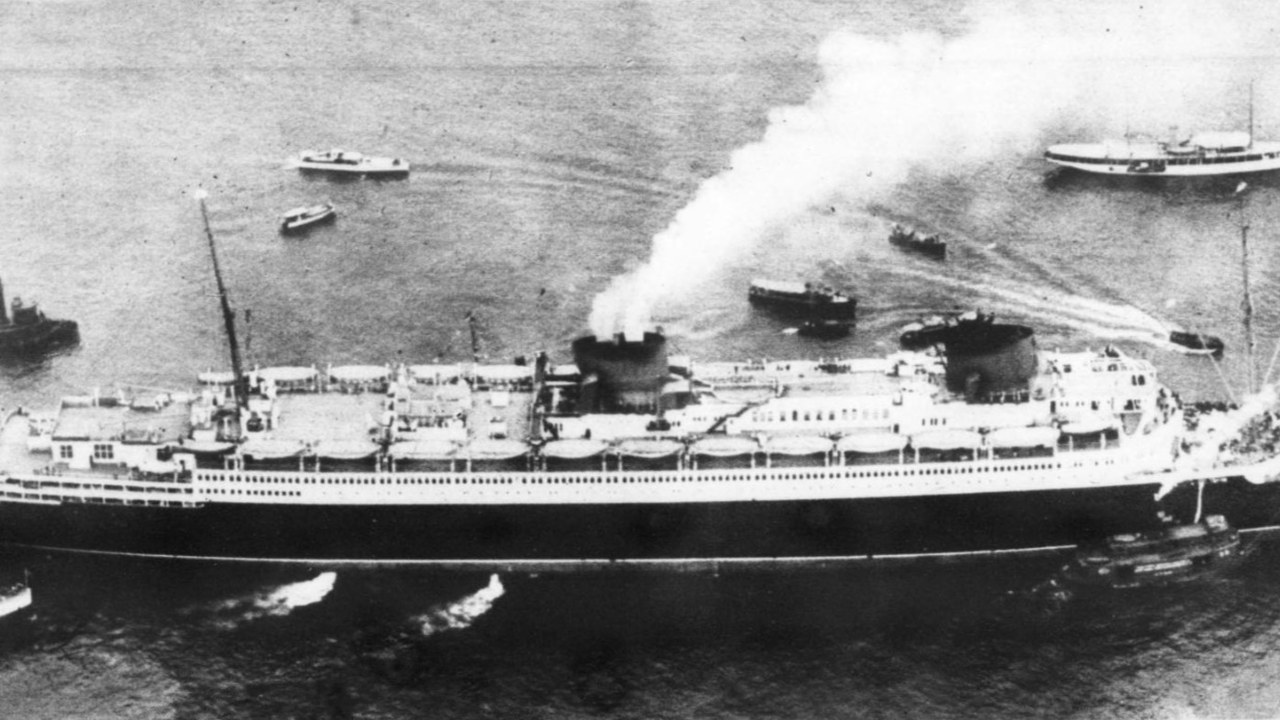
Bremen and her sister Europa restored Germany’s place on the Atlantic after its prewar fleet was lost to war reparations. Listverse notes she started the express-liner craze of the 1930s: sleek, fast, luxurious and modern in every detail.
Like most liners, the next war ended her career. The German military turned Bremen into a barracks until she was burned and gutted by arson in 1941, and she was scrapped in 1946.
9. SS Normandie: Art Deco Tragedy
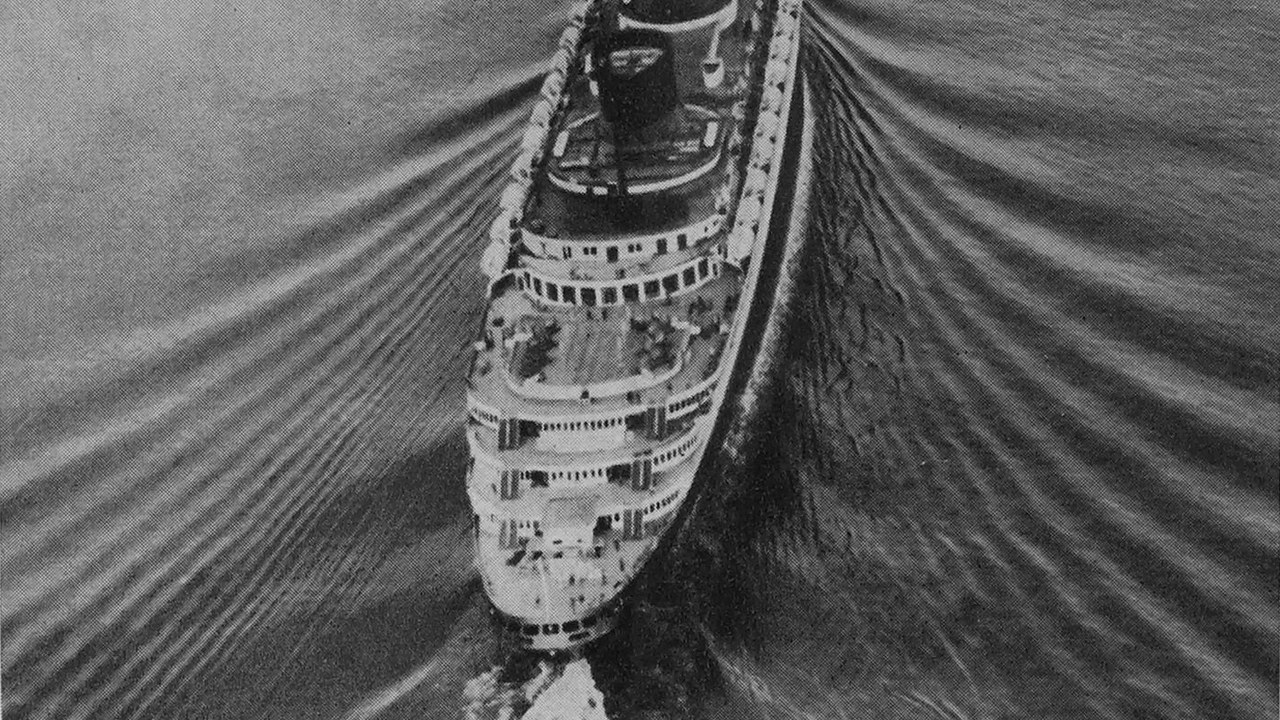
Normandie was ultra-modern, with a turbo-electric power plant and luxurious interiors, yet she struggled to turn a profit in the 1930s. Listverse recounts that after France fell she stayed in New York, where U.S. officials seized her and renamed her USS Lafayette.
She never sailed again. She caught fire in early 1942 during her refit, and the lopsided firefighting effort made her capsize. Despite an expensive salvage, she was scrapped in 1946.
10. RMS Queen Mary: Retired to Long Beach
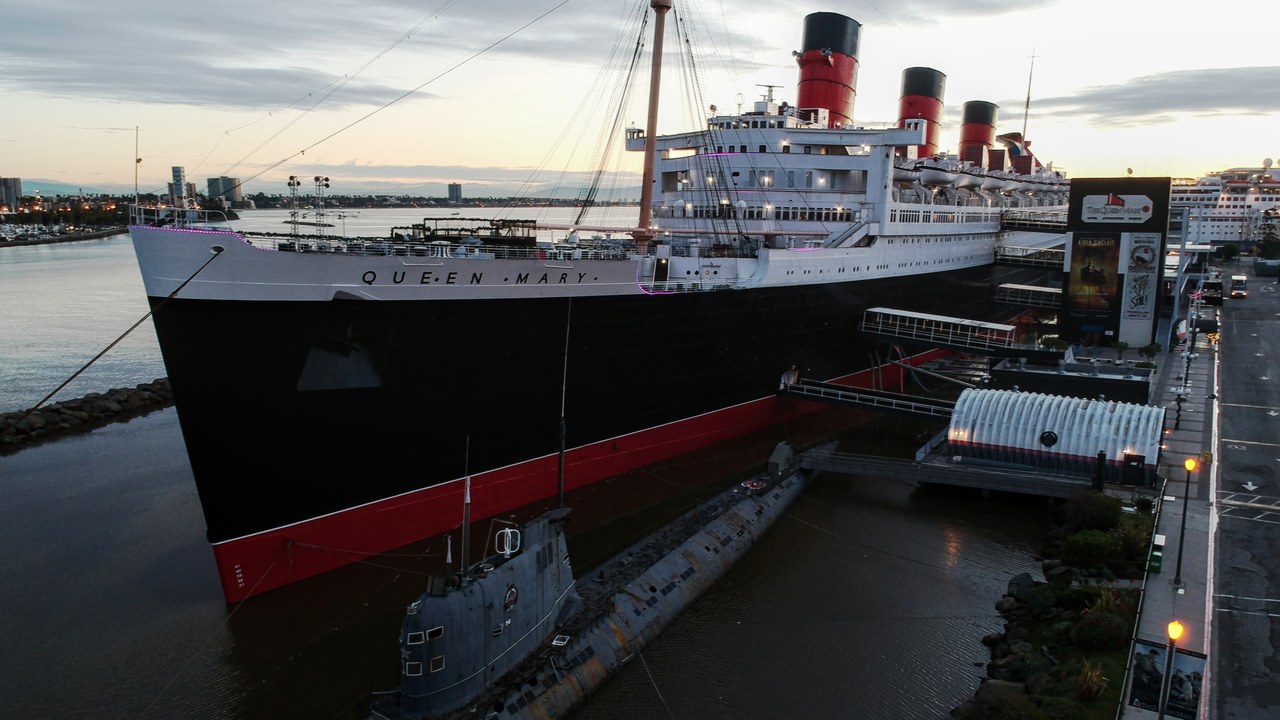
The first Queen Mary was built to restore British glory at sea and replace the aging Mauretania and Aquitania. Listverse notes German U-boats hunted her and her running mate Queen Elizabeth in the Second World War but never caught either.
After the war the two Cunard queens ruled the Atlantic as designed. Today Queen Mary survives as a hotel and tourist attraction in Long Beach, California.
11. RMS Queen Elizabeth: A Floating University That Never Was
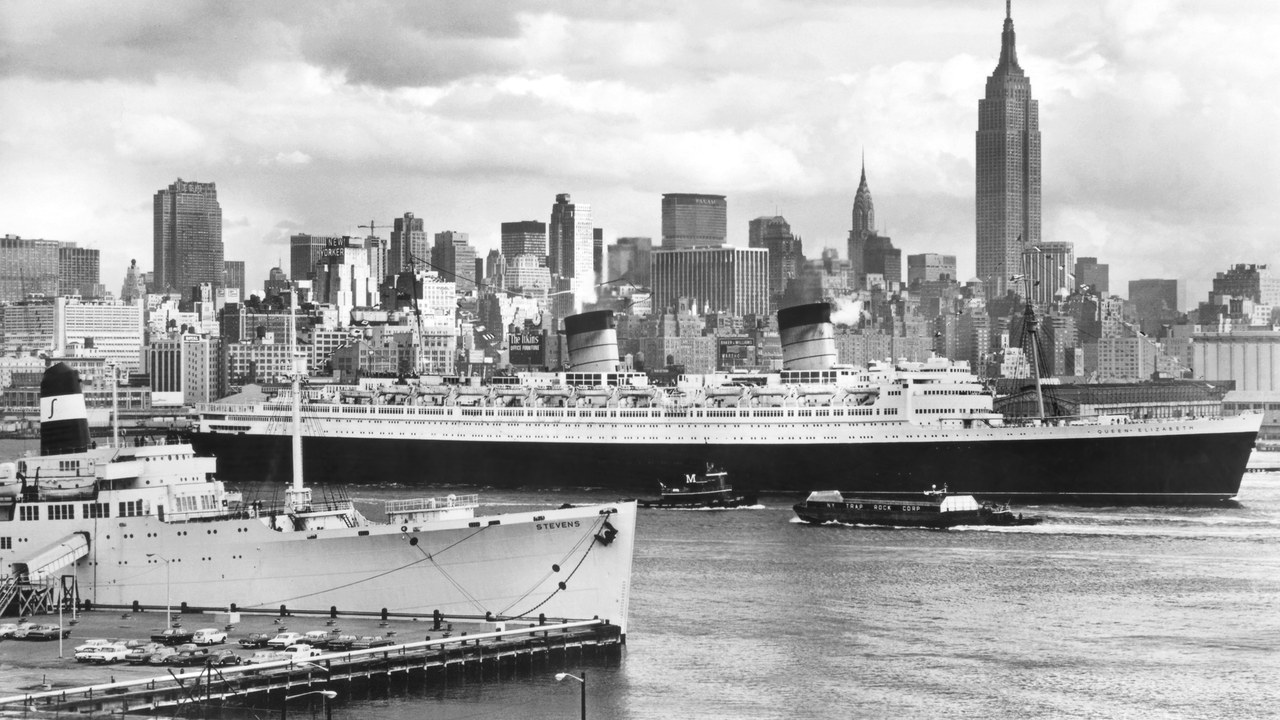
Queen Elizabeth was launched on September 27, 1938, and named for the wife of King George VI. With her sister Queen Mary she ran a weekly transatlantic service between Southampton and New York by way of Cherbourg.
Built at Clydebank as Hull 552, she carried 2,283 passengers. She was finally sold to Hong Kong businessman Tung Chao-yung, who planned to convert her into a floating university cruise ship called Seawise University.
12. SS United States: Fastest Ever
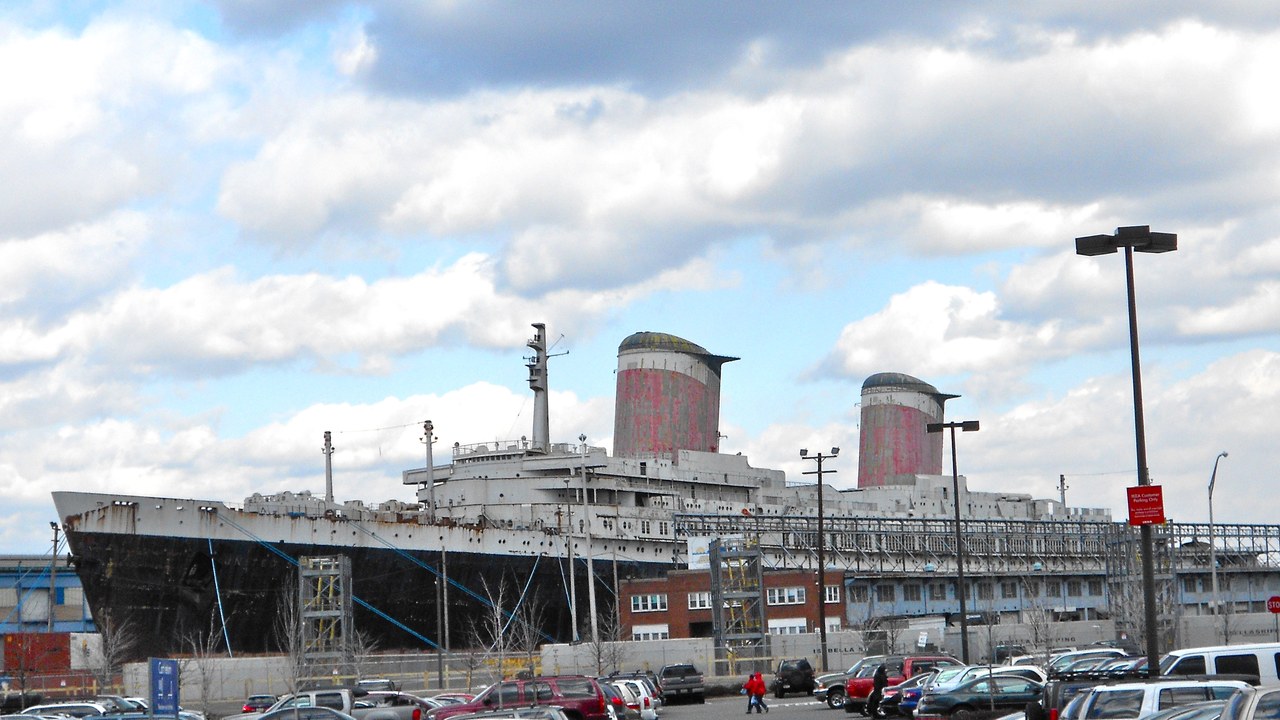
SS United States is the largest ocean liner ever built entirely in the United States and the fastest liner to cross the Atlantic in either direction. She has held the Blue Riband for the highest average speed since her 1952 maiden voyage, a title still uncontested.
Designed by naval architect William Francis Gibbs, she was towed to Philadelphia in 1996 and stayed there until February 2025. Okaloosa County, Florida, has owned her since 2024.
13. SS France: Pride of France
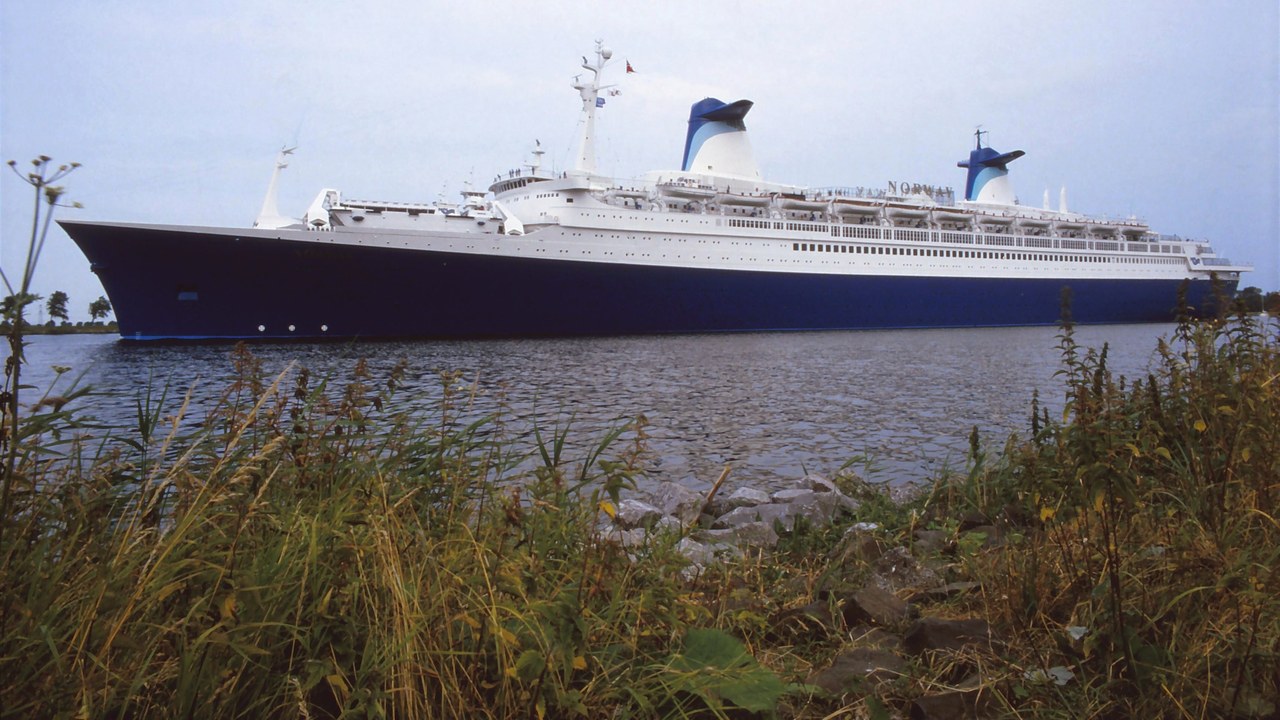
France was her country’s flagship for almost 15 years, and the nation mourned when she was laid up in 1974. Listverse notes she was then sold to Norwegian Cruise Line and renamed Norway, sailing under that name from 1980.
As Norway she stayed popular on the Caribbean circuit despite many troubles. She was sold and resold amid plans to refit or scrap her, and was finally scrapped in 2008.
14. Queen Elizabeth 2: A Hotel in Dubai
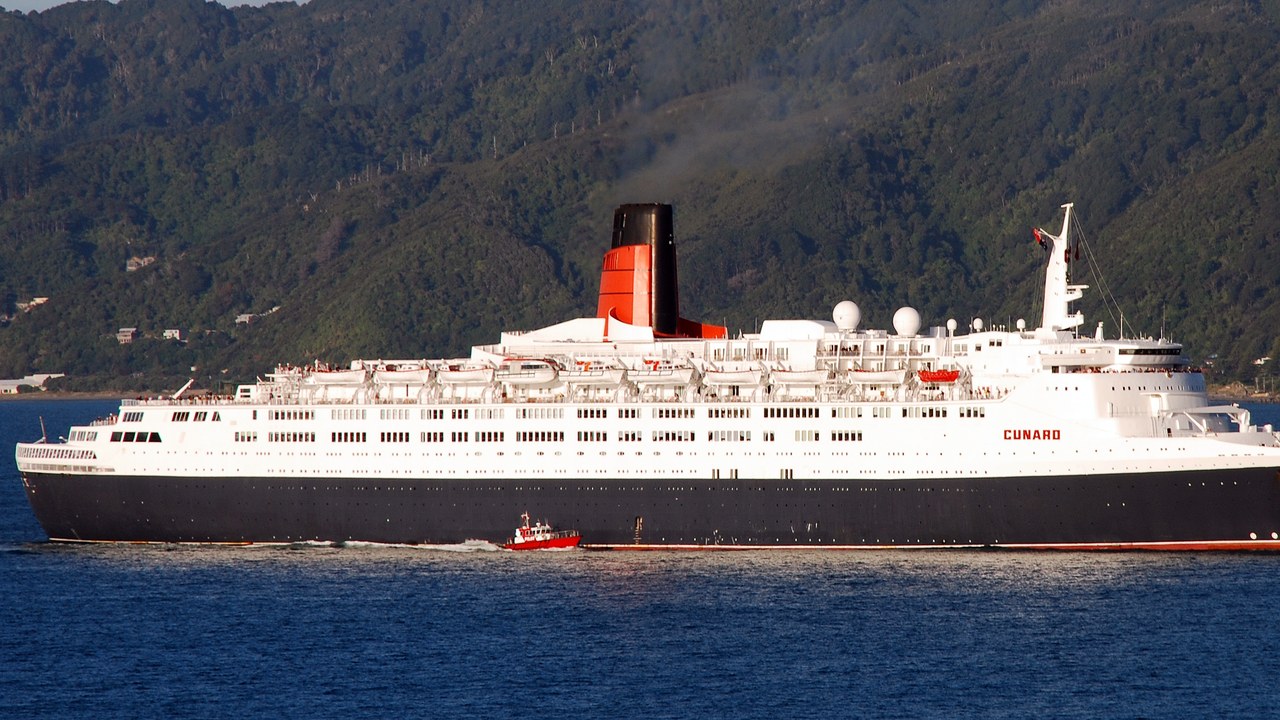
Queen Elizabeth 2 was built by John Brown & Company on the River Clyde for Cunard. She operated as a transatlantic liner and cruise ship from 1969 to 2008, sailing from her home port of Southampton to New York.
She served as Cunard’s flagship from 1969. After retirement she was laid up until she was converted into a floating hotel in Dubai, a second life for the liner that once carried Cunard’s flag on the Atlantic.
15. Queen Mary 2: The Last True Liner
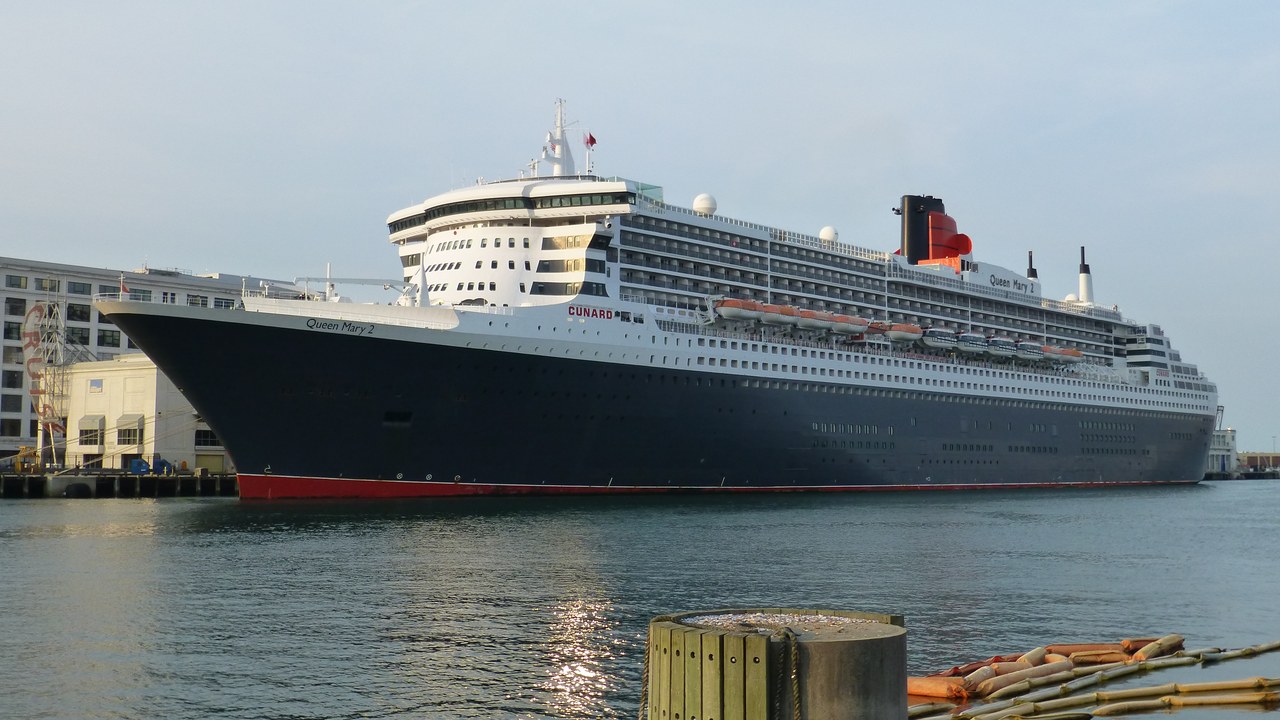
Queen Mary 2 has been Cunard’s flagship since April 2004. As of 2026 she remains the only ship built as an ocean liner still in active service, sailing regular crossings between Southampton and New York.
She also makes short cruises and an annual world voyage. A team of British naval architects led by Dr. Stephen Payne designed her, keeping the ocean-liner tradition alive into a new century.
More from Morning Overview
- The Justice Department asked courts to undo approvals for three offshore wind farms, one already making power
- Over 20 trillion gallons of rain fell on the Four Corners states and Nevada in two weeks
- 11 engines built to run well past 200,000 miles
- Two Kentucky residents died when a small plane crashed at Missouri’s Lake of the Ozarks, and the NTSB is investigating
