
The Great Lakes carry iron ore, coal and stone aboard some of the largest working vessels in North America. A small group of thousand-foot freighters anchors that trade each shipping season, each with its own claim to fame. Here are eleven of them, from the record-setting Tregurtha to the one-of-a-kind tug-barge Presque Isle.
AI, explained every day: The Deep View is the go-to daily newsletter for 600,000+ founders, knowledge workers and professionals who want to stay up to date with artificial intelligence.
We may earn a commission if you sign up.
1. Paul R. Tregurtha: Longest on the Lakes
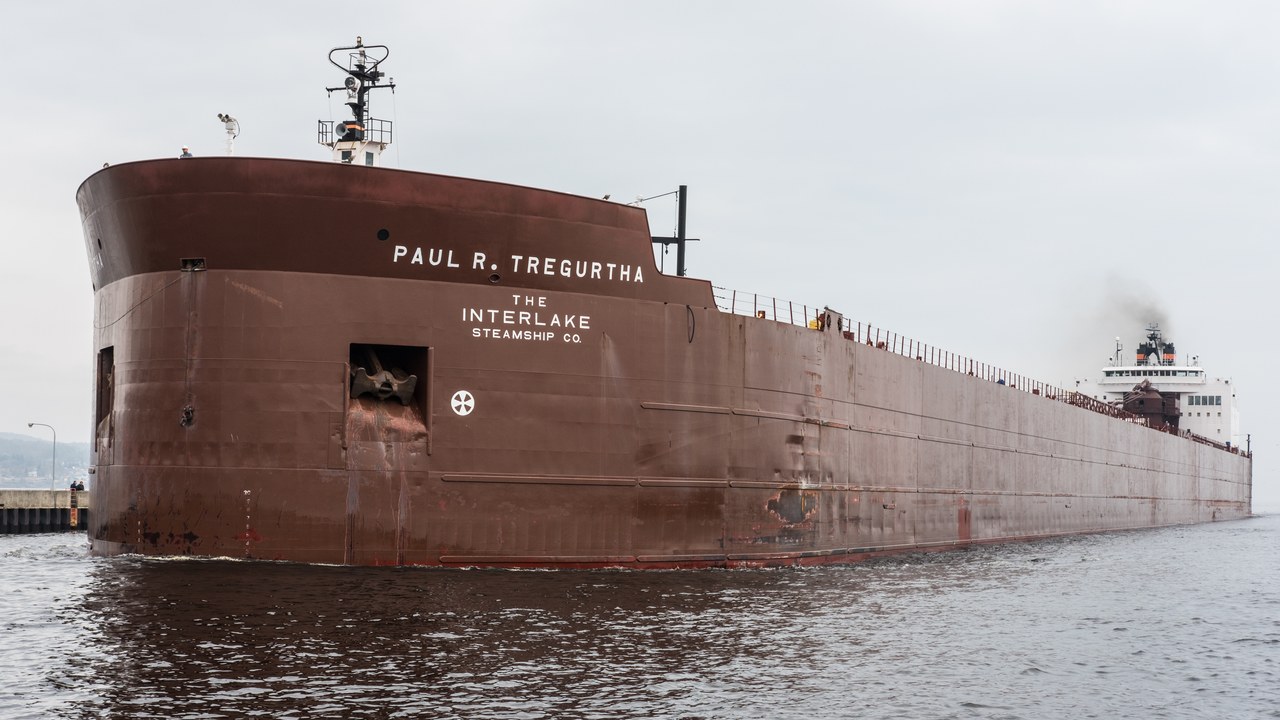
Among the freighters that haul bulk cargo across the Great Lakes, the Paul R. Tregurtha holds a distinctive title. Interlake Steamship Company, her operator, describes the vessel as the longest vessel on the Great Lakes at 1,013.5 feet, and she carries 68,000 gross tons.
That length places her at the head of the thousand-footer class, a group of oversized lakers built to fit the Soo Locks at Sault Ste. Marie. Vessels of this kind move iron ore, coal and stone between ports on the inland seas, and the Tregurtha serves as the fleet flagship for her owner.
2. Stewart J. Cort: The First Thousand-Footer
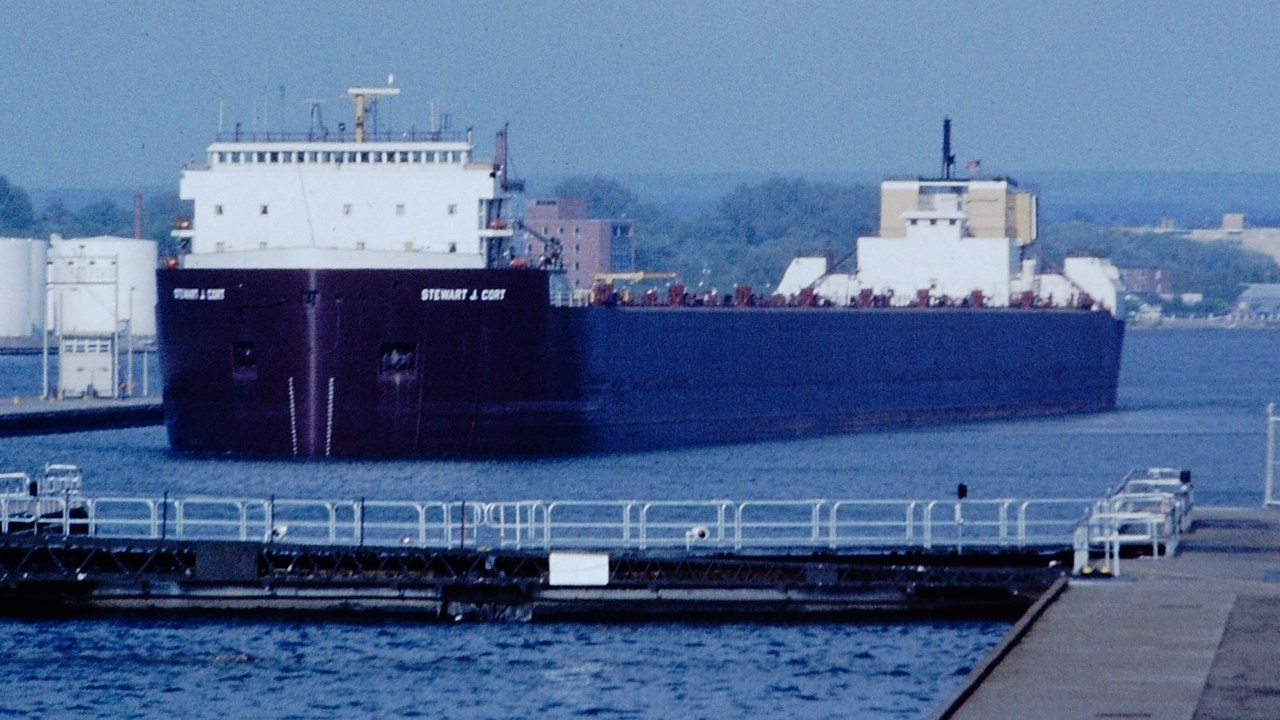
Every class has a pioneer, and for the Great Lakes thousand-footers that vessel is the Stewart J. Cort. Launched in 1972, she was first 1,000-foot freighter, and she carries 58,000 gross tons.
Her arrival changed lake shipping by proving that a hull of that scale could navigate the locks, rivers and harbors of the system. Later ships followed the same basic idea of a long, self-unloading bulk carrier built to move large quantities of cargo in a single trip, and the Cort remains the reference point for the whole group.
3. James R. Barker: A Mid-1970s Workhorse
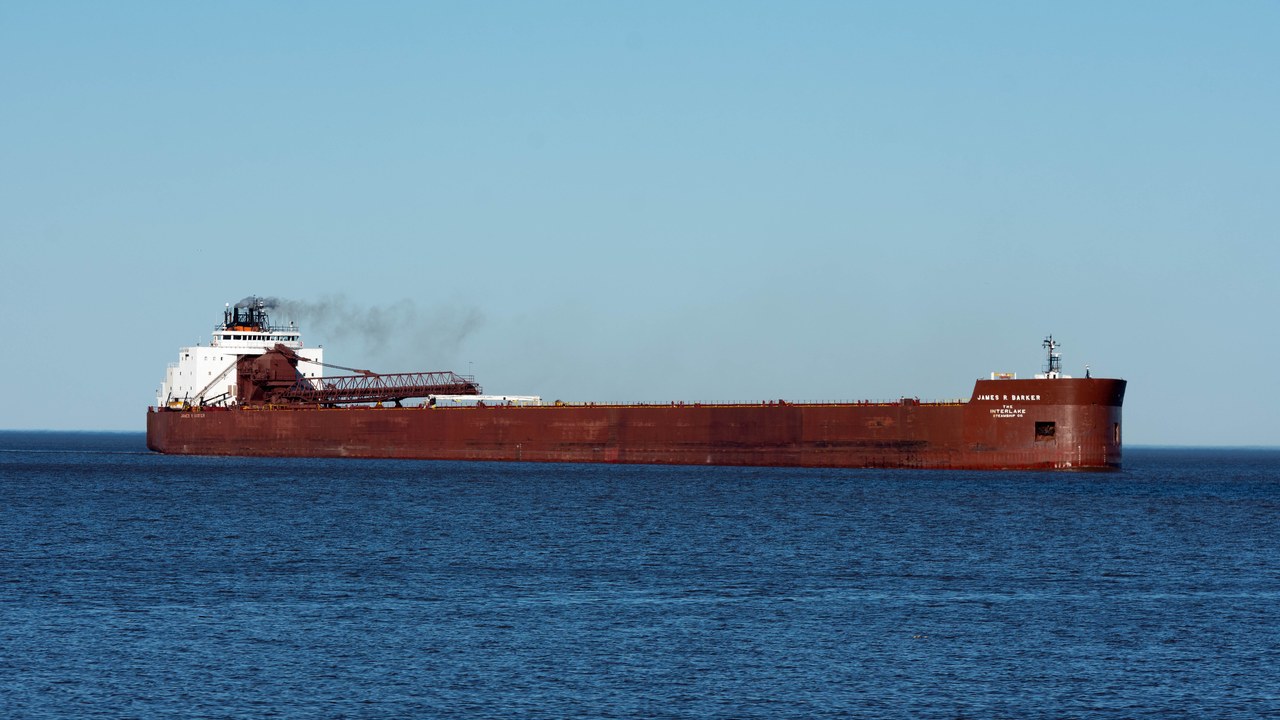
Built in 1976, the James R. Barker measures 1,004 feet, and Interlake’s fleet table list her at 63,300 gross tons with 16,000 horsepower.
The Barker is one of the Interlake vessels that carry the thousand-foot designation, a category defined by sheer scale rather than any single cargo. Like her fleetmates, she spends the shipping season moving bulk commodities such as taconite pellets from Lake Superior ports to steel-making regions, then returning for another load, a routine that repeats through the navigation season.
4. Mesabi Miner: Miner of the Merchant Fleet
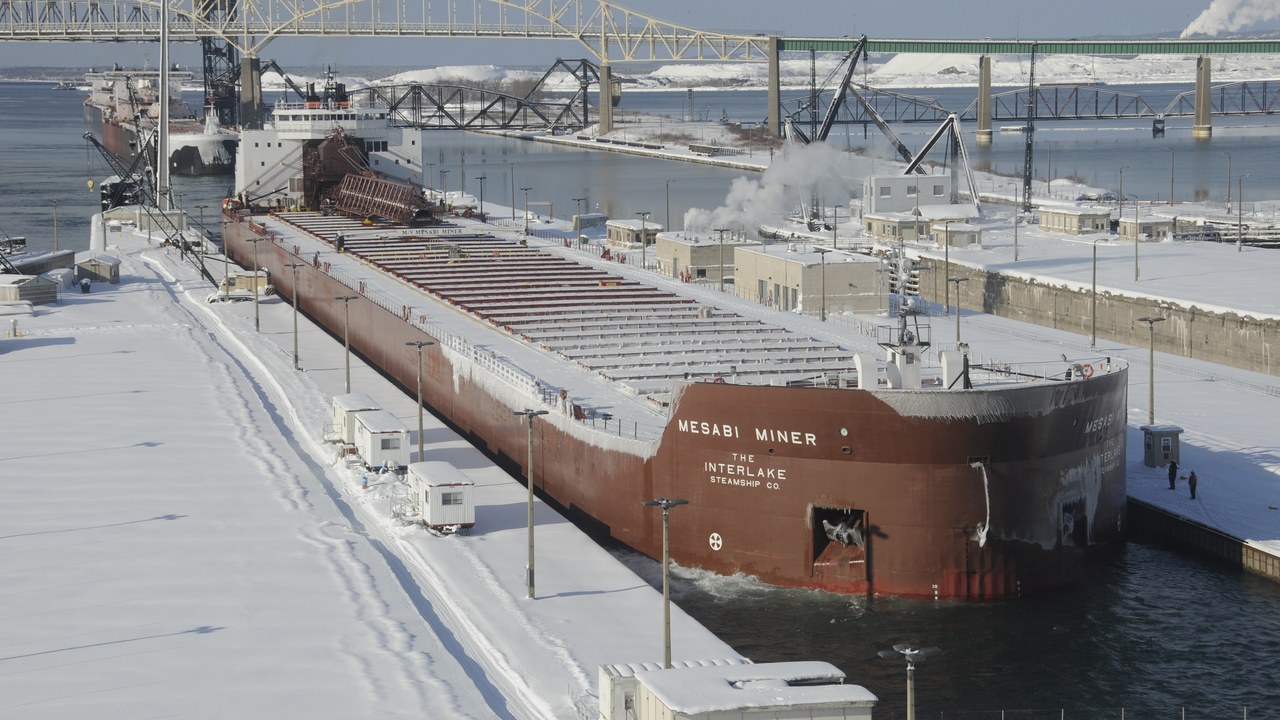
Mesabi Miner entered service in 1977 and, at 1,004 feet, shares the dimensions of the Barker. Interlake’s listing for Mesabi Miner gives her capacity as 63,300 gross tons, matching her fleetmate.
The name points to Minnesota’s Mesabi Range, the iron ore region that supplied much of the nation’s steelmaking for generations. A ship carrying that name belongs naturally to the ore trade, which depends on large, efficient hulls that can load quickly, travel the length of the lakes and unload with her own onboard gear at the receiving dock.
5. Edwin H. Gott: Power to Spare
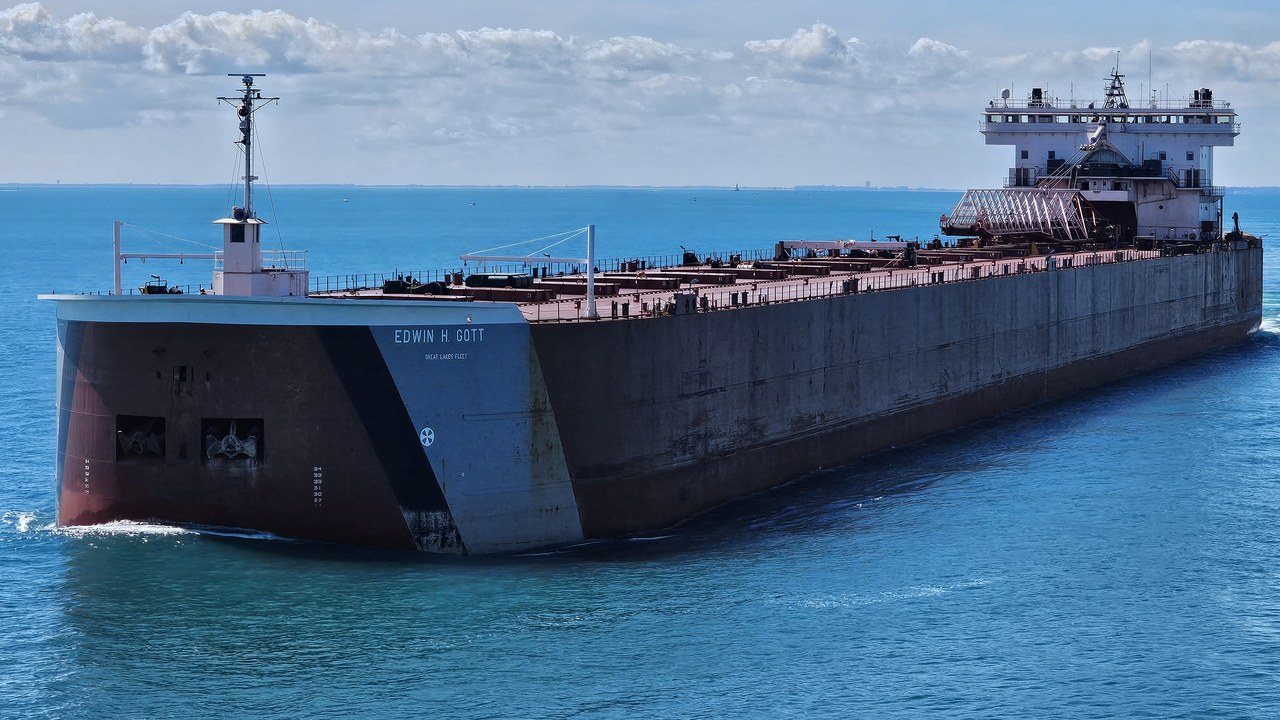
Size is only part of the story for the Edwin H. Gott, because this vessel is known for muscle. The Sault Ste. Marie list calls her most powerful freighter on the Great Lakes, with 19,500 horsepower.
Extra power matters on the Great Lakes, where ice, strong winds and tight river channels test large ships. A thousand-footer with that kind of engine output can push through difficult conditions that might slow other vessels, which helps keep ore cargoes flowing at the edges of the season when winter weather begins to close in.
6. Presque Isle: A Tug and Barge in One
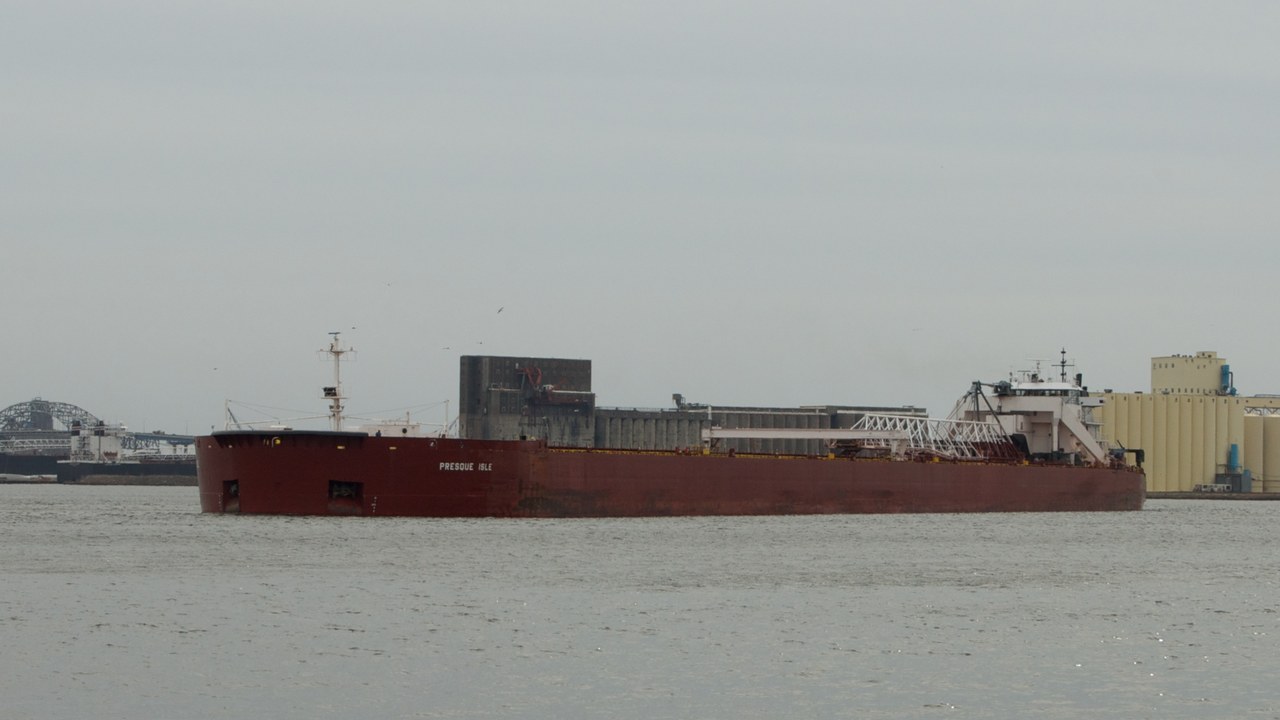
Most thousand-footers are single self-propelled hulls, which makes the Presque Isle an unusual case. Visitor information from Sault Ste. Marie describes her as only 1,000-foot tug-barge combination.
In a tug-barge arrangement, a powerful tug nests into a notch at the stern of a barge and the two operate as a single unit. The design delivers the carrying capacity of a very large freighter while using a different propulsion arrangement than a conventional ship, and it gives the Presque Isle a place of her own on the list.
7. Walter J. McCarthy Jr.: American Steamship Heavyweight
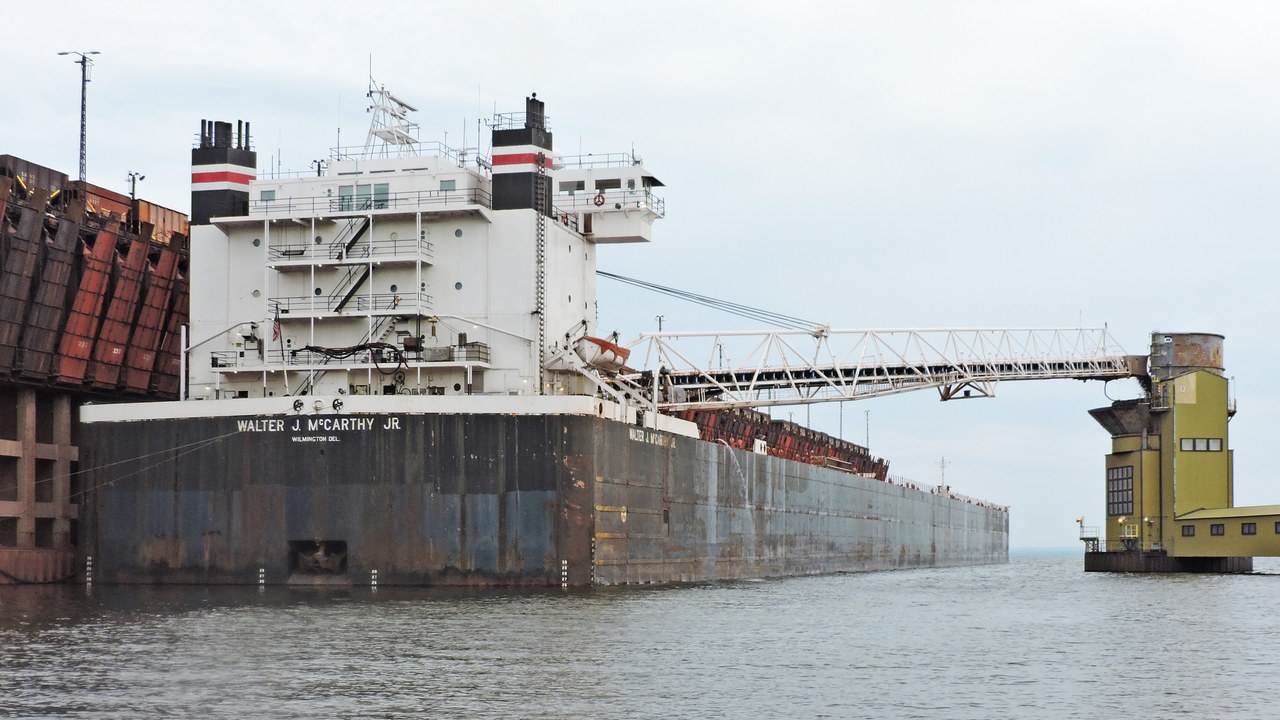
Walter J. McCarthy Jr. sails for American Steamship Company, and Lake Carriers’ Association fleet list credit the vessel with a per-trip capacity of 68,757.
That figure is a measure of how much cargo the ship can load for a single voyage, the number that matters most to shippers and mills waiting on deliveries. As a thousand-footer, the McCarthy is built for the long ore and coal runs of the upper lakes, and her listing places her among the largest-capacity members of the American Steamship group.
8. Burns Harbor: Top of the Capacity Chart
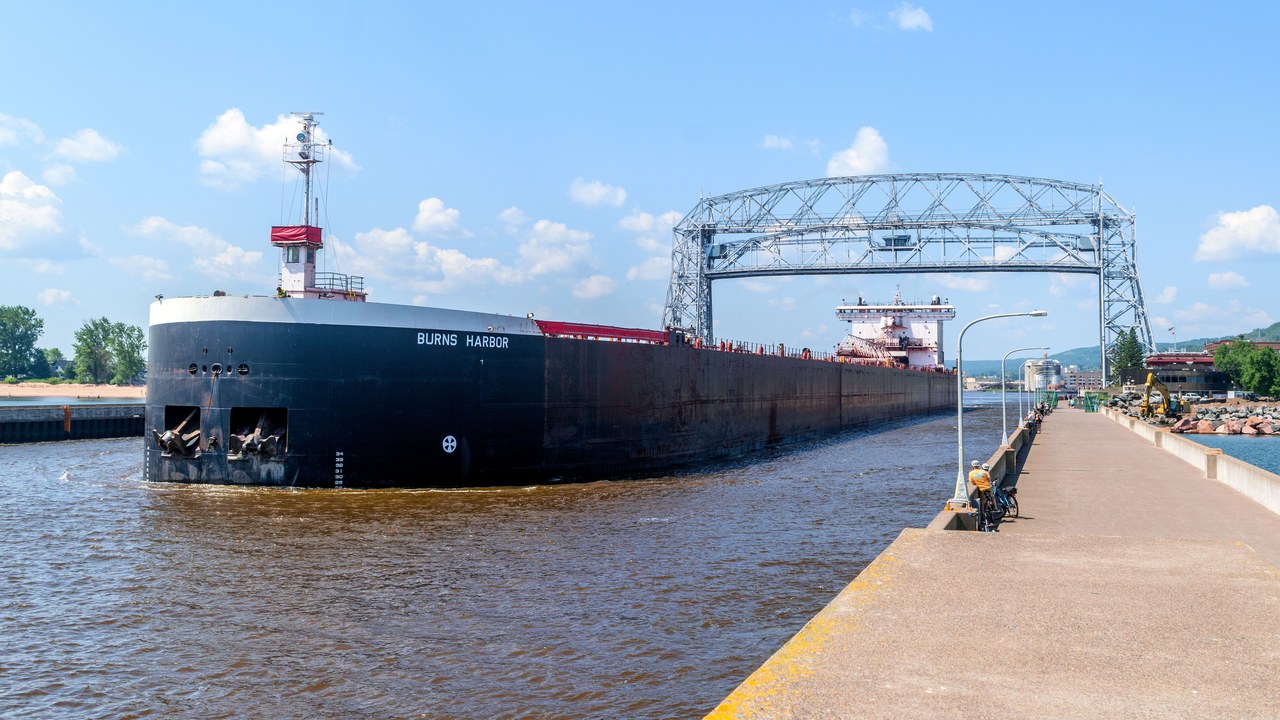
On the Lake Carriers’ Association list of thousand-footers, Burns Harbor holds the highest per-trip capacity of the group at 71,120. Lake Carriers’ Association listing shows her under American Steamship Company.
A larger load per trip means more cargo delivered for each passage through the lakes and connecting channels, which is why capacity figures draw so much attention in the trade. The ship takes her name from the Indiana port on Lake Michigan, a reminder of the steel industry ties that shaped the thousand-footer fleet.
9. American Century: A Century-Class Name
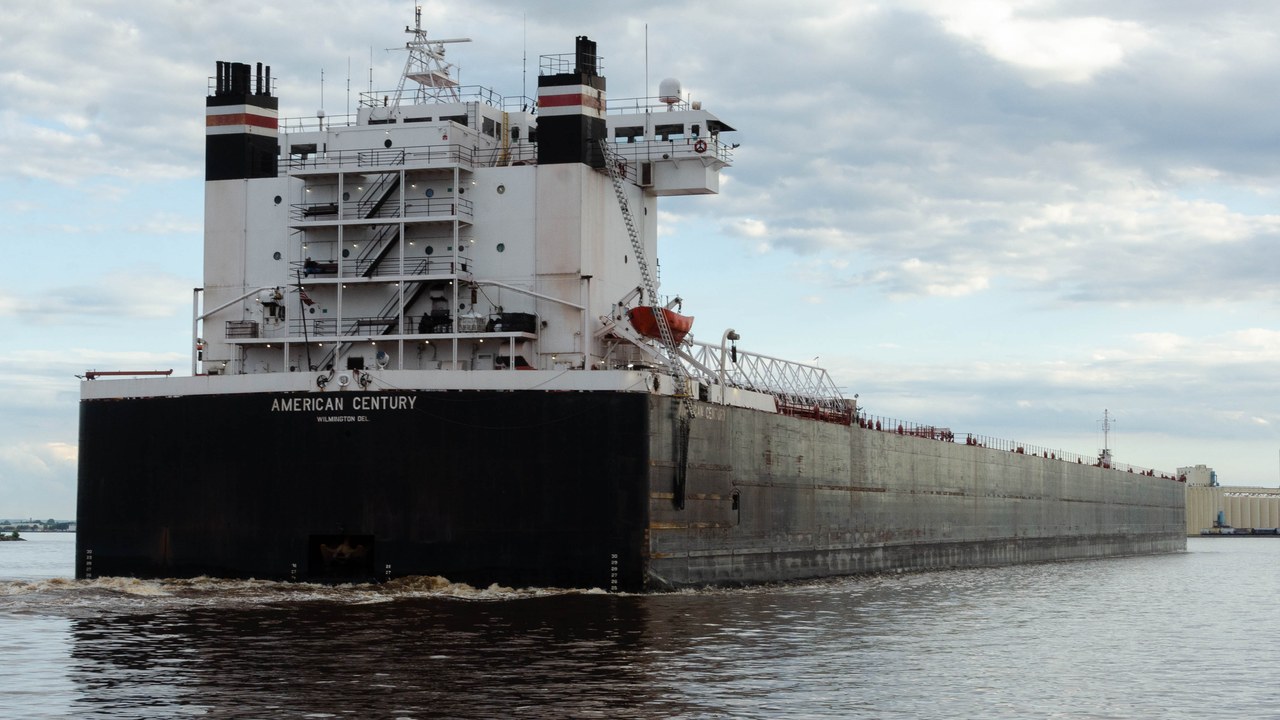
American Century is a thousand-footer in the American Steamship fleet, and Lake Carriers’ Association roster credits her with a per-trip capacity of 68,880.
That places her close to the top tier of the fleet by cargo size, in company with sister vessels that share her general profile. Like other boats of this class, she is configured for bulk cargo and loads at ore docks or stone and coal terminals before heading down the lakes, moving the raw materials that industry and construction rely on.
10. Indiana Harbor: Harbor Name, Heavy Load
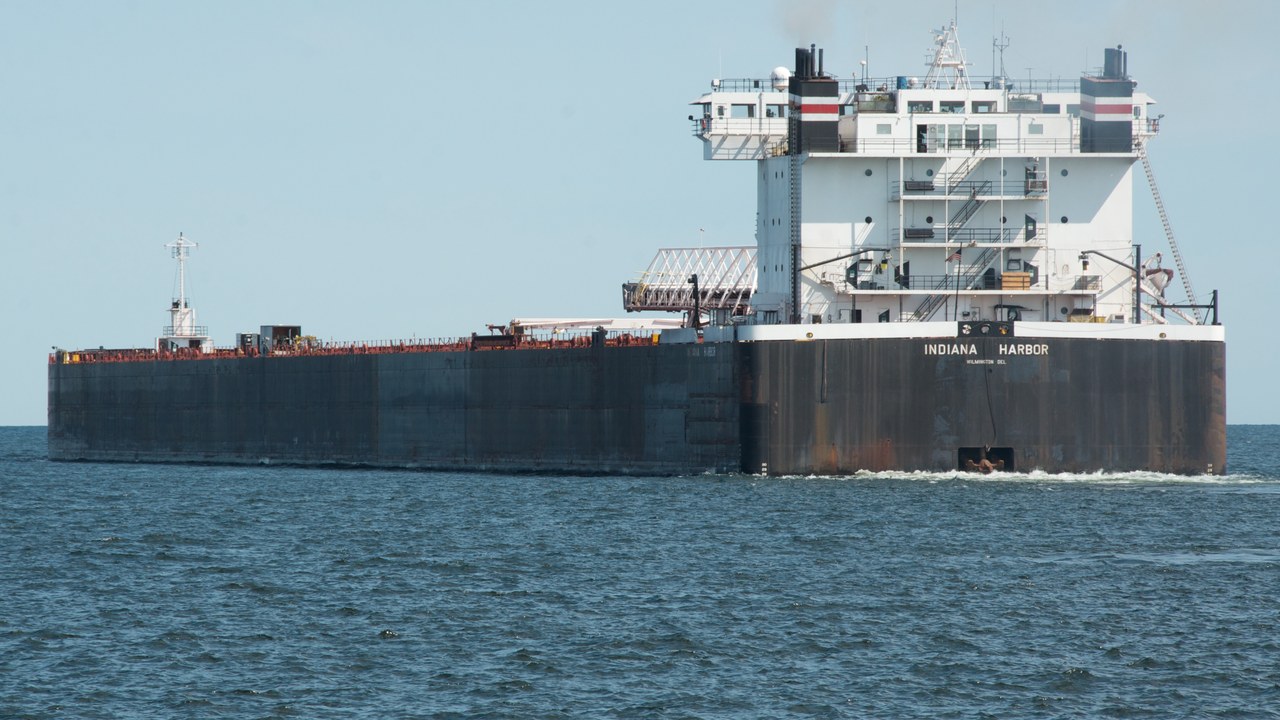
Indiana Harbor carries the same listed per-trip capacity as the McCarthy, 68,757, according to Lake Carriers’ Association data. She is rated as a 1,000-footer.
The name recalls the Indiana Harbor area on the southern shore of Lake Michigan, one of the steel centers that created demand for very large lakers. Thousand-footers such as this one were designed so that a single ship could replace several smaller vessels on busy trade routes, trimming the number of trips needed to supply the mills.
11. American Spirit: Built in 1978
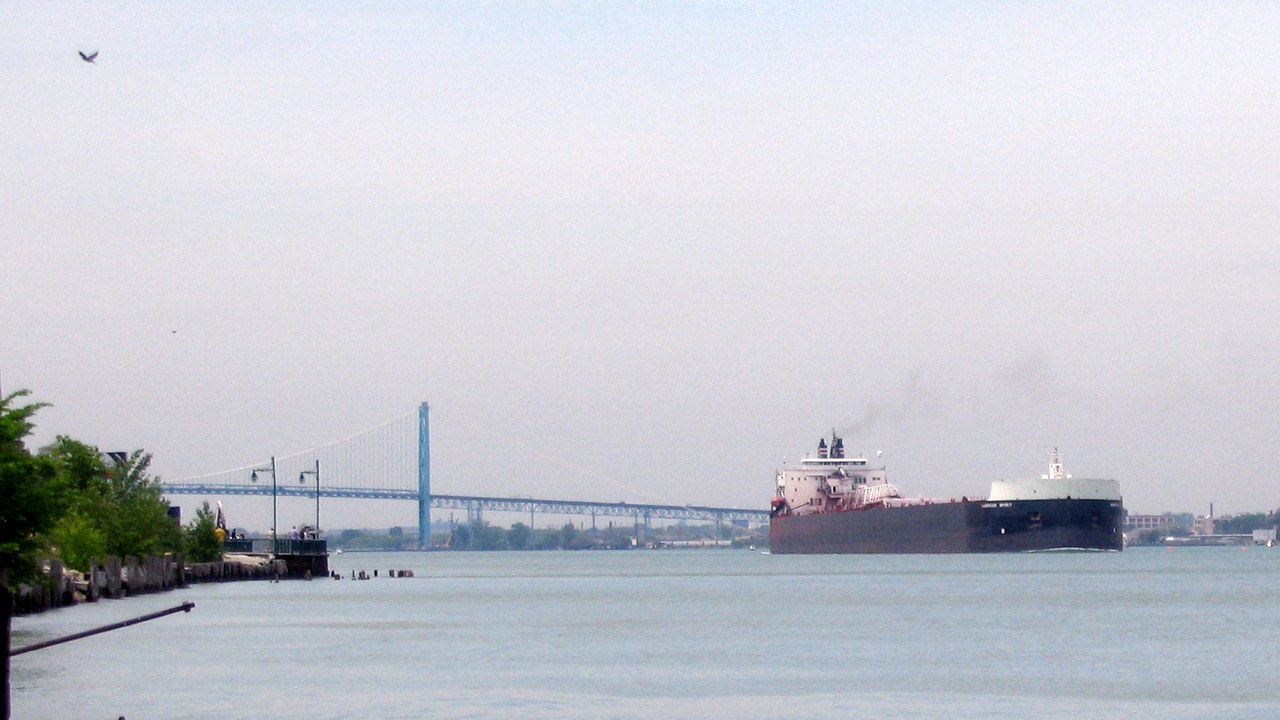
American Spirit entered service on July 15, 1978, and is listed at 1,004 feet with a capacity of 62,400 tons, according to Sault Ste. Marie’s thousand-footer list.
She is one of the earliest thousand-footers, built in the same period as American Integrity and a few years after the pioneer Stewart J. Cort. Decades of service on the lakes have made the type a familiar sight at ore docks and in the Soo Locks, where enthusiasts gather to watch the giants pass through during the shipping season.
AI, explained every day: Get The Deep View →
We may earn a commission if you sign up.
More from Morning Overview
- Doctors warn a silent liver disease now affects one in three American adults
- The FBI told the rest of ShinyHunters to surrender after a 24-year-old was arrested
- Two passengers died at an Ohio toll plaza, and the NTSB now wants the cash lanes shut
- Long use of a common prostate pill is tied to a higher chance of glaucoma
