
Some shipwrecks became legends the moment they happened, while others waited centuries on the seafloor before anyone found them. Together they carry stories of arrogance, bad luck, war and survival that still pull in divers, historians and museum crowds. Here are twelve legendary shipwrecks and the stories they left behind.
Read next on Morning Overview: New FCC rules on how people can stop robocalls and texts take effect Nov. 25
1. RMS Titanic: The Wreck That Defined Disaster
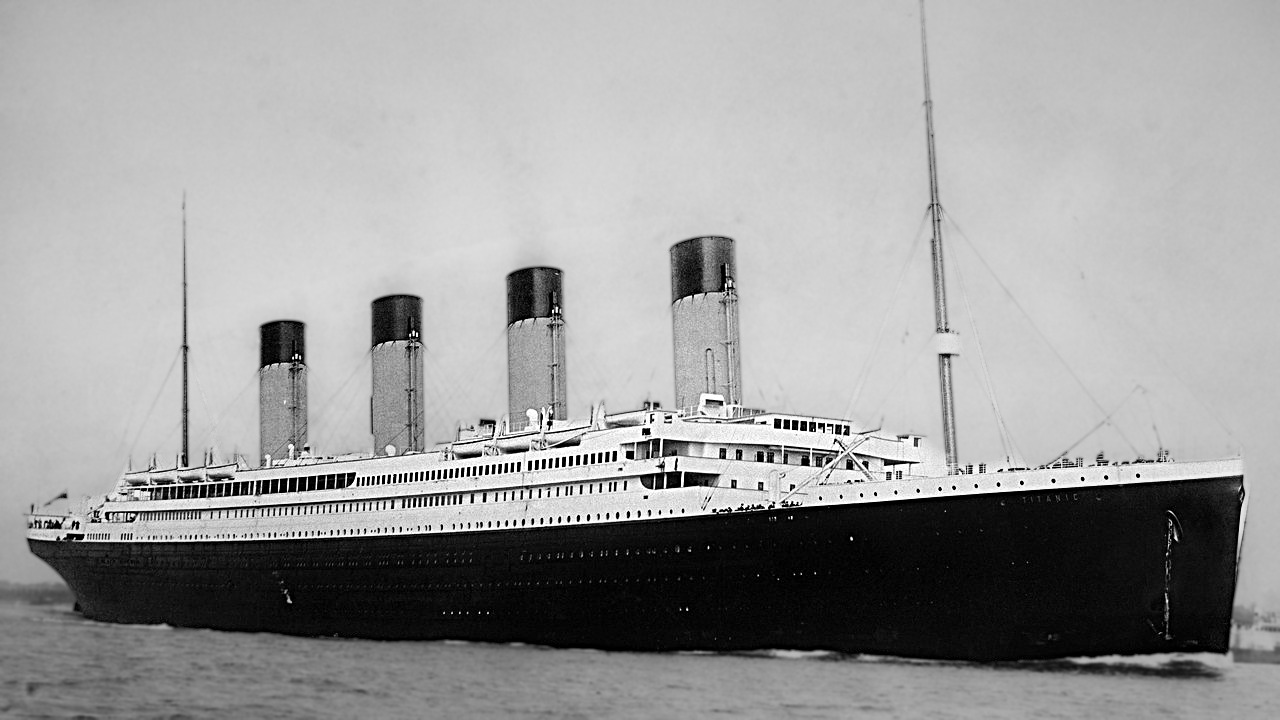
Titanic broke apart and sank after striking an iceberg on April 15, 1912, killing more than 1,500 people. Its wreck was found on September 1, 1985, by an American-French expedition, according to NOAA’s history of the ship, and it lies about 12,000 feet down, more than 350 nautical miles off Newfoundland.
NOAA notes that much of today’s international law on maritime safety grew out of the tragedy. The sinking set off a wave of rulemaking on lifeboats, radio watches and ice patrols. More than a century later, it remains perhaps the most famous shipwreck in popular culture.
2. USS Arizona: A Battleship That Became a Tomb
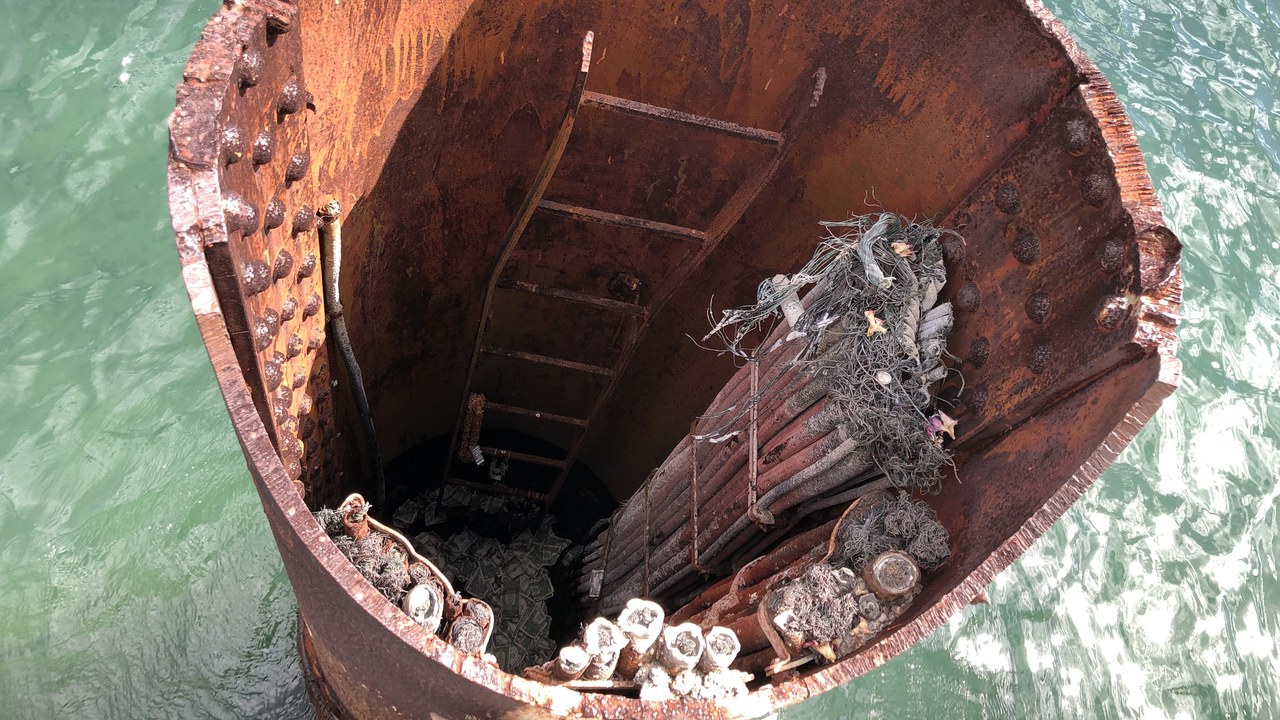
The USS Arizona still rests where it sank at Pearl Harbor on December 7, 1941. It is the final resting place for more than 900 of the 1,177 crewmen who died aboard. The National Park Service notes that the white memorial built over the wreck spans 184 feet across the sunken battleship.
President Dwight D. Eisenhower authorized the memorial in 1958, and it was completed in 1961 with public and private money before its official dedication in 1962. Visitors arrive by boat to look down on the hull, and the ship has become the defining symbol of the attack that brought the United States into World War II.
3. Vasa: Sunk on Its Maiden Voyage
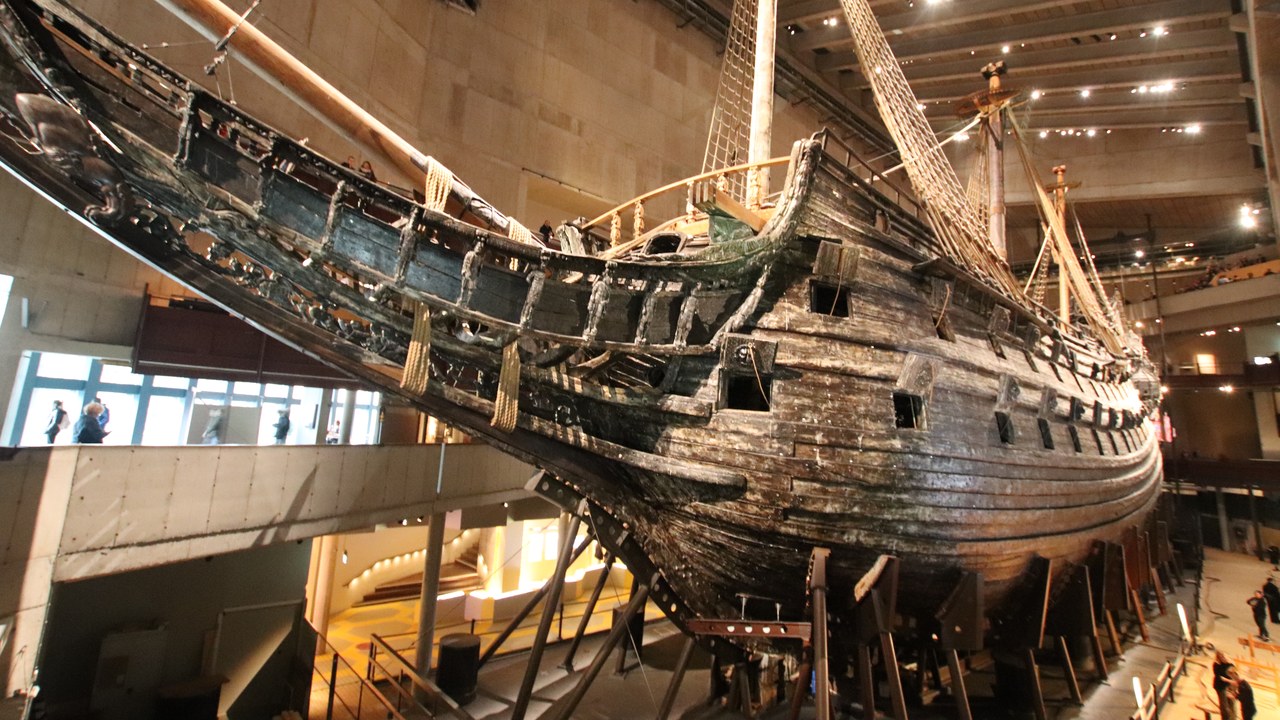
On August 10, 1628, the Swedish warship Vasa set out on its maiden voyage in front of crowds on the Stockholm quays. A gust of wind toppled it, and it sank 32 meters down in the harbor, according to Sweden’s wreck museums. Roughly 30 people are thought to have died.
Between 150 and 250 people were aboard, including crew family members who would have gone ashore at the first anchorage. Some 300 soldiers were waiting to board at a naval base in the archipelago. The cold, brackish water preserved the hull so well that the raised ship is now the centerpiece of its own museum in Stockholm.
4. Costa Concordia: The Cruise Ship That Hit a Rock
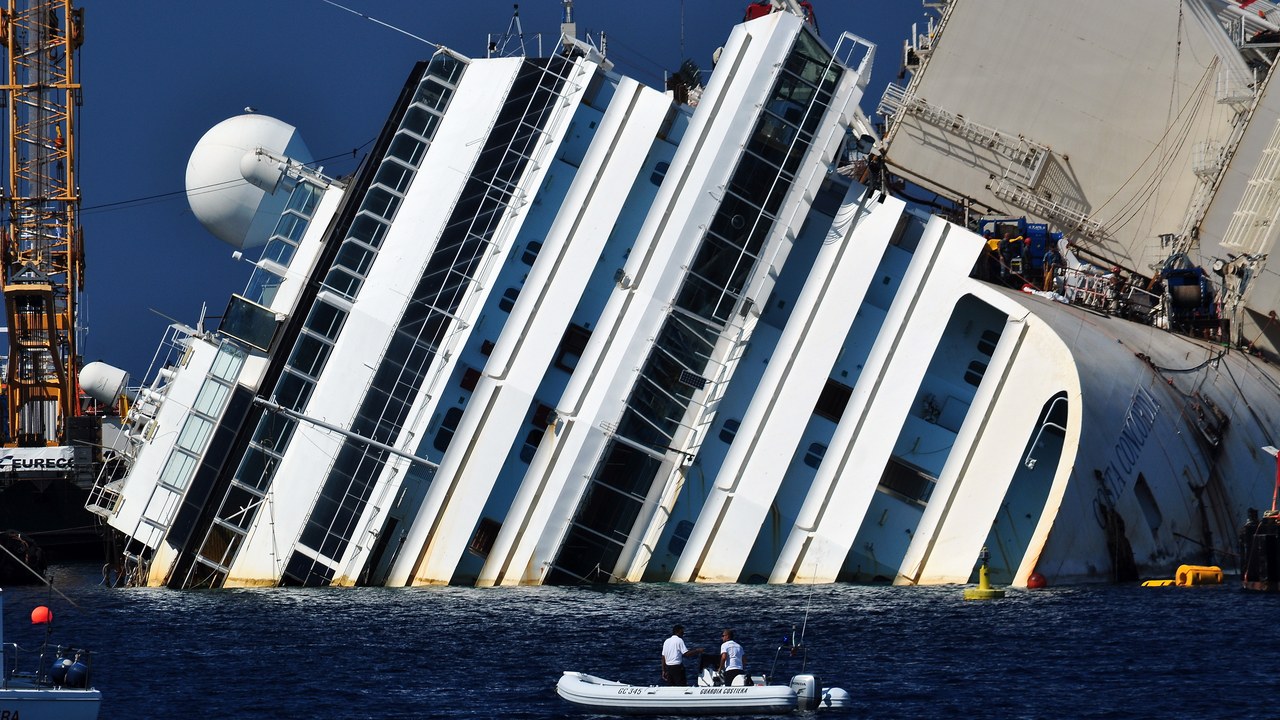
On January 13, 2012, the Costa Concordia deviated from its planned route at Isola del Giglio, Italy, to perform a sail-by salute and struck a rock formation, according to the disaster’s Wikipedia entry. The ship rolled onto its side with 4,252 people on board, and 32 people died.
The wreck lay off the island for well over a year while salvage crews worked. They pulled it upright in a parbuckling operation completed on September 17, 2013, and in July 2014 the hull was refloated and towed to Genoa. Its captain, Francesco Schettino, became the face of one of the most notorious maritime disasters of the modern era.
5. USS Indianapolis: The Cruiser Found 72 Years Later
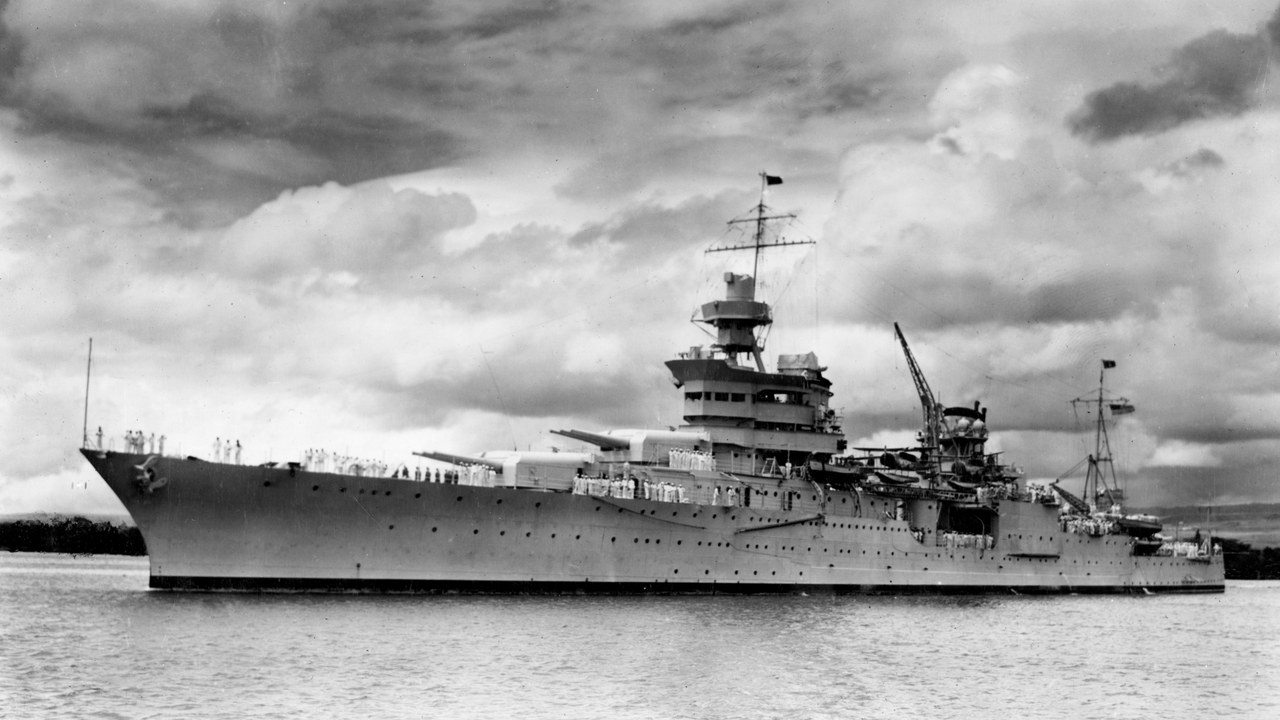
The 2017 discovery of the USS Indianapolis put one of the Navy’s most storied ships back in the public eye, according to the National Park Service. The heavy cruiser was sunk by the Japanese submarine I-58 just after midnight on July 30, 1945, shortly after leaving Guam for Leyte.
The small remainder of the crew was not rescued until four days later, on August 2. The Navy’s Bureau of Ships later interviewed the 316 survivors to understand what happened in the chaotic final minutes. With no wreckage to study at the time, that 1945 report rested largely on their recollections.
6. Endurance: Crushed by Antarctic Ice
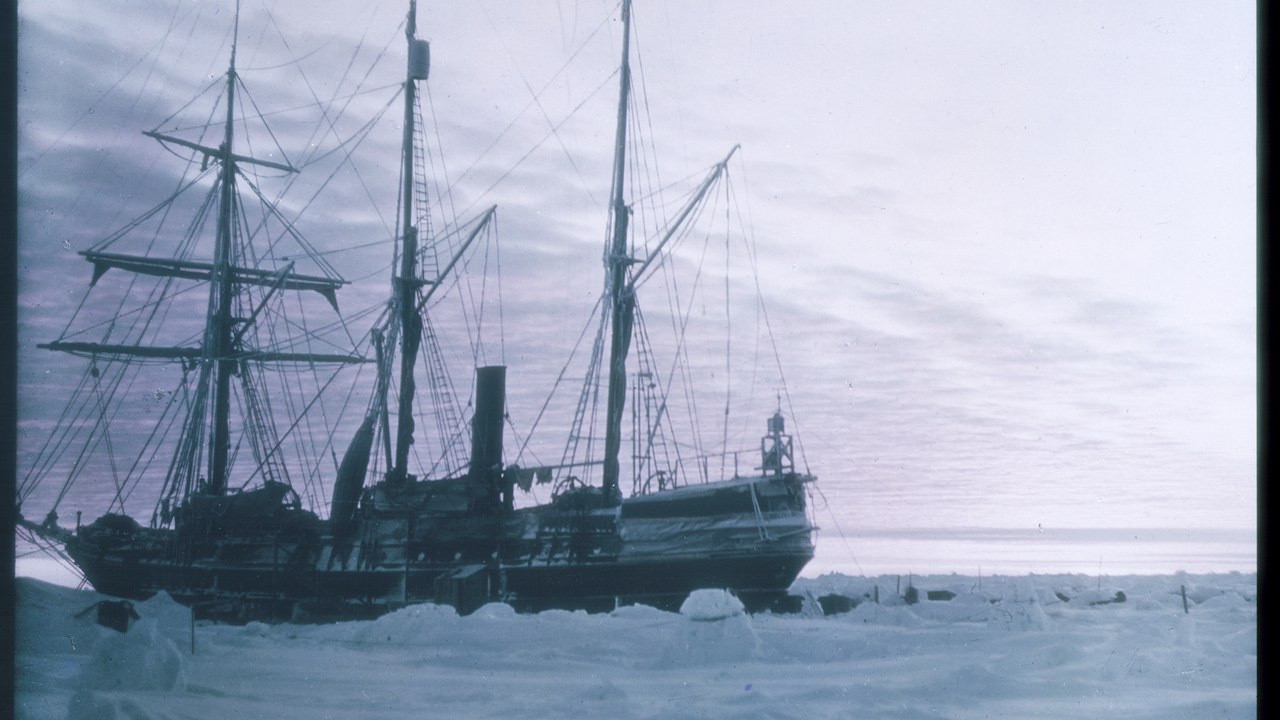
Ernest Shackleton’s Endurance was crushed by pack ice and sank in the Weddell Sea on November 21, 1915. Its wreck was discovered on March 5, 2022, nearly 107 years later, according to the ship’s Wikipedia entry. It lies 3,008 meters deep in what searchers called a brilliant state of preservation.
Shackleton and a crew of 27 men had sailed for Antarctica on the Imperial Trans-Antarctic Expedition. After the ship was lost, their struggle to survive became one of the great stories of polar exploration. The wreck is now protected as a historic site and monument under the Antarctic Treaty System.
7. Mary Rose: Henry VIII’s Lost Warship
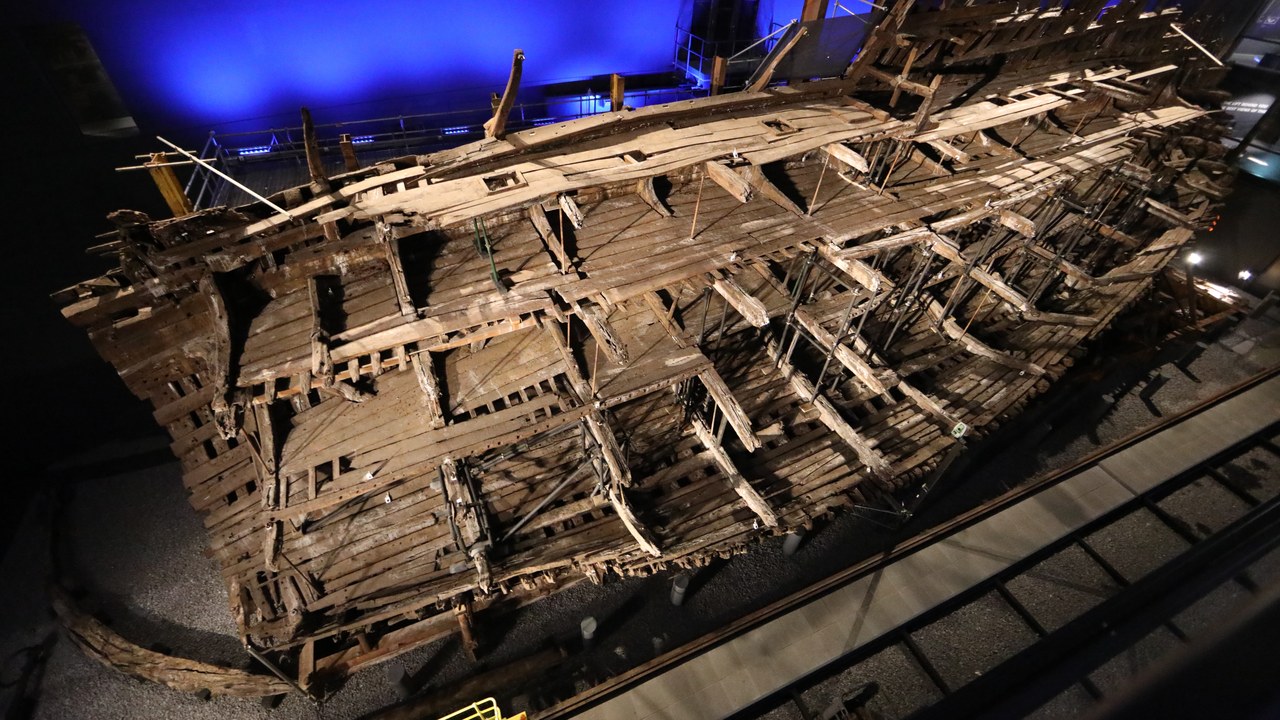
The Mary Rose served in Henry VIII’s navy for 34 years before it sank in battle in 1545 while leading an attack on a French invasion fleet. Its wreck was located in 1971 and raised in 1982 in one of the most complex salvage projects in history, according to the Mary Rose entry.
The surviving section of the hull and thousands of recovered artifacts form a Tudor time capsule, including weapons, sailing gear and everyday objects used by the crew. Some finds have even shed light on the history of musical instruments. The hull remains are displayed in a museum in Portsmouth, the ship’s old home port.
8. SS Edmund Fitzgerald: The Great Lakes’ Most Famous Wreck
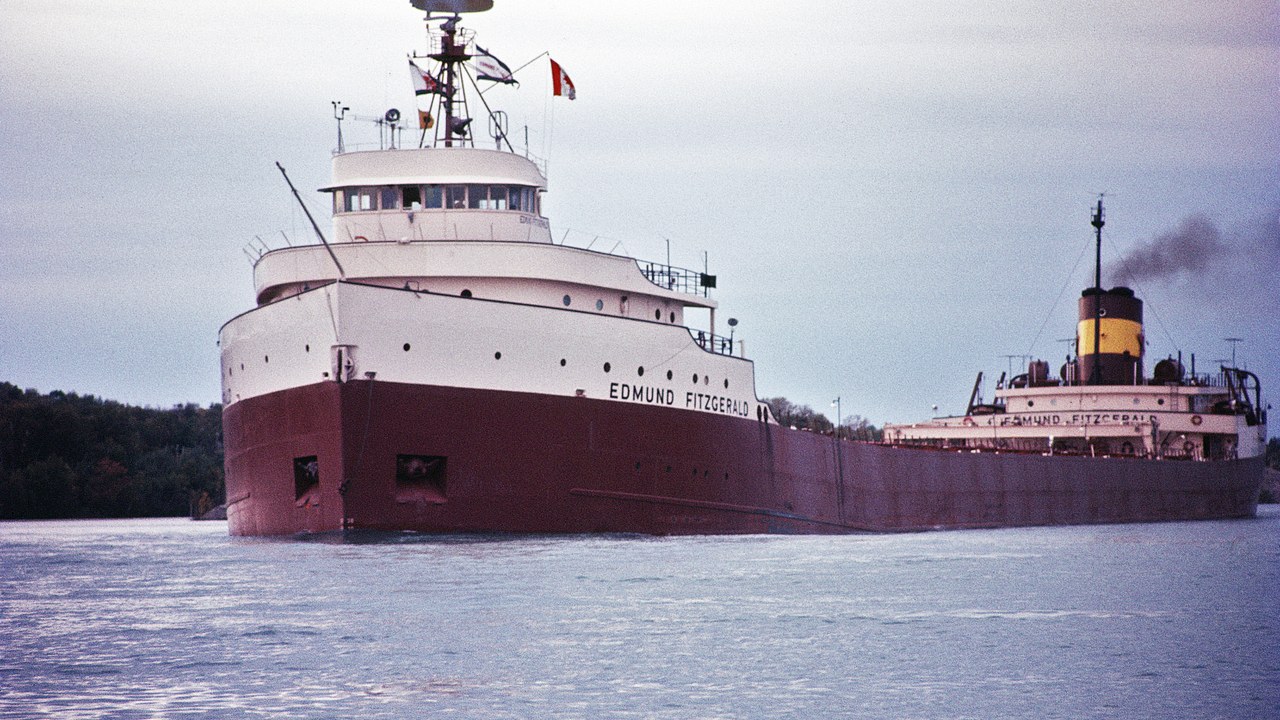
The freighter Edmund Fitzgerald sank in a Lake Superior storm on November 10, 1975, with all 29 crew. When it was launched in 1958 it was the largest ship on North America’s Great Lakes, and it remains the largest to have sunk there, according to its Wikipedia entry.
The ship had left Superior, Wisconsin, carrying a full load of taconite ore pellets bound for a steel mill near Detroit when near-hurricane-force winds caught it. The disaster is one of the best known in Great Lakes history, partly because of Gordon Lightfoot’s 1976 ballad about it.
9. USS Lexington: An Aircraft Carrier Found in 2018
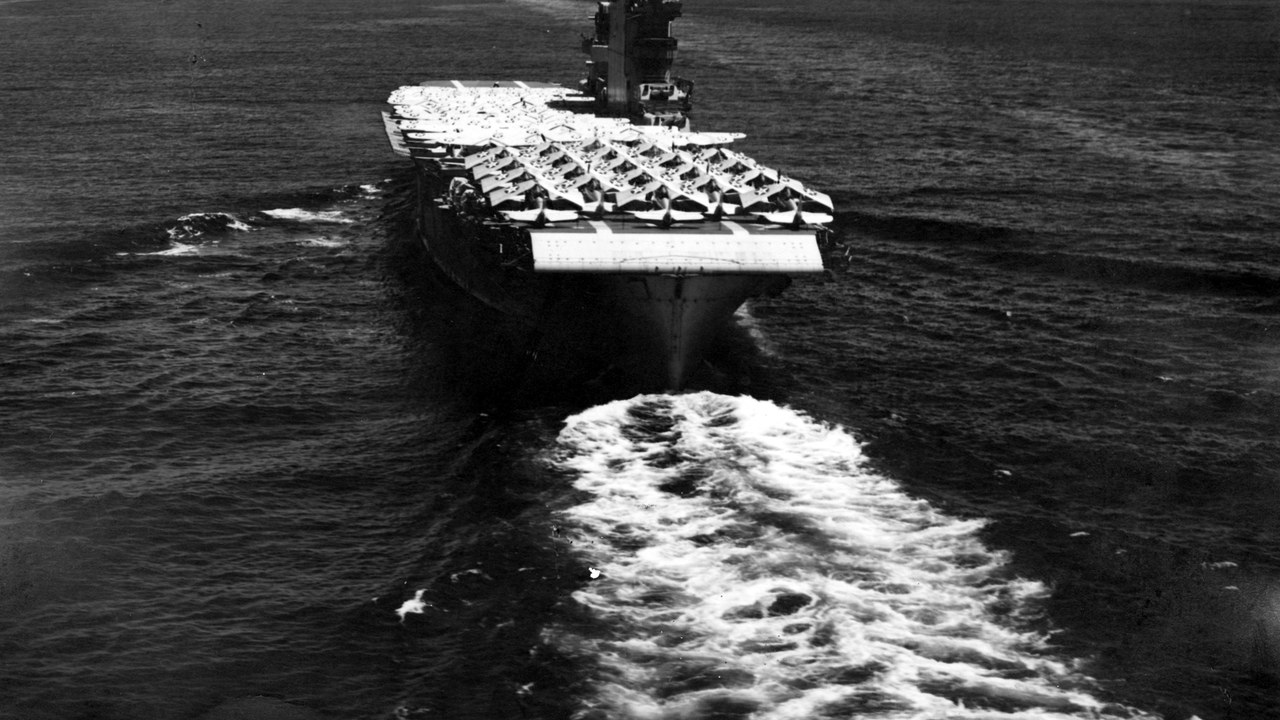
The aircraft carrier USS Lexington was scuttled after the Battle of the Coral Sea on May 8, 1942. Its wreck was located on March 4, 2018, by the research vessel Petrel, according to the carrier’s Wikipedia entry.
Lexington was at sea when the Pacific War began on December 7, 1941, ferrying fighter aircraft to Midway Island. Her mission was canceled and she returned to Pearl Harbor. Five months later, damage suffered in the Battle of the Coral Sea proved fatal, and the crippled carrier was deliberately sunk. Finding the hull on the Coral Sea floor closed a chapter that had stayed open for 76 years.
10. RMS Lusitania: The Liner That Changed a War
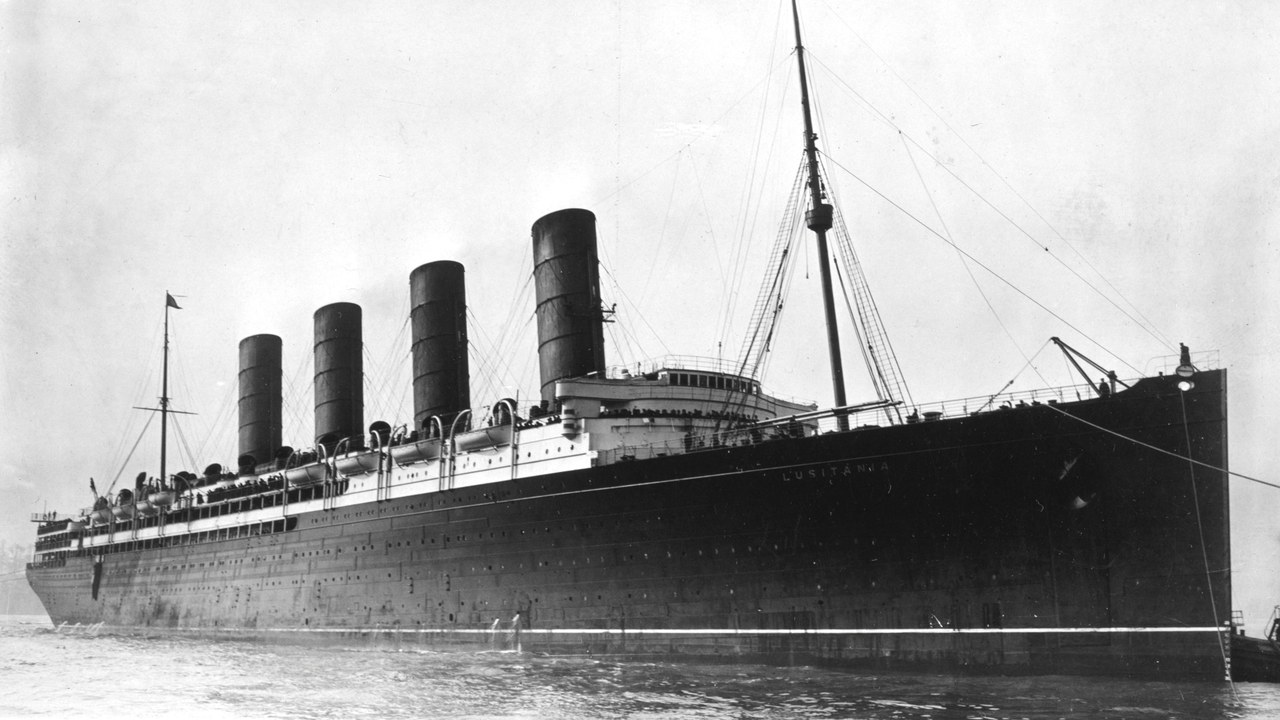
The Cunard liner Lusitania was torpedoed by the German submarine U-20 on May 7, 1915, about 11 nautical miles off the Old Head of Kinsale, Ireland. The ship sank in 18 minutes, killing 1,197 passengers and crew, according to its Wikipedia entry.
When launched, Lusitania was the world’s largest passenger ship, and in 1907 it won the Blue Riband for the fastest Atlantic crossing. The sinking killed 128 American citizens and significantly increased public support in the United States for entering World War I, which came in 1917.
11. HMHS Britannic: Titanic’s Ill-Fated Sister
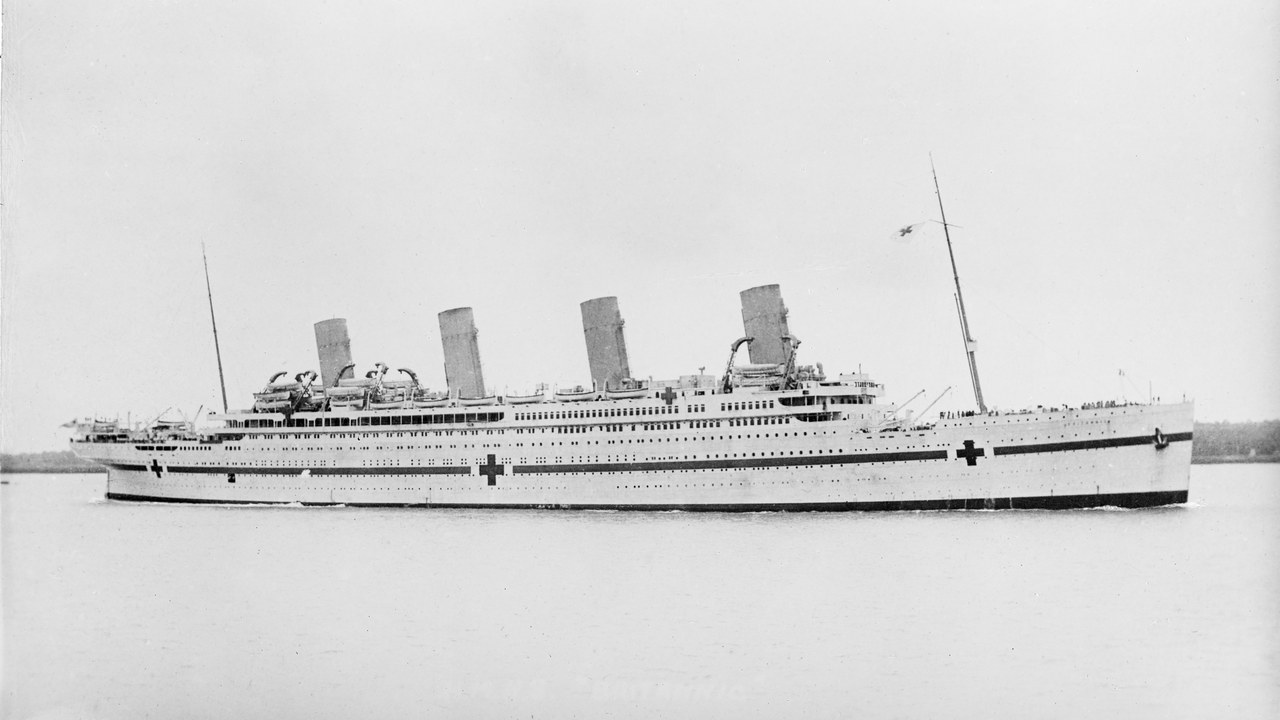
Britannic was the third and final ship of White Star’s Olympic class and served as a hospital ship in World War I. On November 21, 1916, it struck a German naval mine near the Greek island of Kea and sank in 55 minutes, according to the Britannic entry.
Thirty of the 1,066 people aboard died, and the other 1,036 were rescued from the water and lifeboats. Britannic was the largest ship lost in the First World War. It never carried paying passengers as the liner it was designed to be, ending its short career in wartime service instead.
12. Batavia: A Wreck That Led to Mutiny
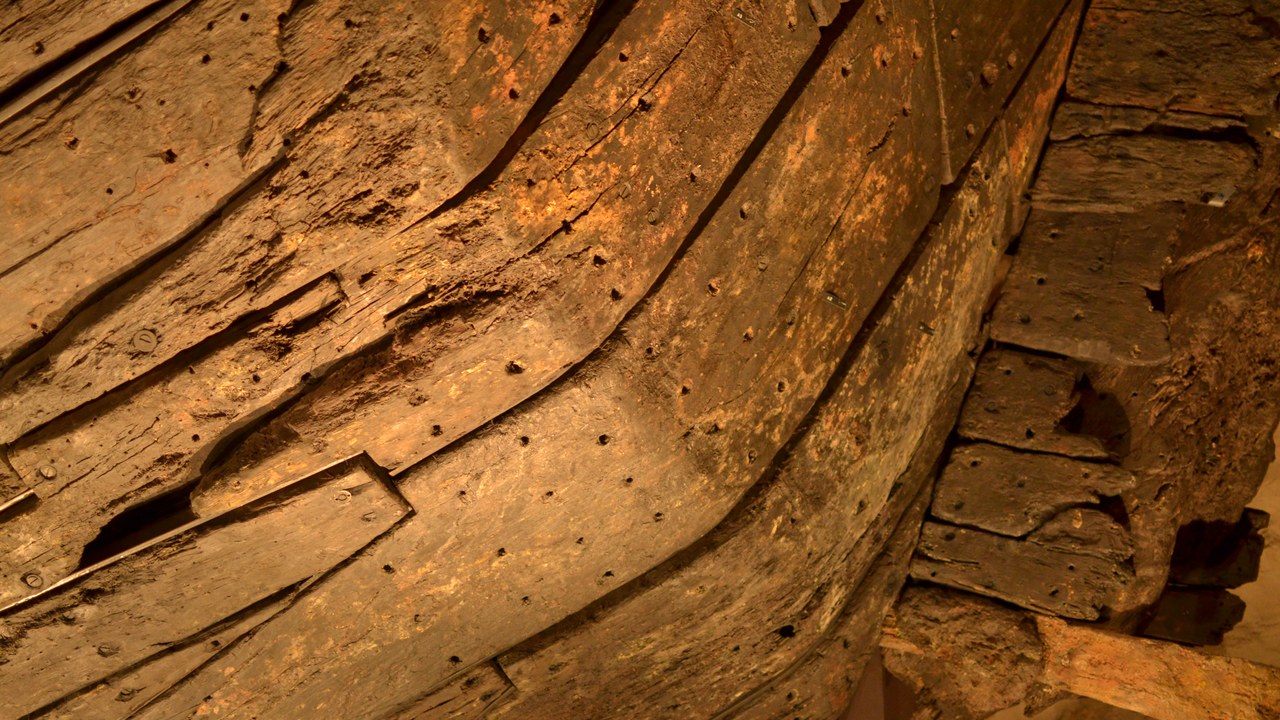
The Dutch East India Company flagship Batavia was wrecked on the Houtman Abrolhos islands off Western Australia on June 4, 1629. About 300 of the 341 people aboard made it ashore, according to its Wikipedia entry, while the rest drowned trying.
Commander Francisco Pelsaert sailed nearly 3,000 kilometers in an open longboat to seek help. While he was gone, a faction led by Jeronimus Cornelisz carried out atrocities against the survivors before Pelsaert returned. The recovered hull, the only early 17th-century VOC example studied in such detail, is housed at a museum in Fremantle.
More from Morning Overview
- Cadillac cut the price of its cheapest EV, which goes up to 317 miles on a charge
- Winter weather advisories cover I-80, I-70 and the Bighorns with up to 15 inches of snow
- Arizona’s governor declared a statewide emergency after Flagstaff logged its wettest Nov. 1 on record
- Zero Motorcycles unveiled an electric motorcycle targeted at under $8K and a street-legal dirt bike at EICMA
