
Ocean liners once carried millions across the Atlantic, and their afterlives range from museum-style hotels to flames, scrapyards and the seabed. The coming sinking of the SS United States has put that long, varied history back in the news. Here are nine great liners and what became of each.
Stay ahead on AI: Join 600,000+ professionals who read The Deep View, the daily newsletter that keeps you up to date with artificial intelligence.
We may earn a commission if you sign up.
1. SS United States: Record-Setter Bound for the Reef
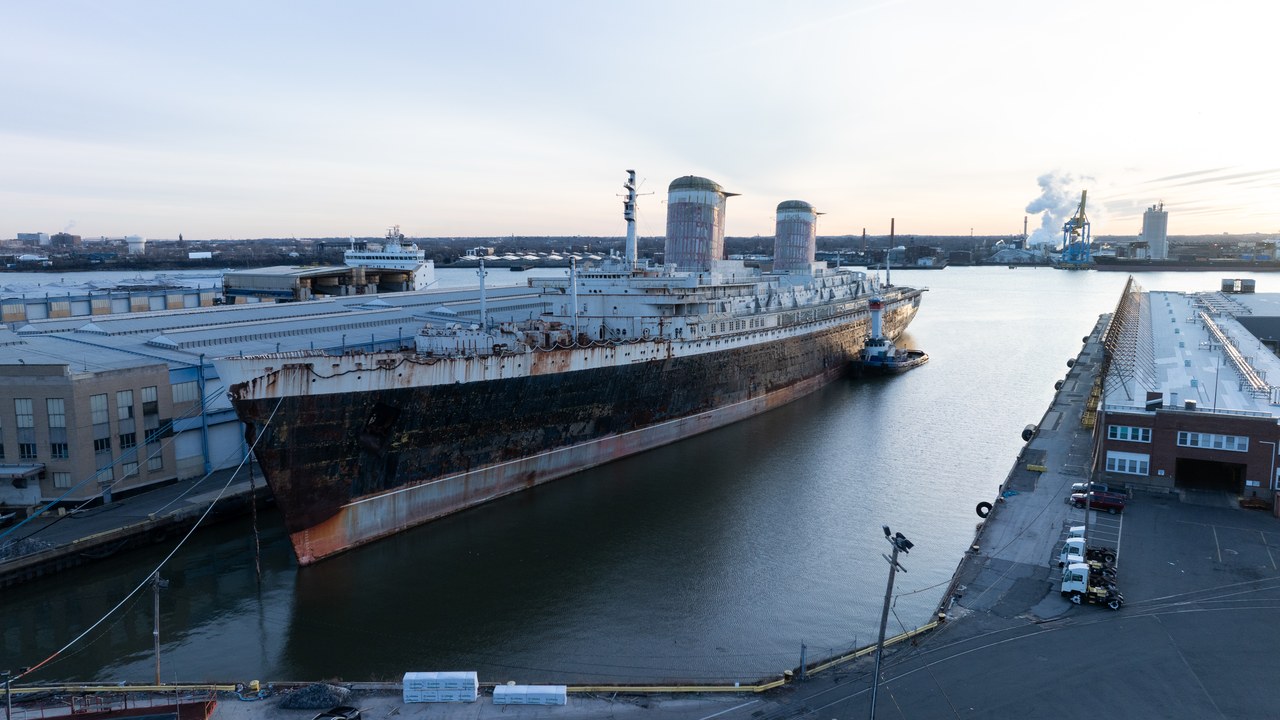
The Gulf reef sinking plan will turn the 1952 record-setter into the world’s largest artificial reef. The ship is due to be sunk about 22 nautical miles southwest of Destin, Florida, in mid-November 2026. Her maiden voyage shattered the trans-Atlantic speed record, an achievement that made the liner a lasting symbol of American shipbuilding.
Designed to serve as a luxury passenger ship that could also be adapted for military use, she became one of the most celebrated American liners of the postwar era. Her later years were spent idle, with her future repeatedly in doubt. The reef project gives the hull a final purpose on the seabed, where marine life can settle on the huge steel structure.
2. RMS Queen Mary: Retired to Long Beach
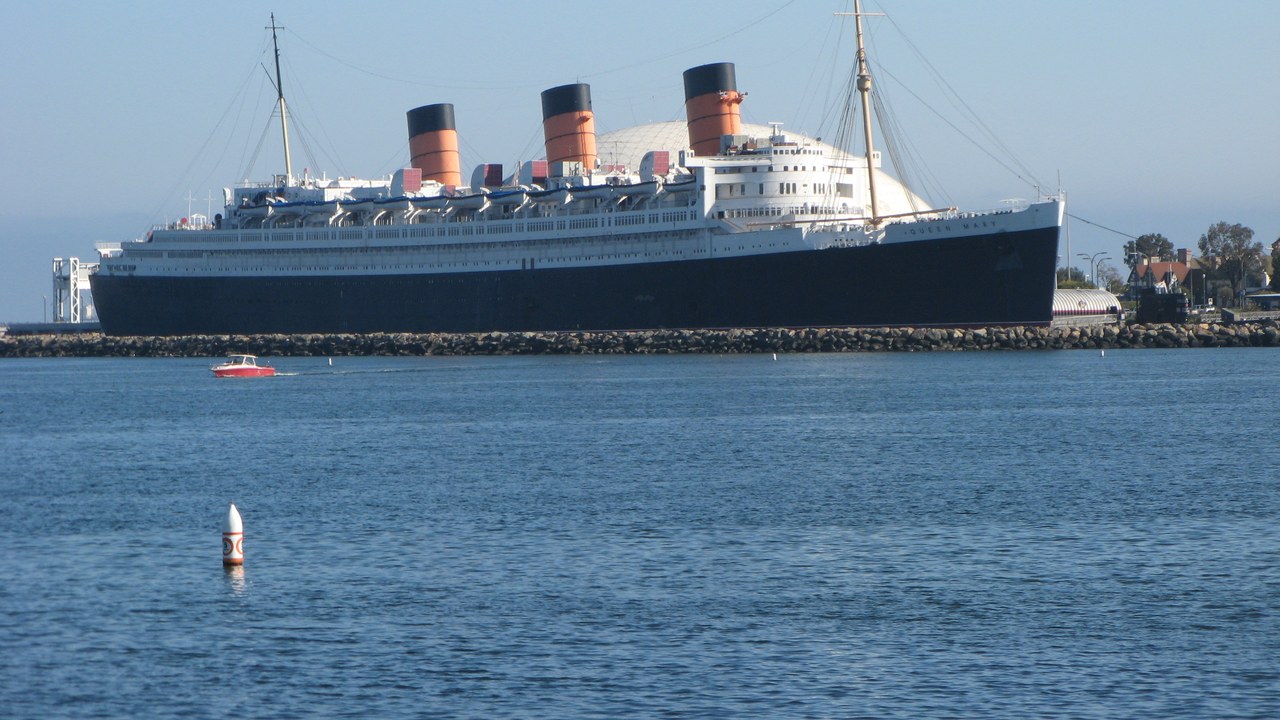
Retired in 1967, the liner reached Long Beach on Dec. 9, 1967, after the city’s $3.45 million bid was accepted. Cunard’s Queen Mary had spent three decades carrying passengers across the North Atlantic before that final voyage ended on the California coast.
Her record 1943 load reached 15,740 troops plus 943 crew, a reminder of the wartime service that earned the ship her reputation for speed and capacity. In civilian life she was a glamorous express liner favored by travelers who wanted a fast, elegant crossing. Her afterlife in Long Beach turned a working ocean liner into a permanent attraction that visitors can tour.
3. RMS Queen Elizabeth: Fire in Hong Kong Harbor
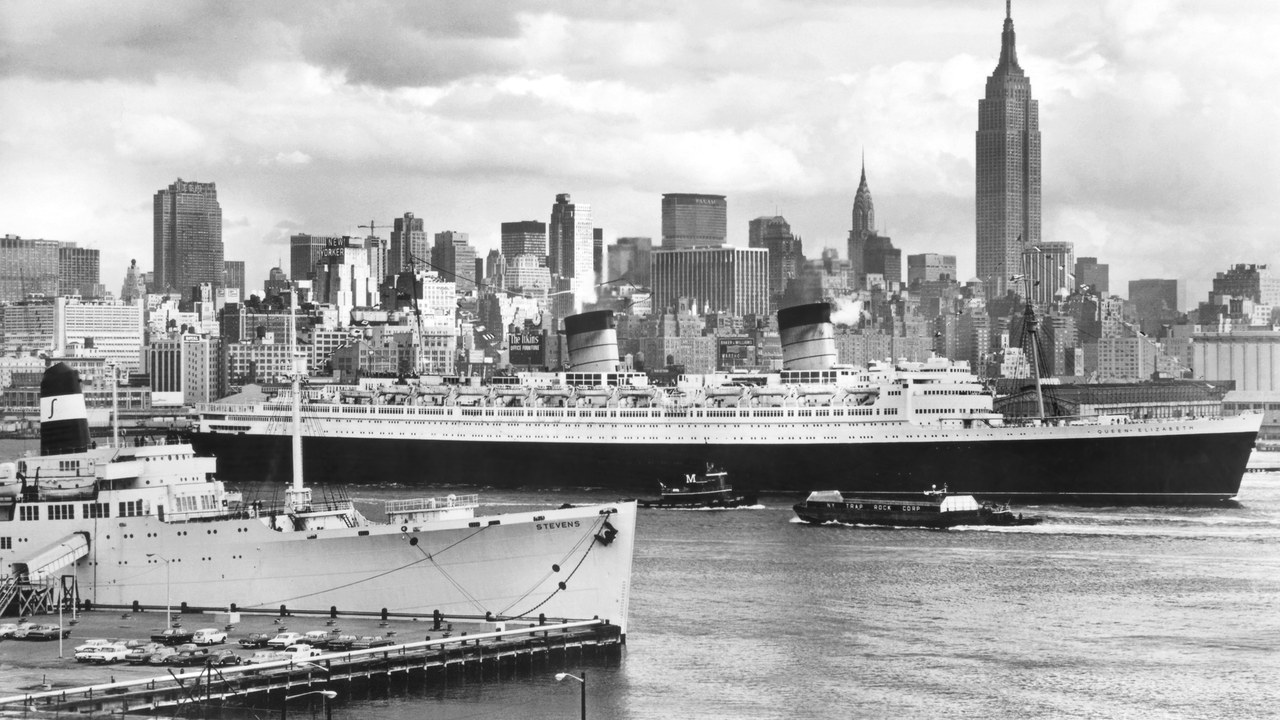
Briefly the largest passenger ship ever built at 83,673 tons, the second Cunard queen met a dramatic end when she caught fire and sank in Hong Kong on Jan. 9, 1972. Her size set her apart from earlier liners, and she was designed to run in tandem with her older sister on the Atlantic route.
The ship had been sold away from Cunard and was being converted for a new life as a floating university when the blaze broke out. Her wreck was left in the harbor, a stark contrast with the fate of her sister, which survived as a tourist attraction. The loss remains one of the best-known endings among twentieth-century passenger ships.
4. RMS Mauretania: Blue Riband Champion
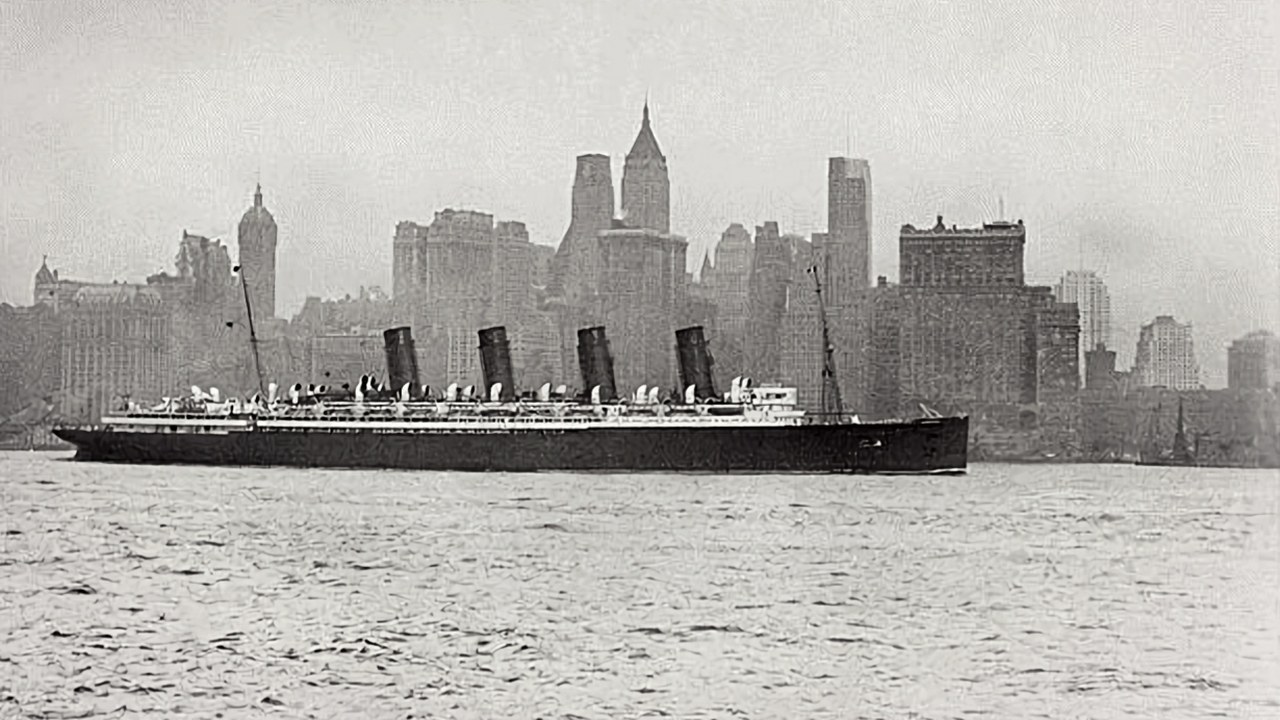
Cunard’s Mauretania won the Blue Riband in 1907 and held it until 1929, an extraordinary run for any record on the North Atlantic. The Blue Riband is the unofficial honor given to the passenger liner with the fastest crossing, and the competition drove owners to build ever more powerful ships.
Holding the title for more than two decades made her one of the most admired liners of the early twentieth century. She was an Edwardian ship, known for her four tall funnels and richly paneled interiors. Her long reign ended only when newer and faster vessels arrived, but her record of endurance still stands out in the history of ocean travel.
5. SS France: From France to Blue Lady
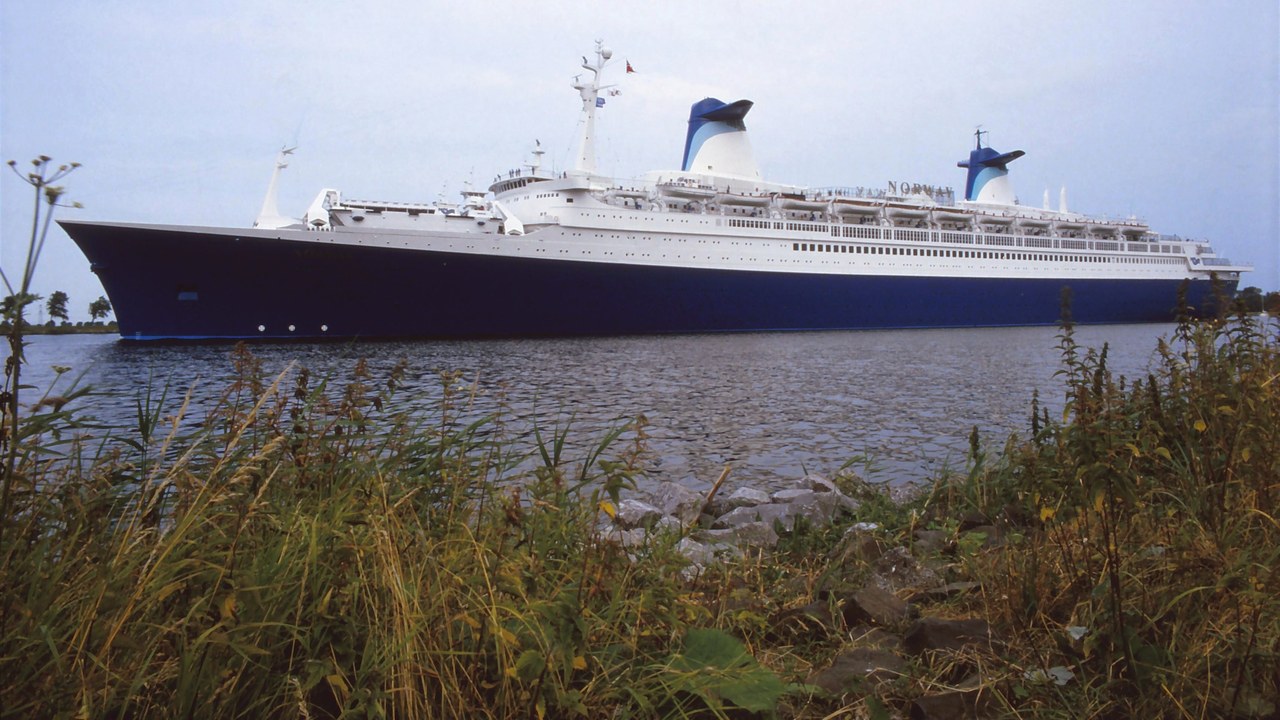
The 1,035-foot French liner, later renamed the Norway, was broken up at Alang, India, as Blue Lady, with demolition essentially completed by late 2008. Her long career spanned two identities and two very different eras of ocean travel.
Built to carry passengers between Le Havre and New York, the ship was among the longest passenger vessels afloat when she entered service. She later found a second career as a cruise ship, a role that kept her sailing long after the great transatlantic liner trade faded. Her final journey to the beaches of Alang, a major shipbreaking center, closed the story of one of France’s flagship liners.
6. SS Rotterdam: Hotel Ship on the Maas
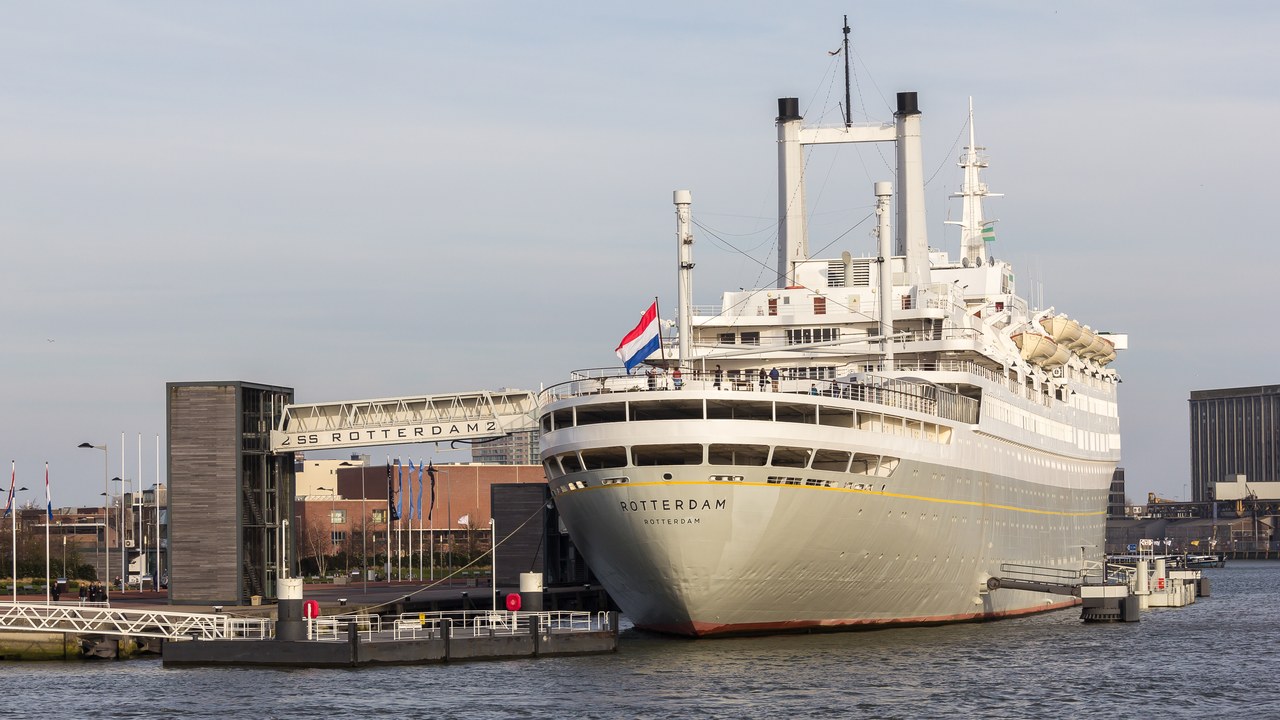
The 1958 Holland America liner is preserved as a hotel ship in Rotterdam. Her survival makes her one of the few great postwar liners that visitors can still board, a sharp contrast with the many sisters of her generation that ended in scrapyards.
Holland America Line operated the ship on Atlantic crossings and cruises, and she became a favorite of travelers who valued her comfortable, unpretentious character. Her home port gives the story a neat symmetry, since the vessel now rests in the Dutch city she was named for. Conversion to a hotel keeps the old steel hull in public use while preserving the character of a mid-century passenger liner.
7. SS Andrea Doria: Collision in the Fog
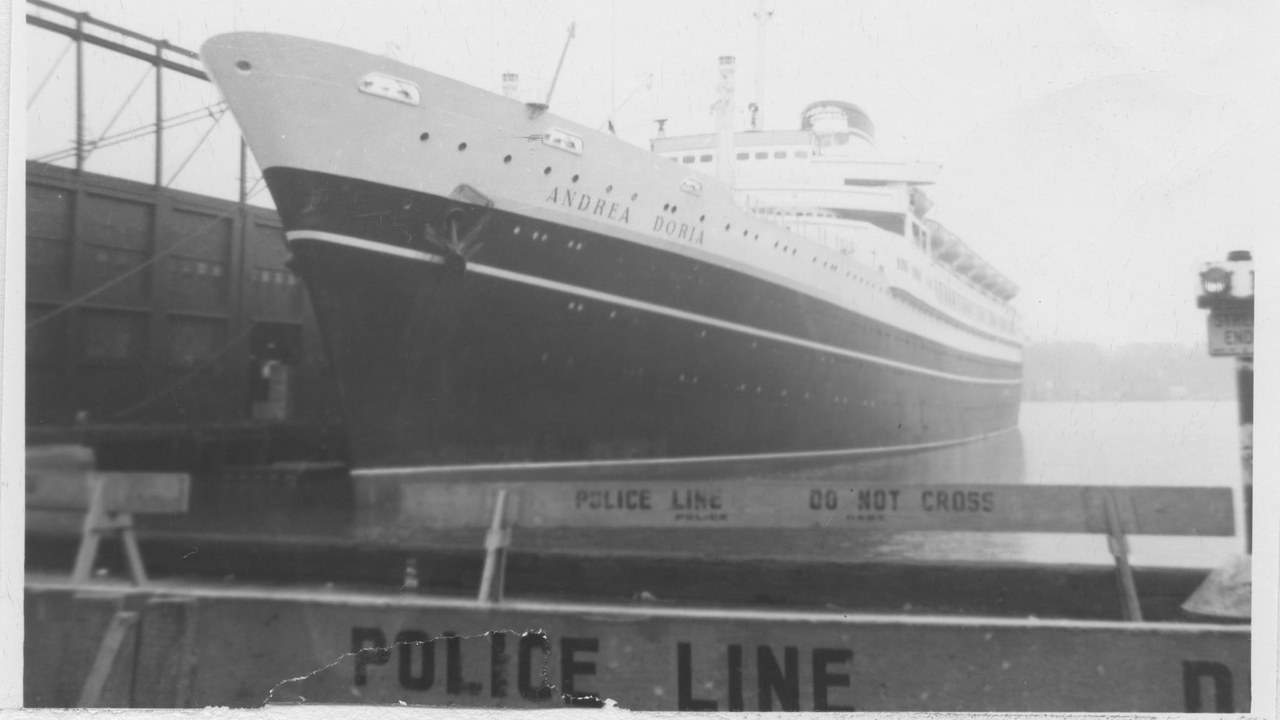
Andrea Doria sank on July 26, 1956, after colliding with the Stockholm in fog off Nantucket. The disaster is remembered partly because a swift response allowed the rescue of 1,660 passengers and crew, which kept the toll far lower than the scale of the accident suggested.
The Italian liner was among the most glamorous ships of her day, known for her art-filled public rooms and her place in Italy’s postwar revival. Her loss became a landmark event in maritime safety, prompting debate over radar use and navigation in poor visibility. The wreck lies in deep, cold Atlantic water and has long fascinated divers and historians.
8. SS Normandie: Burned at the Pier
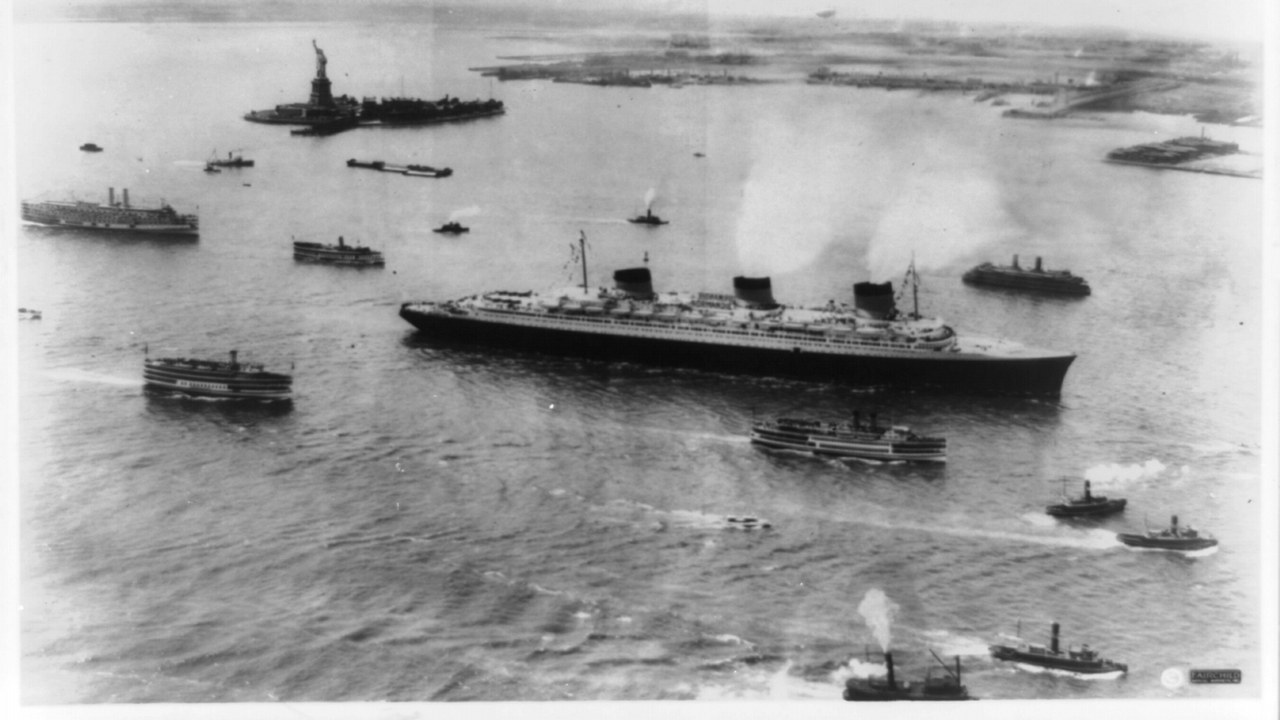
The French liner burned at her New York dock in February 1942. Normandie was widely regarded as one of the most stylish ships ever built, with Art Deco interiors that set a standard for luxury afloat.
At the time of the blaze she was moored in the city and being converted for wartime use, so her loss struck a sharp blow just as the United States was deep into the conflict. Rather than crossing the Atlantic as a passenger ship again, she ended as a capsized hulk that had to be salvaged. Her brief career still shapes how many people picture the golden age of ocean liners.
9. Queen Mary 2: The Liner Still Sailing
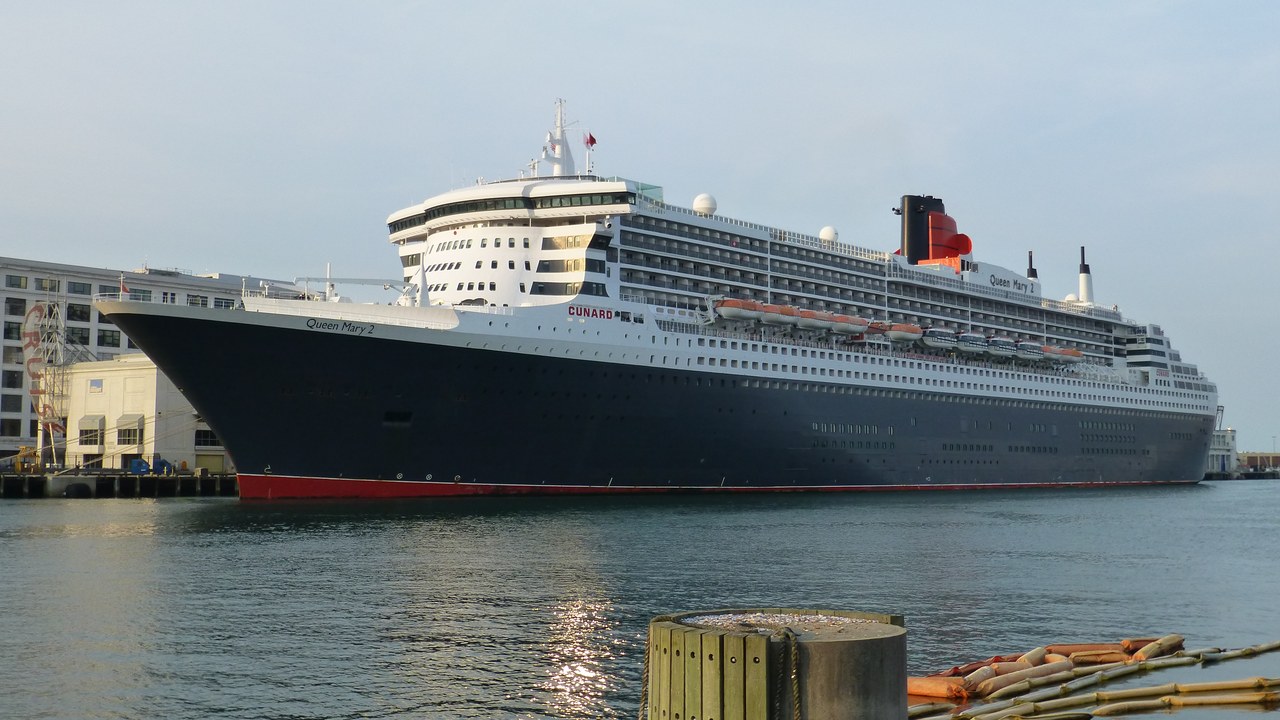
Cunard’s flagship is the liner still in service, and the cruise ship rankings list her at 149,215 gross tons with room for up to 3,090 passengers. Queen Mary 2 is unusual because she was designed for regular North Atlantic crossings rather than only for warm-weather cruising.
That purpose shaped her construction, with a strong hull and a design suited to rough ocean conditions. She carries on the Cunard tradition of scheduled transatlantic service between Southampton and New York, a route the company has worked for generations. Her continued sailing offers a living link to the era when crossing the ocean by liner was the standard way to travel between continents.
Stay ahead on AI: Subscribe to The Deep View →
We may earn a commission if you sign up.
More from Morning Overview
