
Speed records in the animal world depend on the kind of motion being measured, whether a falcon’s hunting dive, a cheetah’s sprint or a tuna’s cruise. The figures below are peak numbers from published sources, and they are not directly comparable with one another. Here are fourteen of the fastest animals alive, from the sky to the sea to the open plains.
Read next on Morning Overview: Up to 5 feet of snow is burying Donner Pass, and forecasters warn against Sierra travel
1. Peregrine falcon: The Dive That Beats a Race Car
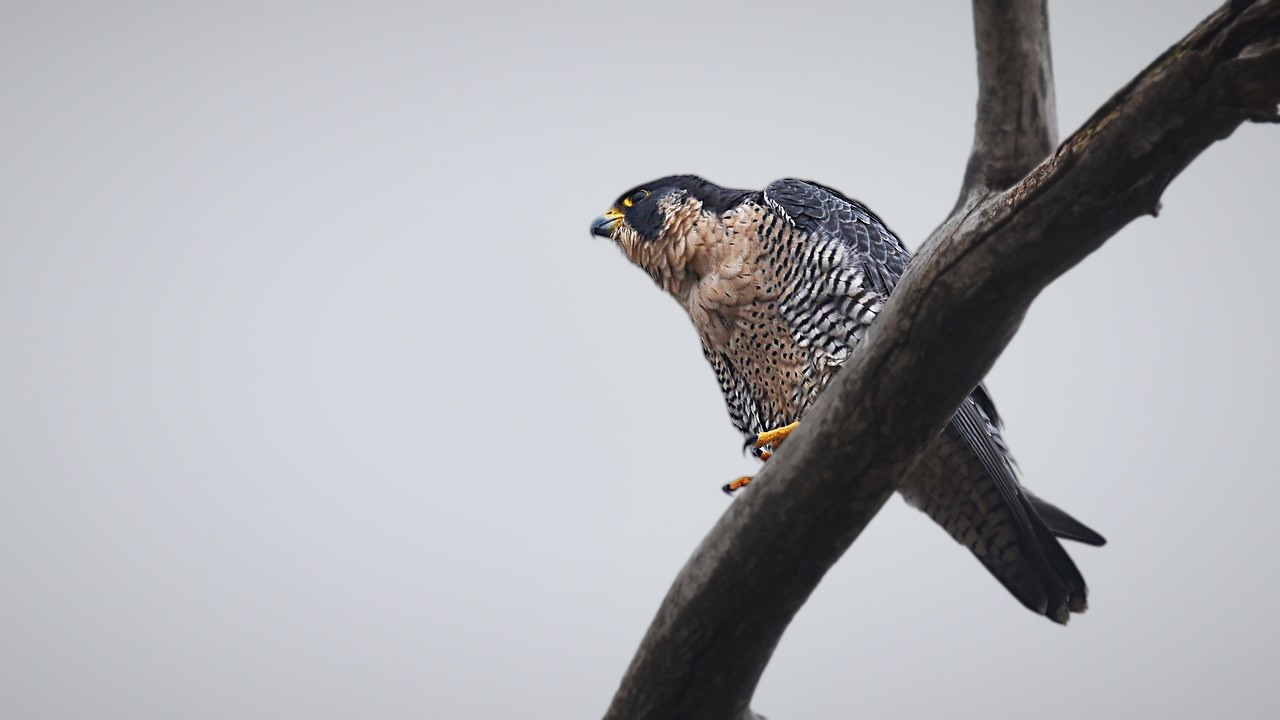
When hunting, a peregrine falcon can dive through the air at speeds reaching 200 miles (320 kilometers) an hour, according to National Geographic Kids. The page compares that to a race car at the Daytona 500 and calls the peregrine falcon the fastest animal in the world.
The figure belongs to a hunting dive rather than level flight. The same page notes that a falcon starts that dive from just over half a mile, about one kilometer, above the ground. Alan Eustace, by contrast, reached 822 miles an hour only after starting from more than 25 miles up.
2. Golden eagle: North America’s Largest Raptor Dives
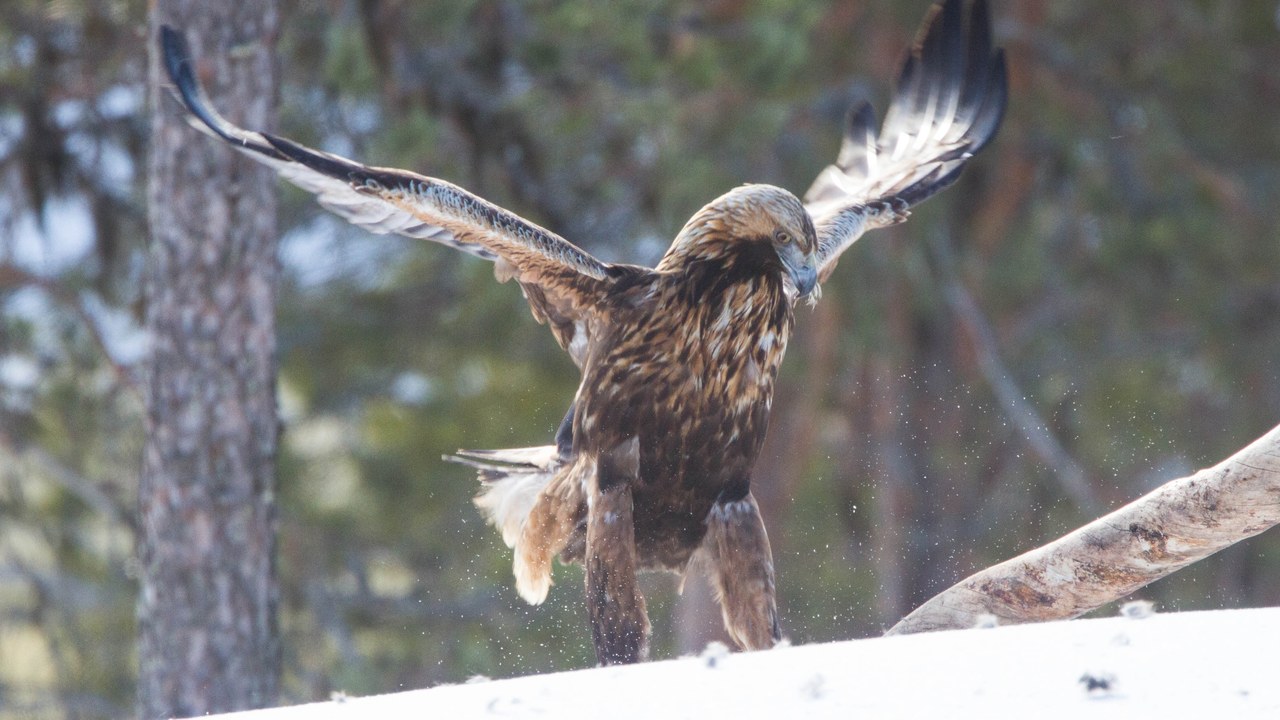
National Geographic describes the golden eagle as North America’s largest bird of prey and the national bird of Mexico, in a species profile. The bird is extremely swift and can dive upon its quarry at speeds of more than 150 miles per hour.
That speed serves a diet of rabbits, marmots and ground squirrels, which the eagles snatch with sharp talons. Adults weigh 6 to 15 pounds and have a wingspan of 6 to 7.5 feet. The range runs from Mexico through western North America as far north as Alaska, with populations in Asia, northern Africa and Europe.
3. Brazilian free-tailed bat: A Bat Faster Than Any Bird
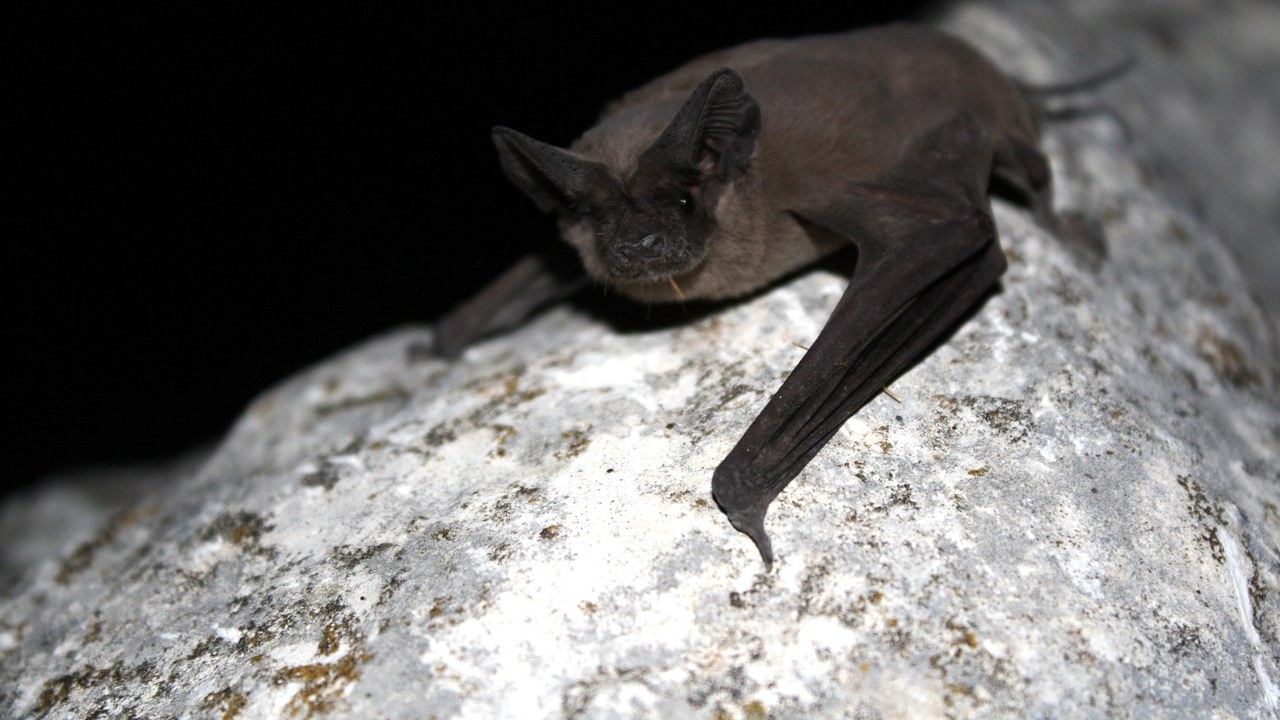
A study summarized in a Bat Conservation press item suggests Brazilian free-tailed bats may achieve speeds of up to 160 kilometers (99.42 miles) per hour in level flight. That would rank the species faster than any previously documented bird or bat in level flight.
Gary McCracken of the University of Tennessee called these the fastest powered flight speeds documented in any vertebrate. Researchers tracked bats carrying small radio transmitters from a small aircraft. The fastest bird in level flight, the common swift, reaches around 112 km/h, and peregrine falcons beat the bats only when diving.
4. Cheetah: Ferrari and the 59 MPH Run
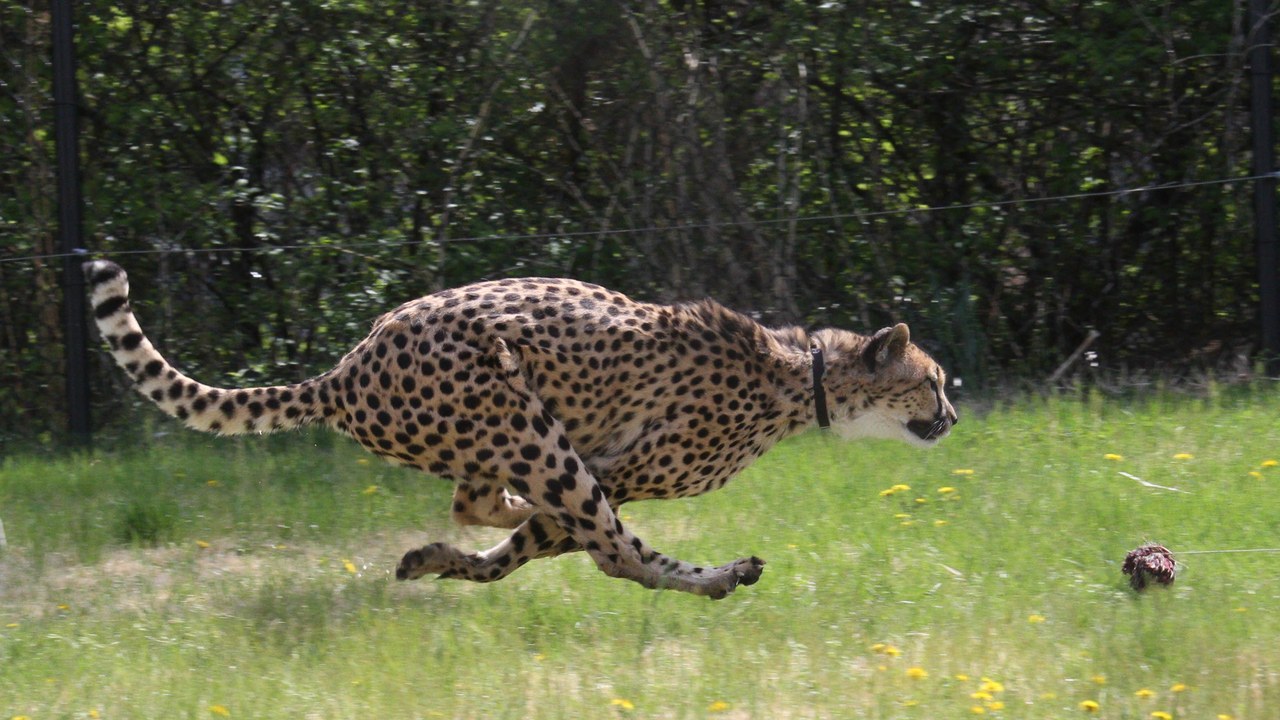
The cheetah is the world’s fastest land creature, and a wild one named Ferrari hit a top speed of 59 miles per hour in a collar study in Botswana reported in 2013. The published figure of 64 mph rested on a single measurement taken in the 1960s.
Across all of the collared hunts, the cheetahs averaged a top speed of just 33 mph and held it for only one or two seconds. Researcher Alan Wilson of the Royal Veterinary College concluded that maneuverability matters more than raw speed when chasing agile prey such as impala.
5. Pronghorn: The Plains Sprinter
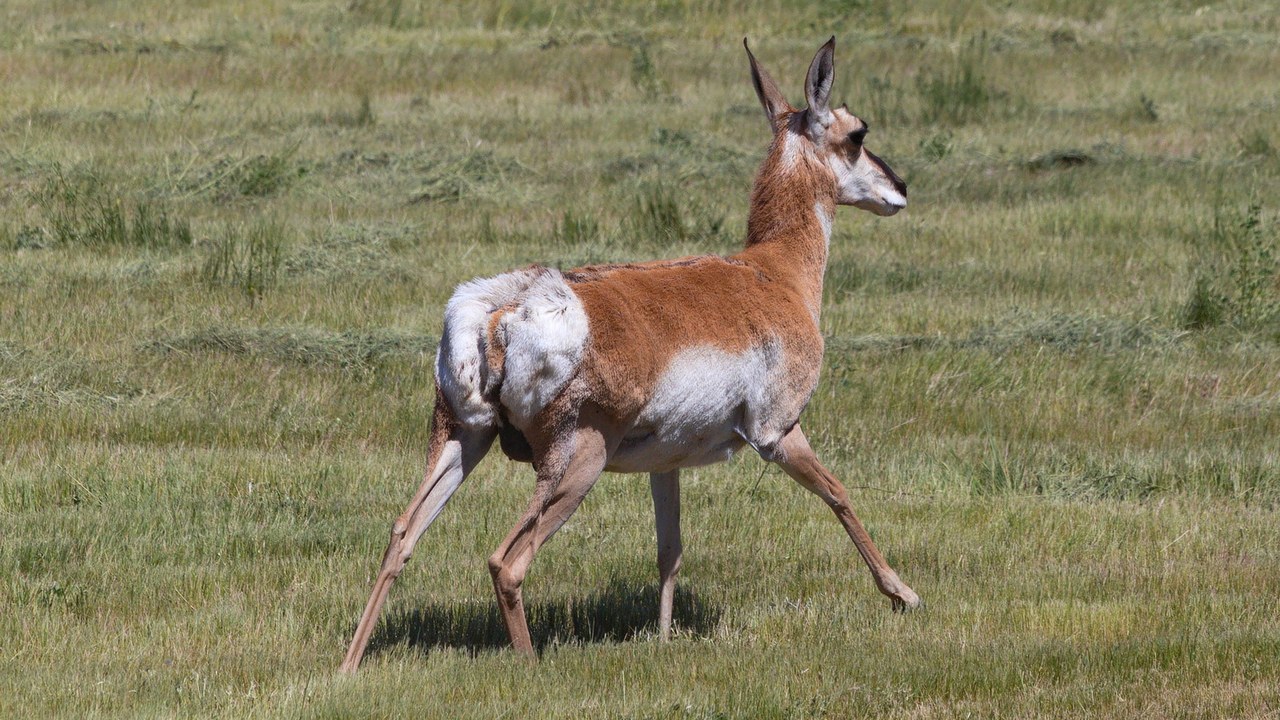
Thanks to long legs, light bodies, large windpipes and cushioned hooves, pronghorn can sustain speeds of 55 mph for half a mile, according to a National Park Service profile. Speeds approaching 45 mph can be held for much longer distances.
None of the predators in the pronghorn’s range can run anywhere near as quickly, which the Park Service calls something of a mystery. Scientists believe the speed developed to escape the American cheetah, an ambush predator that lived in North America until roughly 12,000 years ago. Pronghorn stand about three feet high at the shoulder and are not true antelope.
6. Ostrich: The Fastest Running Bird
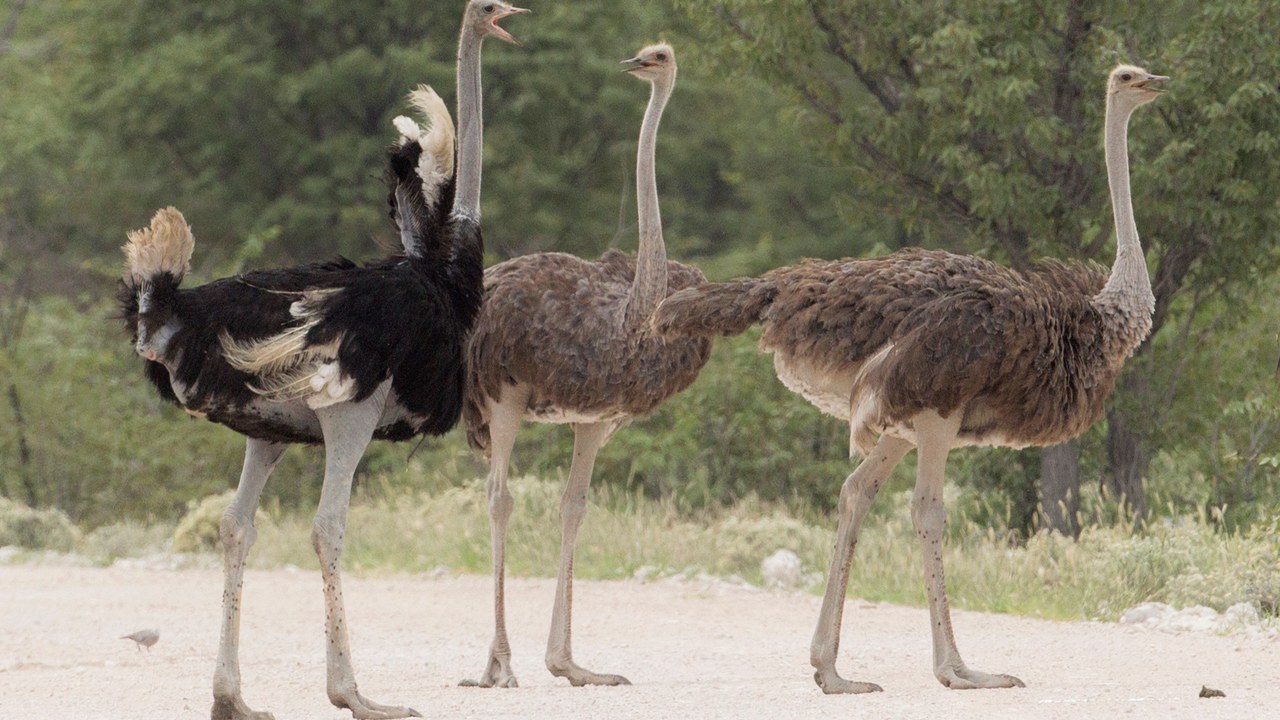
Ostriches cannot fly, but no bird matches their speed on land, according to the Smithsonian’s National Zoo. Scientists have seen ostriches run continuously at 30 to 37 mph and sprint up to 43 mph.
With long, strong legs, an ostrich can cover more than 10 feet in a single stride, and its springlike feet cushion and propel it forward. Running is its first line of defense against lions, cheetahs, leopards and hyenas. The common ostrich is the largest living bird, with adults weighing 250 to 300 pounds.
7. Thomson’s gazelle: Outlasting the Cheetah
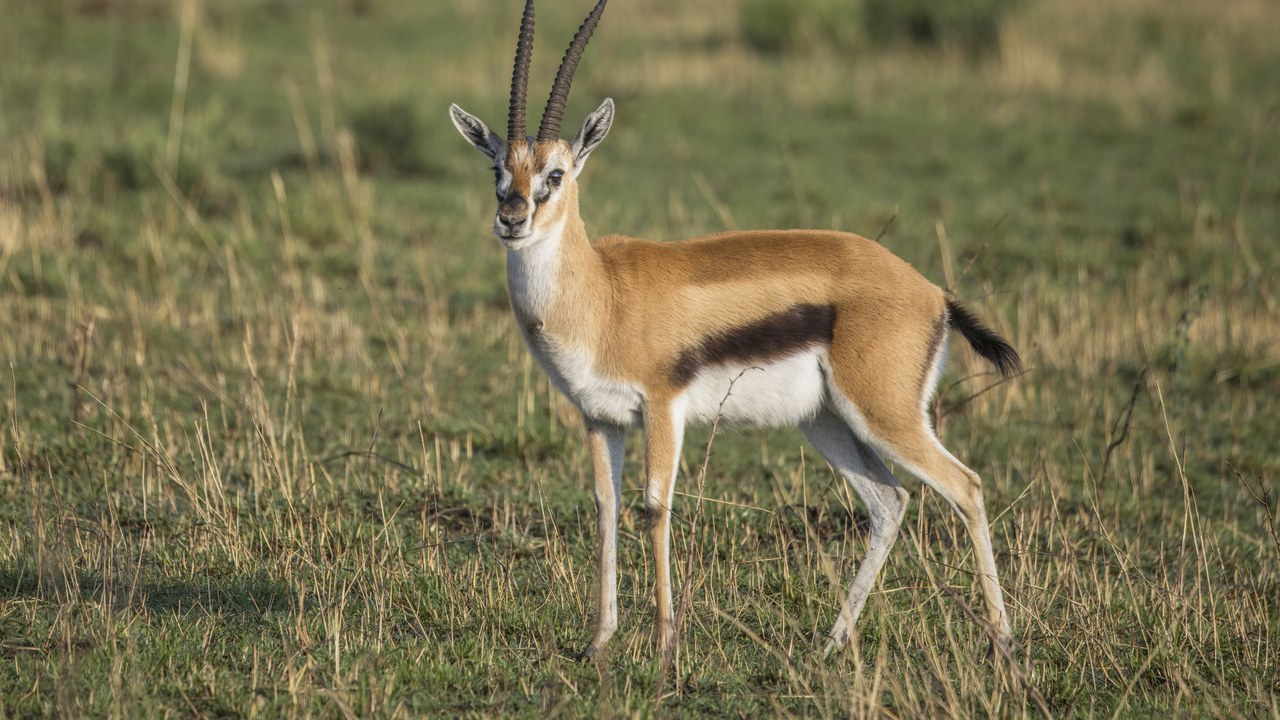
Thomson’s gazelle is listed at 65.16 to 90 km/h (40.49 to 55.92 mph) on Wikipedia’s fastest animals page. One 80 km/h figure was estimated by watching the odometer of a vehicle while an animal ran at its maximum speed on a road.
A top speed of 65.2 km/h comes from calculating how long a gazelle took to escape an approaching human. Being long-distance runners, Thomson’s gazelles can escape cheetahs by sheer endurance, and the list credits part of their speed to stotting, or bounding leaps.
8. Sailfish: The Fastest Swimmer
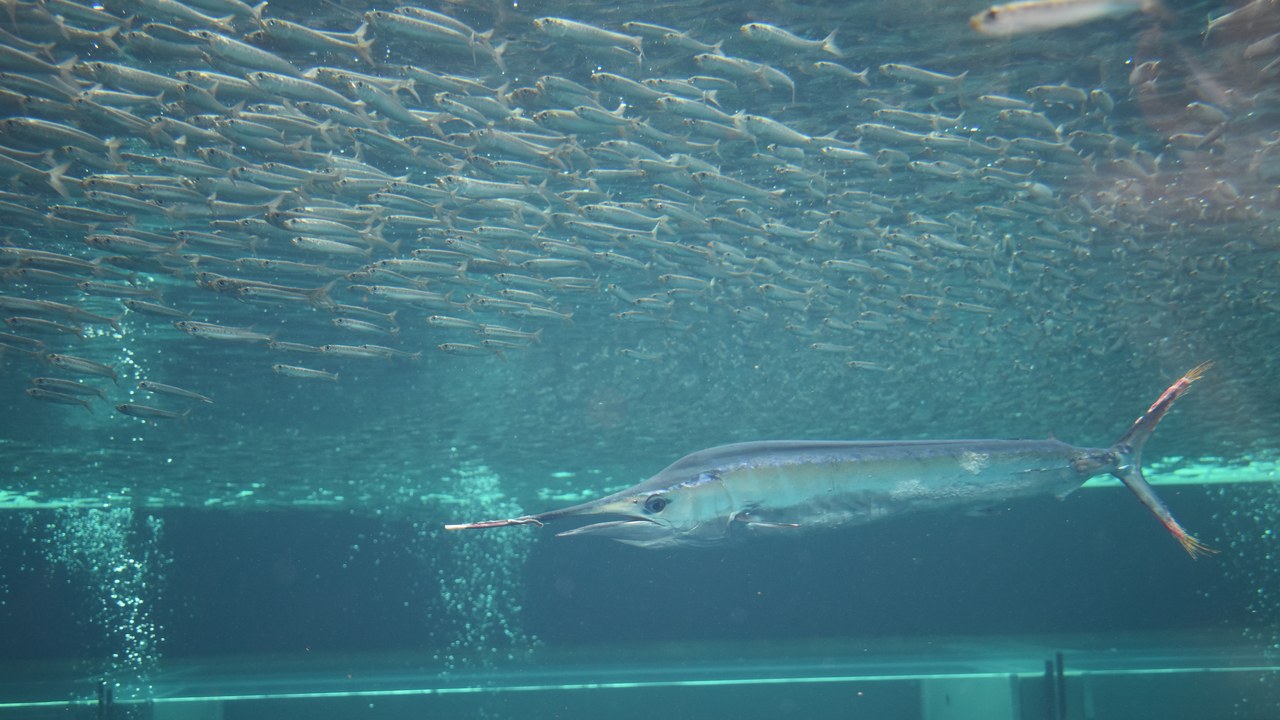
National Geographic Kids names the sailfish its fastest swimmer, able to reach speeds of up to 68 miles (110 kilometers) an hour, or about as fast as the world’s fastest sailboat, in its animal athletes list.
The same page contrasts that with Olympic medalist Michael Phelps, who reaches just 4.4 miles an hour in the 100-meter butterfly. The sailfish uses its speed, along with the giant dorsal fin on its back, to corral schools of sardines and anchovies for dinner.
9. Gentoo penguin: The Fastest Diving Bird
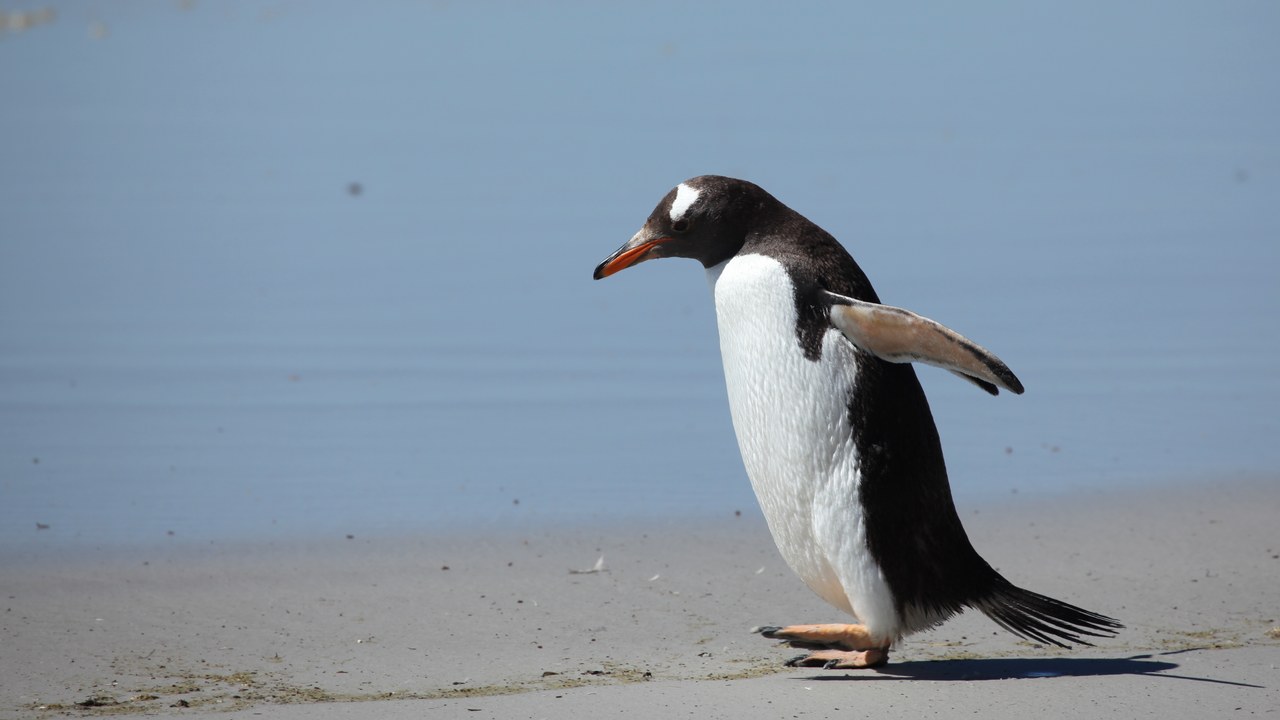
The gentoo penguin is the fastest diving bird, reaching speeds of up to 22 miles (35 kilometers) an hour when diving headfirst into icy waters, according to National Geographic Kids’ records page.
That is a swimming speed, so it sits far below the aerial numbers earlier in the list and cannot be compared with them directly. The same page names the peregrine falcon the fastest animal in the world, the cheetah the fastest runner and the sailfish the fastest swimmer.
10. Orca: The Fastest Marine Mammal
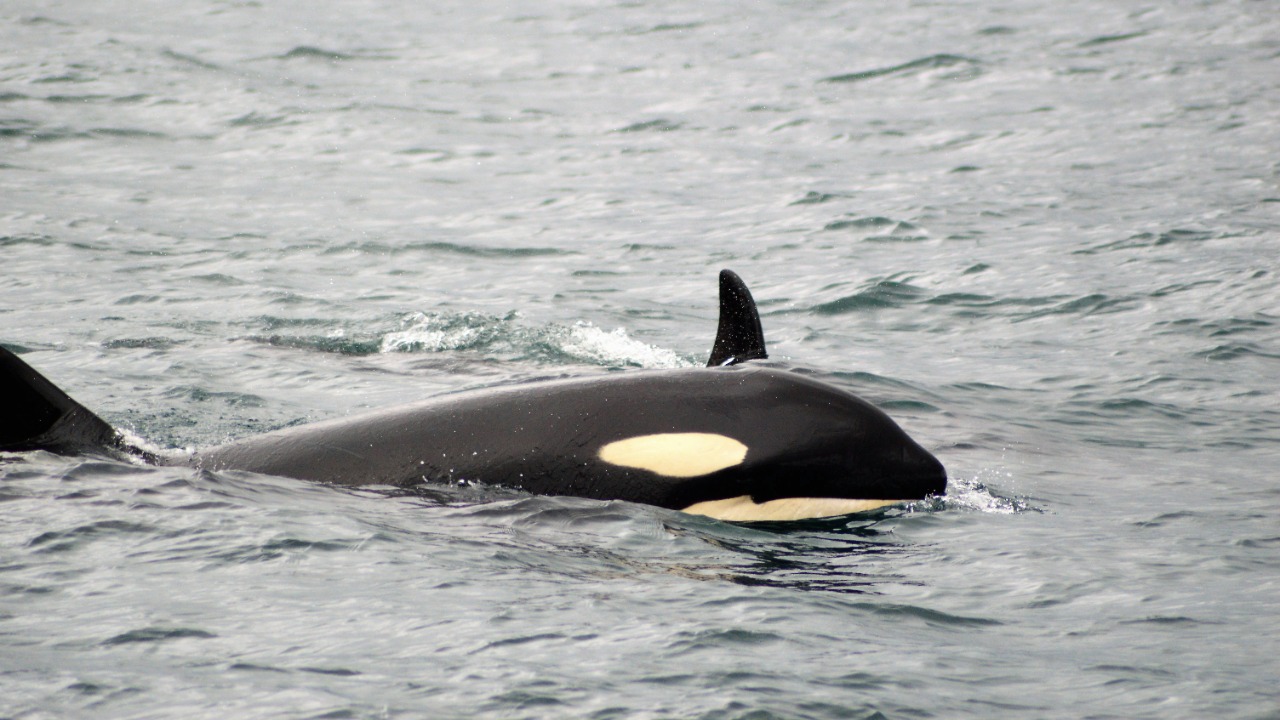
Orcas are the fastest marine mammals, and they can reach speeds of up to 15.5 meters per second (56 km/h, or 35 mph), according to the Wikipedia list of fastest animals.
The same list gives fin whales bursts of 46 to 50 km/h, earning the nickname the greyhound of the sea, though the maximum measured by satellite tracking or GPS was 40 km/h. Peak figures like these come from different kinds of movement, so a swimming mammal’s number cannot be lined up directly against a falcon’s dive.
11. American Quarter Horse: Built for the Quarter Mile
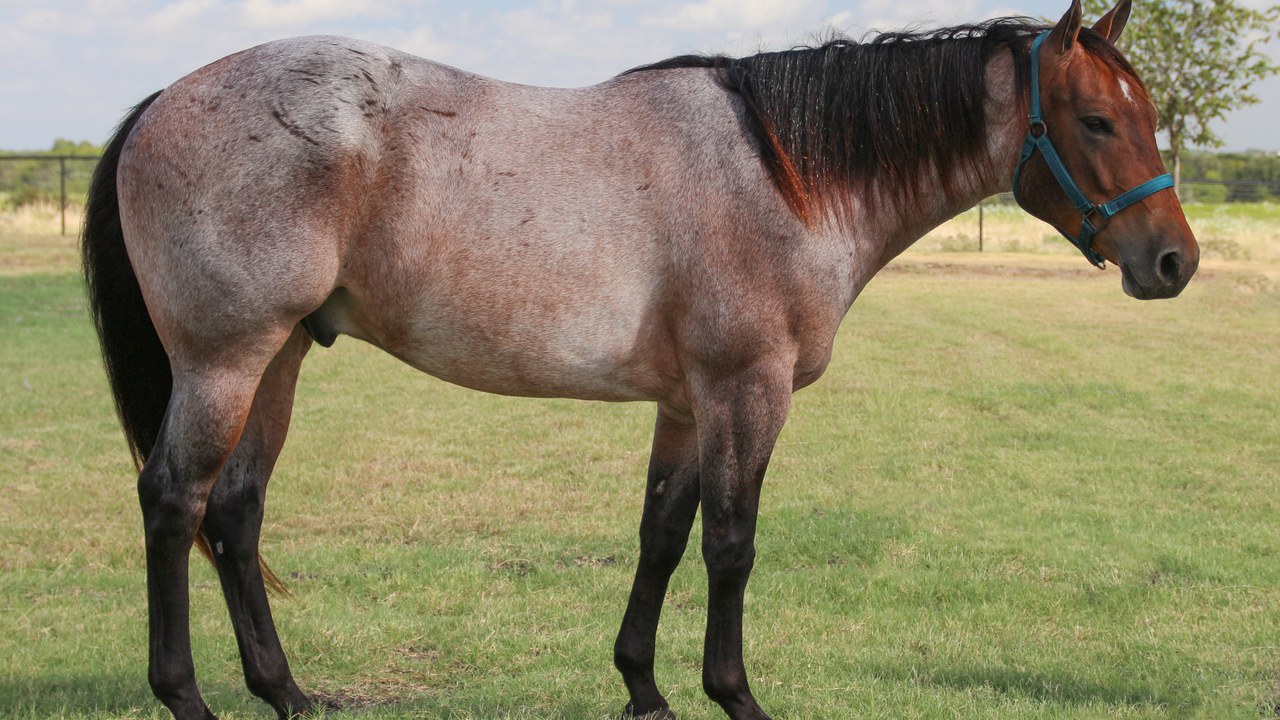
The American Quarter Horse is an American breed that excels at sprinting short distances. Its name came from its ability to outdistance other horse breeds in races of a quarter mile or less, according to Wikipedia’s fastest animals page.
Some have been clocked at speeds up to 88.5 km/h (55.0 mph). For comparison, National Geographic’s 2013 cheetah story put racehorses at 42 mph and greyhounds at 40 mph, in the course of explaining that the cheetah’s published 64 mph record was far faster.
12. Greyhound: The Fastest Dog
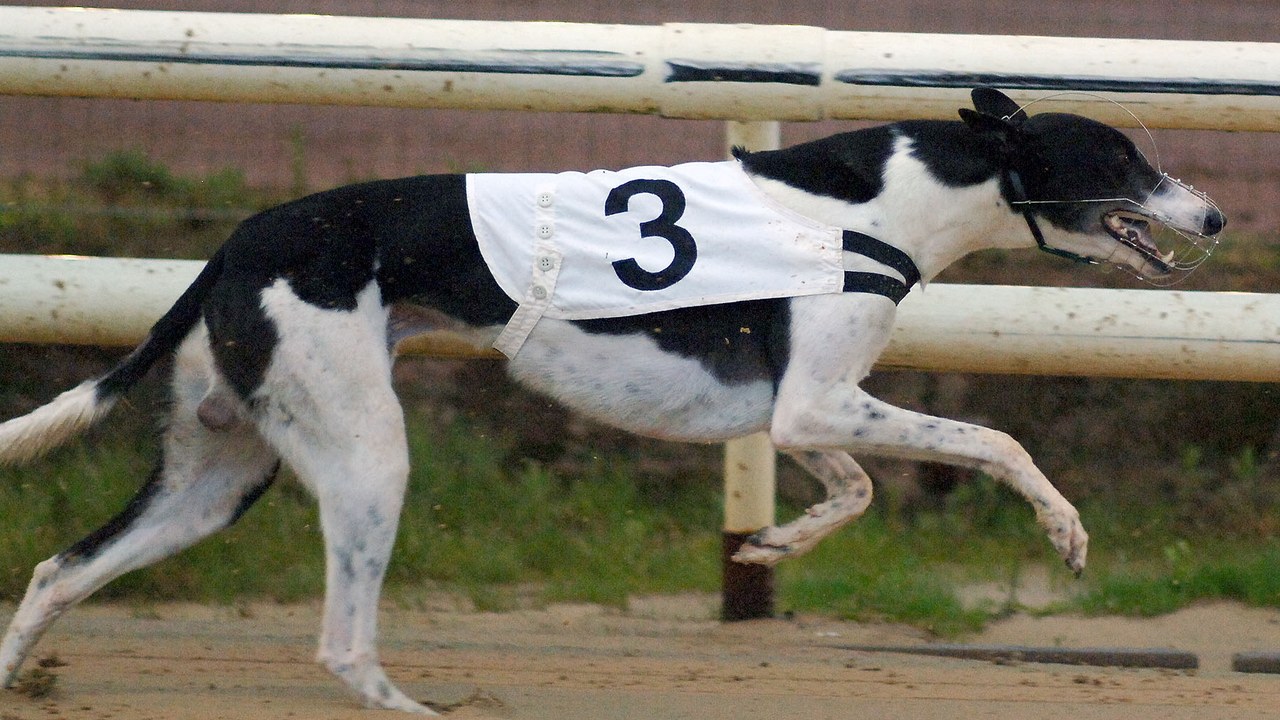
Greyhounds are the fastest dogs, and National Geographic’s 2013 cheetah story used a speed of 40 mph as the greyhound benchmark when it compared them with other runners in a collar study of cheetahs. The breed has primarily been bred for coursing game and racing.
Captive cheetahs chasing lures on strings performed only at greyhound level, the researchers found. The article also reported that a greyhound produces about 60 watts per kilogram of muscle, against 100 watts for a cheetah and 30 for a horse.
13. Hare: A 50 MPH Burst
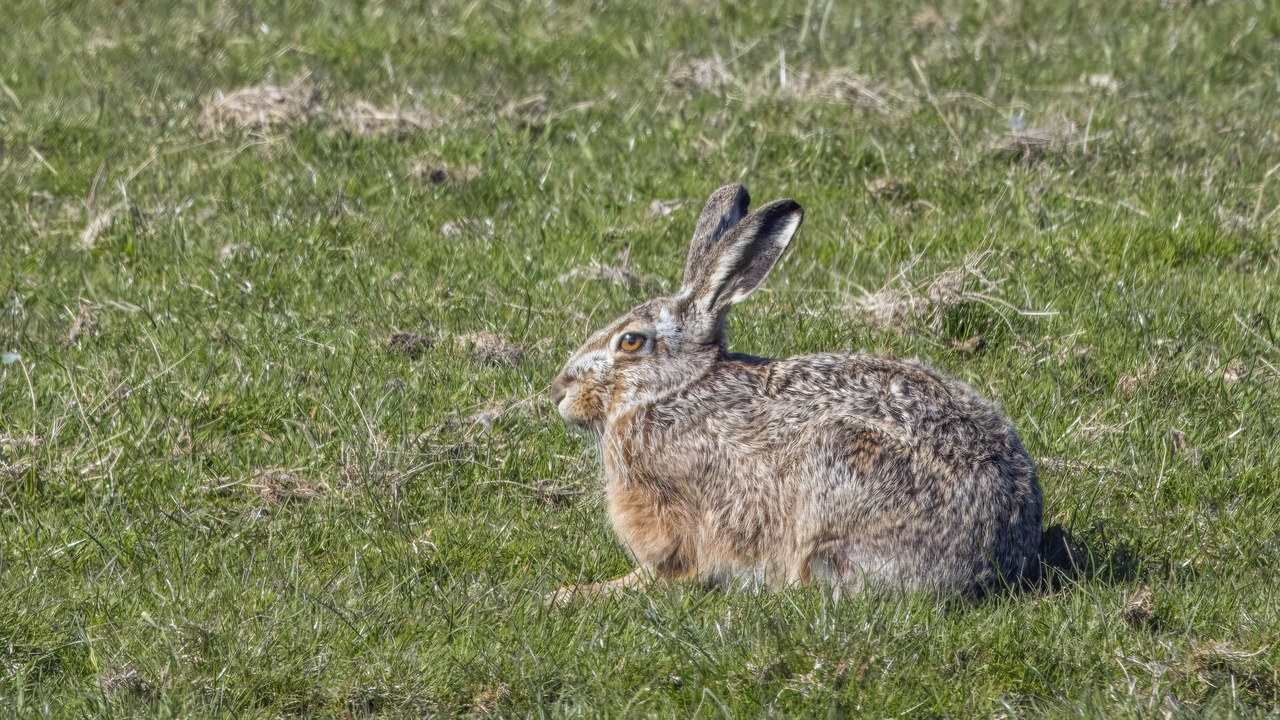
Hares can reach maximum speeds of 35 mph (56 km/h) over short distances of approximately 90 meters, and a top speed of 50 mph (80 km/h) for about 20 meters, according to Wikipedia’s list of fast animals.
The distance is the catch. The National Park Service says a pronghorn can sustain 55 mph for half a mile, while the hare’s fastest gear lasts only about 20 meters. Among the animals in this gallery, the hare shows most clearly how much a top speed depends on how briefly it is held.
14. Kangaroo: Hopping at 44 MPH
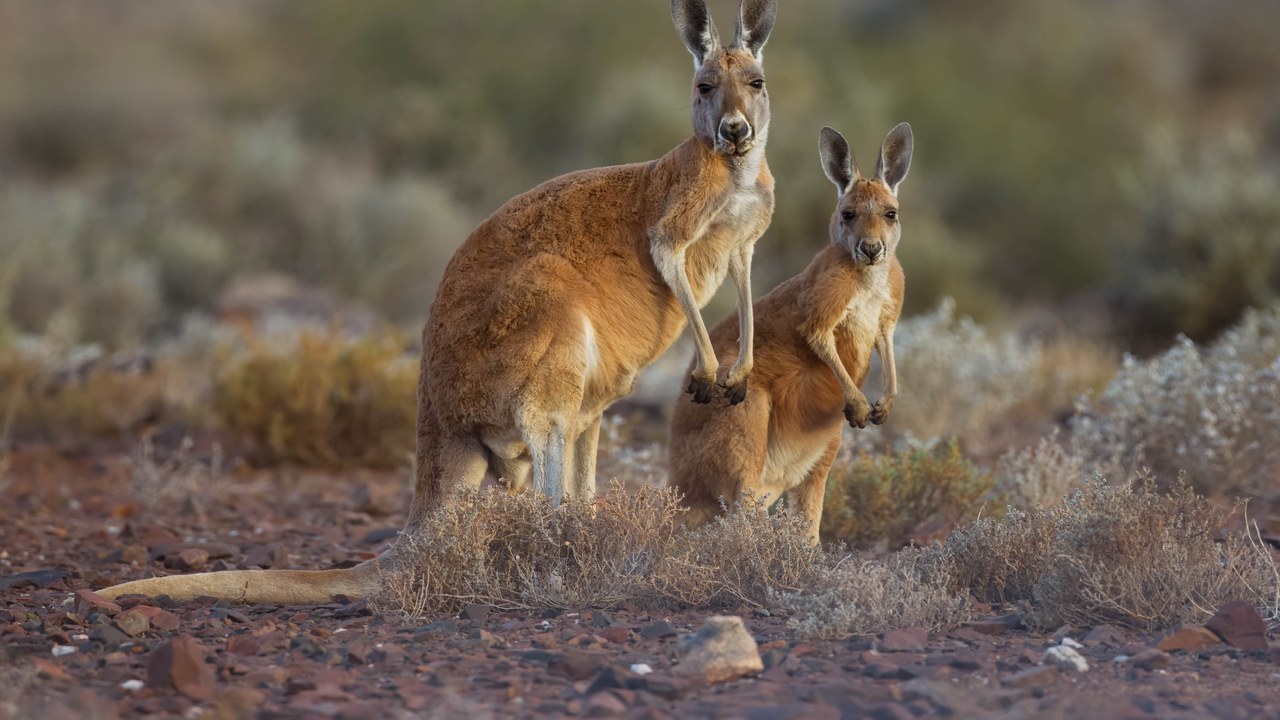
Kangaroos can hop at speeds of up to 71 km/h (44 mph) over short distances, according to Wikipedia’s fastest animals list. Their comfortable hopping speed is only about 21 to 26 km/h (13 to 16 mph).
A kangaroo can sustain 40 km/h (25 mph) for nearly 2 km (1.2 miles). The faster a kangaroo hops, the less energy it consumes, up to its cruising speed, which helps explain how the animal covers so much open ground.
More from Morning Overview
- Older Teslas mostly keep their batteries, and here’s what wears out instead
- Hidden card skimmers on gas pumps and ATMs can be exposed with one quick shake
- Debris from the Greenacres Learjet crash landed on Florida rooftops, and the NTSB wants it
- GM’s big V8 trucks keep blowing engines after the recall fix, and NHTSA is digging deeper
