
American Motors Corporation was formed in 1954 when Nash-Kelvinator and Hudson merged, and it stayed independent until Chrysler bought it in 1987. In between, it built compacts, pony cars, off-roaders and some of Detroit’s strangest shapes on a modest budget. Here are fifteen AMCs that show how much the last independent automaker managed to do.
Read next on Morning Overview: Hidden card skimmers on gas pumps and ATMs can be exposed with one quick shake
1. AMC Marlin: The Fastback That Inspired a Charger
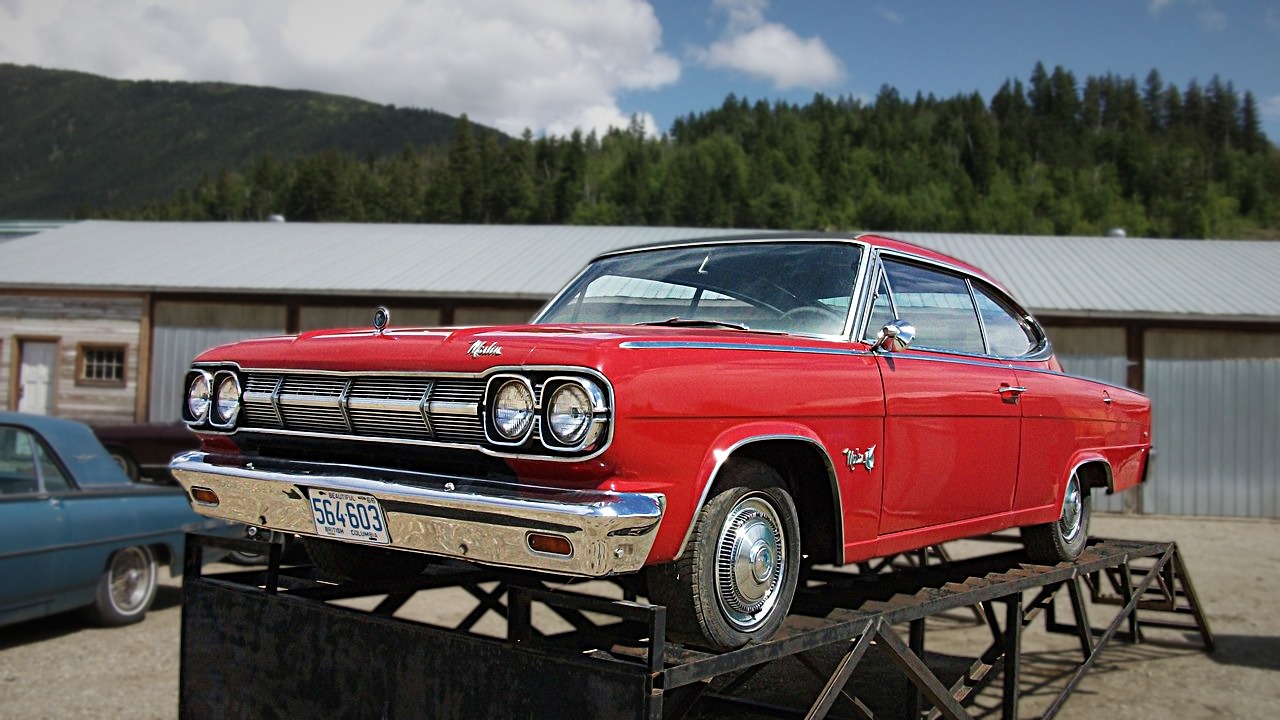
The Marlin began as a fastback spun off AMC’s midsize Rambler Classic, and Hagerty’s 70th-anniversary list credits its sleek lines with inspiring Dodge to build the first-generation Charger. After only two years, the Marlin moved to the larger Ambassador platform and kept the fastback design.
Hagerty’s pick is the first-year 1965 model. Another Hagerty profile calls the Marlin a cheap-to-engineer but cheerful fastback aimed at the Mustang, and notes that it dropped the Rambler name.
2. AMC Javelin: Trans Am Champion at Last
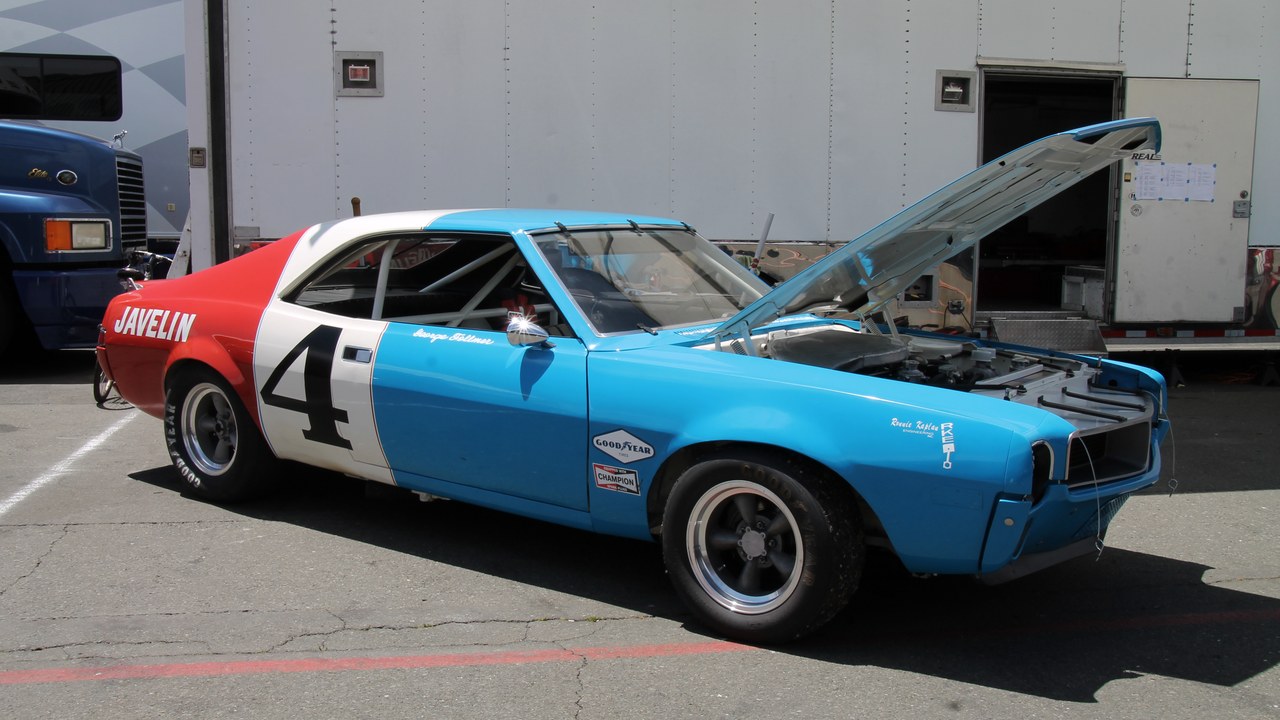
AMC’s pony car comes across as an attractive package, from the understated early versions to the flared later ones. According to Hagerty, a blue, white and red Javelin campaigned by Mark Donohue in 1971 brought the Trans Am championship to AMC for the first time.
In 1972 AMC signed driver George Follmer to repeat the performance. For collectors, Hagerty singles out the one-year-only 1970 models, whose front end is just different enough to notice from a distance.
3. AMC AMX: Priced Under Four Grand
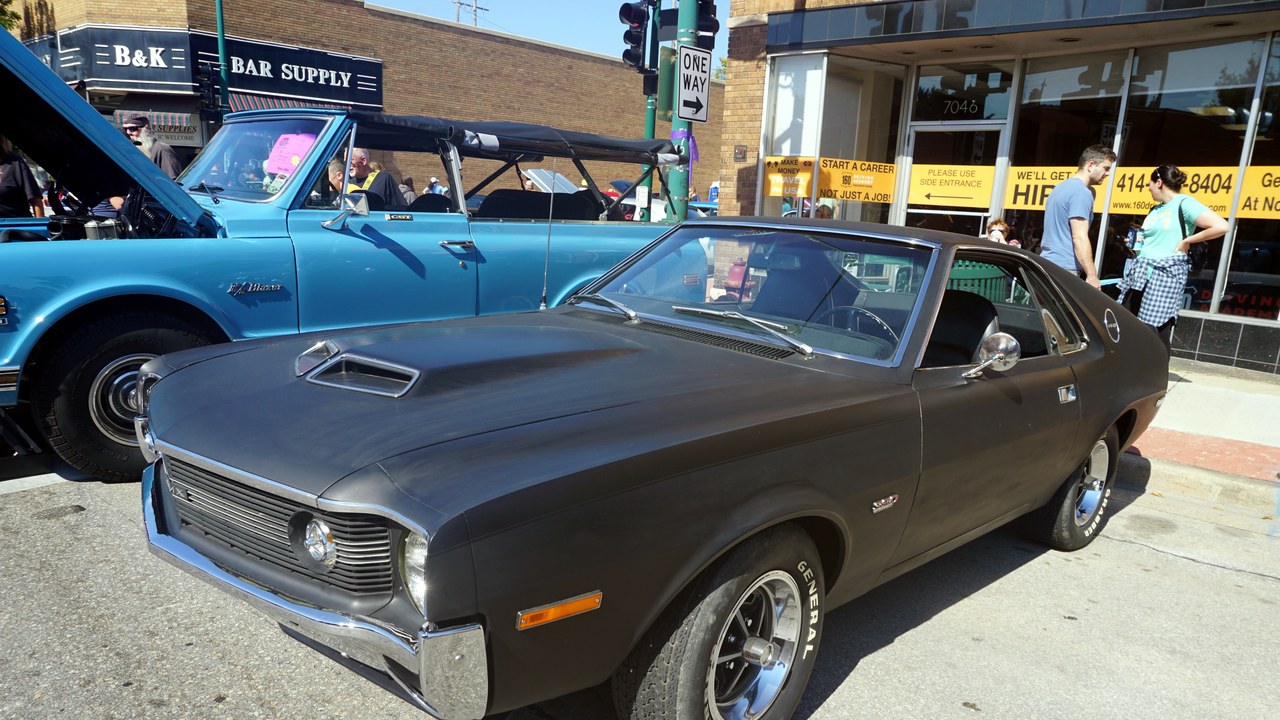
To build a two-door sports car that could take on the Corvette, AMC shortened the Javelin and restyled it from the doors back. Hagerty’s AMC list notes that the company announced the AMX at less than $4,000, the price of a loaded Mustang or Camaro.
AMX production ran from 1968 to 1970, after which the name became an option package for the Javelin, then the Hornet and eventually the Spirit. A V-8 and a four-speed with Hurst shifter came standard.
4. AMC Pacer: The Longer Passenger Door
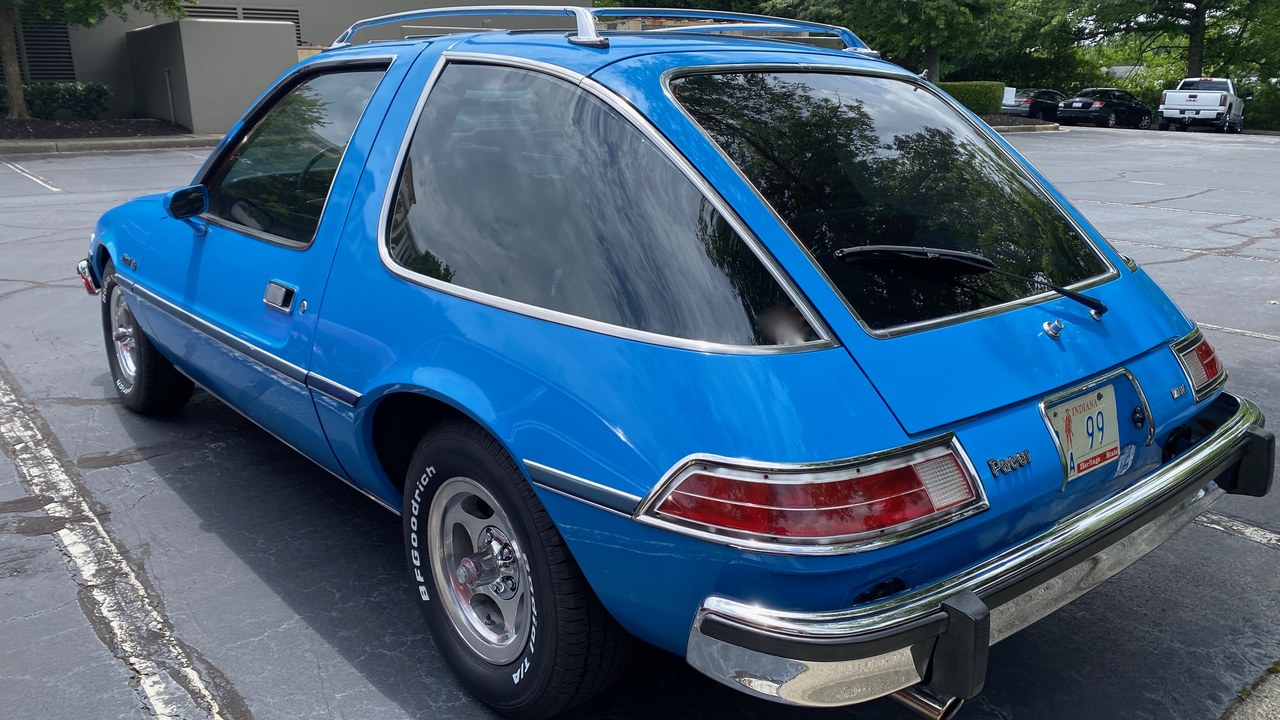
Few cars looked as unusual as the Pacer, and the most-cited oddity is its asymmetrical door arrangement: the passenger door was longer than the driver’s to encourage rear-seat passengers to use the safer curb side. A greenhouse with extra window area gave fantastic visibility.
The car was also designed to be easy to repair. A separate Hagerty profile adds that it arrived for 1975, was wide at 80 inches, and carried a heavy 232-cubic-inch six, which contributed to its later reputation as an object of ridicule.
5. AMC Eagle: A Precursor to the Crossover
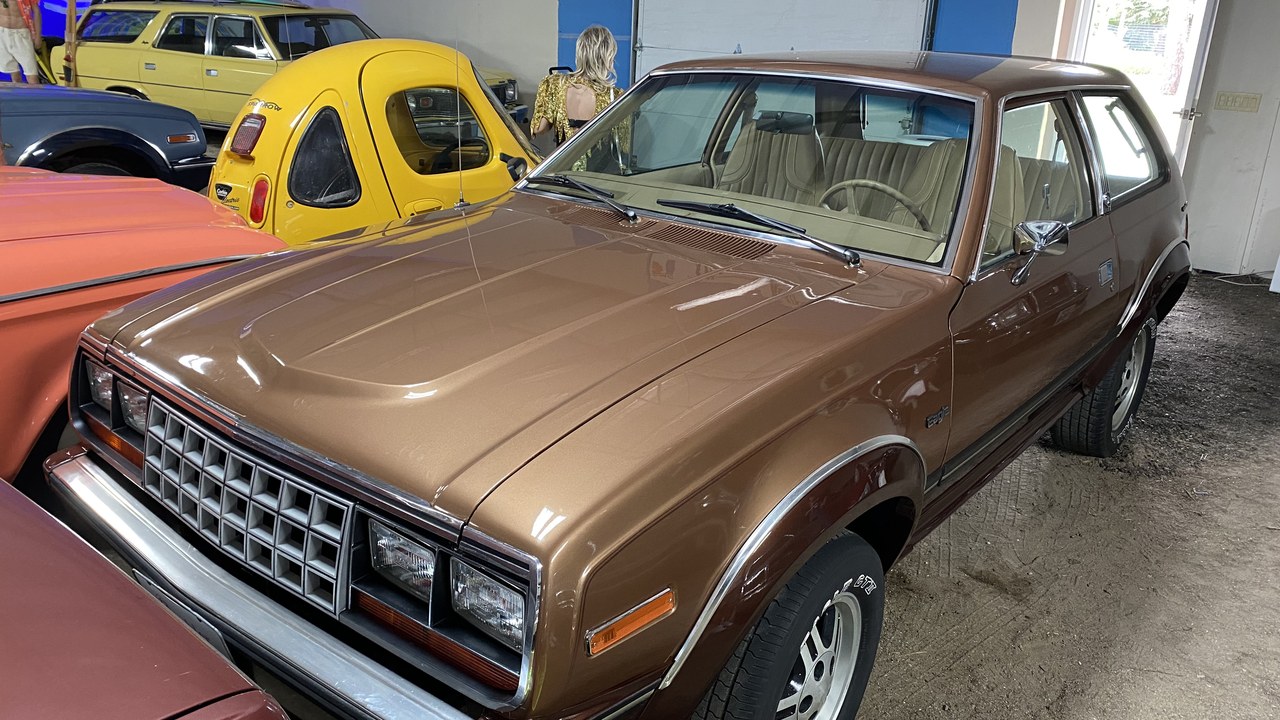
Four-wheel-drive sedans and wagons were not eye-catching, but Hagerty’s AMC rundown says they rode a bit taller on their 4×4 suspensions, a drivetrain that made the Eagle a precursor to the ubiquitous crossover. The Eagle highlighted AMC’s ambitious attempts to carve out new segments.
The cars were based on the Concord, the successor to the Hornet. Hagerty’s pick is the SX/4 three-door built on the smaller Spirit, a rare sight today that it suggests would suit rallycross.
6. AMC Rebel: The Machine With a 390
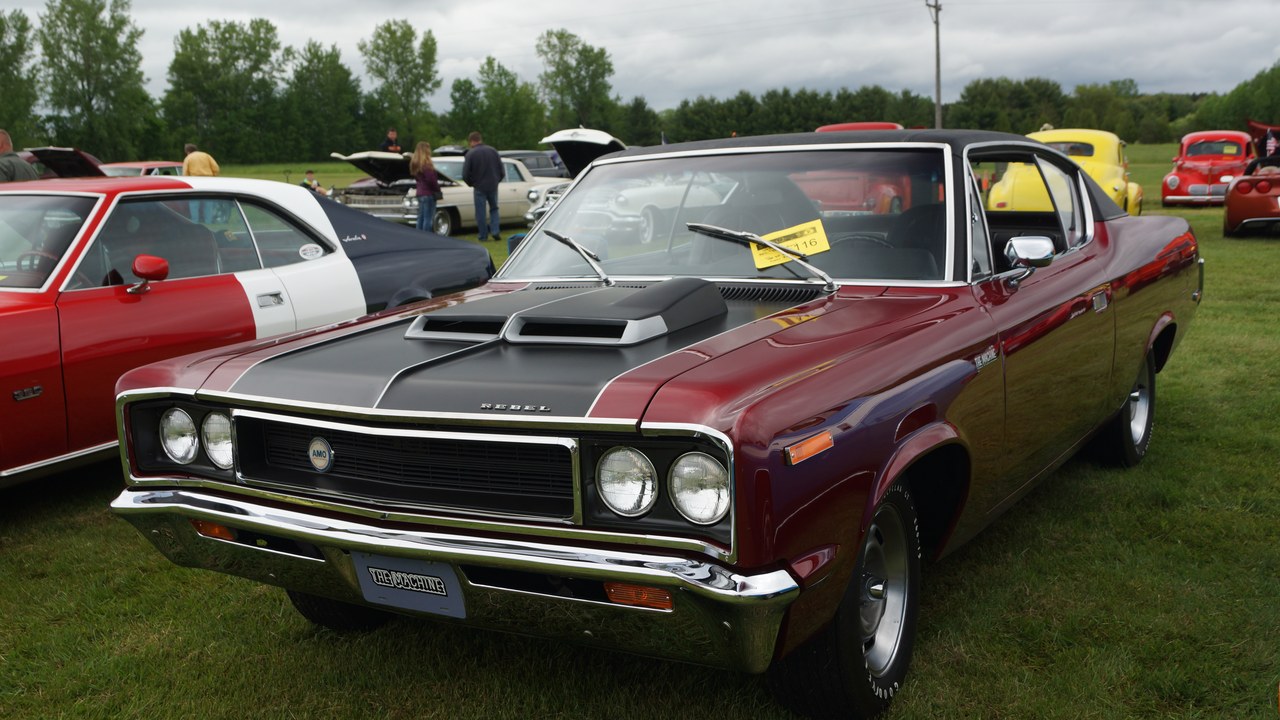
AMC’s midsize Rebel was the follow-up to the Rambler Classic, and Hagerty’s favorite version is the 1970 Rebel Machine. It featured a 340-hp 390 V-8 breathing through a sizable hood scoop, and it was available with a red, white and blue paint scheme.
That engine was more powerful than the one in the AMX. Hagerty calls the car loud, brash and a solid performer, though it admits the sleek 1967 to 1969 hardtop is hard to beat for style.
7. AMC Ambassador: A Luxury First From the Independents
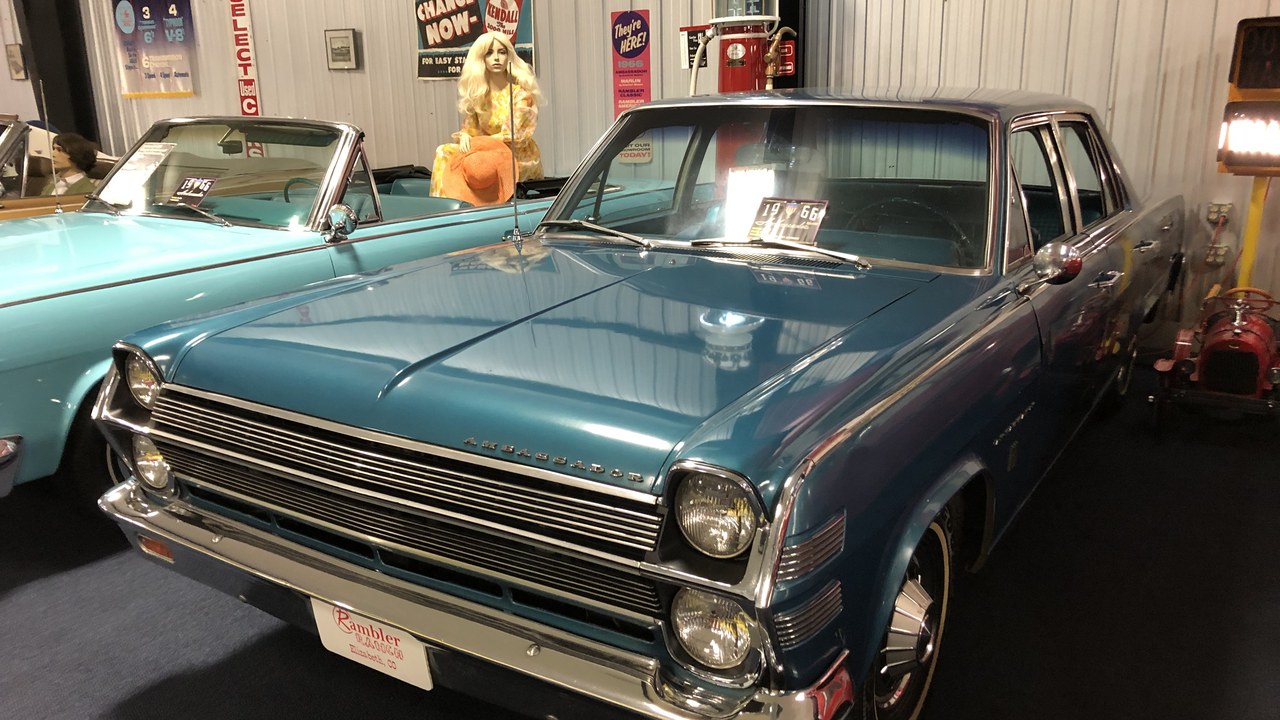
In 1957 the Ambassador, a re-skinned Rambler on a longer 117-inch wheelbase, became the first mid-size luxury performance offering from an American manufacturer. Touches then considered upscale included an electric clock, coil-spring suspension and front seats that reclined into a bed.
Hagerty’s other AMC list says the full-size Ambassador ran through eight generations from 1958 to 1974 and often served as the flagship. In 1968 it came with standard air-conditioning, still an option on most cars.
8. Rambler American: An Early Economy Car
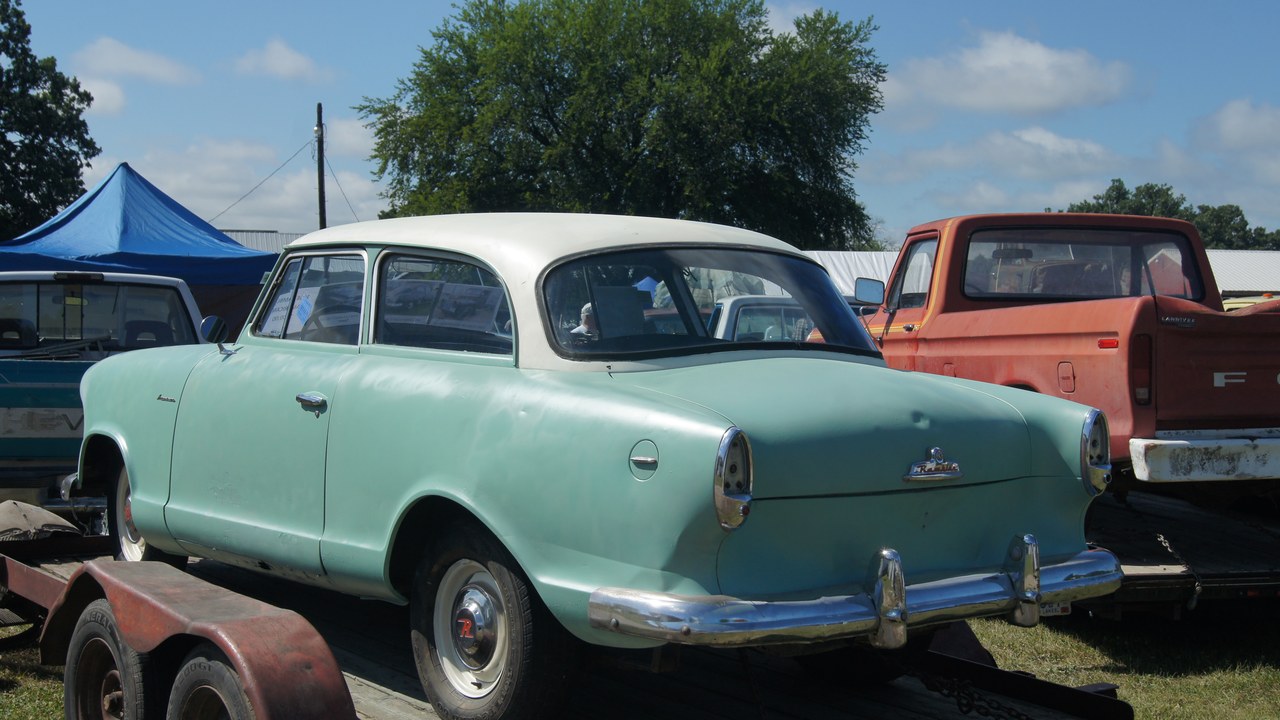
The Rambler American of 1958, with its single-barrel carburetor 195.6-cubic-inch six, was one of the first economy cars out of the gate, even though it was essentially the old Nash Rambler restyled for the Jet Age.
Hagerty’s later list notes that it was built over three generations and began as a sleek compact that stood out from the larger cars of the day. The third generation brought V-8 power and the SC/Rambler.
9. Rambler Classic: Home of the Typhoon Six
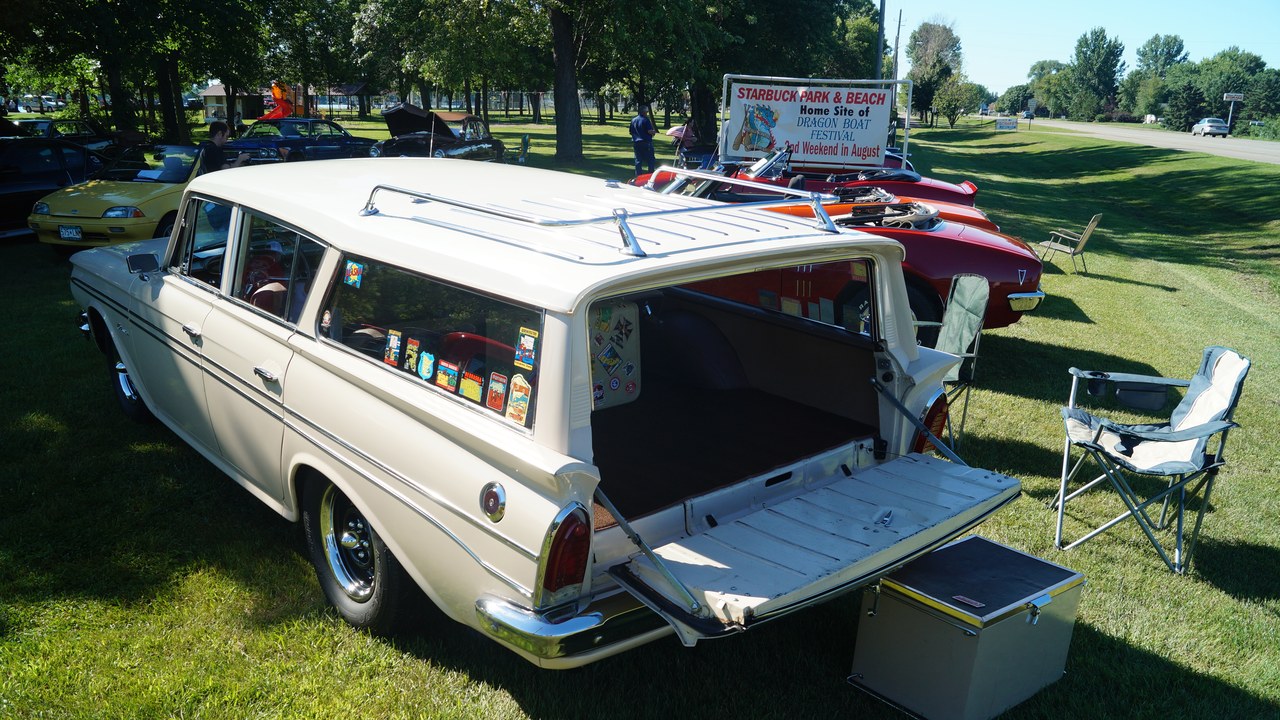
AMC had no shortage of engineering skill, and 1964 saw the introduction of the 232-cubic-inch Typhoon Six, which appeared in a special edition of the Rambler Classic. The engine was an evolution of the old Nash six.
It proved so robust that its block spawned the Great 258 and the Jeep Power-Tech Six, which soldiered on until 2006. AMC bought Jeep from Kaiser in 1970. The Rambler line also won Motor Trend’s Car of the Year award for 1963.
10. Renault Alliance: A Partnership Product
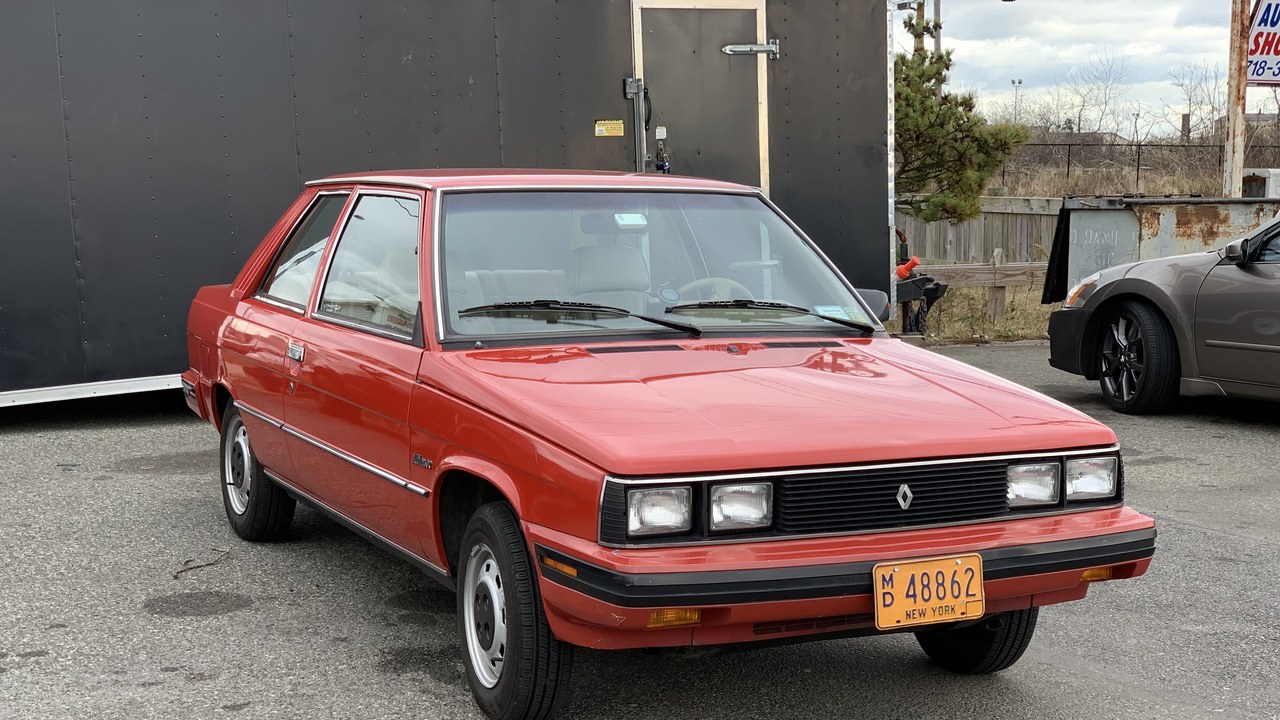
Renault bought a stake in AMC, and the new partners developed the Alliance together, selling Renault models at AMC dealers in the meantime. Wikipedia adds that the Alliance, based on the Renault 9, was built by AMC from 1983 until 1987.
It was the first joint product of the partnership, a front-wheel-drive compact restyled by Dick Teague mainly to meet American safety standards. Chrysler bought the ailing AMC in 1987, ending the independent’s run.
11. AMC Hornet: Replacement for the American
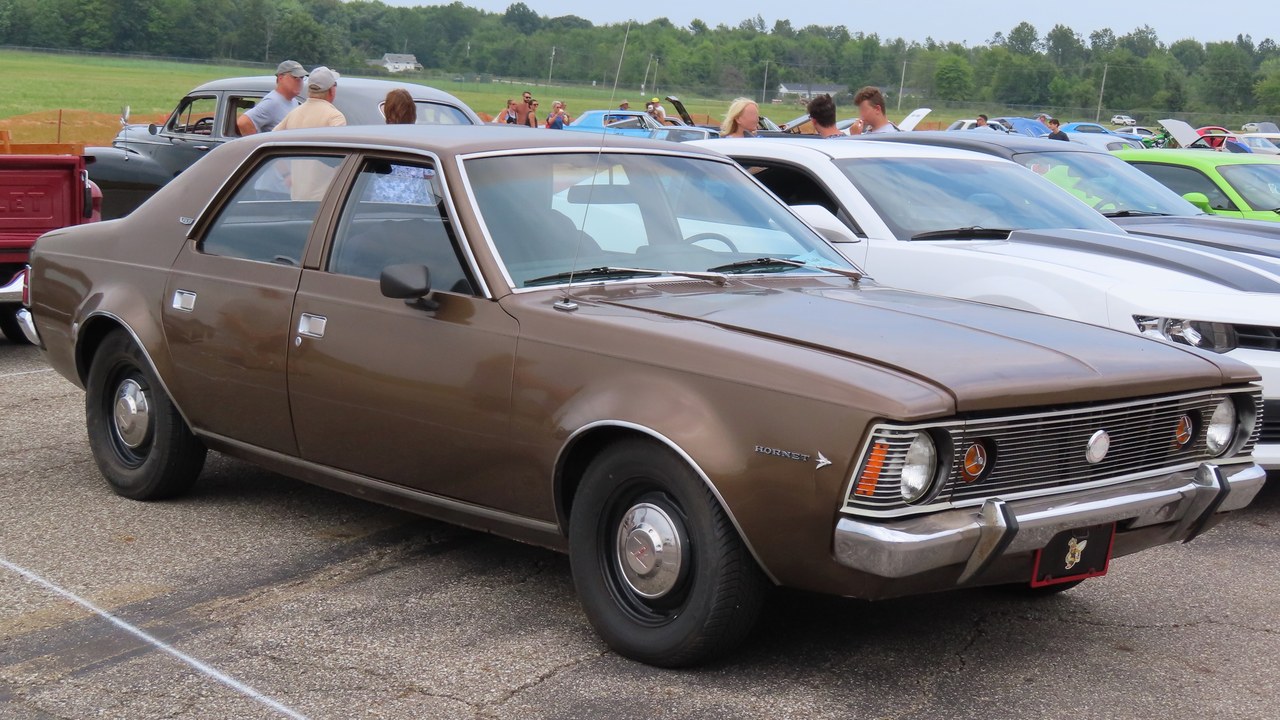
The Hornet sedan arrived in 1970 and replaced the compact American. Hagerty describes a pleasant-looking, modern design that soldiered on in one form or another until the end of AMC. The Gremlin was extracted from the same design.
A Sportabout wagon followed a year later, and a sporty two-door hatchback joined in 1973. Hagerty’s list also credits the SC/360 version, a muscle variant with a 360 V-8, as the favorite of the line.
12. AMC Gremlin: The First North American Subcompact
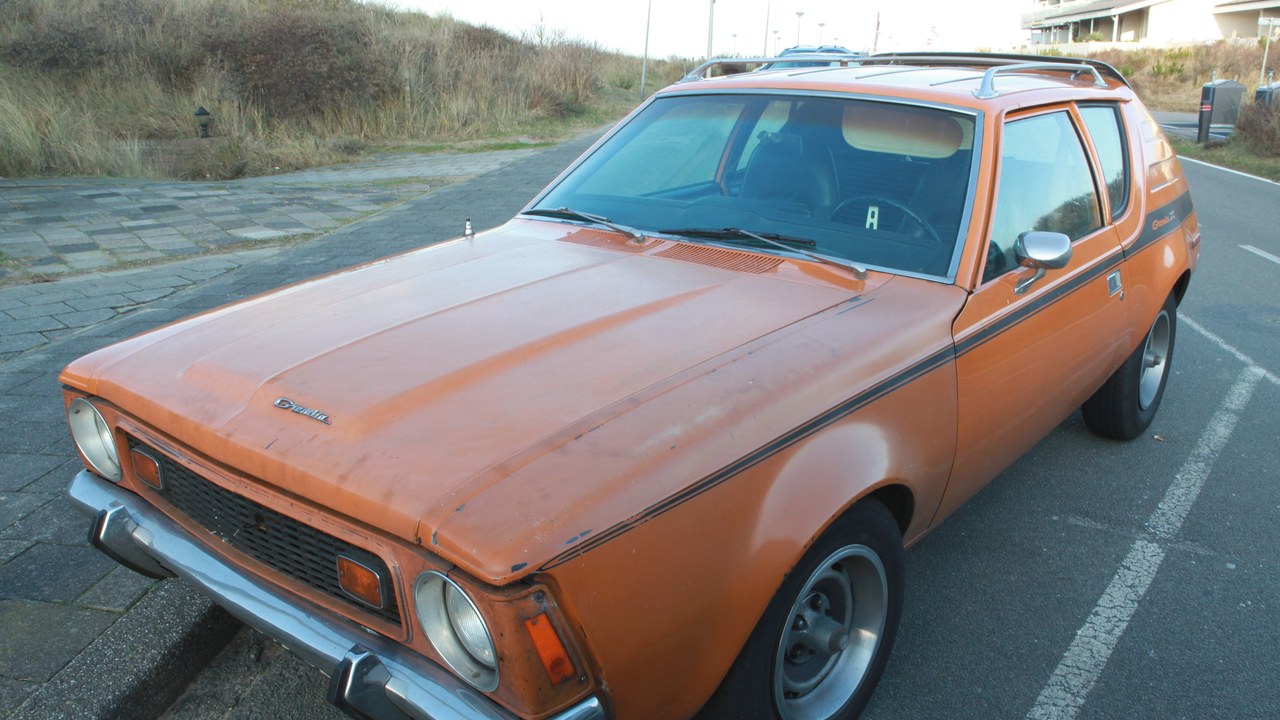
The Gremlin, the first North American-built subcompact, sold more than 670,000 units from 1970 through 1978. It shared a platform with the Hornet and was extracted from the same design by lopping off the rear end.
Hagerty says AMC cut 12 inches of wheelbase from the Hornet to create it, and that it beat both the Vega and the Pinto to market. The Spirit replaced it for 1979.
13. AMC Matador: Police Duty in Los Angeles
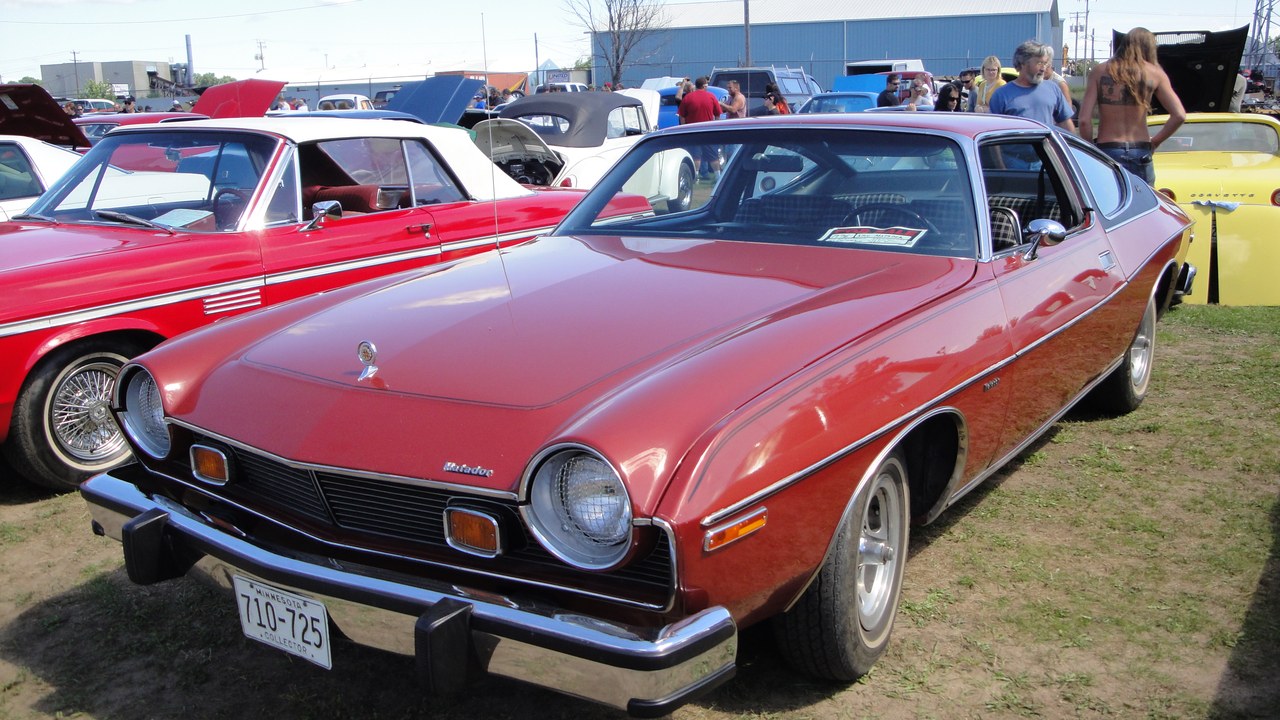
The mid-sized Matador replaced the Rebel in 1971 with an advertising campaign asking, “What’s a Matador?” In 1972, American Motors won the tender for Los Angeles Police Department cruisers, and the department used Matadors until 1975, replacing the Plymouth Satellite.
AMC also supplied Jack Webb with two Matadors for the television series Adam-12, raising their profile. Hagerty adds that a curvy Matador coupe appeared for 1974 and was featured in a James Bond film.
14. AMC Concord: The Hornet Reborn
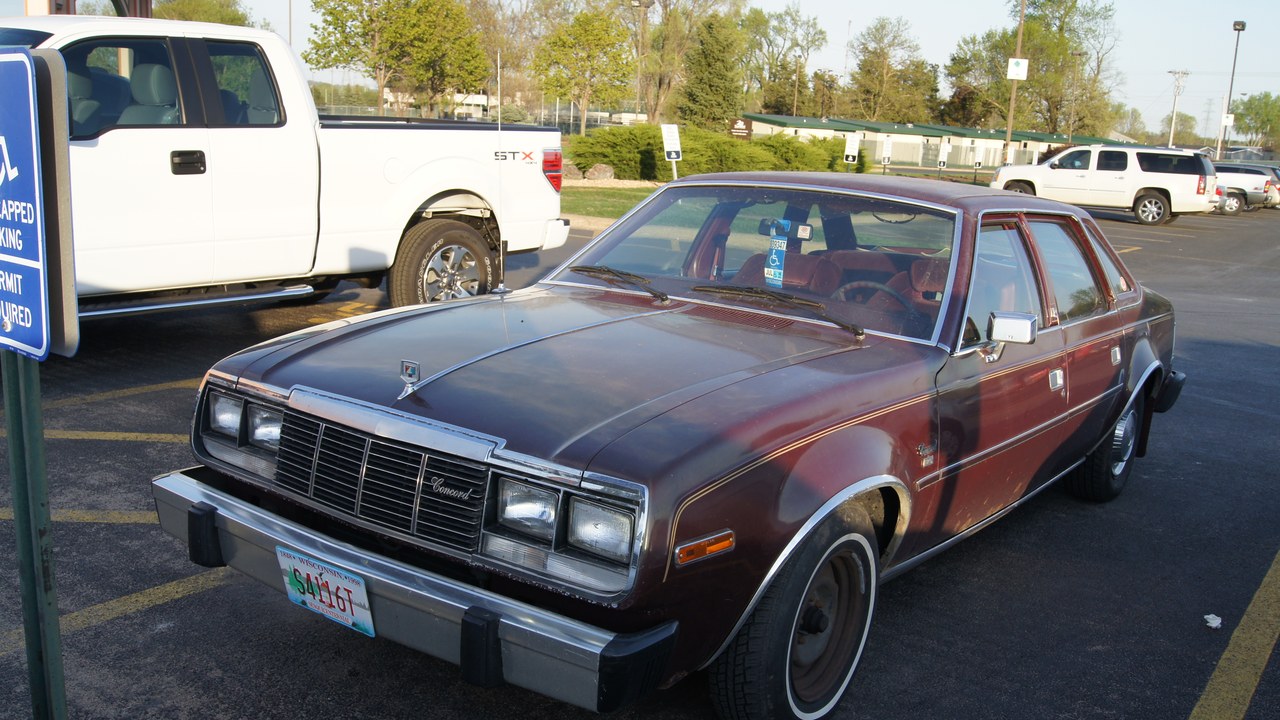
For the 1978 model year, the Hornet platform was redesigned with an adaptation of the new Gremlin front-end design and renamed the AMC Concord. AMC targeted it at the emerging premium compact segment.
The company paid particular attention to ride and handling, standard equipment, trim and interior luxury. Hagerty describes the change as a last-gasp exercise in spiffing up the Hornet, and the Concord platform also underpinned the Eagle.
15. AMC Spirit: Gremlin’s Replacement
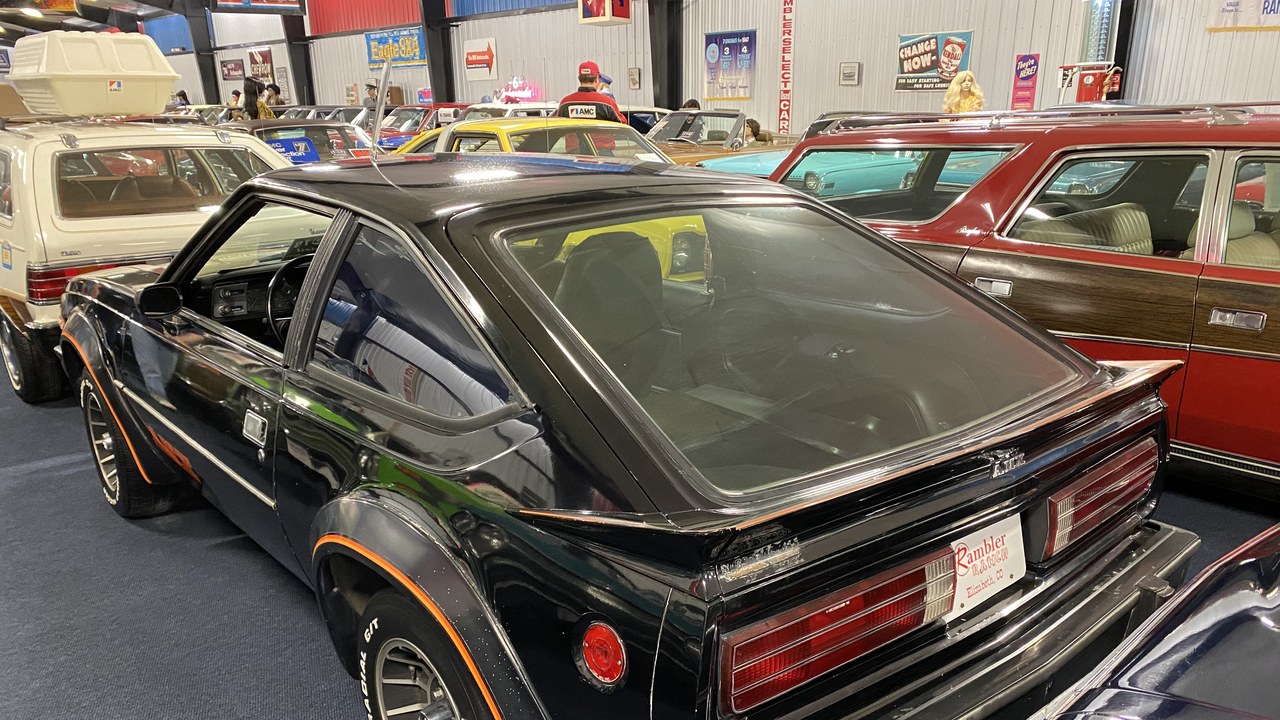
For the 1979 model year, the Spirit sedan replaced the Gremlin. A new fastback version, the Spirit Liftback, proved successful, and four-wheel-drive versions of the Spirit and Concord followed for 1980 as the Eagle.
Hagerty says the refreshed Gremlin, now known as the Spirit, demonstrated again how much designer Dick Teague could do with nothing. AMC’s independent run ended when Chrysler acquired the company in 1987.
More from Morning Overview
- Three atmospheric rivers are lining up to drench the Pacific Northwest this week
- Thousands of bottles of a combination blood pressure pill are recalled nationwide
- The Honda Pilot has quietly overtaken every model in blown-engine complaints
- Older Teslas mostly keep their batteries, and here’s what wears out instead
