
Some animals look harmless, beautiful or simply like part of the scenery, yet carry venom or stings that can turn a casual encounter into a medical emergency. From rainforest ants to reef fish and drifting jellyfish, each one on this list has earned its reputation through documented pain or danger. Here are ten venomous animals best admired from a safe distance.
Read next on Morning Overview: Hidden wear was found inside a New Jersey nuclear reactor during its outage
1. Bullet ant: Pain Without Peer

Natural History Museum London places the bullet ant at level 4 on the Schmidt pain index, quoting a description of “flaming charcoal with a three-inch nail embedded in your heel.” That vivid line comes from the entomologist who devised the scale after being stung himself.
The ant lives in the rainforests of Central and South America and is a large, dark insect that is easy to leave alone. The practical lesson is simple: nobody should handle it, and hikers in its range should avoid brushing against the trunks and roots where colonies nest.
2. Tarantula hawk: Electric Agony
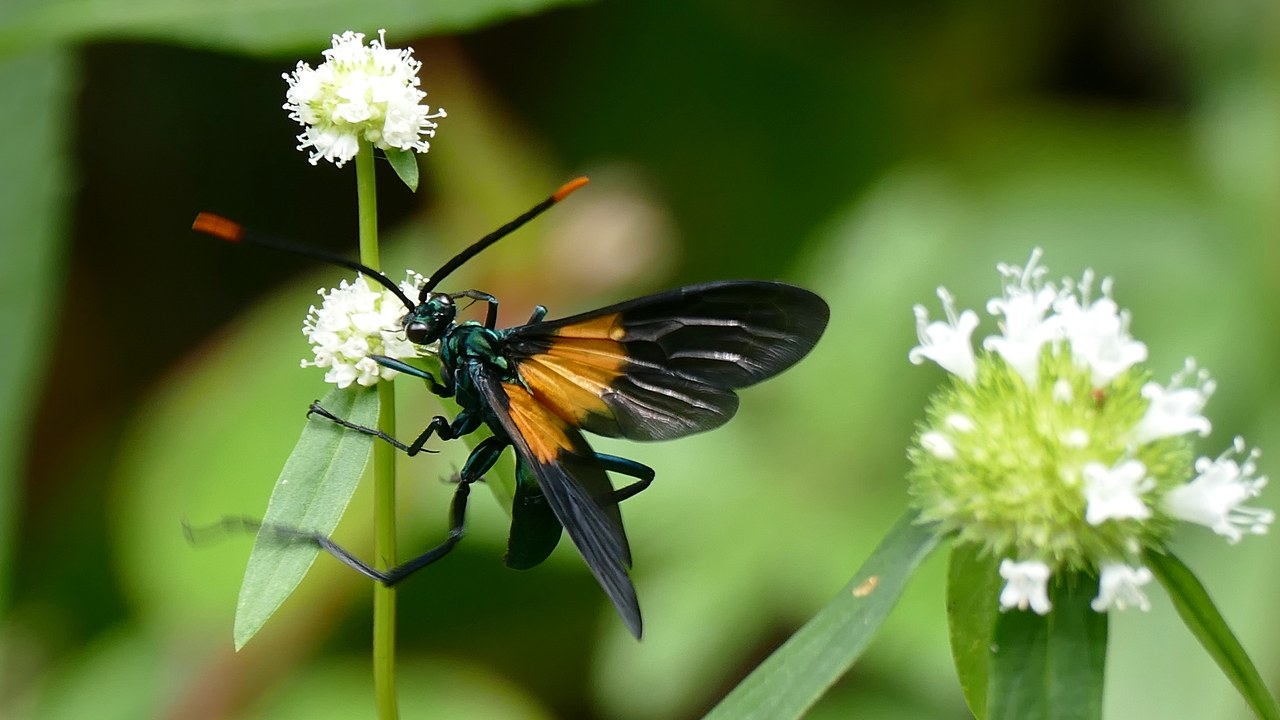
The tarantula hawk shares the top rating of 4 on the Schmidt pain index, where its sting is called “blinding, fierce, shockingly electric.” The same entry compares the sensation to a running hair dryer dropped into a bubble bath.
This large spider wasp hunts tarantulas, and its metallic blue-black body with orange wings makes it conspicuous. Anyone who spots one feeding on flowers or hunting along the ground is better off giving it plenty of room, since a calm-looking insect can still sting if it is pinned, grabbed or trodden on.
3. Stonefish: Spines Underfoot
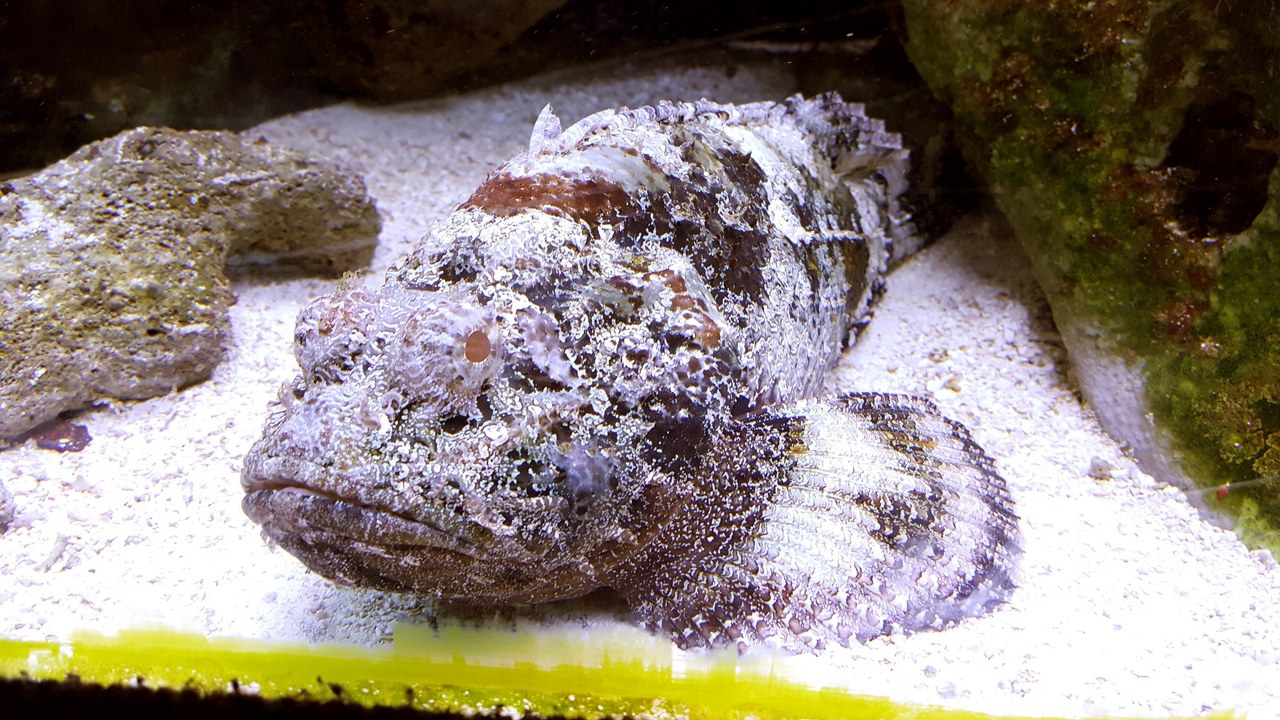
Live Science lists the stonefish among the most venomous sea creatures, noting that venom in its dorsal spines is released under pressure when the animal is stepped on. The result is excruciating pain and swelling, and severe cases can be fatal.
Its lumpy, mottled body is camouflaged to look like a rock on the seabed, which is exactly why wading swimmers are warned about it. Sturdy footwear in shallow reef water and a careful eye on where each step lands are the sensible response, along with prompt medical help after any puncture.
4. Blue-ringed octopus: Painless but Paralysing
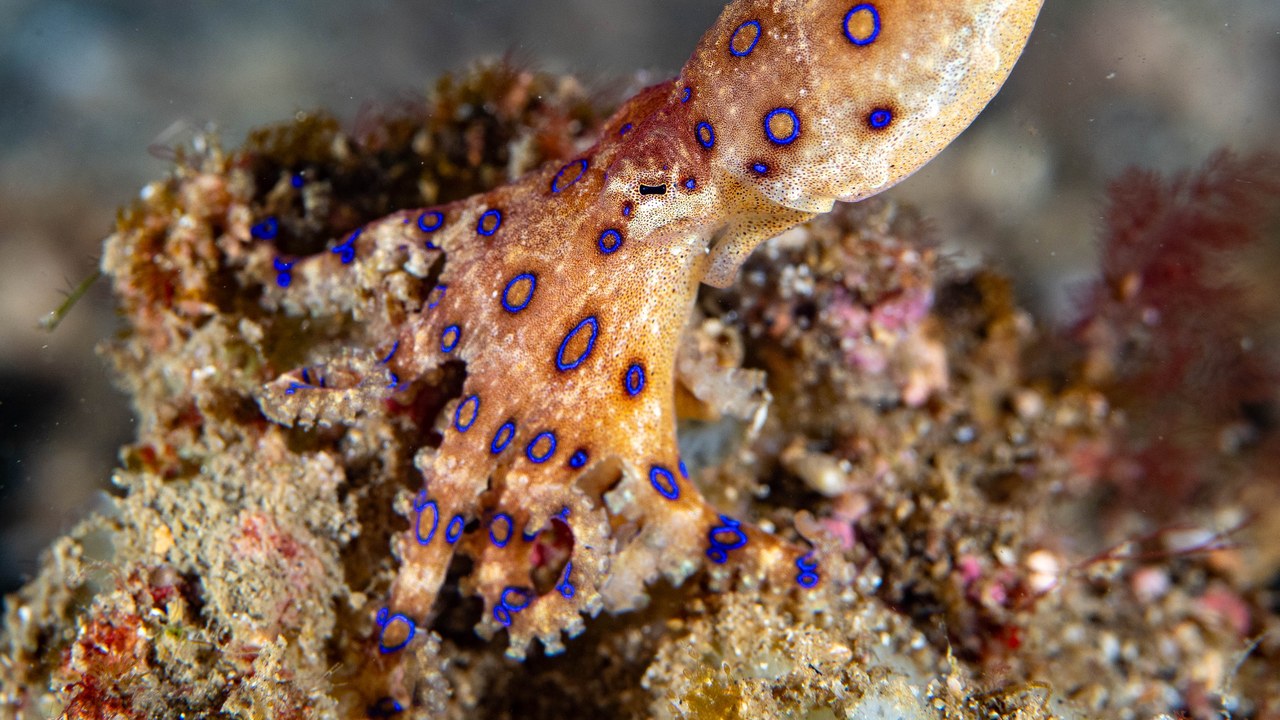
Live Science describes the venom of the blue-ringed octopus as containing tetrodotoxin, in a roundup of the most venomous sea creatures. Its bites are often painless, yet the venom causes paralysis that can lead to respiratory failure, and no antivenom is available.
The animal is small and pretty, with bright blue rings that flash as a warning. That harmless appearance is the danger, since a curious beachcomber could pick one up without feeling the bite at all, so the animal should never be handled, however small or calm it seems.
5. Geography cone: Harpoon in a Shell
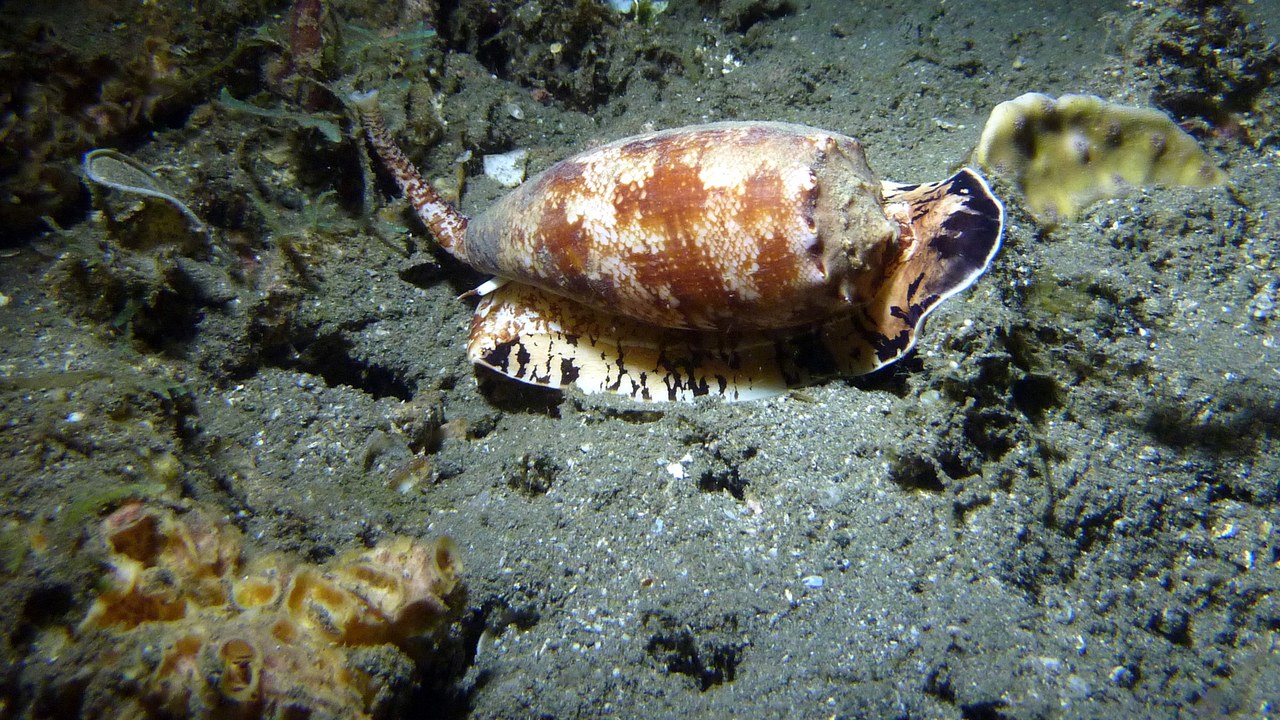
A cone snail may look like a collectable shell, but Live Science notes the geography cone fires harpoon-like teeth that deliver venom with an estimated 10,000 or more active compounds. These can cause respiratory paralysis and death.
The patterned shell is attractive to collectors, which makes the risk practical rather than theoretical. A live cone should be left where it is, and any shell picked up from a reef or beach should be checked for an occupant before it goes into a pocket or bag.
6. Lionfish: Beautiful and Barbed
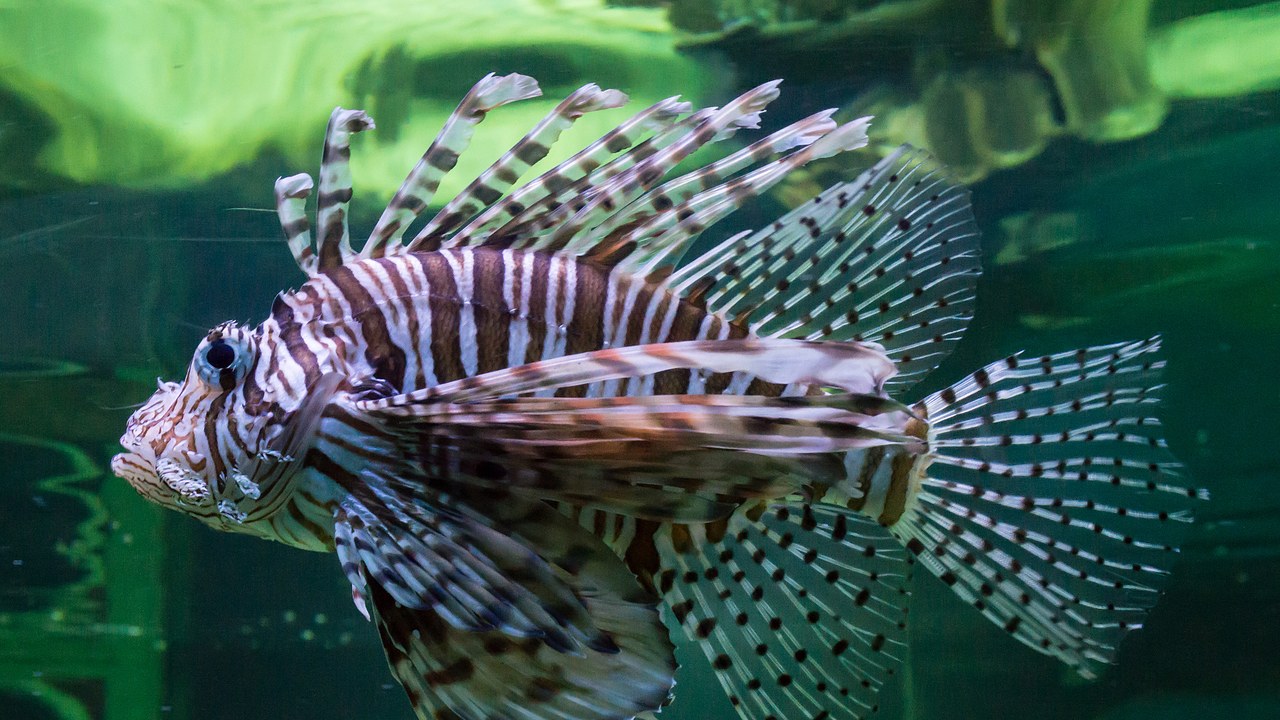
Lionfish carry venom in their dorsal spines, and Live Science says the spine venom can cause nausea, breathing difficulties and paralysis, though it rarely causes death.
The fish is easy to recognise by its fanned, striped fins and drifting movements, and it is calm enough around divers to tempt a closer look. Rather than darting away, it often hovers close to people. That calm is no invitation: the spines stay dangerous, so photographs from a distance are the safest souvenir of an encounter.
7. Portuguese man o’ war: Danger After Landfall
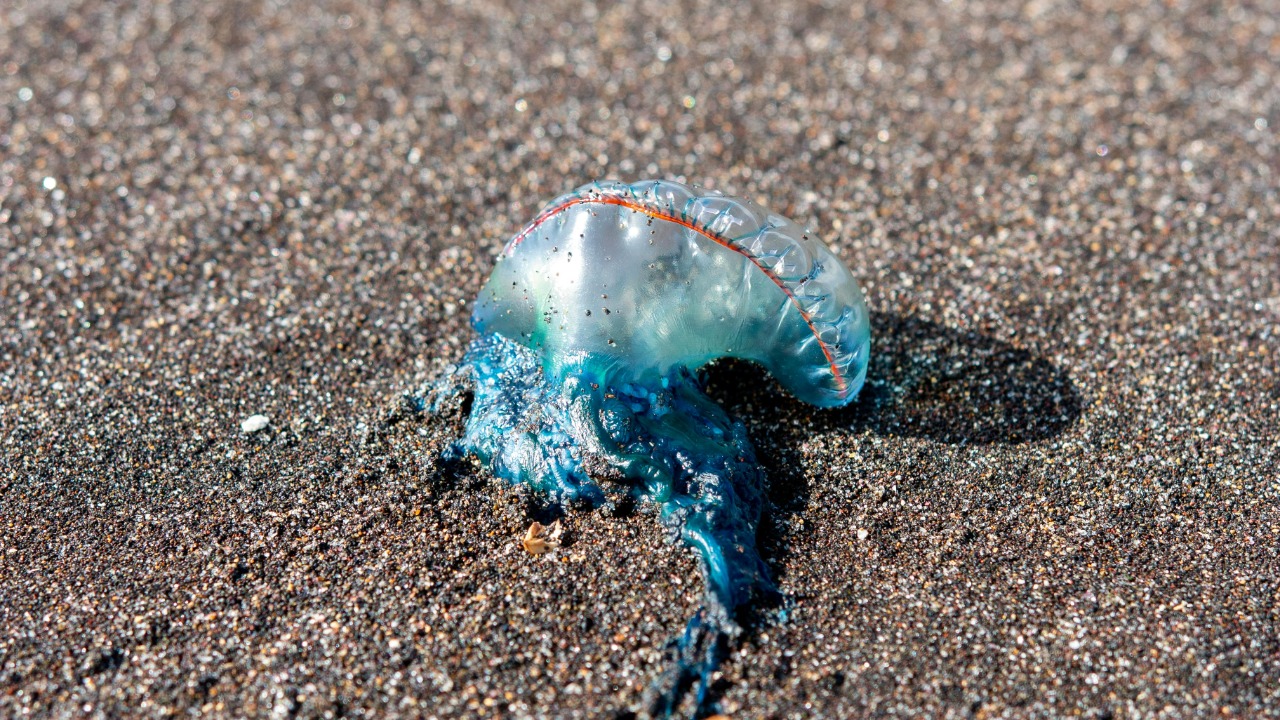
Discover Wildlife warns that the Portuguese man o’ war can deliver an extremely painful sting, capable of causing intense burning pain, swelling and breathing difficulties. Even a washed-up specimen on the sand can do it, and detached tentacles can sting days later.
Technically a colony of cooperating organisms rather than a single jellyfish, it often looks like a deflated blue balloon on the tideline. Beachgoers should treat any such find as live and keep children and dogs well away from it until the tide or a beach crew has cleared it.
8. Lion’s mane jellyfish: Stings That Outlast It
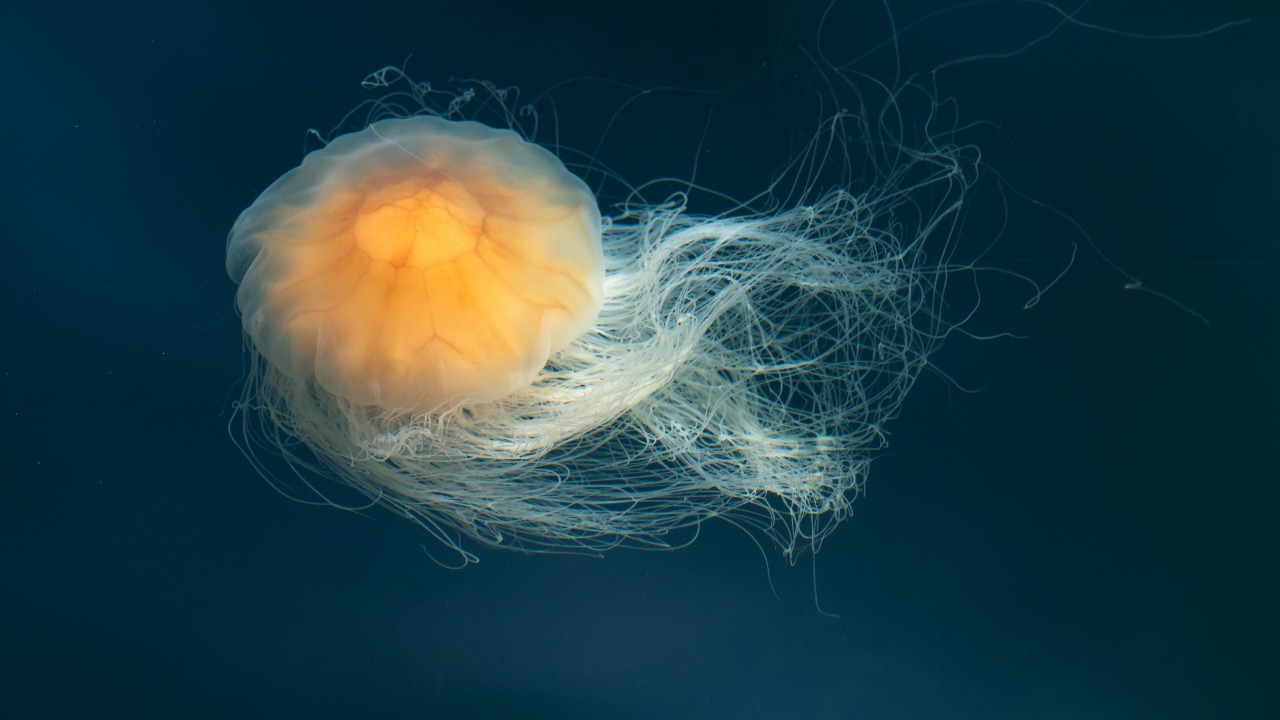
The lion’s mane jellyfish trails tentacles packed with thousands of microscopic stinging cells, according to Discover Wildlife. These cells can continue firing after death, causing painful welts and, in some people, severe allergic reactions.
That makes a stranded or broken animal as risky as a swimming one. Its long, hair-like tentacles can drift some distance from the bell, so swimmers who see one nearby should head for the shore without trying to get a closer view or touching any trailing strands.
9. Stingray: Barb in the Tail
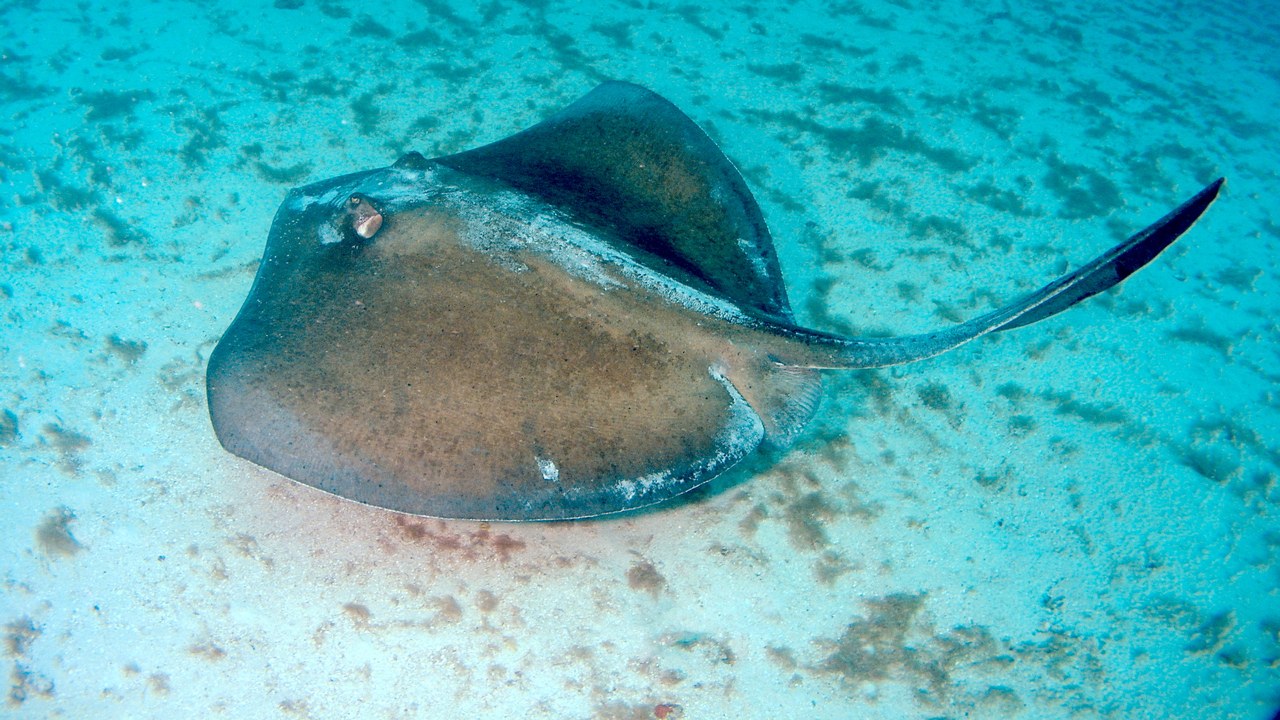
Discover Wildlife points to the stingray’s venom-coated tail barb, which is capable of causing deep wounds, intense pain and serious infection. Even a dead ray can still injure someone who steps on it.
Rays often rest half buried in sandy shallows, where they are hard to spot, and they use the tail barb as a defence when pressed or startled. Shuffling feet along the bottom instead of stepping heavily gives them a chance to swim away rather than strike. Anyone who is injured should seek medical care, because the wound itself can become infected.
10. Fire coral: Burning Blisters
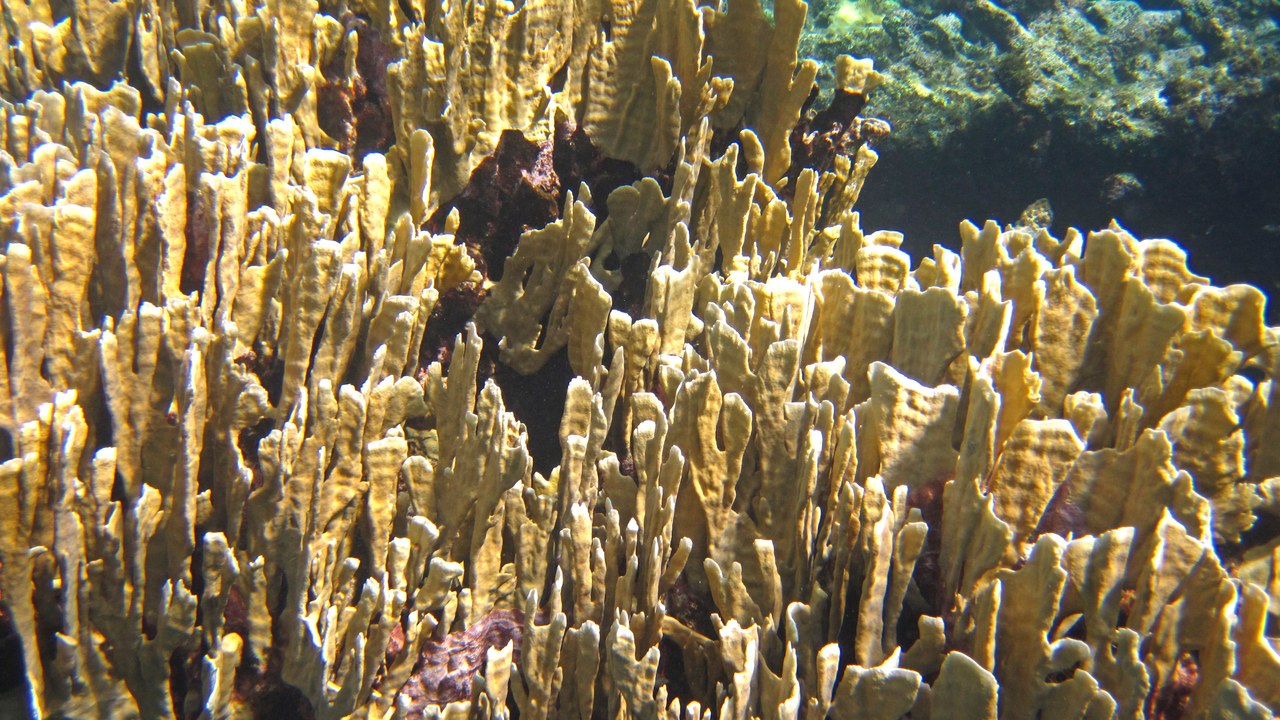
Fire coral is related to jellyfish, and Discover Wildlife says brushing against it triggers an immediate, painful sting with burning blisters. Dead fragments remain hazardous, so a bleached piece on the sand is not necessarily safe.
Despite the name, it resembles hard coral in its tan and yellow branching form, which is why divers sometimes lean on it by mistake. Keeping hands, knees and fins clear of reef surfaces is the simplest protection, and anyone who brushes it should leave the water and seek treatment.
More from Morning Overview
- Older Teslas mostly keep their batteries, and here’s what wears out instead
- Czech Skyfox jets could become Ukraine’s cheap answer to Shahed attack drones
- Tesla’s Cybercab has already crashed 8 times, and the worst one came at highway speed
- Hidden card skimmers on gas pumps and ATMs can be exposed with one quick shake
