
Animal migrations can span oceans, continents and entire hemispheres. This gallery looks at birds, mammals, reptiles and even insects that cover remarkable distances, using figures reported by the sources linked in each entry. Here are fourteen travellers whose journeys show how far survival can take a living creature.
Read next on Morning Overview: California’s Long Valley supervolcano is quietly sinking, its biggest drop on record
1. Arctic tern: Pole to Pole
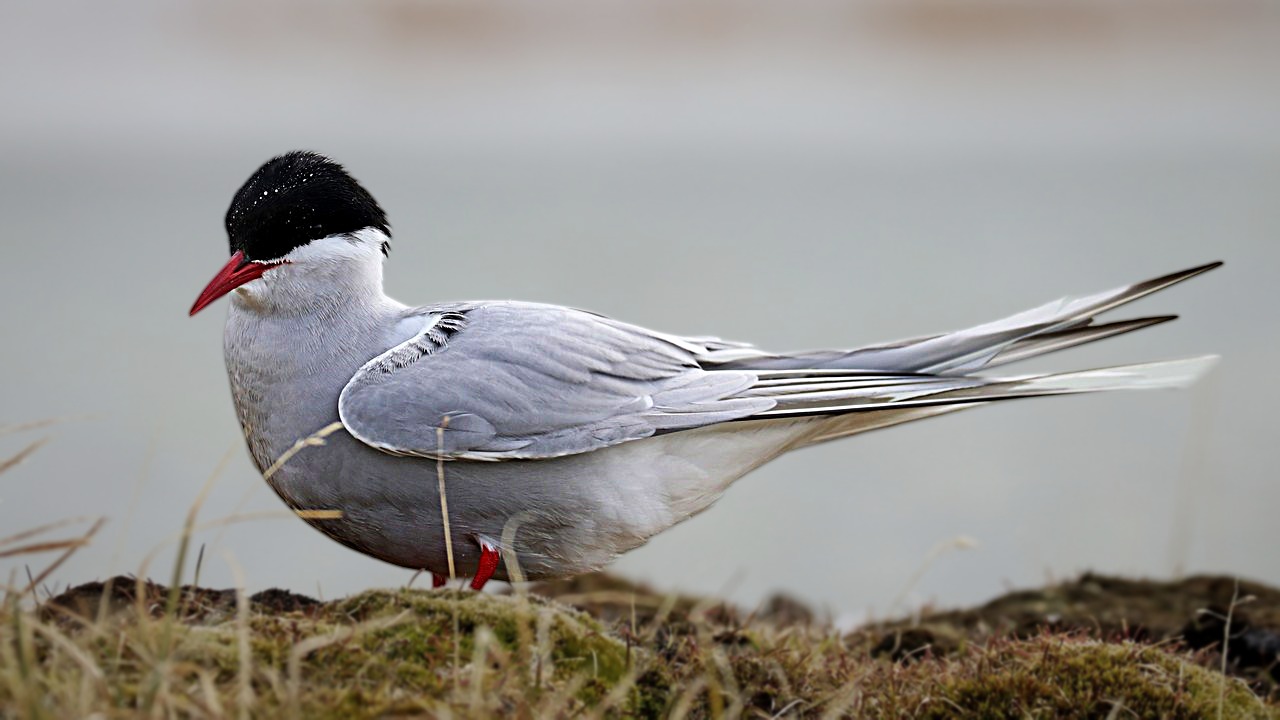
Arctic terns are reported to travel between 70,000 and 95,000 kilometres per year, according to a Geographical roundup of migrations. That shuttle links the two ends of the planet, so the small seabird spends much of its life chasing summer at both poles and seeing more daylight than almost any other animal.
Other sources quote lower totals for the same bird, so the exact figure depends on the study cited. Even the conservative numbers keep the tern at the top of any list of long-distance travellers, and it makes a fitting opener for the rest of the gallery.
2. Bar-tailed godwit: Nonstop Over the Pacific
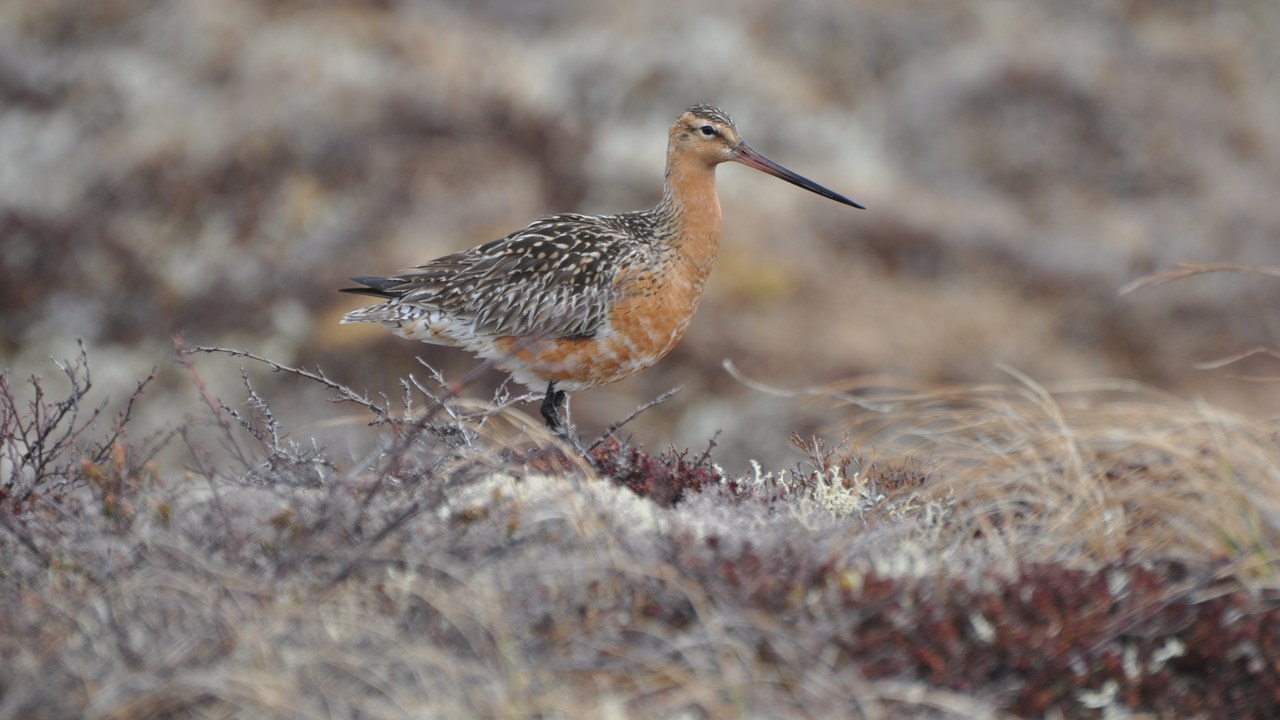
The bar-tailed godwit makes what Smithsonian magazine calls the longest nonstop flight of any known bird, an incredible 7,000 miles. The wading bird covers that stretch in one go, without stopping to feed or rest along the way, which makes its journey a benchmark for avian endurance.
Birdwatchers who see a godwit on a muddy shoreline are looking at an animal built for a single, enormous leap across open ocean. Other accounts give a different distance for the same flight, so the 7,000-mile figure is best read as this source’s estimate.
3. Northern elephant seal: Months at Sea
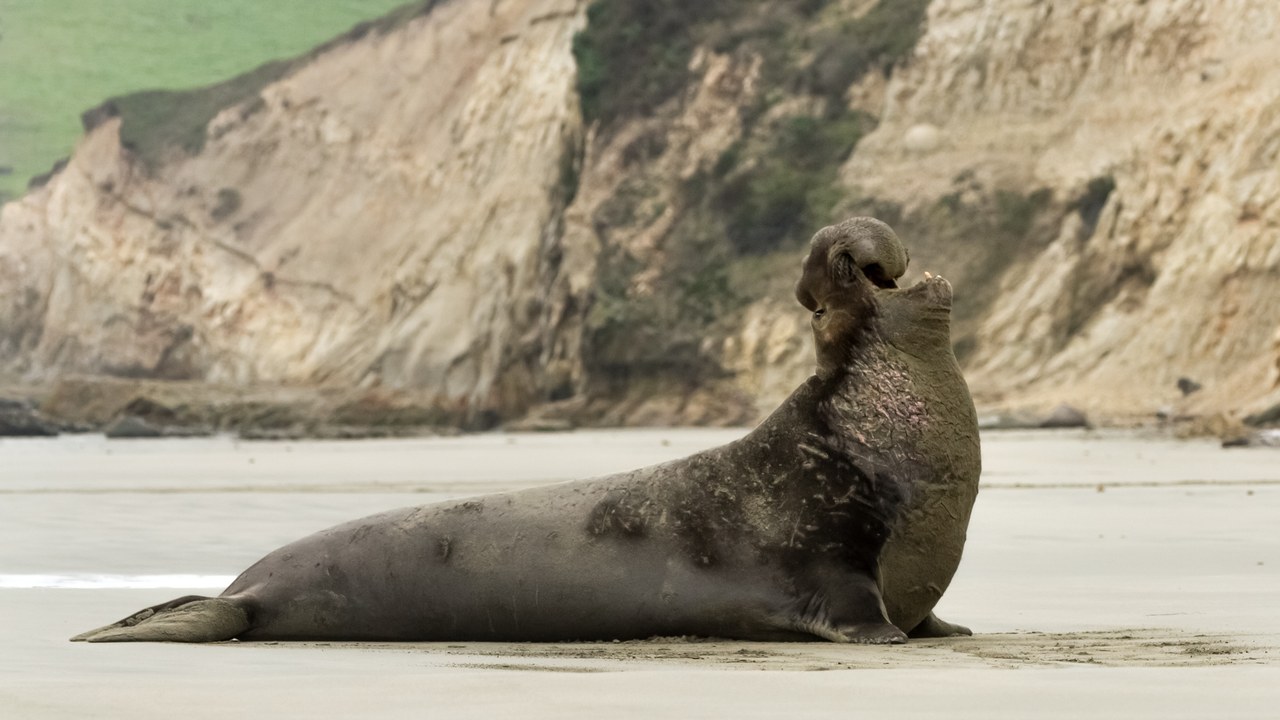
Northern elephant seals sometimes travel over 12,000 miles on their ocean migrations, a figure given in a Smithsonian list of epic journeys. The huge marine mammals return to land only for breeding and molting, then head back out to feed across wide stretches of open water.
For a bulky animal that looks clumsy on a beach, the seal is a surprisingly accomplished long-haul swimmer. The source says only that the total can exceed that mark, so individual animals will vary in how far they roam.
4. Leatherback sea turtle: Crossing Whole Oceans
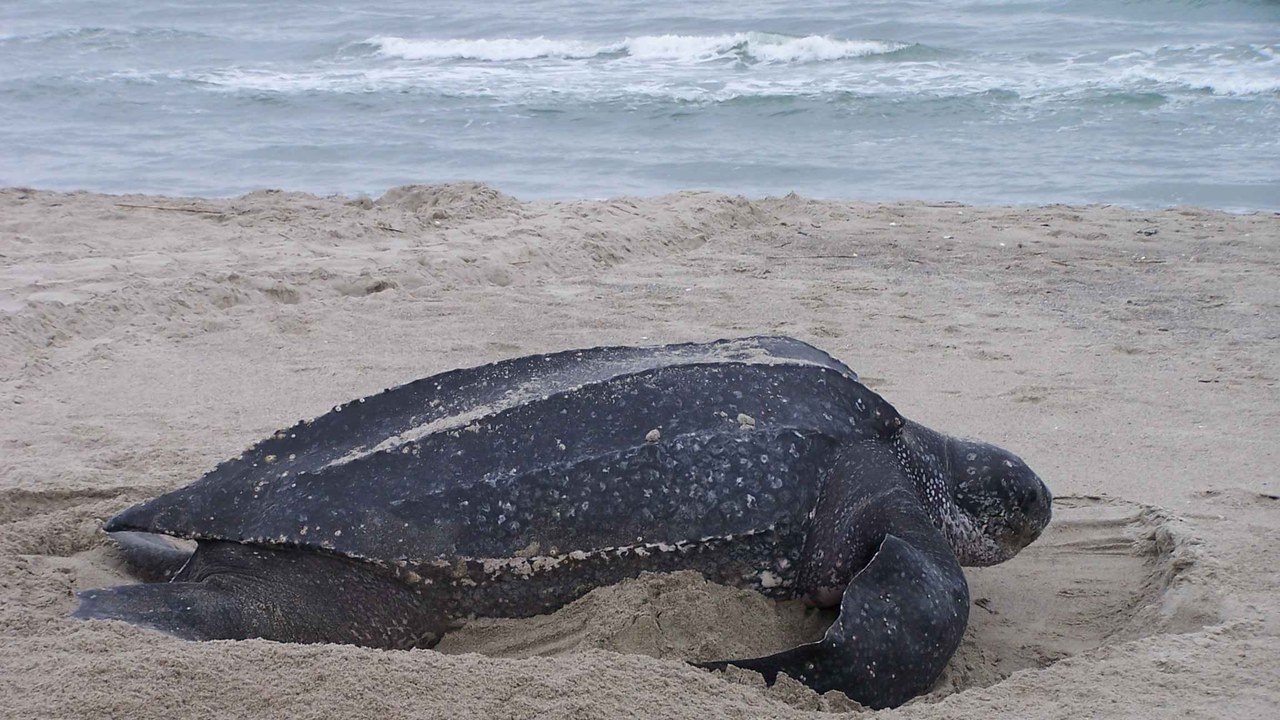
Some leatherbacks can cover distances of 5,900 kilometres each way, according to the Geographical migration feature. The leatherback is the largest of the sea turtles, and it follows ocean currents across entire basins in search of food and nesting beaches.
The number describes one direction only, so a full round trip is roughly double. Long routes like these carry the turtles through many national waters and fishing zones, which is one reason their protection depends on cooperation between countries.
5. Gray whale: Along the Pacific Coast
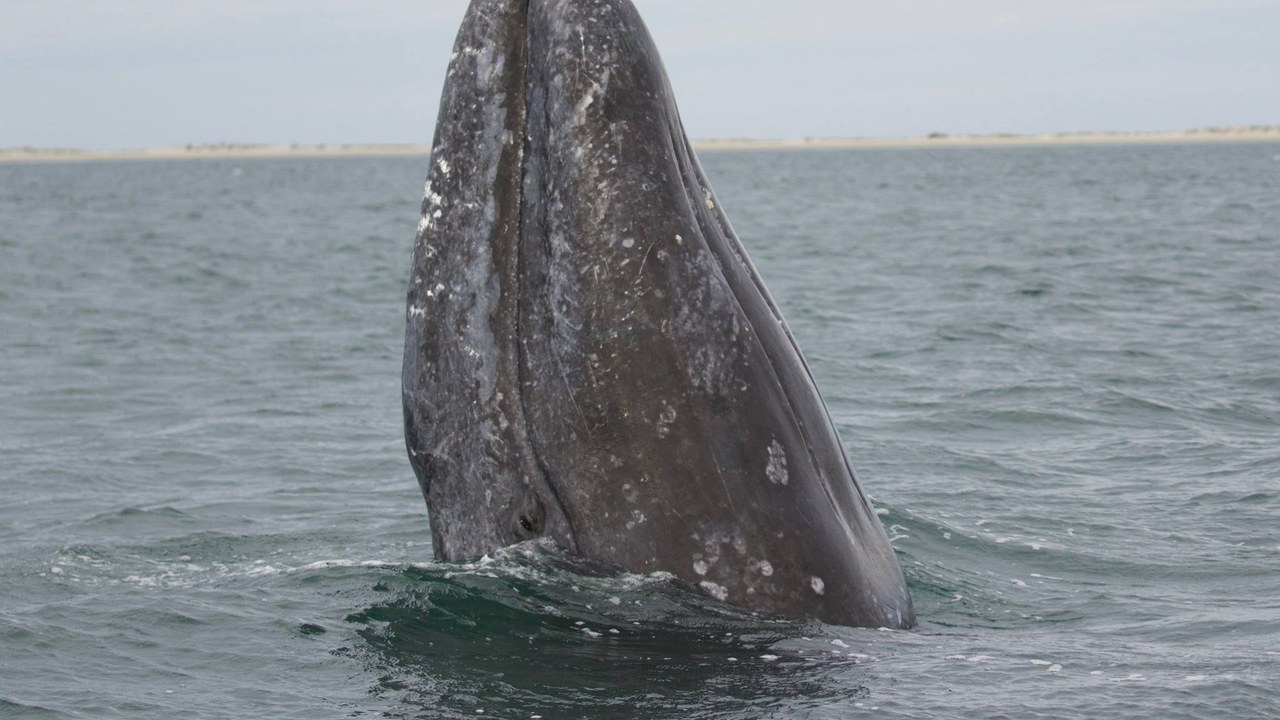
The gray whale’s 10,000- to 14,000-mile round trip is among the longest migrations, according to Smithsonian magazine. The whales travel between cold feeding waters and warm lagoons where calves are born, hugging coastlines for much of the way.
The source stops short of calling it the very longest, and that restraint is sensible, since other animals on this page report comparable totals. The coastal route does mean that people on shore can watch the passing whales from land at the right time of year.
6. Humpback whale: Songs on the Move
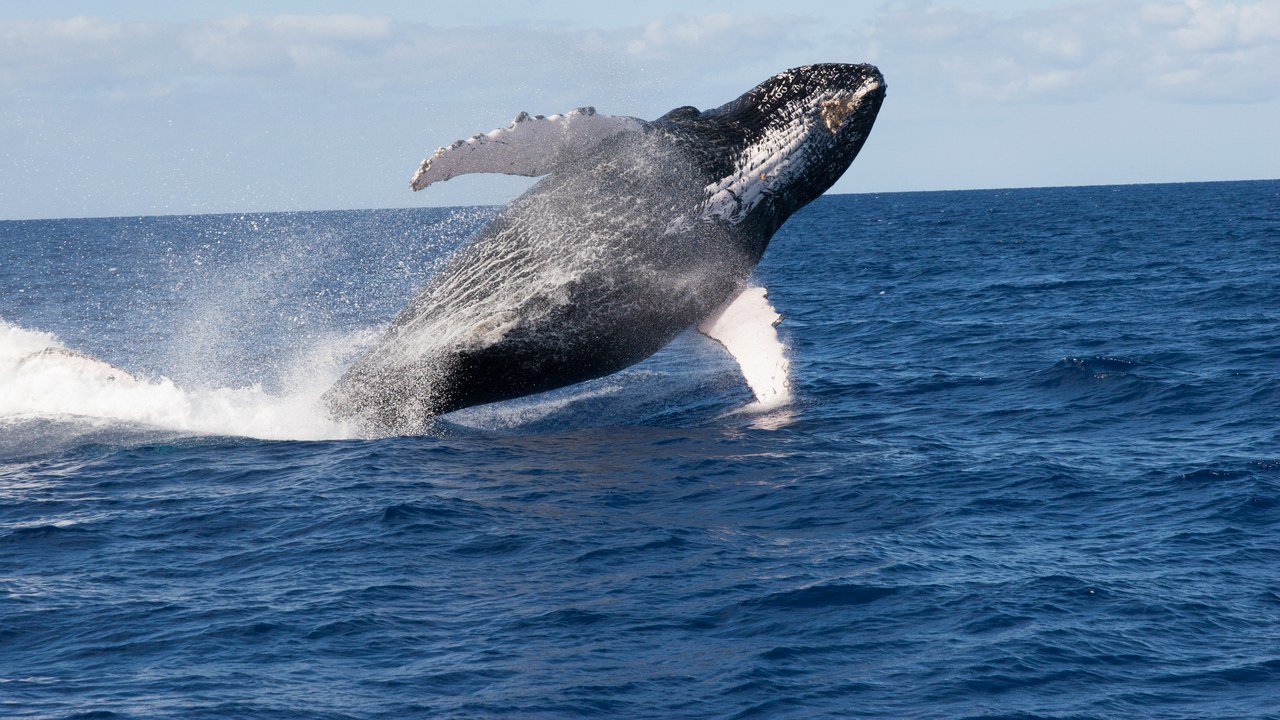
Humpbacks journey more than 8,000 kilometres, or 4,970 miles, each way, according to the Geographical report. The same piece notes that one male was tracked on a journey of at least 13,000 kilometres, a distance that shows how far an individual can range beyond the typical route.
The humpback is also known for its elaborate vocalisations, which travel with the animals between feeding and breeding areas. Most of the figures here describe a typical trip, while the 13,000-kilometre case is a single tracked male rather than an average.
7. Sooty shearwater: A Giant Pacific Loop
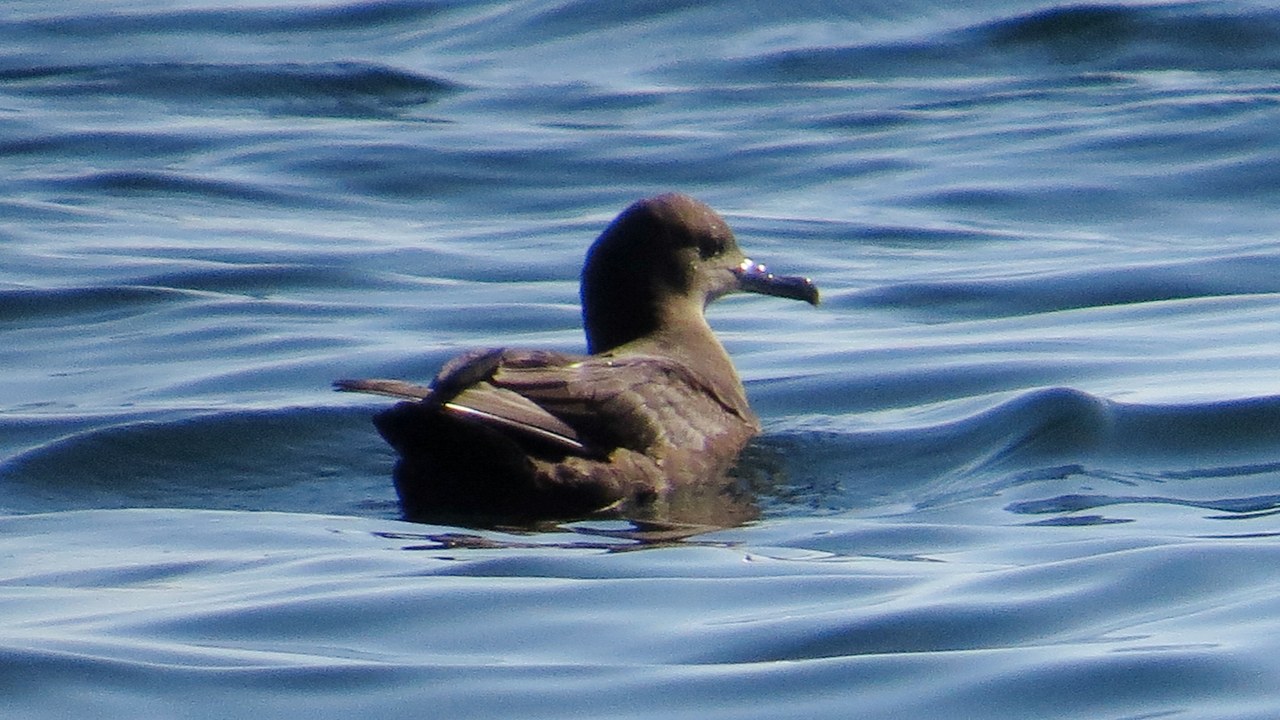
Sooty shearwaters fly more than 40,000 miles a year in a loop from New Zealand to Chile, Japan, Alaska and California, according to a National Wildlife magazine feature. The dark seabirds skim the waves of the Pacific, tracing a figure-eight route across the whole ocean basin.
Few animals visit so many coastlines in a single year without ever settling in one place. The account dates from 2010, so newer tracking studies may refine the numbers, but the scale of the loop remains striking.
8. Swainson’s hawk: A Raptor on a Long Road
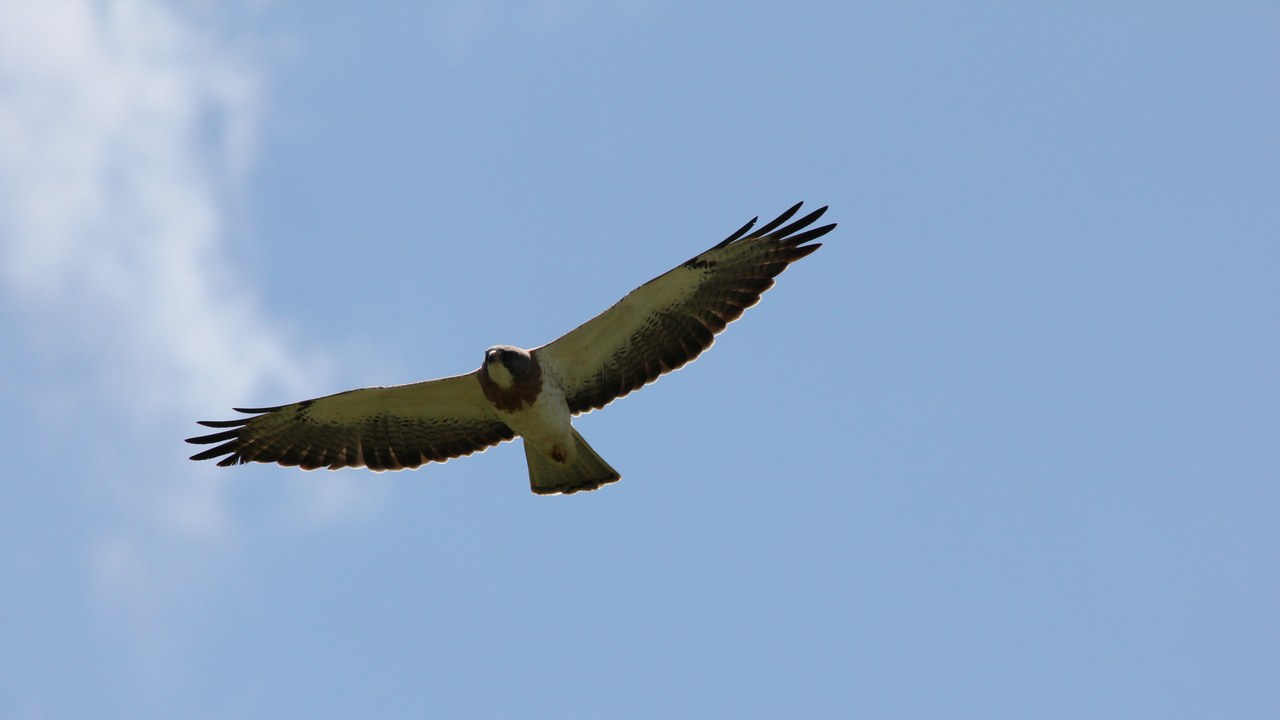
The 20,000 km round trip that Swainson’s hawk travels each year places it among the world’s longest-distance migratory raptors, according to a Smithsonian National Zoo article. The hawk breeds on North American grasslands and winters far to the south, in the pampas of South America.
The source is an older piece from 1997, and it gives the figure in kilometres only. Even so, the claim captures why conservationists watch the species closely, because a bird that crosses so many countries faces hazards on every leg.
9. Globe skimmer: The Dragonfly Traveller
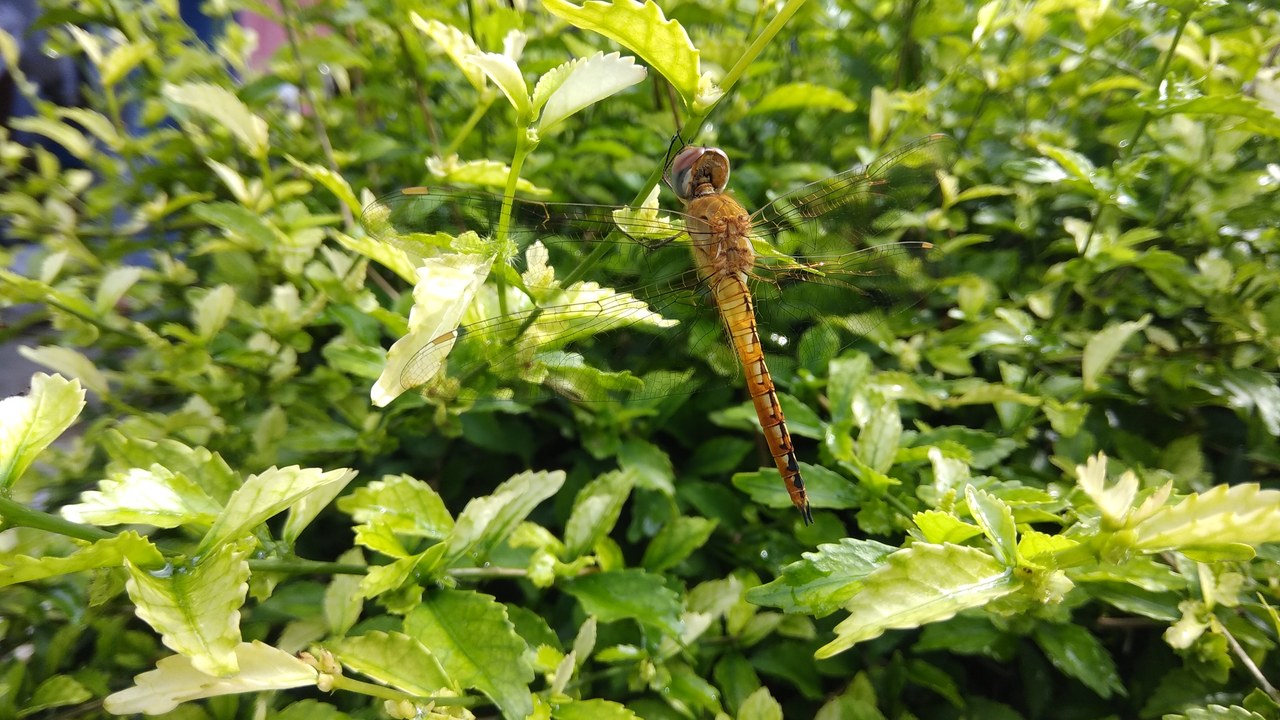
The globe skimmer is a dragonfly that travels more than 11,000 miles while following seasonal rains, according to Smithsonian magazine. Rather than tracking temperature, the insect moves with the rain, which creates the shallow pools its young need to develop.
The distance is spread across several generations rather than carried by one insect, a point the snippet itself does not spell out. Still, the finding shows that long migration is not limited to birds and mammals, and that an animal weighing almost nothing can span oceans.
10. Monarch butterfly: Orange Wings on the Wind
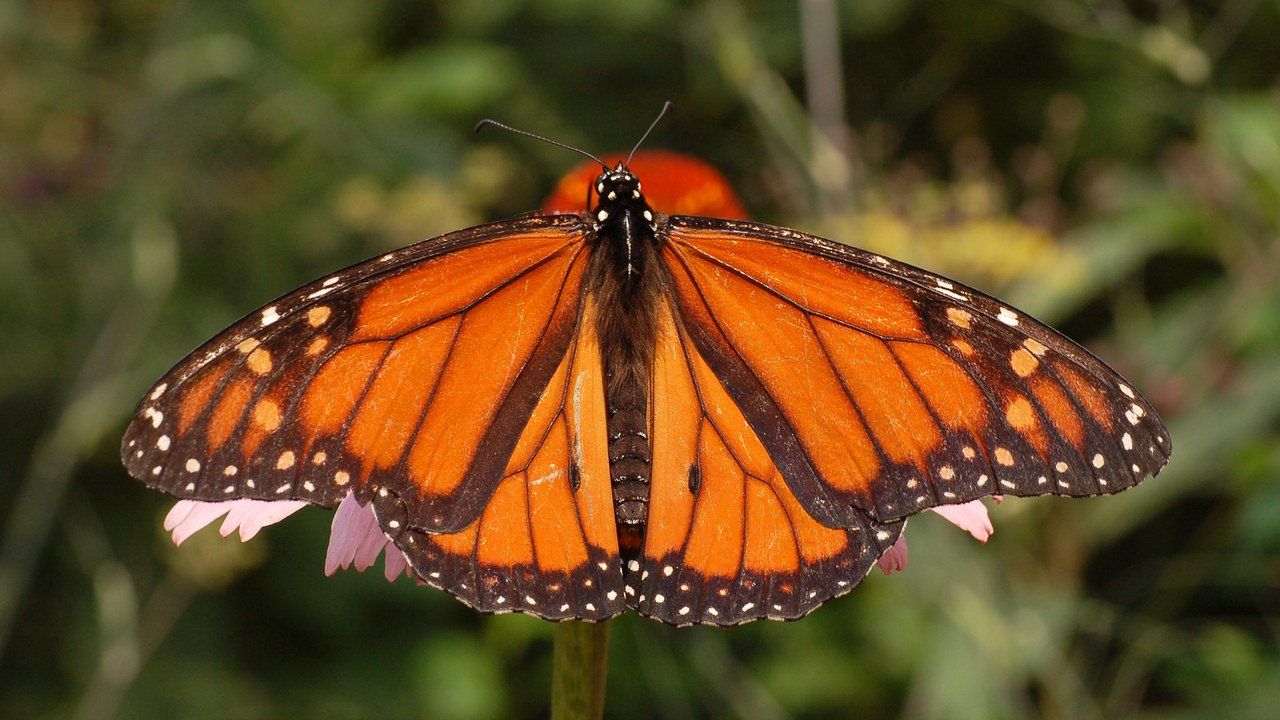
Monarchs migrate distances as great as 4,800 kilometres, according to the Geographical article. The orange-and-black butterfly is one of the best-known insect travellers, flying south each autumn to reach wintering sites far from where it hatched.
That figure marks the upper end of the range, so many individuals cover less. The monarch is often the first insect that comes to mind when migration is mentioned, and the number helps explain why it earns that reputation.
11. Caribou: Herds of the North
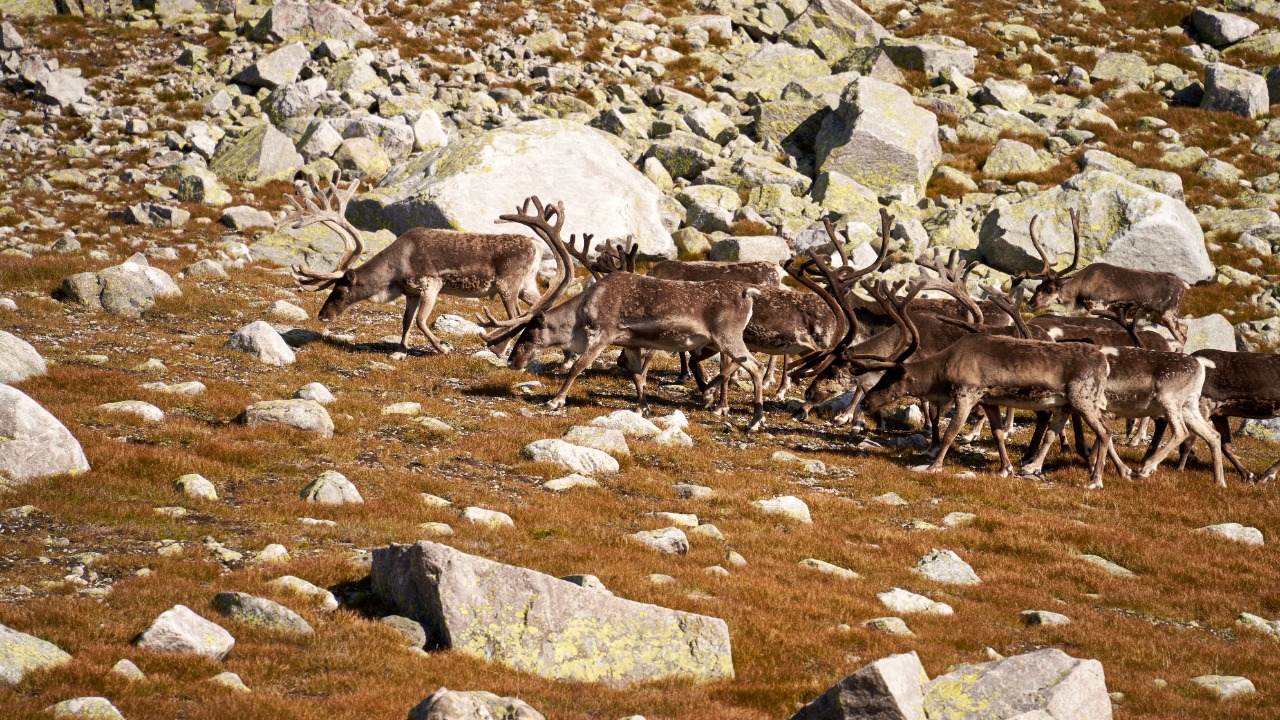
Caribou make round trips exceeding 1,200 kilometres, or 745 miles, according to the Geographical migration piece. The same article adds that satellite tracking of one herd shows more than 3,000 miles covered in a year, a much larger total than a single round trip suggests.
The two numbers measure different things, so they should not be added together. Caribou are the same species as reindeer, and their long overland treks across open tundra make them the standout land traveller in this gallery.
12. Ruby-throated hummingbird: Tiny Bird, Big Crossing
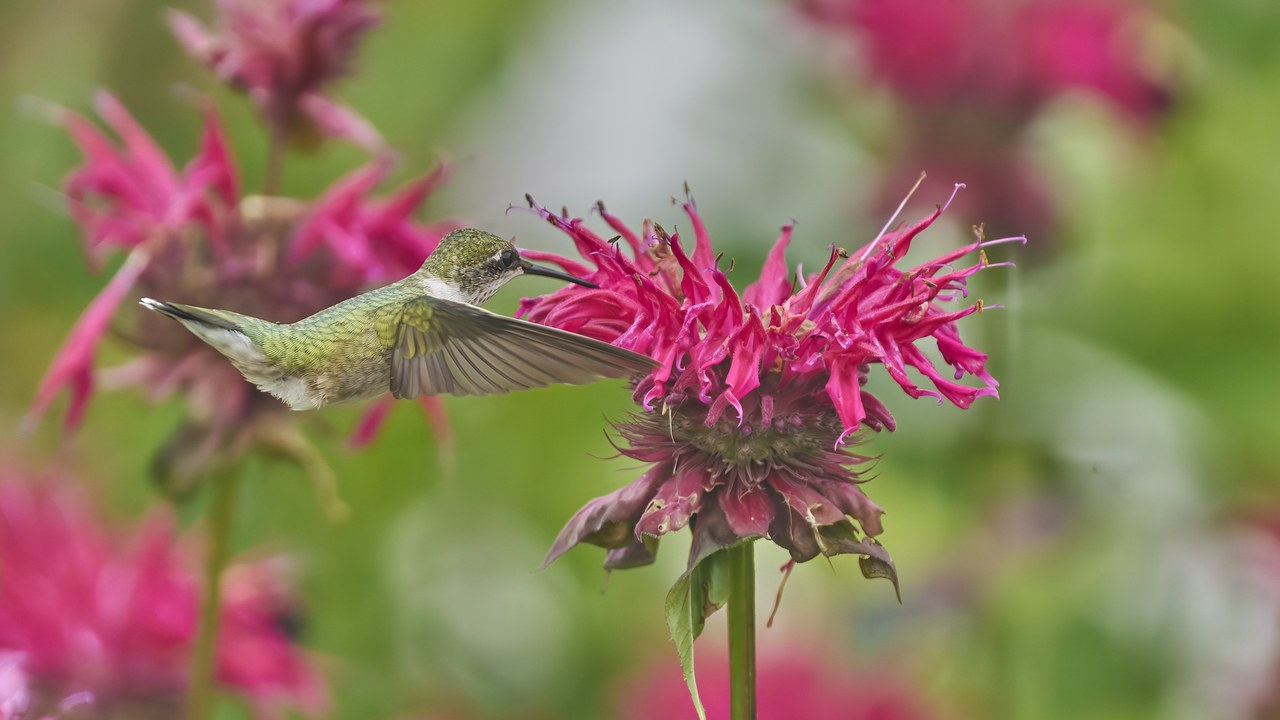
The ruby-throated hummingbird makes an incredible flight covering some 1,400 miles, according to Smithsonian magazine. The bird is tiny, yet it leaves its breeding range and crosses open water on its way to wintering grounds farther south.
It is the smallest traveller in the gallery to be paired with a trip of that length. The source frames the distance as a single flight, and the contrast between body size and range is what makes the hummingbird so memorable.
13. Blue wildebeest: Following the Rains
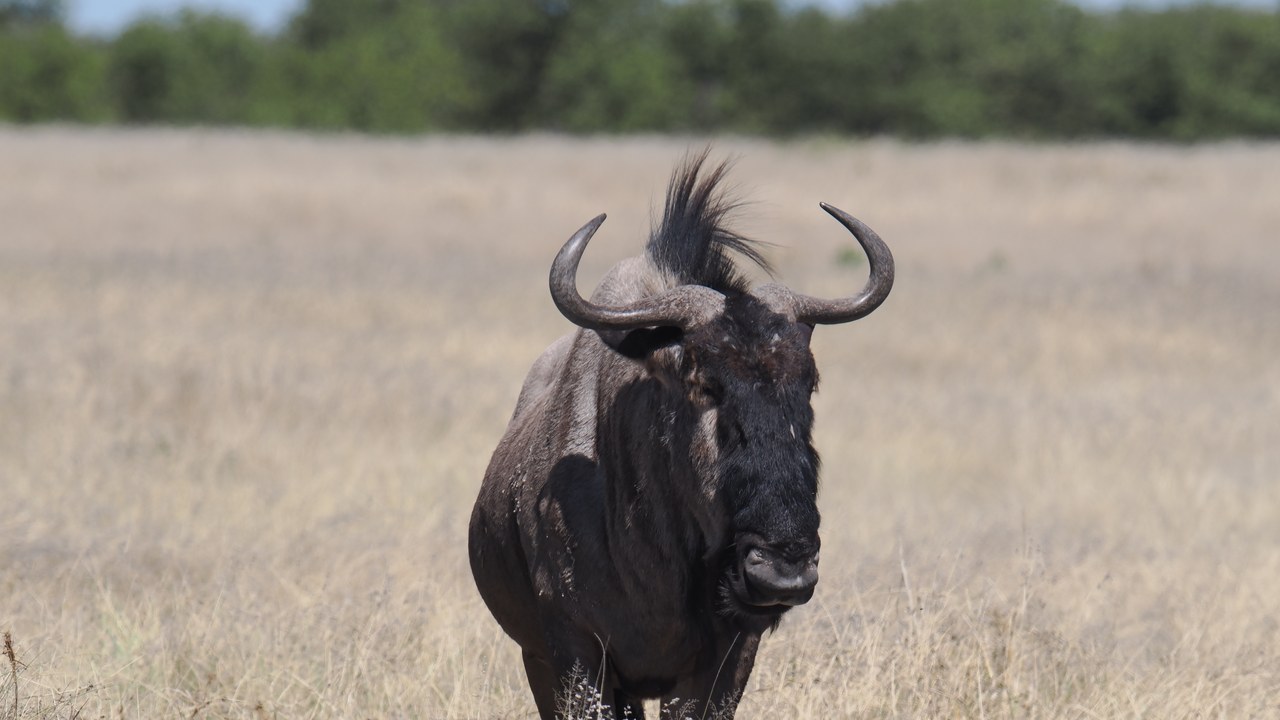
African wildebeest herds trek close to 1,000 miles, according to a Mental Floss list of migrations. Millions of animals are often pictured moving together across open plains, and the trek follows the fresh grass that appears as the seasons change.
The distance is stated loosely, so it should be read as an approximation of the herd’s annual circuit. Wildebeest are a favourite subject of wildlife documentaries because the sheer number of animals on the move is visible even from the air.
14. Pronghorn: A Shrinking Route
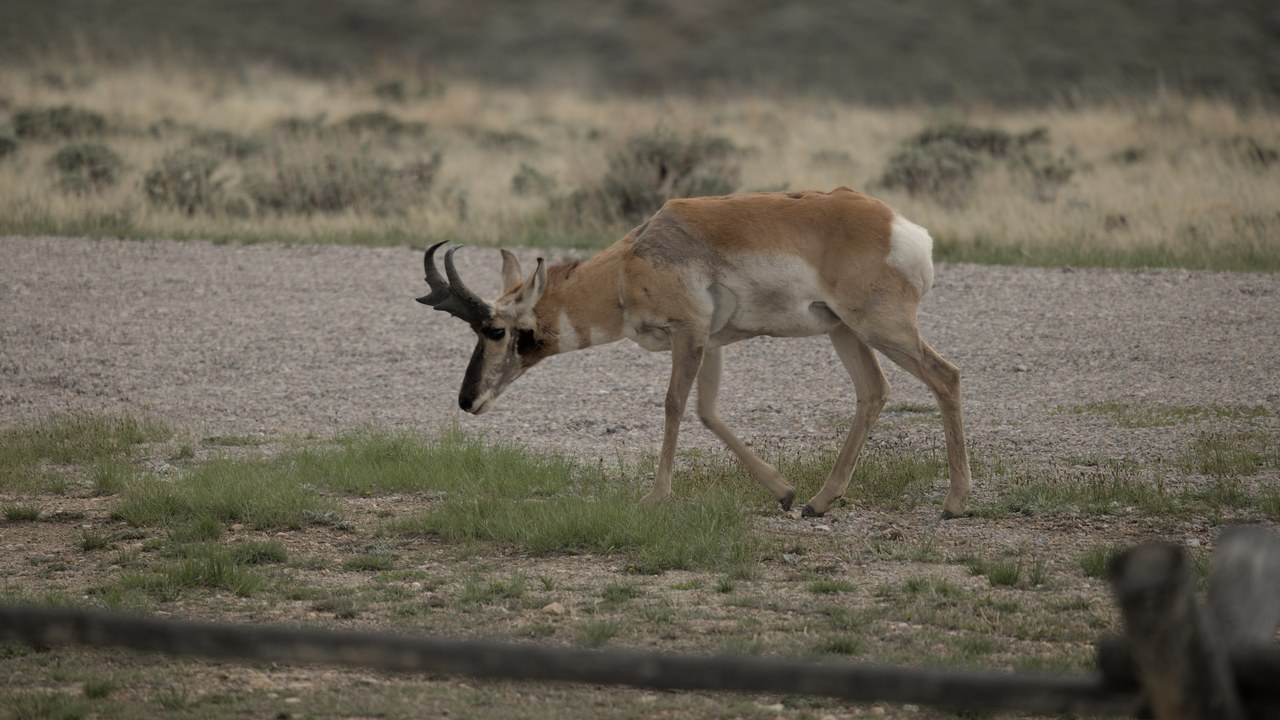
Some 400 pronghorn still make the 300-mile round trip between summer and winter range, according to a National Wildlife magazine report. The animals are associated with the Yellowstone area, and the phrase ‘still make’ hints that the route is under pressure.
That detail comes from a 2010 article, so current numbers may differ. Pronghorn are among the fastest land animals in North America, yet their ability to travel depends on open ground that fences and development can interrupt.
More from Morning Overview
- Hackers broke into Japan’s Fugaku supercomputer and stole the SSH keys of its users
- Student pilots are stuck with nearly 60-year-old T-38 jets that work only half the time
- Some new Subaru Crosstreks and Foresters shouldn’t be driven because of a crash risk
- Arizona declared a statewide emergency after storms and floods battered homes and roads
