
After eight years of travel through the inner solar system, the European-Japanese BepiColombo mission is due to slip into orbit around Mercury on November 21, 2026. It will be the first mission to put two spacecraft around the smallest planet at once. Their targets include a scorched surface that, in permanently dark polar craters, appears to hold water ice.
Read next on Morning Overview: Zero Motorcycles unveiled an electric motorcycle targeted at under $8K and a street-legal dirt bike at EICMA
BepiColombo: Arrival Day Is November 21
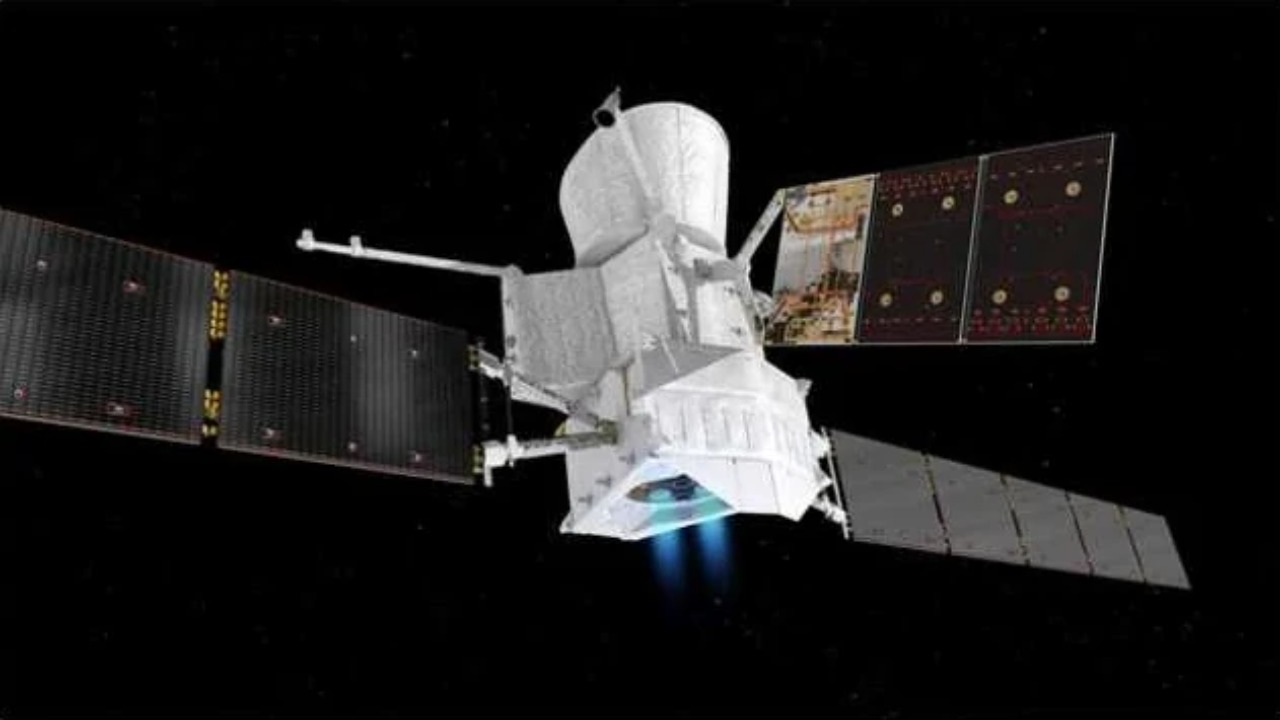
ESA says the composite spacecraft will enter orbit around Mercury on 21 November 2026, after eight years crossing the inner solar system. The Mercury Transfer Module that pushed the stack there separated on 3 September, more than 200 million kilometers from Earth.
On 24 September, ESA’s orbiter fired its thrusters for 8 minutes and 42 seconds for an 11.4-meter-per-second course correction, and on 29 October the mission team finished its final simulation of the arrival steps. The two orbiters are due to separate on 9 and 10 December 2026, with science operations planned to begin in April 2027.
Mercury (planet): A Planet of Extremes
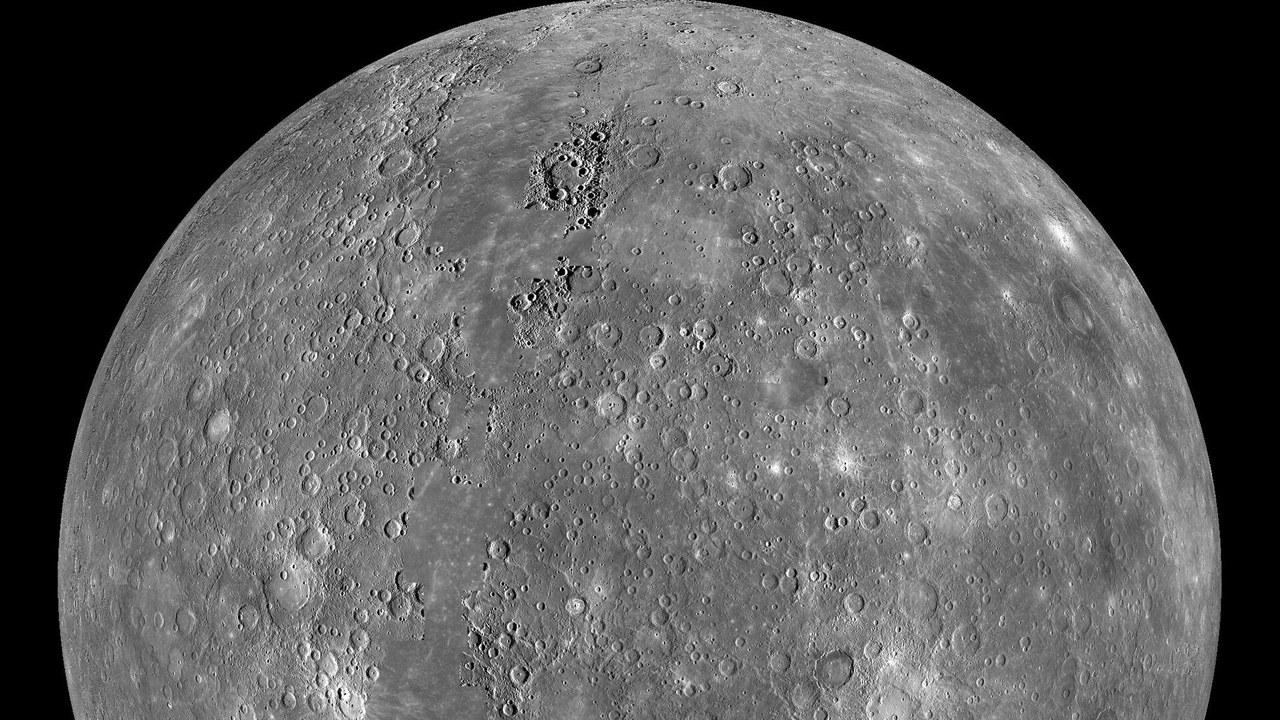
Mercury is the first planet from the Sun and the smallest in the solar system, a cratered, rocky world about 3,030 miles across with only a trace atmosphere. Its spin and orbit lock together so that one full sunrise-to-sunrise day lasts about 176 Earth days.
That slow rotation drives huge temperature swings. Yet observations strongly suggest ice exists there. Polar crater floors never see direct sunlight and stay below about 102 kelvin, creating cold traps. In the early 1990s, Goldstone and Very Large Array radar observations found highly reflective patches near the poles, consistent with water ice.
Caloris Planitia: The Scar a Third of the Planet Wide
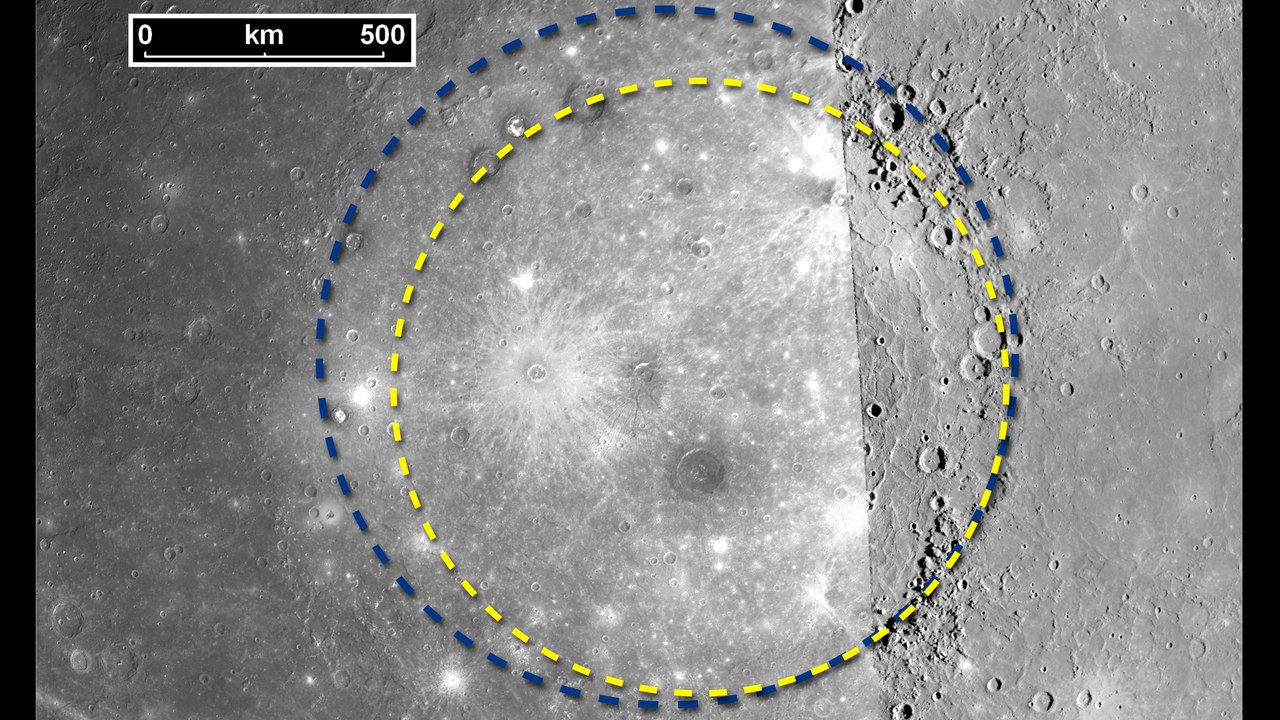
Caloris Planitia is a plain within a huge impact basin on Mercury, about 960 miles across, one of the largest impact basins in the solar system. It is ringed by the Caloris Montes, mountains roughly 1.2 miles tall.
Its name comes from the Latin for heat: the Sun stands almost directly overhead there at every second perihelion passage. The basin, discovered in 1974, spans about a third of Mercury’s diameter, and it remains a prime target for the new orbiters’ cameras and spectrometers.
MESSENGER: The First Orbiter
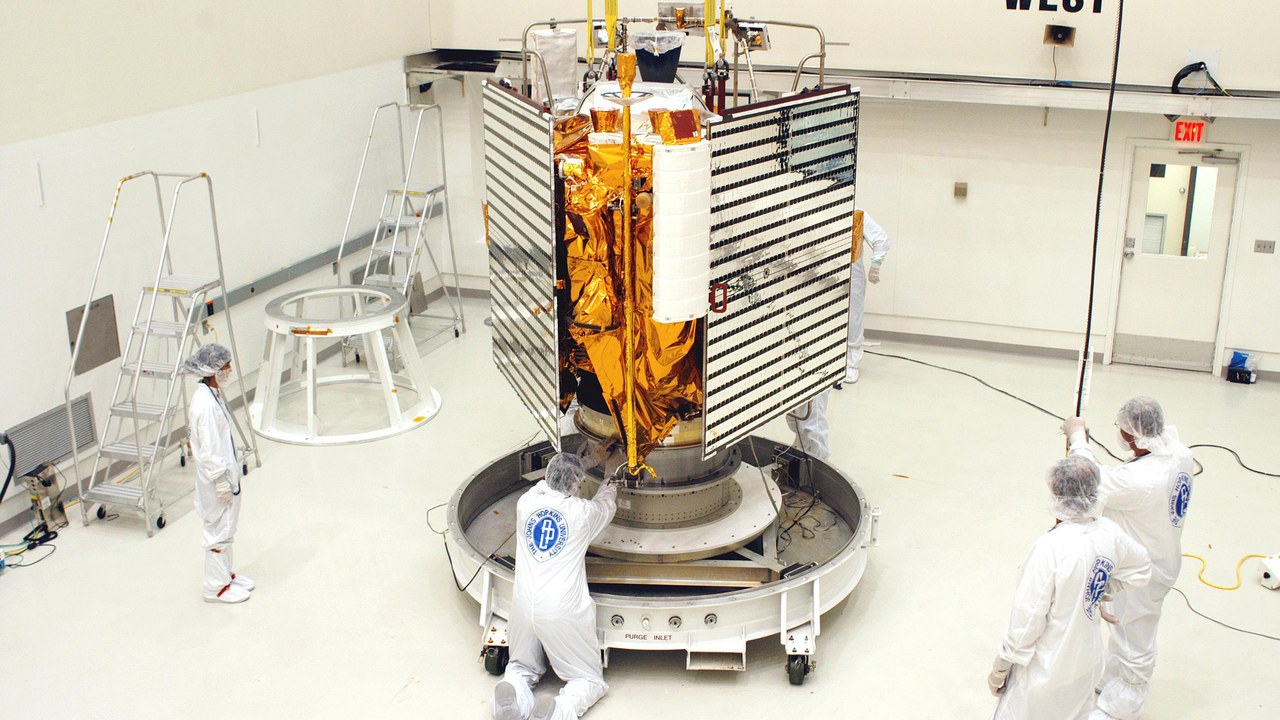
MESSENGER was a NASA probe that orbited Mercury between 2011 and 2015, studying its chemistry, geology and magnetic field. Launched in August 2004, it used flybys of Earth, Venus twice and Mercury three times to slow down enough to be captured.
On March 18, 2011, it became the first spacecraft to orbit Mercury. After completing its primary mission in 2012 and two extensions, it ran out of maneuvering propellant and crashed into the surface on April 30, 2015. Its data on polar ice and surface features set many of the questions BepiColombo is now designed to answer.
Mariner 10: The 1974 Pioneer
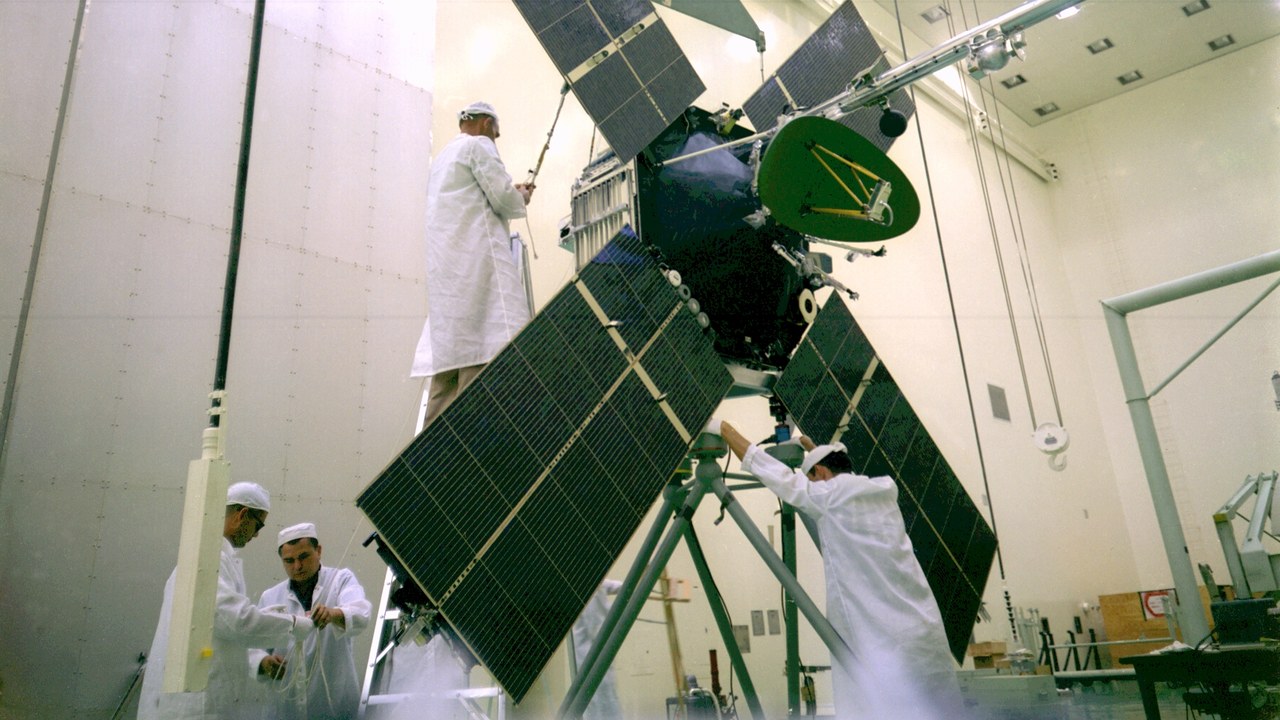
Mariner 10 was an American probe launched by NASA on 3 November 1973 to fly past Venus and Mercury. It was the first spacecraft to visit Mercury and the first to fly by more than one planet.
Getting close to Mercury meant enduring about 4.5 times more solar radiation than at Earth, so engineers added thermal blankets and a sunshade. Its television cameras captured the first close views of the surface, and the bright patches it saw inside some craters were later revealed by MESSENGER to be the features now called hollows.
Mercury Planetary Orbiter: Europe’s Orbiter
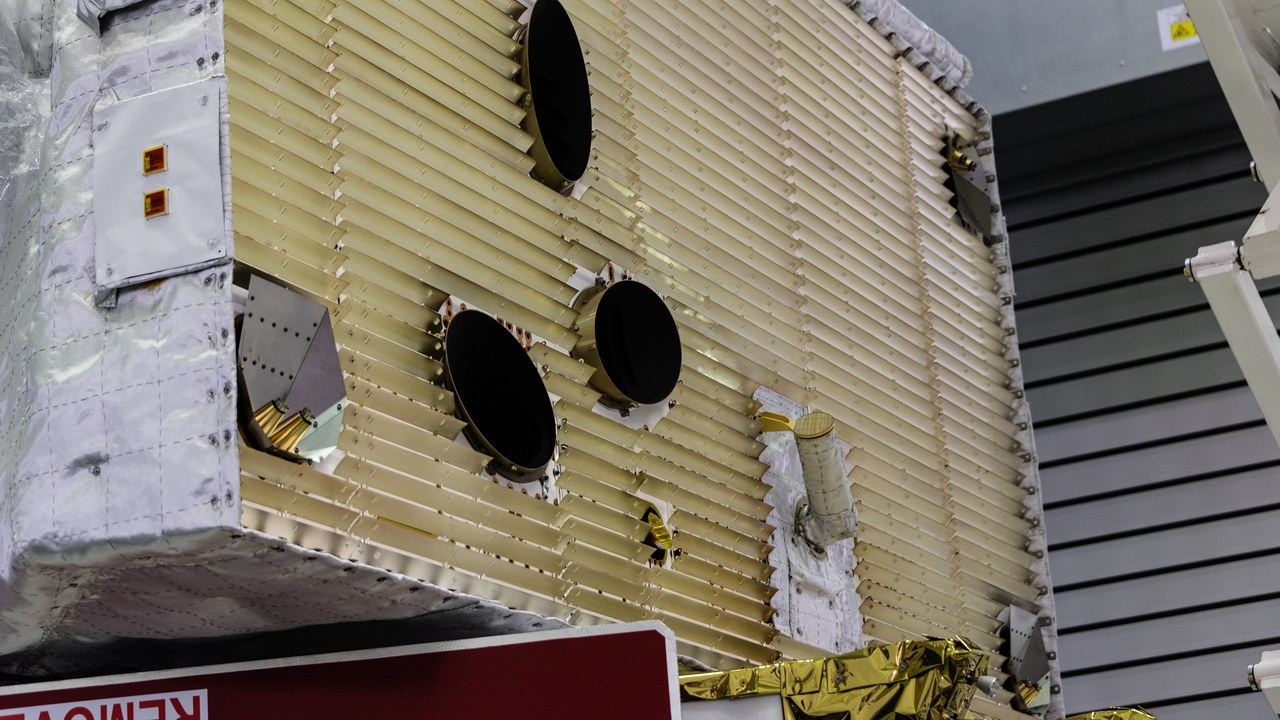
BepiColombo is a joint mission of ESA and the Japan Aerospace Exploration Agency made up of two orbiters: ESA’s Mercury Planetary Orbiter and JAXA’s Mio. Together they will study Mercury’s magnetic field, magnetosphere, interior and surface.
The mission launched on 20 October 2018 and was once planned to reach orbit in December 2025, but a power anomaly in 2024 limited its electric thrusters and pushed arrival to November 2026. In 2017 its cost was estimated at €1.65 billion. After orbit insertion, the Mio orbiter is to be released, followed by its sunshield on December 16.
Prokofiev (crater): Ice in the Shadows
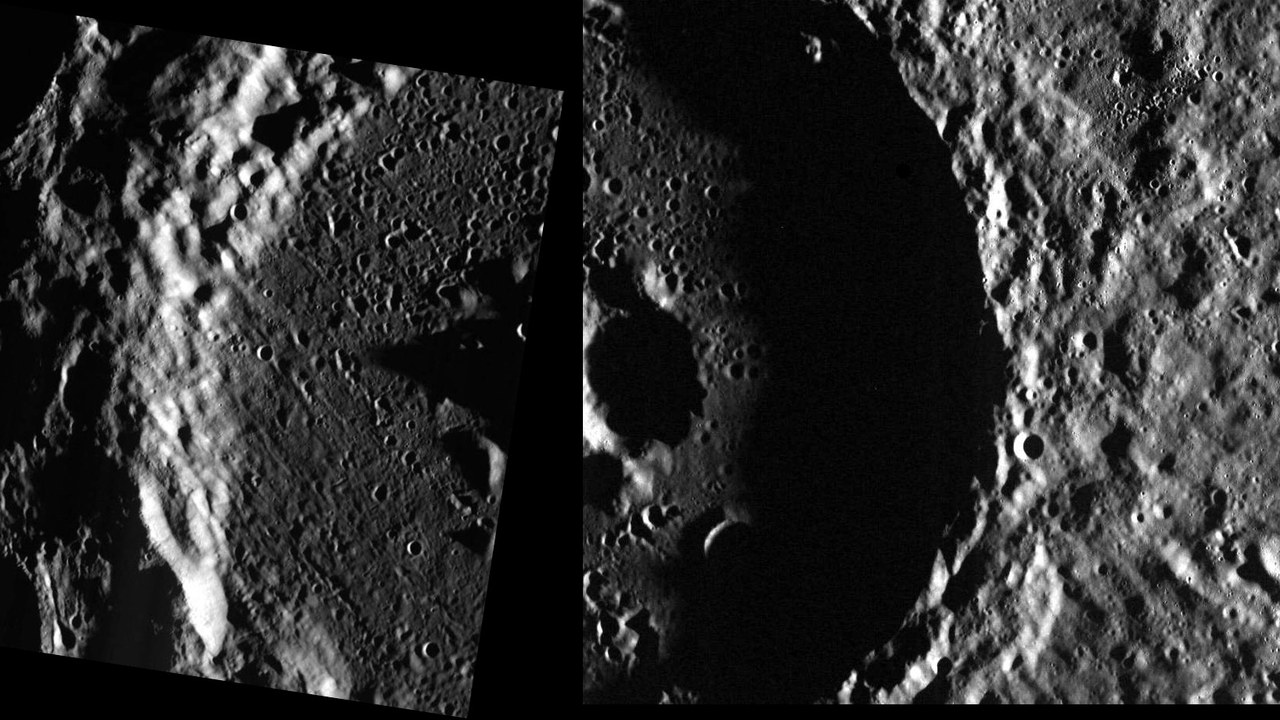
Prokofiev is a crater near Mercury’s north pole named for the composer Sergei Prokofiev. MESSENGER data indicate it contains water ice and organic compounds.
Other craters in the north polar region are also thought to hold ice, but Prokofiev is the largest, with probable surface ice along the southern part of its floor, which lies in perpetual darkness. It is one of the clearest examples of the paradox in the headline: frozen water preserved on the planet closest to the Sun.
Hollows (Mercury): Holes Left by Vanishing Rock
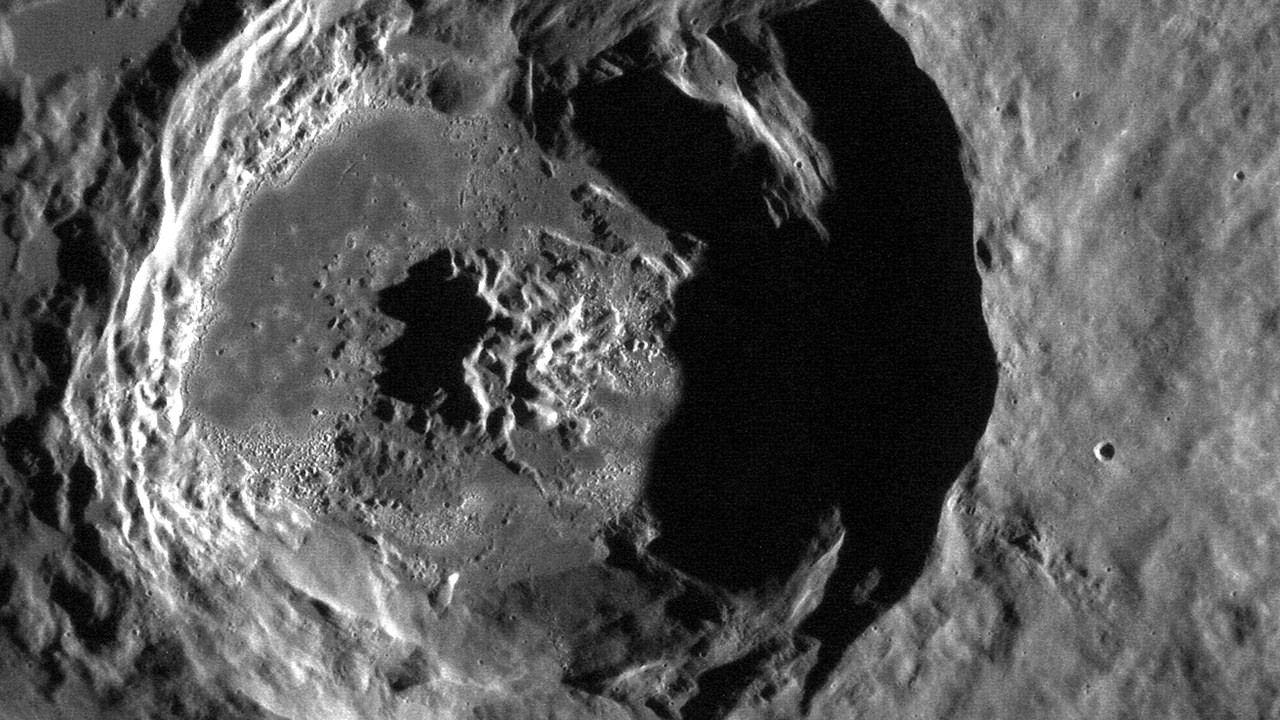
Hollows are a Mercury landform discovered during the MESSENGER mission: clusters of shallow, rimless depressions with flat floors and bright halos. They are thought to form as volatile material sublimates away under intense sunlight on the airless planet.
They are among the youngest features on Mercury, which suggests the surface may still be changing. Hollows appear in many craters, including Balanchine and several others inside the Caloris basin. BepiColombo’s higher-resolution instruments should help show what material is escaping and how quickly.
European Space Operations Centre: Mission Control in Germany

The European Space Operations Centre in Darmstadt, Germany, is ESA’s main mission control center, operating uncrewed spacecraft and handling the launch and early orbit phases of ESA missions.
It is the base for the BepiColombo flight team. When the transfer module separated on 3 September, controllers there confirmed the spacecraft’s status through ESA’s deep-space antennas at Cebreros in Spain and Malargüe in Argentina. The center also flies missions such as Mars Express, Gaia and CryoSat-2, develops mission-control tools and maintains ESA’s ESTRACK ground-station network.
Venus: The Neighbor That Helped Slow It Down

Venus is the second planet from the Sun, similar in size and mass to Earth but with a crushing carbon dioxide atmosphere and surface temperatures around 867 degrees Fahrenheit, the hottest in the solar system.
Because Venus comes closer to Earth than any other planet, it is a common gravity-assist waypoint that saves fuel. BepiColombo used two Venus flybys, along with one past Earth and six past Mercury, to shed enough speed to be captured by the innermost planet. Venus also has no moons and turns so slowly that a single Venusian day lasts about 117 Earth days.
Ariane 5: The Rocket That Started It
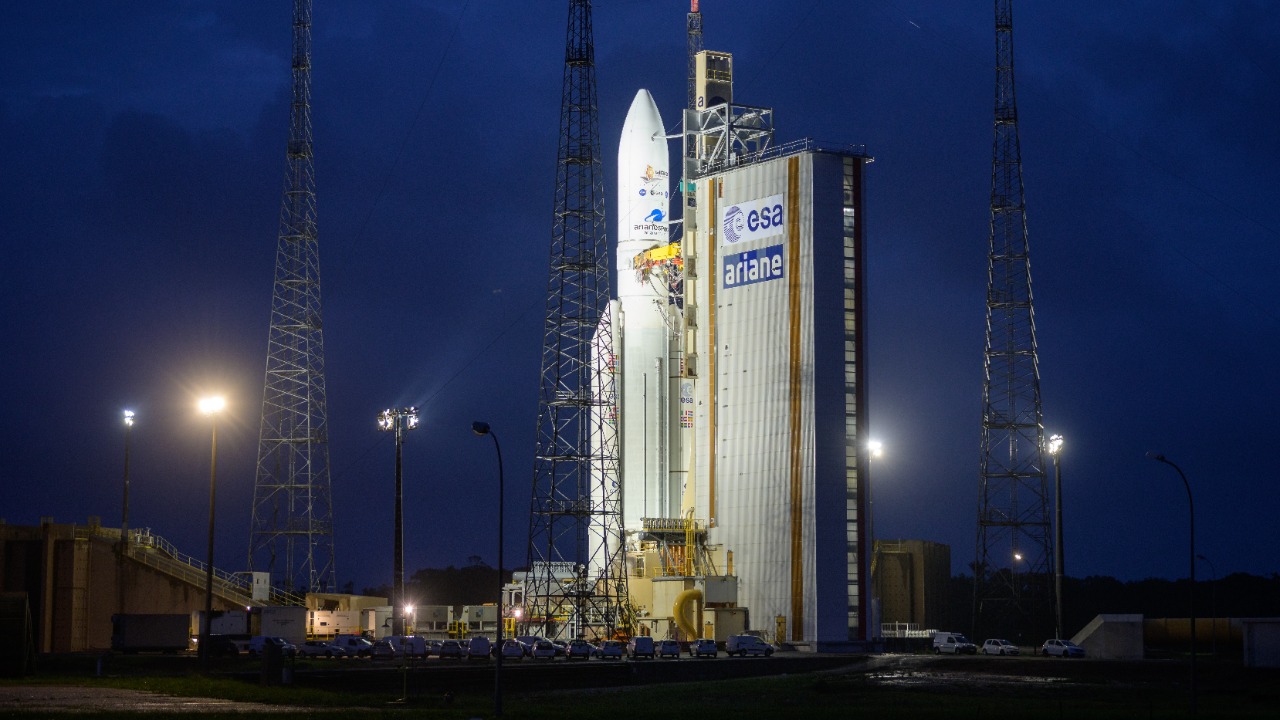
BepiColombo left Earth on an Ariane 5 on 20 October 2018. Ariane 5 was a European heavy-lift launch vehicle operated by Arianespace for ESA from the Guiana Space Centre in French Guiana.
The rocket once flew 82 consecutive successful launches between 2003 and 2017 and made its final flight on 5 July 2023, succeeded by Ariane 6. Its 2018 launch began a trip of more than eight years, stretched by six Mercury flybys, two Venus flybys and a propulsion problem in 2024.
More from Morning Overview
- Melting permafrost is setting off a newly identified kind of catastrophic landslide, scientists say
- Cadillac cut the price of its cheapest EV, which goes up to 317 miles on a charge
- Winter weather advisories cover I-80, I-70 and the Bighorns with up to 15 inches of snow
- Arizona’s governor declared a statewide emergency after Flagstaff logged its wettest Nov. 1 on record
