
Long before whales took the title of largest animals, giant dinosaurs shook the ground across every continent. Some stretched longer than a basketball court, and others weighed as much as a dozen elephants. Here are twelve colossal dinosaurs that ruled as Earth’s giants, from record-setting titanosaurs to the most famous predator of all.
Read next on Morning Overview: Cadillac cut the price of its cheapest EV, which goes up to 317 miles on a charge
1. Argentinosaurus: The Heaviest on Record
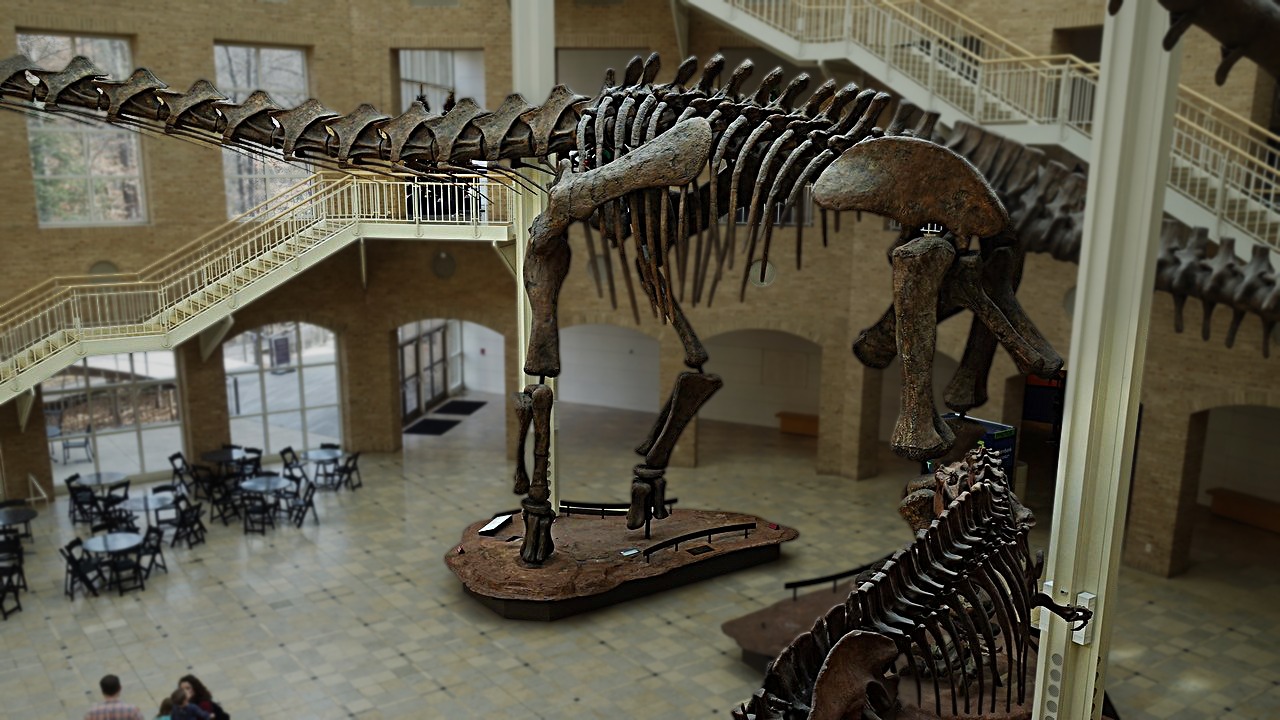
Argentinosaurus is likely the heaviest dinosaur on record, yet it is known from just 13 bones, according to Live Science. Weight estimates range from 77 tons, the figure given by London’s Natural History Museum, to 110 tons in other studies.
Those 13 bones include six midback vertebrae, five fragmentary hip vertebrae, a shinbone and a rib fragment. With so little to go on, scientists disagree widely about its true size. The titanosaur lived about 100 million to 93 million years ago in what is now Argentina, and museum casts like the one in Atlanta’s Fernbank Museum help visitors picture its scale.
2. Patagotitan: Potentially the Longest Dinosaur
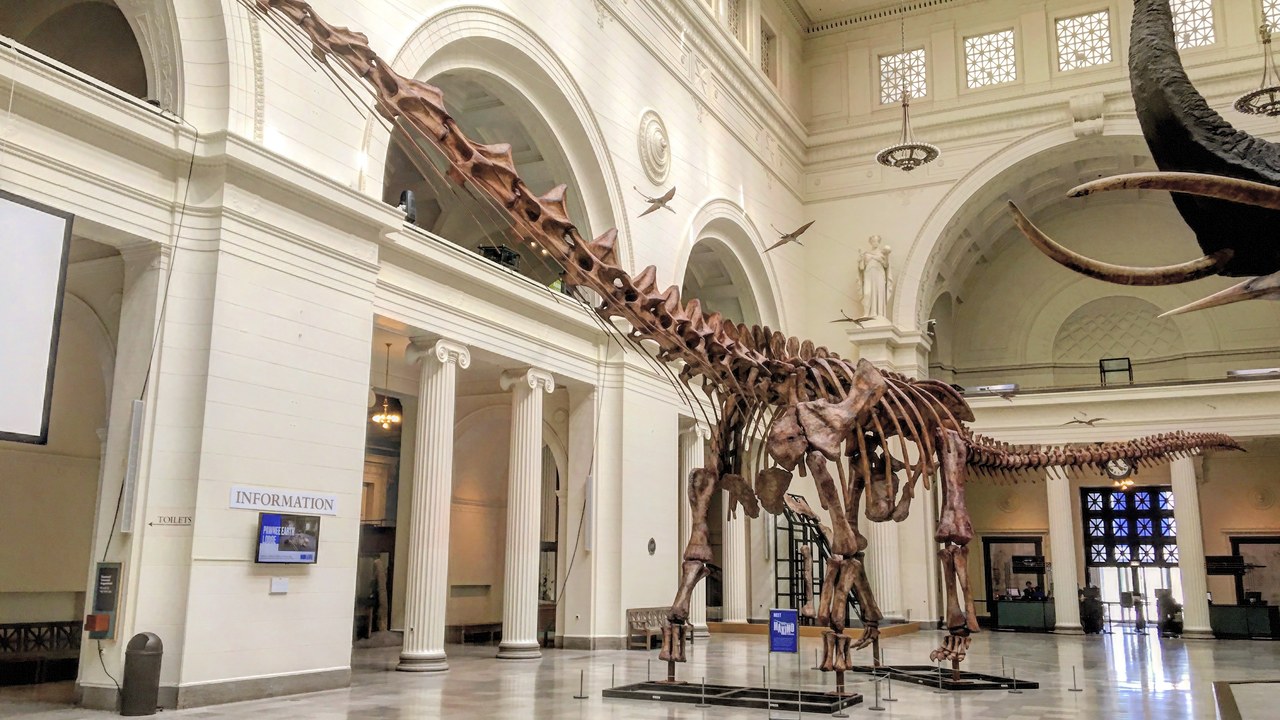
London’s Natural History Museum puts Patagotitan at 57 tonnes and 37.5 meters long, making it potentially the longest dinosaur ever to have lived, according to the museum’s guide to the biggest dinosaurs. It would have been more than nine times heavier than an African elephant.
The giant is thought to have stood around eight meters tall, and one of its leg bones alone was more than two meters long, taller than most people. Patagotitan lived around 101 million years ago during the Early Cretaceous in what is now Argentina. A cast of the skeleton now fills a hall at Chicago’s Field Museum.
3. Dreadnoughtus: The Most Complete Titanosaur
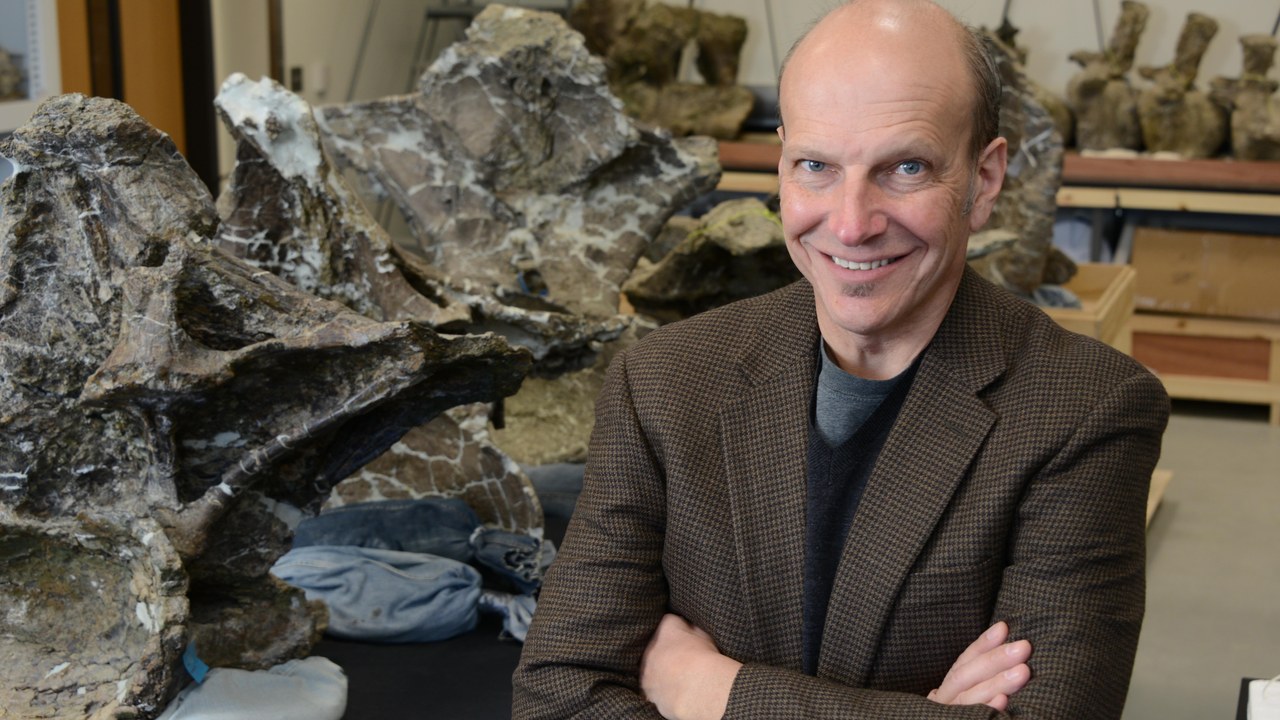
Dreadnoughtus is the most complete titanosaur skeleton paleontologists have ever found. It measured an estimated 26 meters long and weighed around 48 metric tons, according to ZME Science.
Its name means fears nothing. Discovered in Argentina, it has provided rare insight into titanosaurs, which are usually known only from fragments. Because scientists have both the femur and the humerus from the same individual, it is the largest dinosaur whose mass they can calculate with real confidence, according to other researchers. The paleontologist Kenneth Lacovara led its description.
4. Barosaurus: A Giant Among Giants
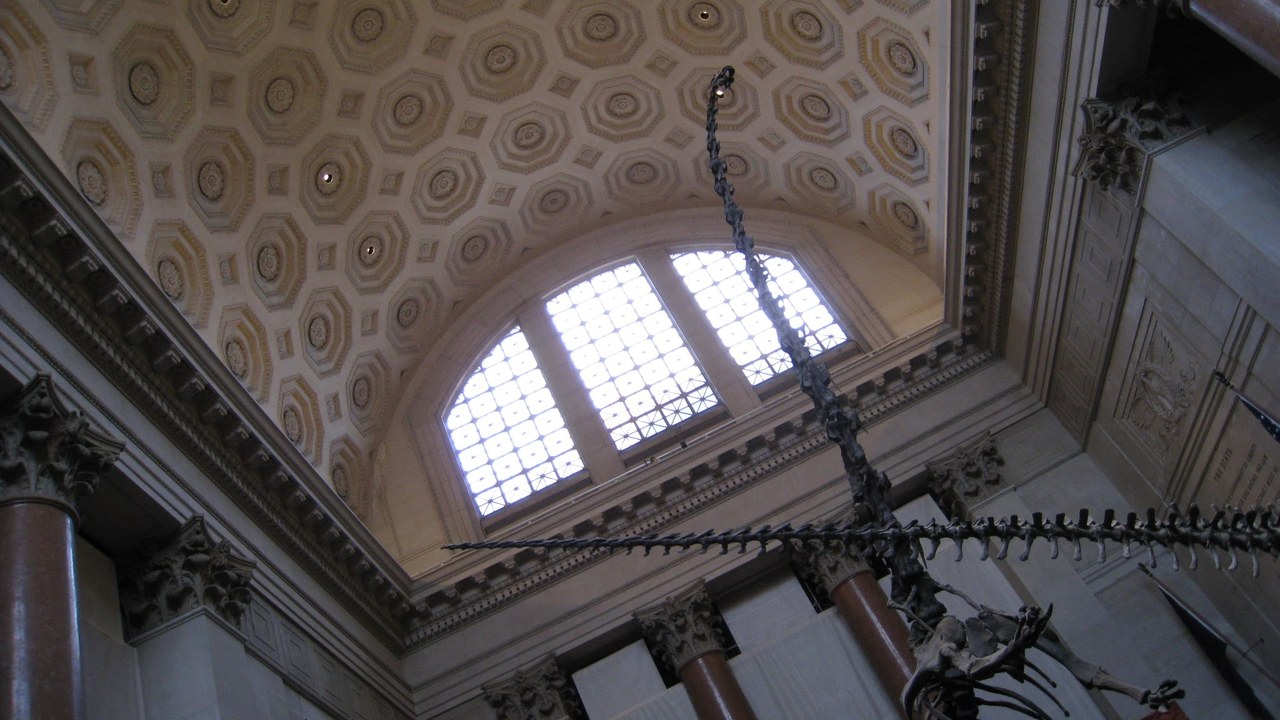
Barosaurus was a long-necked sauropod of the American West, and some specimens point to exceptionally large individuals. The Canadian Fossil Discovery Centre’s guide to the biggest dinosaurs compares an estimate of a giant Barosaurus with Argentinosaurus, while noting a regular Barosaurus was far smaller.
The centre stresses that size rankings are uncertain, because many sauropods are known from only a handful of specimens and many mounted skeletons are not fully grown. Even so, Barosaurus has become one of the most recognizable dinosaurs, thanks in part to the dramatic rearing skeleton that greets visitors at New York’s American Museum of Natural History.
5. Mamenchisaurus: A Neck Built for Reaching
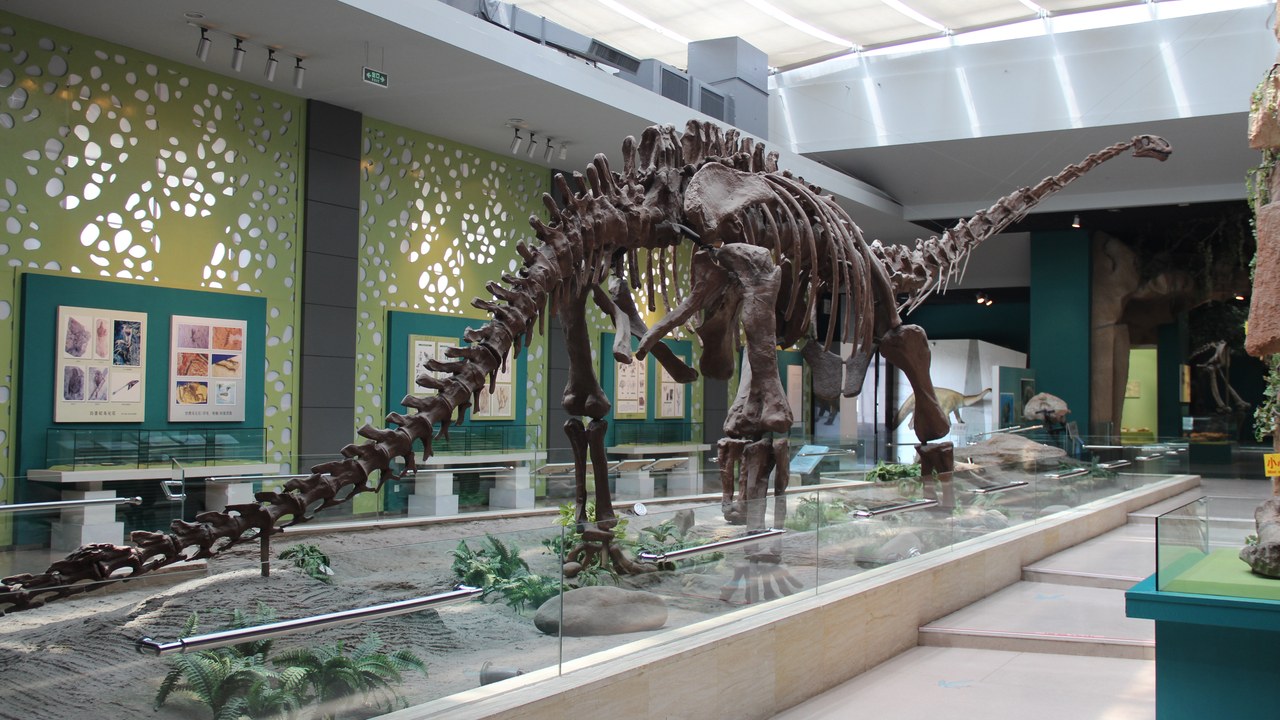
One species of Mamenchisaurus, Mamenchisaurus sinocanadorum, may have reached 115 feet long and weighed up to 75 tons, according to the Canadian Fossil Discovery Centre. That is close to the top estimates for Argentinosaurus.
The late Jurassic Mamenchisaurus of China is best known for its immensely long neck, one of the longest of any animal ever. It shows that titanosaurs were not the only lineage to produce true giants. The dinosaur’s skeletons are displayed in museums across China, where many of its fossils have been found.
6. Diplodocus: A Famous Museum Favorite
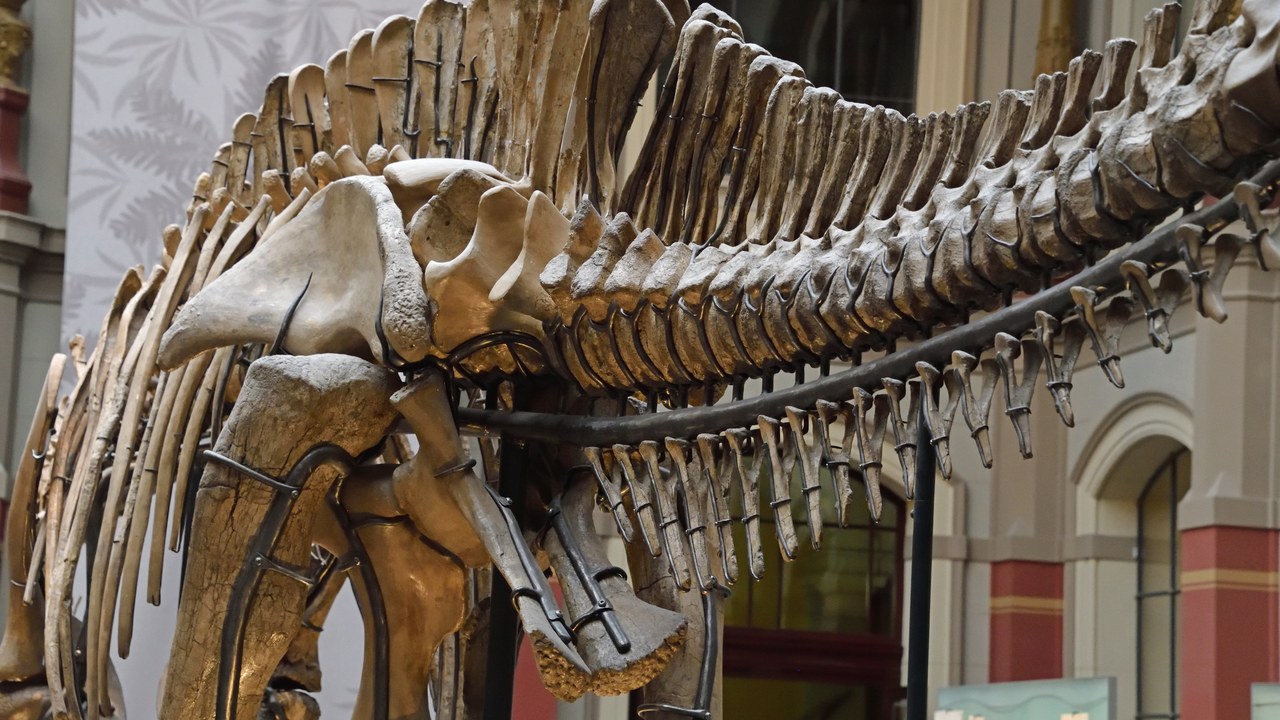
Diplodocus is one of the most famous sauropods of all, a long-necked, long-tailed plant eater that the Natural History Museum counts among the best-known faces of the giant dinosaurs, alongside Brontosaurus. Its fame owes much to Dippy, the museum’s celebrated cast.
The museum notes Diplodocus weighed about 15 tonnes, far lighter than the heaviest titanosaurs, but its sheer length made it a giant. Casts of the skeleton stand in museums around the world, including the Museum fur Naturkunde in Berlin. Its whip-like tail and slender neck make it one of the most recognizable dinosaurs.
7. Brachiosaurus: Once the Biggest of All
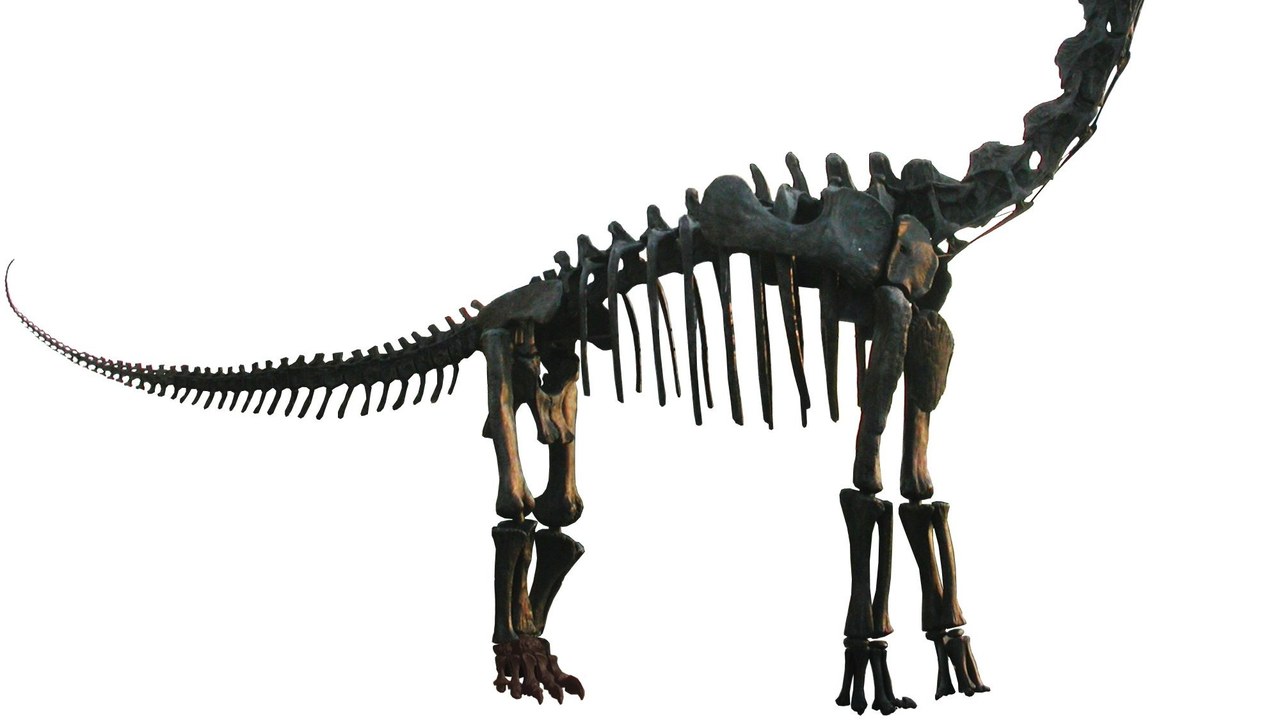
Brachiosaurus reached about 26 meters long and 35 tons and was once considered the largest dinosaur, according to ZME Science’s list. Its fame was cemented by its starring role in the 1993 film Jurassic Park.
Unlike many sauropods, Brachiosaurus had front legs longer than its back legs, giving it a sloping, giraffe-like posture. That build let it browse high in the trees. It lived in North America during the Late Jurassic, and its mounted skeleton remains one of the most iconic sights in natural history museums.
8. Giraffatitan: The Giraffe Titan
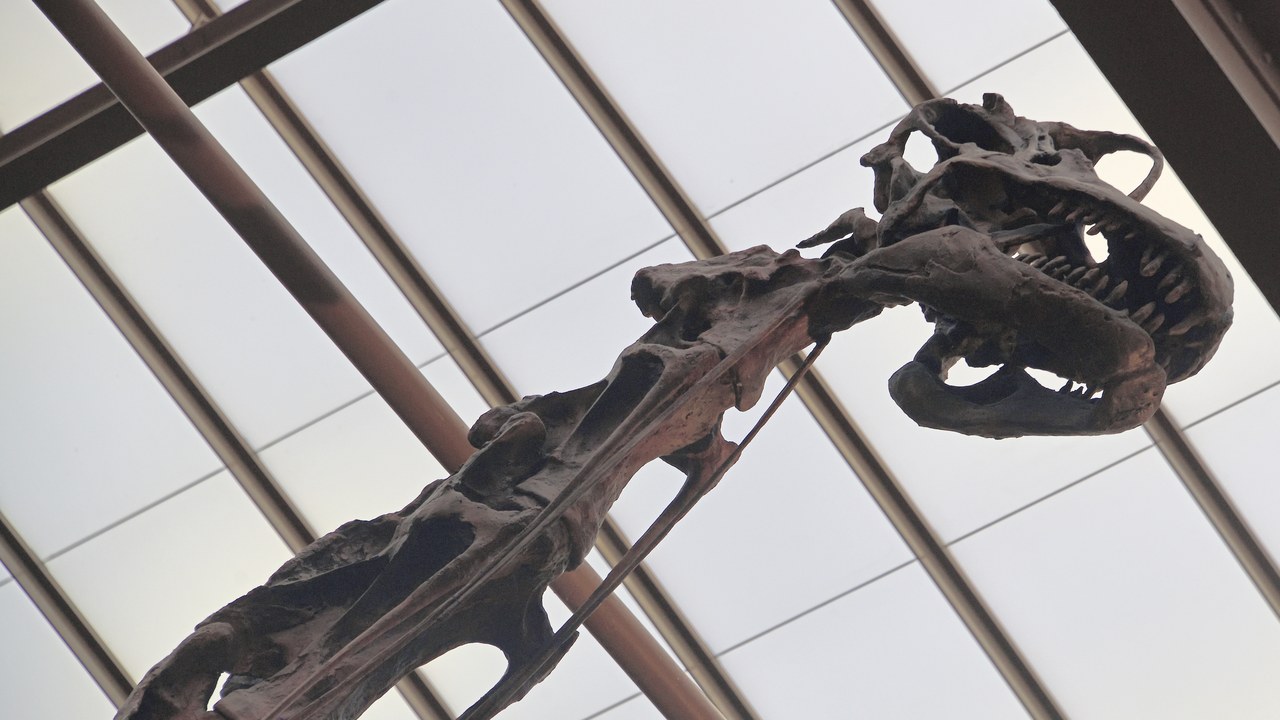
Giraffatitan was once classed as a species of Brachiosaurus. According to ZME Science, it carried a neck of up to 19 vertebrae measuring about 11 meters, letting it reach vegetation far above the ground.
The dinosaur was found in Tanzania, and its towering mounted skeleton in Berlin’s Museum fur Naturkunde is one of the tallest dinosaur mounts in the world. Its vertebrae have long been used as a yardstick for estimating the size of other sauropods. Today it is recognized as its own genus, separate from its North American cousin.
9. Spinosaurus: The Sail-Backed Hunter
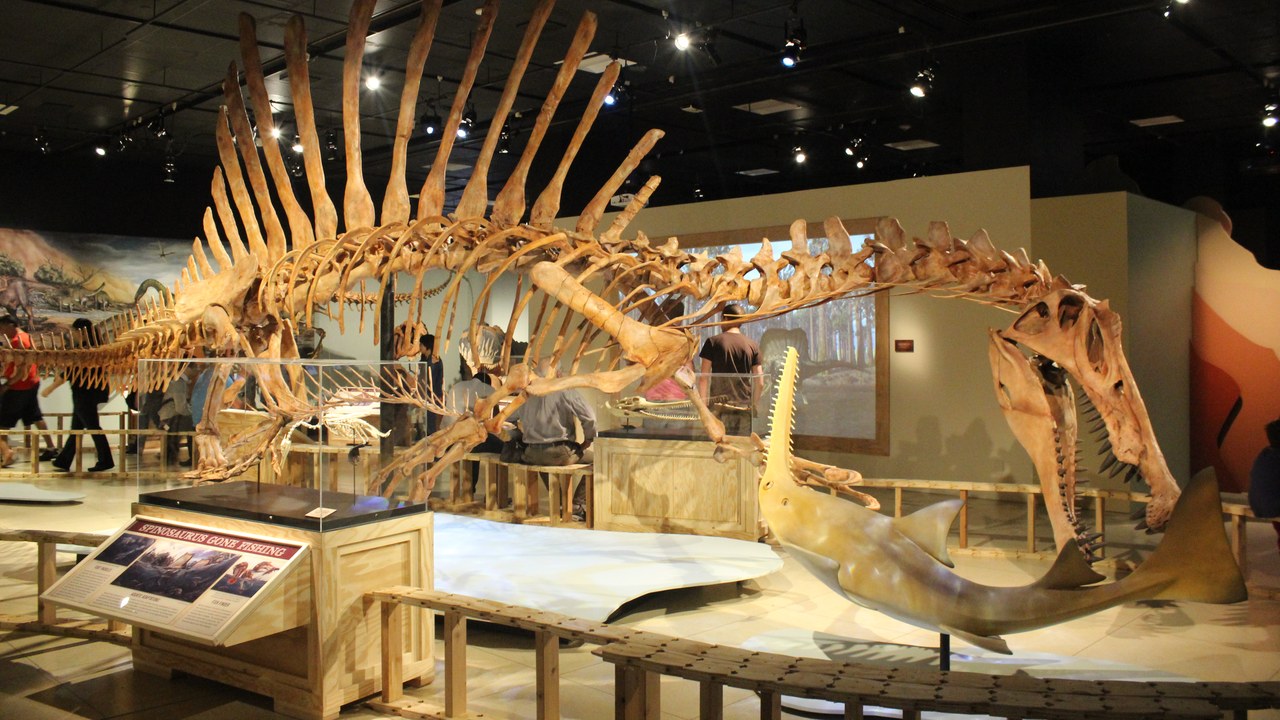
Spinosaurus was a 14-meter, 7.4-tonne predator with a large sail on its back, according to the Natural History Museum. Some research suggests it hunted fish underwater as a semi-aquatic animal, an idea other scientists contest.
That makes Spinosaurus one of the largest predatory dinosaurs ever found, longer than Tyrannosaurus rex. The debate over how much time it spent in water has made it one of the most discussed dinosaurs of recent years. Full-size skeleton casts, like the one shown by National Geographic, help show just how strange its body plan was.
10. Tyrannosaurus: The King of the Predators
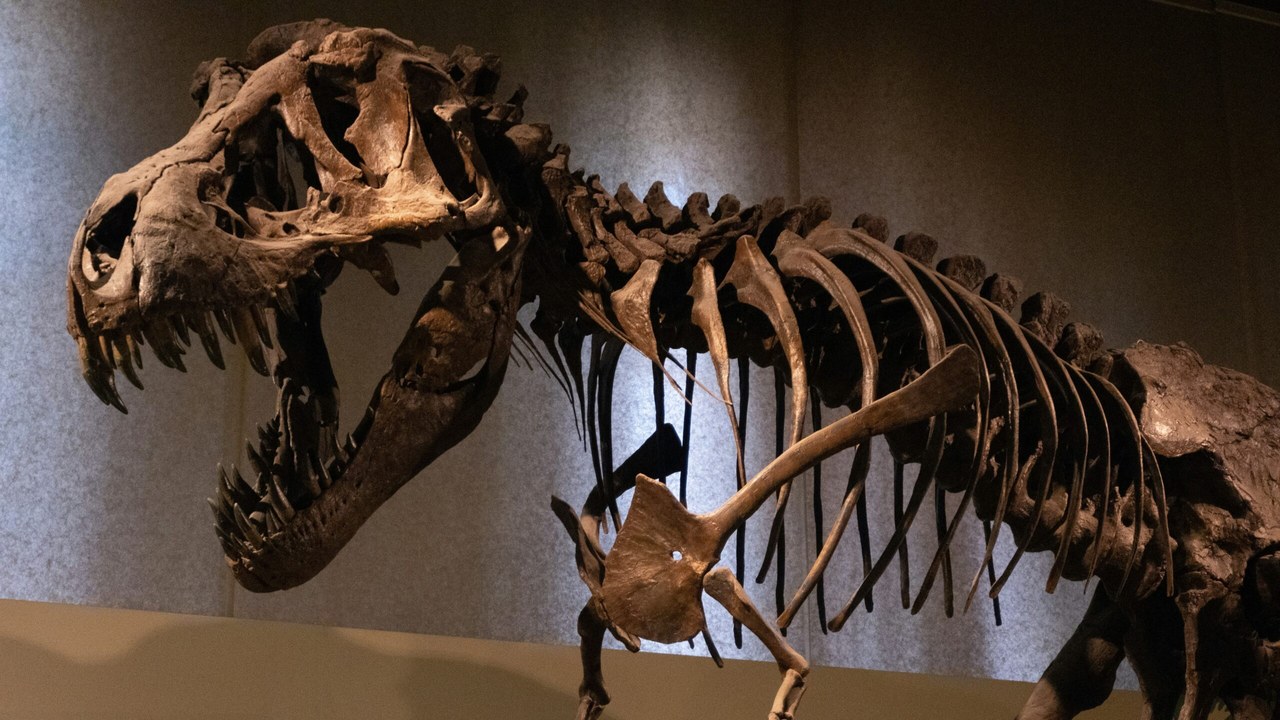
Sue is one of the largest and best-preserved Tyrannosaurus rex skeletons ever found, according to the Natural History Museum. The species reached up to 13 meters long and about 7 tonnes.
Tyrannosaurus rex lived at the very end of the Cretaceous period in North America and remains the most famous dinosaur in the world. Its massive skull and bone-crushing bite made it a top predator. Sue’s skeleton, displayed at Chicago’s Field Museum, has given scientists a detailed look at how the giant lived and aged.
11. Shantungosaurus: Not Every Titan Had a Long Neck
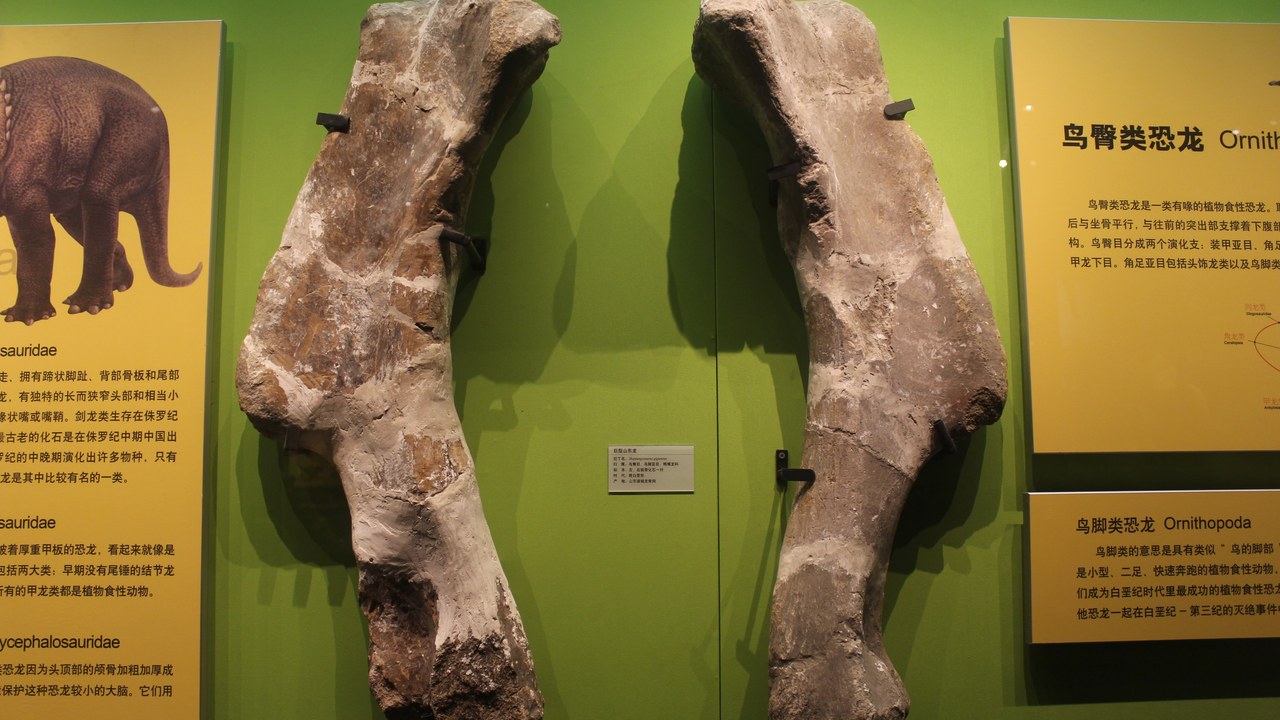
Shantungosaurus was a giant 50-foot hadrosaur, a duck-billed dinosaur, showing that not every titan was a long-necked sauropod, according to the Canadian Fossil Discovery Centre.
Hadrosaurs were plant eaters that walked on two or four legs, and Shantungosaurus is the largest known member of the group. Its fossils come from China’s Shandong province, which gave the animal its name. Mounted skeletons in Chinese museums show a broad-snouted giant that dwarfs the people standing beside it.
12. Apatosaurus: A Modest Species With a Giant Specimen
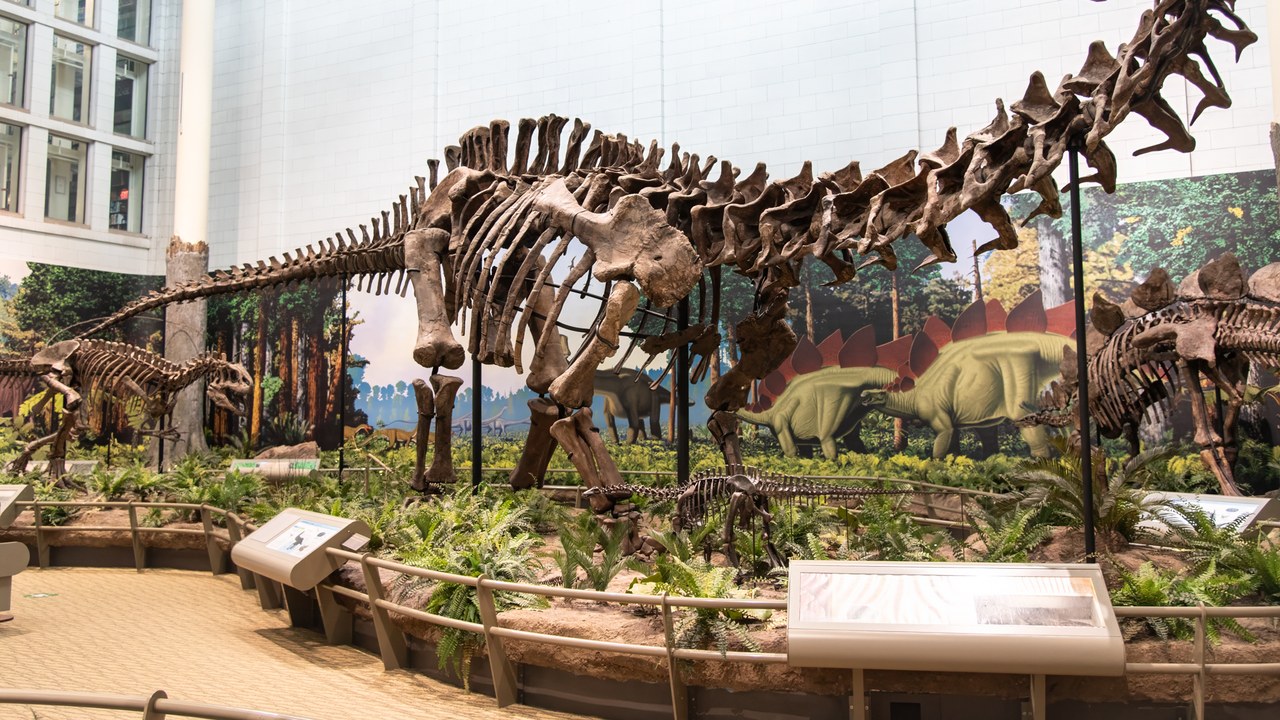
One specimen of the normally modest Apatosaurus may have weighed up to 72 tons, more than triple most estimates for the species, according to the Canadian Fossil Discovery Centre.
The centre describes Apatosaurus as normally stout yet modest in size, which makes that giant individual remarkable. The specimen suggests some sauropods kept growing to enormous sizes. Apatosaurus skeletons, including the famous mount at Pittsburgh’s Carnegie Museum, are among the most complete sauropods ever found in North America.
More from Morning Overview
- 11 engines built to run well past 200,000 miles
- Two Kentucky residents died when a small plane crashed at Missouri’s Lake of the Ozarks, and the NTSB is investigating
- A handful of car transmissions are so tough that mechanics say they almost never die
- Melting permafrost is setting off a newly identified kind of catastrophic landslide, scientists say
