
Some landscapes look so strange that visitors assume they were carved by hand or dropped from another planet. Volcanic cooling, mineral-rich springs, frost and wind are behind most of these formations, though a few took millions of years to grow. Here are ten strange rock wonders that look almost unreal.
Read next on Morning Overview: Arizona’s governor declared a statewide emergency after Flagstaff logged its wettest Nov. 1 on record
1. Giant’s Causeway: Forty Thousand Stepping Stones
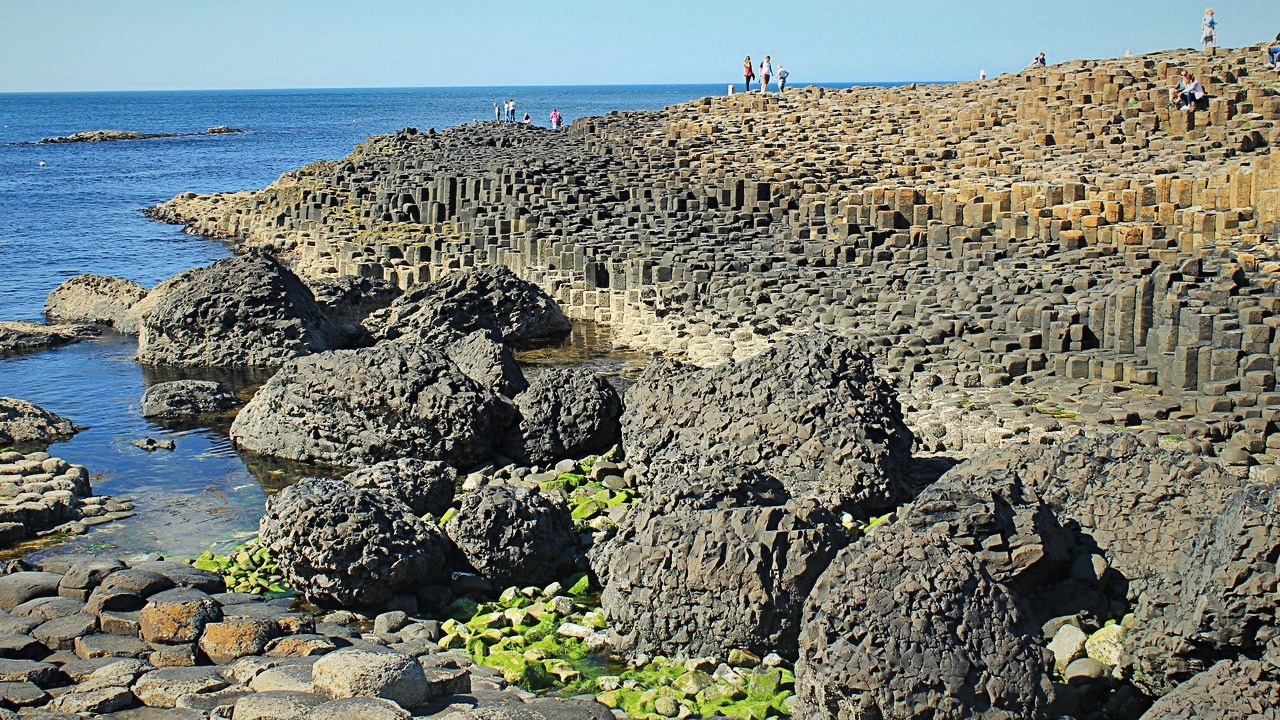
Northern Ireland’s Giant’s Causeway is made of some 40,000 basalt columns, 50 to 60 million years old, that step down into the sea, according to UNESCO’s listing. Legend says giants used them as a path to Scotland.
The columns formed when a thick flow of lava cooled slowly and cracked into mostly six-sided shapes, the same way drying mud splits into polygons. The site draws hundreds of thousands of visitors each year. It is a UNESCO World Heritage site and is managed by the National Trust.
2. Racetrack Playa: Rocks That Move on Their Own
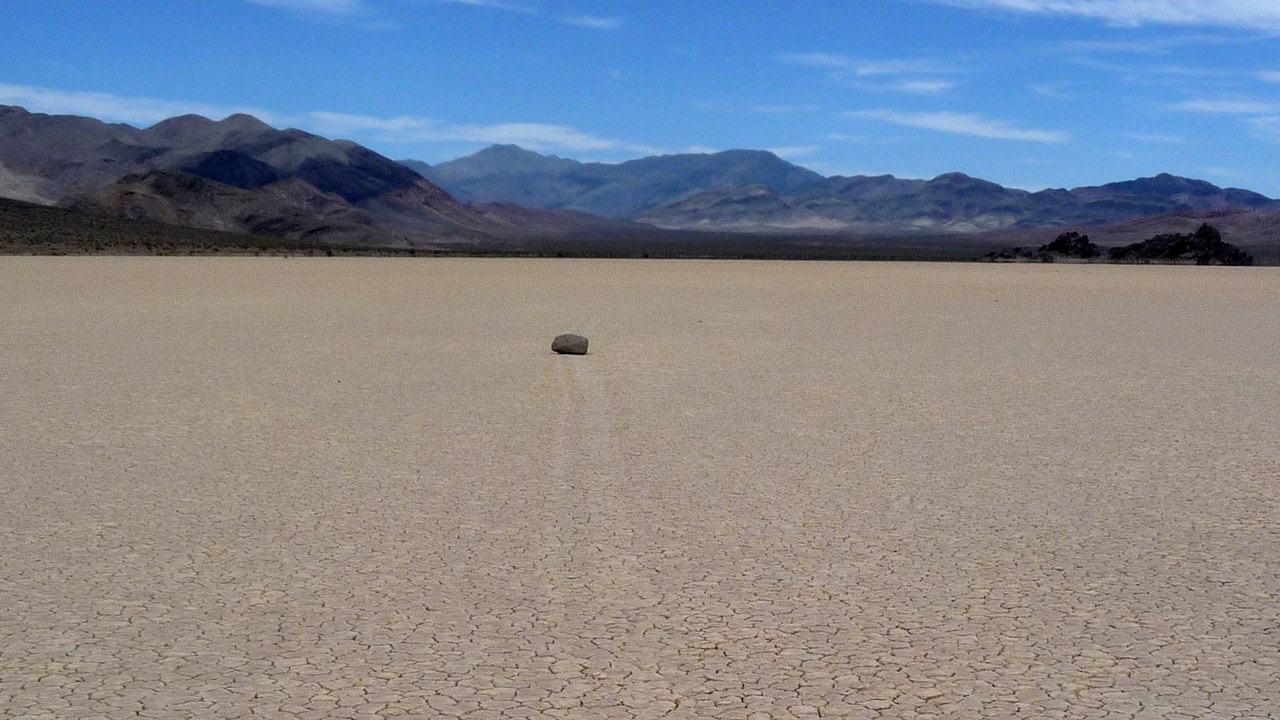
At Death Valley’s Racetrack Playa, rocks weighing up to 700 pounds leave trails hundreds of meters long across a dry lake bed. According to the National Park Service, they are pushed by a rare combination of water, ice and wind.
For decades no one had seen the rocks move. In 2013 and 2014 researchers finally filmed it: thin sheets of ice break up on a shallow layer of water, and light winds shove the floating ice against the rocks. The playa is remote.
3. Devils Tower: A Tower of Giant Columns
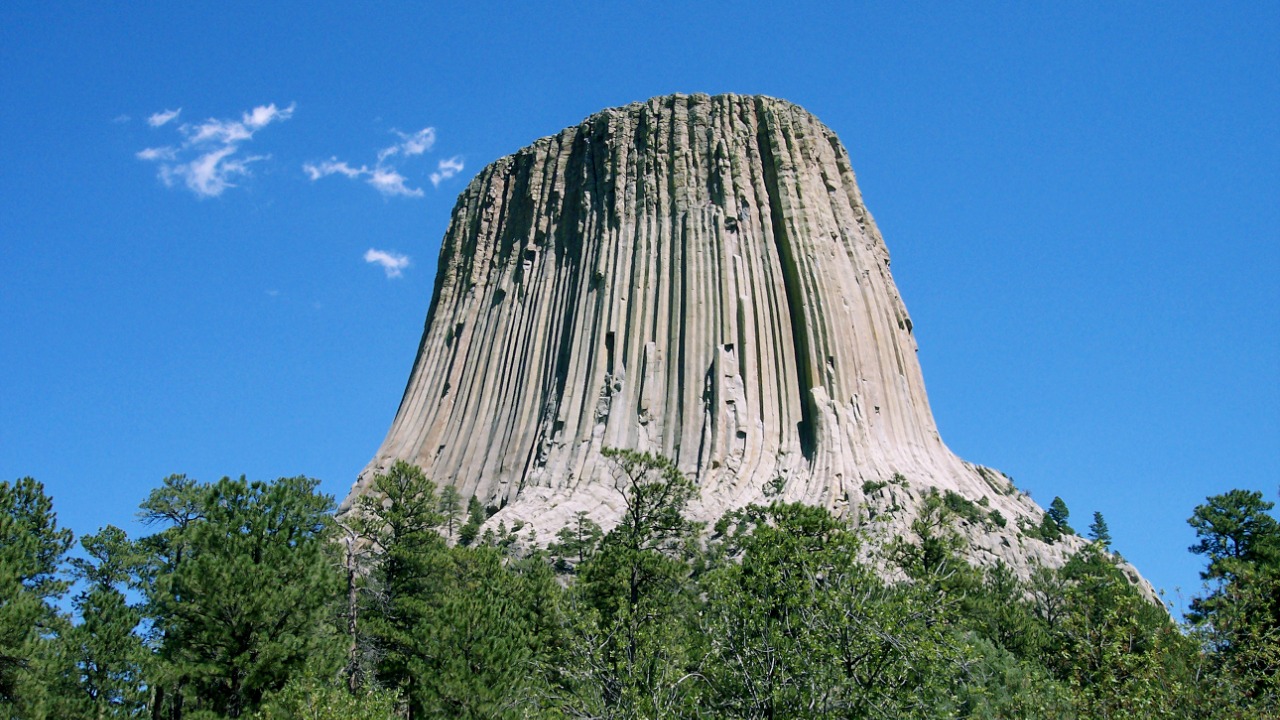
Devils Tower in Wyoming formed when molten rock pushed upward and cooled underground, and according to the National Park Service, its cracked hexagonal columns still show in boulders that fell thousands of years ago.
Erosion later stripped away the softer rock around it, leaving the tower standing 867 feet above the river below. It became the first national monument in the United States in 1906 and is sacred to many Plains tribes. Climbers scale it every summer. Many stay nearby.
4. Bryce Canyon hoodoos: A Forest of Stone Spires
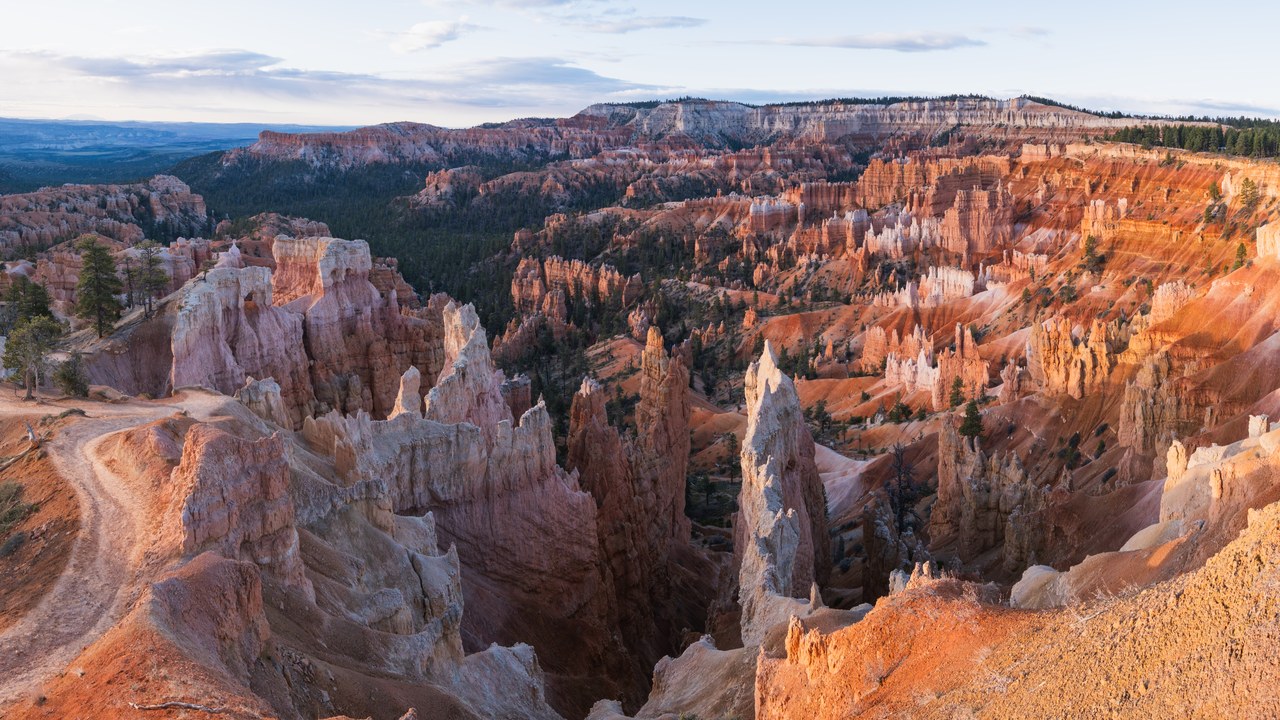
Freeze-thaw cycles on more than 170 nights a year wedge Bryce Canyon’s rock apart into spires called hoodoos, according to the National Park Service.
Water seeps into cracks during the day, freezes at night and expands, slowly prying the rock apart. Bryce Canyon has the largest concentration of hoodoos on Earth, glowing orange and red at sunrise. The park sits high on the Paunsaugunt Plateau in southern Utah, and its rim trails offer views down into amphitheaters filled with thousands of spires.
5. Pamukkale: Terraces of White Travertine
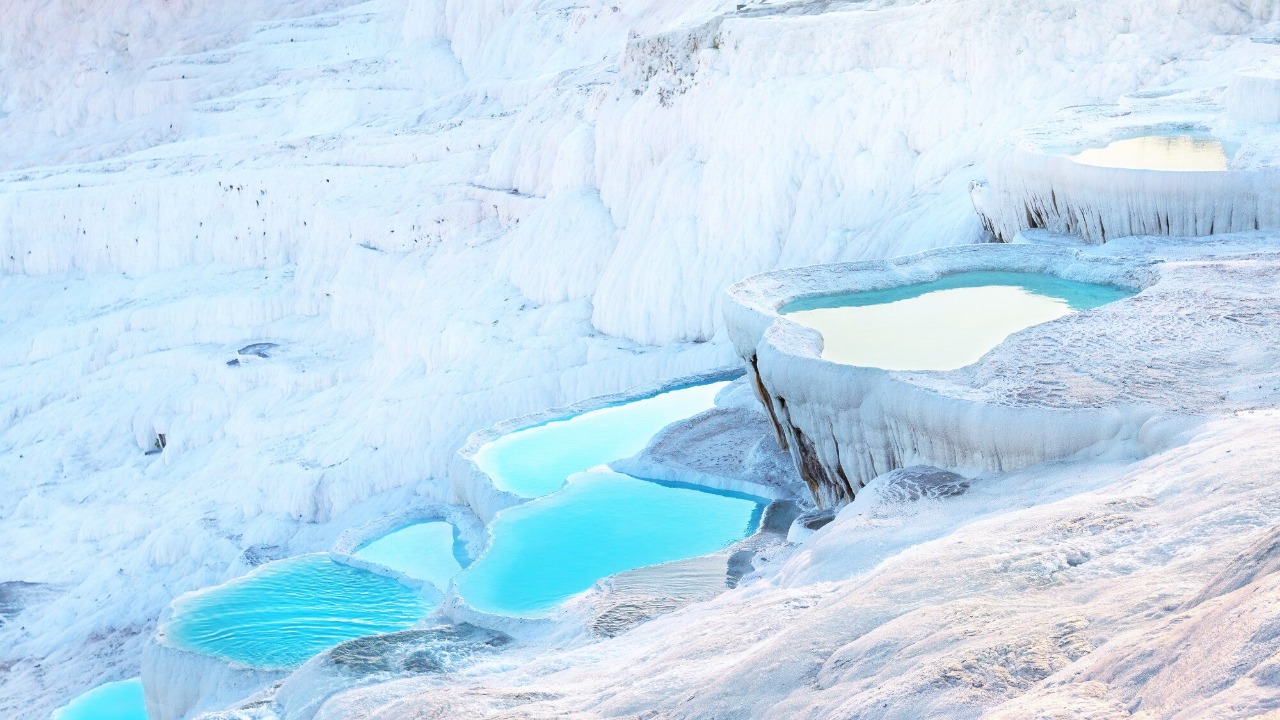
At Pamukkale in Turkey, calcite-laden spring water pouring down a 200-meter cliff built petrified waterfalls and terraces up to six meters high, according to UNESCO.
The name means cotton castle in Turkish. Visitors must walk barefoot on parts of the terraces to protect the delicate white mineral crust, and the ancient city of Hierapolis sits right above them. The site has drawn visitors to its warm pools since Roman times, and it is protected as a UNESCO World Heritage site.
6. Uluru: A Red Monolith in the Outback
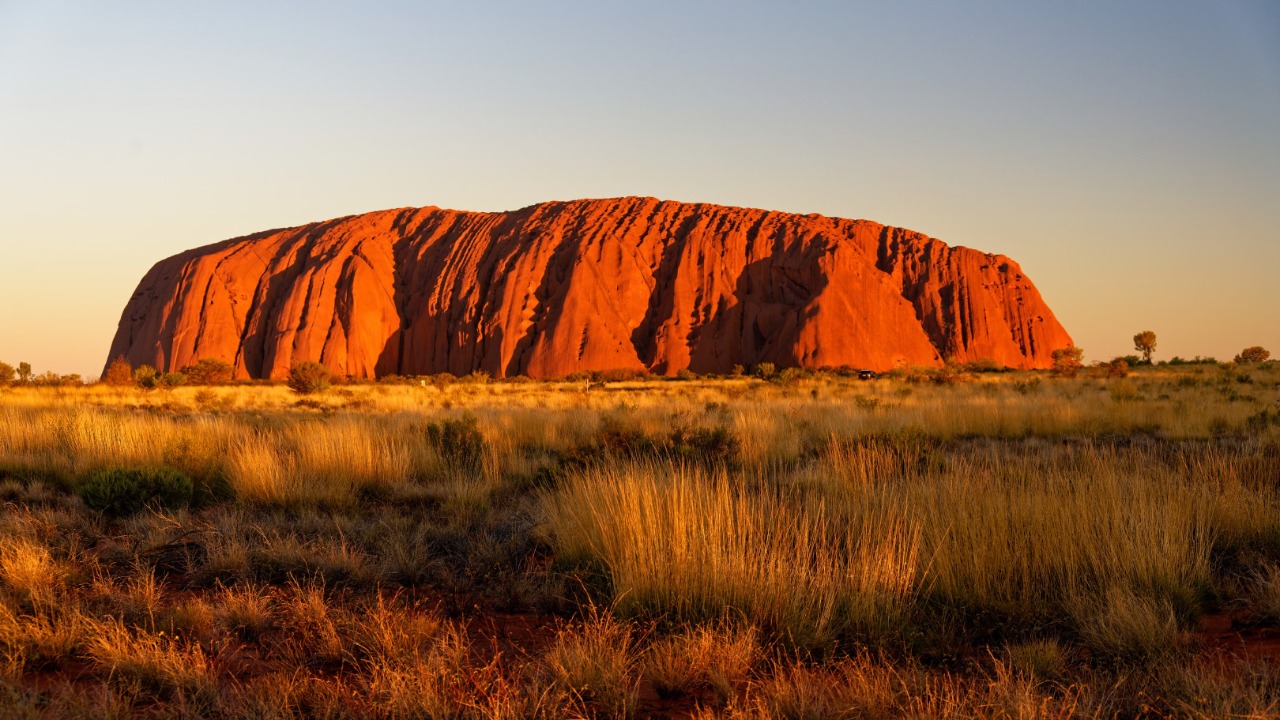
Uluru in central Australia is a sandstone monolith that rises more than 300 meters above the surrounding plains, with a base circumference of about 9.4 kilometers, according to UNESCO’s listing.
Uluru is sacred to the Anangu people, and climbing it was banned in 2019 out of respect for their wishes. Its color appears to shift from orange to deep red as the sun rises and sets. It lies within Uluru-Kata Tjuta National Park, which is jointly managed with its traditional owners.
7. Zhangjiajie pillars: Thousands of Sandstone Pillars
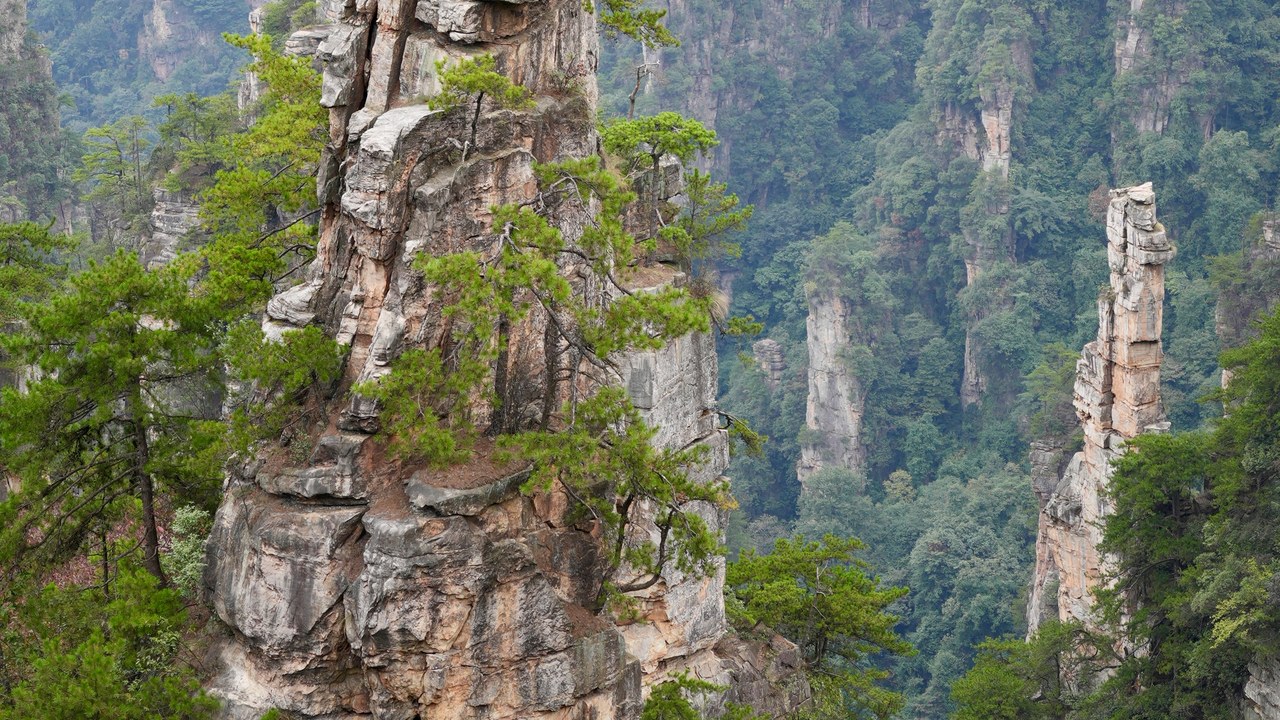
China’s Wulingyuan area has more than 3,000 narrow sandstone pillars, many over 200 meters high, and a natural bridge 357 meters above the valley floor, according to UNESCO.
The misty pillars around Zhangjiajie are often said to have inspired the floating mountains in the film Avatar. Glass walkways and cliffside elevators now let visitors see them from dizzying heights. The area became China’s first national forest park in 1982 and is listed by UNESCO as a World Heritage site. It is very popular.
8. Moeraki Boulders: Perfect Spheres on the Beach
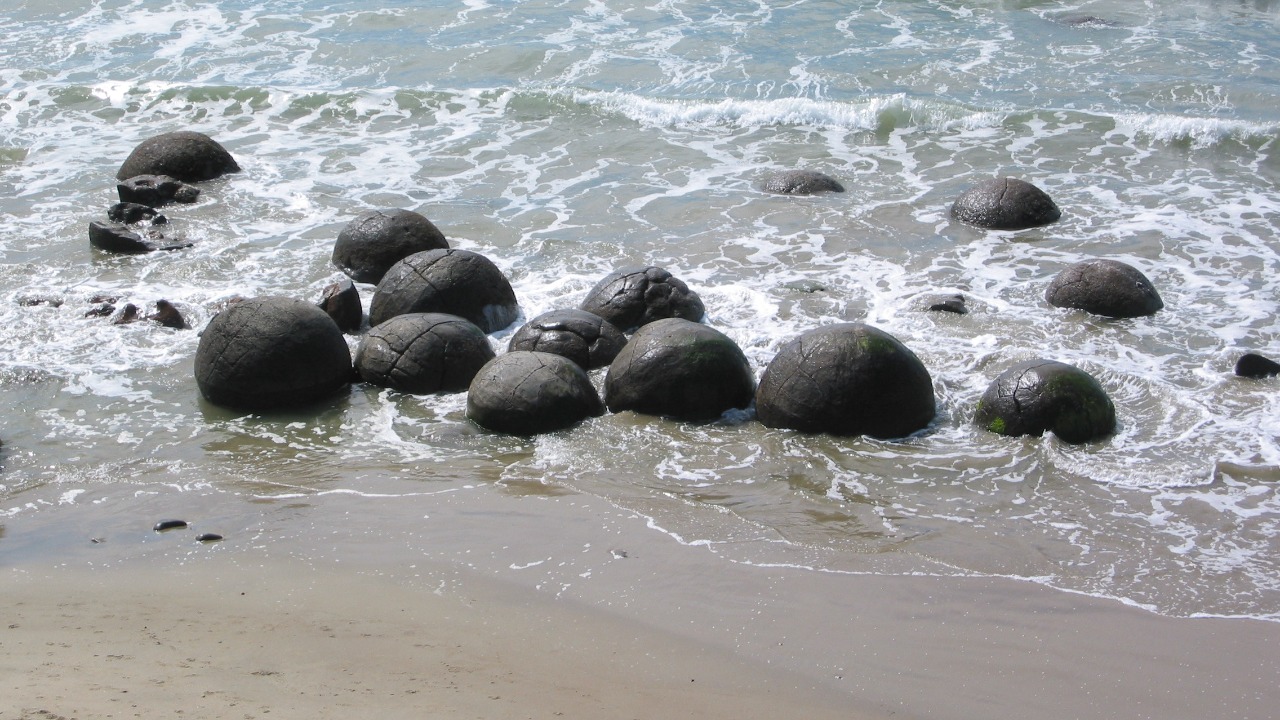
New Zealand’s Moeraki Boulders are near-perfect spheres up to 2.2 meters across. According to the Moeraki Boulders entry, they are concretions that took an estimated 4 to 5.5 million years to grow.
They formed on the ancient sea floor as minerals slowly cemented sediment around a core. Coastal erosion has since freed them from the cliffs, and they now sit scattered along the beach like giant marbles. Visitors can walk among them at low tide, and the site is a popular stop on the South Island’s coast.
9. Fingal’s Cave: A Sea Cave of Basalt Columns
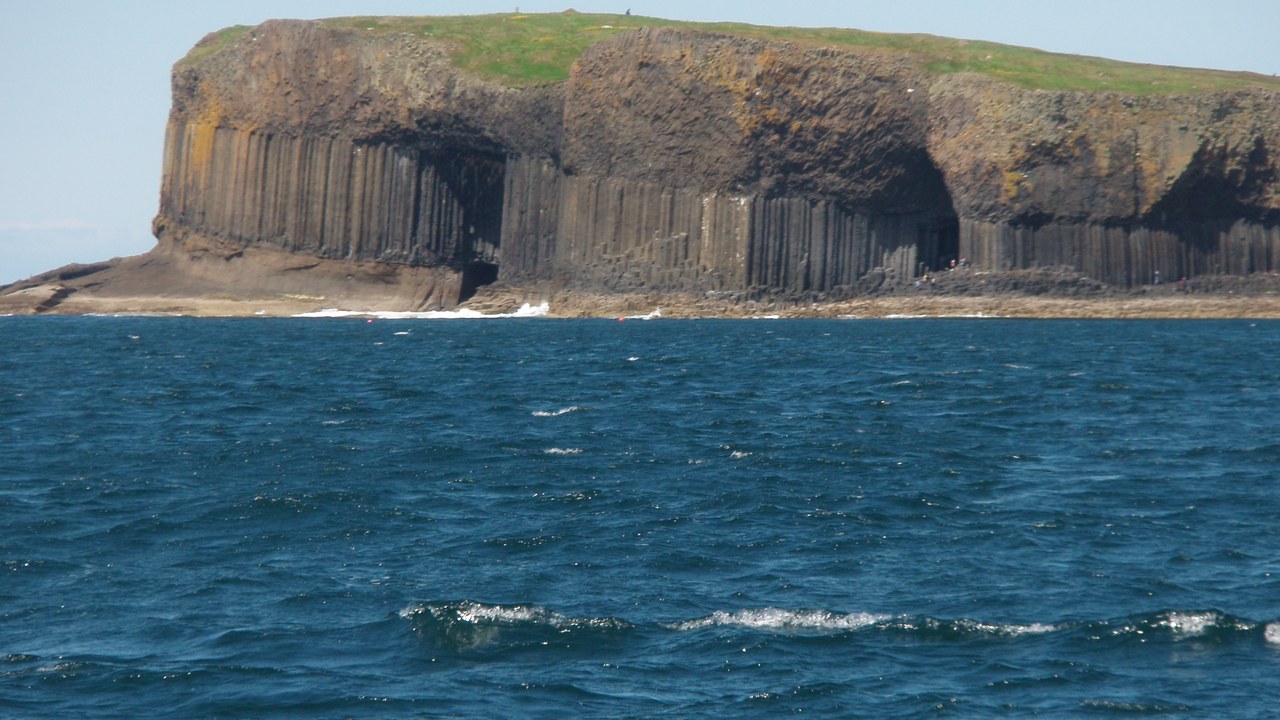
Fingal’s Cave on the Scottish island of Staffa is built entirely of hexagonal basalt columns like the Giant’s Causeway, and its echoes inspired Mendelssohn in 1829.
The composer’s overture known as The Hebrides captured the sound of waves crashing into the cave. Boats carry visitors from the island of Mull, and on calm days they can walk inside along the broken columns. Staffa is uninhabited and is home to a colony of puffins in summer. It is a protected nature reserve.
10. Richat Structure: The Eye of Africa
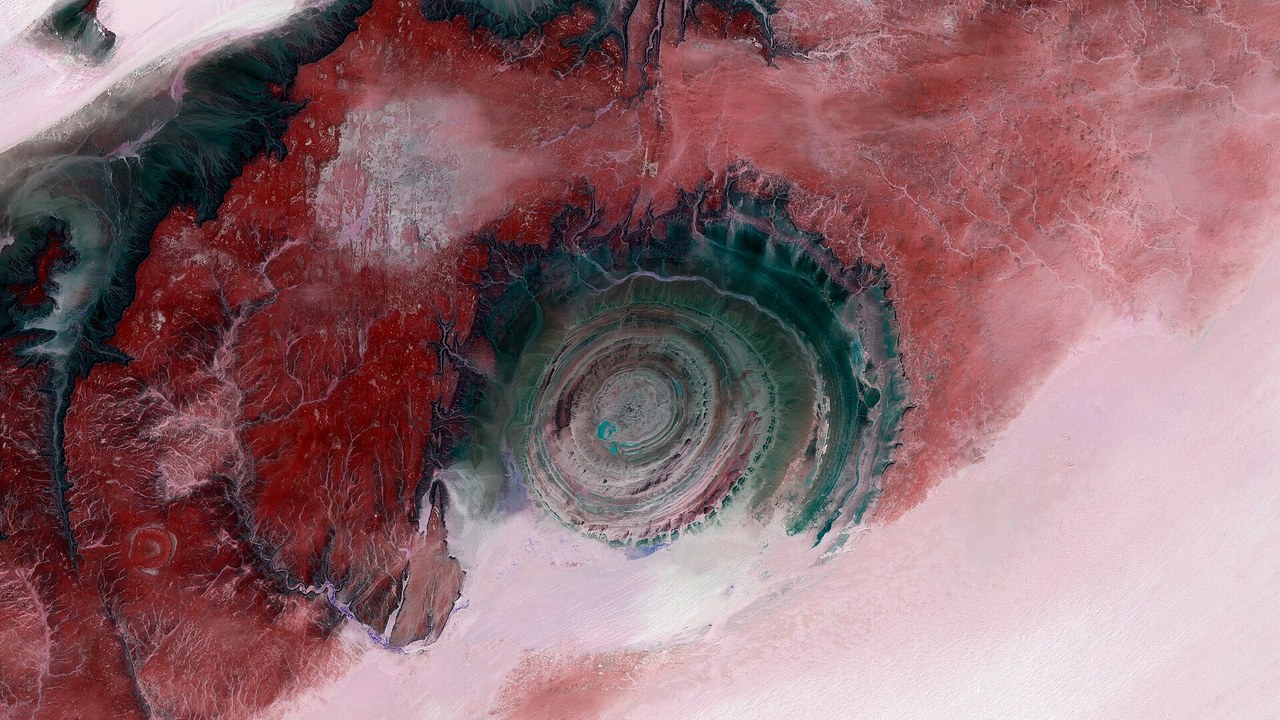
The 40-kilometer-wide Richat Structure in the Sahara, nicknamed the Eye of Africa, looks like an impact crater, but according to the Richat Structure entry, it formed from rising igneous rock that deformed the layers above.
Erosion later carved the domed layers into the concentric rings that astronauts photograph from orbit. The formation is so large that it is hard to see from the ground, and it became famous only after the space age. It lies in Mauritania. Travel there is difficult.
More from Morning Overview
- A handful of car transmissions are so tough that mechanics say they almost never die
- Melting permafrost is setting off a newly identified kind of catastrophic landslide, scientists say
- Cadillac cut the price of its cheapest EV, which goes up to 317 miles on a charge
- Winter weather advisories cover I-80, I-70 and the Bighorns with up to 15 inches of snow
